Spicy Mapo Spaghetti with Doubanjiang
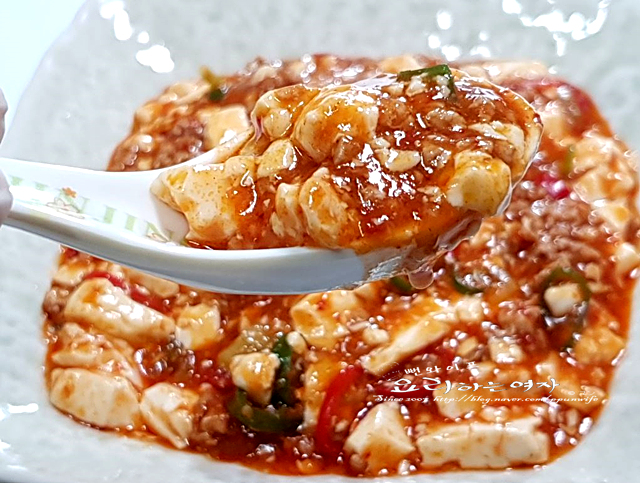
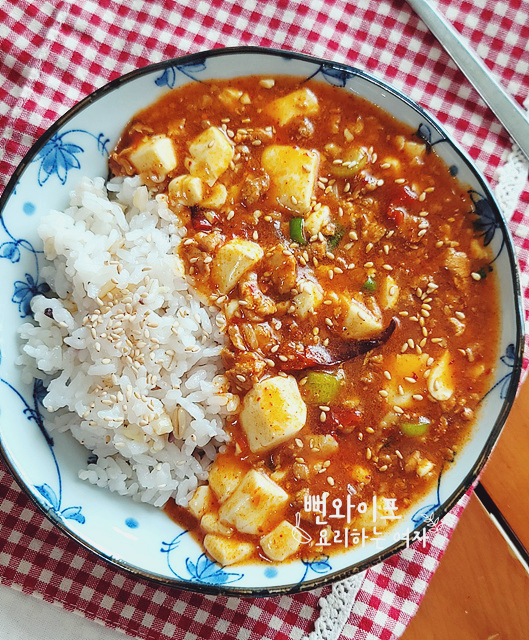
A fusion noodle dish made by tossing cooked spaghetti in a spicy mapo tofu sauce.
Translated from Korean by AI and not yet checked by a native speaker. Amounts and numbers are taken directly from the original recipe. Read the Korean original →
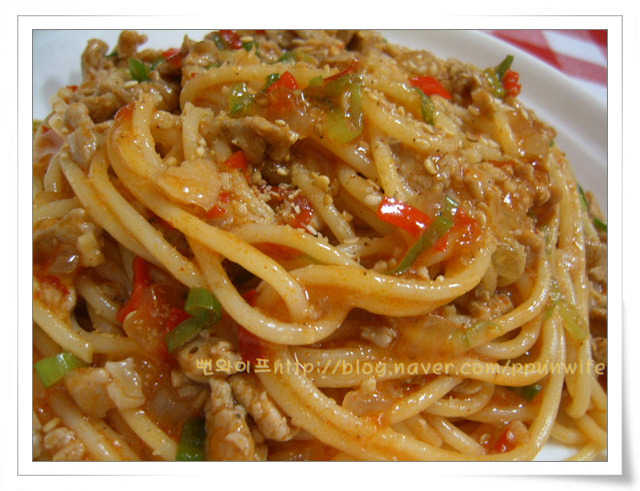
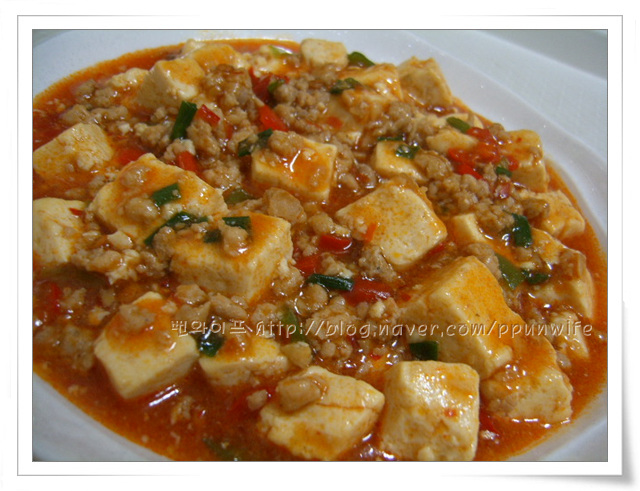
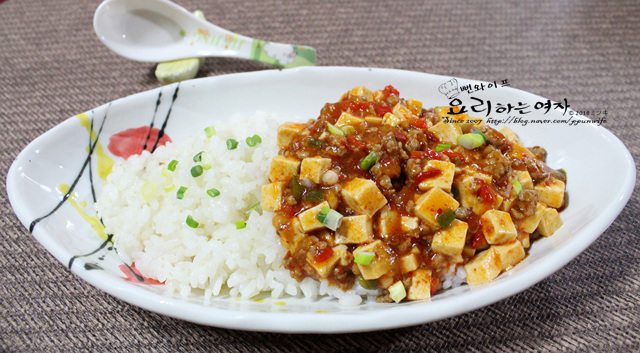
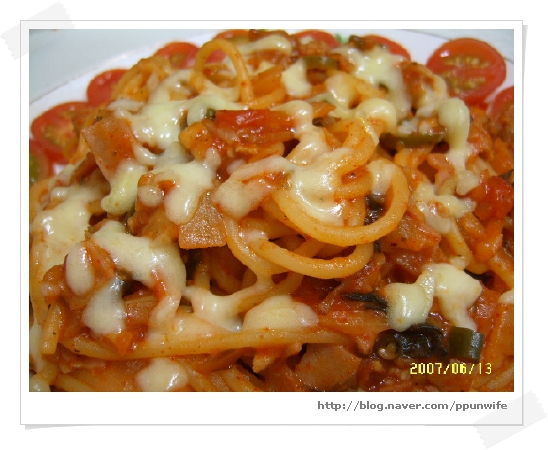
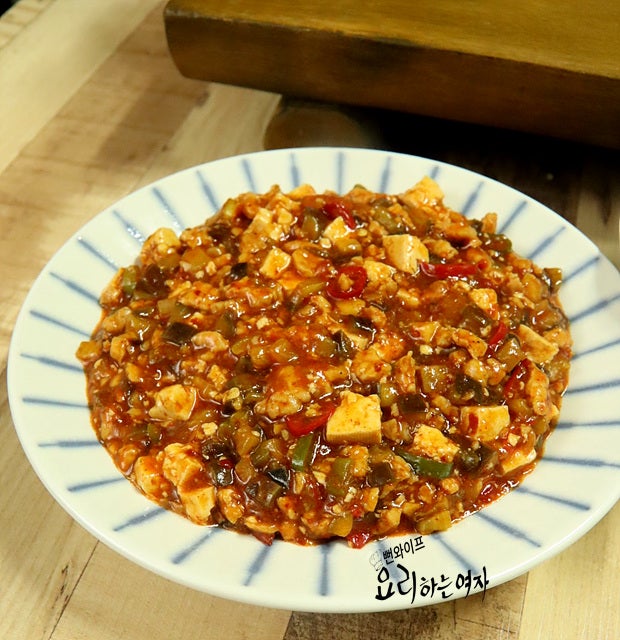
This fusion spaghetti features ground meat and vegetables stir-fried in doubanjiang sauce for a spicy, savory kick. Tossed in a thickened sauce with boiled noodles, it makes for an easy and satisfying one-bowl meal.
- Servings
- 2 servings
- Cook time
- 10 minprep not included
- Difficulty
- Hard
- Spiciness
- Spicy
Ingredients
Ingredients
- Ground pork (or beef)100 g
- Cheongyang chili pepper (hot green chili)1
- Red chili pepper1
- Large green onion (daepa) (or 3 stalks scallions (jjokpa))1/3 stalks
- Onion2 layers
- Spaghetti noodles200 g
- Chili oil2 tbsp
- Minced garlic1 tbsp
- Potato starch slurry1.5 tbsp
Meat marinade
- Soy sauce1 tbsp
- Cheongju (Korean rice wine) (or mirin (cooking rice wine))1 tbsp
- Ground black peppera little
Mapo tofu sauce
- Doubanjiang (chili bean paste)1.5 tbsp
- Regular soy sauce (jin-ganjang)1 tbsp
- Sugar1 tbsp
- Corn syrup (mulyeot)1 tbsp
- Toasted sesame oil1 tsp
- Anchovy broth (or water)1 cup
- If you don't have doubanjiang, mix equal parts commercial doenjang and gochujang instead.
- If you are cooking for children or dislike spicy food, omit the Cheongyang chili pepper and substitute bell pepper instead.
- 80g of noodles is standard for 1 serving, or use 100g for a generous portion.
Steps
1. Finely chop or mince the meat and season it. Finely chop the vegetables as well.
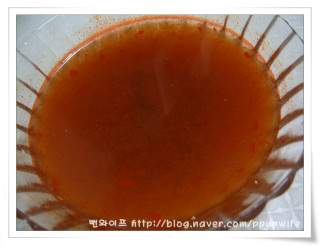
2. Making the sauce in advance according to the measurements makes cooking much easier.
If you don't have doubanjiang, you can make it by mixing doenjang and gochujang in equal parts.
Since the seasoning is adjusted with soy sauce or doubanjiang, tweak it to suit your taste.
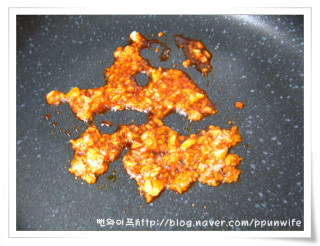
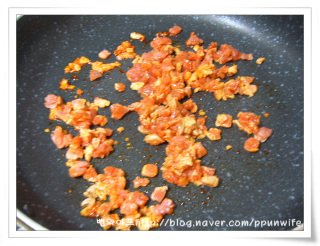
3. Heat chili oil in a pan over high heat, add the minced garlic, and stir-fry to release its aroma.
4. Add the meat and stir-fry until it turns white.
See how to make chili oil here: http://blog.naver.com/ppunwife/140040800941
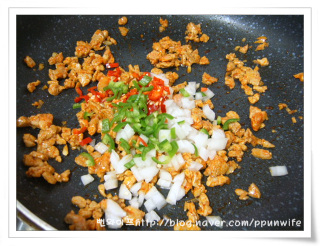
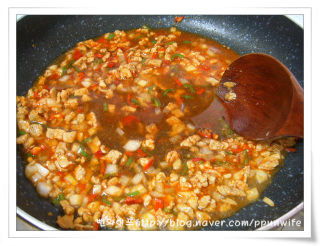
5. Add the onion, Cheongyang chili pepper, and red chili pepper, then stir-fry briefly.
(If you are cooking for children or dislike spicy food, omit the Cheongyang chili pepper and substitute bell pepper instead.)
6. Pour in the prepared sauce.
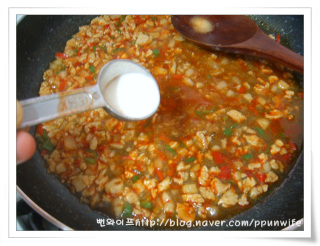
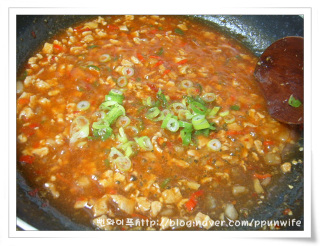
7. Once the sauce begins to boil, lower the heat to low, add the potato starch slurry, and stir until thickened.
1.5 tbsp of potato starch slurry gives just the right thickness. If it becomes too thick, the spaghetti will lack moisture when you eat it.
8. Finish by adding the large green onion and toasted sesame oil at the end.
10
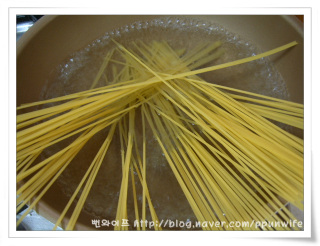
9. Boil the spaghetti noodles in boiling water for 10 minutes. (80g of noodles is standard for 1 serving, or use 100g for a generous portion.)
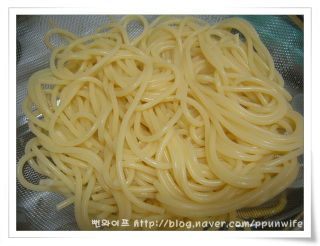
10. Once the noodles are cooked, simply drain the water; there is no need to rinse them.
11
12
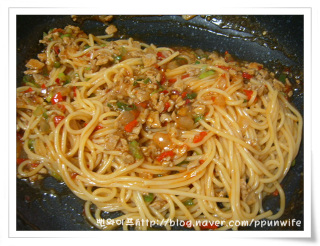
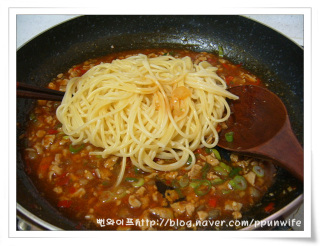
11. Add the spaghetti noodles to the sauce.
12. Toss together and serve on a plate.
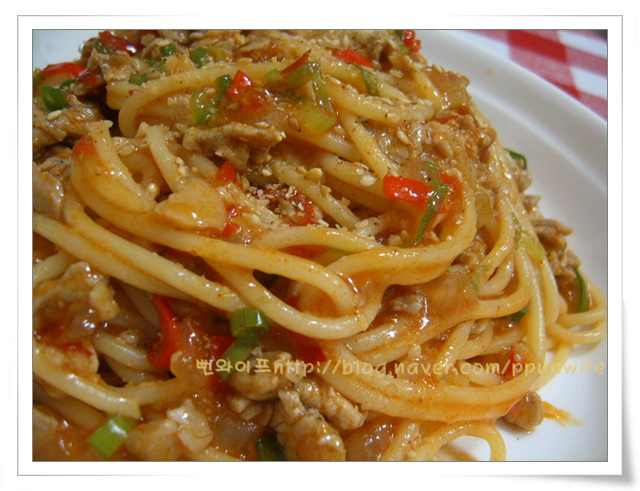
Sprinkle parmesan cheese over the spaghetti to suit your taste.
I finished it with a sprinkle of savory ground toasted sesame seeds.
 Ppunwife's tips
- Doubanjiang is made by fermenting Chinese-style soybean paste with dried chili peppers. Instead of doubanjiang, you can also mix Korean doenjang and gochujang to cook with.
- 1.5 tbsp of potato starch slurry gives just the right thickness. If it becomes too thick, the spaghetti will lack moisture when you eat it.
- Sprinkle parmesan cheese over the spaghetti to suit your taste. I finished it with a sprinkle of savory ground toasted sesame seeds.
FAQ
How can I make it if I don't have doubanjiang?
You can substitute it by mixing commercial doenjang and gochujang in an equal 1 to 1 ratio.
How do I adjust the spiciness to eat with children?
You can enjoy it without heat by omitting the Cheongyang chili pepper and replacing it with bell pepper.
Should I rinse the boiled spaghetti noodles in cold water?
Simply drain the water without rinsing and toss them directly into the sauce.
How thick should the sauce be?
A moderately thick consistency is ideal, as adding too much potato starch slurry will make it stiff and prevent the noodles from staying moist.