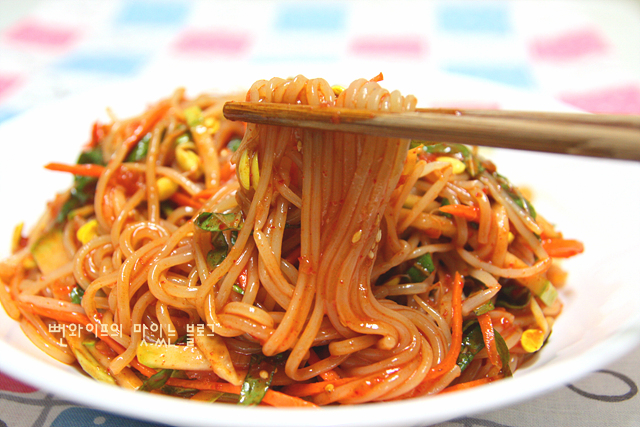
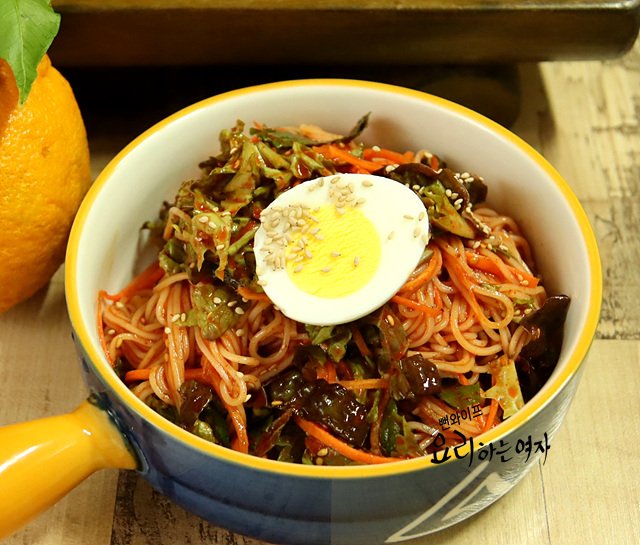
Sweet and Spicy Jjolmyeon (Spicy Chewy Noodles)
A noodle dish of chewy noodles and crisp vegetables tossed in a sweet and spicy aged sauce.
Translated from Korean by AI and not yet checked by a native speaker. Amounts and numbers are taken directly from the original recipe. Read the Korean original →
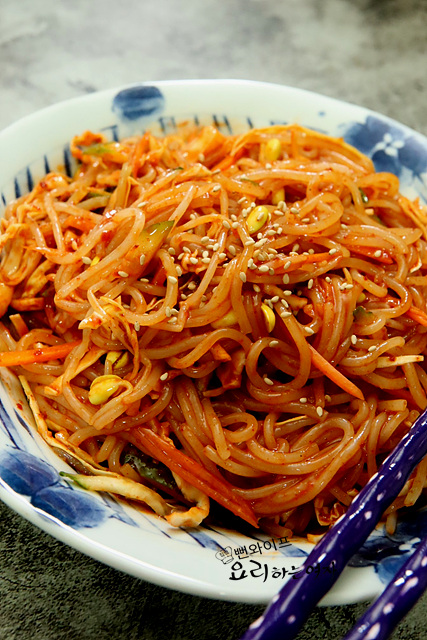
A one-bowl treat of chewy noodles tossed with soybean sprouts and crisp vegetables in a sweet and spicy special sauce. Letting the sauce age for about a day removes any raw chili powder smell and brings out deep savory flavor. Boil the noodles briefly and rinse in cold water to keep them wonderfully springy.
- Servings
- 2 servings
- Difficulty
- Medium
- Spiciness
- Spicy
Ingredients
Ingredients
- Jjolmyeon noodles2
- Soybean sprouts100 g
- Cabbage2 leaves
- Cucumber1/3
- Carrot1/4
Sauce
- Fine gochugaru (Korean chili flakes)1 tbsp
- Gochujang (Korean red chili paste)3 tbsp
- Regular soy sauce (jin-ganjang) (or brewed soy sauce (yangjo-ganjang))1 tbsp
- Corn syrup (mulyeot)2 tbsp
- Sugar1 tbsp
- Vinegar1 tbsp
- Minced garlic1 tbsp
- Ground black peppera little
- Toasted sesame oil
- Toasted sesame seeds
- Use whatever vegetables you have in the fridge; lettuce or other greens work well too.
- If separating the noodles strand by strand feels tedious, freeze them first and soak them in water—they separate quickly. Soak until soft before boiling.
Steps
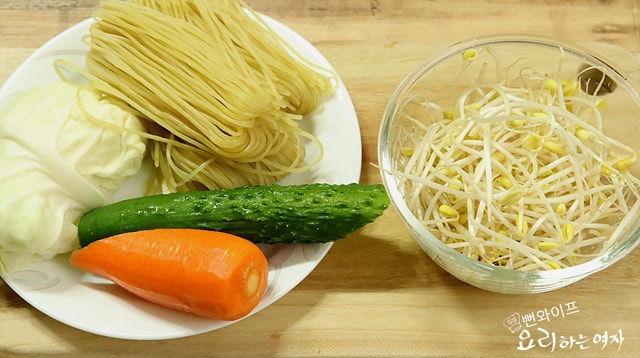
Prepare whatever vegetables you have in the fridge.
I brought out cabbage, cucumber, carrot, and soybean sprouts.
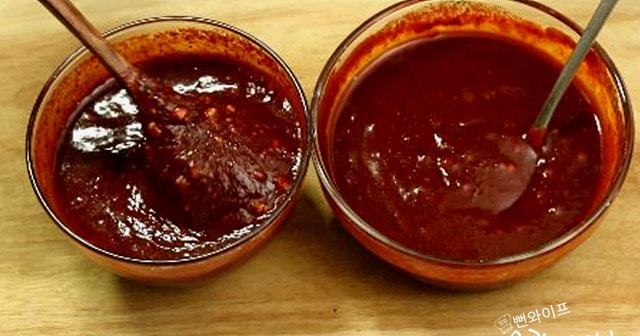
Mix all the sauce ingredients together except for the toasted sesame oil and toasted sesame seeds.
If you grind the gochugaru finely in a blender, the color turns out much prettier.
You can eat it right away, but letting it age overnight removes any raw chili smell, gives it a vibrant color, and blends the seasonings for a much deeper flavor.
It is great to make a large batch to keep in the fridge and toss right into boiled jjolmyeon or somyeon noodles.
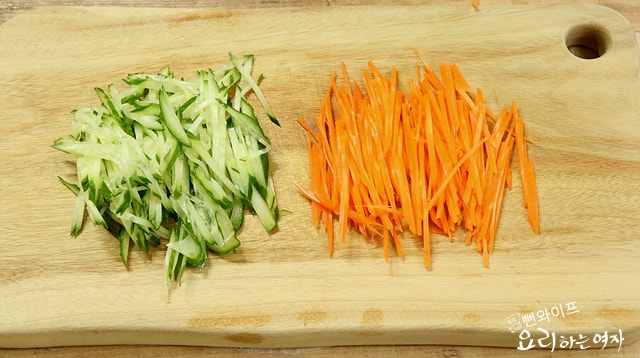
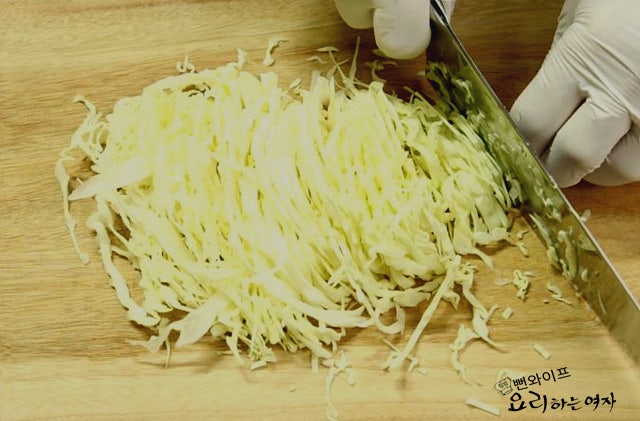
Finely julienne the cucumber and carrot.
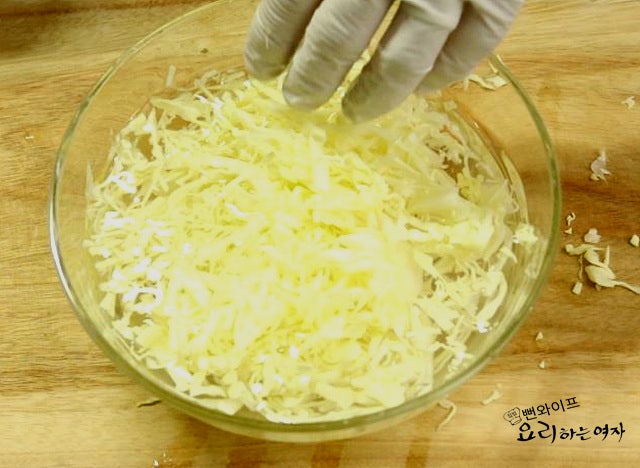
Finely shred the cabbage as well, and if you soak it in cold water before using, the texture becomes much crispier.
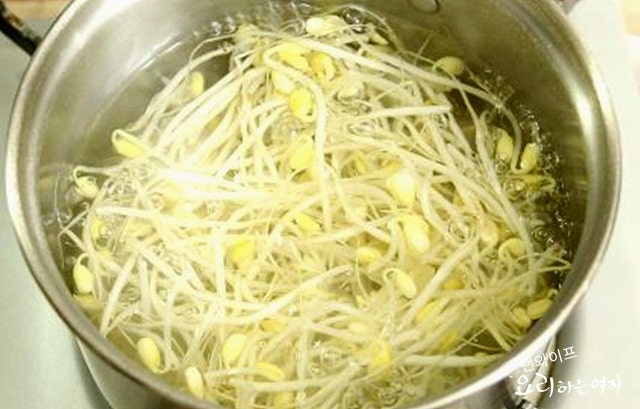
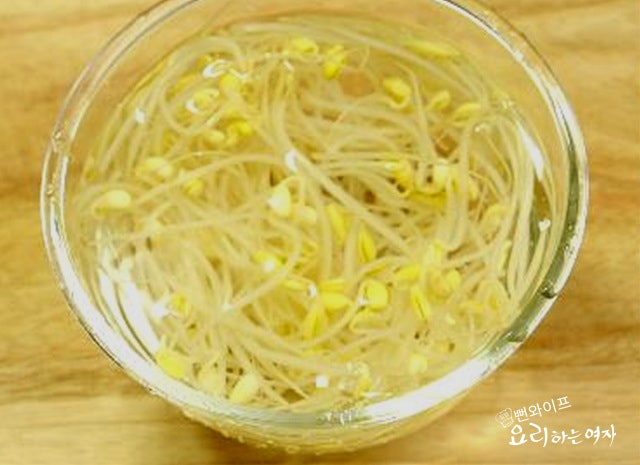
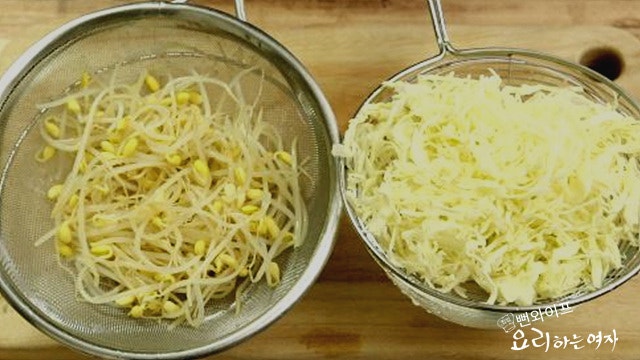
Blanch the soybean sprouts in rolling boiling water, rinse in cold water, and drain in a strainer.
Drain the cabbage that was soaking in cold water as well.
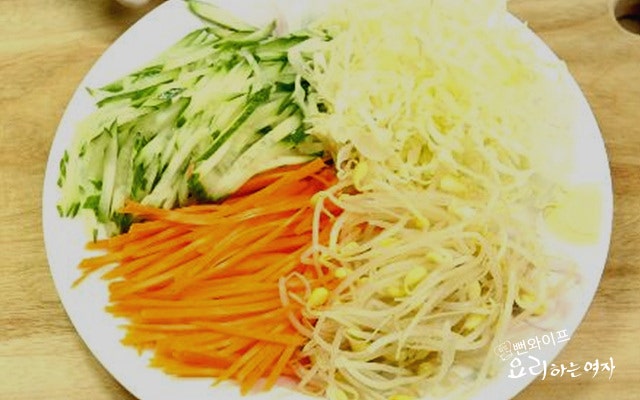
Besides these vegetables, you can also use lettuce or whatever ingredients you have.
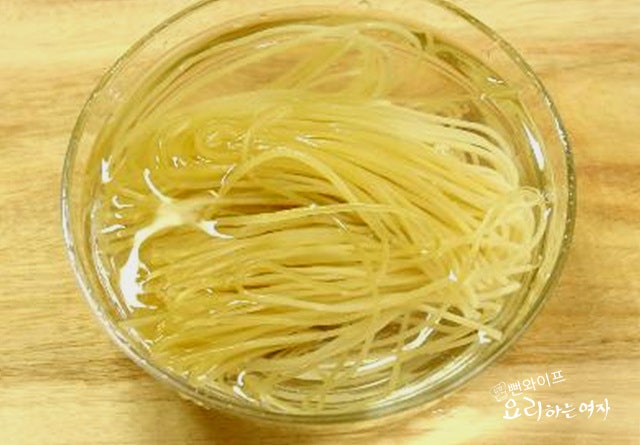
If separating the jjolmyeon noodles strand by strand feels tedious, freeze them first and soak them in water—they separate quickly.
Even after they separate, the surface is still hard, so keep them submerged in water until soft before boiling.
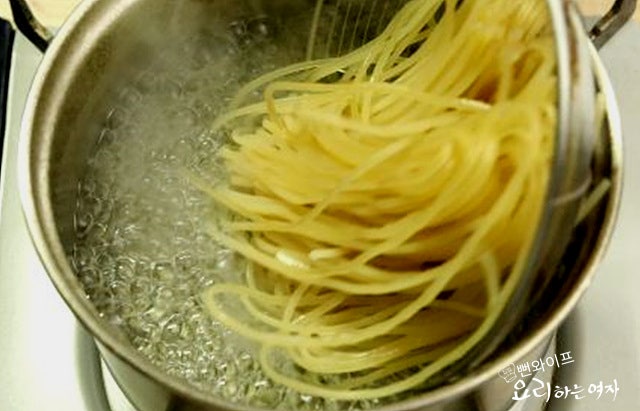
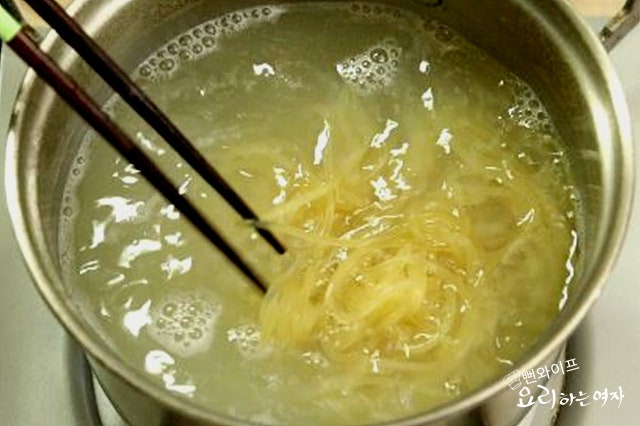
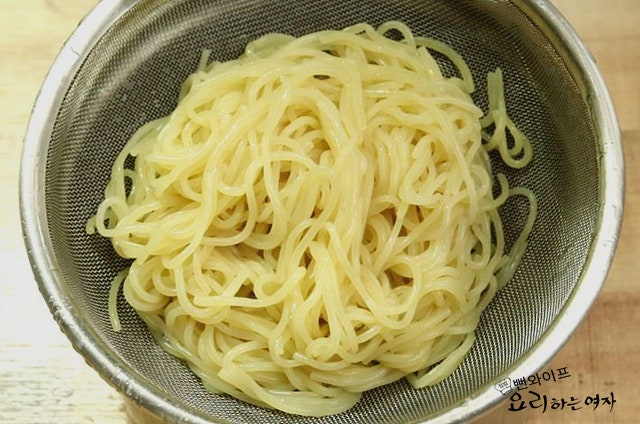
Add the jjolmyeon noodles to rolling boiling water and boil for about 1 minute; when they feel soft when rubbed between your fingers, they are fully cooked.
Rinse in cold or ice water to wash off the starch and make the noodles springy.
Drain in a strainer and the preparation is all done.
Boil the jjolmyeon at the very end after the sauce and vegetables are ready so the noodles do not get soggy.
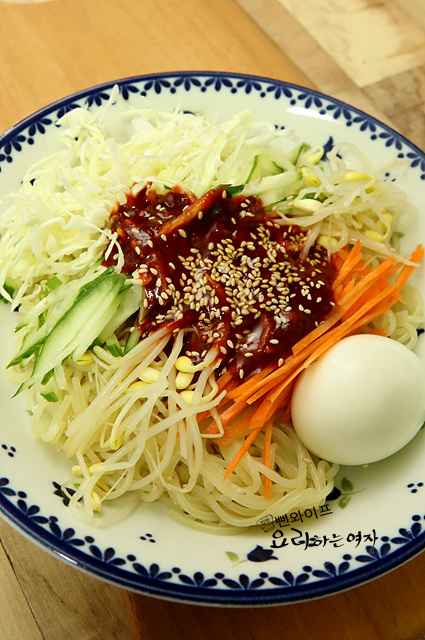
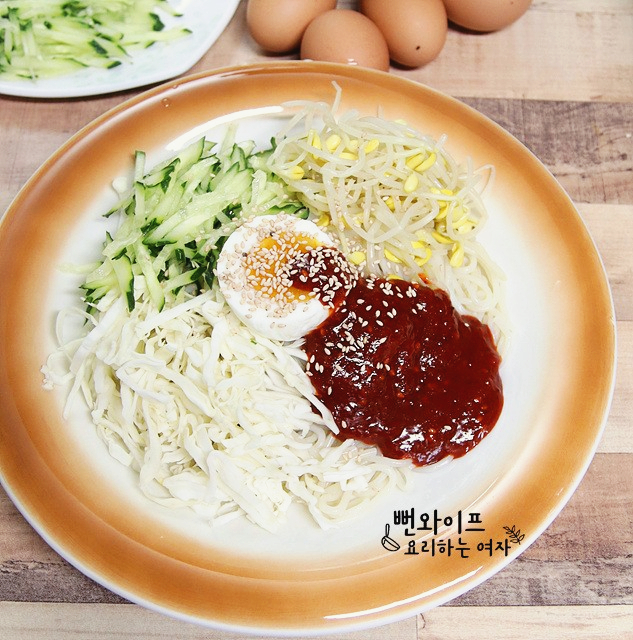
Neatly arrange the noodles, vegetables, and sauce on a plate, and top with a boiled egg if you have one.
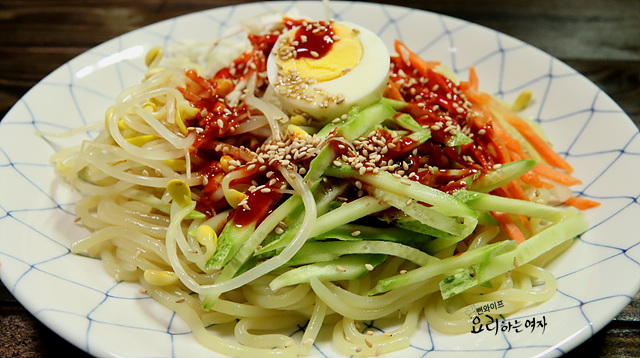
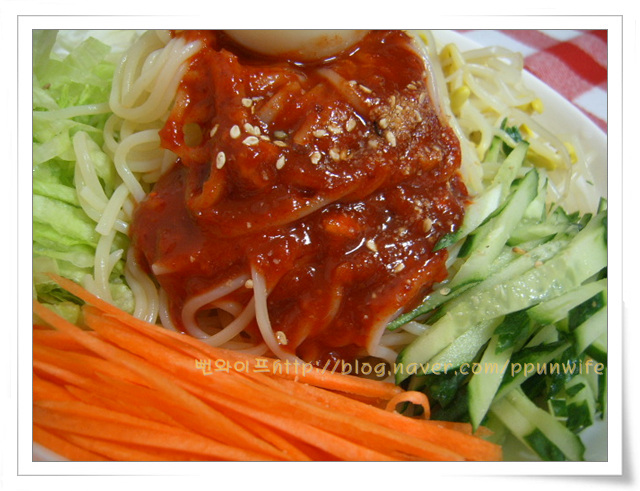
Finish with toasted sesame oil and toasted sesame seeds, and your appetizing jjolmyeon is complete.
 Ppunwife's tips
- Grinding the gochugaru finely in a blender gives the sauce a much prettier color.
- Aging the sauce overnight removes any raw chili smell, yields a vibrant color, and blends the flavors much more deeply.
- Shredding the cabbage finely and soaking it in cold water makes the texture much crispier.
- Boil the noodles at the very end once the sauce and vegetables are ready so they do not get soggy.
- If you like a tangier flavor, add more vinegar when tossing the noodles.
FAQ
Is there a way to make the sauce taste even better?
Mix the sauce ingredients without the toasted sesame oil and toasted sesame seeds and let it age overnight; this gets rid of the raw chili powder smell and deepens both the color and flavor.
Is there a tip for separating the noodles easily without tangling?
Freeze the noodle bundles first, then soak them in cold water; the strands will separate effortlessly.
How do I bring out the crisp texture of the cabbage?
Shred it finely, soak it briefly in cold water, and shake off the moisture before using to revive its crispness.
Can I make it tangier if I prefer?
The base recipe uses just 1 tbsp of vinegar to avoid tasting overly sour like chojang, so feel free to add more vinegar if you prefer extra tang.