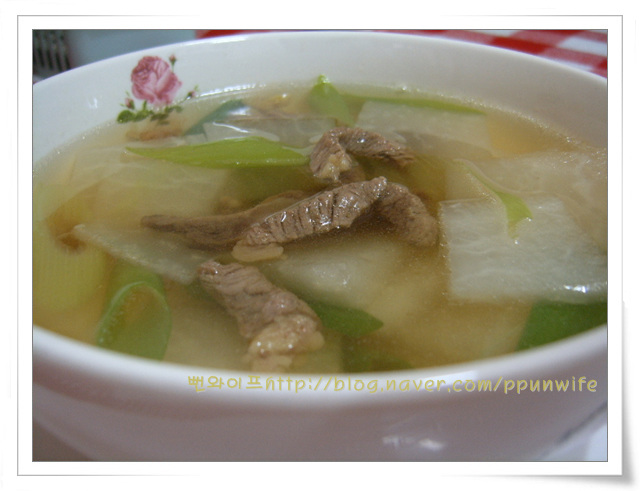
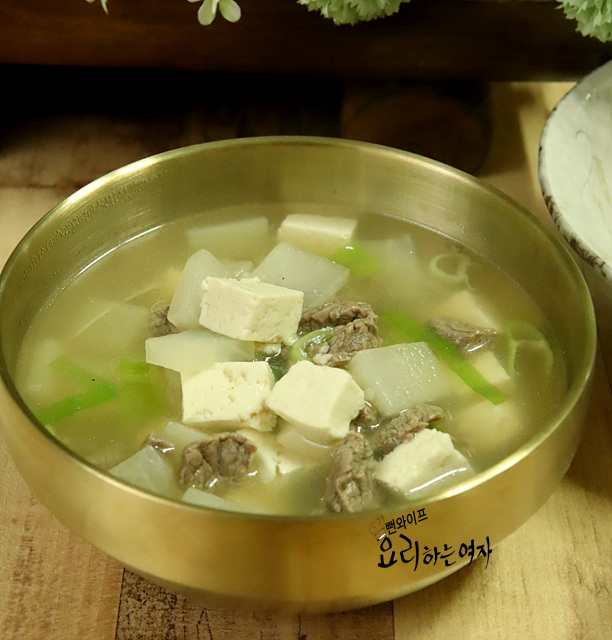
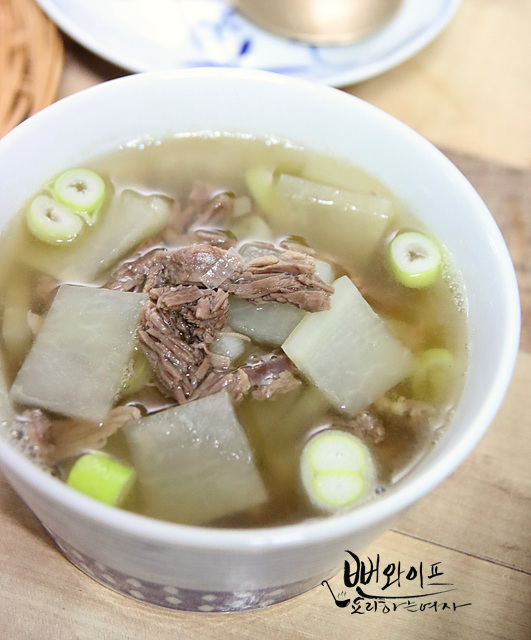
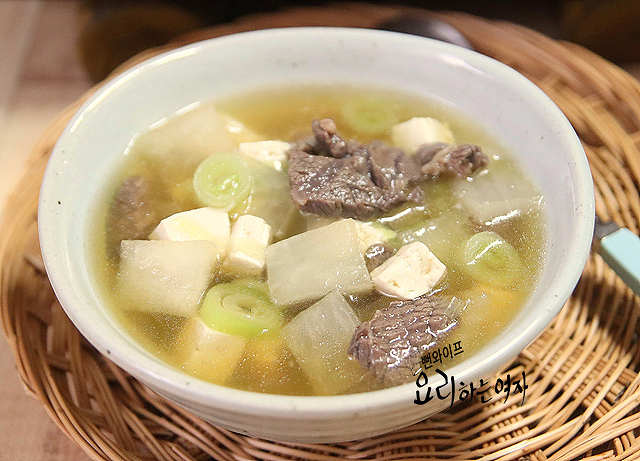
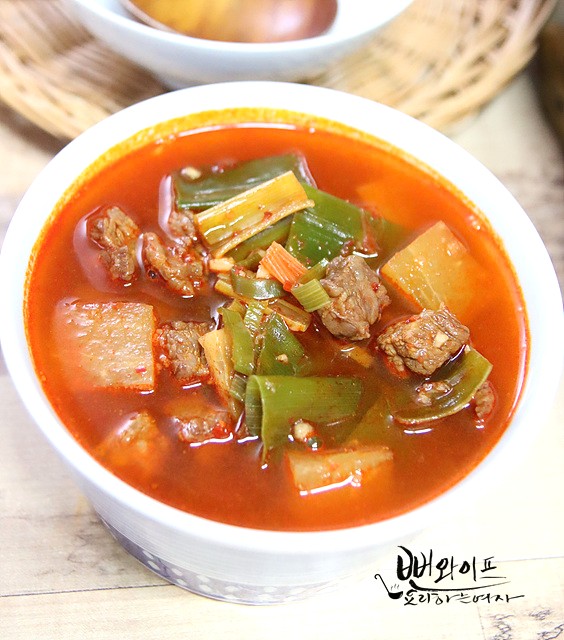
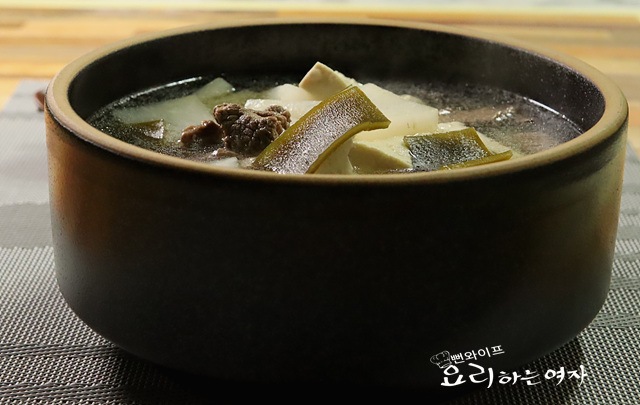
Clean and Mild Sogogi Muguk (Beef Radish Soup)
A clear soup made by sauteing beef and Korean radish in toasted sesame oil, then simmering cleanly in anchovy broth.
Translated from Korean by AI and not yet checked by a native speaker. Amounts and numbers are taken directly from the original recipe. Read the Korean original →
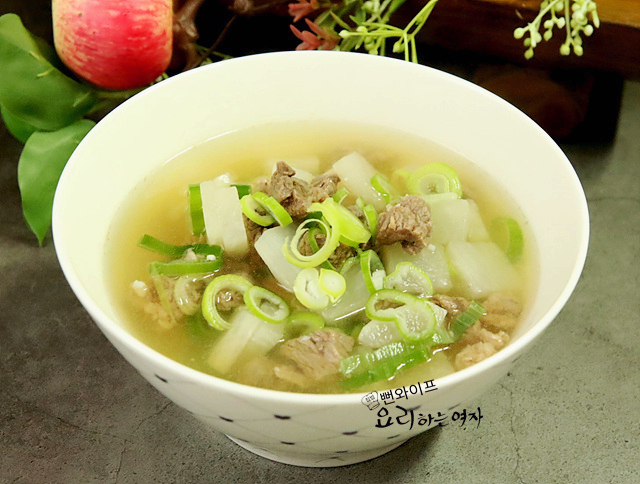
This mild soup serves 2 to 3, made by sauteing pre-seasoned beef and refreshing Korean radish before pouring in anchovy broth. With no harsh seasonings, it is great as a hearty choice for breakfast or a family soup.
- Servings
- 2–3 servings
- Difficulty
- Easy
- Spiciness
- Not spicy
Ingredients
Ingredients
- Beef150 g
- Korean radish (mu)200 g
- Large green onion (daepa)1/2 stalks
- Anchovy broth6 cups
Meat marinade
- Soup soy sauce (guk-ganjang)1/2 tbsp
- Mirin (cooking rice wine)1 tbsp
- Ground black peppera little
Seasoning
- Soup soy sauce (guk-ganjang)1 tbsp
- Minced garlic1 tbsp
- Salt1 tsp
- For soup beef, you can use brisket, round, or shank.
- You can also add your favorite tofu or mushrooms.
- If you do not have anchovy broth, you can boil it with water, and substituting tuna extract sauce for soup soy sauce in the seasoning later will also make the broth taste good.
Steps
Season the beef
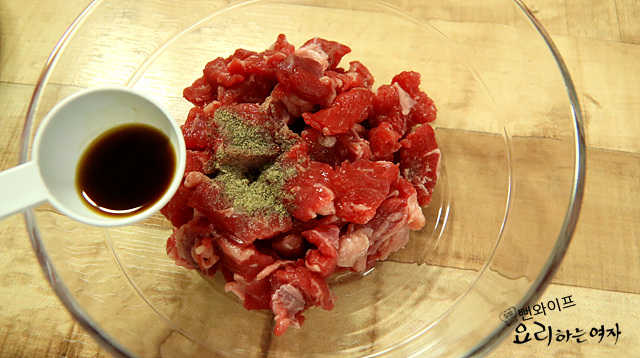
Pat the blood off the beef with paper towels.
Season with 1/2 tbsp soup soy sauce (guk-ganjang), 1 tbsp mirin (cooking rice wine), and a little ground black pepper.
Cut the secondary ingredients
Cut the secondary ingredients
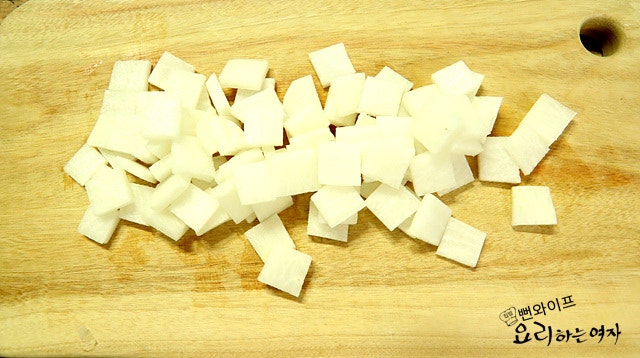
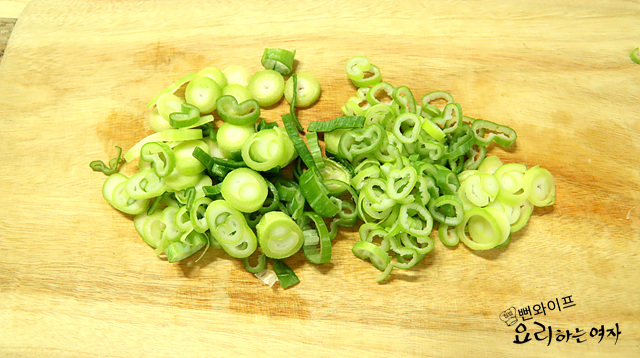
Cut the Korean radish into bite-sized thin squares.
Slice the large green onion into rounds.
Saute the ingredients
Saute the ingredients
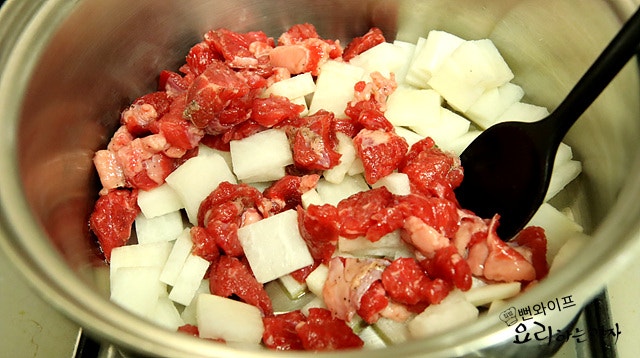
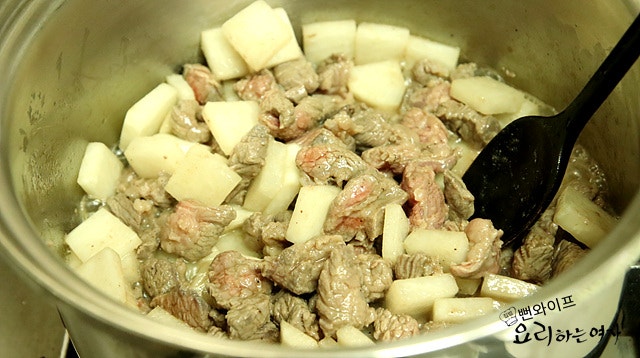
Heat 2 tbsp toasted sesame oil in a pot, add the meat and radish, and saute gently so they do not burn.
Saute until the surface of the meat is cooked all over...
Simmer the beef soup
Simmer the beef soup
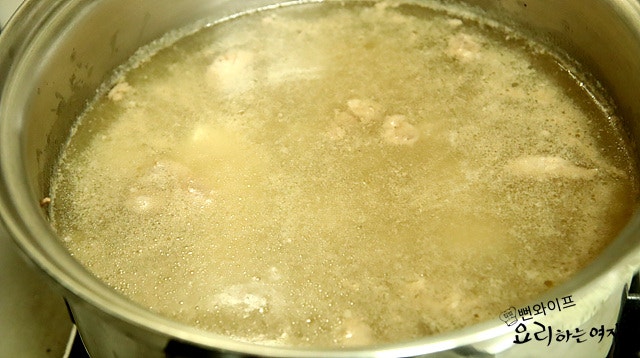
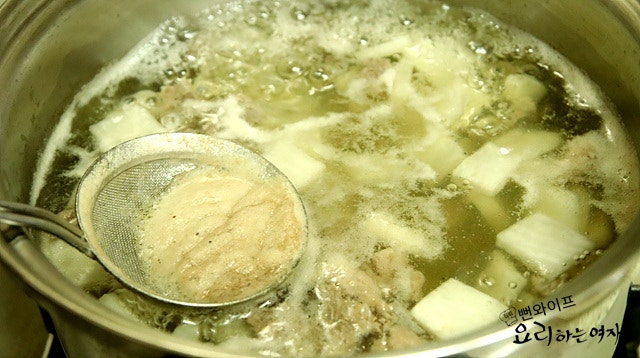
Pour in 6 cups anchovy broth.
As the soup boils vigorously, skim off the foam cleanly.
If you do not have anchovy broth, you can boil it with water, and substituting tuna extract sauce for soup soy sauce in the seasoning later will also make the broth taste good.
Season the soup
Season the soup
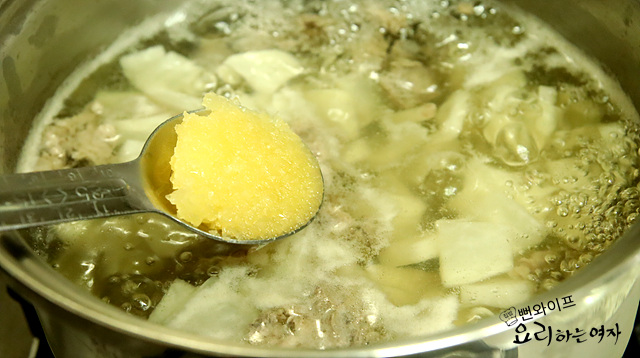
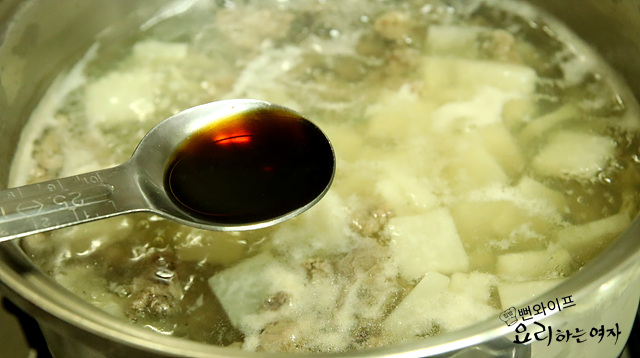
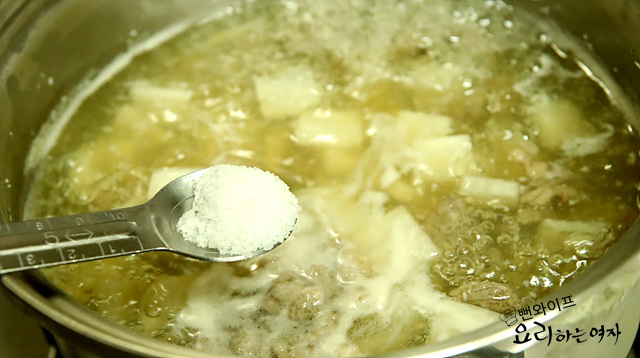
Once the radish and beef are completely cooked and the meat flavor infuses into the broth, add 1 tbsp minced garlic, 1 tbsp soup soy sauce (guk-ganjang), and 1 tsp salt, then simmer briefly so the flavors blend into the broth.
Taste it, and if it is too bland, you can add more salt.
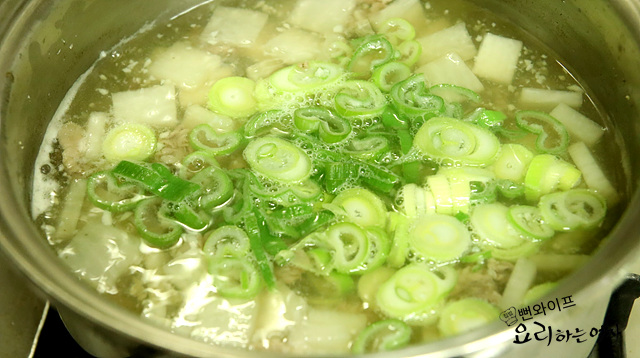
Finally, add the large green onion and simmer briefly just until it wilts, and it is done.
 Ppunwife's tips
- Adding plenty of large green onion gives the broth an aromatic and delicious flavor.
- As the soup boils vigorously, skim off the foam cleanly.
- Taste it, and if it is too bland, you can add more salt.
FAQ
What should I do if I don't have anchovy broth?
You can boil it with plain water, and using tuna extract sauce instead of soup soy sauce when seasoning later will enhance the broth's umami.
Which beef cuts are best for soup?
It is suitable to use brisket, round, or shank cuts for simmering.
Can I add other ingredients to my liking?
Depending on your preference, adding tofu or mushrooms goes very well together.
What should I use to adjust the seasoning if it tastes bland after boiling?
After checking the taste, if it is bland, add more salt to adjust it to your liking.