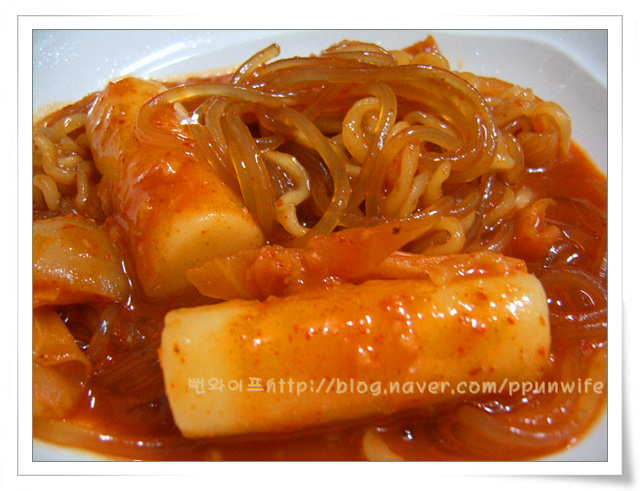
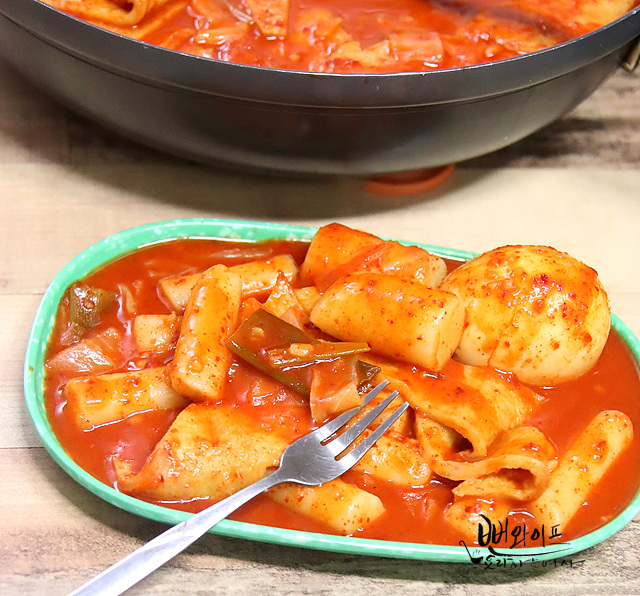
Spicy Gungmul Tteokbokki (Simmered Rice Cakes with Broth)
A spicy table-simmered tteokbokki where all the ingredients and seasonings are cooked together in plenty of savory broth to spoon up.
Translated from Korean by AI and not yet checked by a native speaker. Amounts and numbers are taken directly from the original recipe. Read the Korean original →
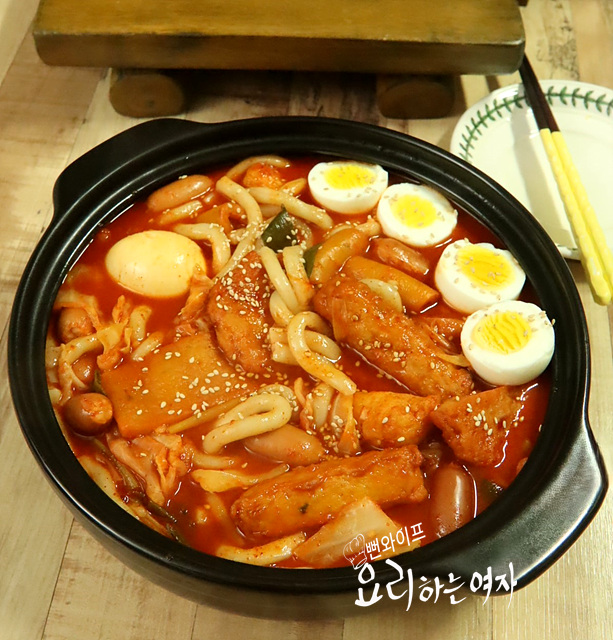
This is a simple, table-simmered tteokbokki made by cooking rice cakes, fish cake, vegetables, and seasonings all together in a pot. Broth tablets and tuna extract sauce add rich umami, creating a spicy broth that keeps you scooping spoonful after spoonful. It also goes wonderfully fried with rice and dried seaweed flakes in the leftover broth.
- Servings
- 3–4 servings
- Difficulty
- Medium
- Spiciness
- Spicy
Ingredients
Ingredients
- Rice cakes450 g
- Fish cake (eomuk)300 g
- Boiled egg
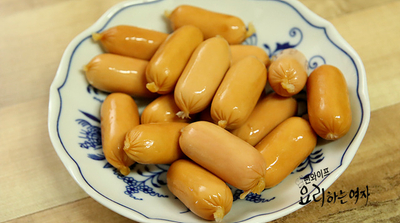
- Vienna sausages1 pack, 135 g
- Cabbage200 g
- Large green onion (daepa)1/2 stalks
- Anchovy broth (or 5 cups water + 2 broth tablets)5 cups
Seasoning
- Gochujang (Korean red chili paste)3 tbsp
- Tuna extract sauce (chamchi-aek)2 tbsp
- Fine gochugaru (Korean chili flakes)3 tbsp
- Mirin (cooking rice wine)2 tbsp
- Corn syrup (mulyeot)3 tbsp
- Sugar1 tbsp
- Minced garlic1/2 tbsp
- I used thin noodle-style wheat rice cakes.
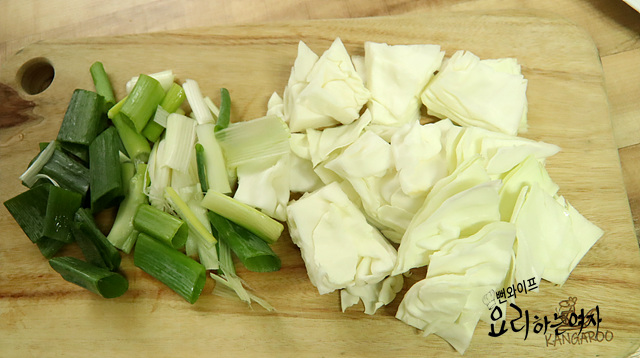
- Adding plenty of naturally sweet, crisp cabbage makes it fun to pick out and eat.
- If you do not have tuna extract sauce, you can substitute regular soy sauce or oyster sauce.
Steps
Prepare the ingredients
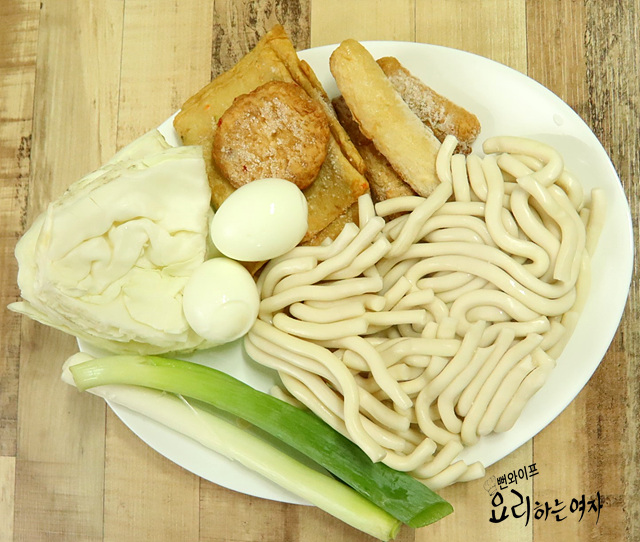
I prepared thin noodle-style wheat rice cakes.
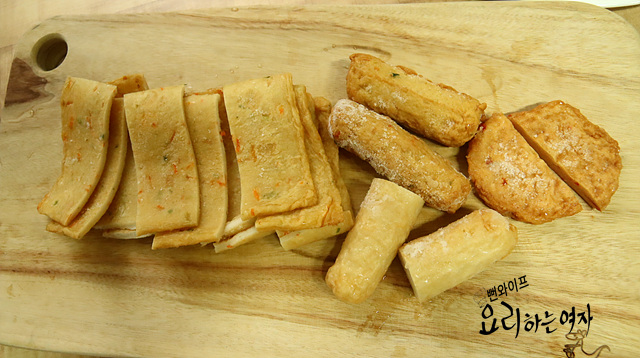
The fish cake is about 4 flat sheets. Boiled eggs too.
Adding plenty of naturally sweet, crisp cabbage makes it fun to pick out and eat.
Prepare the large green onion as well, plus a bag (135g) of vienna sausages.
Soak the rice cakes and chop the ingredients
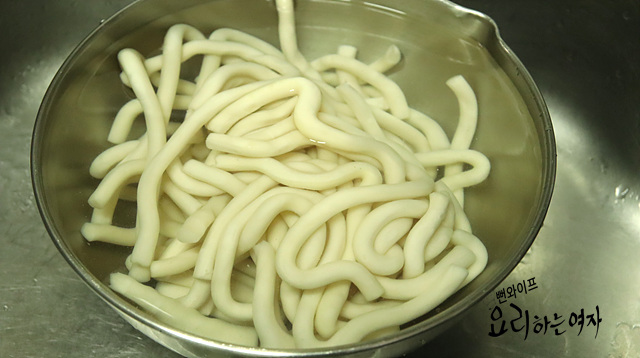
Soak the rice cakes in warm water to soften them.
Cut the fish cake into large pieces, and chop the vegetables into large pieces as well.
Add ingredients, seasonings, and simmer
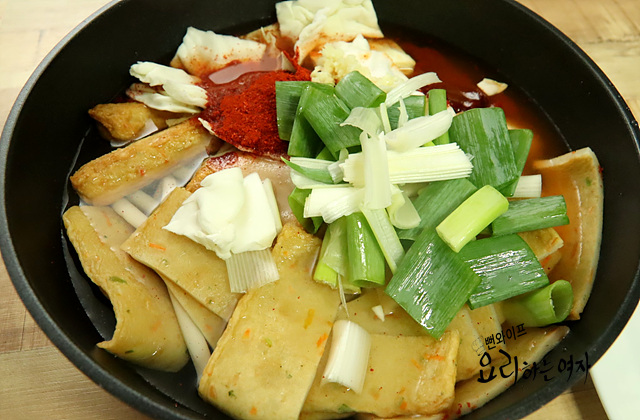
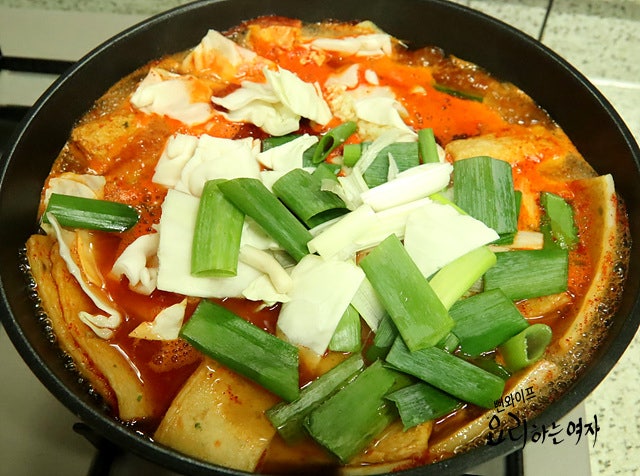
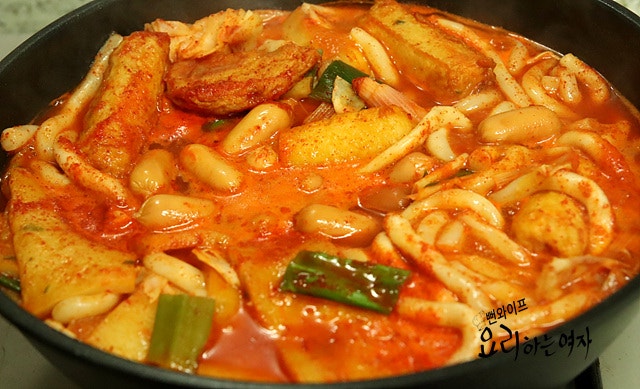
In a shallow pot, add the rice cakes, fish cake, sausages, vegetables, 2 broth tablets, and all the seasonings, then pour in 5 cups of water and bring to a boil.
If you do not have tuna extract sauce among the seasonings, you can substitute regular soy sauce or oyster sauce.
It is meant to be cooked and eaten right away like table-simmered tteokbokki, so the broth is lighter than thick, regular tteokbokki.
Just simmer until the rice cakes, fish cake, and vegetables become tender and the seasonings are well blended.
If you prefer it thicker, just cook it a bit longer.
Complete
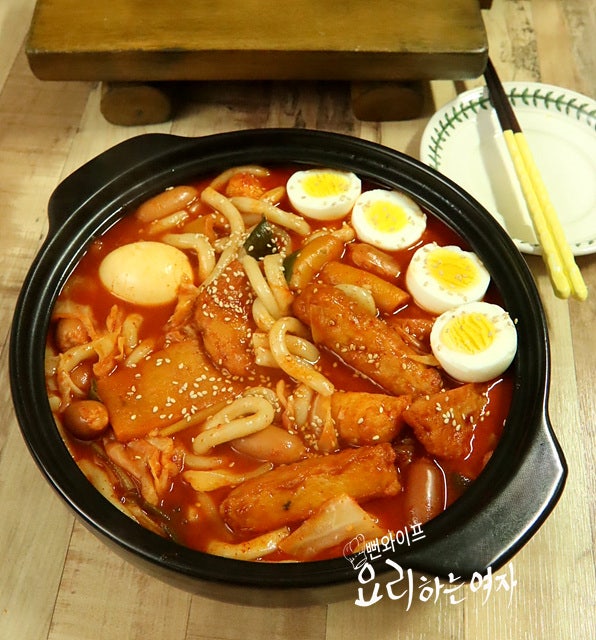
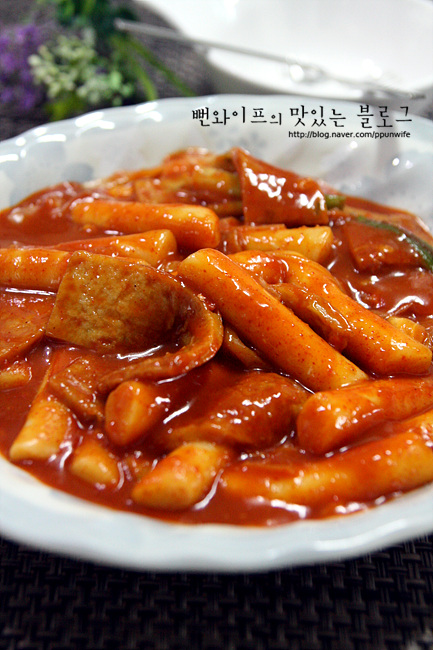
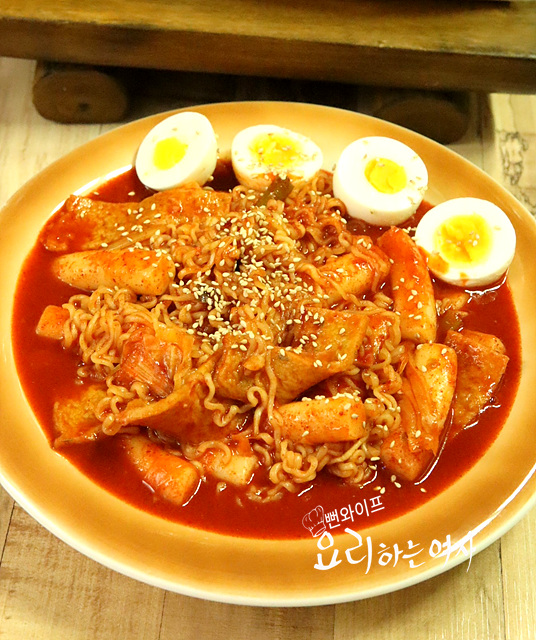
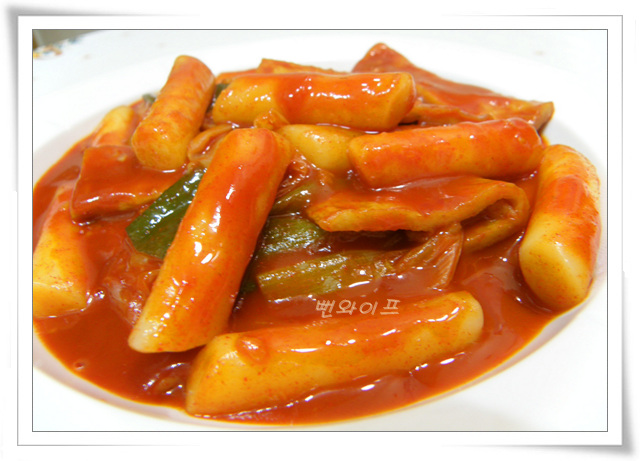
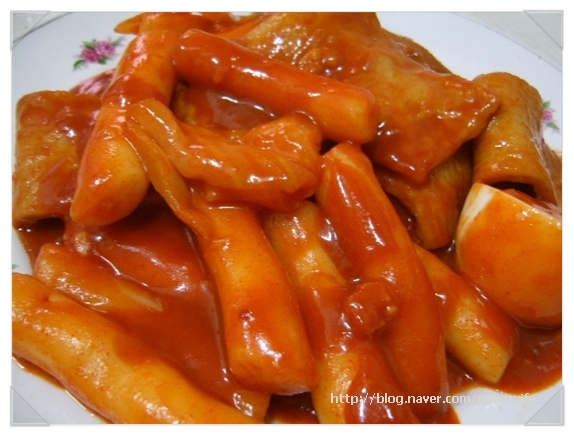
It is not overly salty and has great umami, making it a gungmul tteokbokki that has you scooping up the broth spoonful after spoonful.
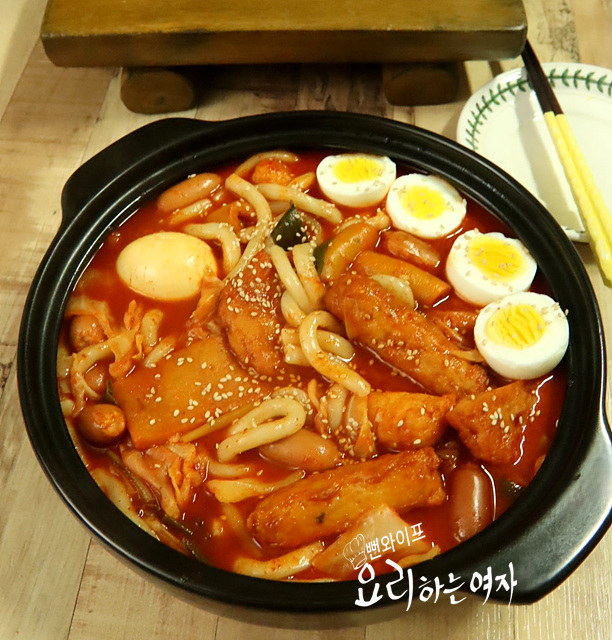
When you do not feel like making rice or soup, simmering a pot of gungmul tteokbokki is a great way to handle a meal.
With plenty of vegetables and even hard-boiled eggs for balanced flavor and nutrition, it makes a truly satisfying meal.
It is also delicious to fry rice and dried seaweed flakes in whatever broth is left.
 Ppunwife's tips
- If you prefer it thicker, just cook it a bit longer.
- It is also delicious to fry rice and dried seaweed flakes in whatever broth is left.
FAQ
What seasoning can I substitute if I do not have tuna extract sauce?
You can cook with regular soy sauce (jin-ganjang) or oyster sauce instead of tuna extract sauce.
How can I make the broth thicker?
If you want a thicker consistency, just simmer it a bit longer to reduce the liquid.
What is a good way to use the leftover tteokbokki broth?
It is great to make fried rice by adding cooked rice and dried seaweed flakes to the remaining broth.