Sweet and Chewy Yakbap (Sweet Glutinous Rice) in a Rice Cooker
A sweet and chewy holiday rice cake dish made by cooking glutinous rice with chestnuts and nuts in an electric rice cooker using the regular white rice cycle.
Translated from Korean by AI and not yet checked by a native speaker. Amounts and numbers are taken directly from the original recipe. Read the Korean original →
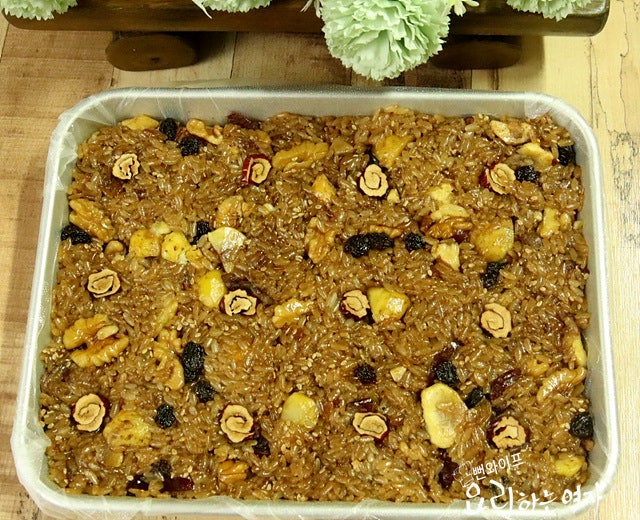
This Yakbap is made as easily as cooking everyday rice using the regular white rice function on an electric rice cooker. A sauce made with jujube-infused water, dark brown sugar, and ground cinnamon gives it a gentle aroma, while generous amounts of chestnuts and nuts create a rich texture. Neatly wrapped, it makes a wonderful holiday gift or offering for an ancestral memorial table.
- Servings
- about 6–8 servings
- Difficulty
- Easy
- Spiciness
- Not spicy
Ingredients
Ingredients
- Glutinous rice4 cups
- Chestnuts15
- Walnuts1 cup
- Dried jujubes15
- Raisins1 cup
- Toasted sesame seeds2 tbsp
- Toasted sesame oil3 tbsp
Yakbap Sauce
- Jujube infused water2 cups
- Dark brown sugar (or brown sugar)1 cup
- Regular soy sauce (jin-ganjang)5 tbsp
- Salt1/2 tsp
- Ground cinnamon1 tbsp
- Besides chestnuts, walnuts, dried jujubes, and raisins, you can also use peanuts, cashews, sunflower seeds, pine nuts, or ginkgo nuts in yakbap.
- Soak the glutinous rice well: about 1 hour during the hot summer and at least 2 hours in winter.
- Toast the walnuts until crisp or roast them in an air fryer to remove any stale odor and bring out their nutty flavor.
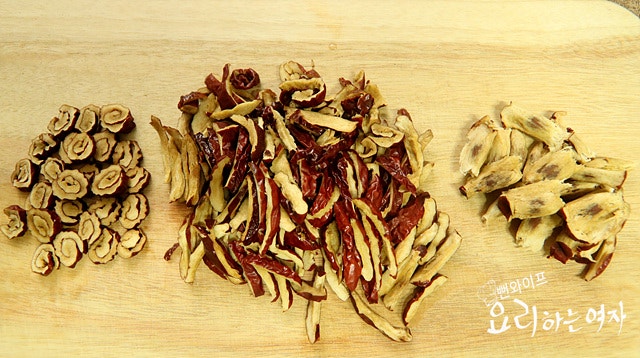
- Peel the flesh off the jujube pits; roll and slice a portion for the garnish, and cut the rest into thin strips.
Steps
Prepare the ingredients
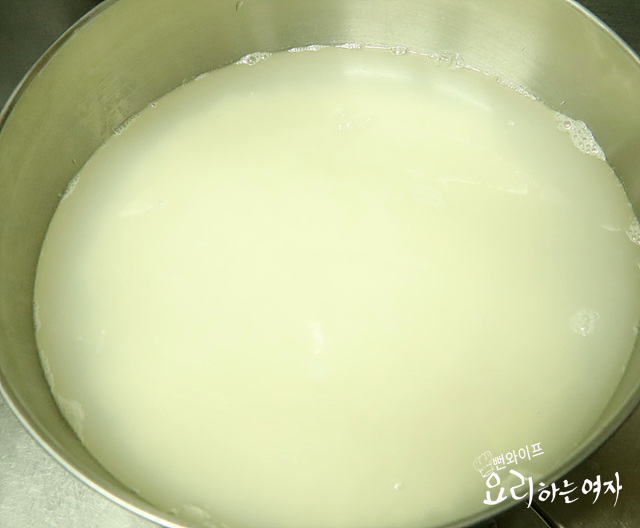
Rinse the glutinous rice, pour in enough water to cover it completely, and let it soak thoroughly—about 1 hour in hot summer or at least 2 hours in winter.
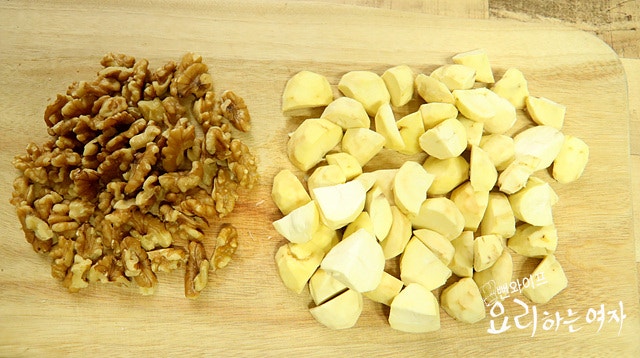
Cut the peeled chestnuts into bite-size pieces.
Toast the walnuts until crisp or roast them in an air fryer to get rid of any off-flavors and bring out their nutty taste.
Peel the dried jujube flesh around the pit; roll up the pieces reserved for garnish and slice them into rounds, and cut the remaining jujubes into thin strips.
Simmer the jujube pits
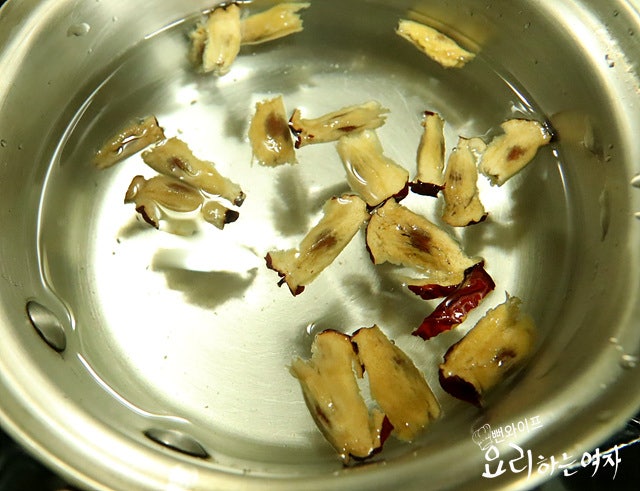
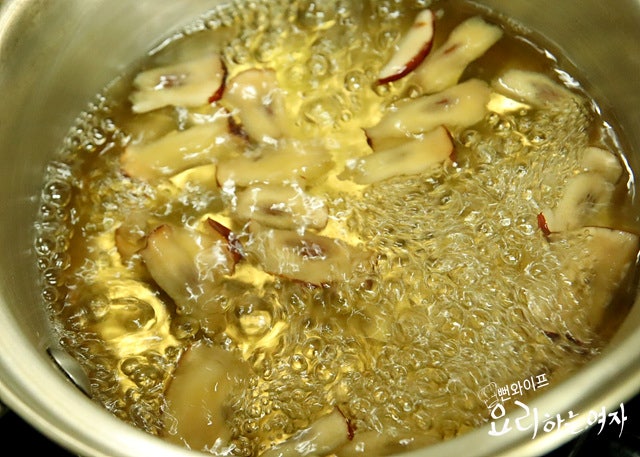
Add 3 to 4 cups of water to the jujube pits, and once it starts boiling, let it simmer gently to draw out the flavors.
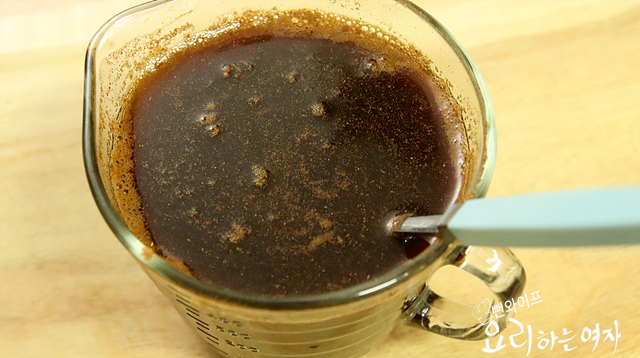
For the yakbap sauce, combine 2 cups of jujube infused water, 1 cup of dark brown sugar, 5 tbsp of regular soy sauce (jin-ganjang), 1/2 tsp of salt, and 1 tbsp of ground cinnamon, and mix well.
If you do not have enough jujube water, simply top it off with bottled water to make 2 cups.
Drain the soaked glutinous rice in a strainer until water stops dripping, then pour it into the rice cooker pot.
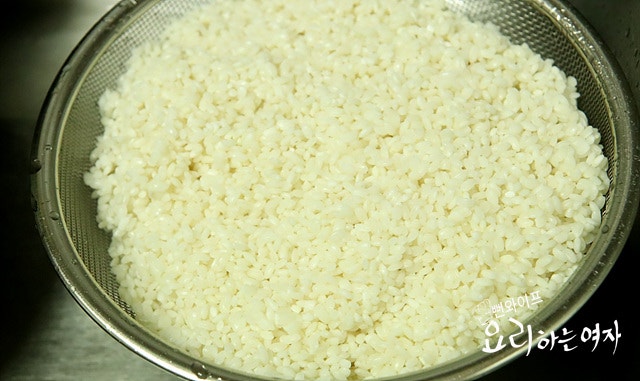
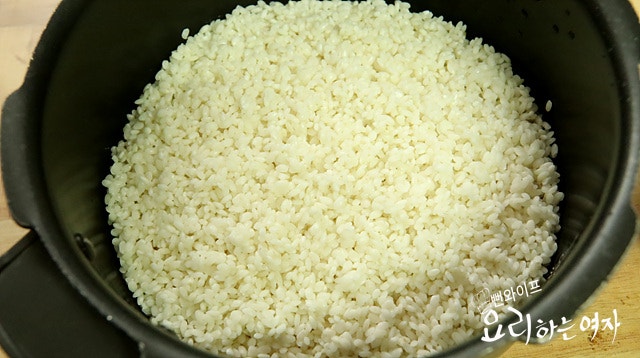
Drain the soaked glutinous rice in a strainer until water stops dripping, then transfer it into the rice cooker pot.
Cook the rice
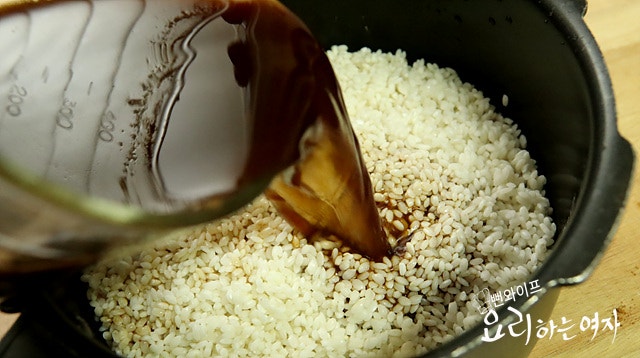
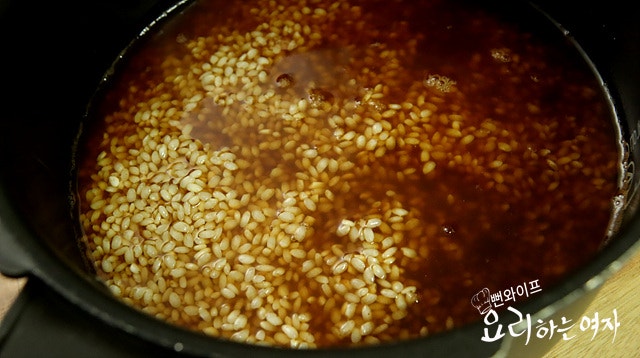
Pour in all of the yakbap sauce.
The liquid level is just right when it barely covers the surface of the glutinous rice.
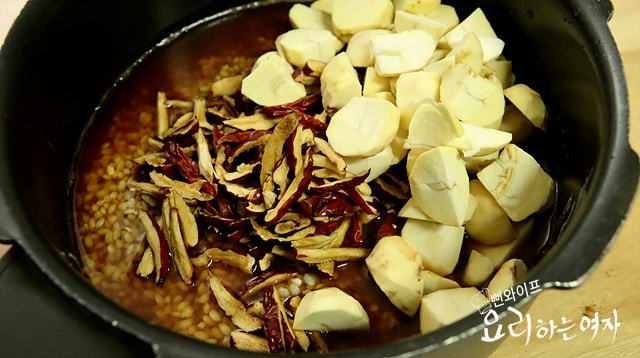
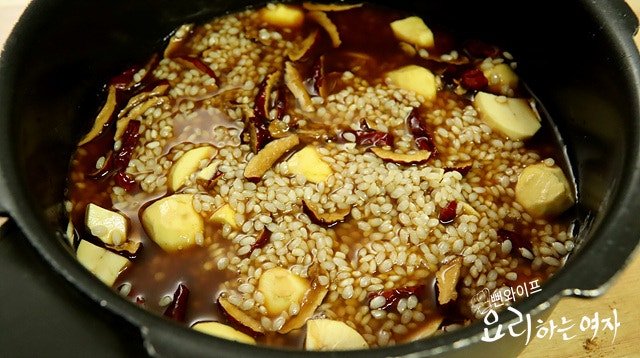
Add the chestnuts and thinly sliced jujubes, stir everything together evenly, and press cook using the regular white rice cycle just like making everyday rice.
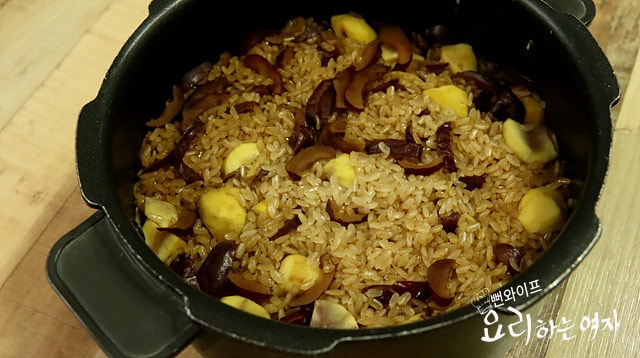
Every time I open the rice cooker lid for yakbap, I feel both excited and nervous.
Finish the yakbap
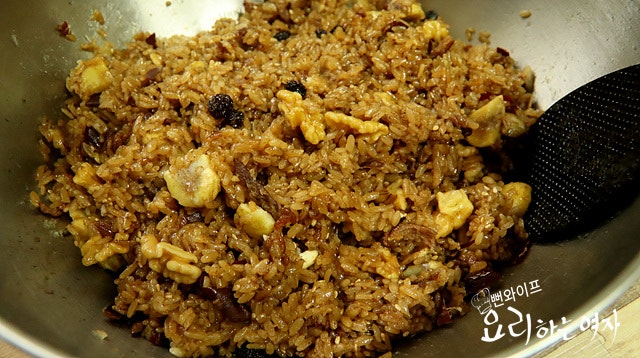
It turned out neither too mushy nor too firm, nicely chewy and tender.
When you turn the bottom over, it might look scorched, but that is simply because the sugar settled to the bottom.
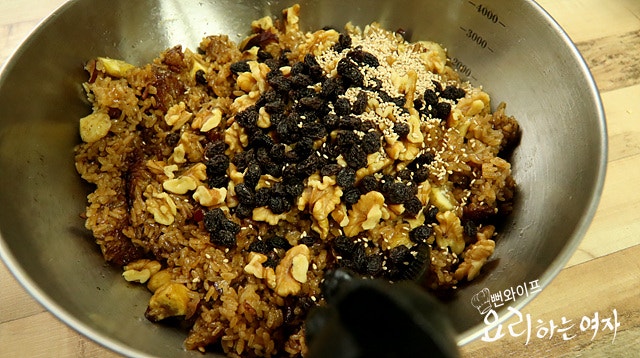
Transfer the rice to a large mixing bowl to make it easy to mix, then add the walnuts, raisins, 2 tbsp of toasted sesame seeds, and 3 tbsp of toasted sesame oil, and blend thoroughly.
Taste it, and if it feels a little bland, add more soy sauce or sugar to your liking.
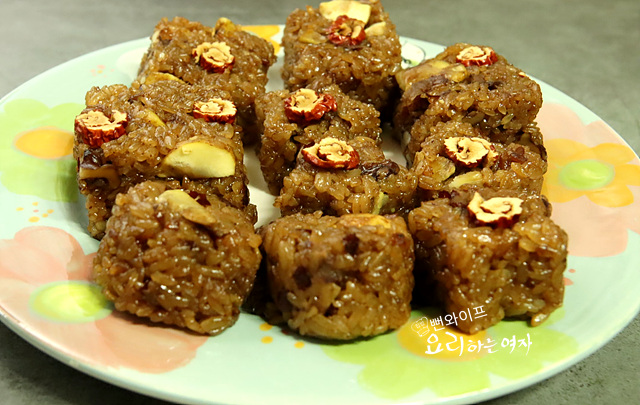
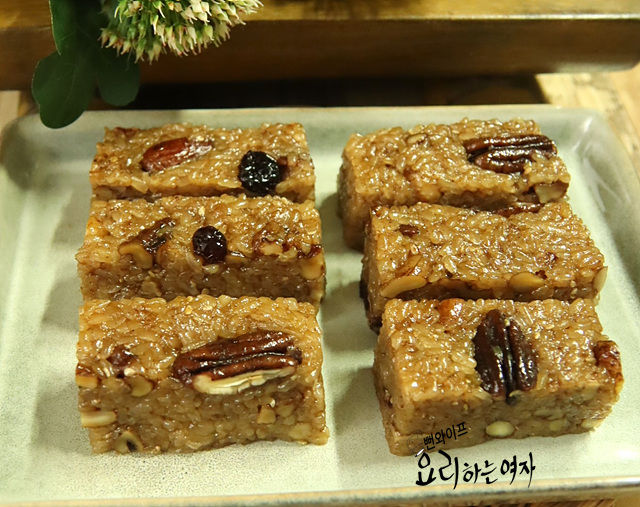
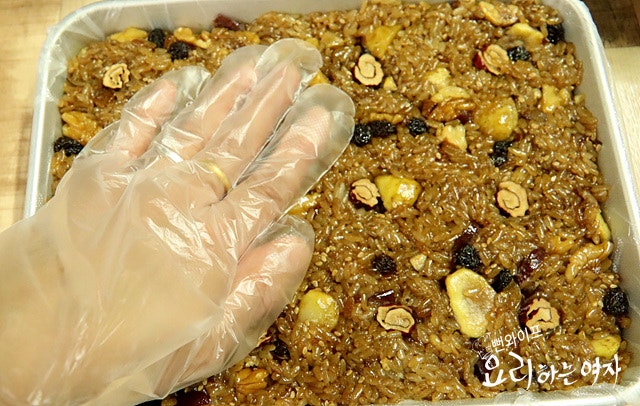
When packing the yakbap into a mold, arrange chestnuts, raisins, and walnuts neatly on top, add the jujube garnish attractively, and press down firmly.
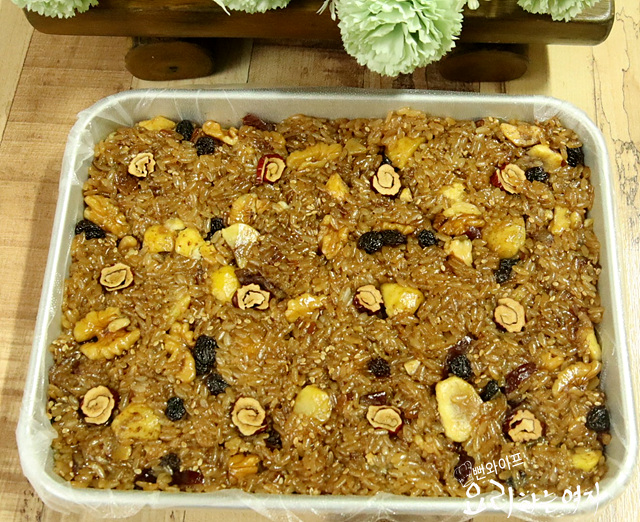
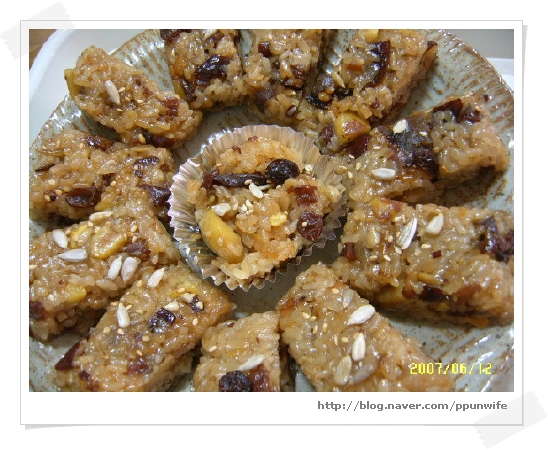
I arranged it neatly in a dish, and I think it looks even prettier before being sliced.
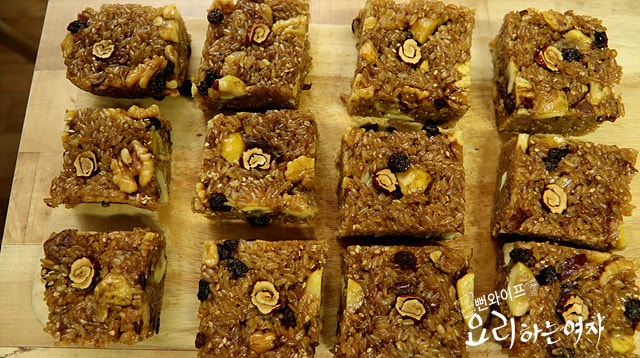
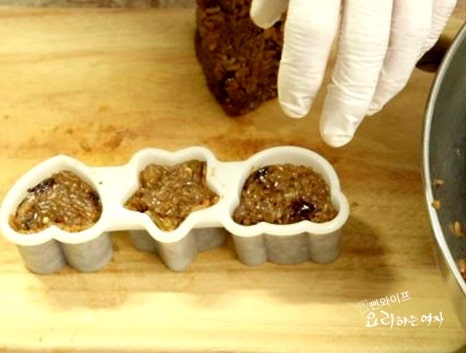
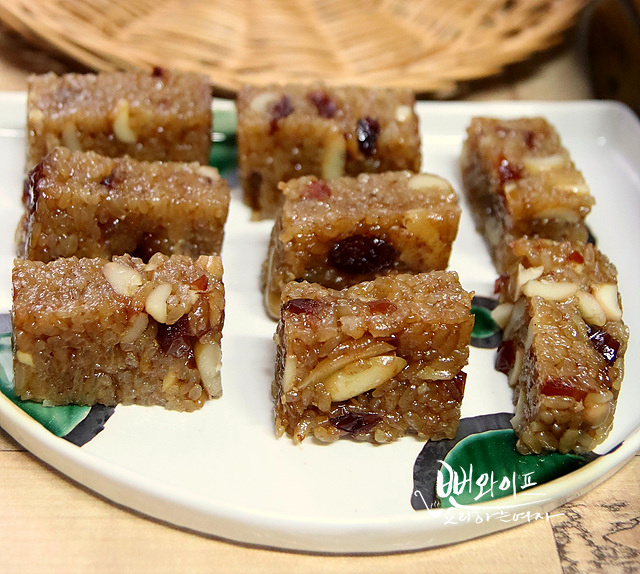
You can cut it into bite-size pieces with a knife, or shape it using cookie cutters or molds.
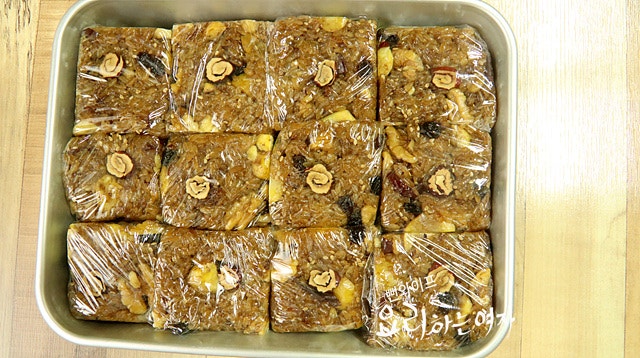
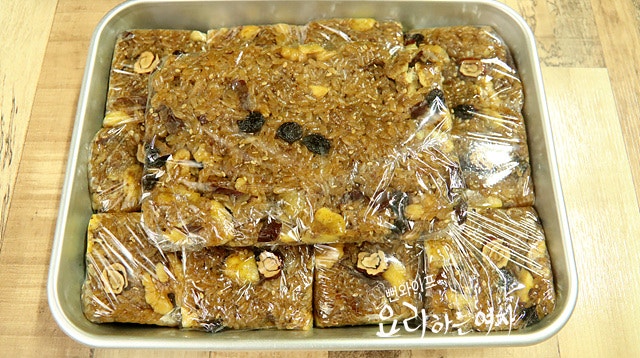
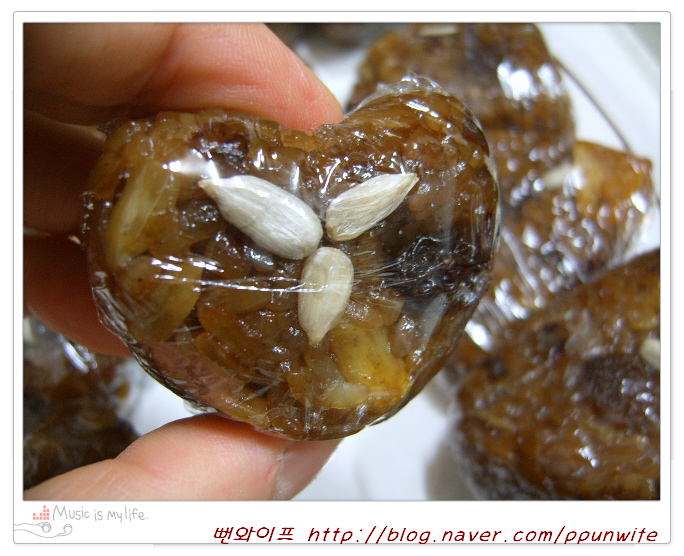
This year, I cut them into squares and wrapped them individually.
With the leftover portion that did not fit in the mold, I made one large piece.
 Ppunwife's tips
- If you do not have enough jujube water, simply add bottled water to reach 2 cups.
- The bottom may look slightly scorched when flipped, but that is just the sugar that settled during cooking.
- Taste the rice, and if it seems slightly bland, feel free to add more soy sauce or sugar.
FAQ
How long should I soak the glutinous rice?
After washing thoroughly, soak it in plenty of water for about 1 hour in hot summer weather, and at least 2 hours during winter.
What should I do if I don't have enough jujube water?
If the water simmered with the jujube pits falls short, simply add regular bottled water to make up the required 2 cups.
Can I add other nuts besides walnuts?
Yes, in addition to walnuts, you can use whatever nuts you have on hand, such as peanuts, cashews, sunflower seeds, pine nuts, or ginkgo nuts.
Why does the bottom look scorched after cooking?
It may look slightly browned or scorched on the bottom after cooking, but that is simply due to the sugar settling to the bottom of the pot.