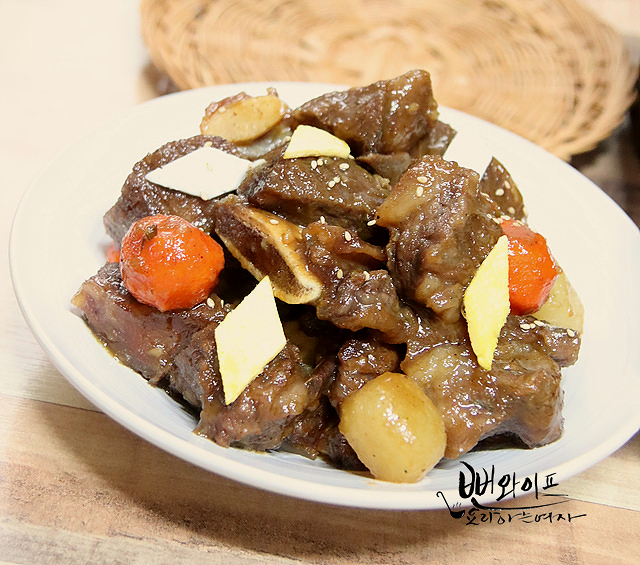
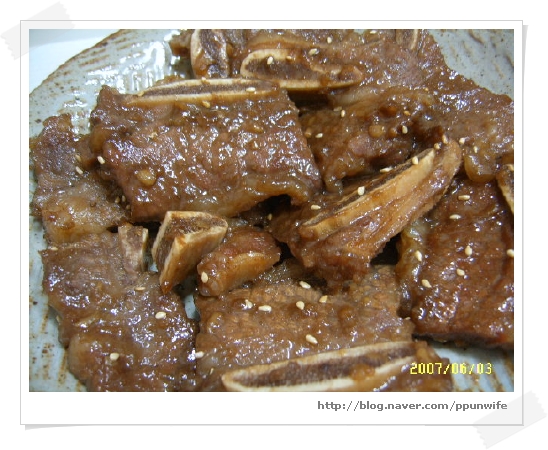
Glossy Sogalbijjim (Braised Beef Short Ribs)
A festive Sogalbijjim featuring trimmed beef ribs marinated in clear onion juice seasoning and braised to a glossy finish with vegetables.
Translated from Korean by AI and not yet checked by a native speaker. Amounts and numbers are taken directly from the original recipe. Read the Korean original →
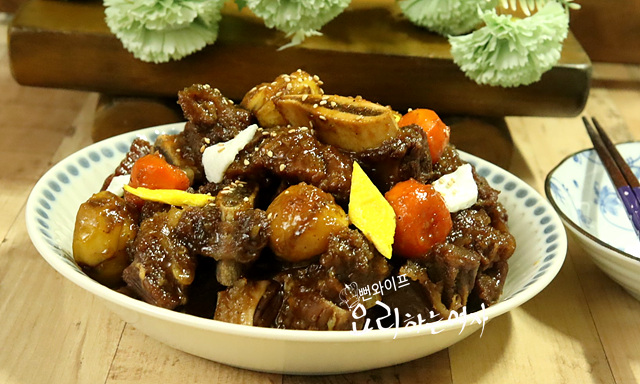
This Sogalbijjim serves 5 to 6 people, making it perfect for holidays or family gatherings. The ribs are carefully trimmed of excess fat, soaked to remove blood, and blanched in boiling water to eliminate gamey odors before being marinated in clear onion juice and basic seasonings. Simmered gently with chestnuts and carrots, the dish develops a lovely gloss and a rich sauce that is wonderful mixed with rice.
- Servings
- 5–6 servings
- Cook time
- 22 minprep not included
- Difficulty
- Medium
- Spiciness
- Not spicy
Ingredients
Ingredients
- Beef short ribs2 kg (for braising)
- Chestnuts10
- Carrot1
- Dried kelp (dasima)2 pieces (5 cm square)
- Water3 cups
Seasoning
- Regular soy sauce (jin-ganjang) (or brewed soy sauce (yangjo-ganjang))2/3 cup
- Soup soy sauce (guk-ganjang)2 tbsp
- Mirin (cooking rice wine)1/2 cup
- Corn syrup (mulyeot)5 tbsp
- Sugar2 tbsp
- Minced garlic3 tbsp
- Minced green onion4 tbsp
- Pear drink2 cups
- Onion juice1 cup
- Ground black pepper1/2 tsp
- Toasted sesame oil2 tbsp
- To draw out the blood from the ribs, soak them in cold water. Change the water frequently and soak for about 1 hour to prevent any unpleasant smell.
- Mix all the marinade ingredients together, then marinate the ribs for about 5 hours.
- For New Year's Day, you can trim Korean radish and use it instead of chestnuts, or prepare shiitake mushrooms and dried jujubes as garnishes.
Steps
Prepare the ingredients
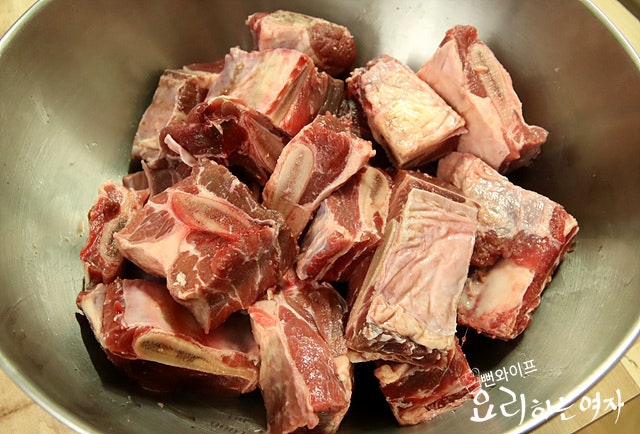
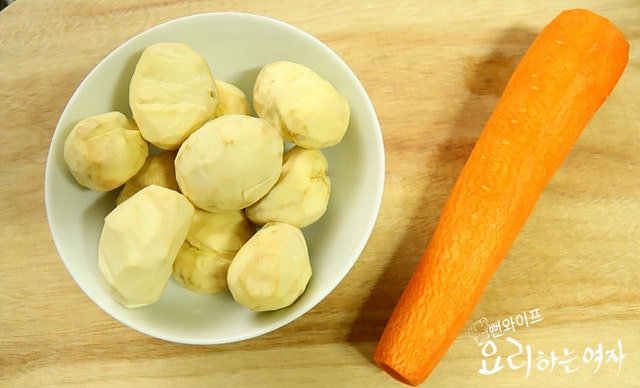
Here is 2 kg of beef short ribs. Any pieces with thick layers of fat need to be trimmed.
These are the secondary ingredients to braise alongside: chestnuts and carrot.
Trim and clean the beef ribs
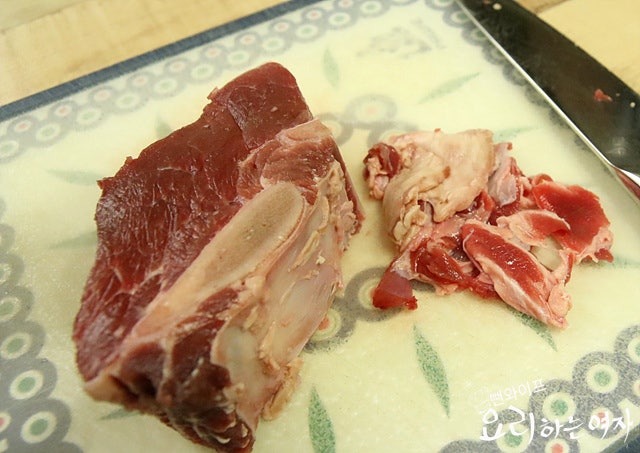
Slice away the thick fat using a knife.
After trimming, you will have about 300 g of fat removed.
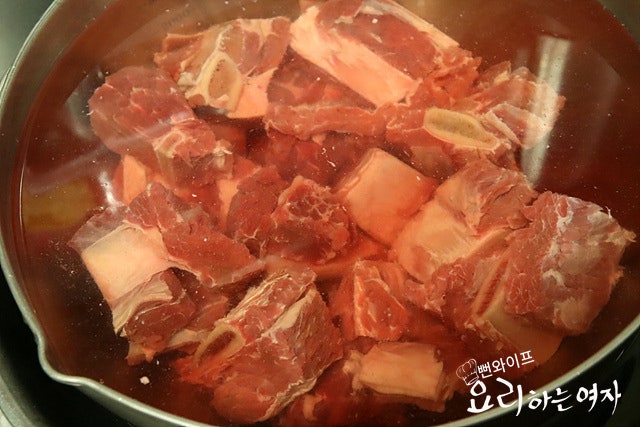
Soak the ribs in cold water to draw out the blood. Change the water frequently and let them soak for about 1 hour to prevent any gamey smell.
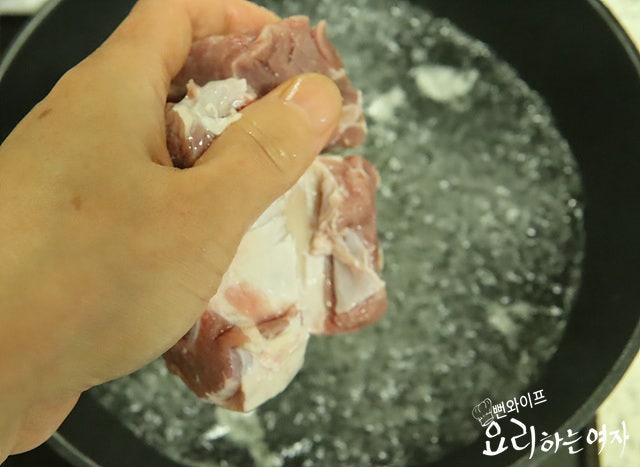
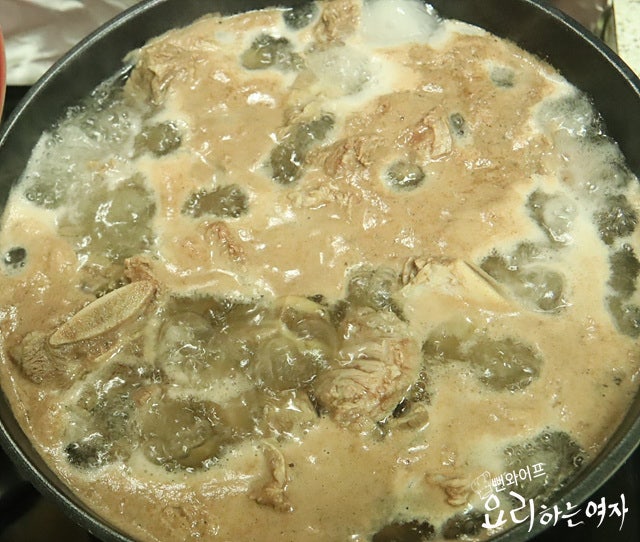
Add the ribs to rolling boiling water. Once it returns to a vigorous boil over high heat, impurities and fat will float to the top.
Blanch for 2 minutes.
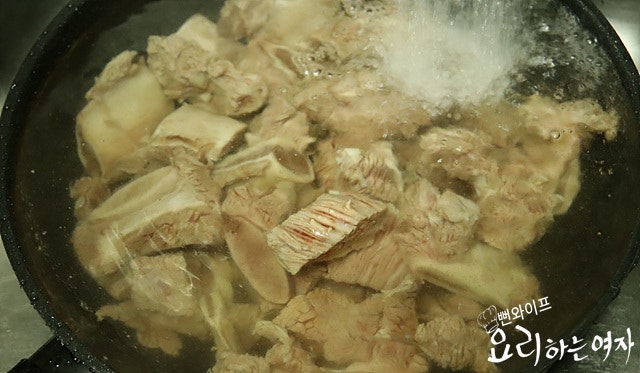
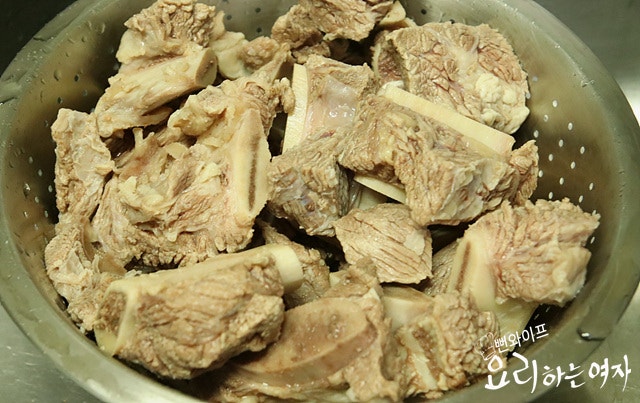
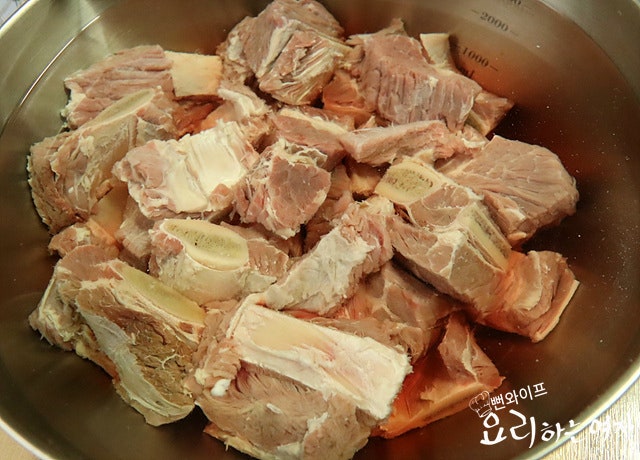
Thoroughly wash away any impurities clinging to the bones and meat under running water, then drain in a colander.
Prep the vegetables
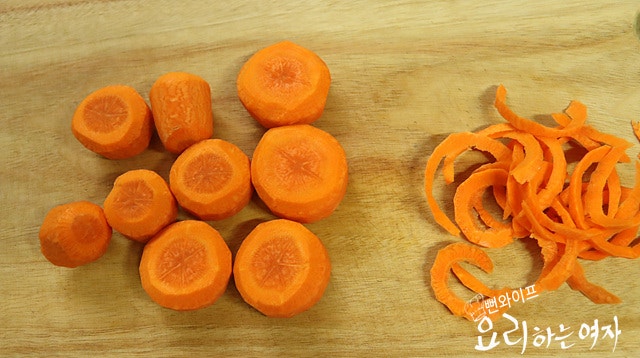
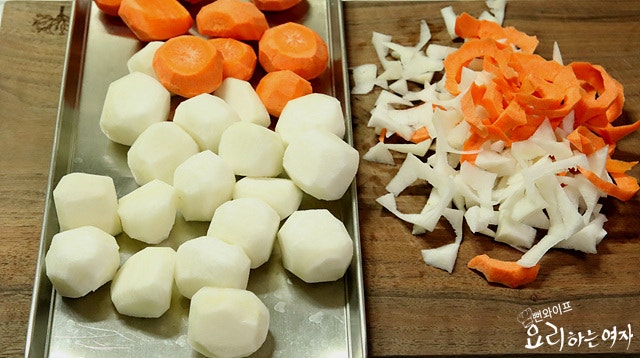
You can prepare the other ingredients while the ribs soak.
This time I only prepared chestnuts and carrot; I cut the carrot and rounded the sharp edges.
On the right is Korean radish prepped the same way instead of chestnuts for Seollal. You can also prepare shiitake mushrooms or dried jujubes as garnishes.
Make the marinade and marinate
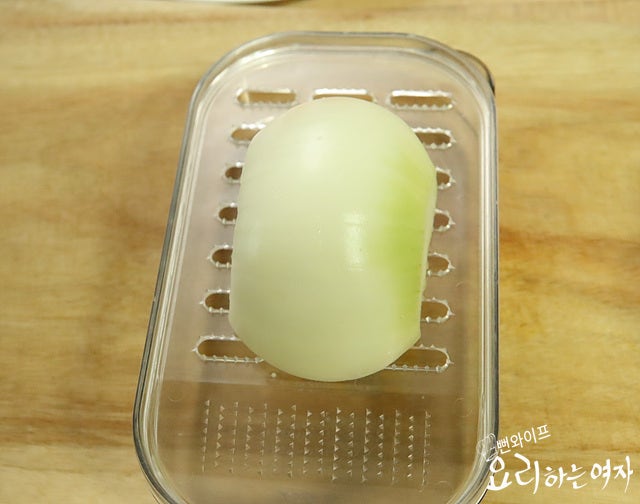
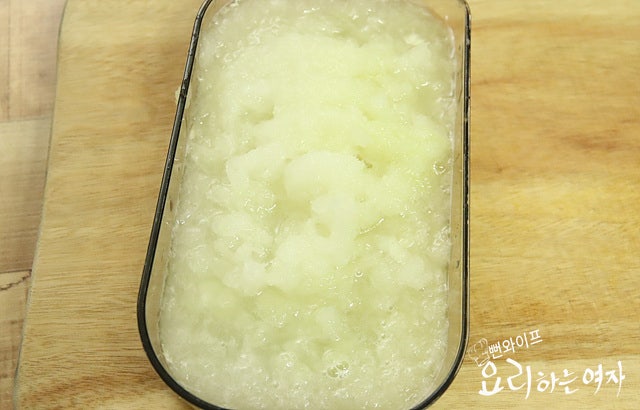
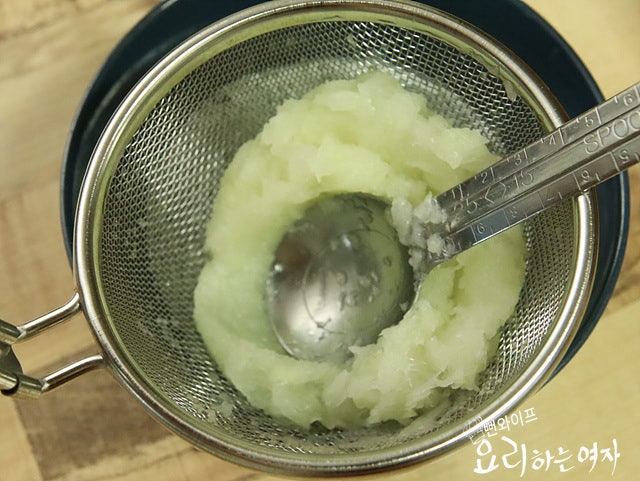
I grated 1 onion on a box grater for the marinade.
If the pulp goes in, the braising liquid will look messy, so strain it through a sieve to collect only the clear juice.
You will get about 1 cup of onion juice.
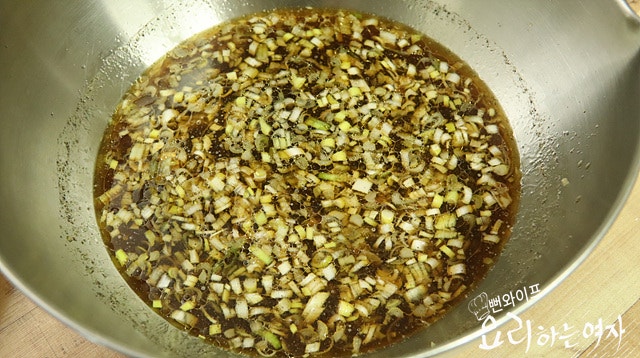
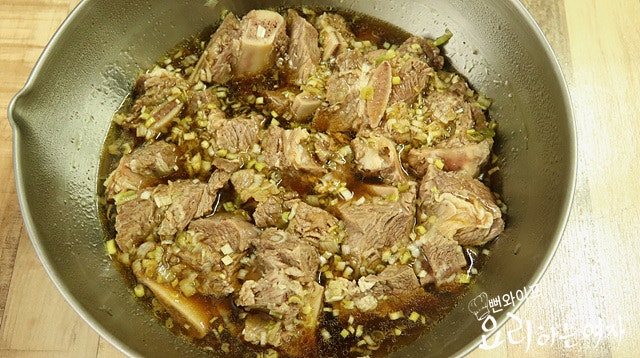
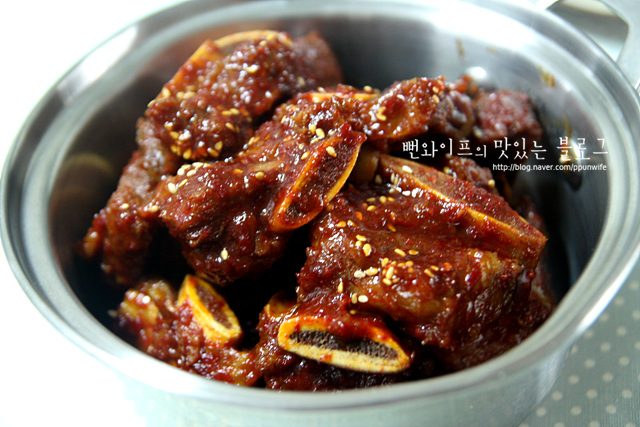
Combine all the marinade ingredients, mix well, and marinate the ribs for about 5 hours.
It is very convenient to marinate them the night before and finish cooking the Sogalbijjim the next day.
Start braising
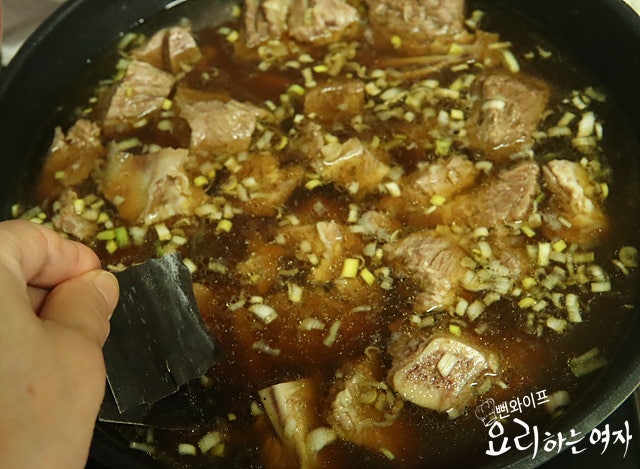
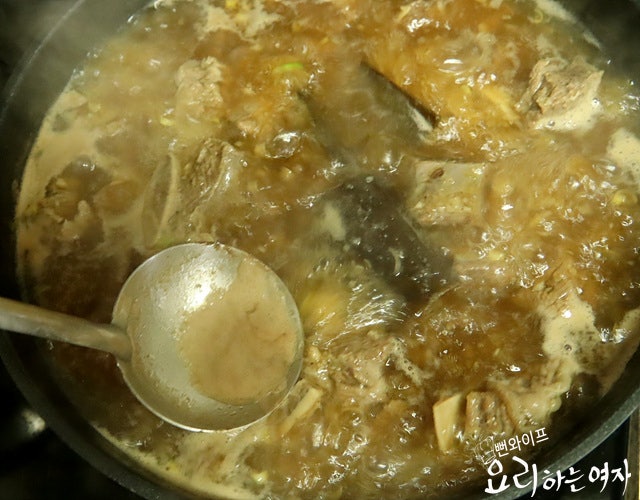
Pour the marinated ribs into a pot, add 3 cups of water and the dried kelp (dasima), and bring to a rolling boil.
Skim off any impurities that float to the surface.
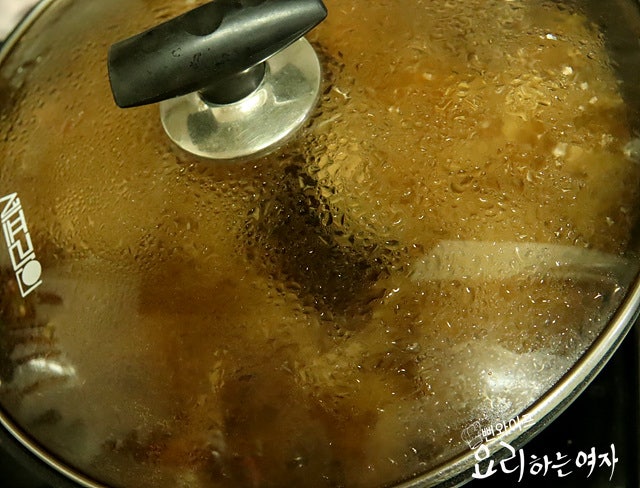
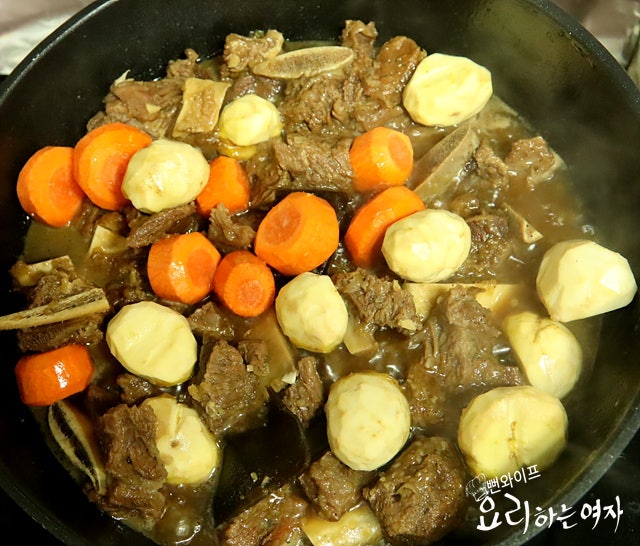
Cover with a lid and simmer over gentle heat for at least 20 minutes.
Toss the ribs top to bottom frequently along the way so they cook and season evenly.
Once the meat is almost fully cooked and the liquid has reduced below the height of the ribs, add the chestnuts and carrot.
If you are using Korean radish, add it at this point.
Reduce the sauce
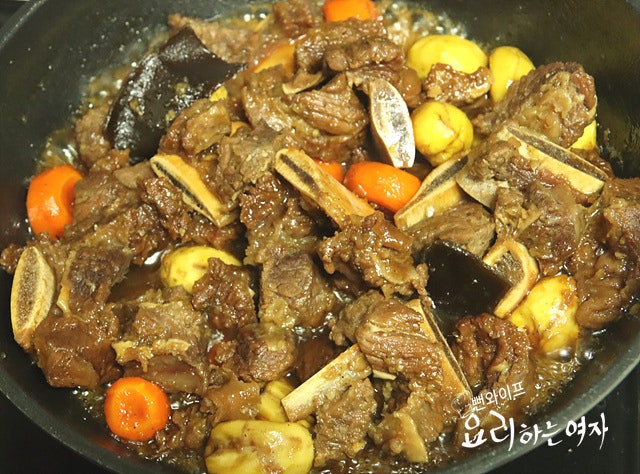
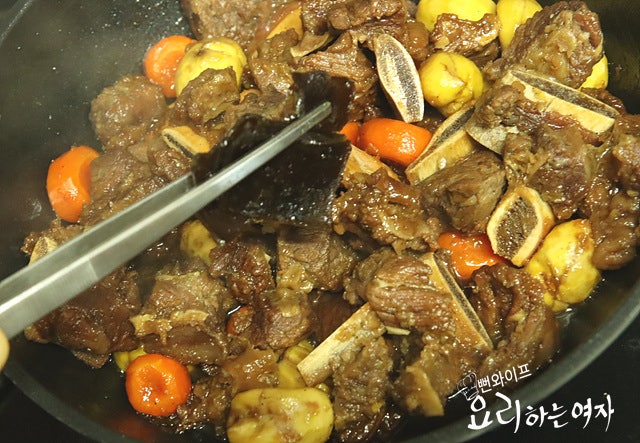
Stirring evenly, once the chestnuts and carrot are completely cooked through, reduce the remaining sauce over high heat. (If you have mushrooms or jujubes, add them at this stage.)
Taste the sauce; if it seems bland, add more soy sauce, and if it tastes too salty, add a little water and boil briefly.
Remove the dried kelp at this time and simmer down until you have your desired amount of sauce left.
Finish
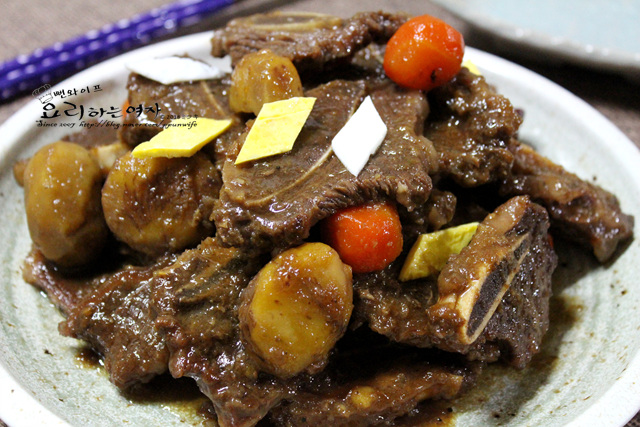
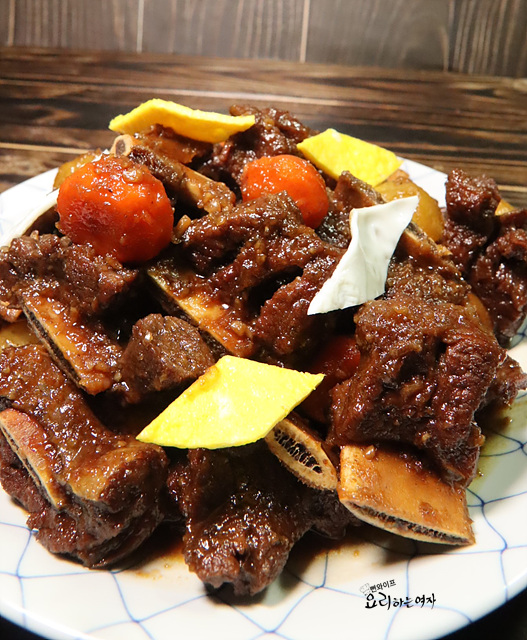
Spoon the well-reduced glossy sauce all over the ribs to finish—they look truly mouthwatering with that gorgeous shine.
The seasoning is spot-on, and the sauce left at the bottom of the pot is wonderful mixed into rice.
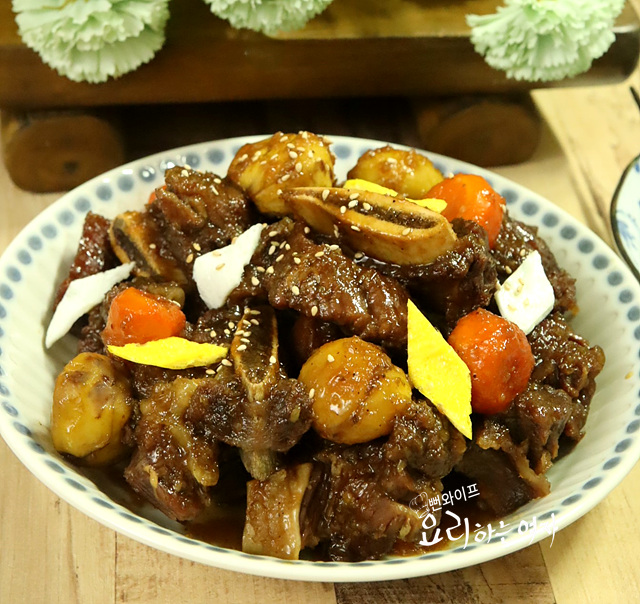
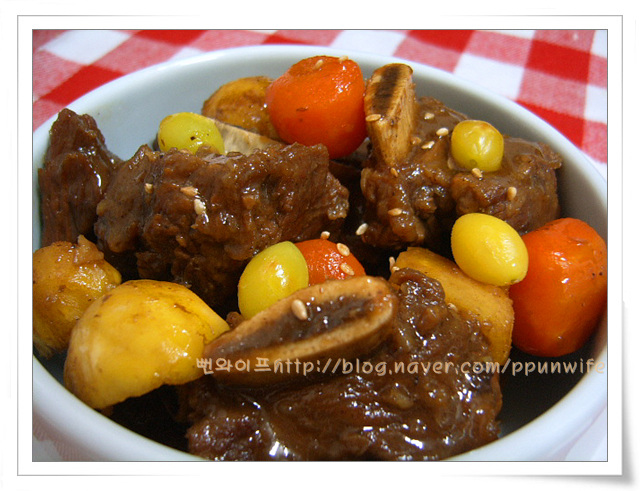
The chestnuts and carrot cooked through nicely without breaking apart.
Braising hard vegetables together improves the flavor of the sauce and infuses them with savory goodness, making them a joy to eat.
Try garnishing with sliced egg ribbons to give your Sogalbijjim an even more elegant finish.
 Ppunwife's tips
- When soaking the ribs to draw out the blood, change the water frequently and soak for about 1 hour to prevent any gamey odors.
- For the onion in the marinade, strain it through a sieve to extract only the clear juice, as leftover pulp can make the sauce look cloudy and messy.
- It is convenient to marinate the ribs the night before and finish cooking the Sogalbijjim the next day.
- While braising, stir and flip the meat from top to bottom frequently so that every piece cooks through and absorbs the seasoning evenly.
- Taste the sauce; if it seems bland, add a little soy sauce, and if it is too salty, add some water and simmer briefly.
FAQ
Why do you use only the strained juice from the onion for the marinade?
If onion pulp is included, the braising liquid becomes murky after cooking. Grating the onion and straining it through a sieve keeps the sauce clean and clear.
Can I use other secondary ingredients instead of chestnuts?
You can use Korean radish with its edges rounded off instead of chestnuts, or add shiitake mushrooms and dried jujubes as garnishes according to your preference.
How long should the ribs marinate?
Marinate the ribs for about 5 hours after tossing them in the seasoning. Marinating them the night before makes cooking much easier the following day.
Why are the corners of the carrot pieces trimmed round? AI-generated
Rounding the sharp corners prevents the vegetables from bumping against each other and breaking apart during long simmering, which also keeps the sauce clear.