Gullim Mandu (Skinless Dumplings) Steamed in 10 Minutes
Skinless dumplings rolled in flour instead of dumpling wrappers and steamed so they do not burst, perfect for Korean New Year.
Translated from Korean by AI and not yet checked by a native speaker. Amounts and numbers are taken directly from the original recipe. Read the Korean original →
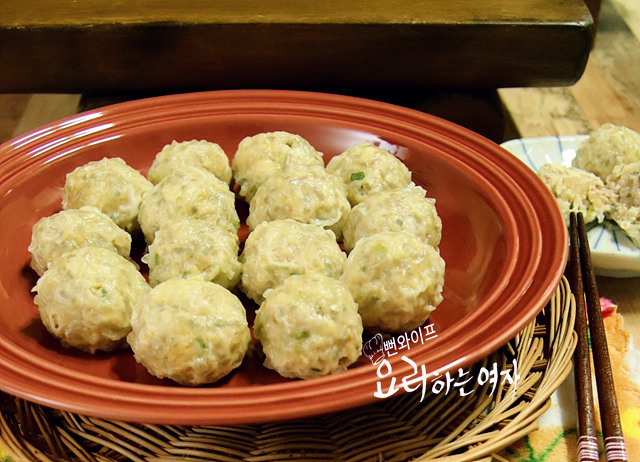
These meat dumplings are rolled lightly in flour or potato starch and steamed, skipping the hassle of wrapping dough skins. Finely mincing the ground pork, tofu, and mung bean sprouts and thoroughly removing excess moisture keeps the balls firmly bound without falling apart. Make a generous batch, steam them, and freeze them to easily add to Korean New Year tteokguk or mandu soup.
- Servings
- about 3–4 servingsOriginal: Makes 33 dumplings
- Cook time
- 10 minprep not included
- Difficulty
- Medium
- Spiciness
- Not spicy
Ingredients
Ingredients
- Ground pork350 g
- Mung bean sprouts200 g
- Sweet potato glass noodles (dangmyeon)50 g
- Tofu1/2 block, 200 g
- White part of large green onion (daepa)2 stalks
- Flour
Meat marinade
- Salt1/2 tsp
- Minced garlic1 tbsp
- Minced ginger1/2 tsp
- Ground black peppera little
Seasoning
- Regular soy sauce (jin-ganjang) (or brewed soy sauce (yangjo-ganjang))1 tbsp
- Egg1
- Sugar1 tbsp
- Mirin (cooking rice wine)1 tbsp
- Toasted sesame oil1 tbsp
- You can use garlic chives instead of the large green onion.
- If the pork is too lean, the dumpling filling will be dry, so use finely minced pork front leg with some fat or finely minced pork belly with a good layer of fat.
Steps
Prepare the ingredients
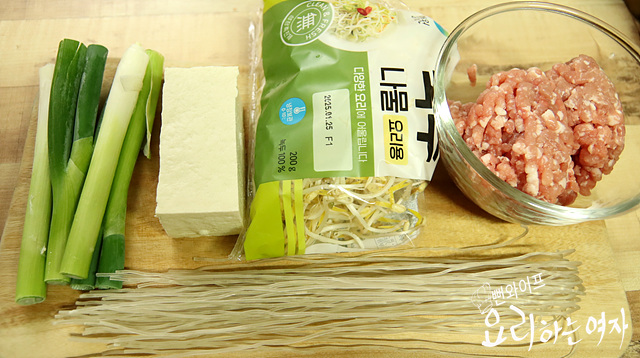
I prepared ground pork.
1 bag (200 g) mung bean sprouts, 1/2 block tofu, 100 g sweet potato glass noodles, and 2 stalks large green onion, using the firmer parts that are not slimy.
You can use garlic chives instead of the large green onion.
Prep and mince the ingredients
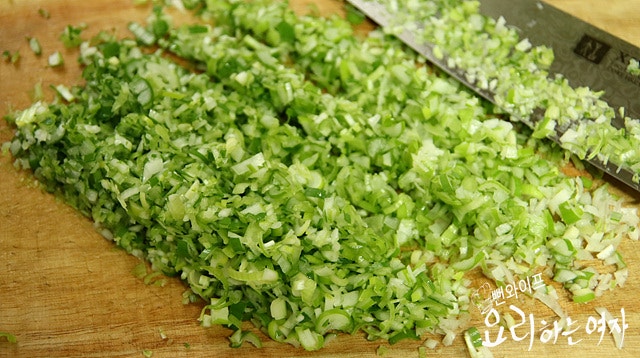
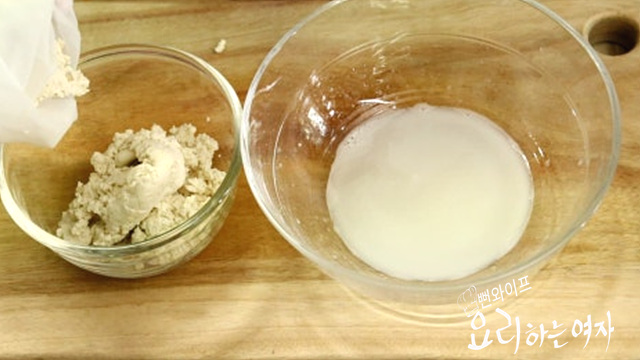
If the ingredients are cut too coarse, the skinless dumplings will not hold together well and will burst easily, so mince them as finely as possible.
Finely mince the large green onion.
Wrap the tofu in a cheesecloth and squeeze out all the moisture.
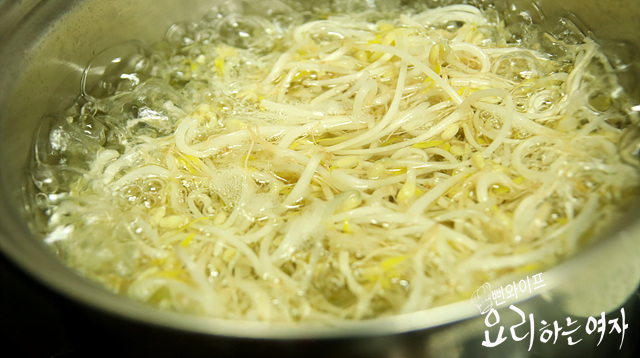
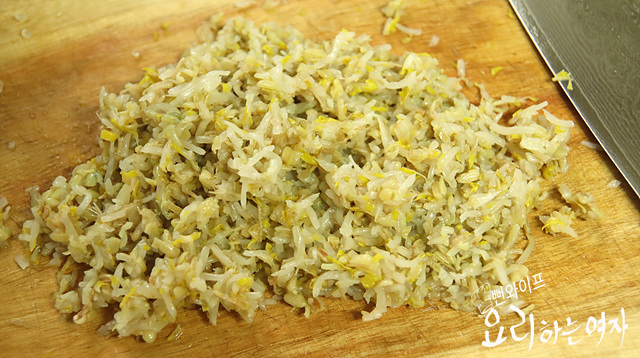
Blanch the mung bean sprouts briefly, rinse in cold water, squeeze out the water firmly, and mince them finely.
Moisture comes out even after mincing, so squeeze them firmly once more.
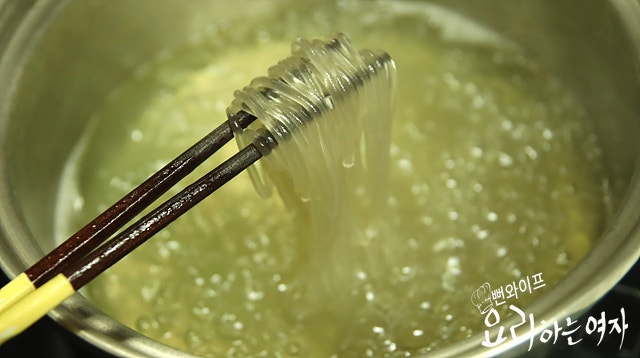
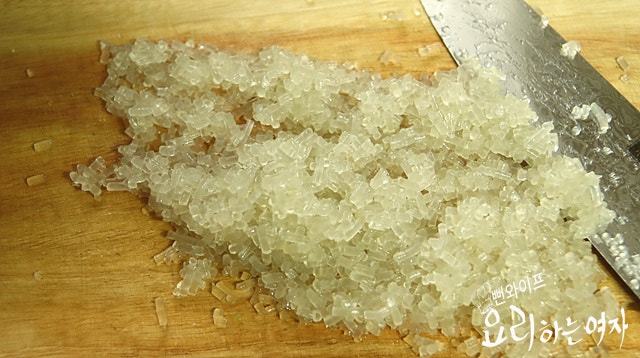
Boil the sweet potato glass noodles until soft, rinse in cold water, drain, and mince them finely.
Season the pork and dumpling filling
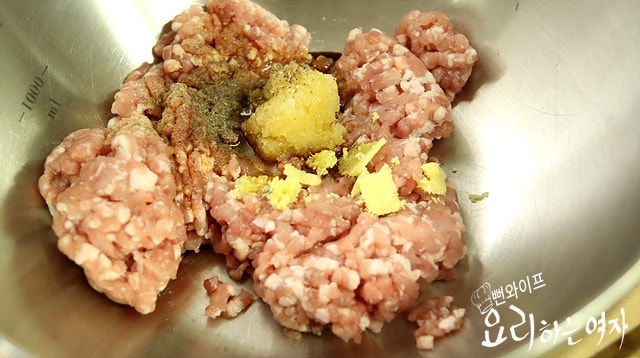
If the pork is too lean, the filling becomes dry and the texture is not very good.
I picked pork front leg that had some fat and asked to have it ground finely, but you can also use pork belly with a good layer of fat minced finely.
First, remove any gamey smell and season the meat.
Add 1/2 tsp salt, 1 tbsp minced garlic, 1/2 tsp minced ginger, and a little ground black pepper, knead well, and let it sit briefly.
It is good to season the meat first while you prep the other ingredients.
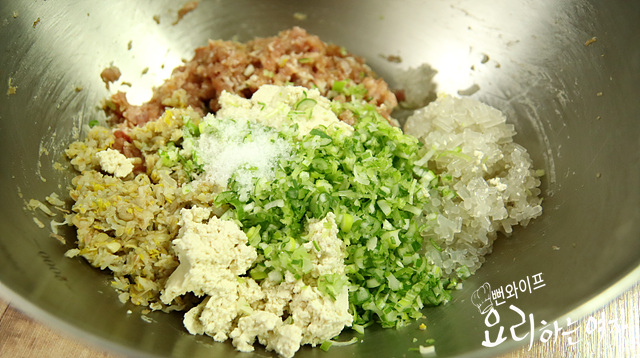
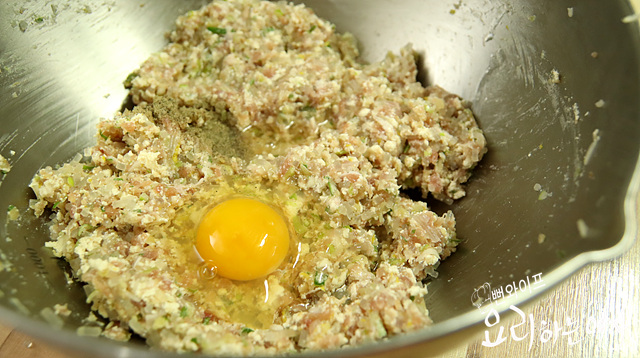
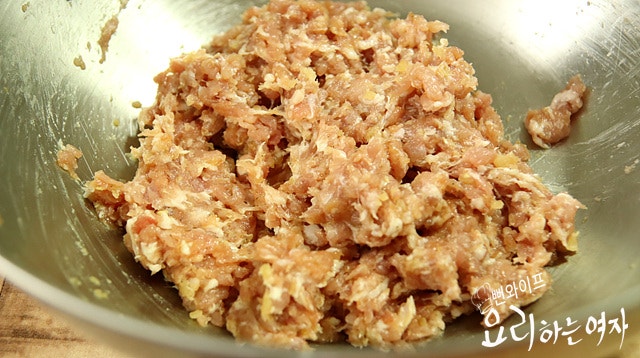
Add all the chopped ingredients along with 1 egg, 1 tbsp regular soy sauce, 1 tbsp sugar, 1 tbsp mirin, and 1 tbsp toasted sesame oil.
Knead the mixture, test how it holds together, and add the egg when the dough is not too wet.
If the dough is too wet, you can omit the egg.
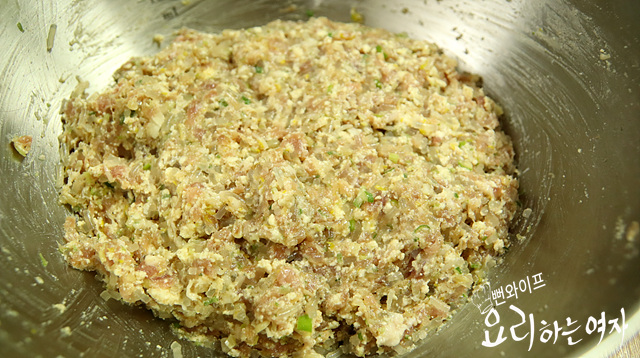
Knead thoroughly so all the ingredients blend together well.
To check the seasoning of the dough, pinch off a small piece, cook it in a pan, taste it, and adjust the seasoning.
Testing the flavor this way guarantees success with your dumplings.
If you use garlic chives, kneading them for too long can give off a raw grassy smell, so add them at the very end once all the other ingredients are well blended and fold them in gently.
Shape the skinless dumplings
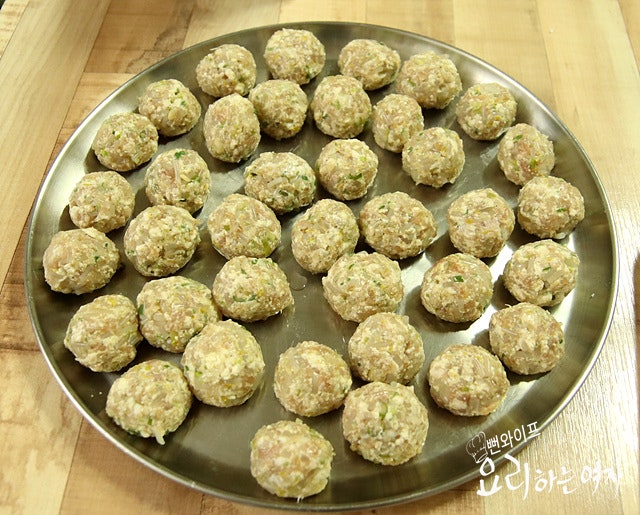
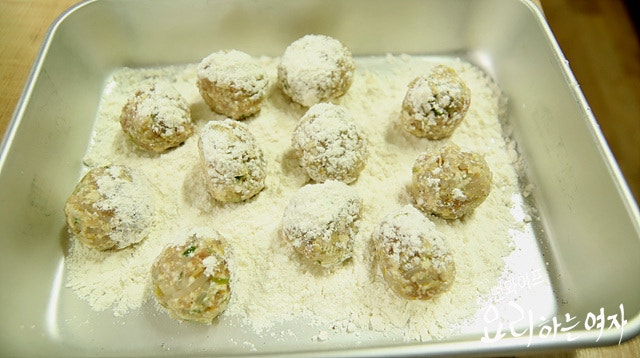
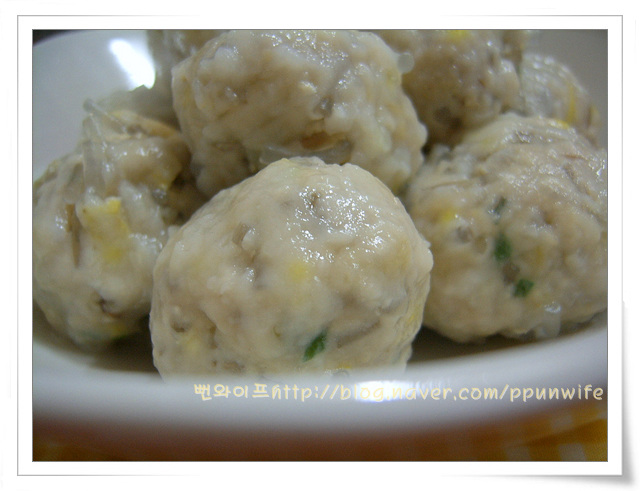
Shape into round balls of your desired size, then roll them evenly in potato starch or flour.
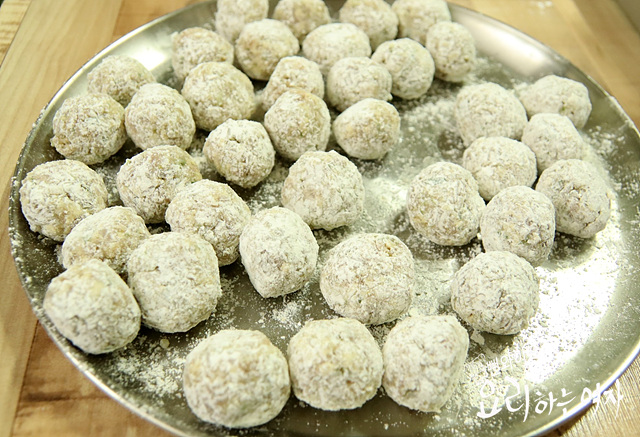
After rolling them once in flour like this, let them sit for 10 minutes until the flour absorbs into the dough, then roll them once more in flour.
I rolled them in flour twice; the more you roll them, the thicker the skin becomes.
Steam the dumplings
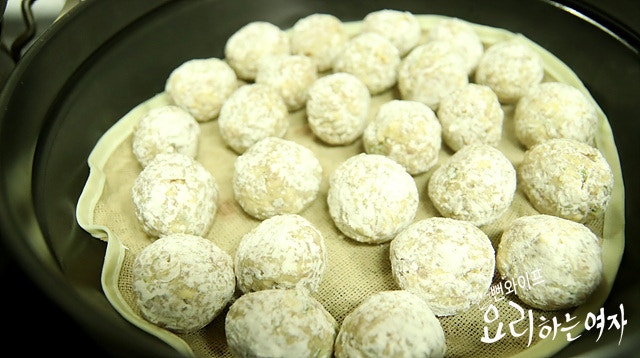
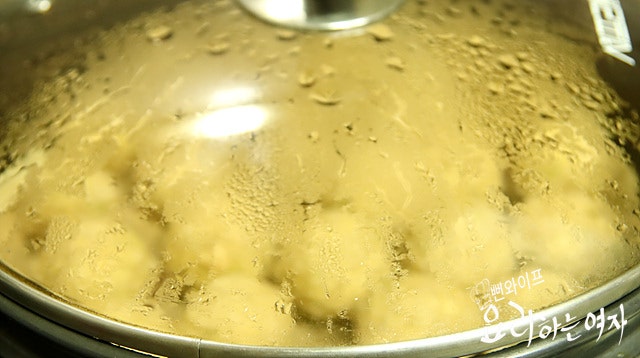
Fill a steamer with water, bring it to a rolling boil, and when steam rises, arrange the dumplings so they do not touch, cover with the lid, and steam for 10 minutes.
You need to increase the time depending on the size of the skinless dumplings, so cut one open to check the inside and adjust the steaming time.
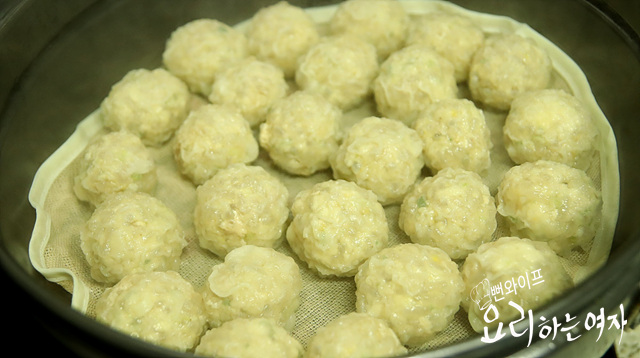
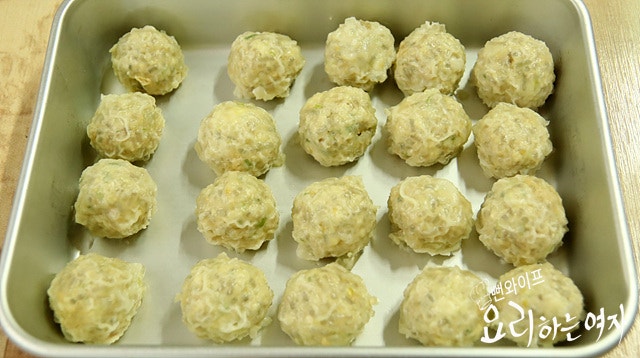
They cooked through nicely without any breaking.
Transfer to a container, let them cool completely, and then store or enjoy.
Serve
I rolled them in flour twice, but rolling them once more would work fine too.
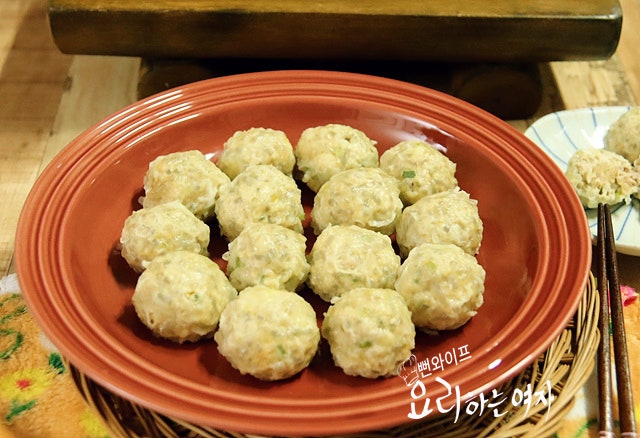
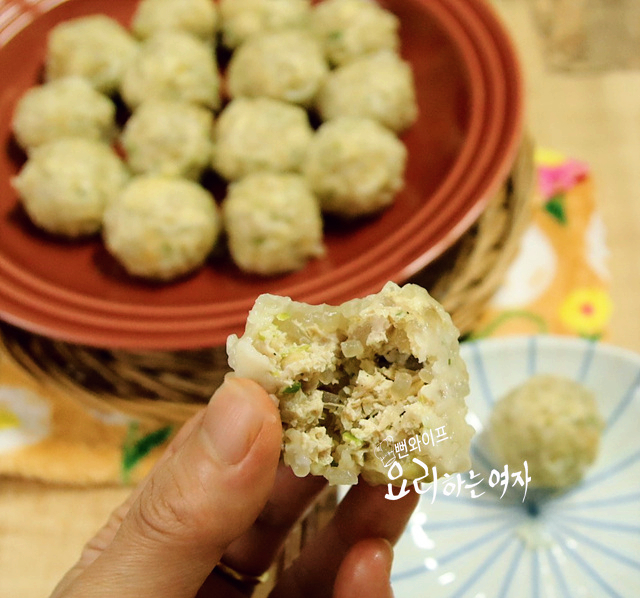
The skinless dumplings turned out with generous filling and just the right seasoning.
They are delicious dipped in vinegar soy sauce or eaten straight as they are.
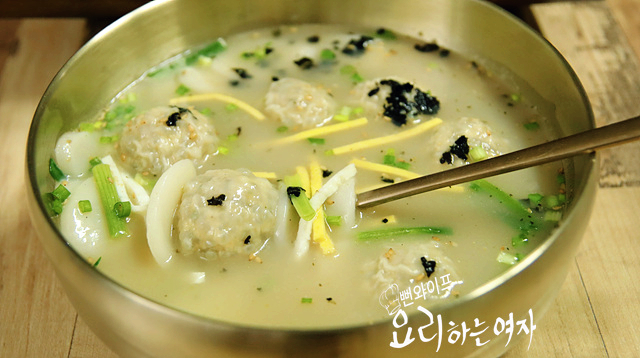
I cooked them together in tteokguk; when making tteok mandutguk, since the dumplings are already fully cooked, just add them at the end and boil briefly as if reheating them.
Making skinless dumplings by just preparing the filling is so convenient.
Once the filling is made, it is fun for the whole family to gather around and shape them together.
 Ppunwife's tips
- If the ingredients are cut too coarse, the skinless dumplings will not hold together well and will burst easily, so mince them as finely as possible.
- Pinch off a small piece of the dough, cook it in a pan, and taste it to adjust the seasonings.
- If you use garlic chives, kneading them too long can produce a raw grassy smell, so add them at the end when all other ingredients are blended and mix gently.
- After rolling in flour, wait 10 minutes for the flour to absorb into the dough, then roll in flour once more.
FAQ
Is there a secret to shaping dumpling dough so it does not burst?
Mince the filling ingredients as finely as possible, thoroughly squeeze out the water from the tofu and mung bean sprouts, and knead everything evenly so the dumplings do not fall apart.
Can I use other vegetables instead of large green onion?
You can use garlic chives instead of large green onion. However, garlic chives can release a raw grassy smell, so it is best to mix them in lightly at the very end of kneading.
When should I add them to tteokguk or tteok mandutguk?
Since they are already fully cooked in the steamer, add them at the end once the broth is boiling and heat them through briefly.
How many times should I roll them in flour?
You can control the skin thickness by coating the balls in flour once, letting the moisture absorb, and rolling them again for a total of 2 to 3 times.