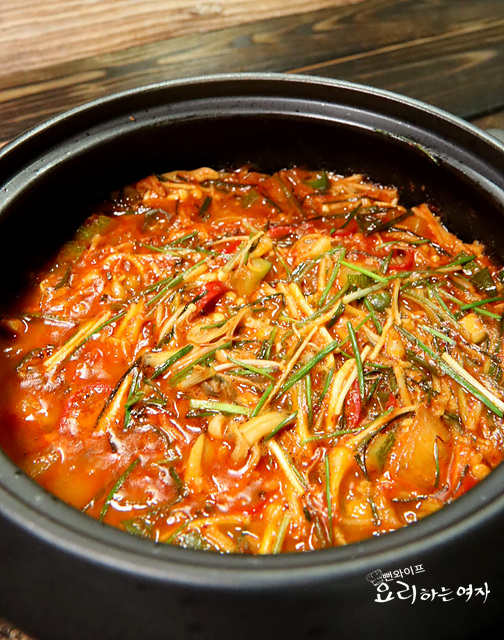
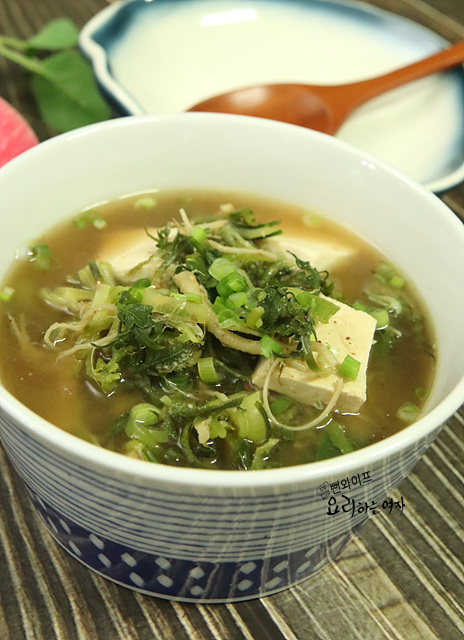
Fragrant Dallae Doenjang Jjigae (Soybean Paste Stew with Wild Chives)
A savory spring soybean paste stew made with wild garlic and tofu simmered in a rice-water anchovy broth.
Translated from Korean by AI and not yet checked by a native speaker. Amounts and numbers are taken directly from the original recipe. Read the Korean original →
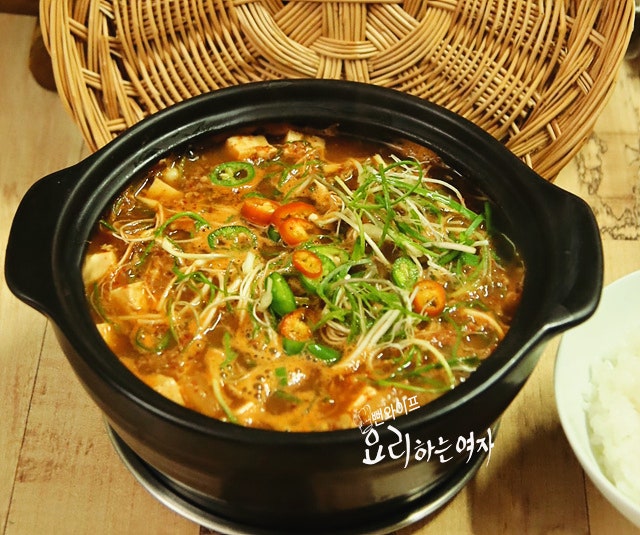
A deep, savory broth made by simmering roasted anchovies and kelp in water from washing rice is the key to this flavor. After boiling radish and tofu, dallae is added at the very end before turning off the heat, preserving its fragrant aroma and crisp texture. It is a stew that awakens your spring appetite.
- Servings
- 2–3 servings
- Cook time
- 10 minprep not included
- Difficulty
- Easy
- Spiciness
- Mildly spicy
Ingredients
Ingredients
- Dallae (wild garlic)50 g
- Korean radish (mu)100 g
- Tofu1/4 block, 100 g
- Cheongyang chili pepper (hot green chili)2
- Homemade doenjang (Korean soybean paste) (or 3 tbsp commercial doenjang)2 1/2 tbsp
- Water from washing rice4 cups
- Dried soup anchovies10
- Dried kelp (dasima)2 sheets (5 cm square)
Seasoning
- Gochugaru (Korean chili flakes)1 tbsp
- Minced garlic1 tsp
- For dallae that is fairly mature, trim it while carefully scraping away the yellow skin on the round bulb and any dirt trapped between the rootlets.
Steps
Prepare the ingredients
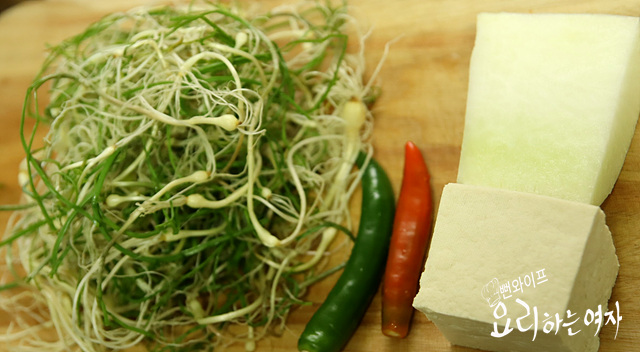
About a handful of dallae (wild garlic) (50 g), Korean radish (mu), tofu, and 2 Cheongyang chili peppers.
Today the dallae is small and tender, so I finished cleaning it just by swishing it in water several times.
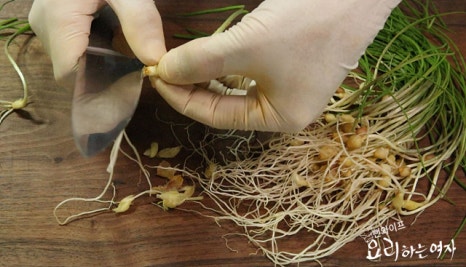
For dallae that is fairly mature, trim it while carefully scraping away the yellow skin on the round bulb and any dirt trapped between the rootlets.
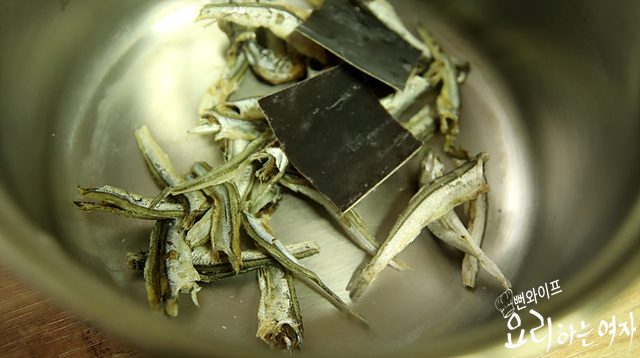
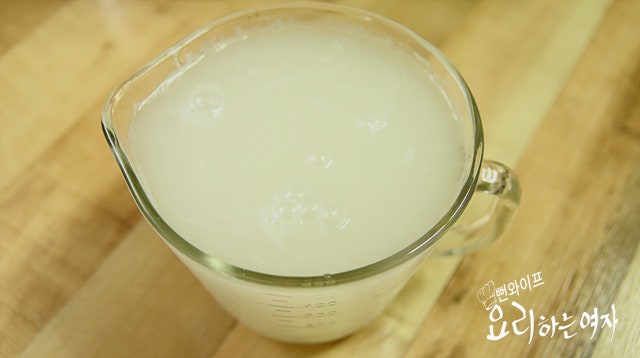
For the broth ingredients, you need 10 dried soup anchovies and 2 sheets of dried kelp (dasima). Using water from washing rice for doenjang soup or doenjang jjigae gives it a deep, savory taste, so collect about 4 cups of water while setting the rice to cook.
Cut the ingredients
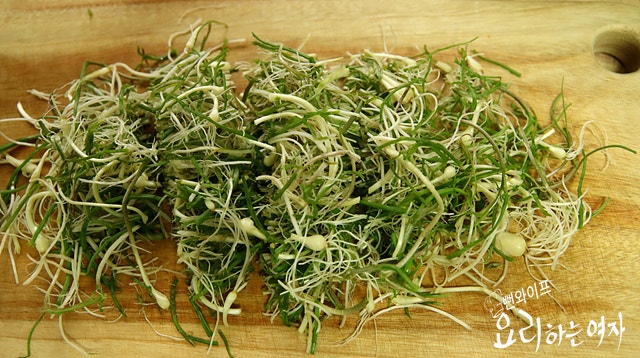
Cut the trimmed and washed dallae into bite-sized lengths.
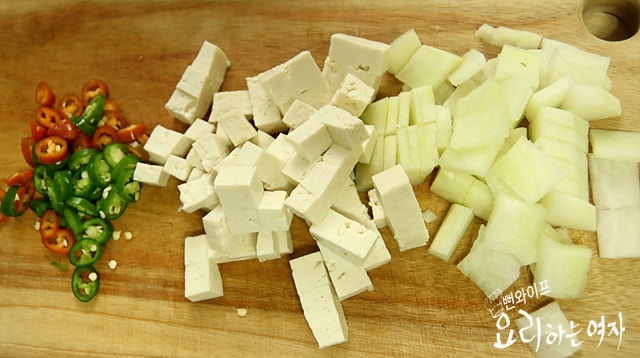
Cut the radish into thin square slices, dice the tofu into small cubes, and thinly slice the chili peppers.
Make the broth
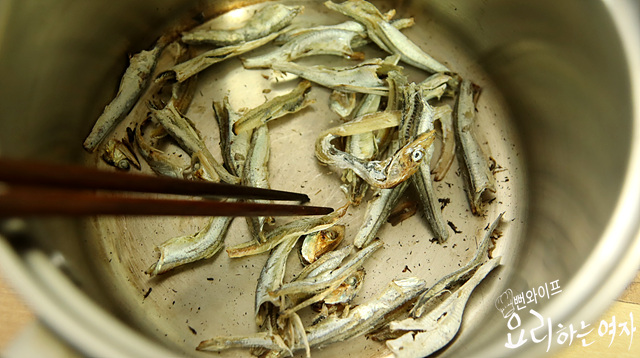
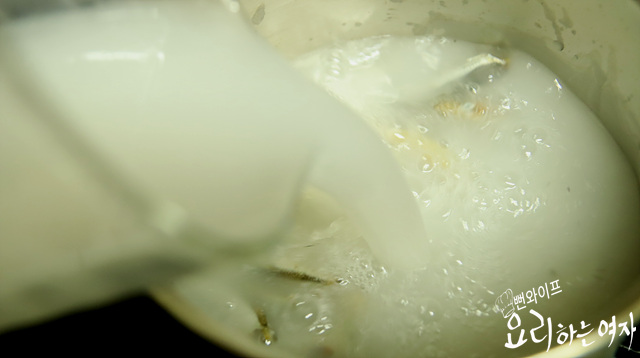
Add the anchovies to a pot and toast them briskly.
Toast them until lightly golden without burning, and the savory flavor will emerge.
You should always toast anchovies for stews or soups to remove any stale smell, which makes the broth taste nutty and good.
Whenever I was lazy and cooked stew without toasting anchovies from the freezer, it always tasted fishy.
Now add the kelp and 4 cups of water from washing rice.
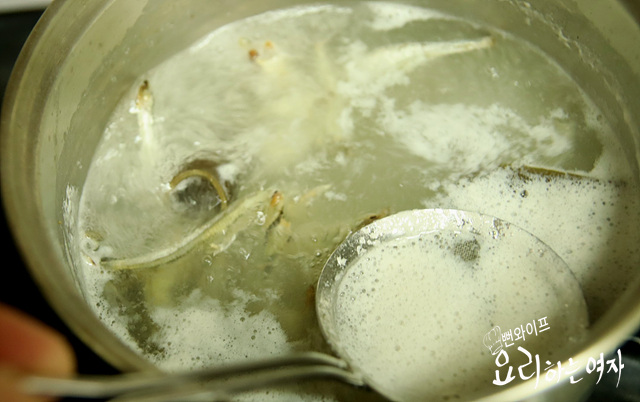
Simmer gently over low heat for about 10 minutes and cleanly skim off any foam that rises.
Simmering about 4 cups of rice water will yield about 2 cups to 3 cups of broth.
Simmer the doenjang stew
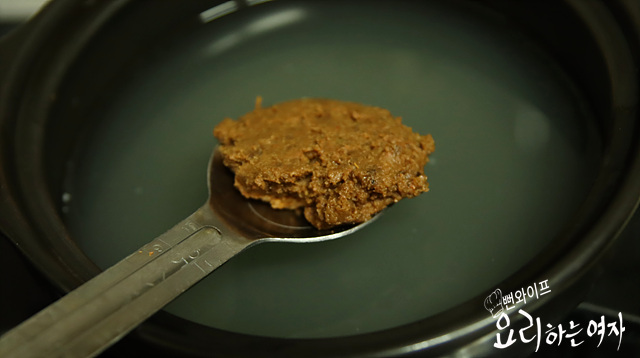
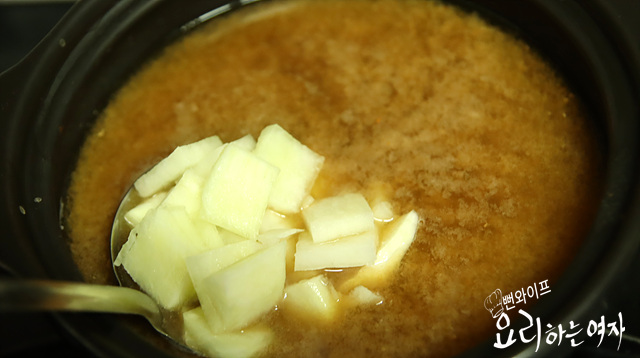
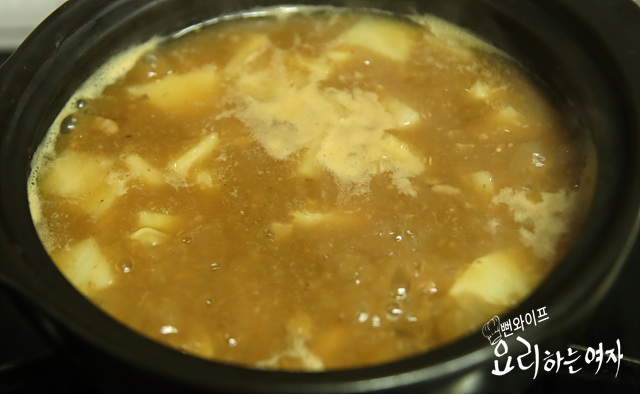
Pour 2 1/2 cups of broth into an earthenware pot, add 2 1/2 tbsp homemade doenjang and the radish, and simmer until cooked through.
If using commercial doenjang, you will need to increase the amount to get the seasoning right.
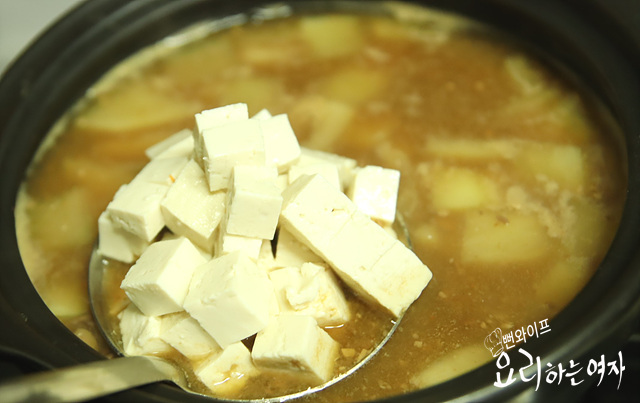
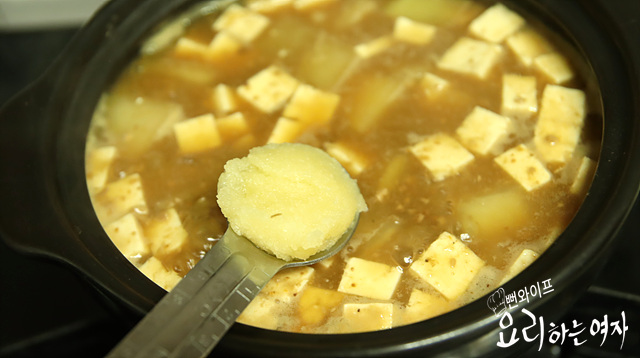
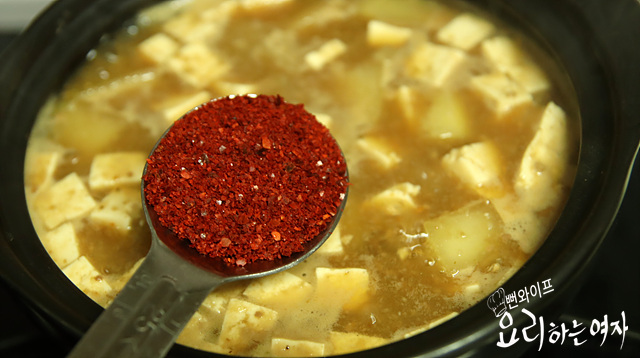
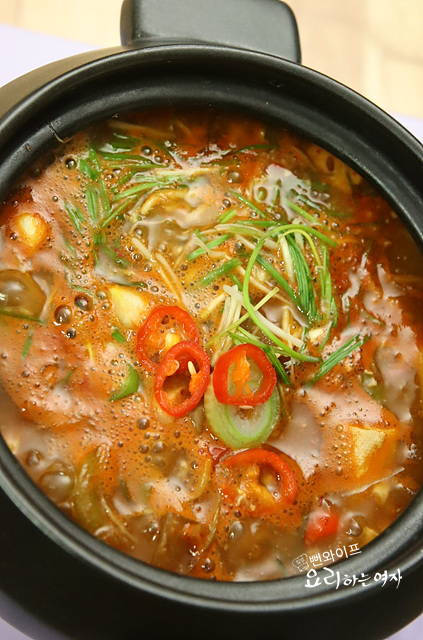
Add the tofu, 1 tsp minced garlic, and 1 tbsp gochugaru (Korean chili flakes), then simmer until bubbling, the tofu is cooked, and the seasonings come together.
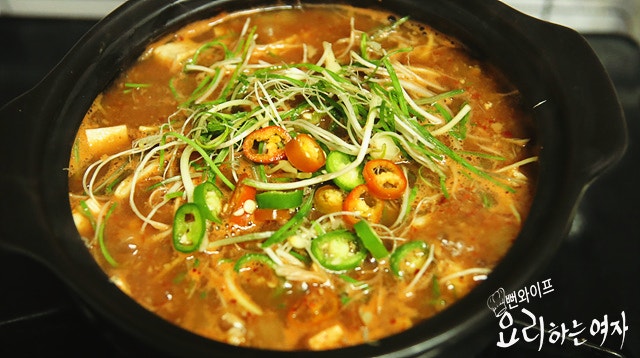
Add the dallae and chili peppers at the very end and immediately turn off the heat.
Because it is an earthenware pot, the residual heat is plenty to cook them, so do not simmer for long.
Finished
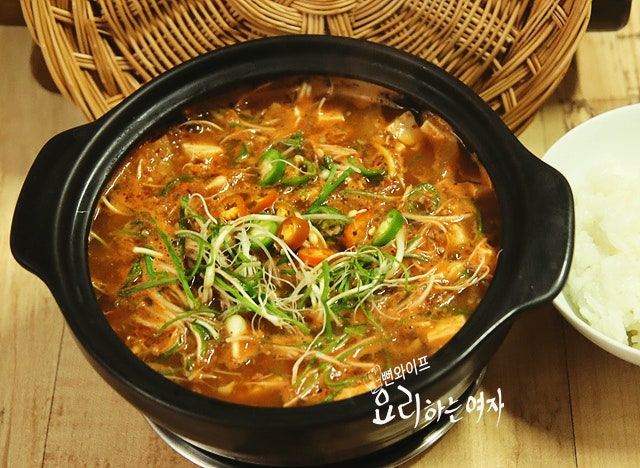
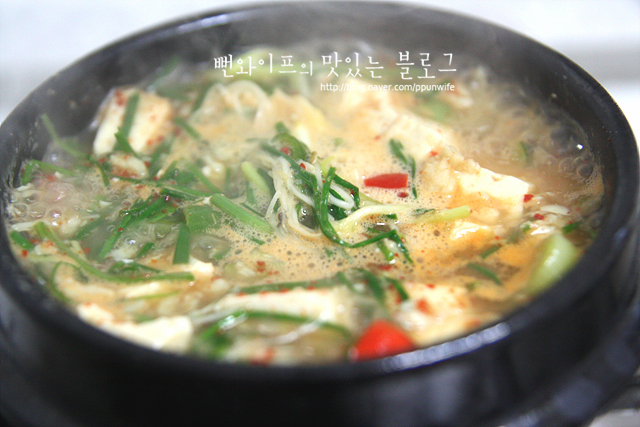
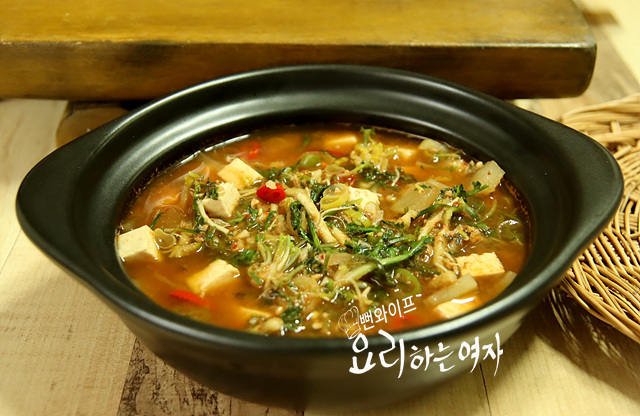
Doenjang jjigae is always delicious, but adding the spring green dallae makes it feel like spring is already here.
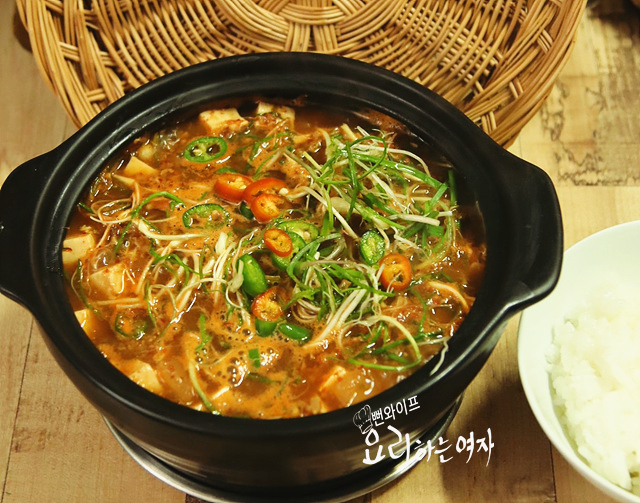
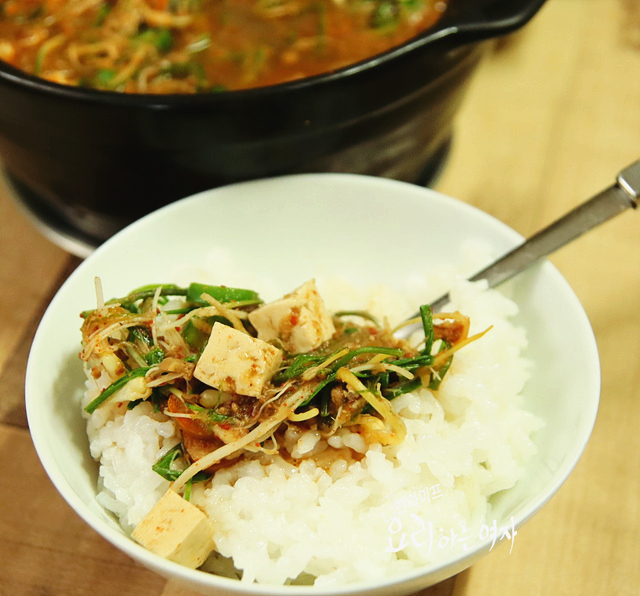
Even without meat, this doenjang jjigae leaves nothing to be desired on its own.
I mixed it with rice and enjoyed the aroma and texture of the dallae for a truly delicious meal.
Now that spring greens are showing up everywhere, real spring must be on its way.
 Ppunwife's tips
- Always toast anchovies for stews or soups to remove any stale smell; this gives the broth a rich, nutty flavor.
- Because an earthenware pot holds heat, the residual warmth is plenty to cook the wild garlic, so do not simmer it for long.
FAQ
Why should you toast the anchovies before making anchovy broth?
Toasting the anchovies in a dry pot until lightly golden gets rid of their characteristic stale odor and fishiness while adding a rich, nutty aroma.
Can I use store-bought doenjang instead of homemade doenjang?
Commercial doenjang can be used as a substitute; based on 2 tbsp and a half of homemade doenjang, increase the amount of commercial doenjang to about 3 tbsp to adjust the seasoning.
At what point should I add the dallae?
It is best to add it at the very end after all the other ingredients have simmered together, and then turn off the heat right away; the residual heat of the earthenware pot is enough to cook it gently.