Bukeo Guk (Dried Pollock Soup) for a Hangover
A milky, refreshing hangover soup made by simmering perilla oil-sautéed dried pollock and Korean radish until tender.
Translated from Korean by AI and not yet checked by a native speaker. Amounts and numbers are taken directly from the original recipe. Read the Korean original →
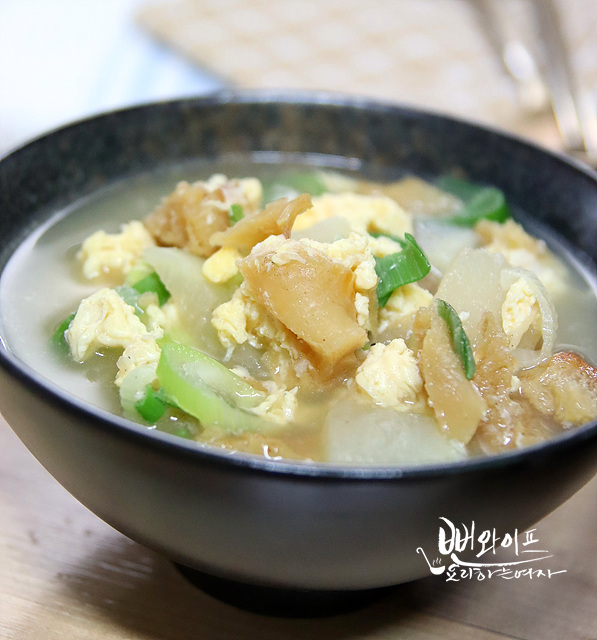
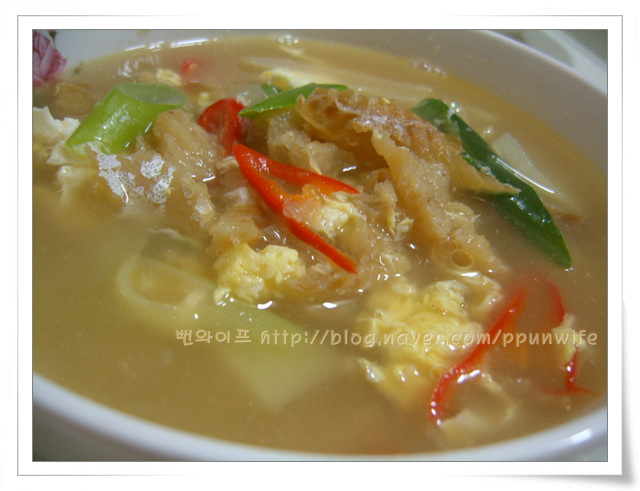
This bukeo guk is made by stir-frying dried pollock and Korean radish in perilla oil, pouring in broth, and simmering it gently. Simmering it thoroughly over medium-low heat for over 20 minutes produces a milky, deep broth reminiscent of bone soup. It is great for using up leftover dried pollock from the holidays or as a soothing hangover cure.
- Servings
- 5–6 servings
- Cook time
- 20 minprep not included
- Difficulty
- Easy
- Spiciness
- Not spicy
Ingredients
Ingredients
- Dried pollack100 g
- Korean radish (mu)300 g
- Large green onion (daepa)1/2 stalk
- Egg2
- Water10 cups
- Broth tablet3 tablets
Seasoning
- Soup soy sauce (guk-ganjang)1 1/2 tbsp
- Mirin (cooking rice wine)2 tbsp
- Minced garlic2 tbsp
- Tuna extract sauce (chamchi-aek) (or fish sauce, salted fermented shrimp (saeujeot))2 tbsp
- Salta little
- Ground black peppera little
- Perilla oil2–3 tbsp (approx.)
- One whole dried pollock weighs around 55–60 g, so you can halve my recipe.
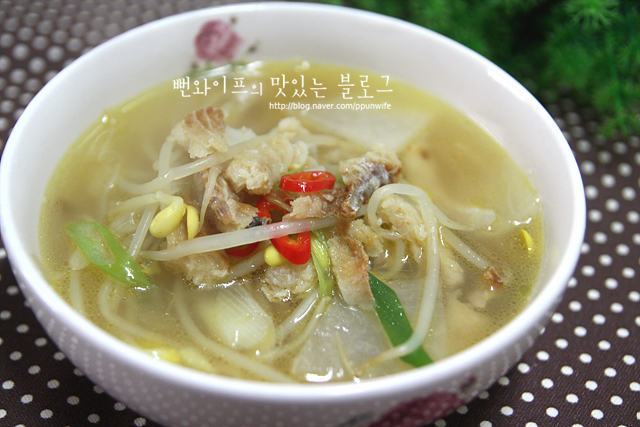
- You can also add soybean sprouts or tofu when boiling this.
- Rinse the shredded dried pollock lightly under running water to wash off any dust, then cut it into bite-sized pieces. If the dried pollock is very hard, rinse it and soak it in water to soften; do not discard that soaking water, use it in the soup broth.
Steps
Prepare the ingredients
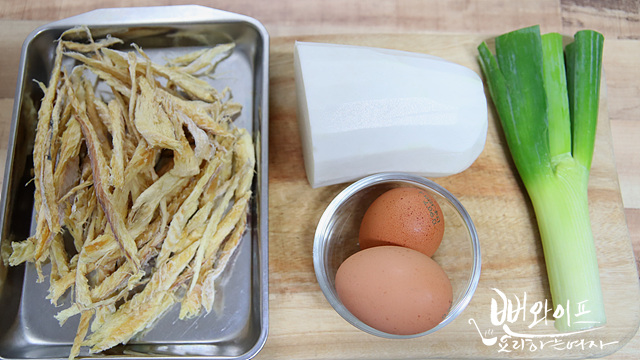
The ingredients for bukeo guk are simple: 100g of shredded dried pollock, Korean radish, large green onion, and eggs.
You can also add soybean sprouts or tofu when boiling this.
Cut the ingredients
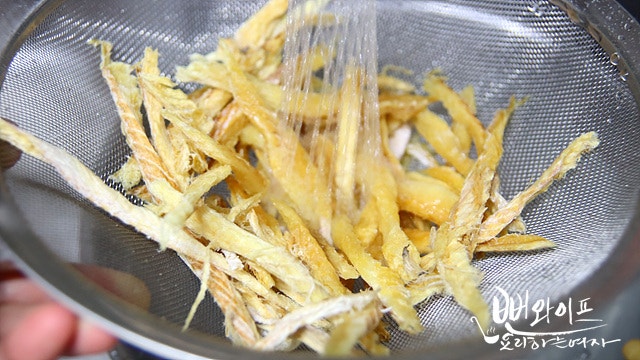
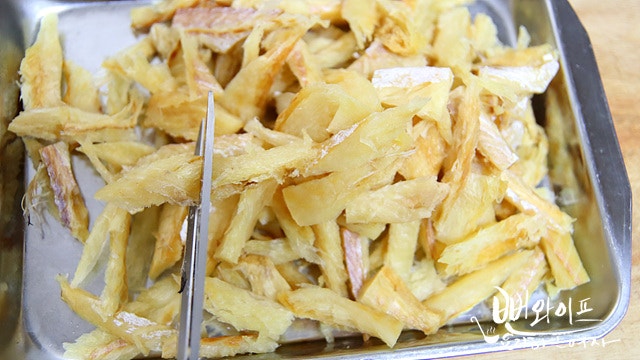
Rinse the shredded dried pollock lightly under running water to wash off any dust, then cut it into bite-sized pieces.
If the dried pollock is very hard, rinse it and soak it in water to soften; do not discard that soaking water, use it in the soup broth.
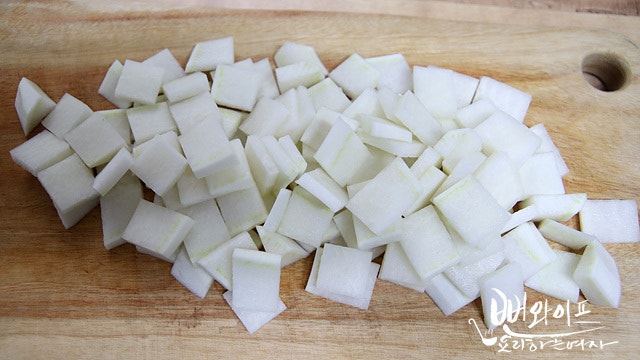
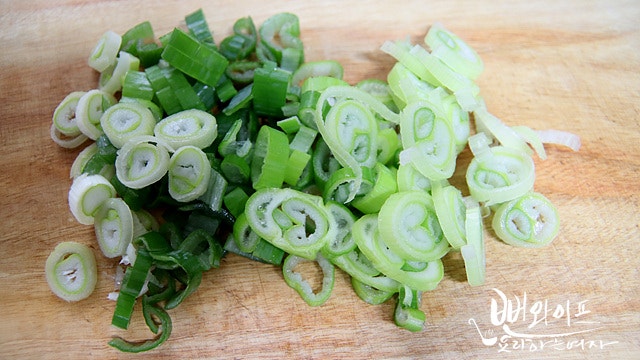
Thinly slice the Korean radish into bite-sized flat squares, and slice the large green onion thinly.
Beat the eggs
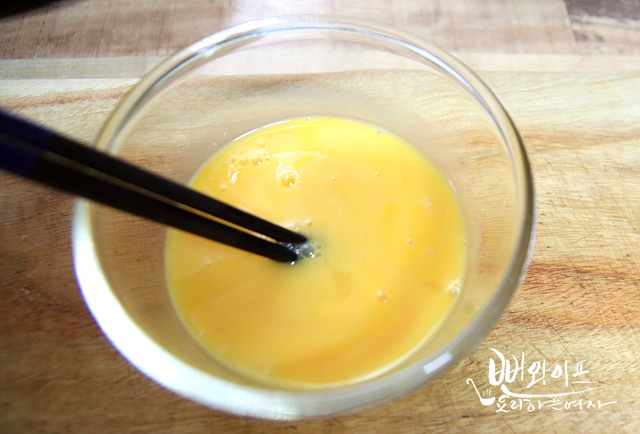
Beat 2 eggs.
Stir-fry the dried pollock
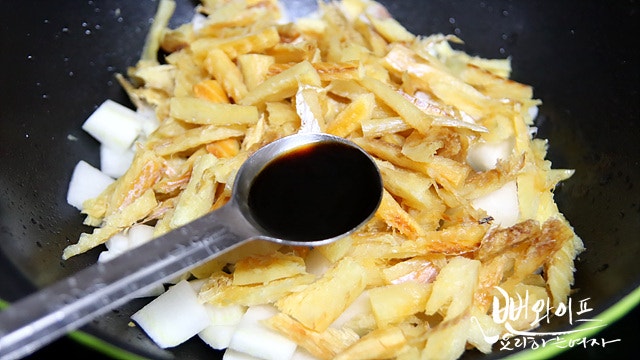
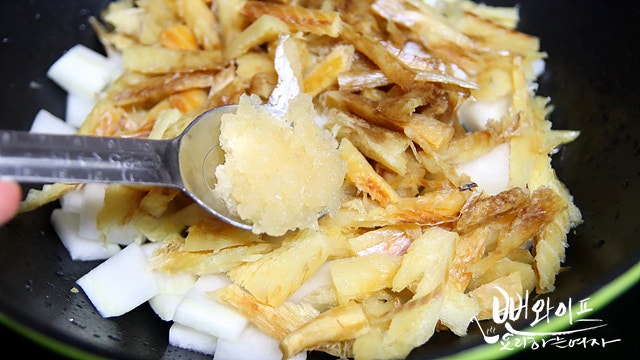
Drizzle about 2–3 tbsp of perilla oil in a pan, then add the Korean radish, dried pollock, 1 1/2 tbsp of soup soy sauce, 2 tbsp of minced garlic, and 2 tbsp of mirin...
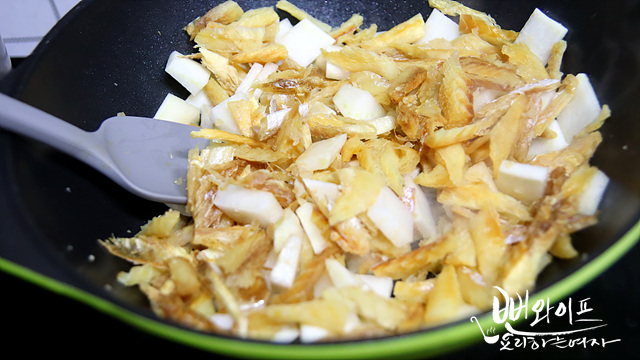
Stir-fry well so the savory aroma of the dried pollock rises and the surface of the radish cooks slightly.
Boil
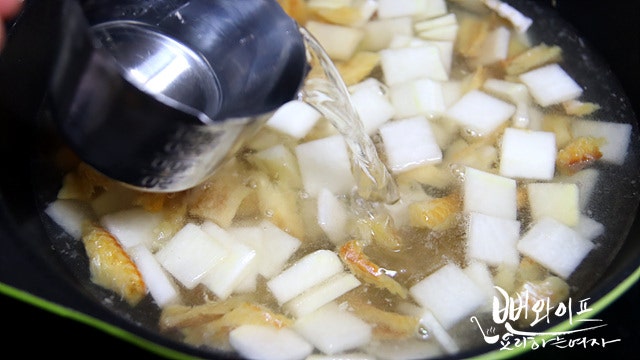
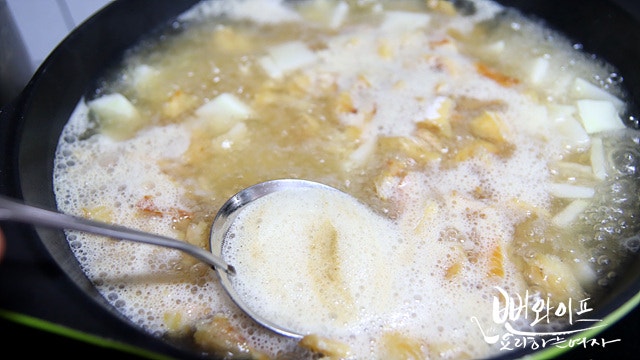
Pour in 10 cups of water and add 3 broth tablets. Once it comes to a rolling boil, skim off all the foam.
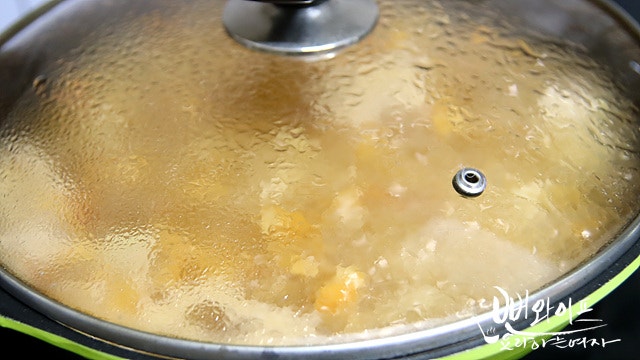
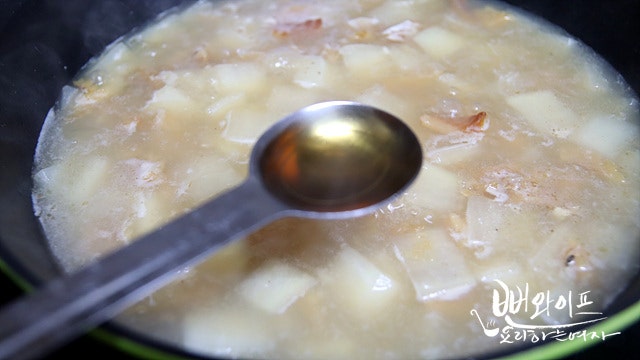
Lower the heat to medium-low, cover with a lid, and simmer gently for about 20 minutes.
Because I simmered it longer than usual, the broth turned out much milkier and richer.
Season with 2 tbsp of tuna extract sauce, sand lance fish sauce, or salted fermented shrimp.
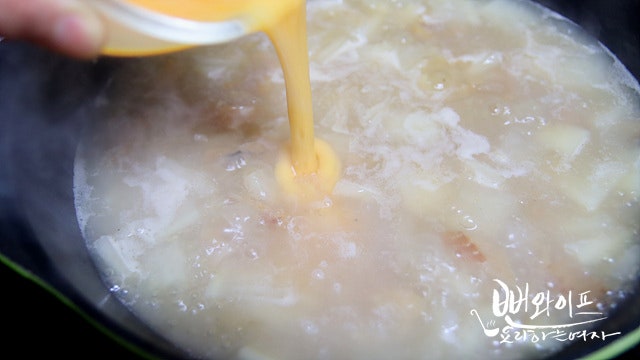
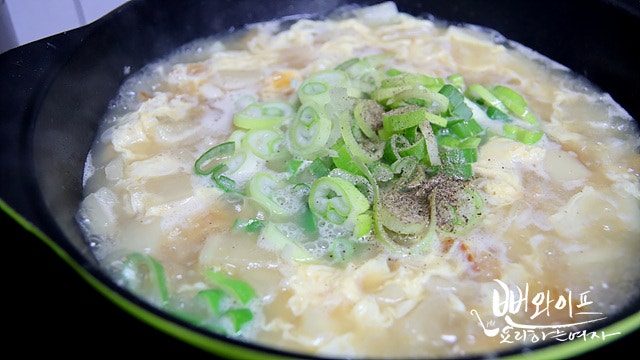
Drizzle the beaten egg in a circle in small amounts, add the large green onion and a little ground black pepper, and boil without stirring until the egg is cooked through.
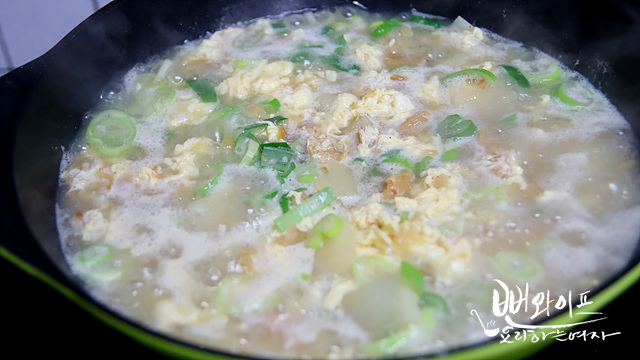
It tasted a bit light at the end, so I finished it with a little salt.
Done
Not only did I use more dried pollock than usual, but I also doubled the simmering time, and the broth tasted almost like rich bone soup.
You can also slice about two Cheongyang chili peppers and add them at the end for a spicy kick.
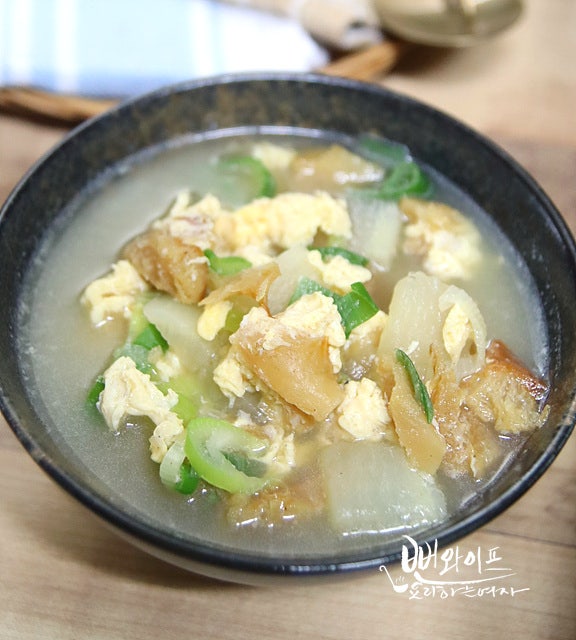
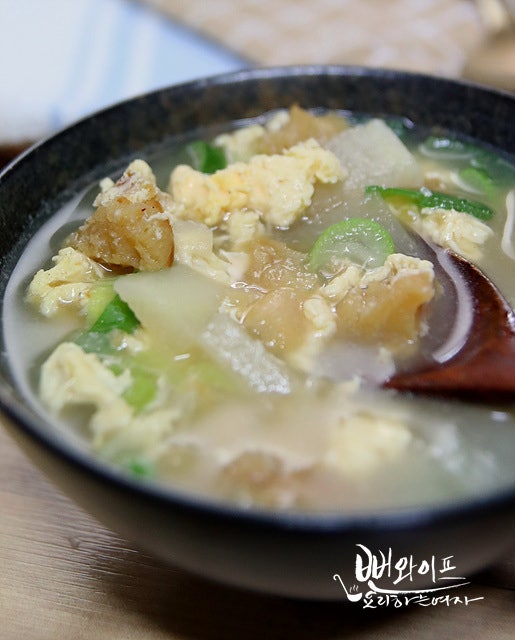
It is rich and nutty, with the savory flavor of the dried pollock deeply infused into the broth, making it amazingly refreshing.
You can also reduce the amount of radish and add soybean sprouts.
A single bowl of this bukeo guk will naturally soothe your hangover.
 Ppunwife's tips
- If you strip the meat from the dried pollock and use the head for making broth to simmer thoroughly, this bukeo guk will cure your hangover from ceremonial holiday drinking.
- If the dried pollock is very hard, rinse it and soak it in water to soften; do not discard that soaking water, use it in the soup broth.
- Drizzle the beaten egg in a circle in small amounts, add the large green onion and a little ground black pepper, and boil without stirring until the egg is cooked through.
- You can also slice about two Cheongyang chili peppers and add them at the end for a spicy kick.
FAQ
How do you prep dried pollock when it is too hard?
Rinse it lightly in water and let it soak briefly to soften before using; do not discard the soaking water, as it can be added directly to the broth.
Are there any good ingredients to add besides the basics?
You can add soybean sprouts or tofu to taste, and if you want a spicy, refreshing heat, sliced Cheongyang chili peppers added at the end work great.
Is there a seasoning I can use instead of tuna extract sauce?
If you do not have tuna extract sauce, you can substitute sand lance fish sauce or salted fermented shrimp to season the soup.
How do you keep the broth from turning cloudy after adding the eggs?
Drizzle the beaten eggs along the edge of the pot, and let them cook without stirring right away until fully set.