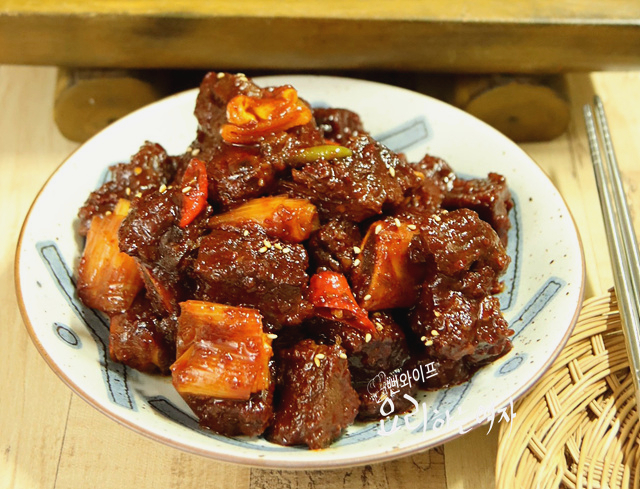
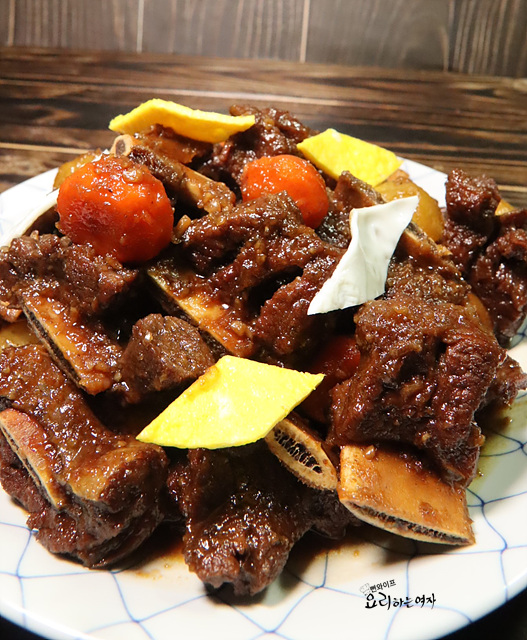
Tender Sogalbijjim (Braised Beef Short Ribs)
Holiday braised beef short ribs cooked fork-tender in a pressure cooker with a marinade of pear drink and kiwi syrup.
Translated from Korean by AI and not yet checked by a native speaker. Amounts and numbers are taken directly from the original recipe. Read the Korean original →
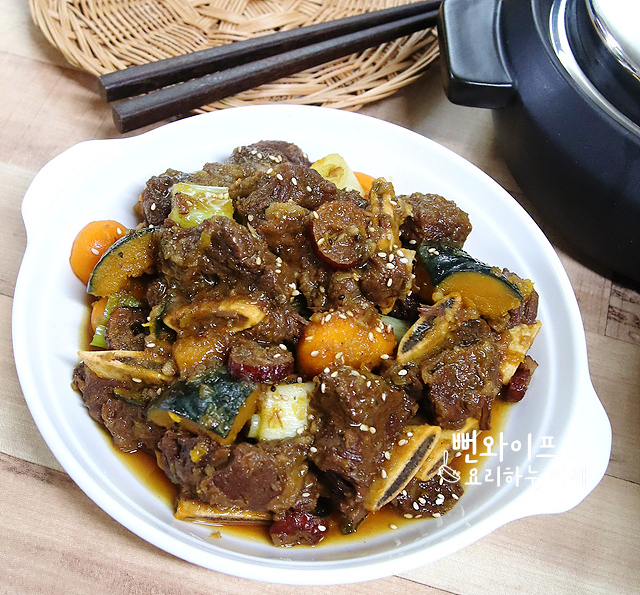
This braised beef short ribs recipe eliminates unpleasant odors by soaking and parboiling the meat, then uses a pressure cooker to make it exceptionally tender. Marinated with pear drink and kiwi syrup to tenderize the beef, it is a dish everyone in the family will enjoy.
- Servings
- 5–6 servings
- Cook time
- 53 minprep not included
- Difficulty
- Medium
- Spiciness
- Not spicy
Ingredients
Ingredients
- Beef short ribs2 kg
- Mini kabocha squash (or substitute with Korean radish (mu) or chestnuts)1
- Carrot1 (small)
- White part of large green onion (daepa)
- Sliced dried jujubesfor garnish, optional
- Soju1/2 cup
Seasoning
- Pear drink3 cups
- Onion2 (medium)
- White part of large green onion (daepa)1/2 cup (finely chopped)
- Regular soy sauce (jin-ganjang) (or brewed soy sauce (yangjo-ganjang))2/3 cup
- Soup soy sauce (guk-ganjang)2 tbsp
- Mirin (cooking rice wine)1/2 cup
- Kiwi syrup (or green plum syrup (maesil-cheong), corn syrup (mulyeot), or sugar)5 tbsp
- Minced garlic4 tbsp
- Minced ginger1/2 tbsp
- Ground black pepper1/2 tsp
- Toasted sesame oil2 tbsp
- Trim off any excess fat attached to the ribs, and score thick meaty portions so the marinade penetrates well and the meat cooks tender.
- For the additional ingredients, use what you have in the fridge; I prepared kabocha squash, carrot, large green onion, and dried jujubes. Instead of kabocha, refreshing Korean radish works well, and chestnuts are also delicious.
- Beef short ribs must be soaked in cold water to draw out the blood and eliminate off-odors. Soak for about 1 hour, changing the water occasionally so the blood drains well.
- Instead of kiwi syrup, you can substitute 5 tbsp corn syrup together with 2 tbsp sugar, or add at least 5 tbsp green plum syrup for sweetness.
Steps
Prepare the ingredients
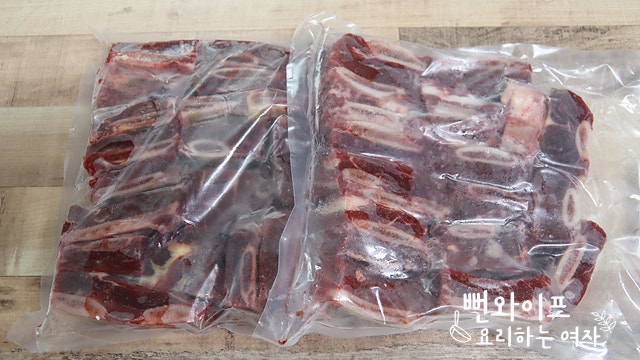
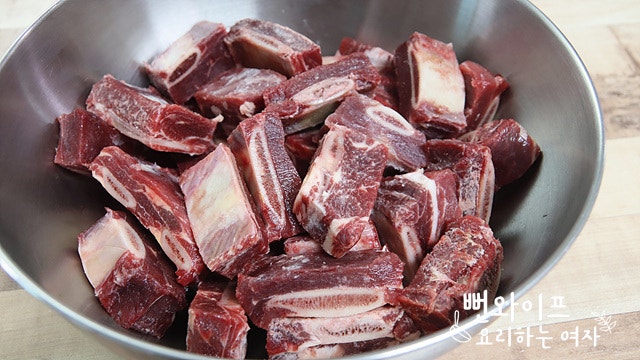
I prepared 2 kg of beef short ribs cut for braising.
They had very little fat, so I skipped trimming and went straight to the blood-draining step.
Trim off any excess fat attached to the ribs, and score thick meaty portions so the marinade penetrates well and the meat cooks tender.
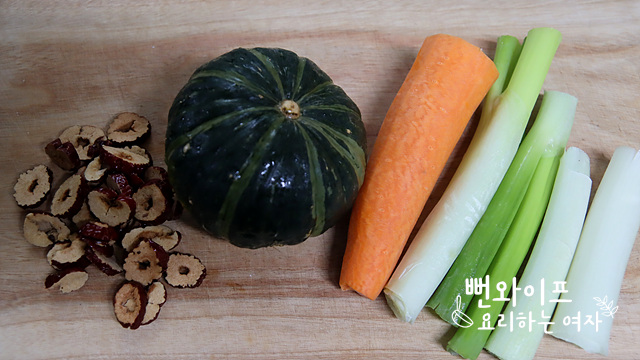
For the additional ingredients, use what you have in the fridge; I prepared kabocha squash, carrot, large green onion, and dried jujubes.
Instead of kabocha, refreshing Korean radish works well, and chestnuts are also delicious.
Cut the ingredients
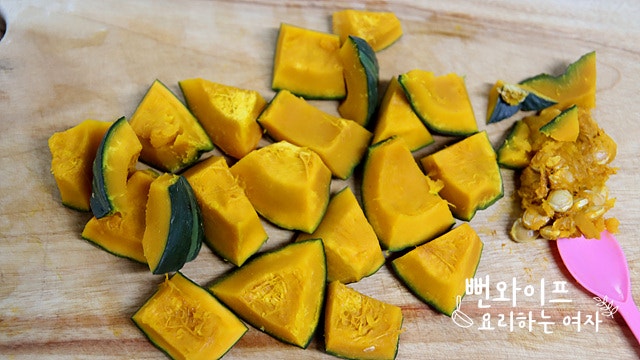
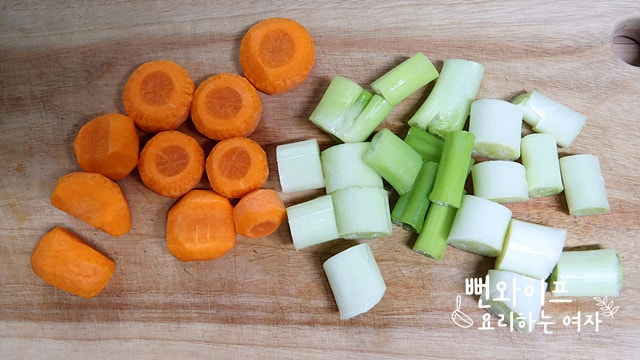
Microwave the mini kabocha squash for 1 to 2 minutes to make it easier to cut, then remove the seeds and cut into bite-sized pieces.
Cut the carrot into similar-sized pieces and round off the edges.
Cut the large green onion into large chunks as well.
Drain blood from the beef short ribs
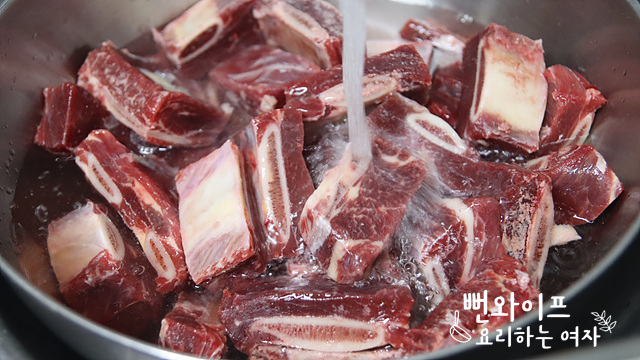
Beef short ribs must be soaked in cold water to draw out the blood and eliminate off-odors.
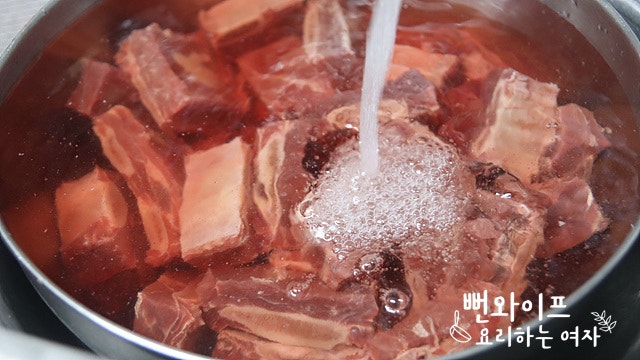
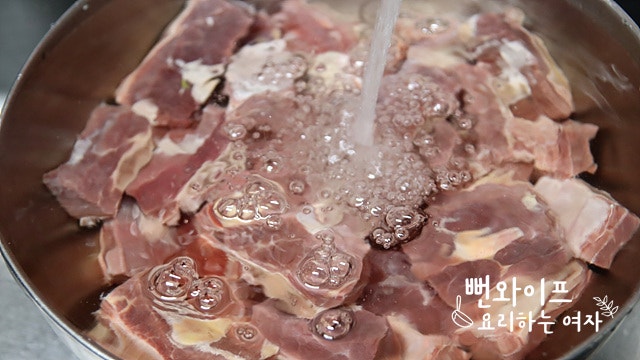
Soak for about 1 hour, changing the water occasionally so the blood drains well.
Make the marinade
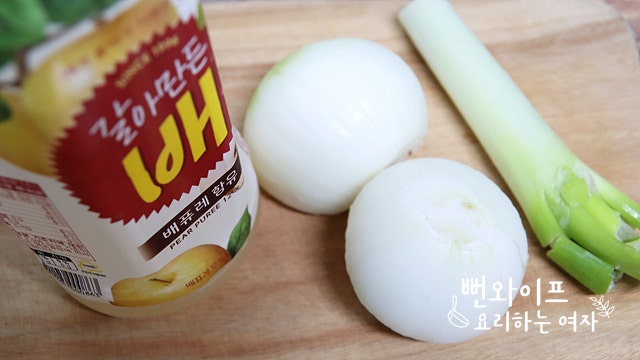
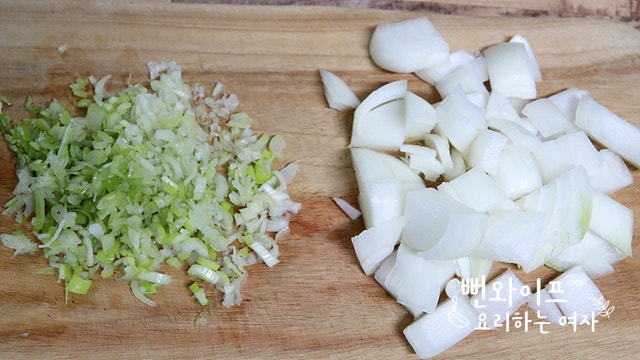
While draining the blood from the beef short ribs, prepare the marinade.
Among the pear drink, onions, and large green onion, finely chop enough white part of the large green onion to make about 1/2 cup.
Roughly chop the onions since they will be blended.
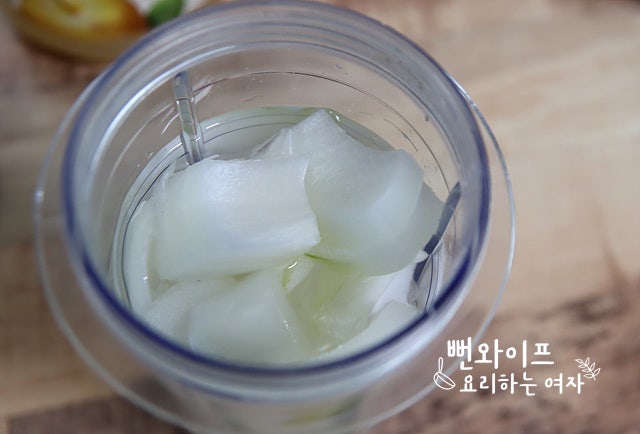
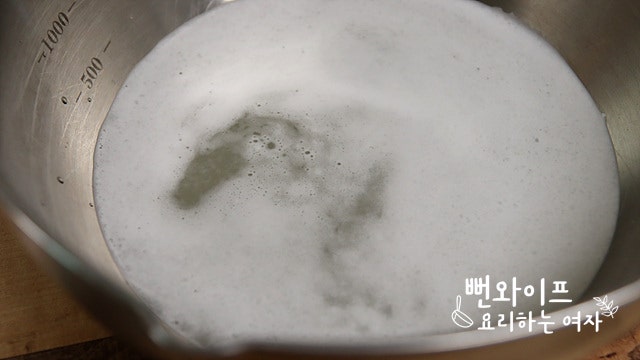
Add the onions to a blender along with 3 cups of pear drink to help them blend smoothly, and blend until fine.
Pour into a bowl.
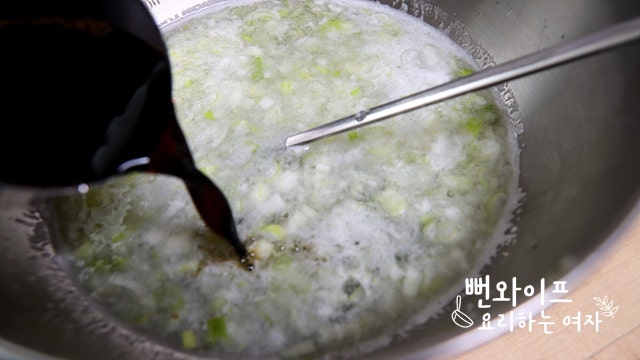
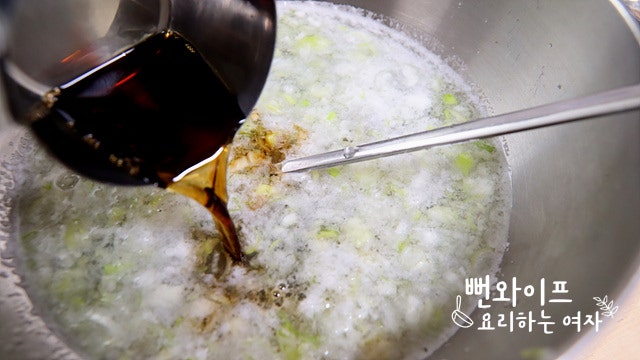
Add 1/2 cup finely chopped large green onion, 2/3 cup regular soy sauce (jin-ganjang) or brewed soy sauce, and 2 tbsp soup soy sauce (guk-ganjang).
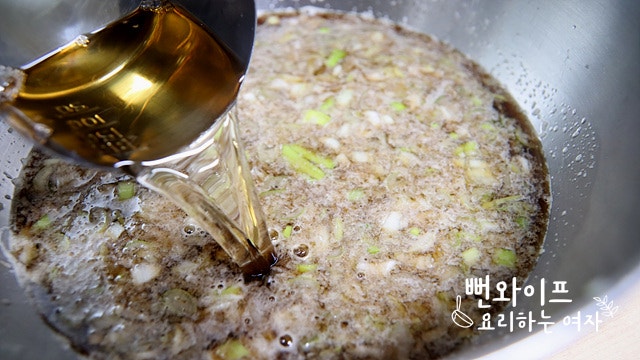
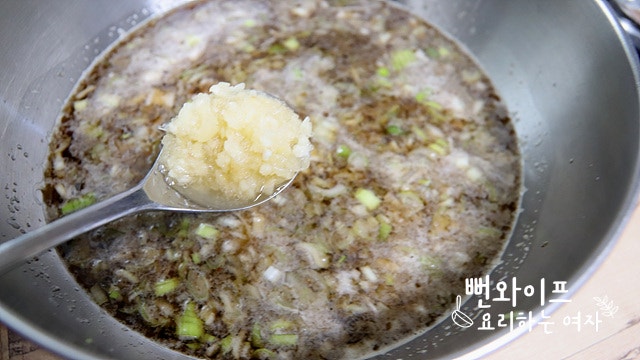
Add 1/2 cup mirin (cooking rice wine), 4 tbsp minced garlic, and 1/2 tbsp minced ginger.
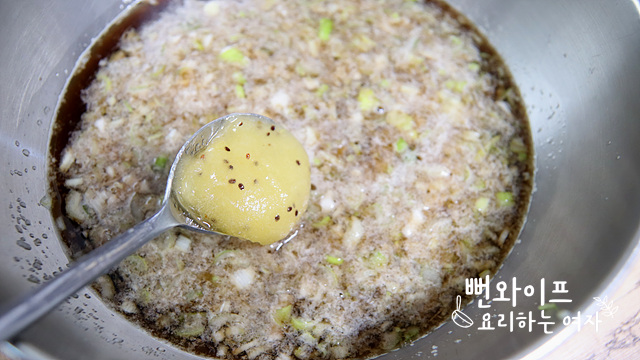
I added 5 tbsp kiwi syrup to add sweetness and help tenderize the meat.
Instead of kiwi syrup, you can substitute 5 tbsp corn syrup together with 2 tbsp sugar, or add at least 5 tbsp green plum syrup for sweetness.
Stir in 1/2 tsp ground black pepper and 2 tbsp toasted sesame oil to complete the marinade.
Parboil the beef short ribs
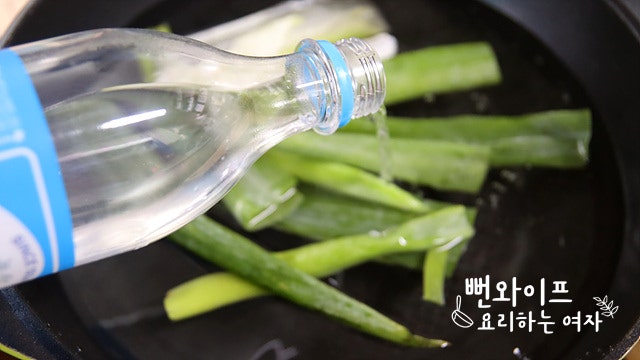
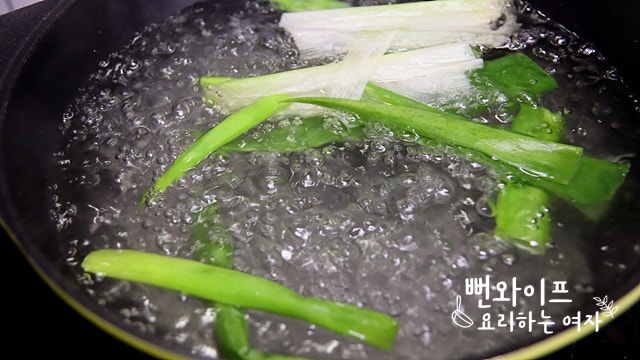
Pour water for parboiling the beef short ribs into a pot, and add 1/2 cup soju.
I had some wilted green onion, so I tossed that in too, and brought it to a rolling boil.
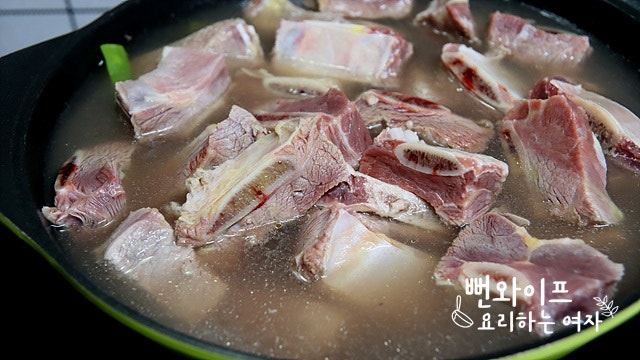
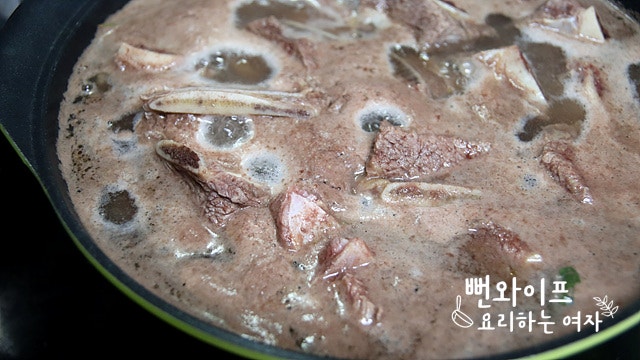
Add the beef short ribs and wait over high heat until it comes back to a boil.
Once boiling, lower the heat and parboil for about 3 minutes to draw out impurities and excess fat.
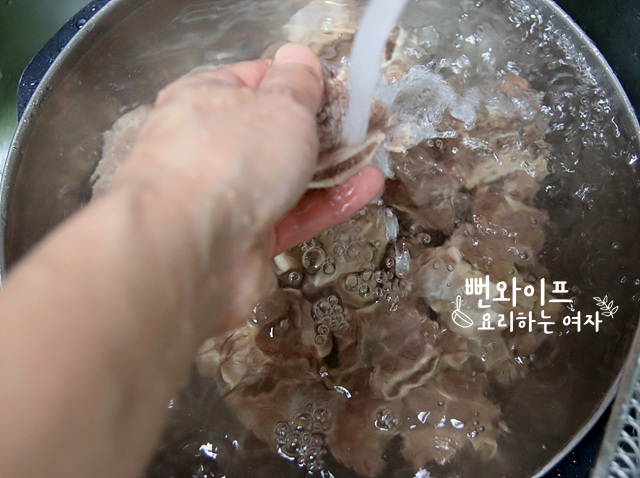
Rinse thoroughly with warm water so any remaining impurities wash away from the ribs.
Marinate the ribs
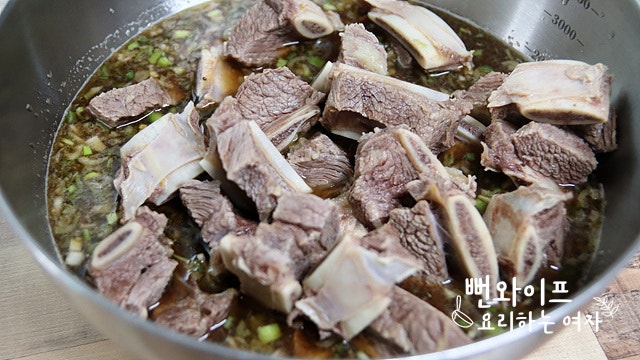
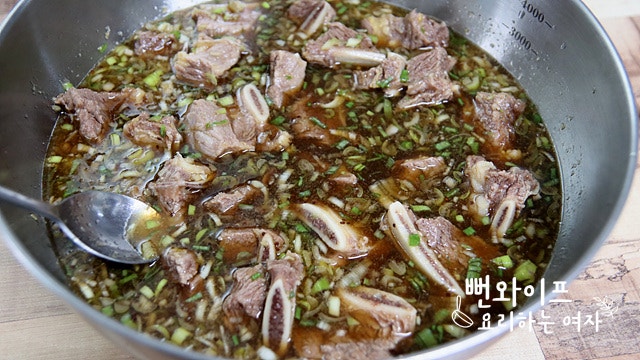
Place the parboiled meat into the marinade and press down gently so it is fully submerged.
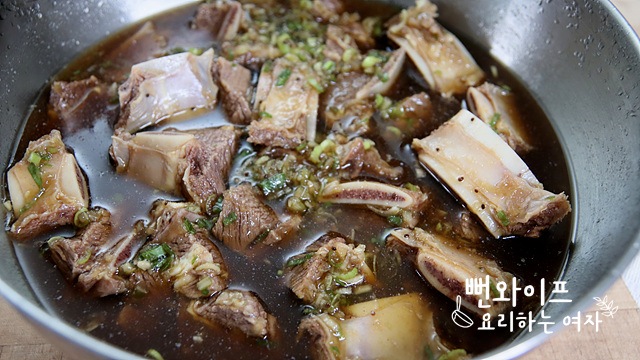
Transfer to a container and marinate in the refrigerator overnight.
If serving the same day, marinate in the morning and cook for dinner.
Cook in the pressure cooker
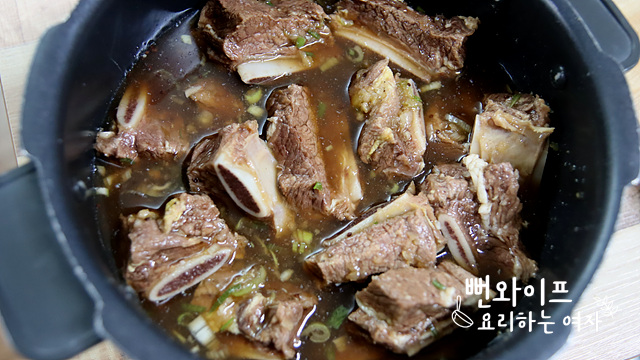
Set the pressure cooker to the multi-cook function for 50 minutes to cook.
The liquid does not reduce, and the meat comes out very tender, so the broth now needs to be simmered down.
Add vegetables and simmer down
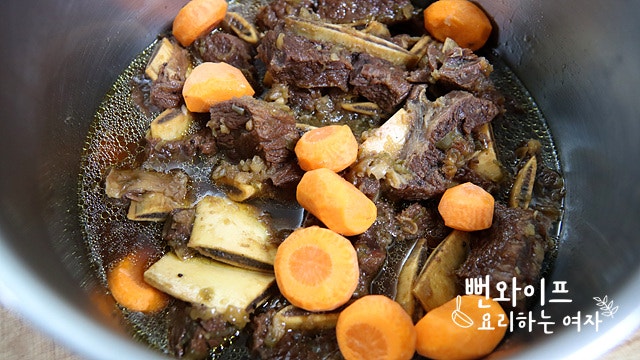
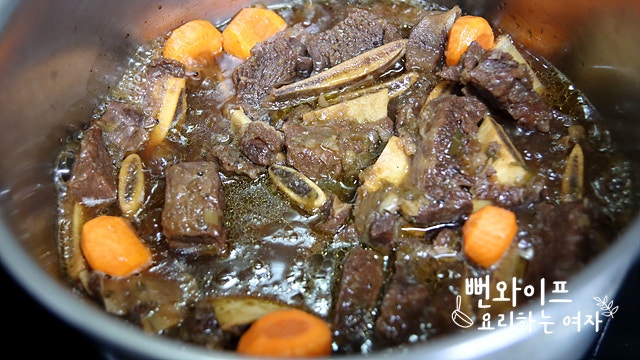
Transfer the ribs and liquid into a pot, then add the hard carrot (if using Korean radish or chestnuts, add them now as well).
Stir occasionally so the liquid reduces and the carrot cooks through.
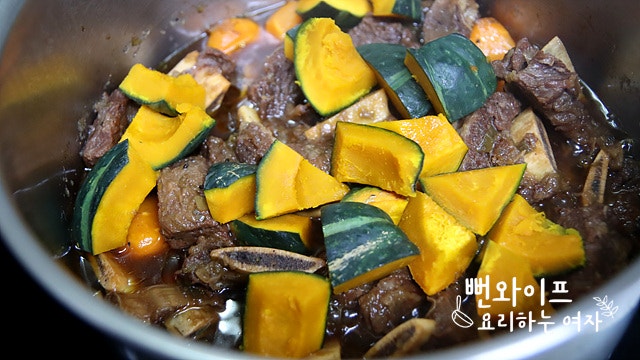
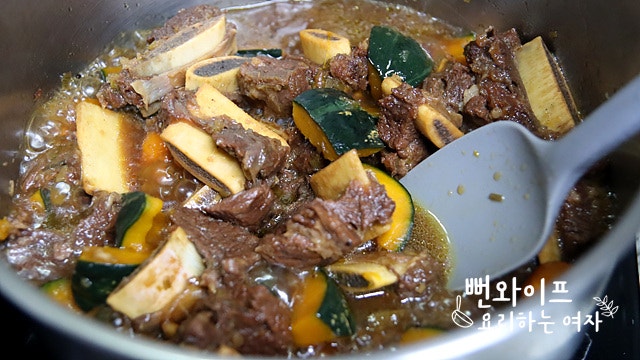
Since the kabocha squash was already half-cooked in the microwave, simmer it only briefly.
Boiling it too long will cause it to break down and make the braised ribs look messy.
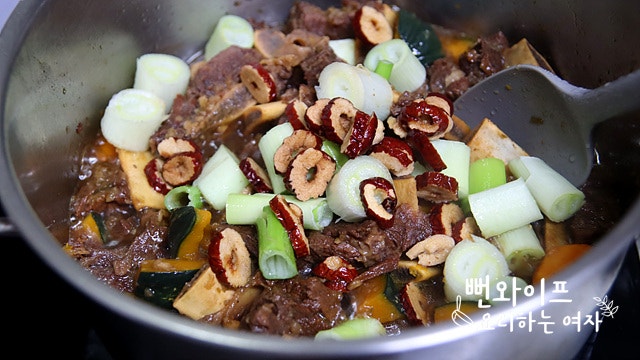
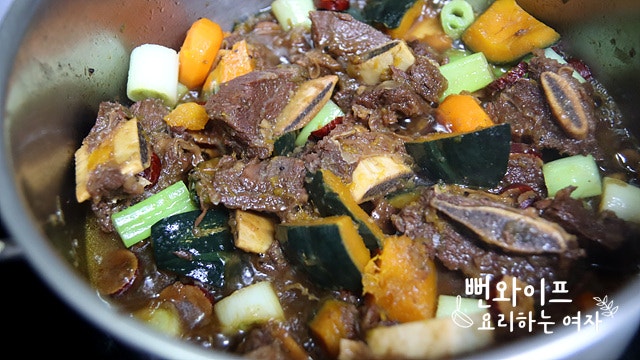
Finish by adding the jujubes and large green onion, cooking just briefly until the aroma of the green onion releases.
Done
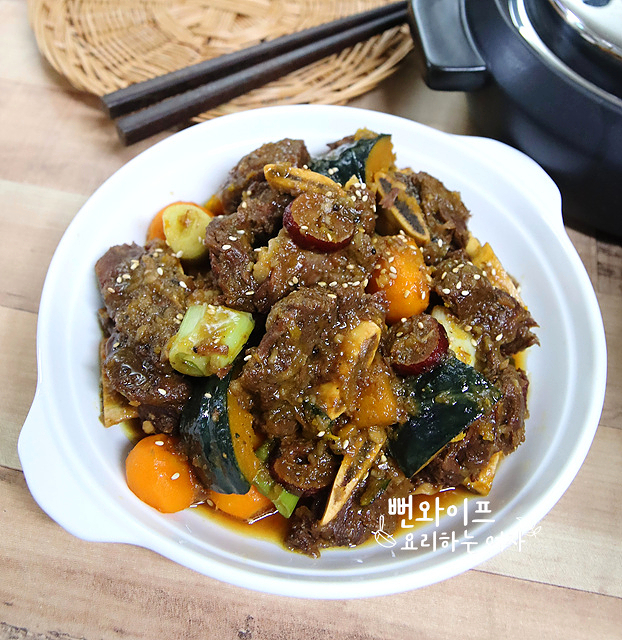
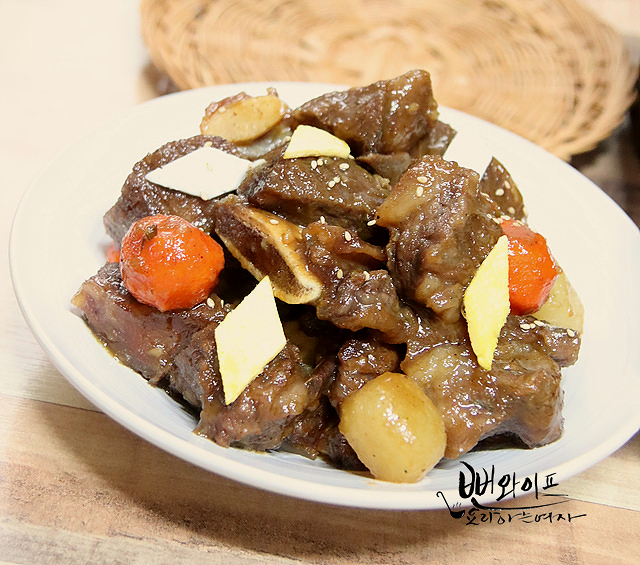
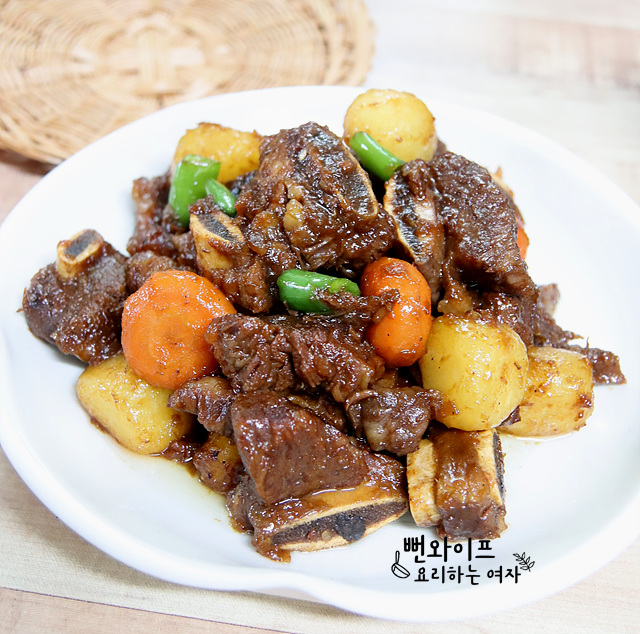
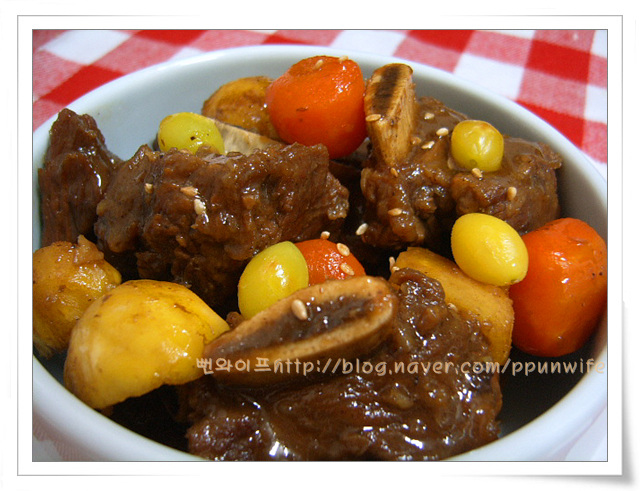
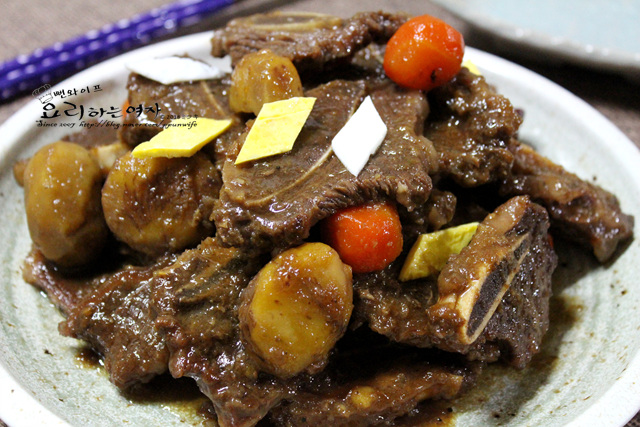
Sogalbijjim is ready.
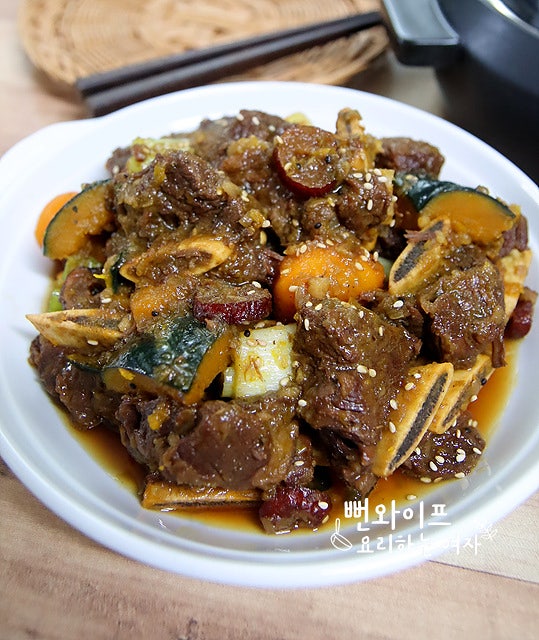
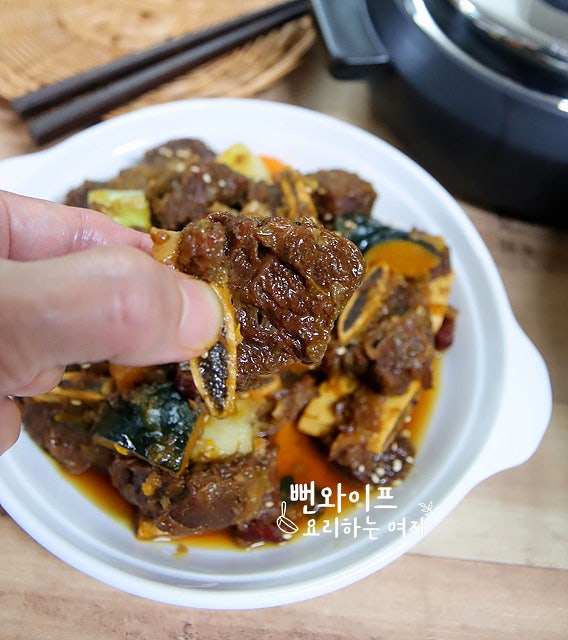
If you like heat, adding bird's eye chilies or Cheongyang chili pepper (hot green chili) will give it a spicy kick and cut through any richness.
I made braised beef short ribs, a holiday favorite for the family.
If the meat is tough, even the best seasoning is wasted.
You can easily make melt-in-your-mouth, flavorful braised beef short ribs if you pay close attention to the marinade and cooking process.
 Ppunwife's tips
- Since the kabocha squash was already half-cooked in the microwave, simmer it only briefly. Boiling it too long will cause it to break down and make the braised ribs look messy.
- If you like heat, adding bird's eye chilies or Cheongyang chili pepper (hot green chili) will give it a spicy kick and cut through any richness.
FAQ
What can I substitute if I don't have kiwi syrup?
You can substitute 5 tbsp corn syrup combined with 2 tbsp sugar, or add at least 5 tbsp green plum syrup to adjust the sweetness.
What ingredients work well instead of kabocha squash?
Korean radish, which adds a refreshing flavor, or rich and nutty chestnuts make great alternatives.
What can I add to make it spicy?
Depending on your preference, adding bird's eye chilies or Cheongyang chili pepper helps cut through the richness and adds a clean, spicy kick.
Why is the kabocha squash added near the end of simmering?
Because it was already par-cooked in the microwave; simmering it too long makes it mushy and clouds the braising broth.