Crisp Sukjunamul Muchim (Seasoned Mung Bean Sprouts)
A clean namul side dish for holiday ancestral rites, made by tossing blanched mung bean sprouts with tuna extract sauce and toasted sesame oil.
Translated from Korean by AI and not yet checked by a native speaker. Amounts and numbers are taken directly from the original recipe. Read the Korean original →
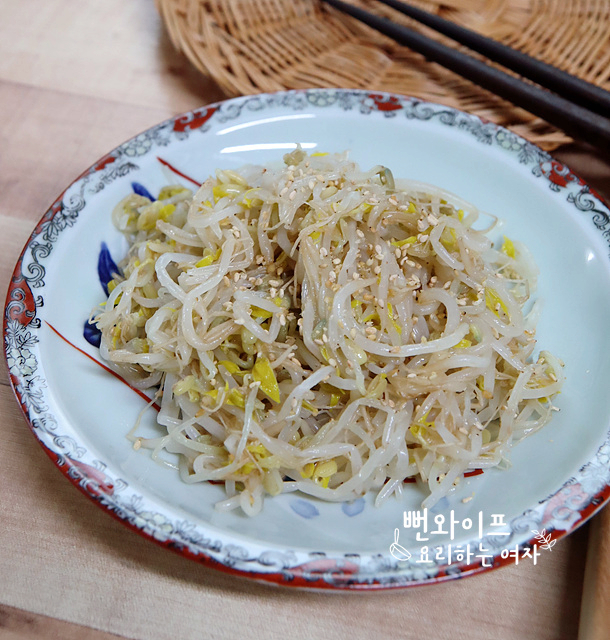
Prepared for holiday ancestral rites, this clean namul dish is lightly blanched rather than stir-fried. Cook it briefly in boiling water, rinse in cold water, and squeeze out the moisture thoroughly so the stems stay crisp and retain their deep seasoning.
- Servings
- about 3–4 servings
- Difficulty
- Easy
- Spiciness
- Not spicy
Ingredients
Ingredients
- Mung bean sprouts300 g
- Water3 cups
- Salt1/2 tbsp
Seasoning
- Tuna extract sauce (chamchi-aek) (or yondu (vegetable seasoning essence), fish soy sauce, soup soy sauce (guk-ganjang))1 tbsp
- Toasted sesame oil1 tbsp
- Ground toasted sesame seeds1 tbsp
- Rinse lightly once or twice, shaking gently as you lift them out so the green husks fall away.
Steps
Prepare the ingredients
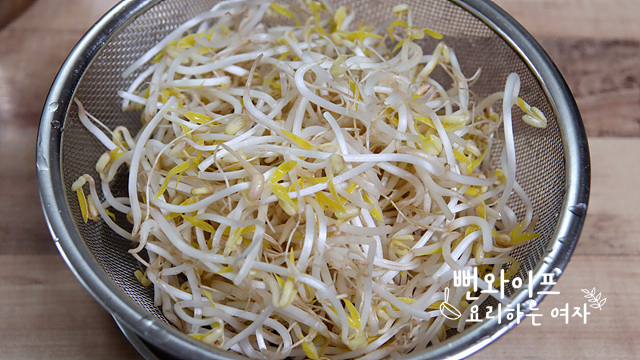
Prepare 300 g of mung bean sprouts.
Clean the mung bean sprouts
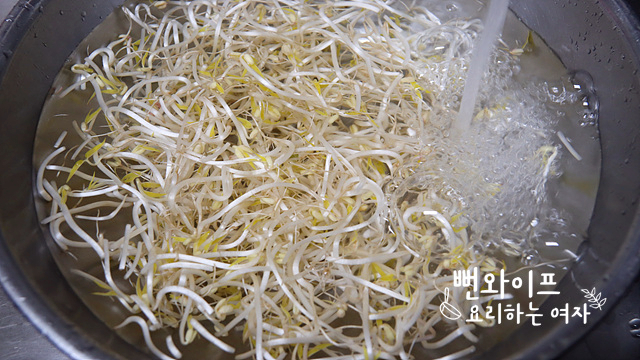
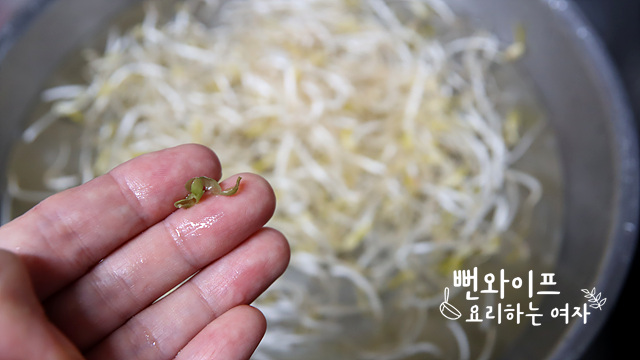
These days, soybean sprouts and mung bean sprouts come pre-washed, so you only need to rinse them lightly once or twice.
Shake them gently as you scoop them out so the green husks come off.
Blanch the mung bean sprouts
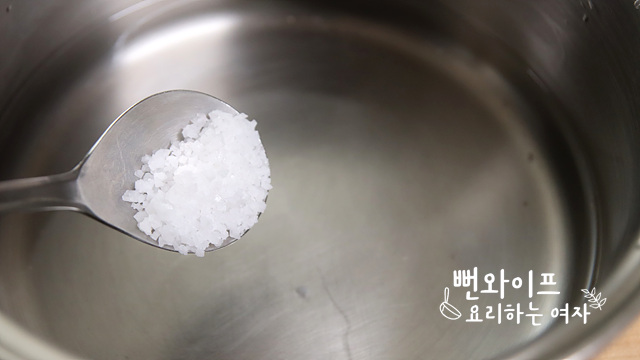
Pour 3 cups of water into a pot and add 1/2 tbsp of salt.
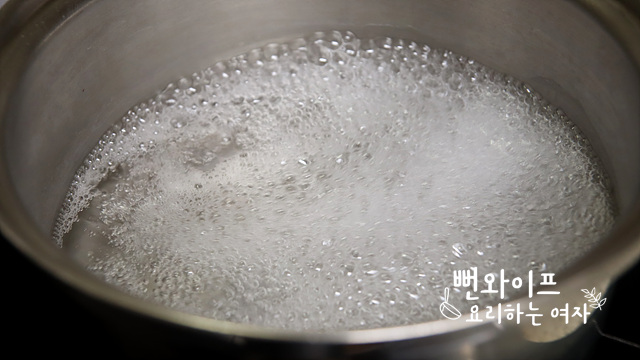
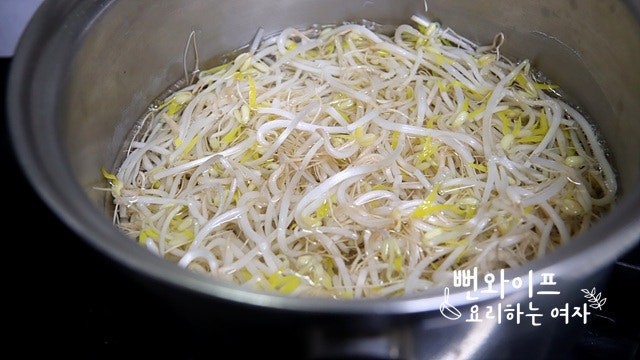
Once the water comes to a rolling boil, add the mung bean sprouts and wait until it boils again.
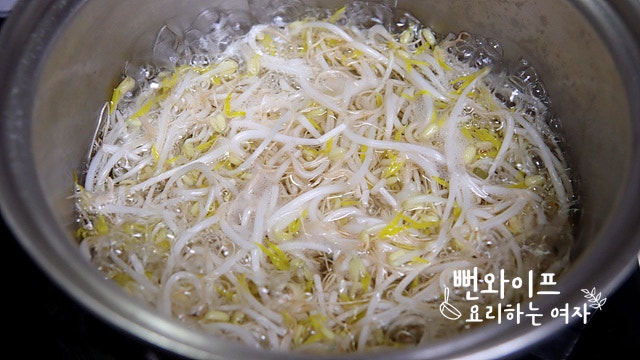
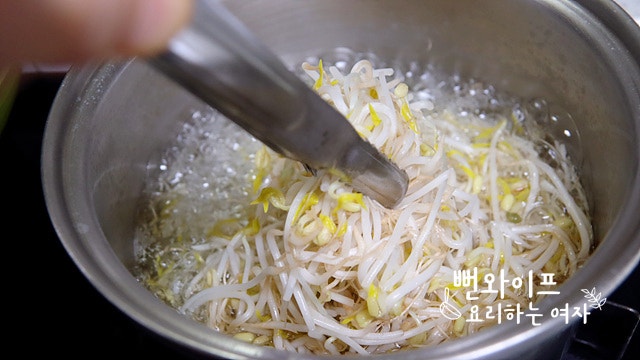
After it starts boiling all over, wait about 1 minute to 2 minutes, turn them over once, and cook for about 1 minute more.
You only need to cook them until the raw sprout smell is gone and the stems are barely tender, so do not overcook them to enjoy both the texture and aroma.
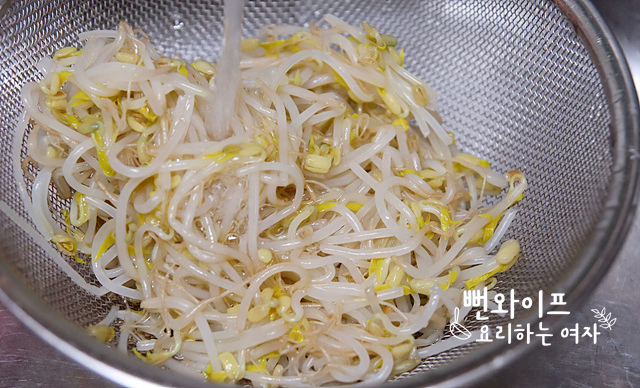
Rinse immediately in cold water and drain the moisture thoroughly.
If moisture remains, the seasoning will be diluted and it will not taste as good.
Season
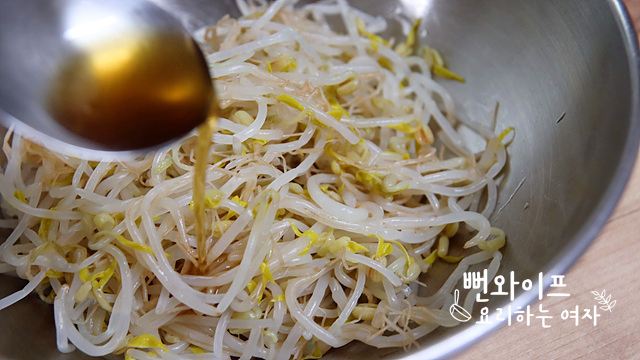
Place the mung bean sprouts in a bowl and drizzle 1 tbsp of tuna extract sauce (chamchi-aek) or soup soy sauce (guk-ganjang) all around.
Toss gently, taste, and adjust with salt if it is too bland.
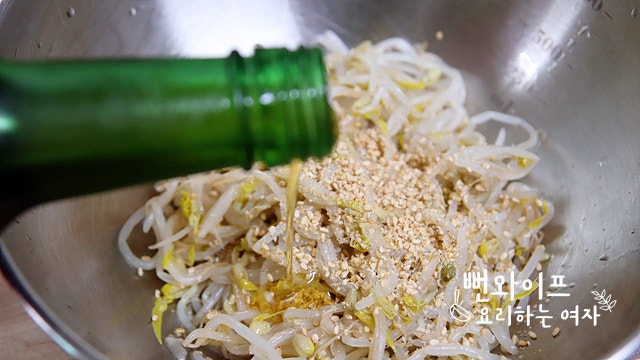
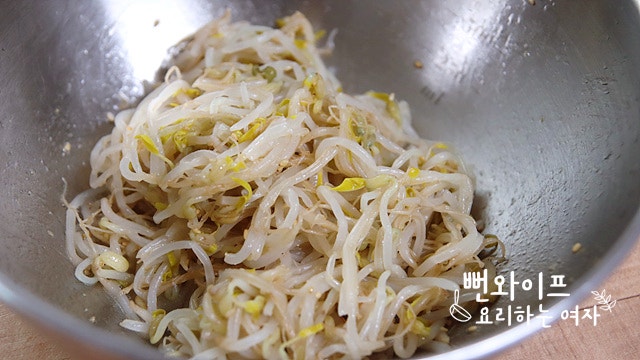
Add 1 tbsp of toasted sesame oil and 1 tbsp of ground toasted sesame seeds, then mix evenly to finish.
Finish
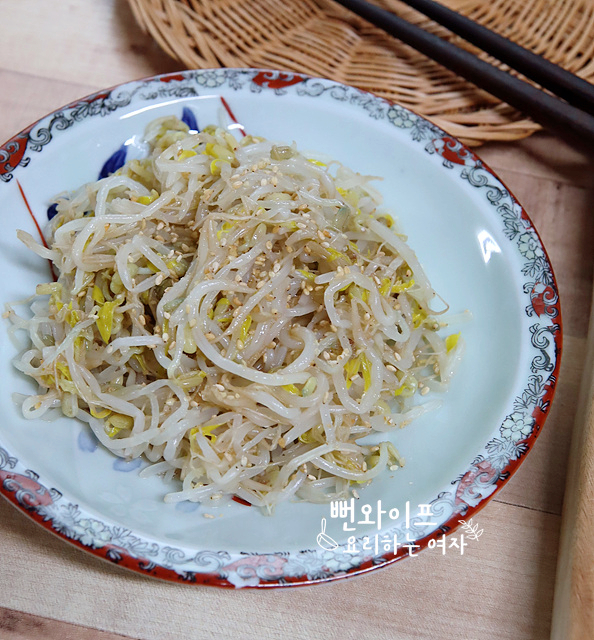
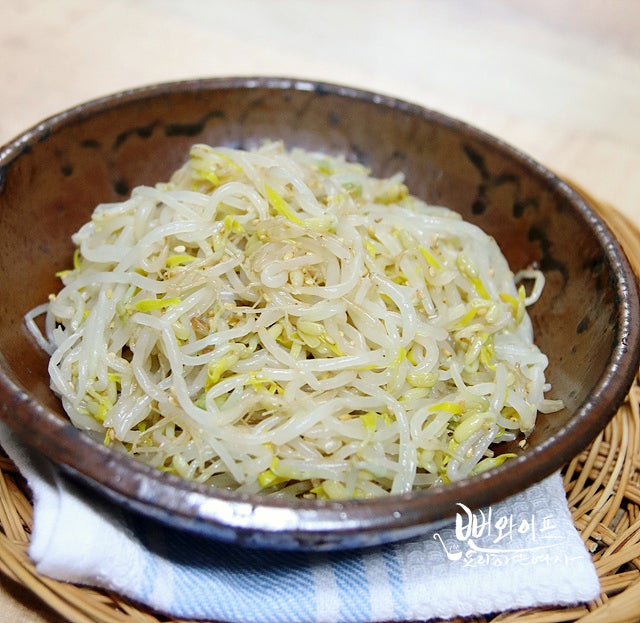
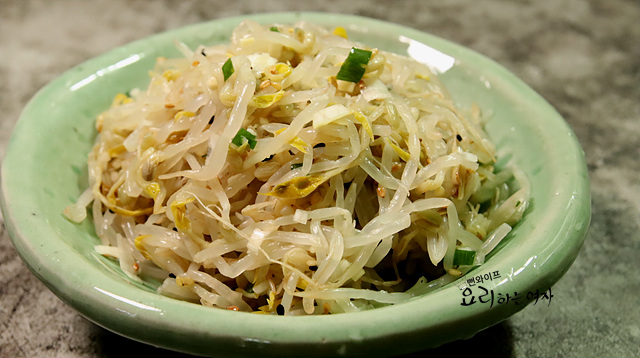
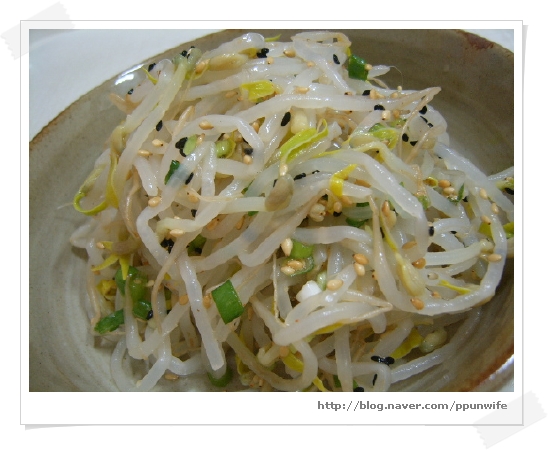
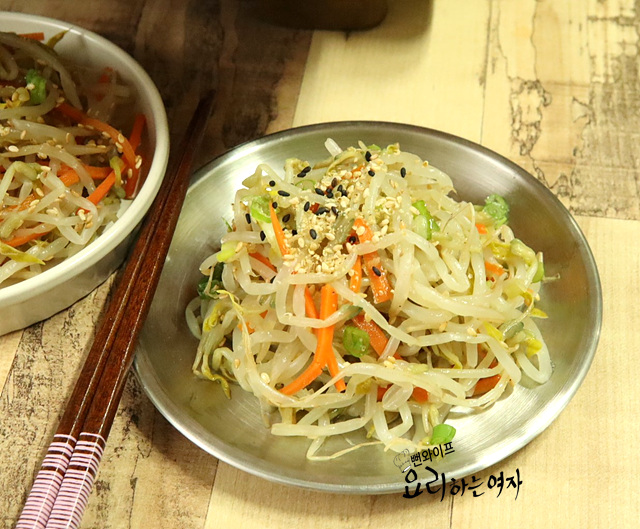
Sukjunamul muchim is complete.
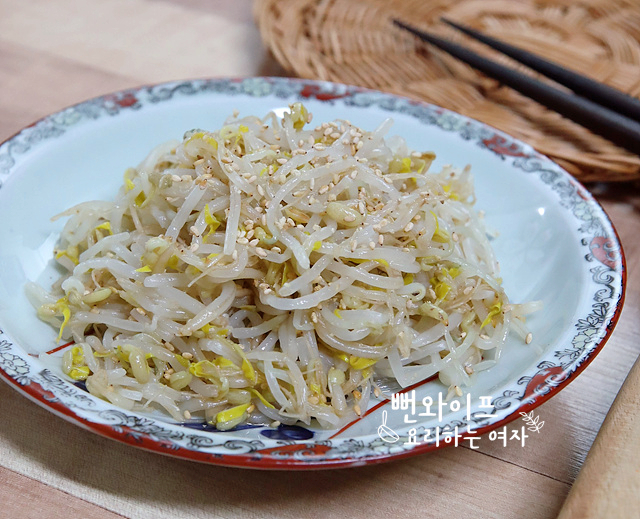
Mung bean sprouts are tender, so if you blanch them lightly and toss gently with your fingertips so they do not get bruised, you can fully enjoy the texture of the plump stems.
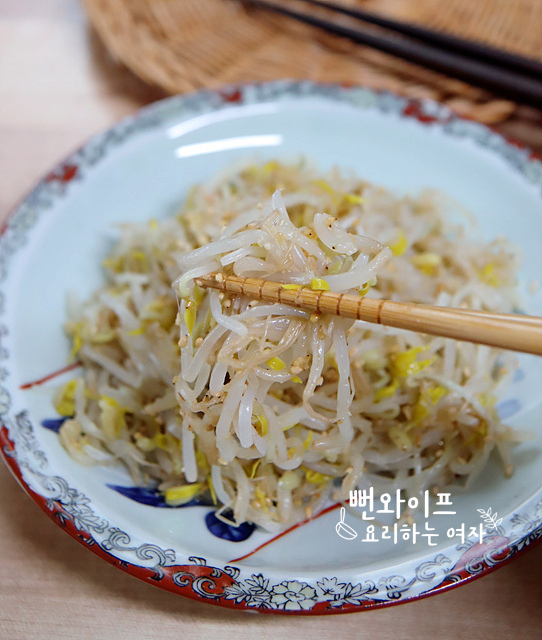
Because it is an ancestral rite namul, it is seasoned very simply, so if you make sure to remove the moisture, you will definitely end up with delicious sukjunamul muchim.
For those heading to your hometowns, drive safely and have a wonderful trip home.
 Ppunwife's tips
- You only need to cook them until the raw sprout smell is gone and the stems are barely tender, so do not overcook them to enjoy both the texture and aroma.
- Rinse immediately in cold water and drain the moisture thoroughly. If moisture remains, the seasoning will be diluted and it will not taste as good.
- Mung bean sprouts are tender, so if you blanch them lightly and toss gently with your fingertips so they do not get bruised, you can fully enjoy the texture of the plump stems.
FAQ
Is there a seasoning I can use instead of tuna extract sauce?
You can substitute Yondu vegetable seasoning, fish sauce, or soup soy sauce (guk-ganjang).
How do you preserve the crisp texture when blanching mung bean sprouts?
Once the water boils, wait 1 to 2 minutes, flip them over once, cook briefly for just about 1 minute, and rinse immediately in cold water to keep them crisp.
Why do you need to thoroughly remove the moisture after blanching?
If moisture remains in the mung bean sprouts, the seasoning will be diluted and the flavor will suffer.