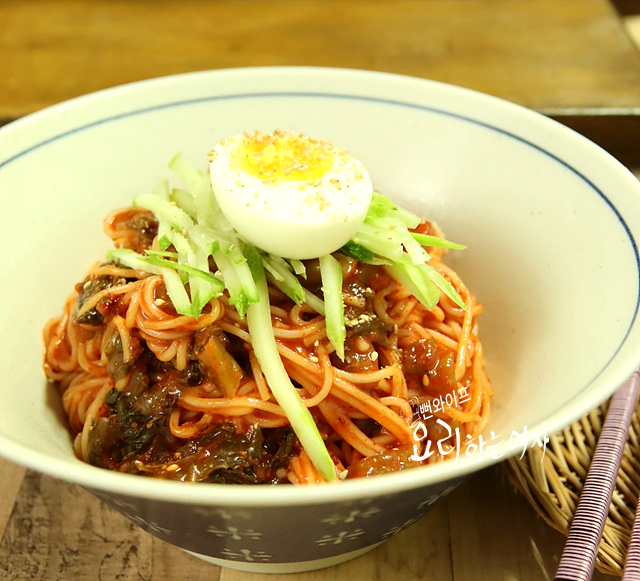
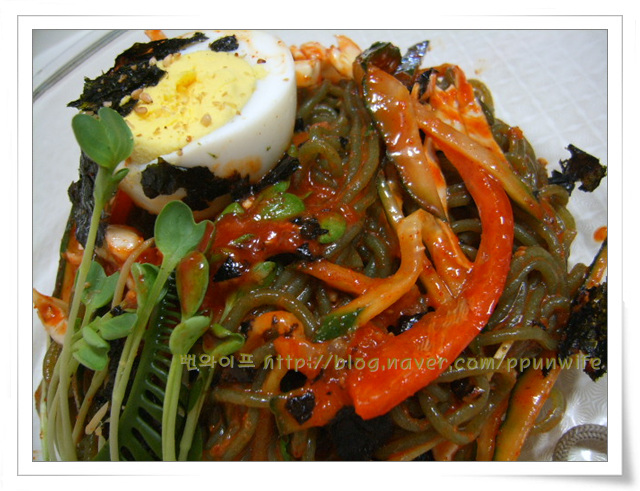
Bibim Guksu (Spicy Mixed Noodles) with Leftover Namul
A refreshing noodle dish tossed with sweet and tangy vinegar gochujang sauce using leftover holiday seasoned vegetables and fresh produce.
Translated from Korean by AI and not yet checked by a native speaker. Amounts and numbers are taken directly from the original recipe. Read the Korean original →
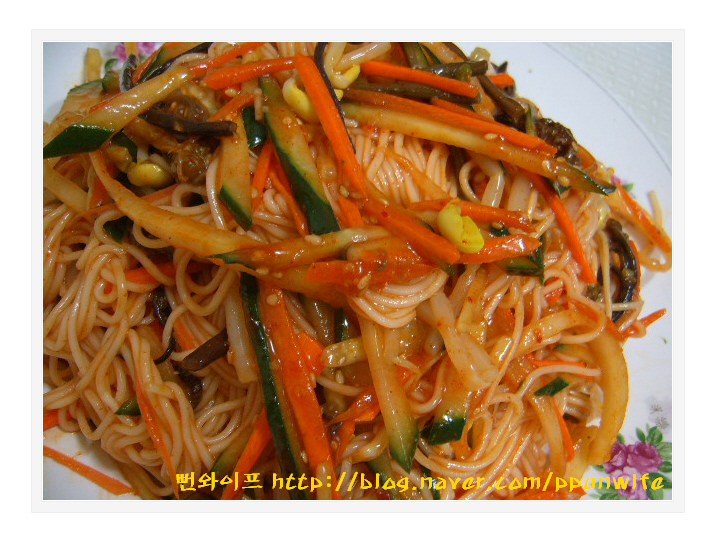
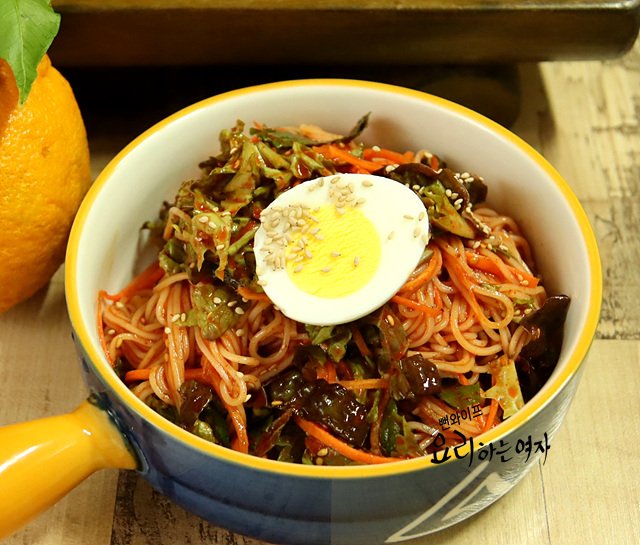
This bibim guksu turns leftover holiday seasoned bracken fern and bellflower root into a clean, refreshing meal tossed with sweet and tangy vinegar gochujang. It comes together simply in under 20 minutes, making it a great one-bowl dish. Adjust the amount of sauce to account for the seasoning already in the vegetables so the noodles stay light and not too salty.
- Cook time
- 20 minprep not included
- Difficulty
- Easy
- Spiciness
- Spicy
Ingredients
Ingredients
- Bracken fern (gosari)
- Bellflower root (doraji)
- Soybean sprouts
- Carrot
- Cucumber
Vinegar gochujang
- Gochujang (Korean red chili paste)3 tbsp
- Gochugaru (Korean chili flakes)1 tbsp
- Vinegar3 tbsp
- Corn syrup (mulyeot)3 tbsp
- Garlic1 tsp
- Lemon-lime soda (chilsung cider)1 tbsp
- Ground toasted sesame seeds1 tbsp
- Toasted sesame oil1 tbsp
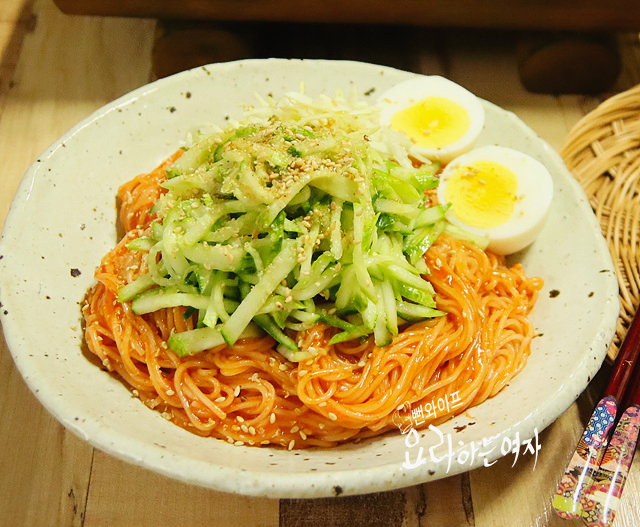
- You can julienne other vegetables like soybean sprouts, cucumber, and carrot to add in.
Steps
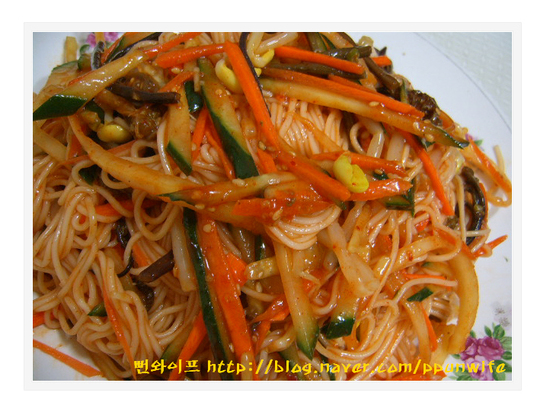
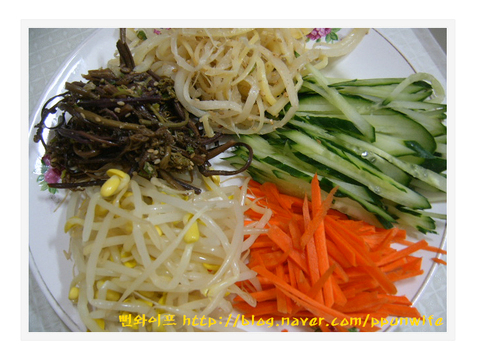
The seasoned vegetable side dishes offered on memorial tables often include bracken fern, bellflower root, and spinach.
Eating them mixed with rice several times can get tiring.
You can julienne other vegetables like soybean sprouts, cucumber, and carrot to prepare them.
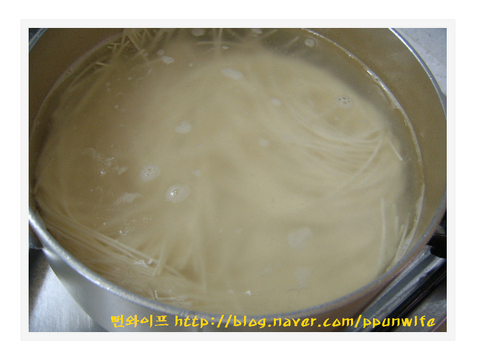
Boil thin wheat noodles (somyeon), rinse them in cold or ice water, and drain well.
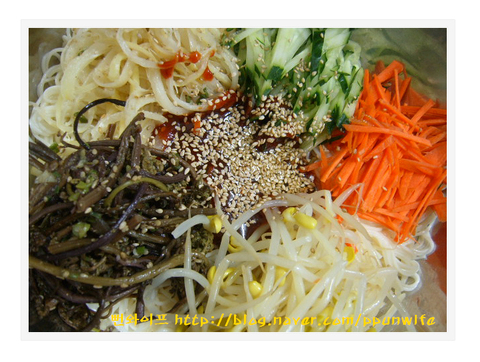
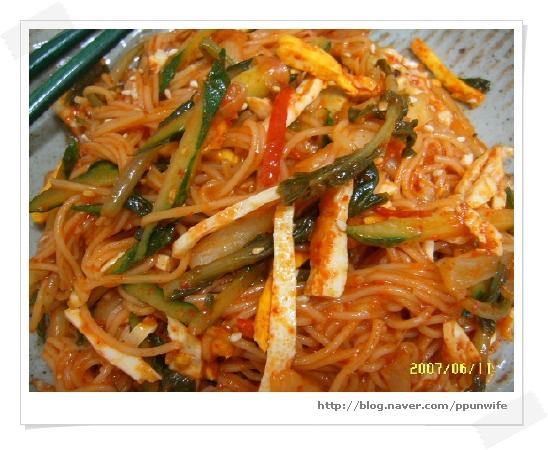
Top the thin wheat noodles with the various vegetables, add plenty of vinegar gochujang, and mix well.
Since the bracken fern and bellflower root are already seasoned, adding too much vinegar gochujang can make it salty, so taste as you go before adding more sauce.
 Ppunwife's tips
- Since the bracken fern and bellflower root are already seasoned, adding too much vinegar gochujang can make it salty, so taste as you go before adding more sauce.
- Bellflower root is also often made into sweet-and-sour salads, so its crisp texture pairs wonderfully mixed into noodles.
FAQ
What should I keep in mind when adding the sauce?
Seasoned vegetables like bracken fern and bellflower root already contain salt, so rather than adding a lot of sauce at once, it is best to add it gradually while tasting.
How should I rinse the boiled noodles?
After boiling the thin wheat noodles, rinse them thoroughly in cold or ice water and drain well to make the texture chewy.
Can I use other vegetables besides the seasoned greens?
Along with spinach or soybean sprouts, julienned crisp fresh vegetables like cucumber or carrot work very well to taste.