Bibimbap (Mixed Rice with Vegetables) with Leftover Namul
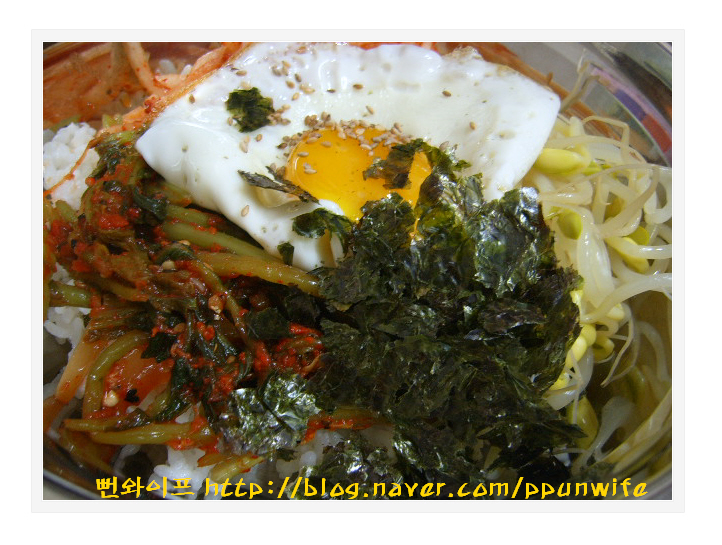
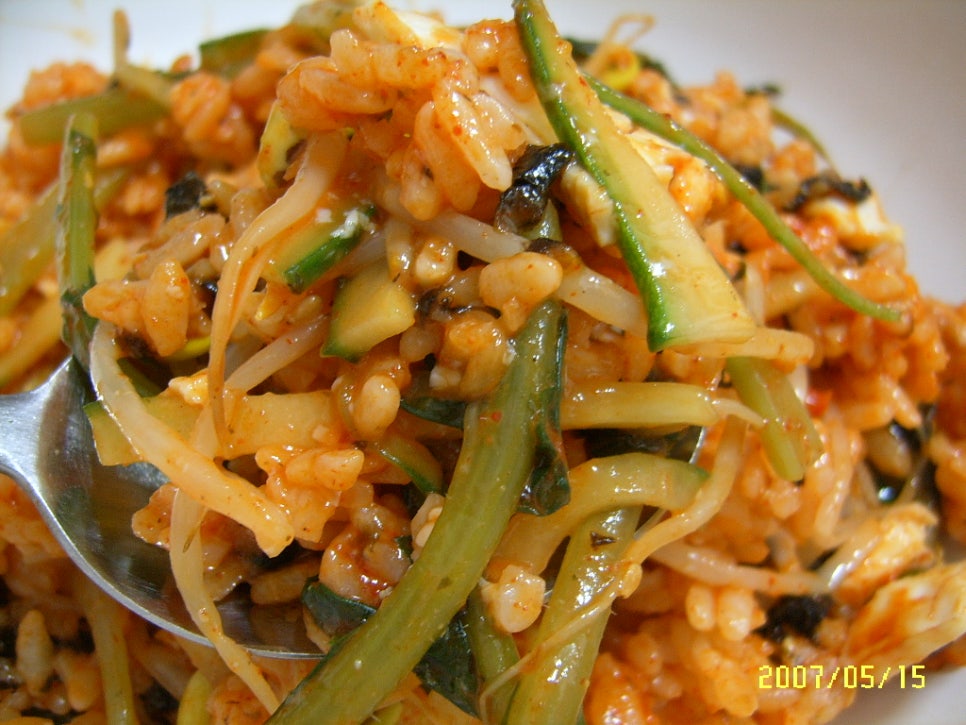
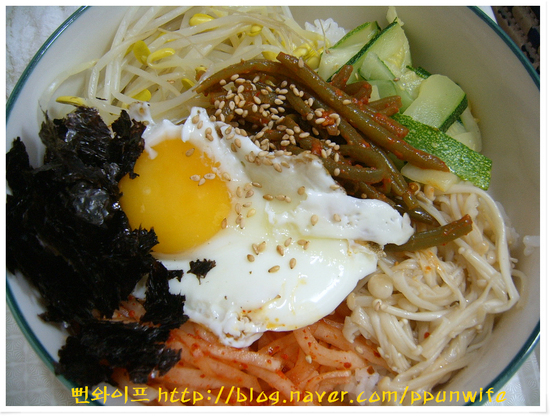
A one-bowl bibimbap made by combining leftover namul side dishes with cleanly seasoned musaengchae and blanched vegetables.
Translated from Korean by AI and not yet checked by a native speaker. Amounts and numbers are taken directly from the original recipe. Read the Korean original →
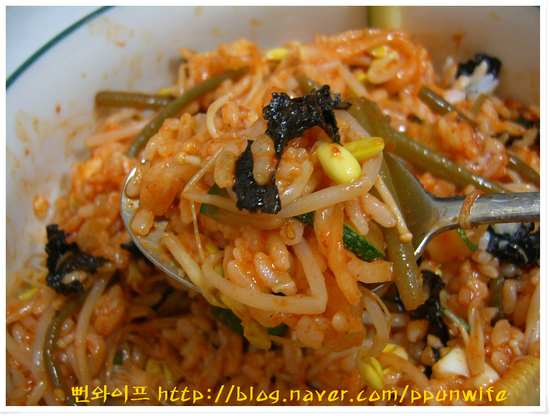
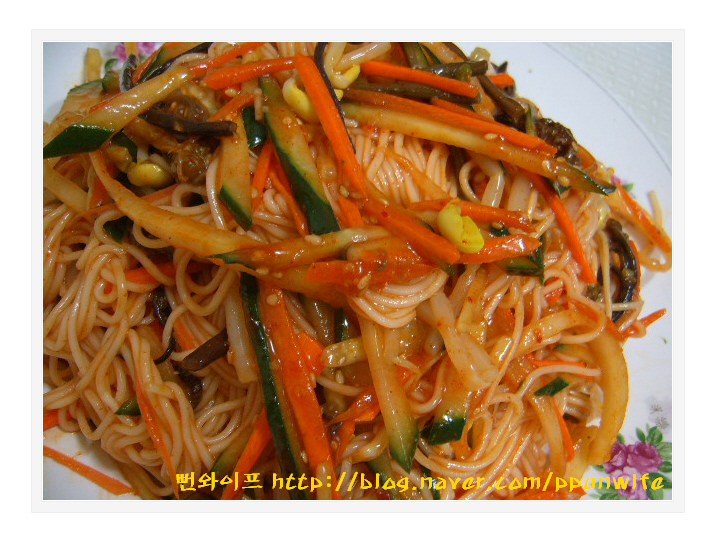
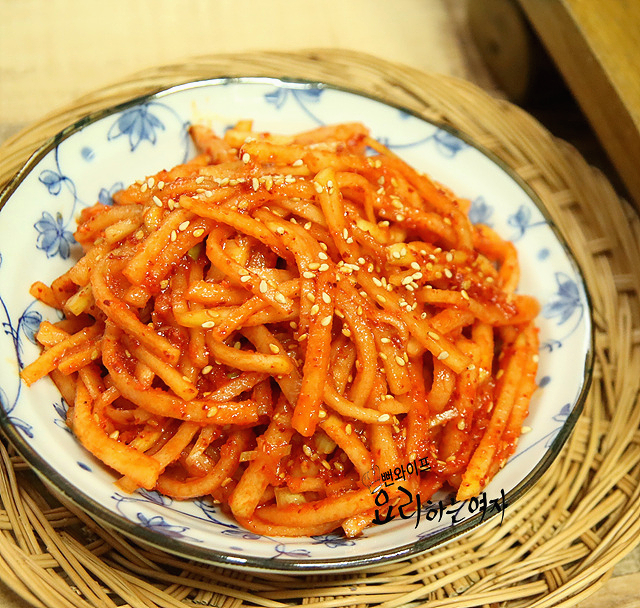
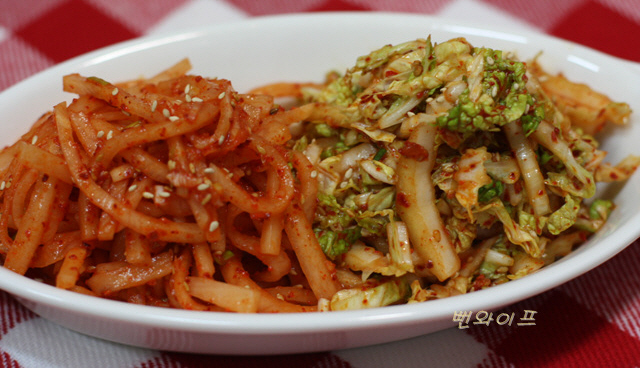
This simple one-bowl dish comes together easily by topping leftover namul side dishes with blanched soybean sprouts, mushrooms, and freshly seasoned spicy radish salad (musaengchae). The musaengchae is seasoned with gochugaru instead of gochujang, giving it a crisp, refreshing, and spicy kick without feeling heavy. It makes a wonderful treat when made with sweet, juicy autumn radish.
- Difficulty
- Easy
- Spiciness
- Mildly spicy
Ingredients
Ingredients
- Spicy radish salad (musaengchae)
- Soybean sprouts
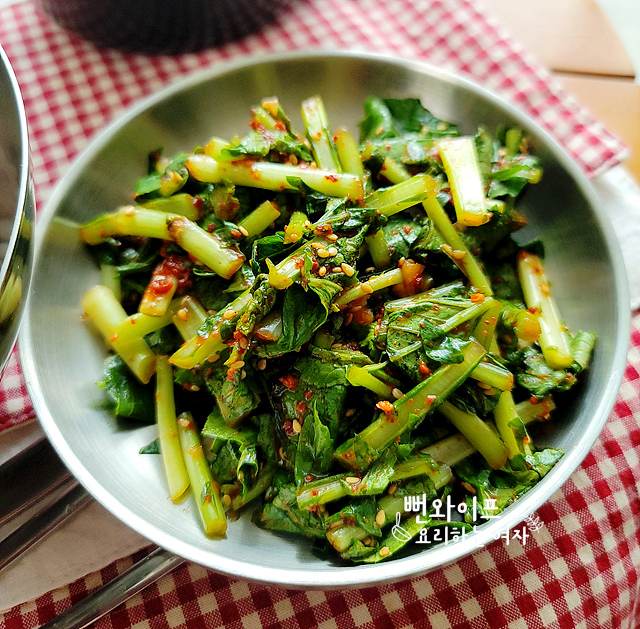
- Stir-fried sweet potato stems
- Enoki mushrooms
- Stir-fried zucchini
Spicy Radish Salad (Musaengchae)
- Korean radish (mu)500 g
- Salt1 tbsp
- Gochugaru (Korean chili flakes)2 tbsp
- Minced garlic1 tsp
- Toasted sesame oil1 tsp
- Sugar0.5 tsp
- Ground toasted sesame seeds
- Fish saucea little
Steps
For the musaengchae, simply combine all the musaengchae ingredients above and toss together. Adjust the seasoning to your taste with salt or fish sauce if needed, and add vinegar if you like it tangy.
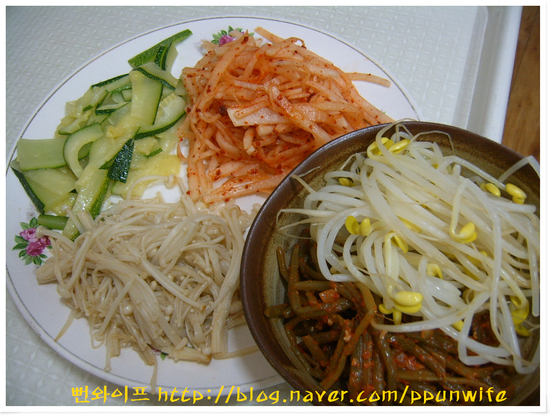
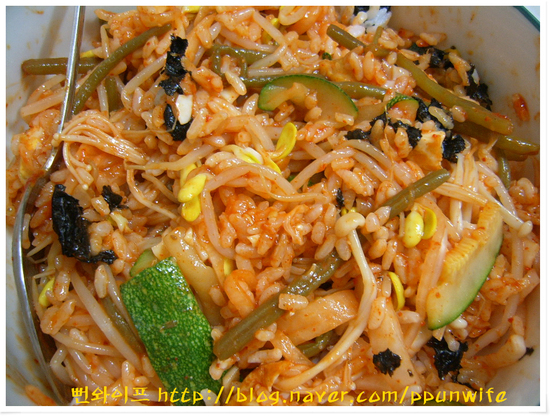
I just blanched the mushrooms and soybean sprouts and whipped it up in no time. The dinner table went completely quiet while we were busy mixing and eating our rice.
 Ppunwife's tips
- Leaving out gochujang and using gochugaru to bring the spicy heat keeps the musaengchae tasting clean and crisp.
FAQ
Why is gochujang not used in the musaengchae?
Using gochugaru instead of gochujang gives it a spicy kick with a clean, crisp flavor that does not taste heavy.
How do I adjust the seasoning if the musaengchae needs more salt?
You can supplement the seasoning by adding salt or fish sauce to suit your personal taste.
Can I add vinegar if I want a tangier musaengchae?
Yes, if you prefer a tangy flavor, feel free to add vinegar to the seasoning to suit your taste.
Can I add other side dishes besides namul? AI-generated
Generally, you can freely add any leftover namul side dishes or stir-fried banchan you have at home to mix with your rice.