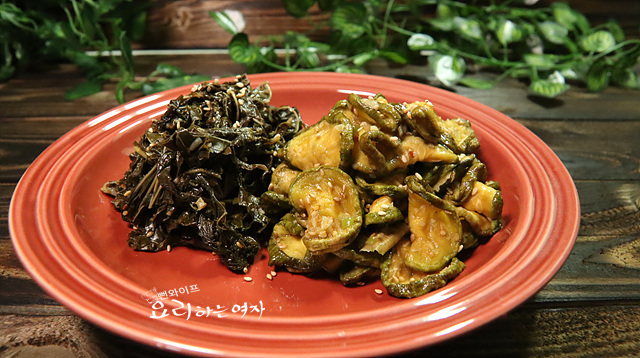
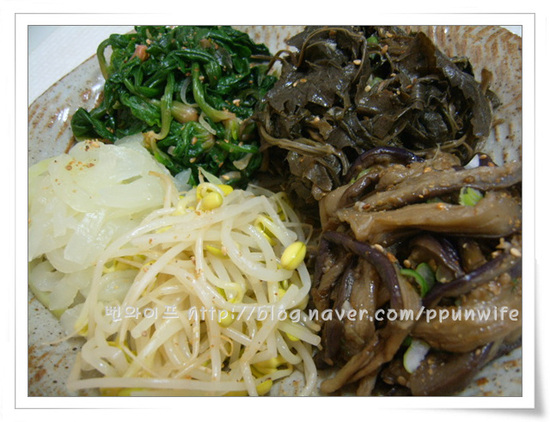
Daeboreum Namul Braised Moist in Rich Broth
A set of seasoned vegetable side dishes for Jeongwol Daeboreum, braised tender and moist with rich anchovy broth.
Translated from Korean by AI and not yet checked by a native speaker. Amounts and numbers are taken directly from the original recipe. Read the Korean original →
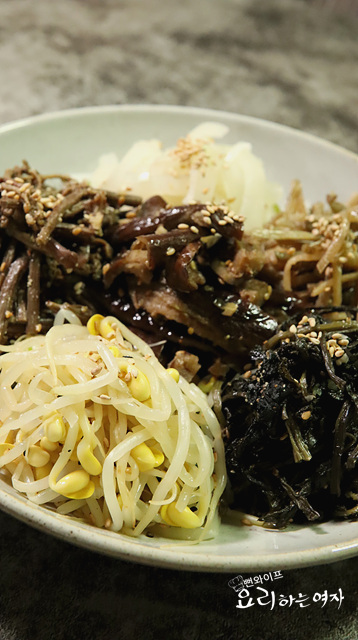
This Jeongwol Daeboreum feast covers everything from prepping dried greens to cooking fresh vegetables. Pouring in deeply brewed anchovy broth and letting the greens steam as they stir-fry creates a tender, moist texture. Finished with a clean soy sauce seasoning and savory sesame, it brings out each vegetable's natural savory flavor.
- Servings
- about 2–3 servings
- Difficulty
- Hard
- Spiciness
- Not spicy
Ingredients
Anchovy Broth
- Water10 cups
- Dried anchovies30
- Dried kelp (dasima)2 sheets (10 cm square)
- Korean radish (mu)300 g
- Onion1
- Large green onion (daepa)2 stalks (white parts)
Gosari Namul Ingredients
- Boiled bracken fern (gosari)200 g
- Broth4 tbsp
- Toasted sesame oil (or perilla oil)1/2 tbsp
- Perilla seed powder1 tbsp
- Toasted sesame seeds1/2 tbsp
Gosari Namul Seasoning
- Soup soy sauce (guk-ganjang)1 tbsp
- Minced green onion1 tbsp
- Mirin (cooking rice wine)1 tbsp
- Minced garlic1 tsp
- Salta little
Sweet Potato Stem Namul Ingredients
- Boiled sweet potato stems200 g
- Broth4 tbsp
- Toasted sesame oil (or perilla oil)1/2 tbsp
- Ground toasted sesame seeds1 tbsp
Sweet Potato Stem Namul Seasoning
- Soup soy sauce (guk-ganjang)1 tbsp
- Minced green onion1 tbsp
- Mirin (cooking rice wine)1 tbsp
- Minced garlic1 tsp
- Salta little
Gondre Namul Ingredients
- Boiled gondre (cirsium setidens)200 g
- Broth4 tbsp
- Toasted sesame oil (or perilla oil)1/2 tbsp
- Ground toasted sesame seeds1 tbsp
Gondre Namul Seasoning
- Soup soy sauce (guk-ganjang)1 tbsp
- Minced green onion1 tbsp
- Mirin (cooking rice wine)1 tbsp
- Minced garlic1 tsp
- Salta little
Eggplant Namul Ingredients
- Soaked dried eggplant200 g
- Broth1/2 cup
- Toasted sesame oil (or perilla oil)1/2 tbsp
- Ground toasted sesame seeds1 tbsp
Eggplant Namul Seasoning
- Soup soy sauce (guk-ganjang)1 tbsp
- Minced green onion1 tbsp
- Mirin (cooking rice wine)1 tbsp
- Minced garlic1 tsp
- Salta little
Soybean Sprout and Radish Namul Ingredients
- Soybean sprouts200 g
- Korean radish (mu)200 g
- Salt1 tbsp
- Water4 cups
Soybean Sprout Seasoning
- Soup soy sauce (guk-ganjang)1 tsp
- Minced green onion1 tbsp
- Minced garlic1 tsp
- Salt1/3 tsp
- Toasted sesame oil1/2 tbsp
- Ground toasted sesame seeds1/2 tbsp
- Black sesame seeds1 tsp
Radish Namul Seasoning
- Minced green onion1 tbsp
- Minced garlic1 tsp
- Salt1 tsp
- Toasted sesame oil1/2 tbsp
- Toasted sesame seeds1 tbsp
- Black sesame seeds1 tsp
- If you portion the soaked greens for single servings, pour in a little bottled water so they retain moisture, seal them in zipper bags, and keep them frozen, you can stir-fry them immediately whenever you need a side dish.
- You can prepare dried squash the same way as the eggplant, and leafy greens like chwinamul, castor leaves, or mulberry leaves follow the same method as gondre.
Steps
Prepare anchovy broth and green onion
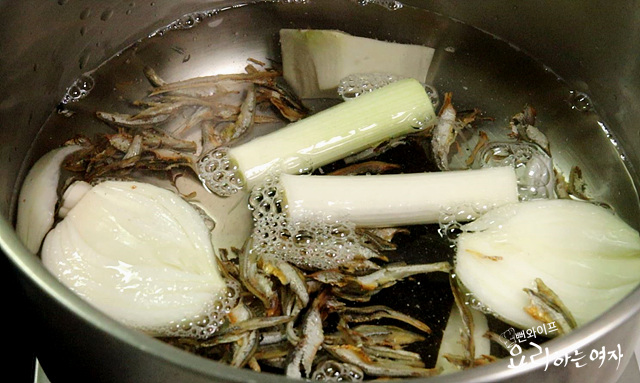
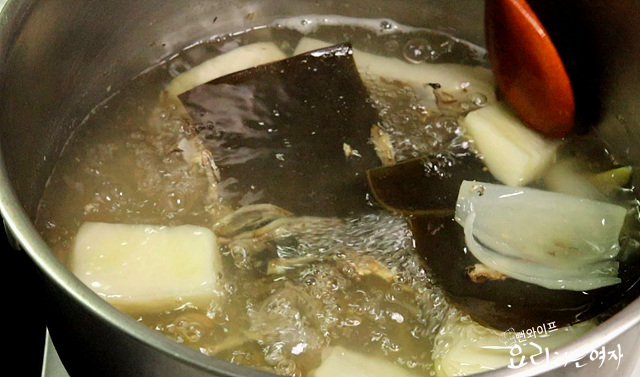
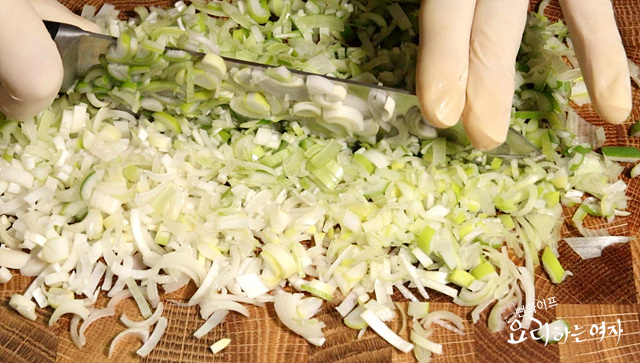
When making holiday or Daeboreum namul, the very first things to do are
brewing a rich broth
and chopping plenty of green onions.
The broth is the true secret that elevates the depth of flavor in namul.
Adding rich broth as you stir-fry brings out savory umami while keeping the vegetables moist and tender.
I used 10 cups water, 30 dried anchovies, 2 sheets dried kelp (dasima) (10 cm square), 300 g Korean radish (mu), 1 onion, and 2 stalks large green onion (daepa) (white parts);
if you have dried shiitake mushrooms, be sure to include them. Simmer thoroughly for over 30 minutes.
Finely chop the white parts of the green onions, which do not have sticky sap.
#How to soak dried bracken fern
Soak dried bracken fern
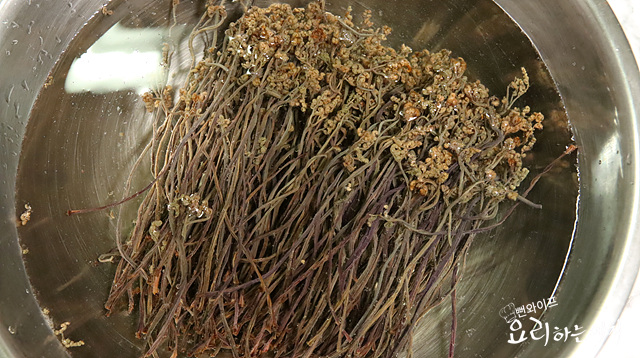
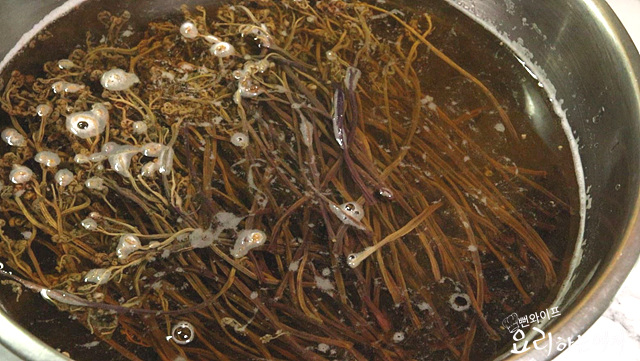
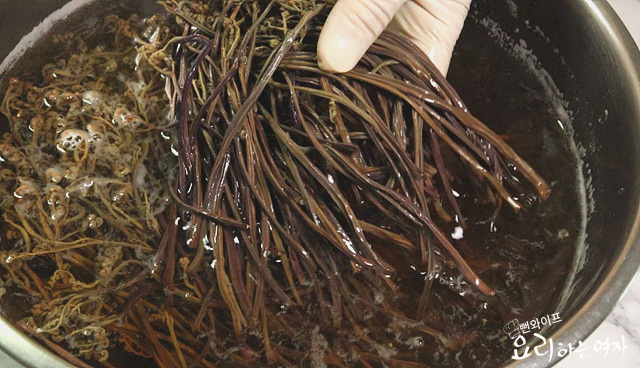
Dried greens can snap or crumble, so it is best to handle them gently.
Pour in enough water to submerge them completely and let them soak for over 3 hours.
I usually soak them overnight and boil them in the morning, as soaking them thoroughly saves boiling time.
Murky water will leach out, so change the water a few times while soaking.
#How to boil dried bracken fern
Boil dried bracken fern
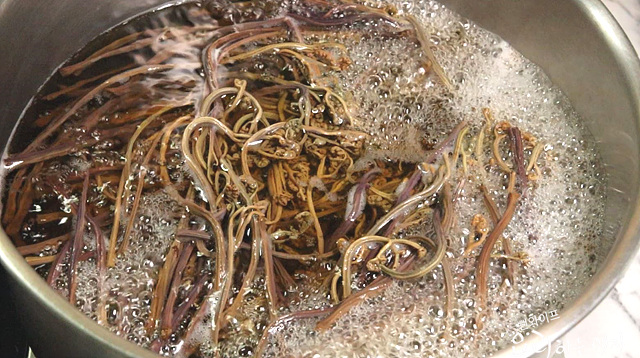
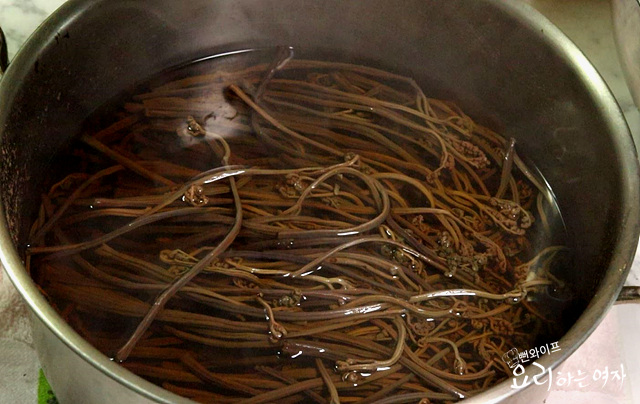
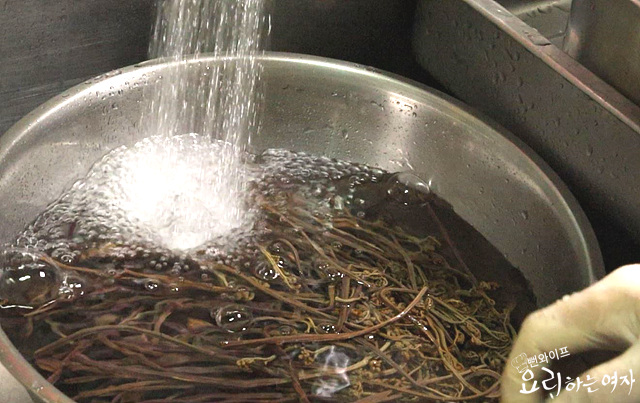
To boil the soaked bracken fern, cover with a lid and simmer over low heat for 20 to 30 minutes until the stiff stems turn tender.
After boiling, leave the lid on and let it sit for 20 to 30 minutes to steam and draw out the bitter, astringent taste and sharp aroma.
Rinse several times until the water runs clear, and the boiling process is complete.
If you buy pre-boiled greens, you can skip this step.
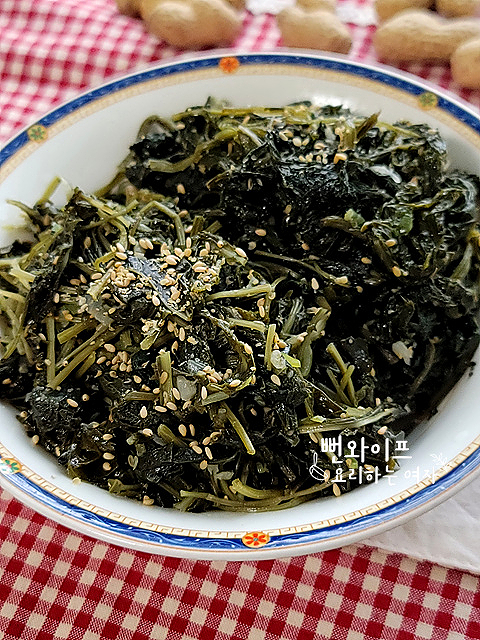
#How to stir-fry bracken fern
Stir-fry bracken fern
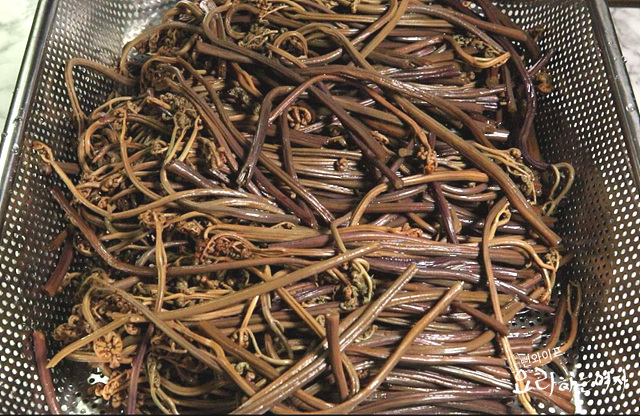
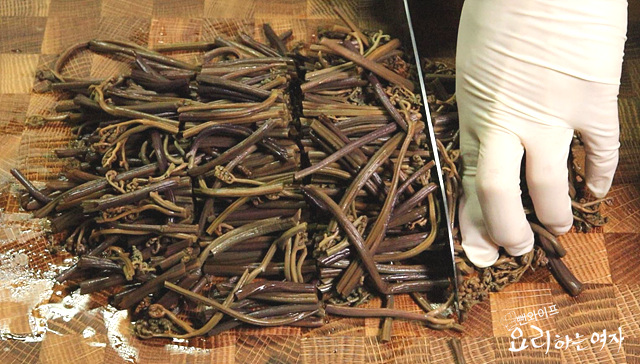
Trim off any tough stems from the drained bracken fern
and cut it into bite-size lengths.
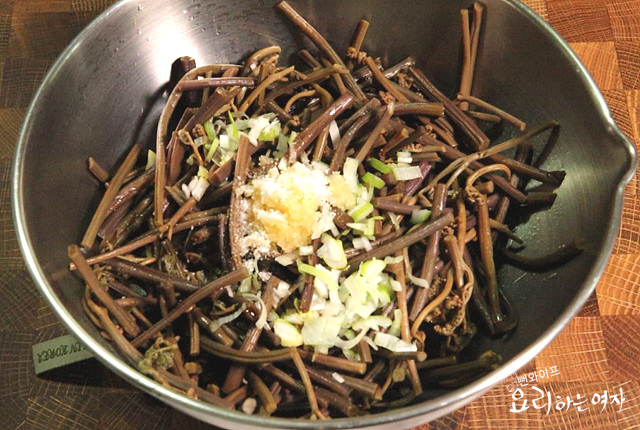
Add all seasoning ingredients: 1 tbsp soup soy sauce (guk-ganjang), 1 tbsp minced green onion, 1 tbsp mirin (cooking rice wine), 1 tsp minced garlic, and a little salt,
then mix well by hand.
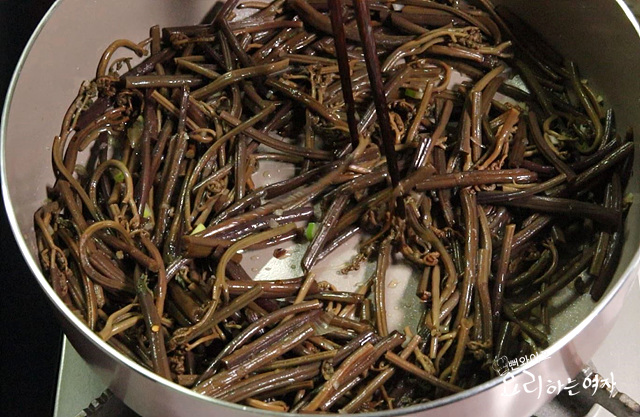
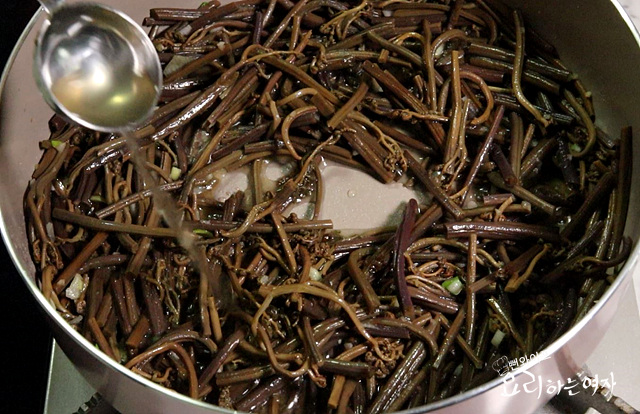
Drizzle a little cooking oil in a heated pan, stir-fry the bracken fern until glossy,
then pour in 4 tbsp anchovy broth and mix evenly.
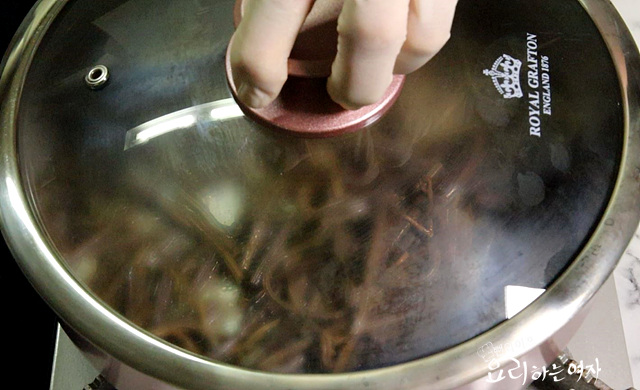
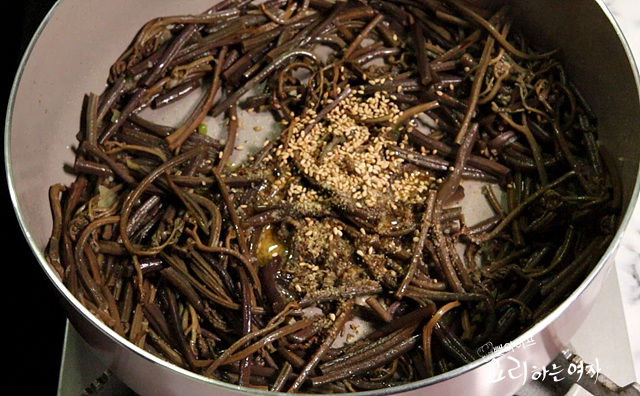
Cover with a lid and steam over low heat for 2 to 3 minutes so the broth and seasoned greens meld together and become tender.
Remove the lid and stir-fry until just moist with a little liquid remaining. Taste and season with salt if needed,
then finish by adding toasted sesame oil (or perilla oil) and perilla seed powder (or ground toasted sesame seeds),
and stir well.
Personally, I like adding perilla seed powder only to bracken fern, but if you like it with other dried greens, you can use it in place of ground toasted sesame seeds.
#How to soak dried sweet potato stems
Soak dried sweet potato stems
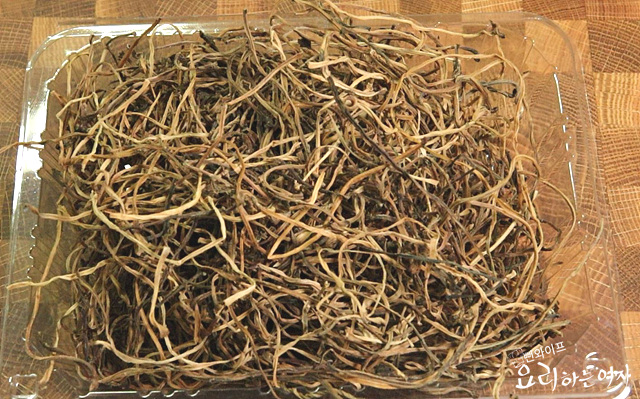
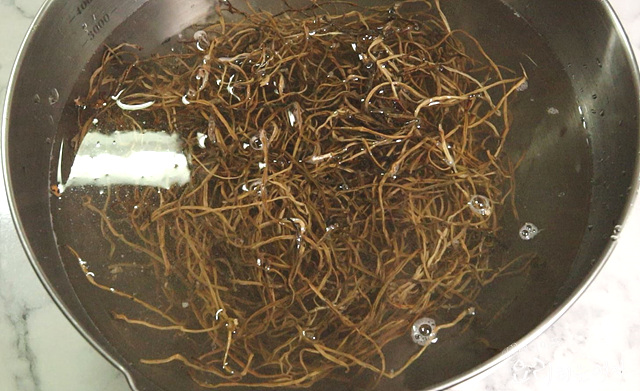
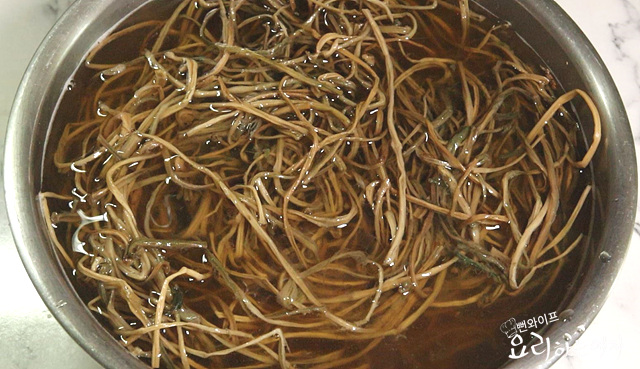
Sweet potato stems that are dried thread-thin will rehydrate quickly in lukewarm water. Soak them for about 1 to 2 hours
until the stems soften and expand to roughly double their size.
Yellowish-brown water will release, so rinse several times until the water runs clear.
#How to boil dried sweet potato stems
Boil dried sweet potato stems
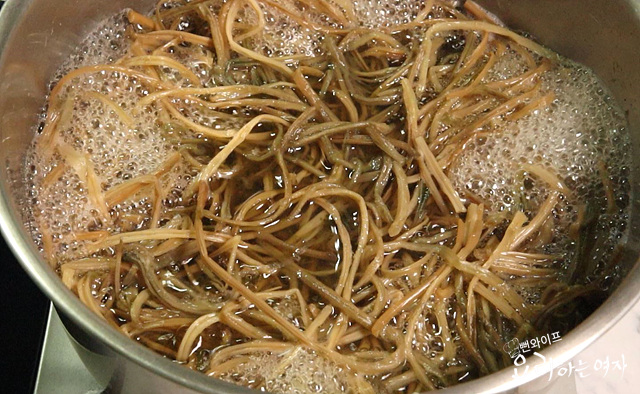
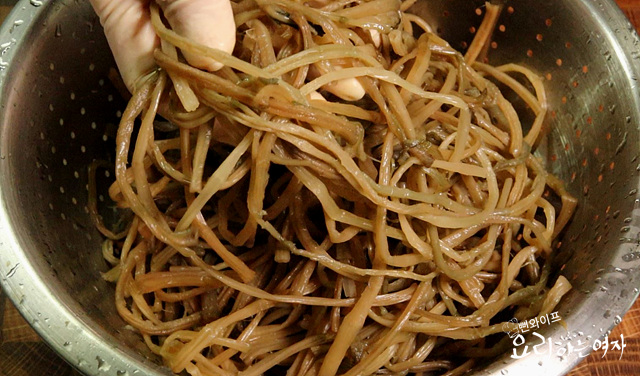
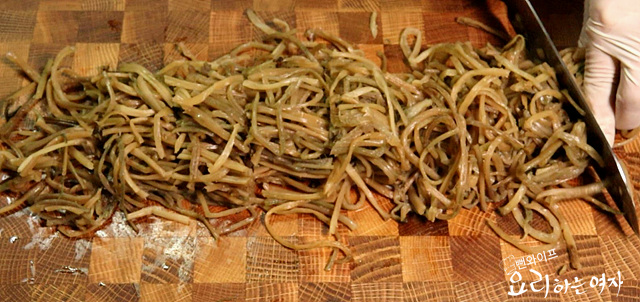
Pour plenty of water over the soaked sweet potato stems. Once it starts boiling,
cover with a lid and boil over low heat for 20 to 30 minutes.
After boiling, leave the lid on and let it steam for 30 minutes.
Rinse several times until the water runs clear and trim off any tough sections.
Squeeze out the water firmly and cut into bite-size lengths.
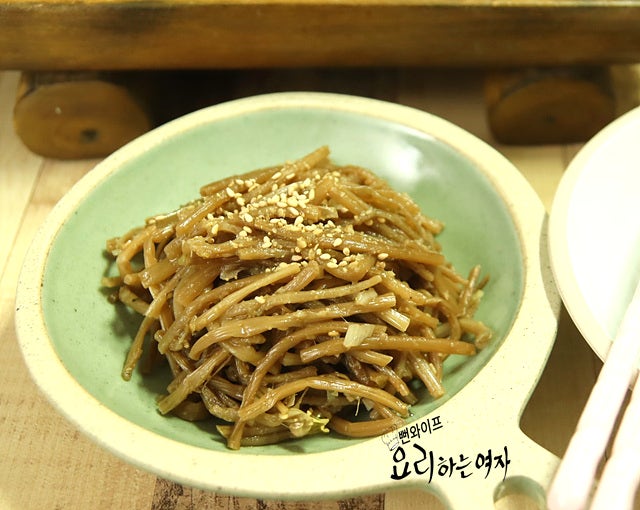
#How to stir-fry sweet potato stems
Stir-fry sweet potato stems
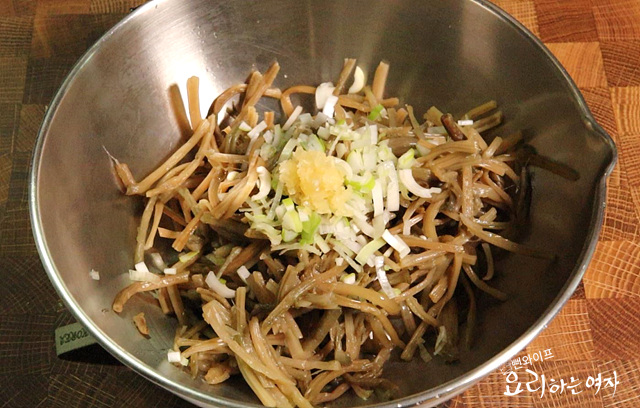
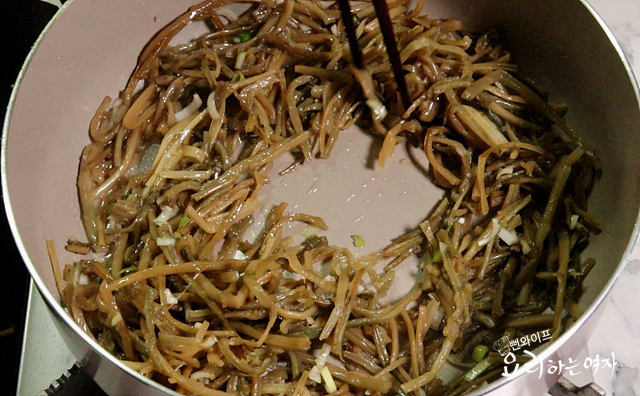
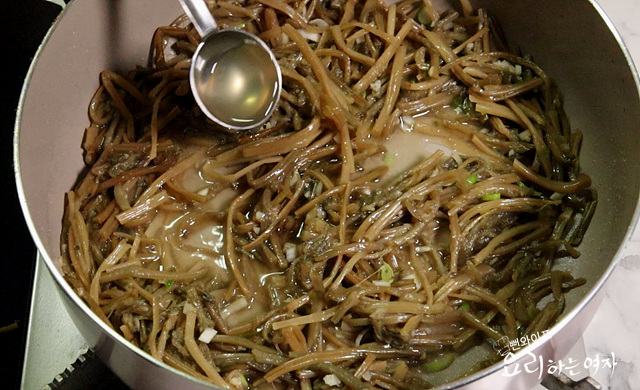
Add all seasoning ingredients: 1 tbsp soup soy sauce (guk-ganjang), 1 tbsp minced green onion, 1 tbsp mirin (cooking rice wine), 1 tsp minced garlic, and a little salt,
then mix well by hand.
Drizzle a little cooking oil in a heated pan. Once the sweet potato stems are stir-fried until glossy,
pour in 4 tbsp anchovy broth and mix evenly.
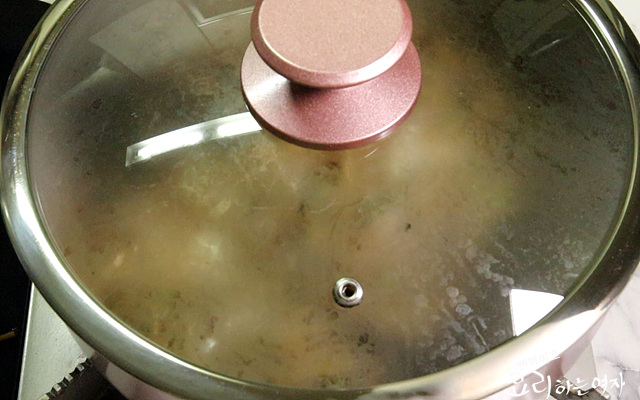
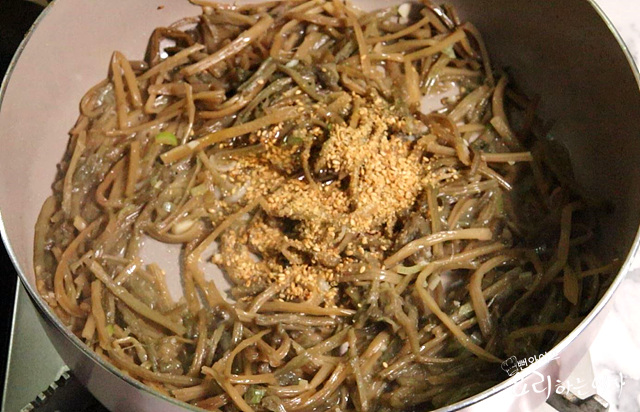
Cover with a lid and steam over low heat for 2 to 3 minutes so the broth and seasoned greens meld together and become tender.
Chew a stem; if it still feels a bit firm, add more broth and steam a little longer.
Remove the lid and stir-fry until just moist with a little liquid remaining. Taste and season with salt if needed,
then finish by adding toasted sesame oil (or perilla oil) and ground toasted sesame seeds, and stir well.
You can also use perilla seed powder instead of ground toasted sesame seeds.
#How to soak dried gondre
Soak dried gondre
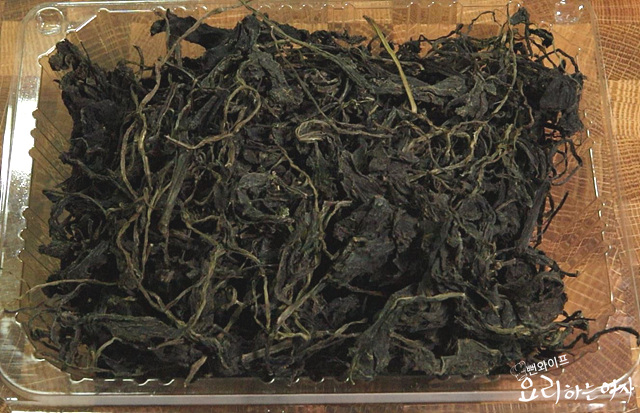
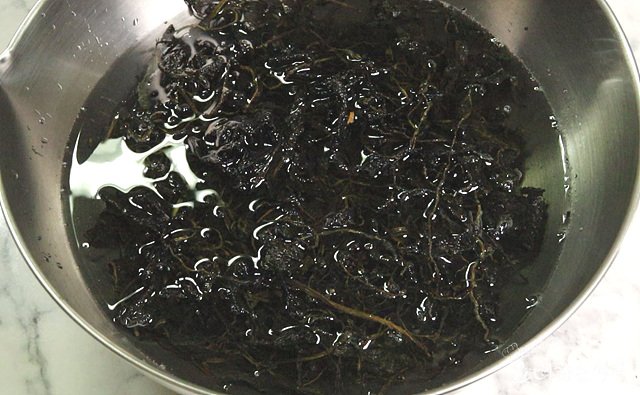
Soak the dried gondre in water; using lukewarm water rather than cold water cuts down the soaking time.
Because it consists mostly of leaves, it rehydrates faster than stems like sweet potato stems or bracken fern.
Soak for 1 to 2 hours until the leaves fully unfurl, then rinse several times until the water runs clear.
#How to boil dried gondre
Boil dried gondre
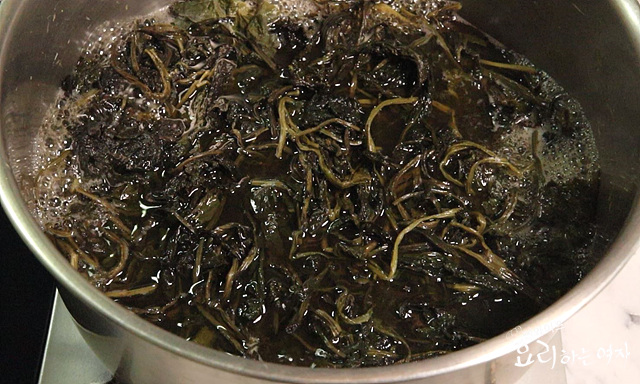
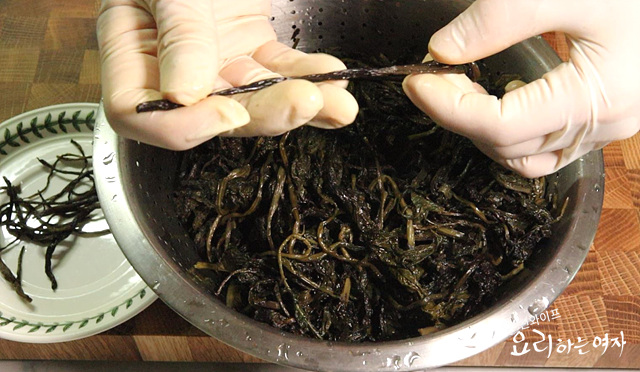
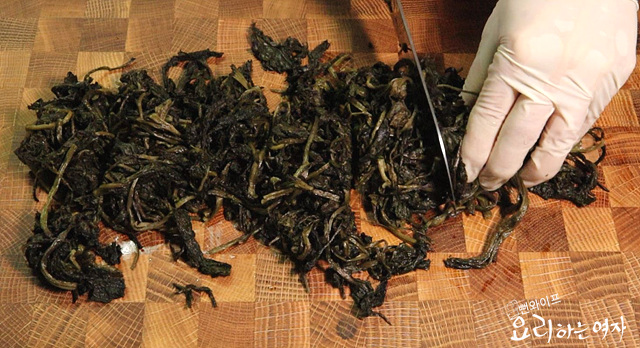
Pour in plenty of water, and once it comes to a rolling boil, cover with a lid and simmer over low heat for about 20 minutes.
When both the stems and leaves are soft, it is cooked properly.
Do not rinse right away; leave it covered with the lid to steam for about 30 minutes, then rinse several times in clean water.
Trim off any tough, woody stems, squeeze out the water firmly, and cut into bite-size lengths.
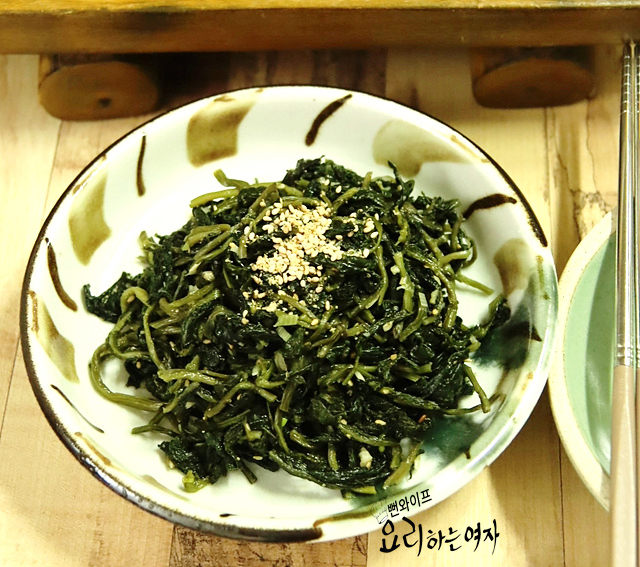
#How to stir-fry gondre
Stir-fry gondre
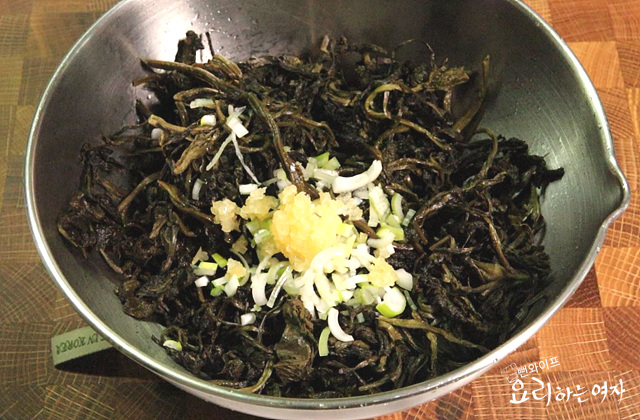
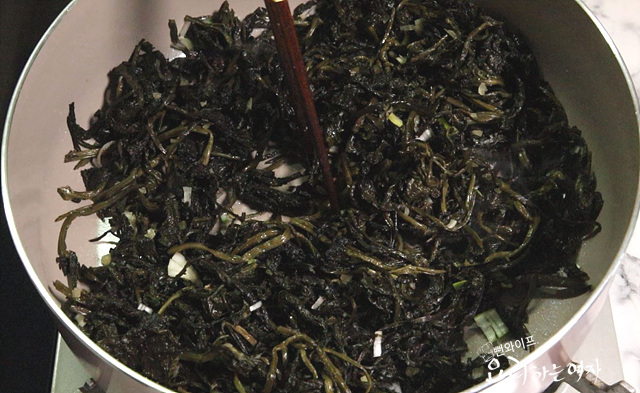
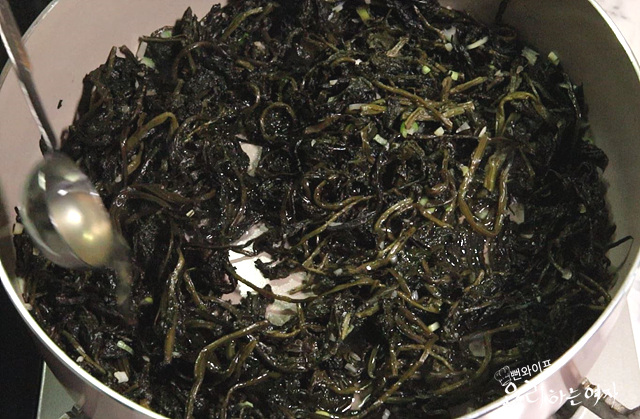
Season the gondre with 1 tbsp soup soy sauce (guk-ganjang), 1 tbsp minced green onion, 1 tbsp mirin (cooking rice wine), 1 tsp minced garlic, and a little salt,
then mix well by hand.
Drizzle a little cooking oil in a heated pan. Once the gondre is stir-fried until glossy,
pour in 4 tbsp anchovy broth and mix evenly.
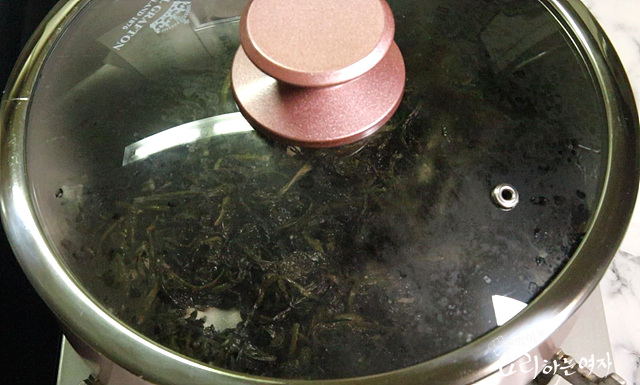
Cover with a lid and steam over low heat for 2 to 3 minutes so the broth and seasoned greens meld together and become tender.
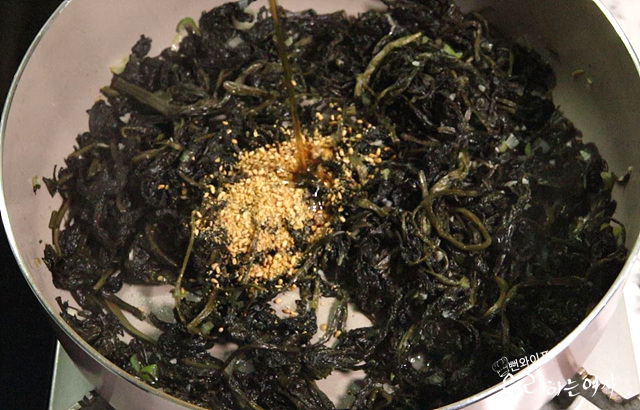
Remove the lid, stir-fry until just moist with a little liquid remaining,
and finish by adding 1/2 tbsp toasted sesame oil (or perilla oil) and 1 tbsp ground toasted sesame seeds, stirring well.
#How to soak dried eggplant
Soak dried eggplant
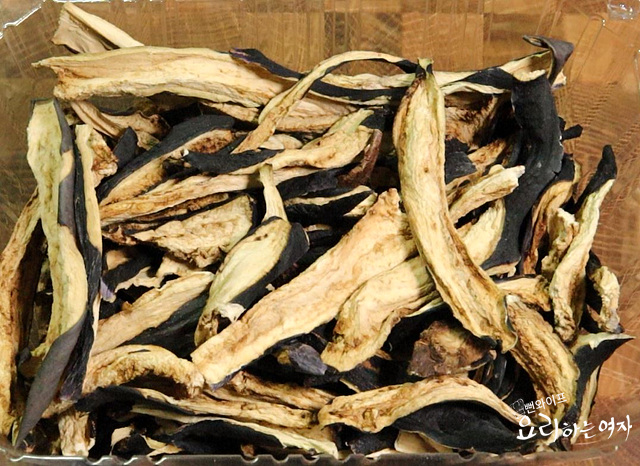
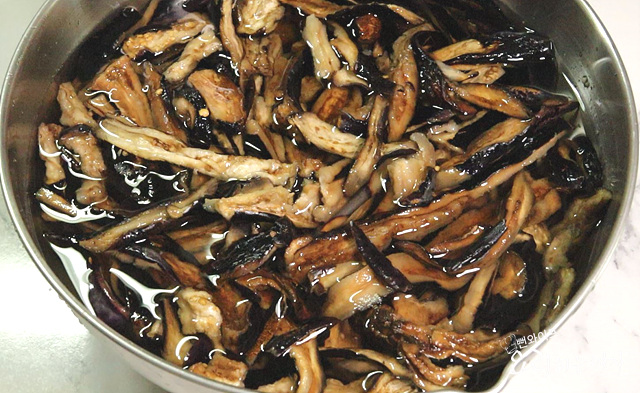
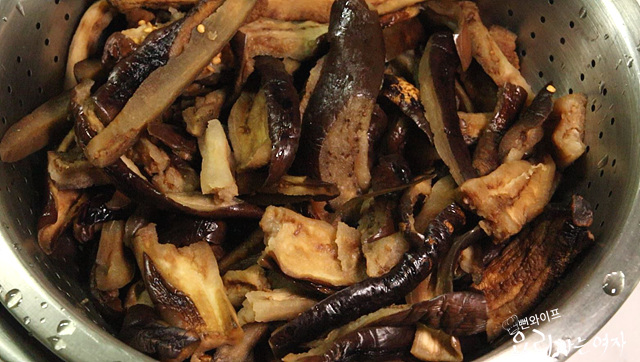
Dried eggplant or dried squash does not have to be boiled, or you can blanch it very briefly.
Instead of boiling, I prefer adding plenty of broth when stir-frying and steaming it thoroughly to preserve its texture.
Soak the dried eggplant in water until tender, which takes about 1 to 2 hours depending on the thickness of the slices.
If they are thinly cut, soaking for just 20 to 30 minutes is enough.
Rinse several times until the water runs clear and squeeze out the moisture.
#How to stir-fry eggplant
Stir-fry eggplant
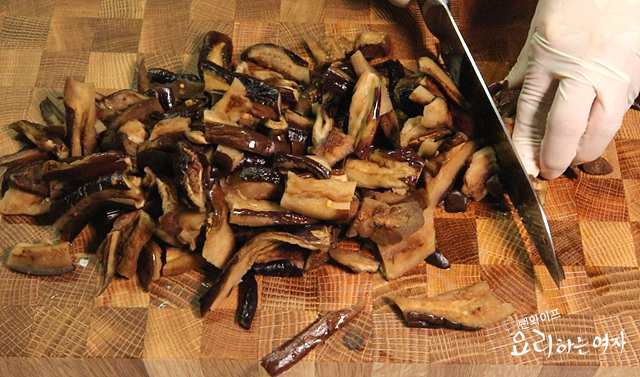
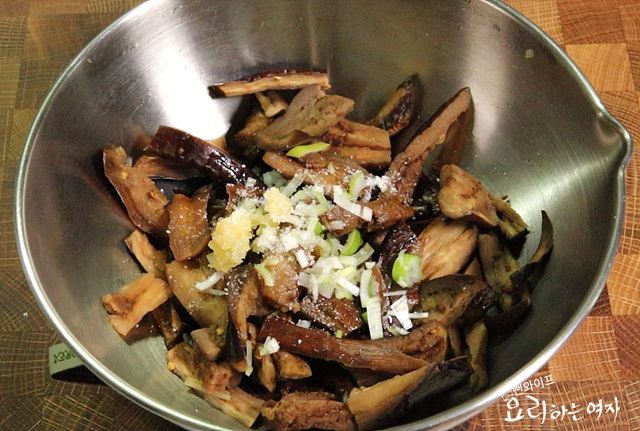
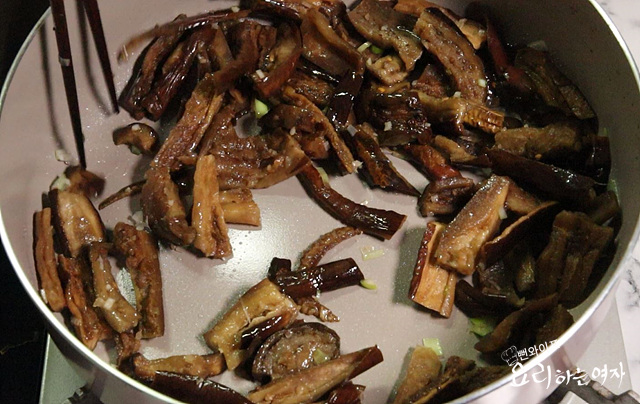
Cut into bite-size lengths and season.
Add 1 tbsp soup soy sauce (guk-ganjang), 1 tbsp minced green onion, 1 tbsp mirin (cooking rice wine), 1 tsp minced garlic, and a little salt,
then mix well by hand.
Drizzle a little cooking oil in a heated pan, stir-fry briskly,
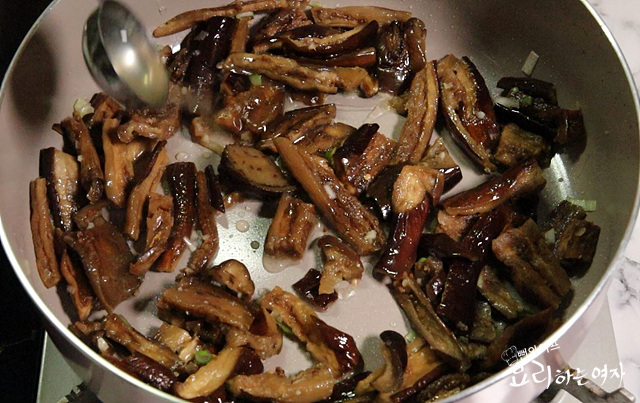
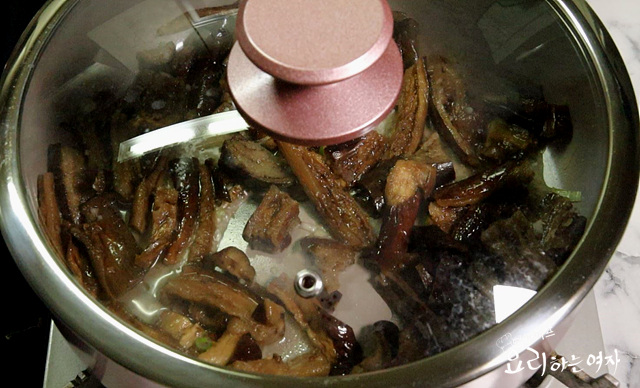
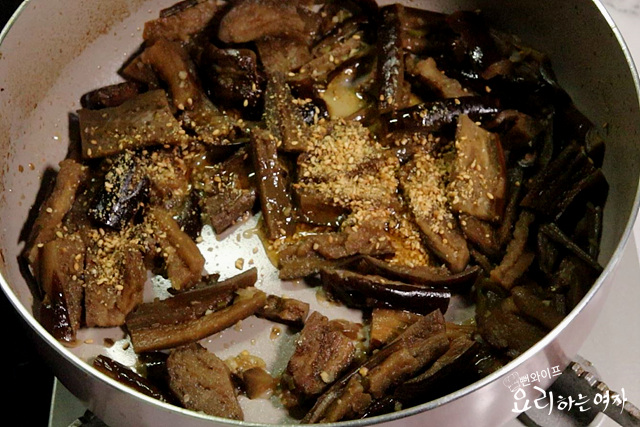
pour in 1/2 cup broth, mix evenly, cover with a lid, and let it steam for 4 to 5 minutes.
Since the eggplant was not boiled, adding a generous amount of broth softens its spongy structure and allows the seasoning to penetrate thoroughly.
Remove the lid, cook until just moist with a little liquid remaining, add 1/2 tbsp toasted sesame oil (or perilla oil) and 1 tbsp ground toasted sesame seeds,
and stir well.
#How to boil soybean sprouts and radish
Boil soybean sprouts and radish
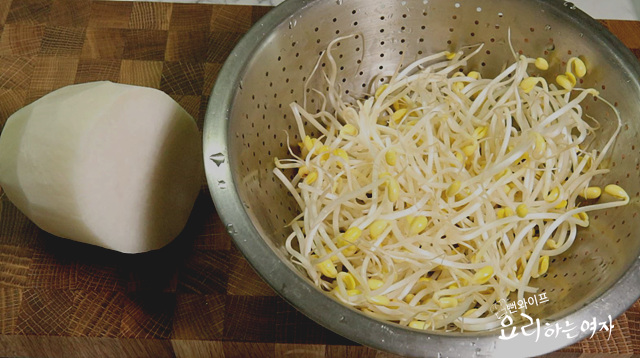
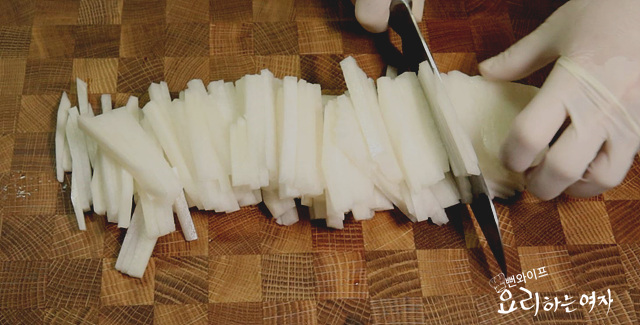
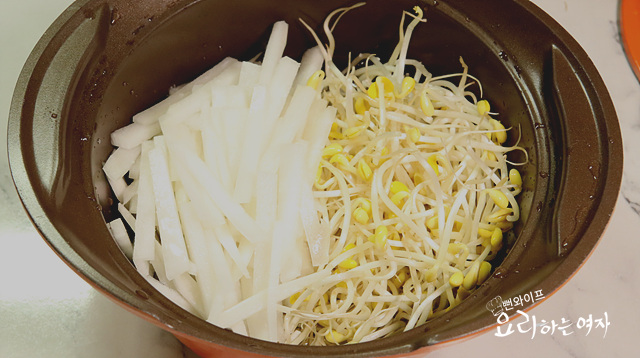
Boiling the radish and soybean sprouts together is convenient and yields a cleaner, deeper broth flavor.
This is the method once used for ancestral rites.
Julienne the radish with some thickness.
Place the soybean sprouts on one side of a pot and the radish on the other, then pour in 1 tbsp salt and 4 cups water.
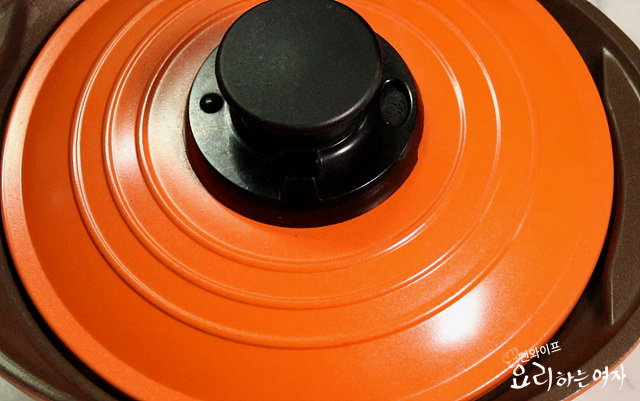
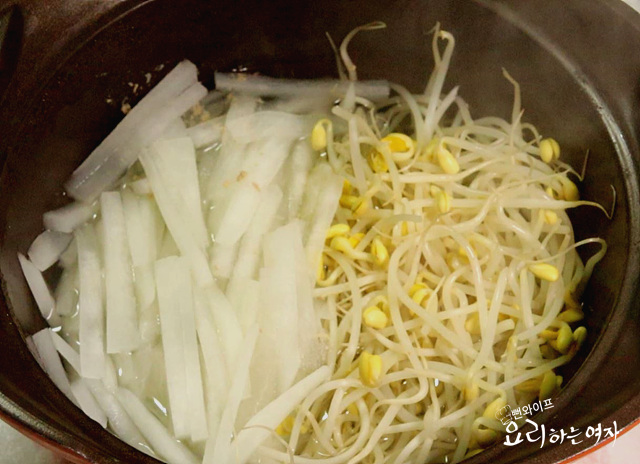
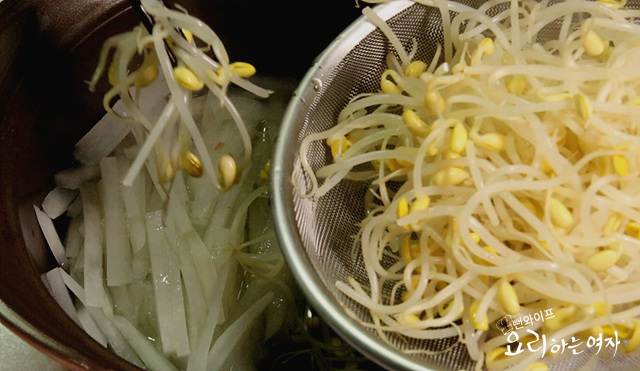
Cover with a lid and heat over high heat; it will start boiling after 4 minutes.
About 2 minutes from that point, the raw bean aroma changes to a savory scent.
Turn off the heat without opening the lid, and let it steam for the remaining 3 to 4 minutes.
Drain the soybean sprouts and radish separately in colanders.
#How to season soybean sprouts
Season soybean sprouts
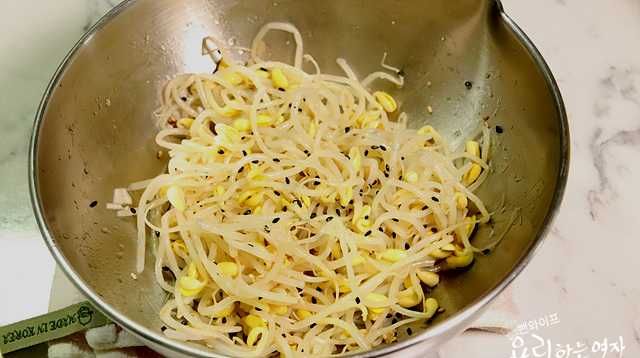
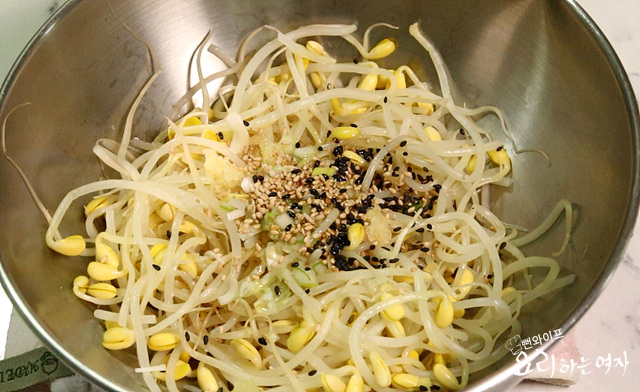
Add 1 tsp soup soy sauce (guk-ganjang), 1 tbsp minced green onion, 1 tsp minced garlic, 1/3 tsp salt, 1/2 tbsp toasted sesame oil, 1/2 tbsp ground toasted sesame seeds, and 1 tsp black sesame seeds,
then mix gently by hand to complete the soybean sprout namul.
#How to season radish namul
Season radish namul
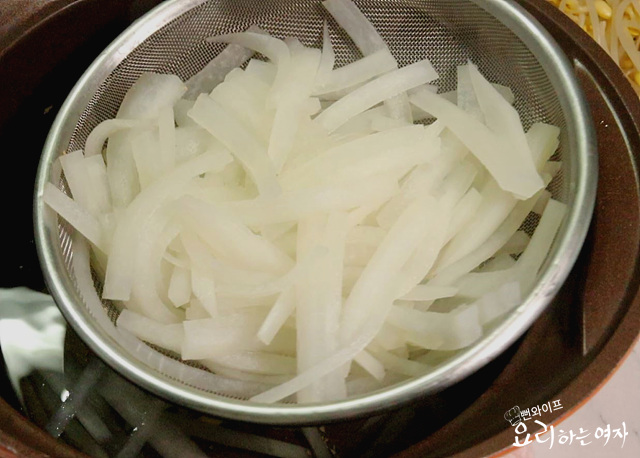
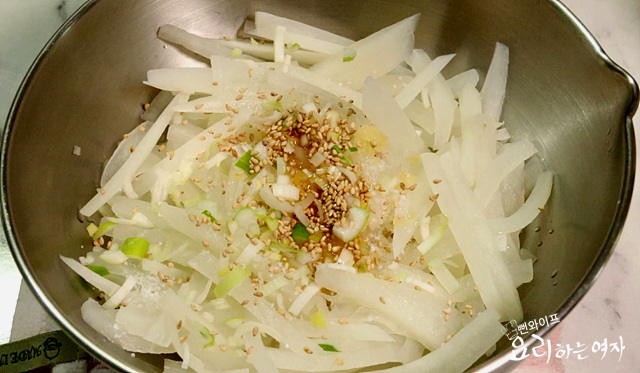
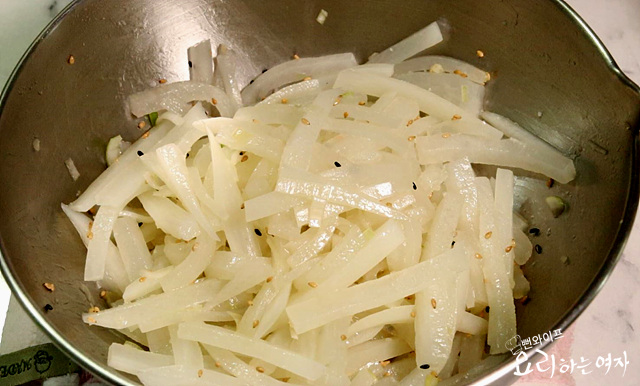
Gently toss the cooled radish with 1 tsp soup soy sauce (guk-ganjang), 1 tbsp minced green onion, 1 tsp minced garlic, 1/3 tsp salt, 1/2 tbsp toasted sesame oil, and 1/2 tbsp toasted sesame seeds.
Related post on the blog (Korean)blog.naver.com/ppunwife/222627870415
 Ppunwife's tips
- For aged dried greens that may carry a strong aroma, finishing with ground toasted sesame seeds works well. If you prefer a cleaner-looking toss, finish with whole toasted sesame seeds instead.
- Adding rich broth as you stir-fry brings out savory umami while keeping the vegetables moist and tender.
- Dried greens can snap or crumble, so it is best to handle them gently.
- Sweet potato stems that are dried thread-thin will rehydrate quickly in lukewarm water.
- Boiling the radish and soybean sprouts together is convenient and yields a cleaner, deeper broth flavor.
FAQ
Why do you add broth when stir-frying dried greens?
Pouring in rich broth and covering with a lid to steam infuses the greens with deep umami while making them far more moist and tender.
How do you store soaked greens for later use?
Divide them into 1-serving portions, add a little bottled water so they retain moisture, seal them in zipper bags, and keep them in the freezer.
Does dried eggplant namul need to be boiled like bracken fern?
Dried eggplant does not need to be boiled separately. Once soaked thoroughly, pouring in plenty of broth during cooking and steaming for 4 to 5 minutes will make it tender.
Is it okay to boil soybean sprouts and radish in the same pot?
Boiling radish and soybean sprouts together is not only convenient, but it also allows their flavors to blend for a clean, savory broth.