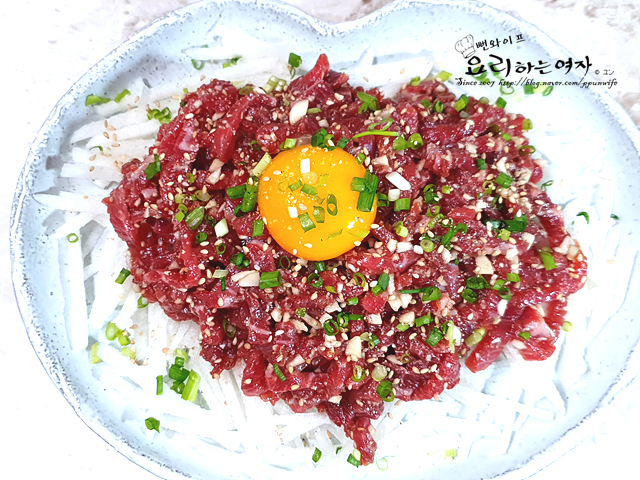
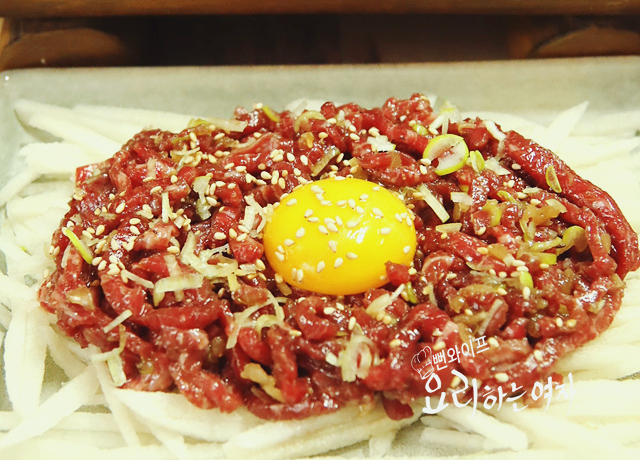
Chewy Mungtigi (Raw Beef Tartare) for Drinks
A raw beef dish made by slicing fresh beef round or chuck tender against the grain and serving it with a special dipping sauce.
Translated from Korean by AI and not yet checked by a native speaker. Amounts and numbers are taken directly from the original recipe. Read the Korean original →
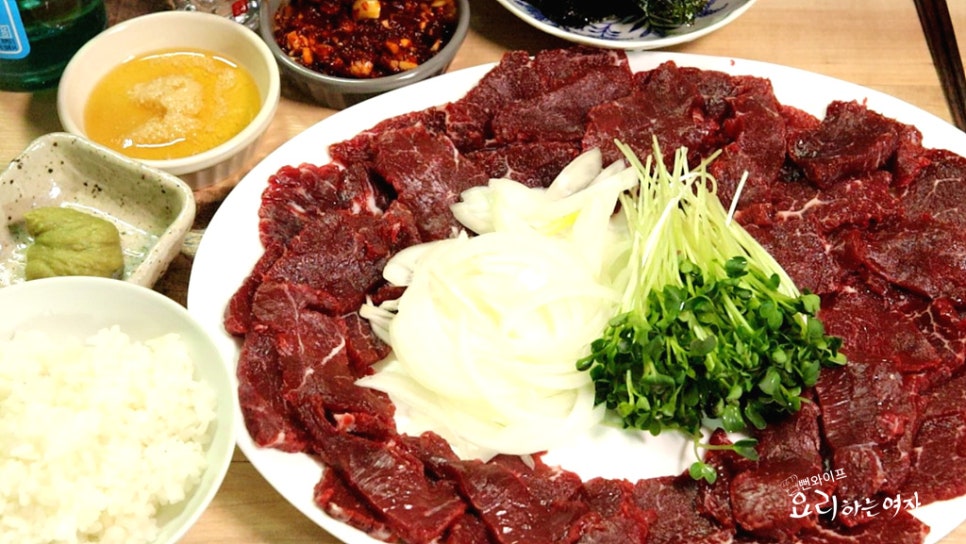
This delicacy features chewy, tender raw beef sliced against the grain and dipped into a special sauce. The key to the flavor is letting the sauce, made with coarse chili flakes and coarsely minced garlic, age for a day. Served with radish sprouts or seasoned dried seaweed sheets, it makes a clean, delicious accompaniment to drinks.
- Servings
- 3–4 servings
- Difficulty
- Easy
- Spiciness
- Mildly spicy
Ingredients
Ingredients
- Beef for mungtigi (raw beef tartare)600 g (beef round, chuck tender)
- Seasoned dried seaweed sheets
- Onion
- Radish sprouts
- Wasabi
- Toasted sesame oil
Mungtigi sauce
- Coarse gochugaru (Korean chili flakes)3 tbsp
- Gochugaru (Korean chili flakes)1 tbsp
- Sand lance fish sauce1 tbsp
- Brewed soy sauce (yangjo-ganjang)1 tbsp
- Mirin (cooking rice wine)1 tbsp
- Sugar1/2 tbsp
- Minced garlic2 tbsp
- Beef for mungtigi should be eaten within 2 days of slaughter to enjoy it fresh and delicious.
- For a tender texture, remove any excess fat, sinew, and thin connective tissue.
- You can pulse dried chili peppers briefly in a food processor or crush them roughly in a mortar. If that is difficult, you can just use regular chili flakes.
Steps
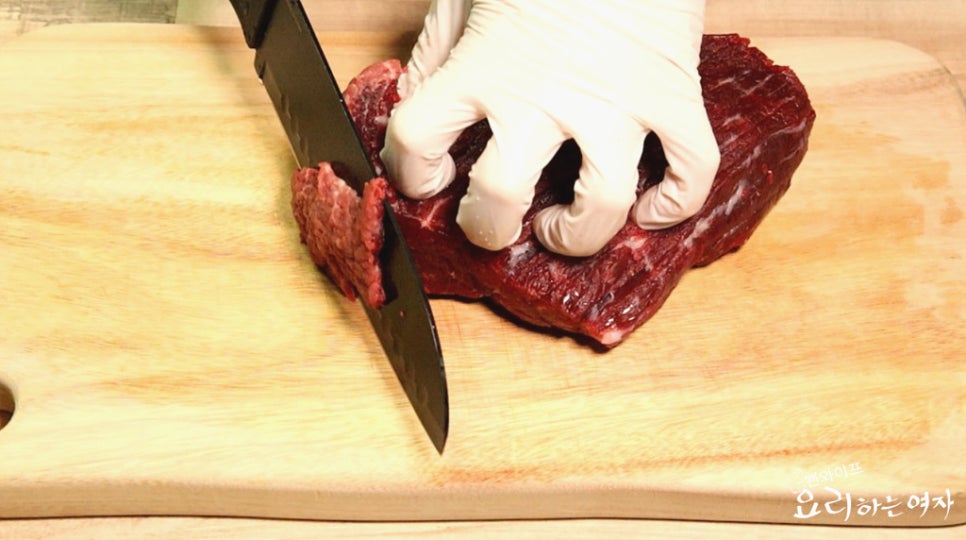
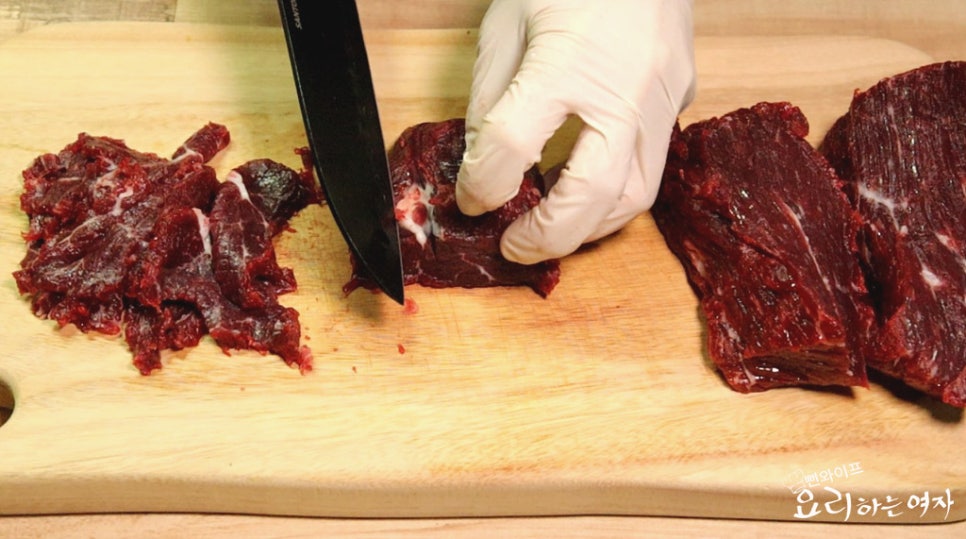
Beef for mungtigi should be eaten within 2 days of slaughter to enjoy it fresh and delicious.
For a tender texture, remove any excess fat, sinew, and thin connective tissue.
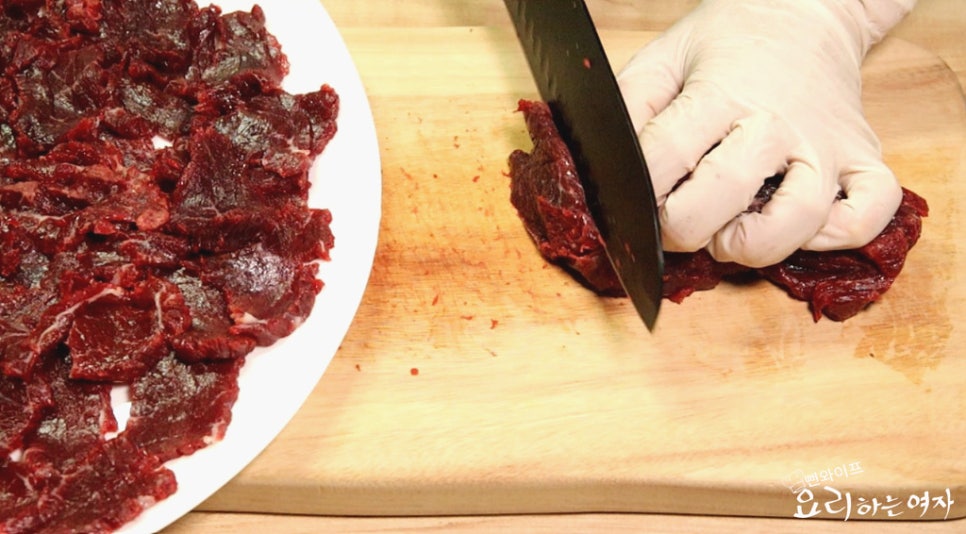
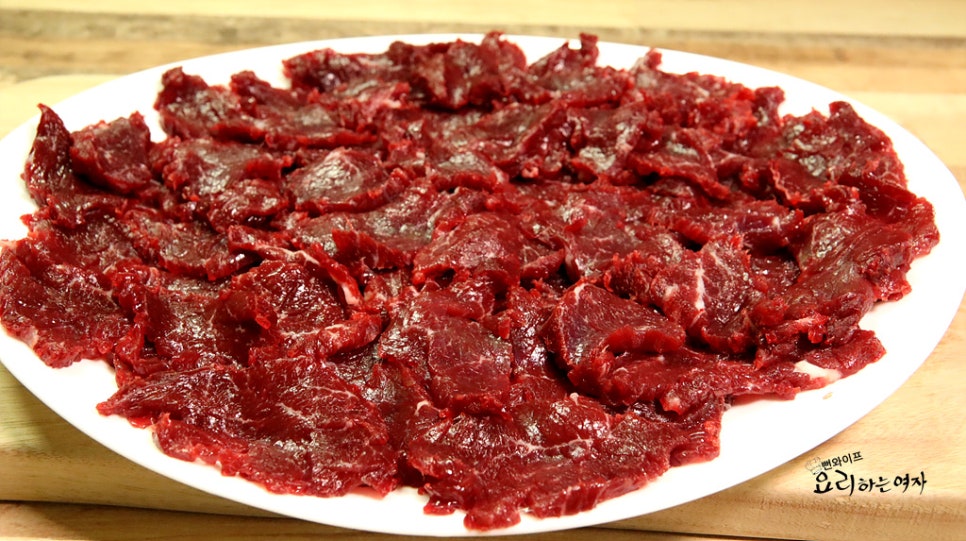
Slice the beef against the grain into bite-sized pieces, adjusting the thickness to your liking.
I sliced mine to a thickness that is not too thin.
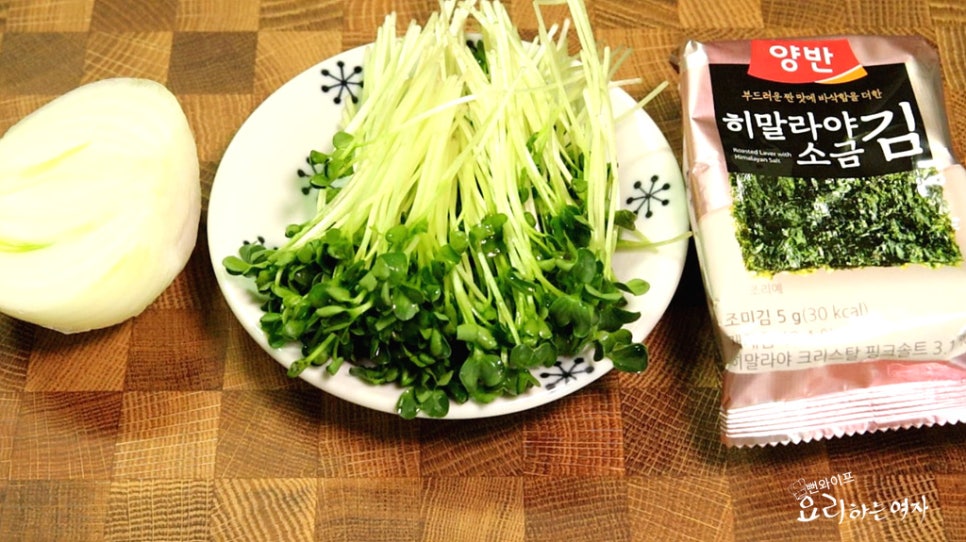
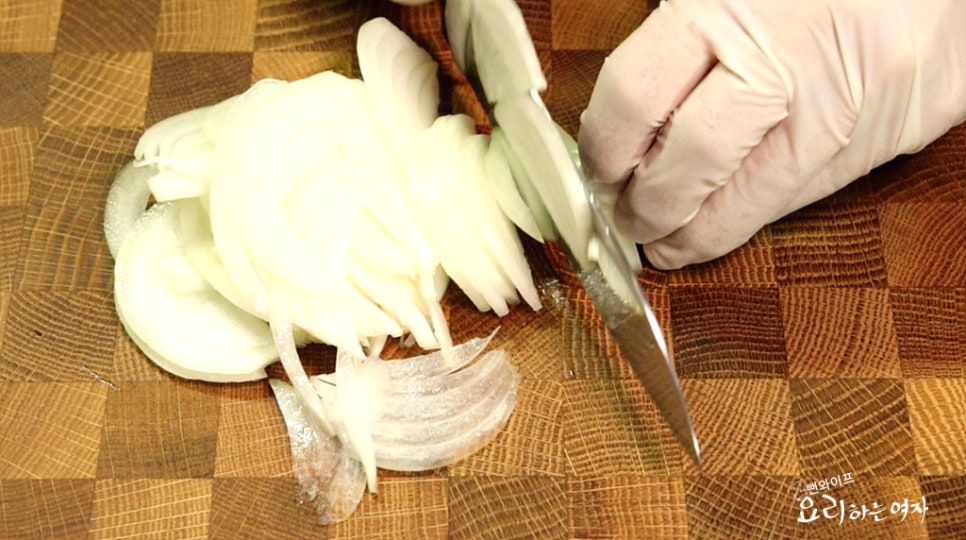
The side ingredients to serve with the beef are onion, radish sprouts, and seasoned dried seaweed sheets.
Preparing just these lets you enjoy the delicious mungtigi even more.
Simply slice the onion thinly.
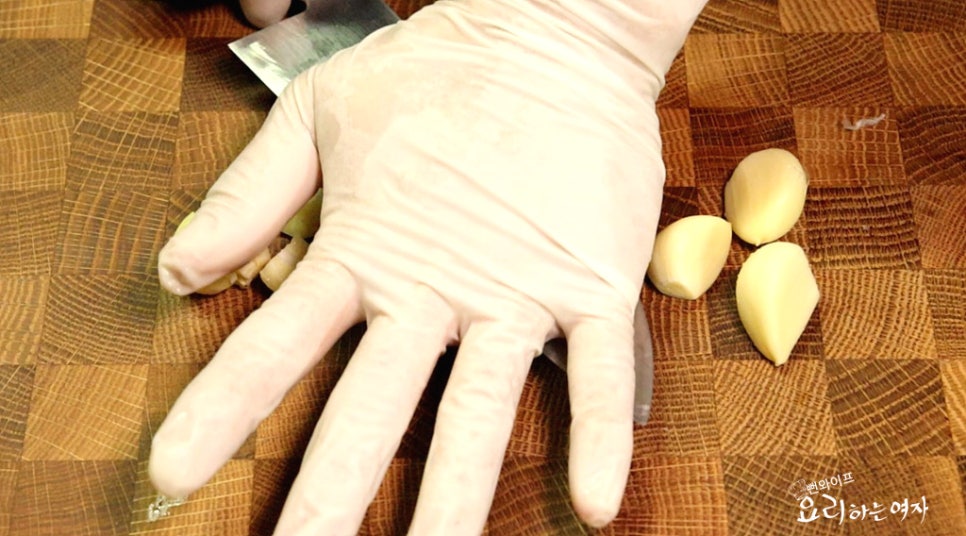
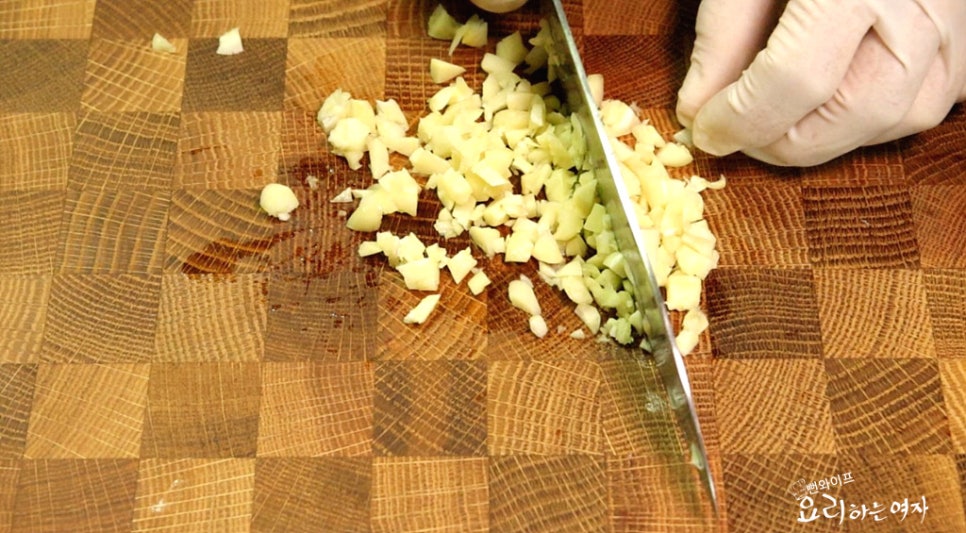
Coarsely chop the garlic that goes into the mungtigi sauce.
Chopping it like this gives much better texture to chew than finely minced garlic.
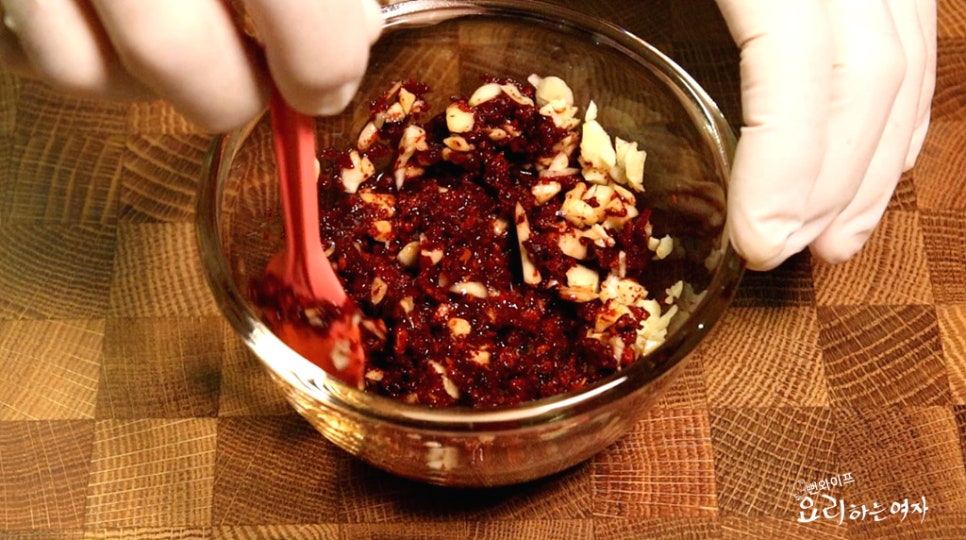
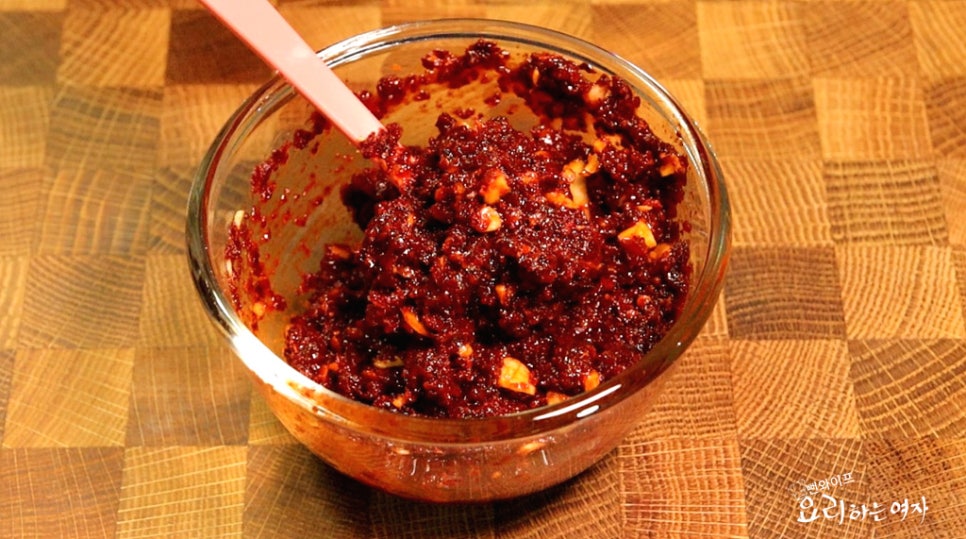
Add all the mungtigi sauce ingredients and mix them together.
The chili flakes used in mungtigi sauce are very coarse, as if only roughly ground.
The key is to give it a coarse, rustic look, just like the sauce at mungtigi specialty restaurants.
You can pulse dried chili peppers briefly in a food processor or crush them roughly in a mortar.
If that is difficult, you can just use regular chili flakes.
Let the sauce age in the refrigerator for a day.
Since it needs aging time, if you decide to make mungtigi, it is best to make the sauce first before buying the meat.
This is after one day, and it is delicious just like this.
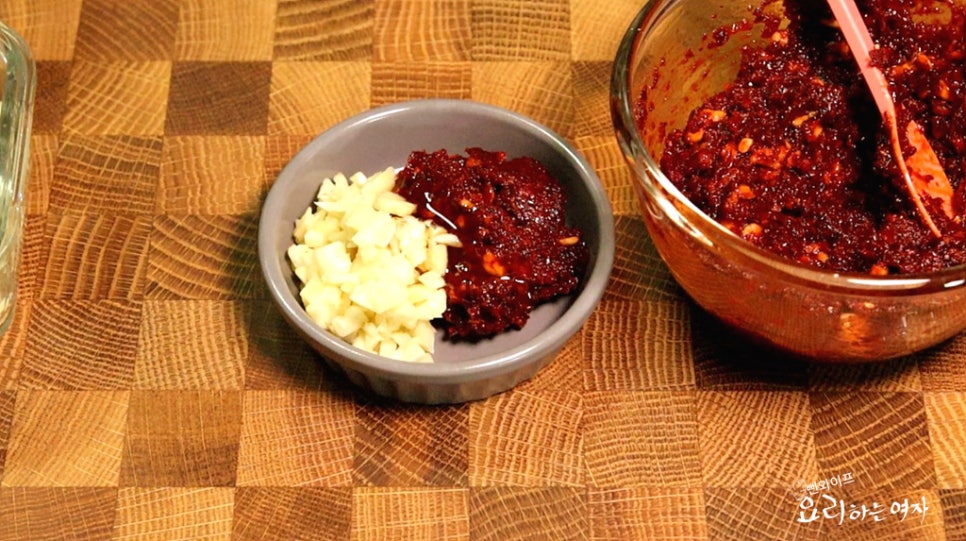
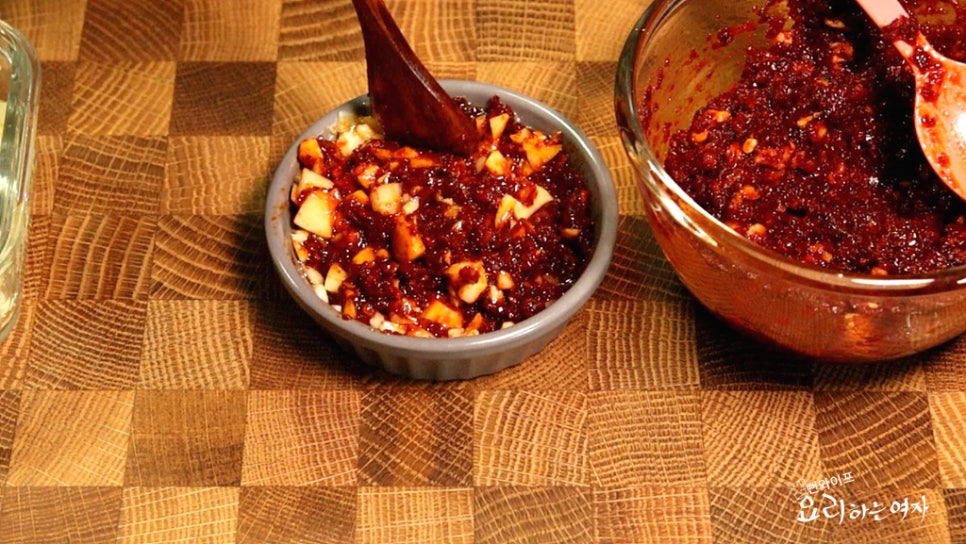
After aging for a day, the sauce will be thick and well blended.
My personal preference is to
put one or two tablespoons of the sauce into an individual dipping bowl, add extra coarsely chopped garlic,
and mix in a generous drizzle of toasted sesame oil to moisten it before dipping, which makes it even tastier.
 Ppunwife's tips
- The chili flakes used in mungtigi sauce are very coarse, as if only roughly ground. The key is to give it a coarse, rustic look, just like the sauce at mungtigi specialty restaurants.
- Since it needs aging time, if you decide to make mungtigi, it is best to make the sauce first before buying the meat.
- If you have leftover mungtigi because the portion was large, slice it into thin strips to make yukhoe (Korean steak tartare), and you will have a delicious dish that sticks to your palate.
FAQ
How soon after slaughter should beef for mungtigi be eaten?
It should be eaten within two days of the slaughter date to enjoy it fresh and delicious.
Can I eat the special sauce right after making it?
You can eat it right after making it, but aging it in the refrigerator for about a day allows the ingredients to thicken and blend together for a much deeper flavor.
How can I use leftover mungtigi beef?
You can slice the leftover raw meat into thin strips and toss it with seasonings to make yukhoe, or place it on top of rice as sushi.
What should I do if I do not have coarse gochugaru for the sauce?
You can lightly grind dried chili peppers in a food processor or mortar, and if that is hard to prepare, you can simply substitute regular gochugaru.