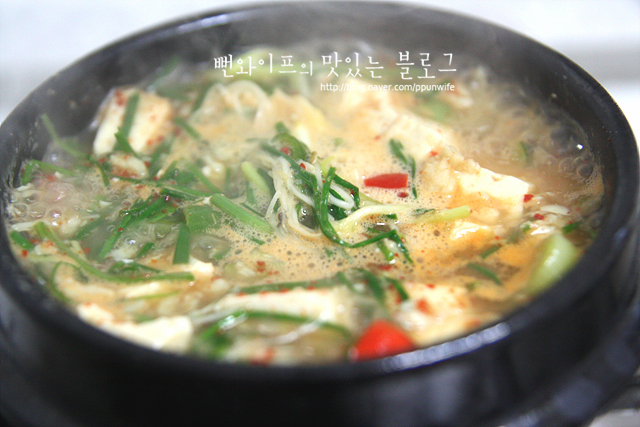
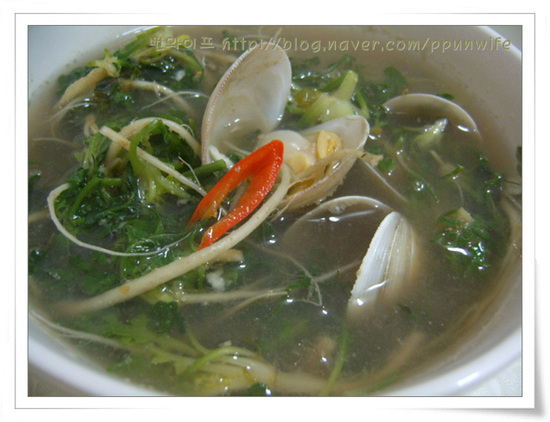
Fragrant and Savory Gajami Ssuk Guk (Flounder and Mugwort Soup)
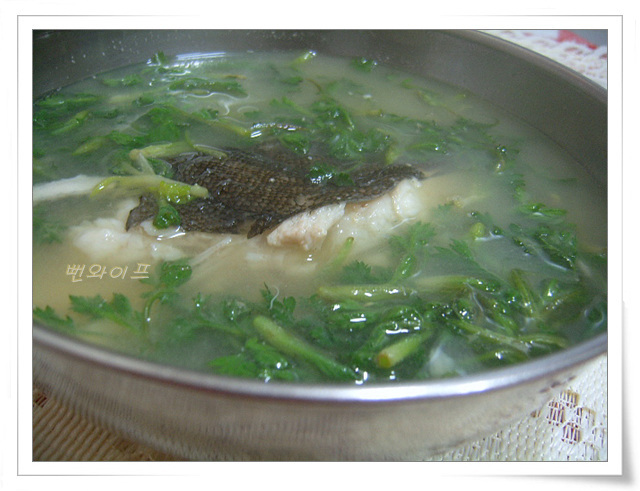
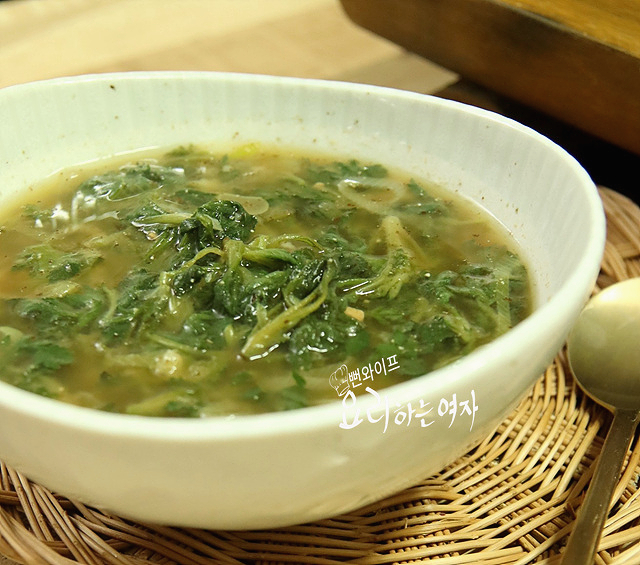
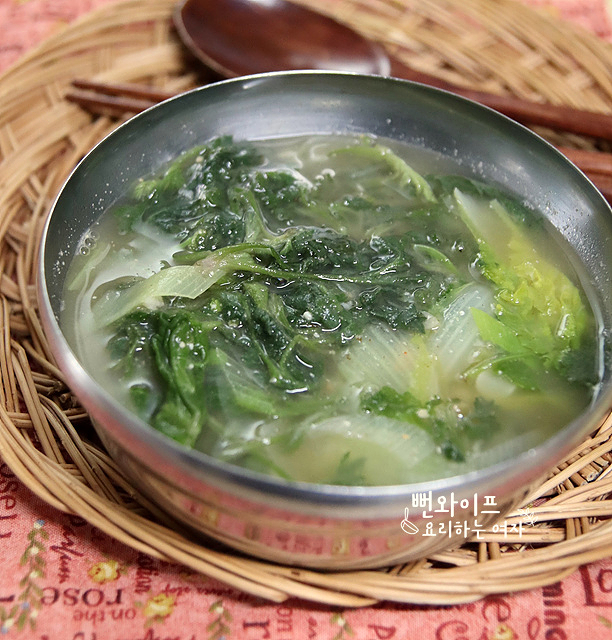
A clear, savory soup made by dissolving doenjang into a rice water broth and simmering fresh flounder with tender spring mugwort.
Translated from Korean by AI and not yet checked by a native speaker. Amounts and numbers are taken directly from the original recipe. Read the Korean original →
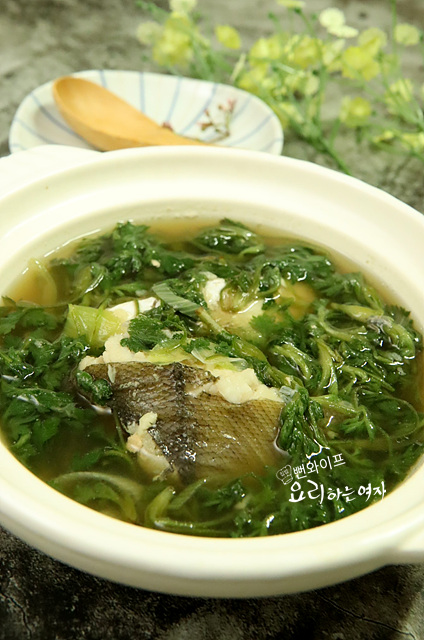
This seasonal spring dish features a deep broth made from rice water simmered with dried shrimp, anchovies, and kelp, seasoned with doenjang. Fresh flounder keeps the flavor clean while removing any fishiness, and tender mugwort is simmered only briefly at the end to fully preserve its signature rich fragrance.
- Servings
- 2–3 servings
- Difficulty
- Easy
- Spiciness
- Not spicy
Ingredients
- Mugwort100 g
- Flounder1 whole
- Large green onion (daepa)a little
- Water from washing rice6 cups
- Dried shrimp10
- Dried soup anchovies10
- Dried kelp (dasima)2 pieces (5 cm square)
- Homemade doenjang (Korean soybean paste)1 tbsp
- Minced garlic1 tsp
- Mirin (cooking rice wine)1 tbsp
- Sand lance fish sauce (or soup soy sauce (guk-ganjang))1 tbsp
- I used flounder instead of finespotted flounder, but finespotted flounder is even better, and clams also work wonderfully in mugwort soup; if you do not like fish, you can just prepare mugwort alone.
Steps
Prepare the ingredients
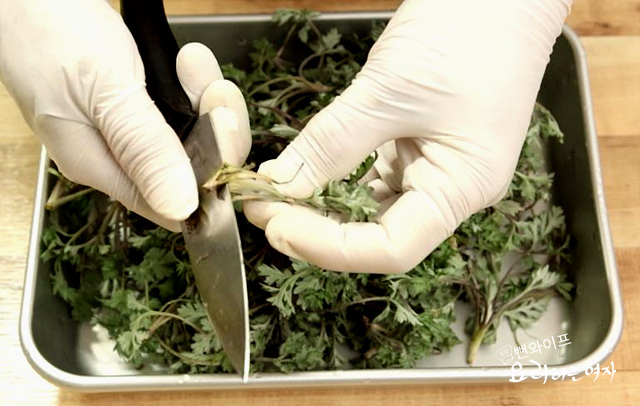
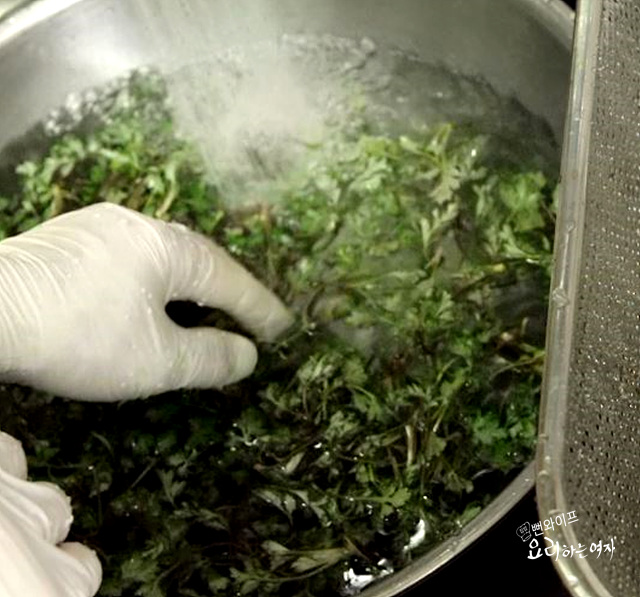
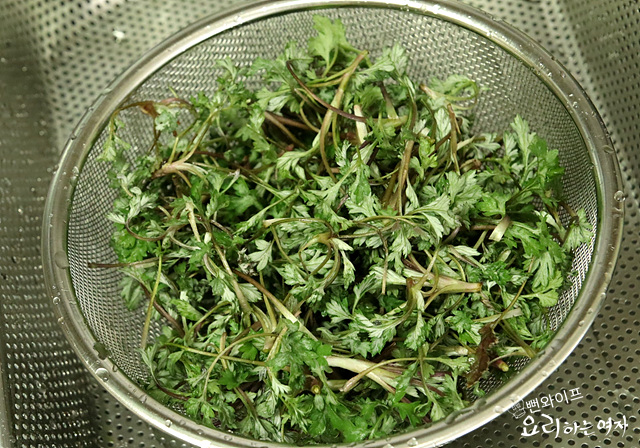
The mugwort coming out right now is tender, so it hardly needs any trimming. I just removed the messy bits at the root ends.
Rinse it several times until the water runs clear, then drain in a colander.
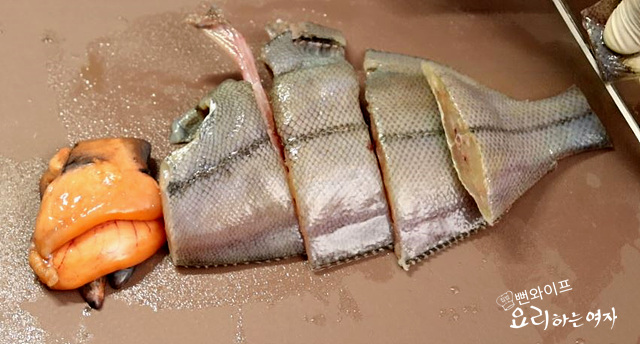
Remove the scales and fins from the flounder and cut it into bite-sized pieces.
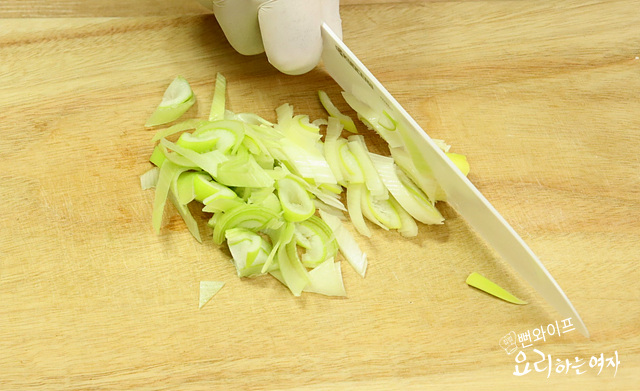
Prepare a little large green onion (daepa) and cut it into small thin slices.
Make the broth
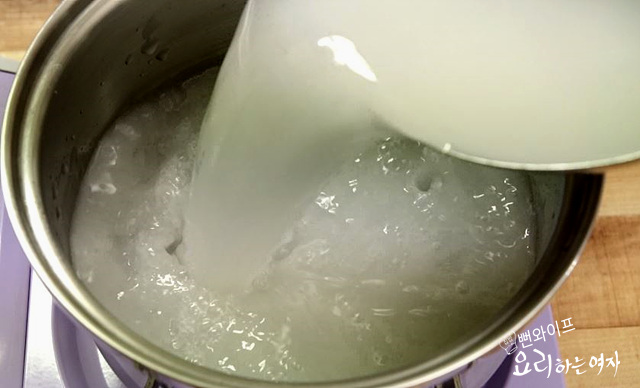
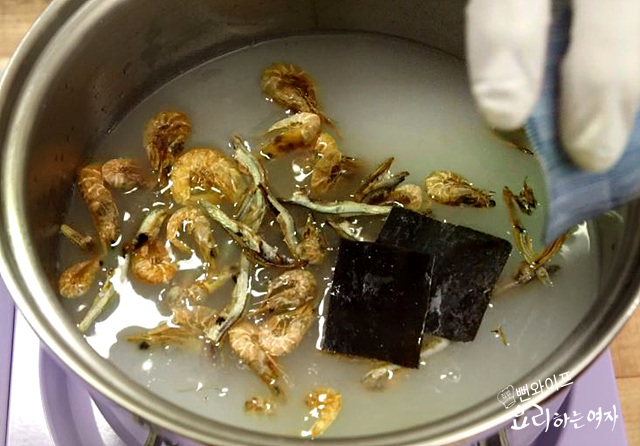
For soups made with doenjang, using water from washing rice is much more savory and delicious than plain water.
Pour 6 cups of water from washing rice into a pot, add 10 dried shrimp and dried soup anchovies each, and add 2 pieces of dried kelp (dasima), then bring to a boil.
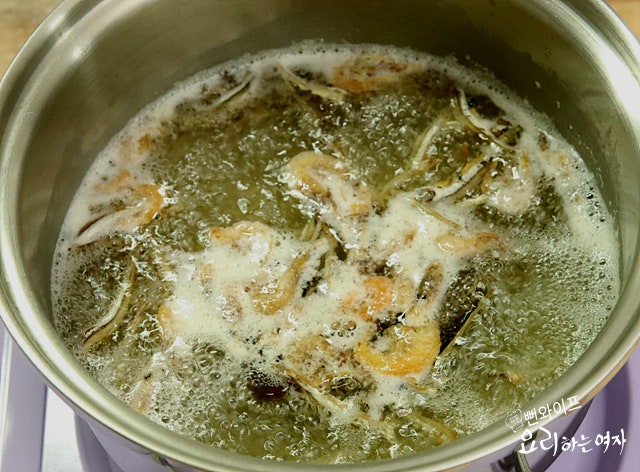
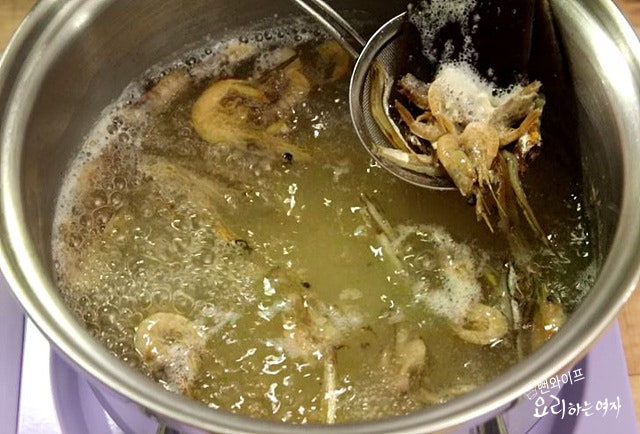
Once it starts to boil, simmer gently over low heat for about 10 minutes, then remove all the solid ingredients.
Simmer the doenjang soup
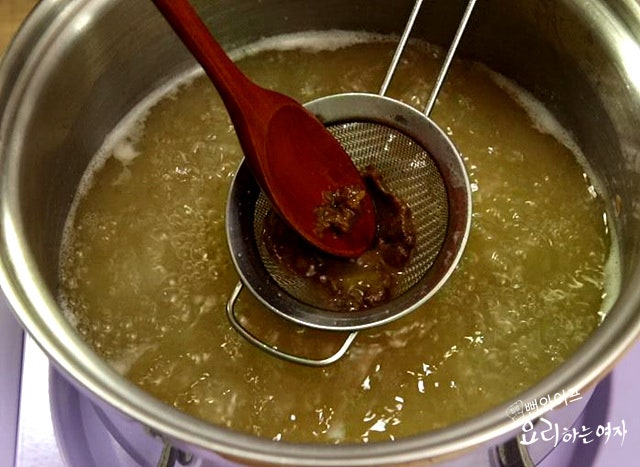
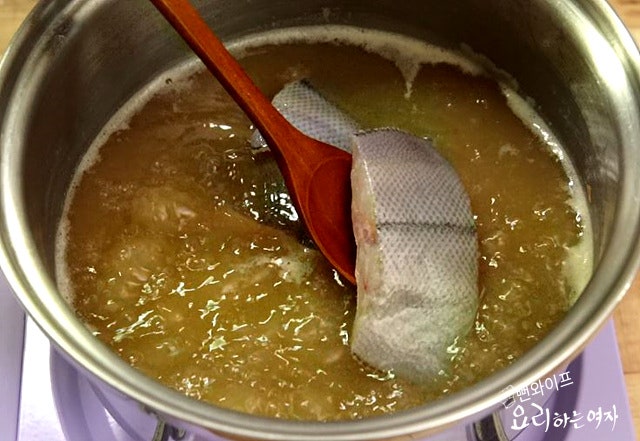
Place 1 tbsp of doenjang in a strainer and dissolve it into the broth. I used homemade doenjang; if you use commercial doenjang, which has lower salinity, you will need to adjust all the seasoning at the end.
Add the flounder to the boiling broth as well.
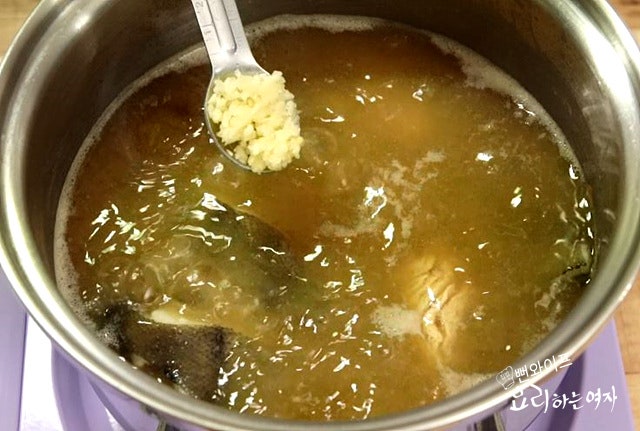
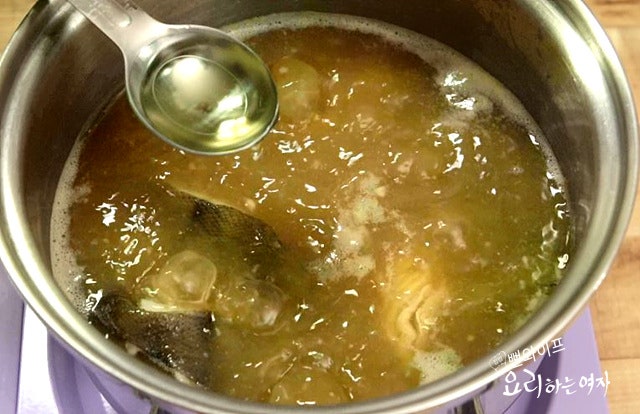
Even though it is fresh, add 1 tsp of minced garlic and 1 tbsp of mirin (cooking rice wine) ahead of time to eliminate any potential fishiness as it boils.
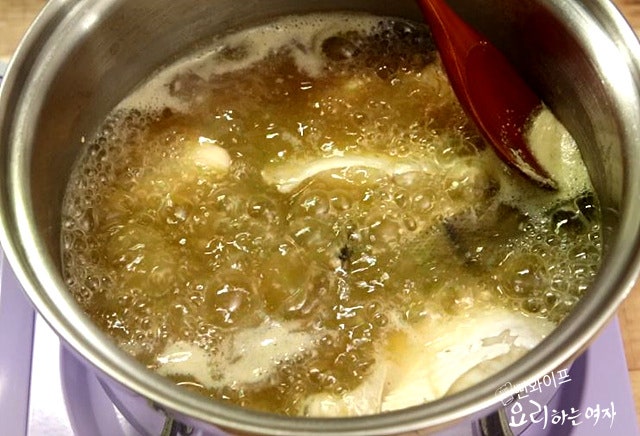
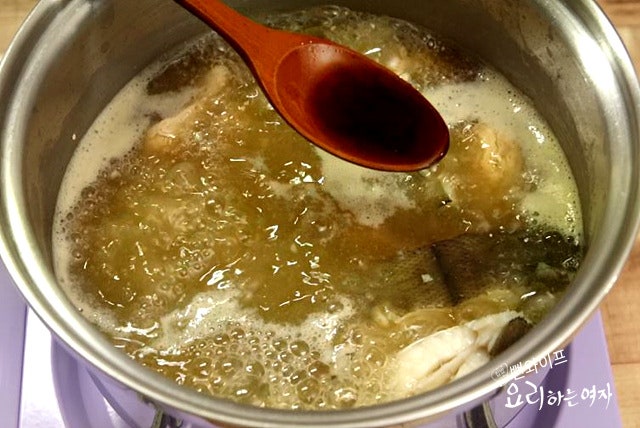
Simmer until the flounder is cooked through, skimming off any foam that rises to the surface.
Once the flounder is fully cooked, add 1 tbsp of sand lance fish sauce or soup soy sauce (guk-ganjang) to season the broth.
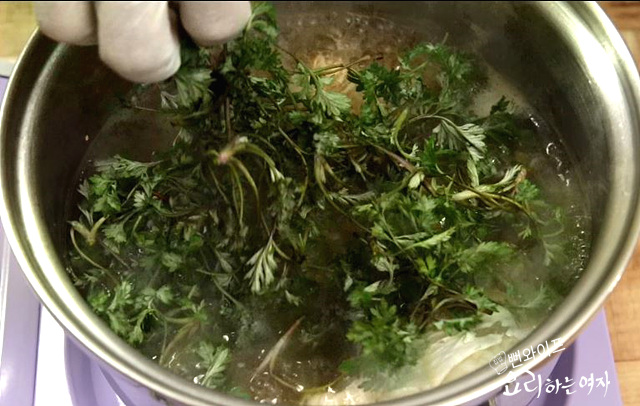
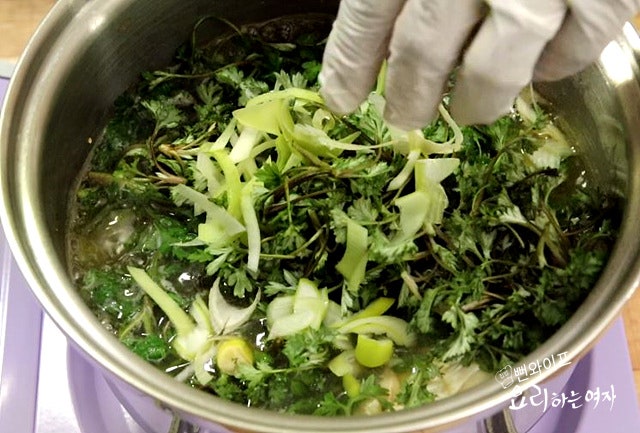
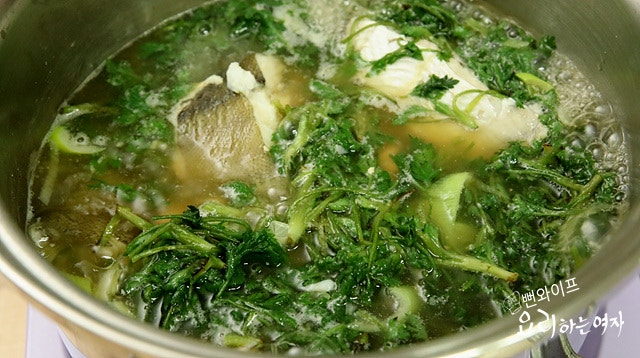
Add the mugwort and large green onion, boil for 1 minute, and the mugwort soup is complete.
Mugwort is tender and wilts quickly, so do not boil it for too long.
 Ppunwife's tips
- For soups made with doenjang, using water from washing rice is much more savory and delicious than plain water.
- If using commercial doenjang, which has lower salinity, you will need to adjust the final seasoning at the end.
- When simmering the flounder, add minced garlic and mirin beforehand to remove any potential fishiness.
- Mugwort is tender and wilts quickly, so do not boil it for too long.
FAQ
Can I use other ingredients instead of flounder?
You can substitute finespotted flounder or clams, or omit the seafood entirely and make a clean soup with just mugwort.
How do I adjust the seasoning when using commercial doenjang?
Commercial doenjang may be less salty than homemade doenjang, so taste the soup at the very end of cooking and add more seasoning as needed.
When should I add the mugwort and how long should it cook?
Add it along with the large green onion after the flounder is fully cooked and the soup is seasoned, then simmer briefly for about 1 minute. Boiling it too long can make it overly limp.
What can I substitute if I do not have sand lance fish sauce?
You can season the soup with an equal amount of soup soy sauce (guk-ganjang) instead.