Fragrant Dodari Ssukguk (Flounder and Mugwort Soup)
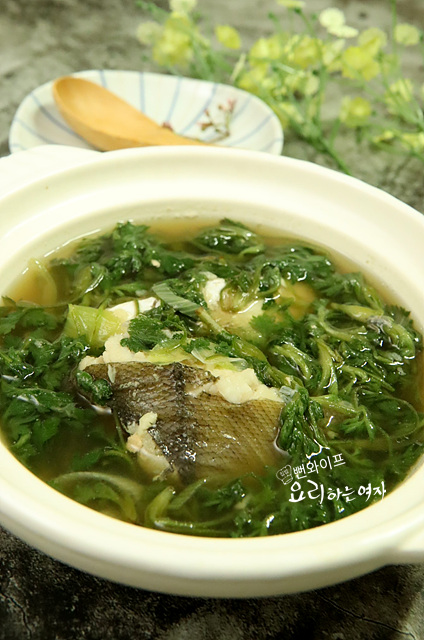
A seasonal fish soup made by simmering flounder thoroughly in a rice-water and doenjang broth, then briefly cooking mugwort in it.
Translated from Korean by AI and not yet checked by a native speaker. Amounts and numbers are taken directly from the original recipe. Read the Korean original →
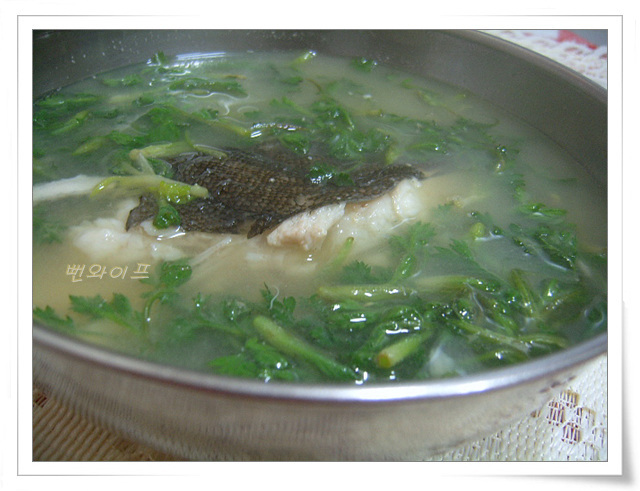
This clear soup extracts deep umami by thoroughly simmering fresh flounder in doenjang broth made with water from washing rice. The key secret is adding the mugwort at the very end and simmering it only briefly to preserve its aroma and color. Mild and refreshing, it is wonderful to enjoy as a spring delicacy.
- Servings
- 2 servings
- Cook time
- 21 minprep not included
- Difficulty
- Medium
- Spiciness
- Not spicy
Ingredients
- Flounder1 whole
- Mugwort2 handfuls, 100 g
- Water from washing rice5 cups
- Commercial doenjang (Korean soybean paste)1 tbsp
- Minced garlic1 tsp
- Salt0.5 tsp
- Depending on your preference, you can also add soybean flour or perilla seed powder at the end.
- Instead of flounder, you can also use seafood (clam meat, peeled shrimp, warty sea squirt).
Steps
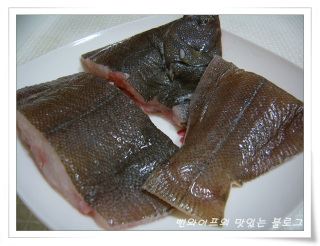
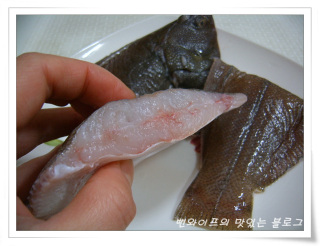
1. Scrape the scales off the back and belly of the flounder with a knife to remove them.
Remove the entrails, wash thoroughly under running water, and cut into three pieces.
2. The flesh is thick and glossy, so it is really fresh.
Instead of flounder, you can also use seafood (clam meat, shrimp meat, warty sea squirt).
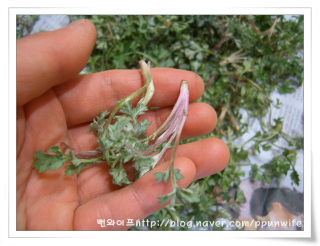
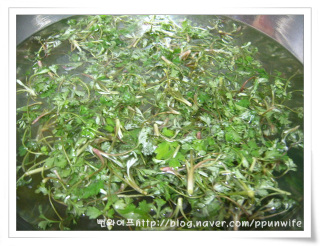
3. Trim the mugwort by cutting away any discolored outer leaves or tough roots.
4. Gently shake and rinse in clean water 4-5 times, then drain in a strainer.
There is a lot of dirt, so you must rinse it thoroughly.
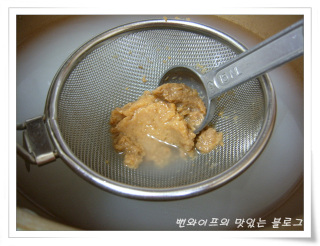
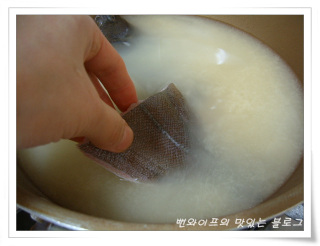
5. Strain the commercial doenjang through a sieve and dissolve it into the water from washing rice...
6. Add the flounder and bring to a boil over high heat, then simmer over low heat.
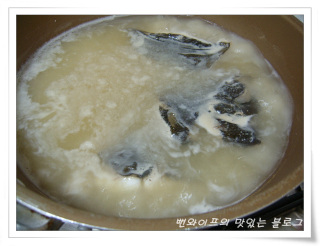
7. Simmer for about 15-20 minutes so the flounder flavors infuse the broth...
Some people also make mugwort soup using a rich broth made by boiling the flounder for a long time until the bones crumble.
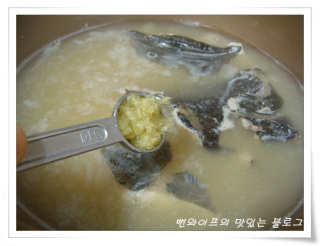
8. Add a little minced garlic and season to taste with salt. Adding a little mirin adds umami to the broth.
10
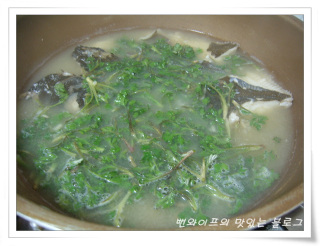
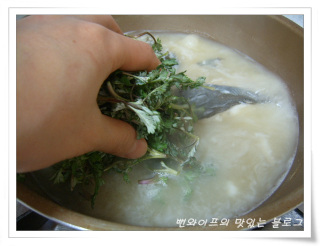
9. Add the mugwort at the end...
This is the point where you can add perilla seed powder or soybean flour.
10. Simmer for only about 1 minute.
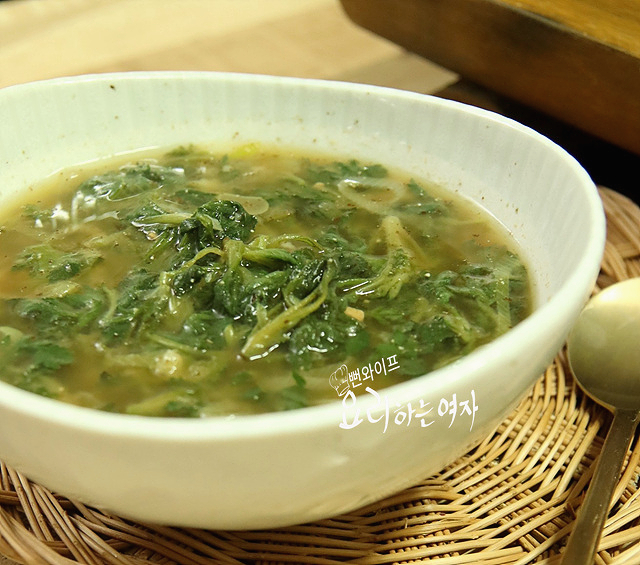
Simmering it briefly is all you need to preserve the rich mugwort aroma and bright color.
 Ppunwife's tips
- Some people also make mugwort soup using a rich broth made by boiling the flounder for a long time until the bones crumble.
- Adding a little mirin adds umami to the broth.
- Simmering it briefly is all you need to preserve the rich mugwort aroma and bright color.
FAQ
Are there other ingredients I can use instead of flounder?
You can also cook it with various types of seafood such as clam meat, peeled shrimp, or warty sea squirt.
When should I add the mugwort and how long should I boil it?
Add it at the very end after finishing all the seasoning, and simmer gently for only about 1 minute to preserve its unique aroma and vibrant green color.
Are there any good extra ingredients to add along with the mugwort?
Depending on your preference, adding perilla seed powder or soybean flour together will add a nutty, savory flavor.