Hearty Sogogi Jangjorim (Soy-Braised Beef) Side Dish
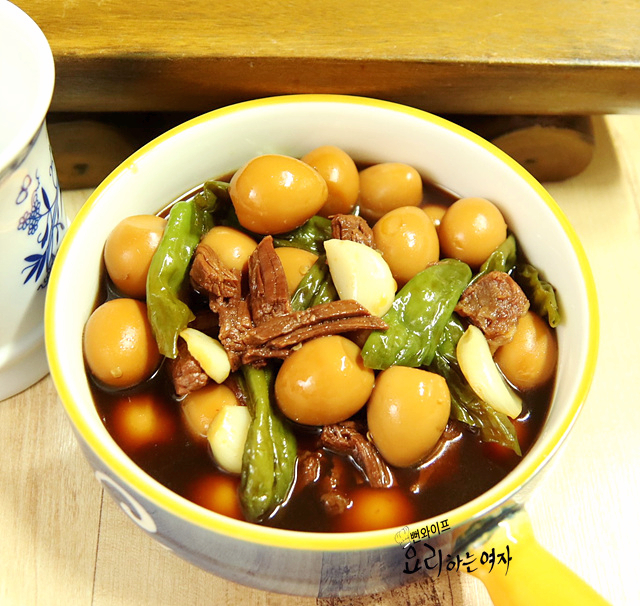
A hearty beef side dish braised in its own rich broth seasoned with soy sauce, garlic, and shishito peppers.
Translated from Korean by AI and not yet checked by a native speaker. Amounts and numbers are taken directly from the original recipe. Read the Korean original →
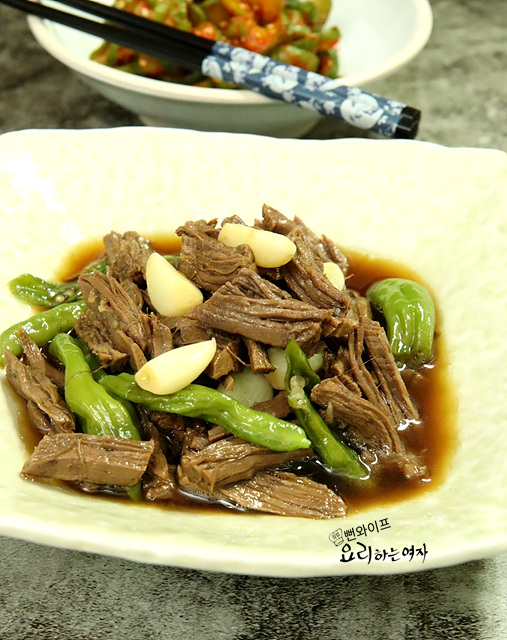
Simmering lean cuts of beef gently and using the rich beef broth in the braising liquid creates deep flavor. Infused with whole garlic and shishito peppers, it turns out tender and mildly seasoned without being too salty, making it a wonderful side dish for the whole family.
- Servings
- about 4–5 servings
- Cook time
- 33 minprep not included
- Difficulty
- Medium
- Spiciness
- Not spicy
- Keeps
- 7 days
Ingredients
Ingredients
- Beef300 g (for braising)
- Shishito peppers (kkwari-gochu)10
- Peeled garlic10 cloves
- Large green onion (daepa)1/4 stalk
- Onion1/2
- Gingera little
- Water4–5 cups
Soy sauce braising liquid
- Water from boiling meat2 cups
- Regular soy sauce (jin-ganjang) (or brewed soy sauce (yangjo-ganjang))1/2 cup
- Mirin (cooking rice wine)2 tbsp
- Sugar1 tbsp
- Corn syrup (mulyeot)2 tbsp
- For the beef cut in sogogi jangjorim, you can use eye of round, top round, shank, brisket, or any cut meant for braising.
- You can also add whole black peppercorns, apples, or bay leaves to the boiling pot.
- Mushrooms or boiled quail eggs are also delicious, so use them instead or in addition if you have them.
- Soak the beef in cold water for about 30 minutes to draw out the blood.
Steps
Draw out the blood from the meat
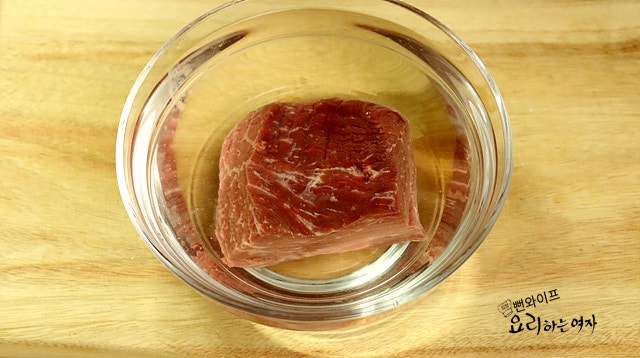
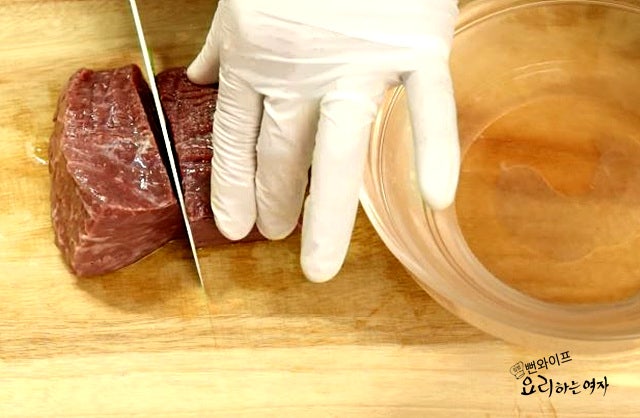
Soak the beef in cold water for about 30 minutes to draw out the blood.
Removing the blood like this keeps the meat from having an off-odor.
You can cut it before soaking, or cut it into smaller pieces like I did to shorten the boiling time.
First boiling
First boiling
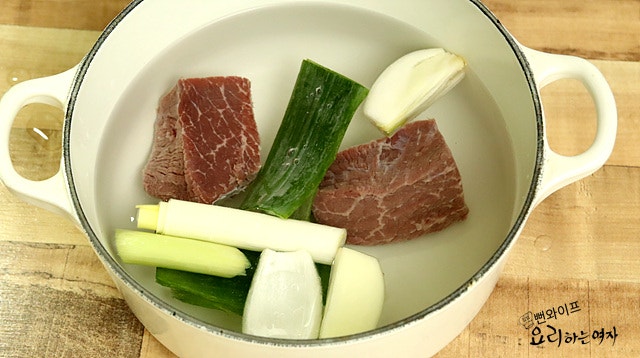
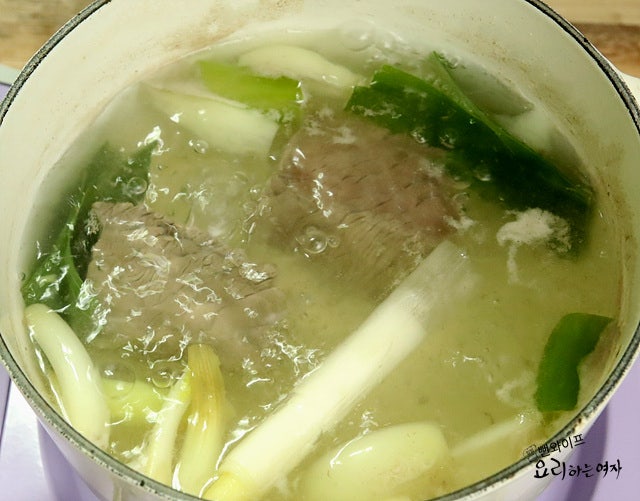
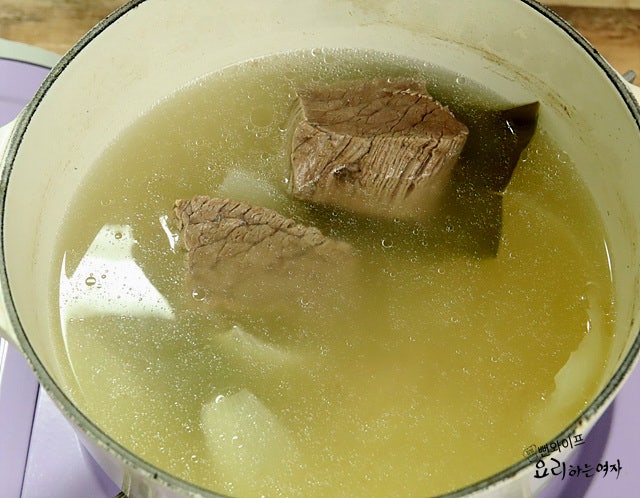
Add the beef, large green onion, onion, and ginger to a pot, then pour in about 4 to 5 cups of water.
Pour in enough water to submerge the beef and aromatics completely. Once it boils vigorously, reduce the heat to a gentle simmer and boil for at least 20 minutes.
Braising cuts of beef have very little fat and tough fibers, so they need to boil for a long time to become tender.
Once the liquid has reduced by about half and the beef is cooked through to the center, take out the meat and discard all the vegetables.
The water from boiling the meat is delicious on its own. We will use this broth directly when braising, so never throw it away.
Cutting the ingredients
Cutting the ingredients
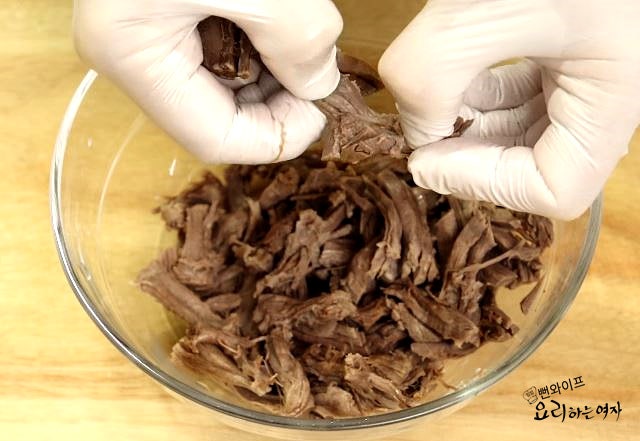
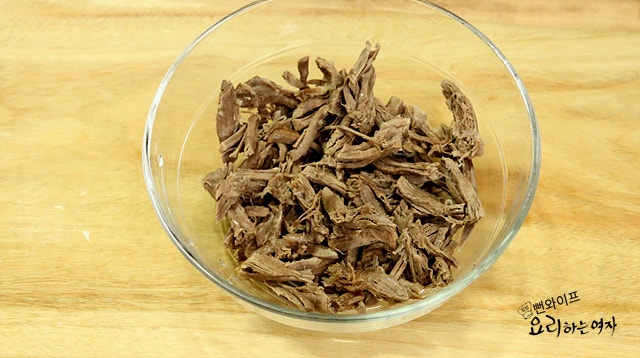
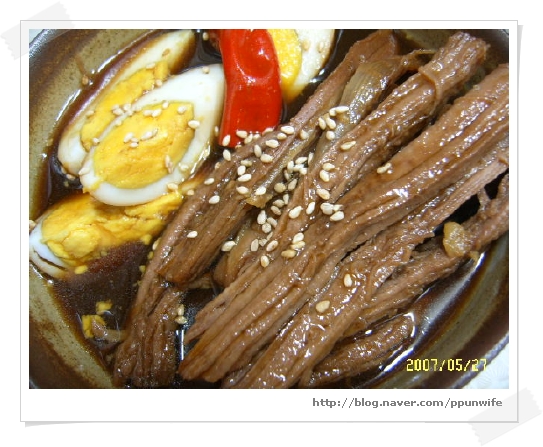
Tear the beef along the grain, or cut it with a knife into bite-size pieces.
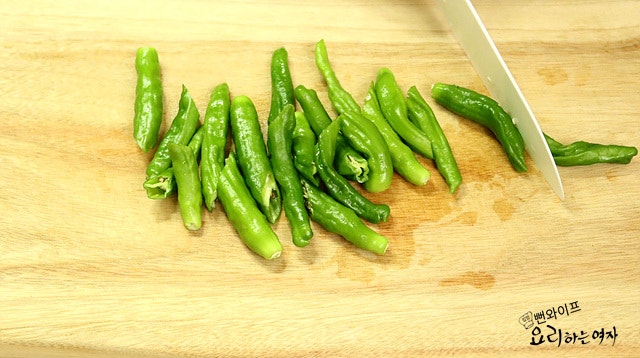
The shishito peppers were long, so I cut them roughly in half.
Making the jangjorim
Making the jangjorim
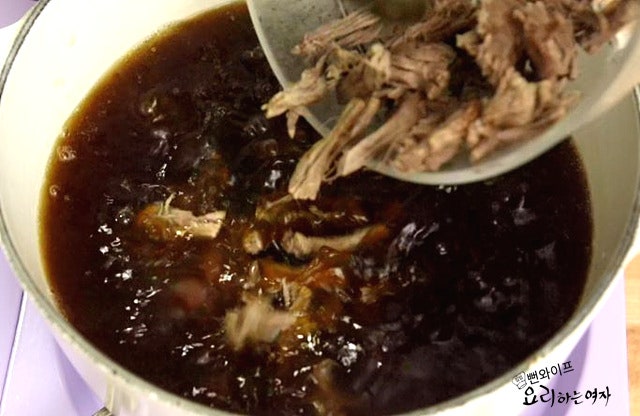
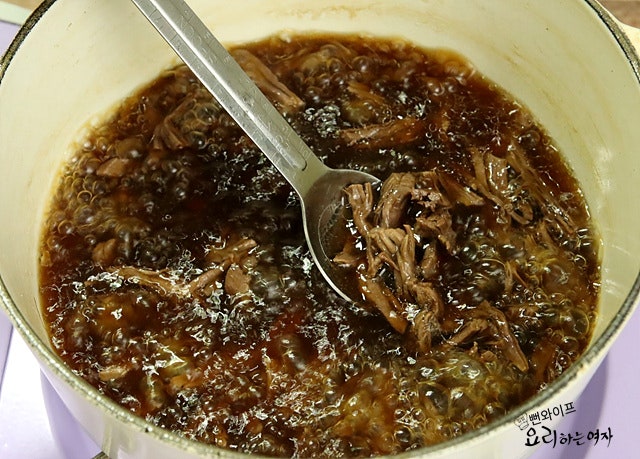
In a pot, combine about 2 cups of the water from boiling meat, 1/2 cup regular soy sauce, 2 tbsp mirin, 2 tbsp corn syrup, and 1 tbsp sugar, then add the shredded beef. Once it boils vigorously, simmer over medium to low heat for about 10 minutes. Skim off any rendered beef fat that floats up from time to time so the finished broth stays clean and clear.
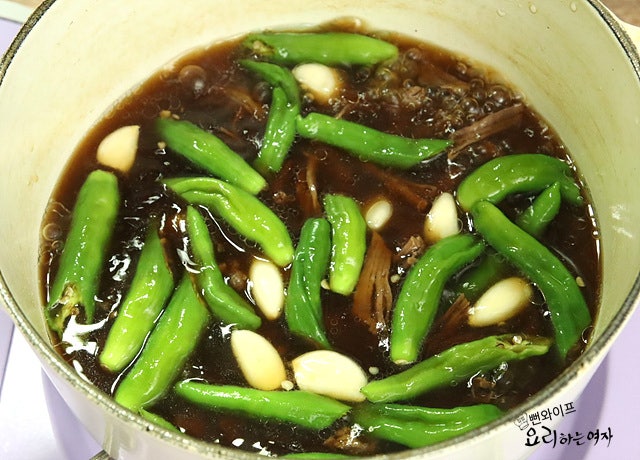
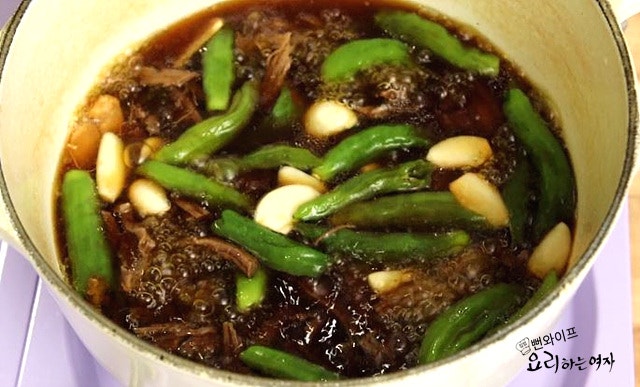
Once the liquid has reduced and the meat has lightly absorbed the seasoning, add the shishito peppers and garlic, then simmer for about 3 minutes to finish.
I used small garlic cloves typically eaten with lettuce wraps, so I added them together with the shishito peppers. If using large garlic cloves, put them in about 2 minutes before the shishito peppers so they cook at a similar pace.
 Ppunwife's tips
- Skim off any rendered beef fat that floats up from time to time so the finished broth stays clean and clear.
- I used small garlic cloves typically eaten with lettuce wraps, so I added them together with the shishito peppers. If using large garlic cloves, put them in about 2 minutes before the shishito peppers so they cook at a similar pace.
- Do not discard any leftover braising liquid; try using it in stir-fries or braises.
FAQ
Which cut of beef should I use for jangjorim?
You can use lean, firm cuts meant for braising, such as eye of round, top round, shank, or brisket.
How can I use the leftover jangjorim liquid?
It is great mixed into warm rice with a little butter, or used as a seasoned soy sauce base for other stir-fries and braises.
Can I add other ingredients besides shishito peppers?
Depending on your preference, adding mushrooms or boiled quail eggs to braise together is also delicious.
When should I add whole garlic cloves if they are large?
If the garlic cloves are large, add them about 2 minutes before the shishito peppers so they cook evenly together.