Dureup Jeon (Pan-Fried Aralia Shoots) in Egg Batter
A seasonal spring delicacy made by lightly blanching angelica tree shoots, coating them in egg batter, and pan-frying them until golden brown.
Translated from Korean by AI and not yet checked by a native speaker. Amounts and numbers are taken directly from the original recipe. Read the Korean original →
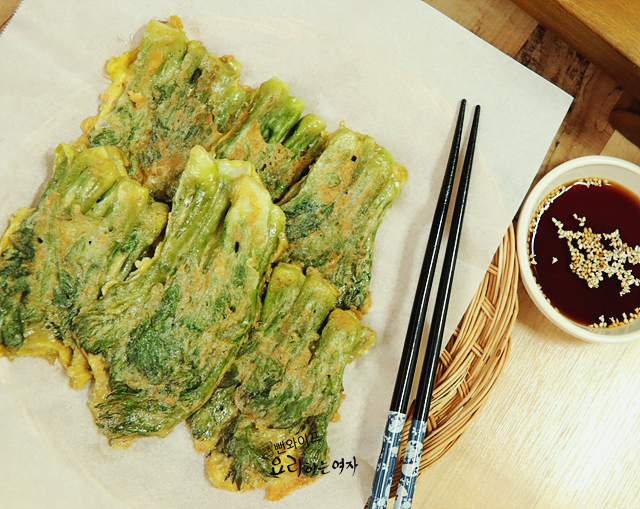
Trim the fine thorns from seasonal spring angelica tree shoots (cham-dureup) and blanch them briefly in boiling water to reduce their characteristic astringency before pan-frying. Adding an extra yolk to the egg batter gives them a lovely vibrant color, making them fragrant, nutty, and wonderful to pair as an appetizer with makgeolli.
- Servings
- 2 servings
- Difficulty
- Medium
- Spiciness
- Not spicy
Ingredients
Ingredients
- Angelica tree shoots (cham-dureup)160 g
- Coarse sea salt1/2 tbsp
- Egg3
- Salt1/3 tsp
- Flour3 tbsp
Vinegar soy dipping sauce
- Regular soy sauce (jin-ganjang)1 tbsp
- Vinegar1/2 tbsp
- Mirin (cooking rice wine)1 tbsp
- Trim the tough bottoms of the dureup stems slightly and remove the surrounding outer husks. Since the fine thorns can prick your fingers, scrape them off with a knife.
Steps
Prepare the dureup
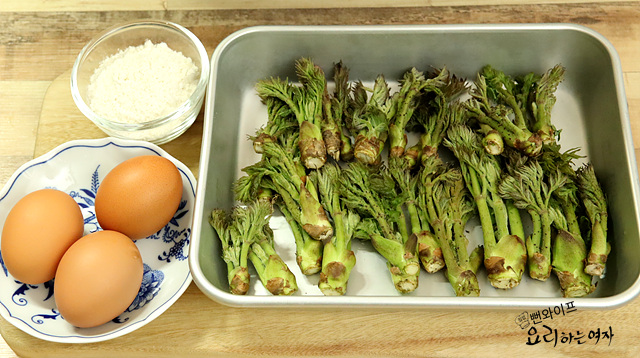
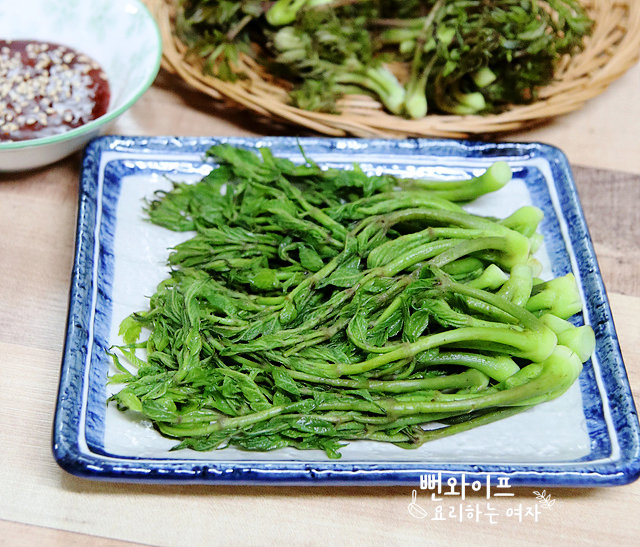
These are angelica tree shoots freshly harvested from the tree. There are about 20 small, short shoots.
Since they will be coated in egg batter and pan-fried, prepare the eggs and flour.
Preparing the dureup
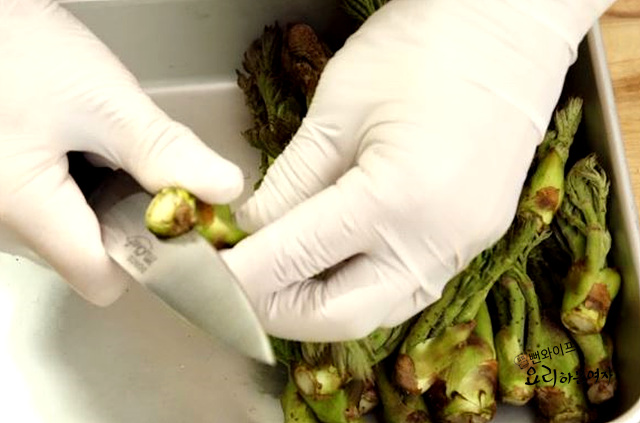
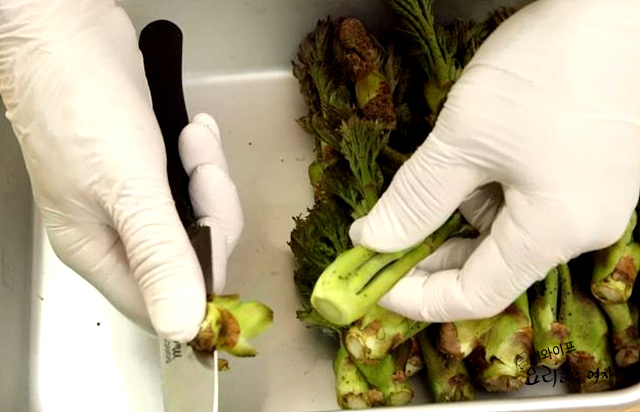
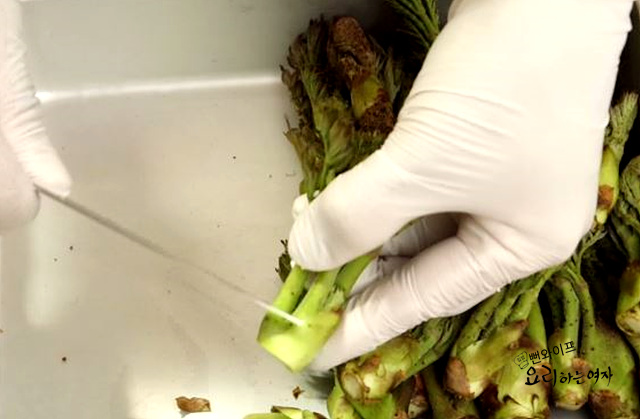
Trim the bottom of the dureup stems slightly and peel away the attached outer husks.
Dureup has lots of fine thorns. They hurt enough to prick your skin, so scrape them away with a knife so they are not uncomfortable to eat.
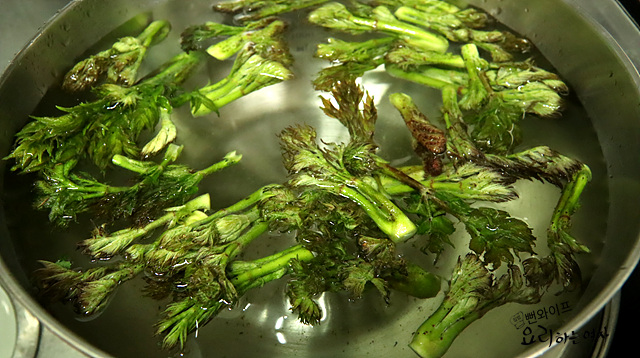
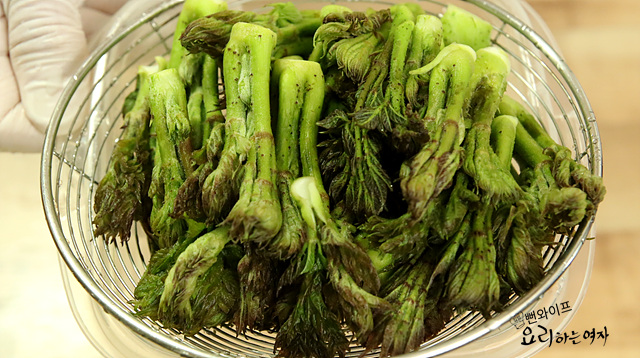
Soak them in water and rinse several times.
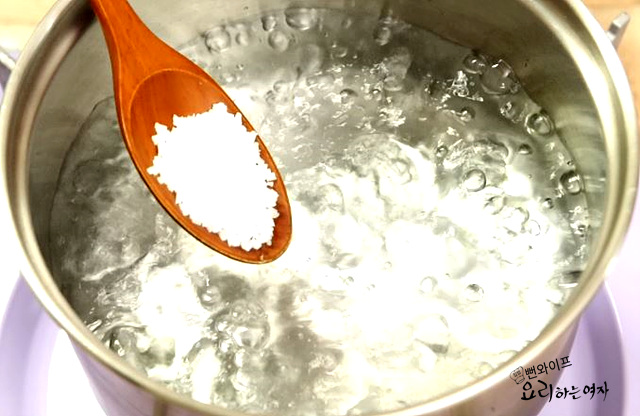
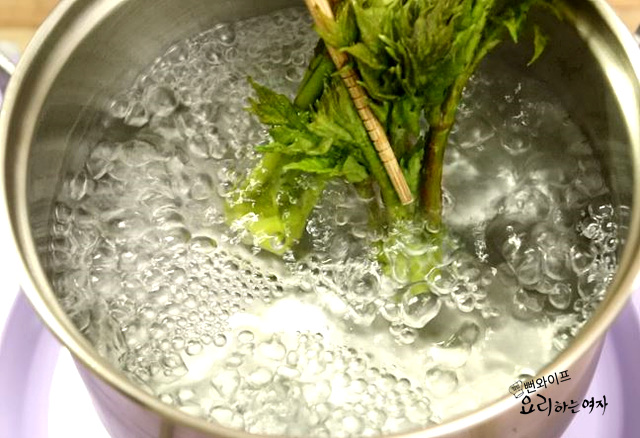
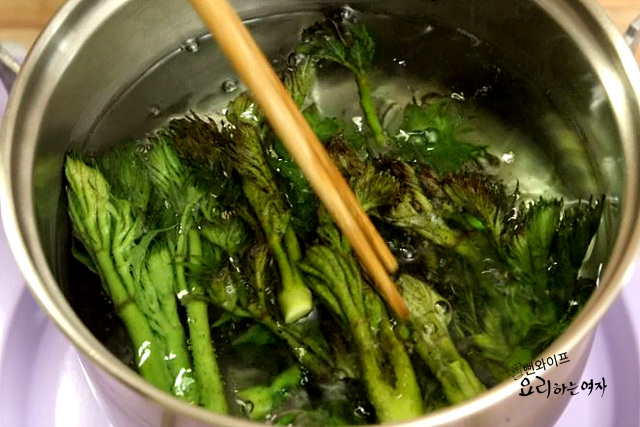
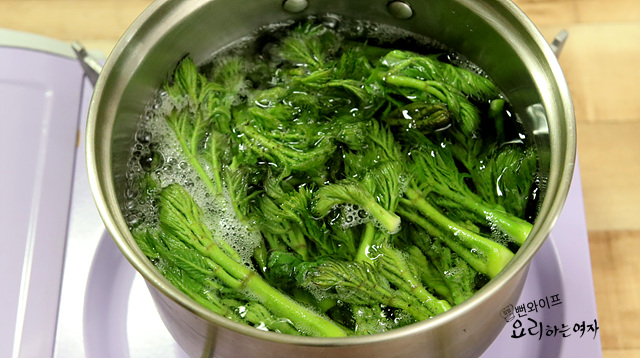
Add 1/2 tbsp of coarse sea salt to vigorously boiling water.
A few of the dureup shoots were quite thick, so I submerged just the stem ends for about 10 seconds first, then dipped the whole shoots and blanched them for about 1 minute.
Adjust and increase the blanching time slightly depending on the thickness of the shoots.
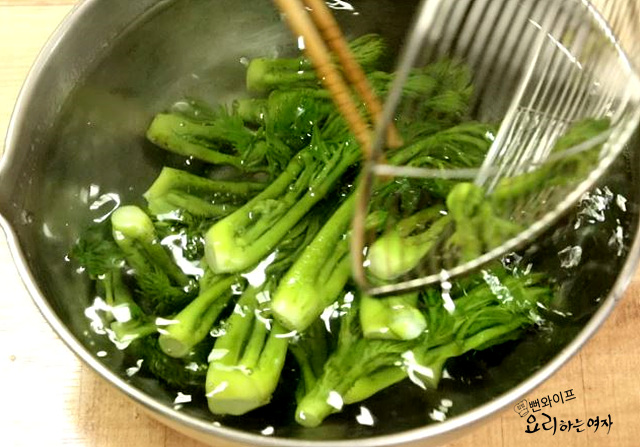
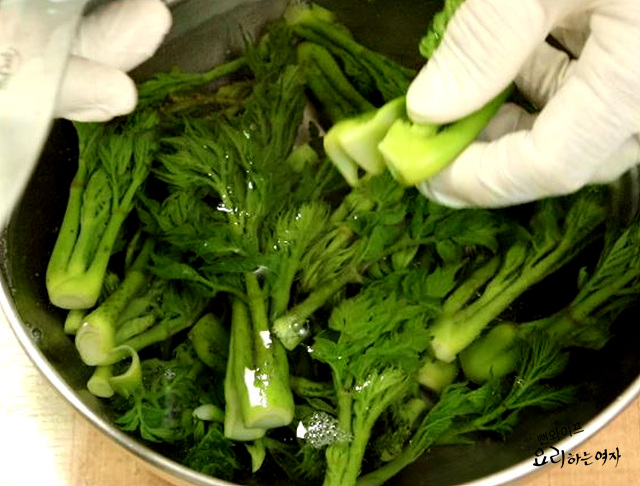
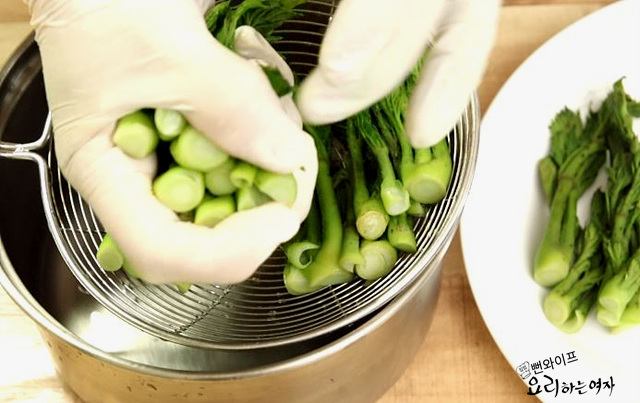
Rinse the blanched dureup in cold water to remove the heat, then split any thick stems down the center to make them easier to pan-fry.
Gently squeeze out the excess moisture with your hands without crushing them.
Pan-fry
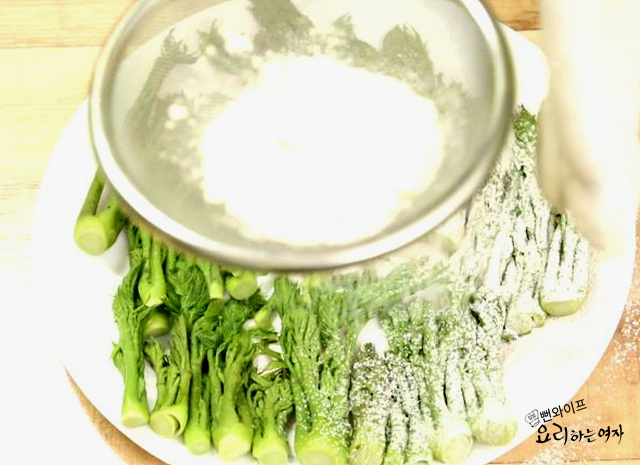
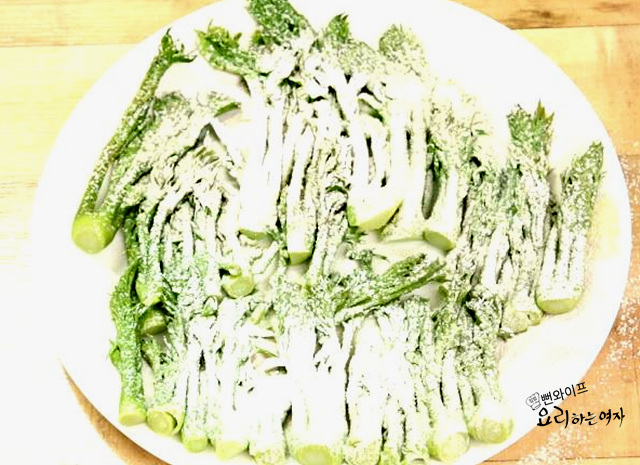
Spread the dureup out on a plate, sift the flour over them through a sieve, and shake gently to coat evenly. Flip them over to coat the other side as well.
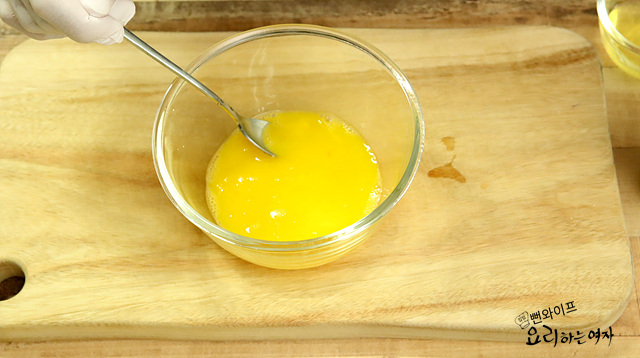
First, add two whole eggs to a bowl, then add just the yolk of the third egg and beat well so the yellow color comes out deep and rich.
Add 1/3 tsp of salt and mix it in to season lightly.
Pan-frying
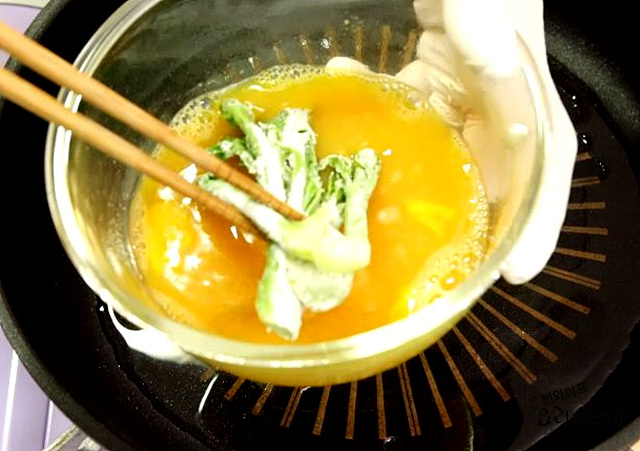
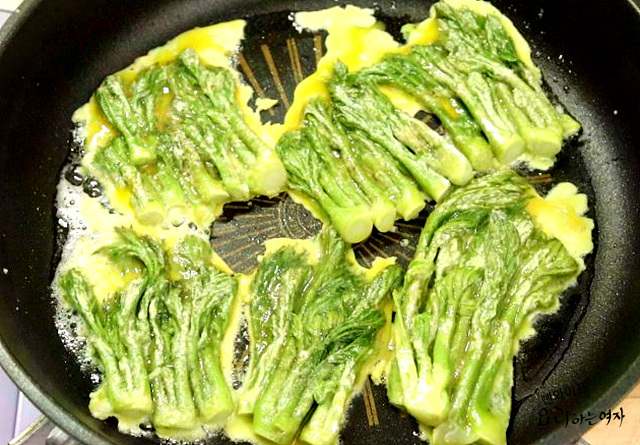
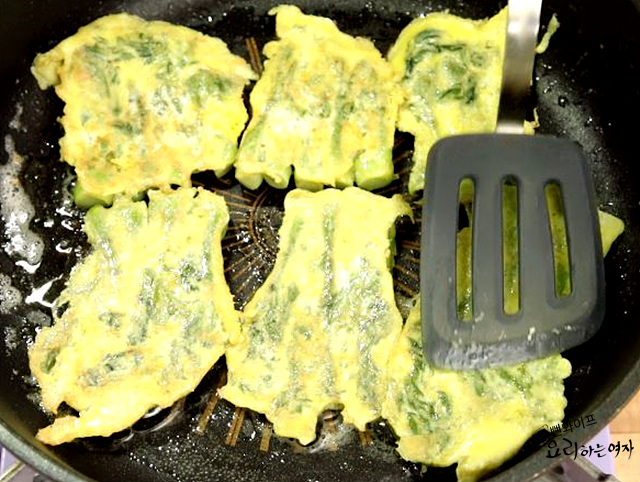
Heat a generous amount of cooking oil in a preheated pan, dip the shoots thoroughly in the egg batter, and arrange them neatly in the pan.
Flip them over, press down lightly, and fry until golden brown to finish.
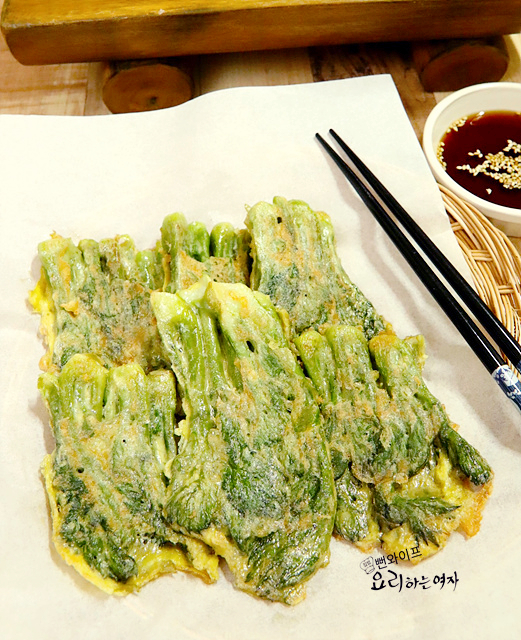
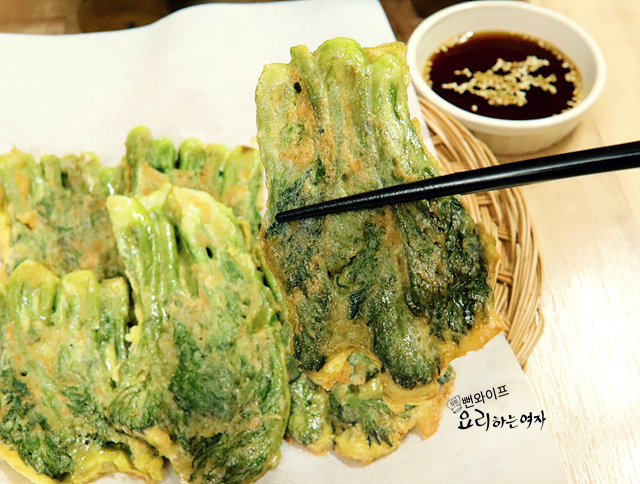
Because they are tender, young cham-dureup, they are remarkably soft.
I made a vinegar soy sauce dipping sauce and lightly dipped them in it.
This vinegar soy sauce is made by mixing 1 tbsp of regular soy sauce (jin-ganjang), 1/2 tbsp of vinegar, and 1 tbsp of mirin (cooking rice wine).
 Ppunwife's tips
- Dureup has many fine thorns, so scrape them away with a knife so they are pleasant to eat.
- If the dureup shoots are thick, submerge just the bottom stem ends for about 10 seconds first before submerging the entire shoot to blanch.
- Crack two whole eggs into a bowl first, then add just the yolk from the third egg to give the batter a richer yellow color.
FAQ
How do you prep the fine thorns on dureup?
The tough, fine thorns on dureup can prick your fingers, so gently scrape them off along the stems using a knife.
How do you blanch dureup with thick stems?
For thicker dureup, submerge the firm bottom stem ends into boiling water for about 10 seconds first, then submerge the whole shoots and blanch for about 1 minute.
Is there a way to make the egg batter a deeper yellow?
Out of the 3 eggs, omit the white from 1 egg and use only the yolk; this will make the golden-yellow color much more vivid.
How do you make the vinegar soy sauce for dipping?
Mix 1 tbsp of regular soy sauce (jin-ganjang), 1/2 tbsp of vinegar, and 1 tbsp of mirin (cooking rice wine) together for a sweet and tangy dipping sauce.