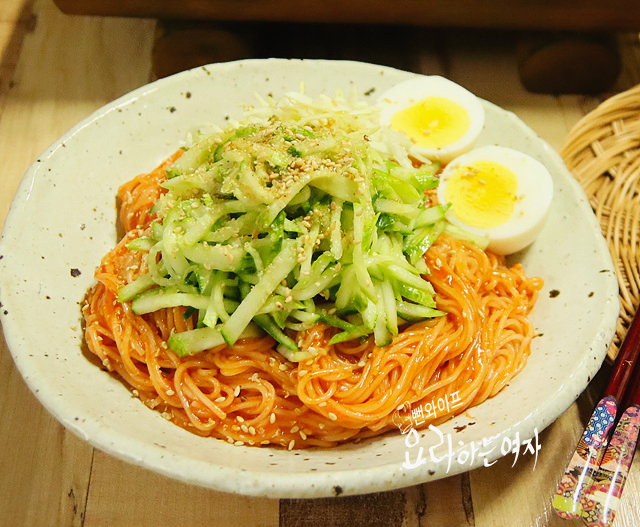
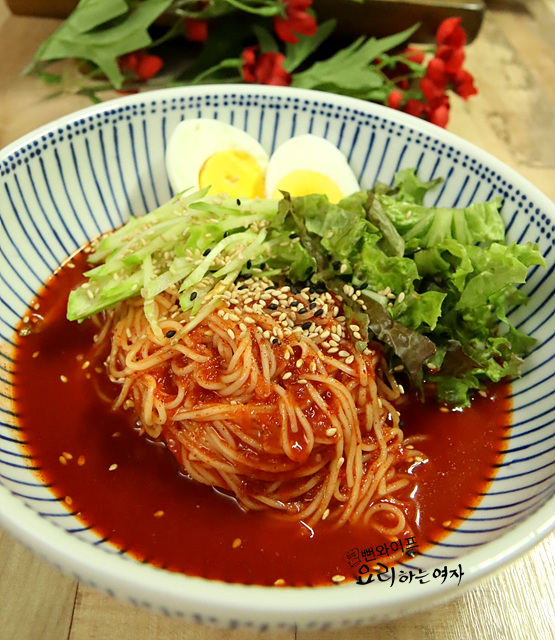
Mild Ganjang Bibim Guksu (Soy Sauce Mixed Noodles)
A mild one-bowl noodle dish tossed in a soy sauce seasoning and topped with sautéed vegetables and egg garnish.
Translated from Korean by AI and not yet checked by a native speaker. Amounts and numbers are taken directly from the original recipe. Read the Korean original →
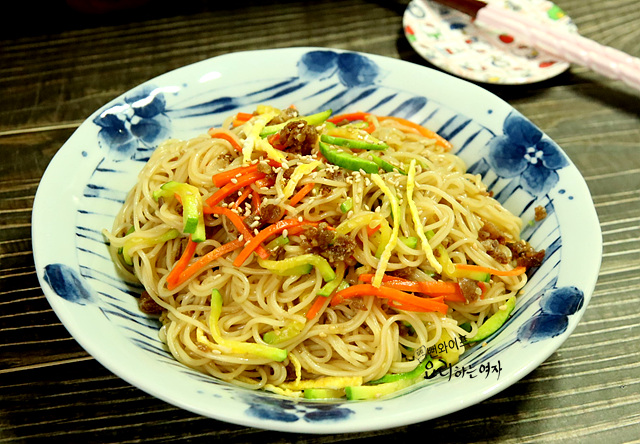
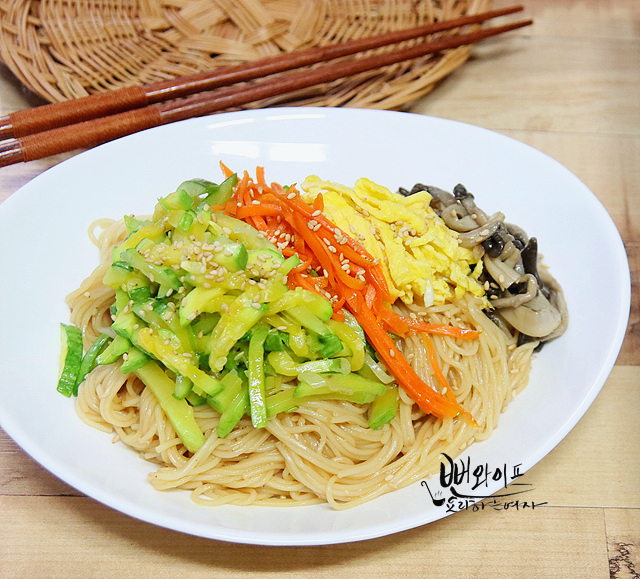
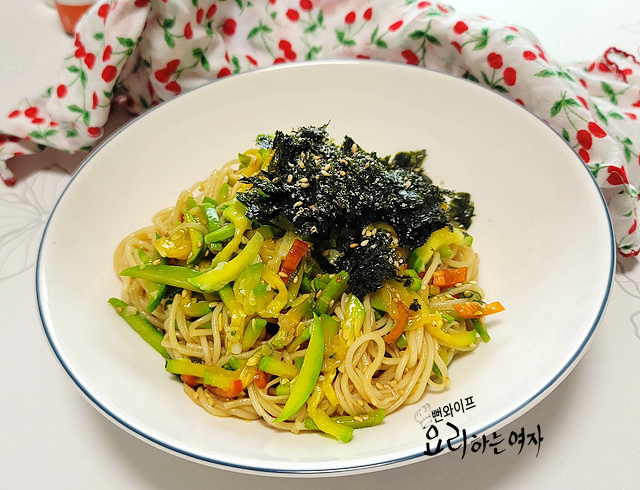
This bibim guksu is topped with sautéed Korean zucchini, carrot, and egg garnish, blending gently with a savory soy sauce seasoning. Because it is not spicy and very mild, it makes a wonderful meal for both children and seniors. You can also add leftover meat or sautéed mushrooms to make it even more satisfying.
- Servings
- 2 servings
- Difficulty
- Easy
- Spiciness
- Not spicy
Ingredients
Ingredients
- Thin wheat noodles (somyeon)200 g
- Korean zucchini (aehobak)1/4
- Carrot1/5
- Egg1
- Minced meata little
Seasoning
- Regular soy sauce (jin-ganjang) (or brewed soy sauce (yangjo-ganjang))4 tbsp
- Sugar1 tbsp
- Minced garlic1/2 tbsp
- Toasted sesame oil1 tbsp
- Toasted sesame seeds1 tbsp
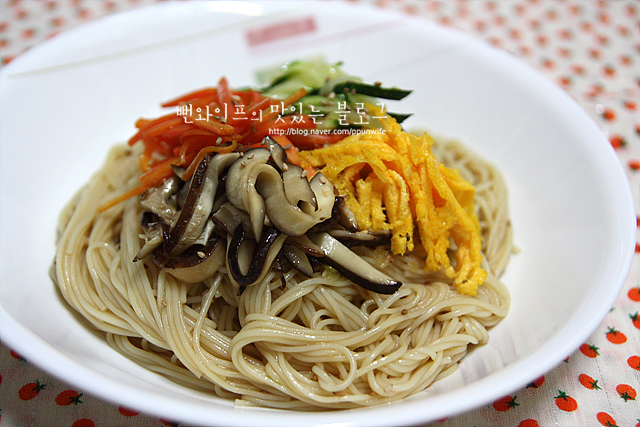
- For the meat garnish, you can warm up and mince leftover soy sauce pork bulgogi, store-bought frozen tteokgalbi (grilled short rib patties), or dumplings. If you do not have any, feel free to omit it or substitute thinly sliced, sautéed shiitake mushrooms.
Steps
Prepare and slice the ingredients

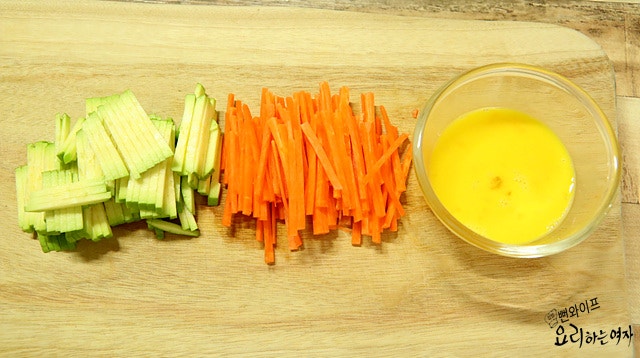
Ganjang bibim guksu is much tastier with a few garnishes. I gathered ingredients I had in the fridge.
Carrot, Korean zucchini, 1 egg, and thin wheat noodles (somyeon).
Finely julienne the Korean zucchini and carrot. Beat the egg.

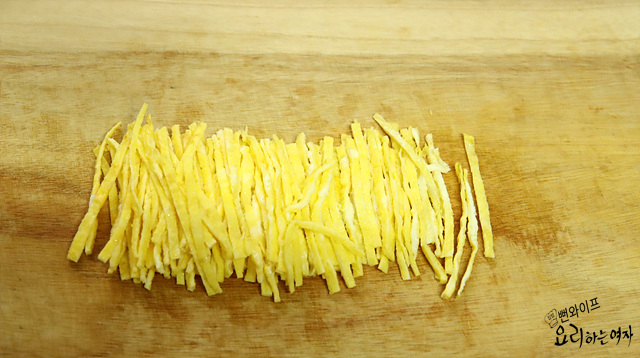
Fry the egg into a thin sheet (jidan) and finely slice it into strips.
Stir-fry the ingredients
Stir-fry the ingredients
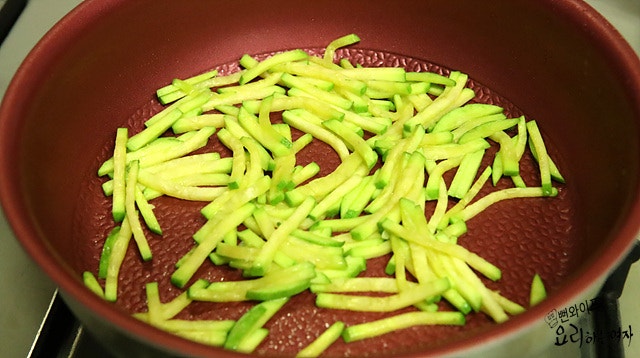
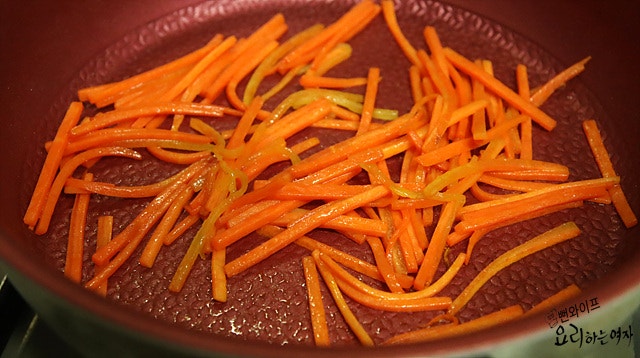
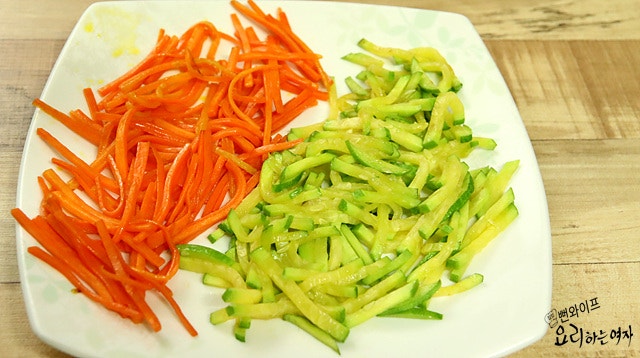
Heat oil in a preheated pan, add the Korean zucchini and carrot with just a tiny pinch of salt, and stir-fry them.
To preserve both the bright color and crisp texture, spread them out after stir-frying to let them cool.
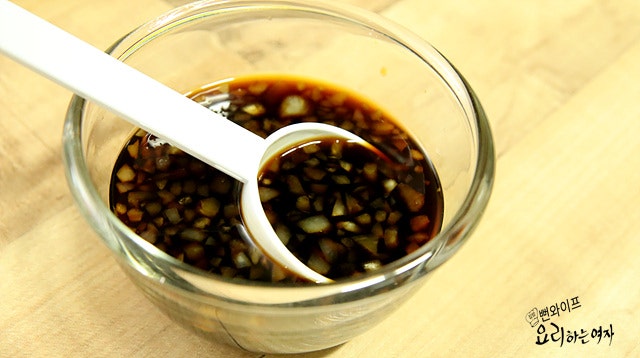
Combine all seasoning ingredients except for the toasted sesame oil and toasted sesame seeds.
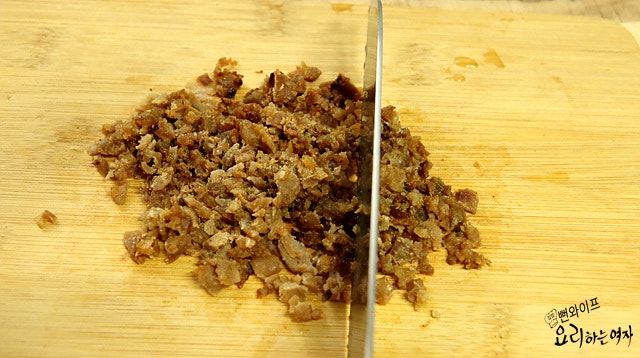
I had some leftover soy sauce pork bulgogi, so I finely minced it to use as a garnish. You can also warm up and mince store-bought frozen tteokgalbi or dumplings, or simply omit it.
Boil the noodles
Boil the noodles
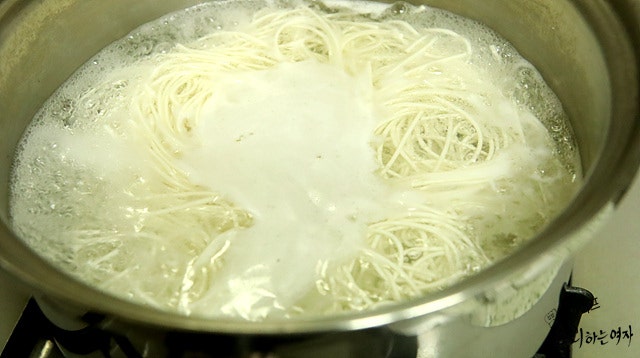
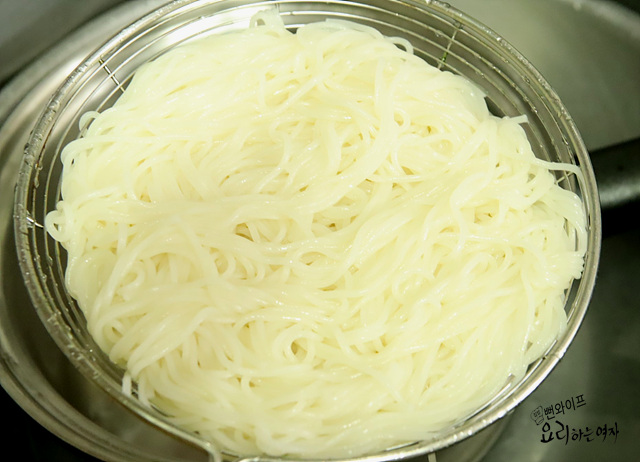
Boil the somyeon in rolling boiling water, then rinse quickly in cold water to make them springy.
Drain as much water as possible.
Season the noodles
Season the noodles
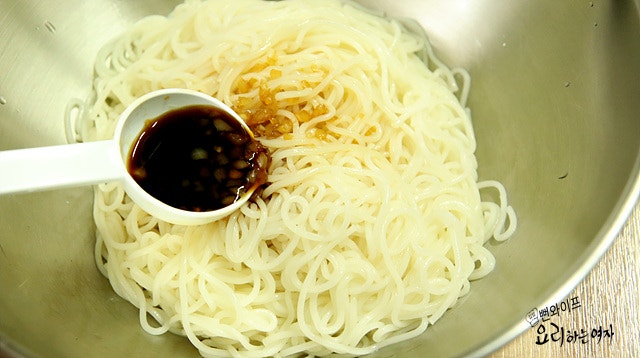
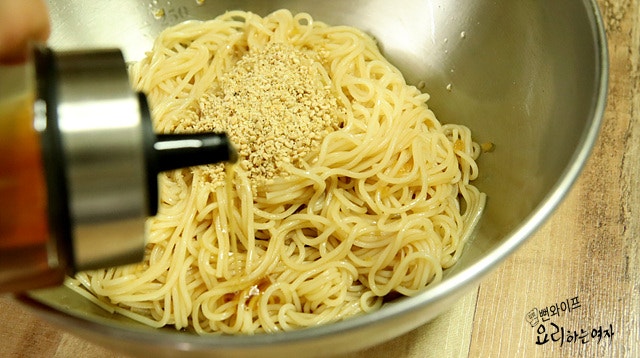
Place the noodles in a bowl, add the seasoning little by little, and toss. Taste and adjust the amount of seasoning.
If you like sweetness, try adding a bit more sugar as you toss.
Add the toasted sesame oil and toasted sesame seeds at the very end to bring out the nutty flavor.
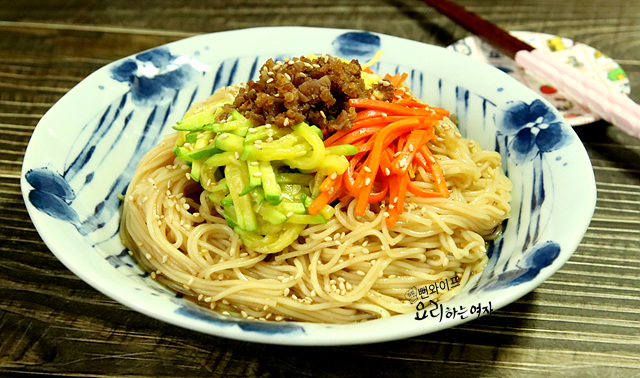
Top the noodles with a good amount of all the garnishes, and ganjang bibim guksu is complete.
It is not spicy or overpowering, making it great as a meal or snack for children and seniors.
 Ppunwife's tips
- To preserve both the bright color and crisp texture, spread them out after stir-frying to let them cool.
- Add the toasted sesame oil and toasted sesame seeds at the very end to bring out the nutty flavor.
FAQ
How can I substitute the meat garnish if I do not have any?
You can warm up and mince store-bought tteokgalbi or dumplings, or simply omit the meat. Alternatively, sautéing thinly sliced shiitake mushrooms brings great texture and flavor.
Can I add the sautéed vegetable garnishes straight into the noodles?
It is best to spread out the Korean zucchini and carrot right after stir-frying to let them cool, which preserves their vibrant color and crisp texture.
Is there anything to keep in mind when making the sauce?
Mix the sauce ingredients ahead of time without the toasted sesame oil and toasted sesame seeds. Adding those during the final toss keeps their nutty aroma fresh and pronounced.
Can I use medium-thick wheat noodles (jungmyeon) or buckwheat noodles instead of somyeon? AI-generated
Yes, you can substitute other noodles simply by adjusting the boiling time to match the thickness and type of noodle.