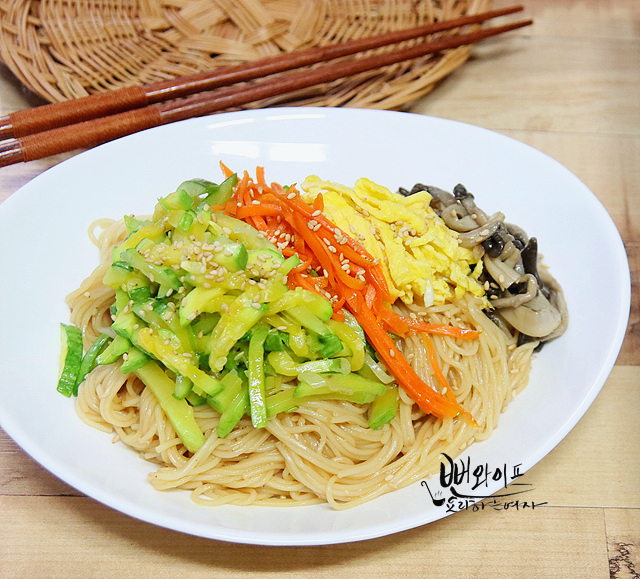
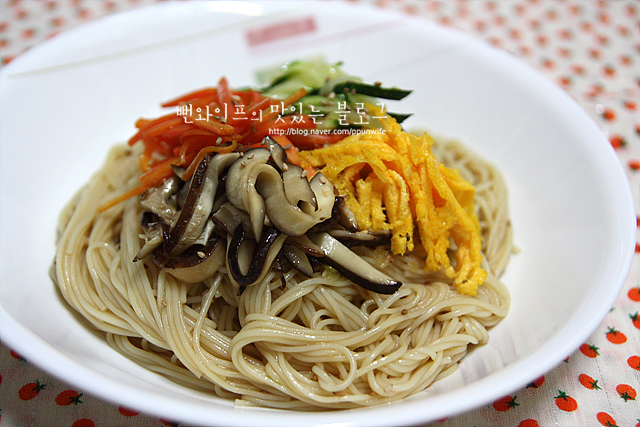
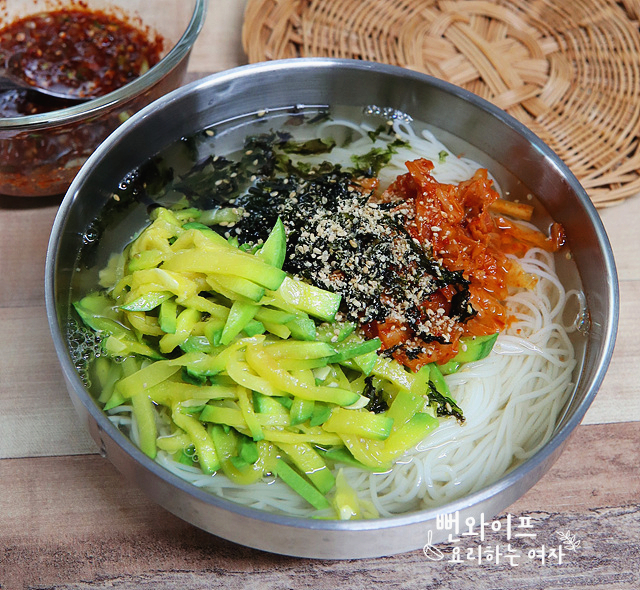
Aehobak Ganjang Guksu (Soy Sauce Noodles with Zucchini)
A one-bowl noodle dish tossed in a refreshing soy sauce dressing and topped with Korean zucchini stir-fried in green onion oil.
Translated from Korean by AI and not yet checked by a native speaker. Amounts and numbers are taken directly from the original recipe. Read the Korean original →
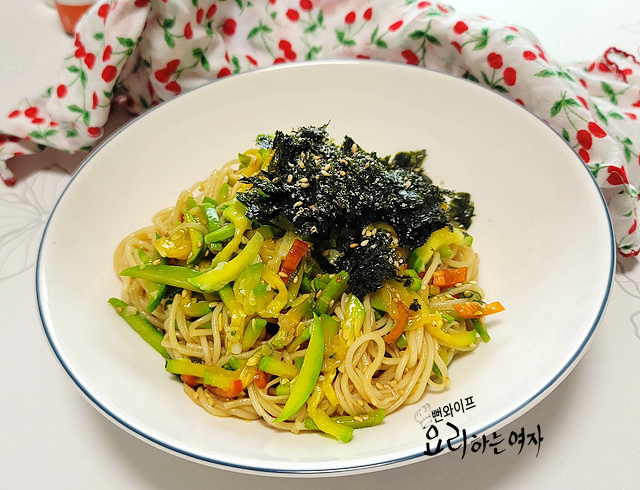
This cold mixed noodle dish pairs sweet Korean zucchini stir-fried with fragrant green onion oil and a sweet-and-tangy soy sauce dressing. Minced Cheongyang chili pepper cuts through any richness, making it an easy and delightful meal. Serve it with a warm soup for a thoroughly satisfying spread.
- Servings
- 2 servings
- Difficulty
- Medium
- Spiciness
- Mildly spicy
Ingredients
Ingredients
- Korean zucchini (aehobak)1
- Thin wheat noodles (somyeon)200 g
- Seaweed flakes or seasoned seaweed flakes (gim-jaban)
- Minced garlic1/2 tbsp
- Minced large green onion (daepa)3 tbsp
- Minced Cheongyang chili pepper (hot green chili)1
- Salt1/2 tbsp
Seasoning
- Regular soy sauce (jin-ganjang) (or brewed soy sauce (yangjo-ganjang))2 tbsp
- Tuna extract sauce (chamchi-aek)1 tbsp
- Sugar2 tbsp
- Lemon juice (or 2 tbsp apple cider vinegar)2 tbsp
- Toasted sesame oil1 tbsp
- Toasted sesame seeds1 tbsp
- Toss the julienned Korean zucchini with 1/2 tbsp of salt and let it sit for at least 10 minutes to draw out moisture.
Steps
Prepare the ingredients
The sauce and cooking process are super simple, so as long as you have a Korean zucchini on hand, you can whip this up in no time.
One Korean zucchini is plenty for 2 people, so make sure to give this delicious aehobak ganjang guksu a try.
Slice the ingredients
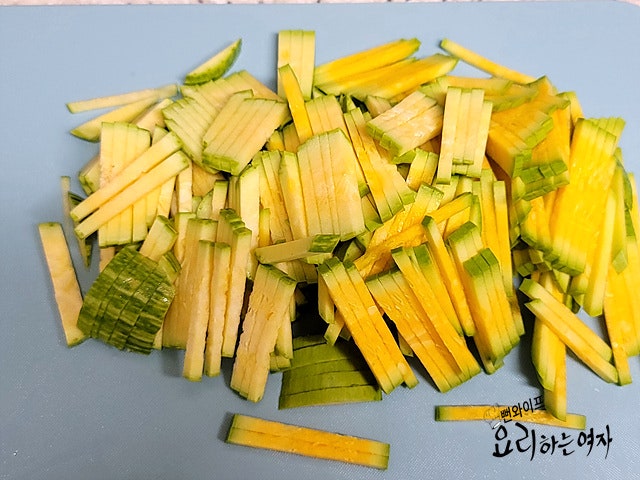
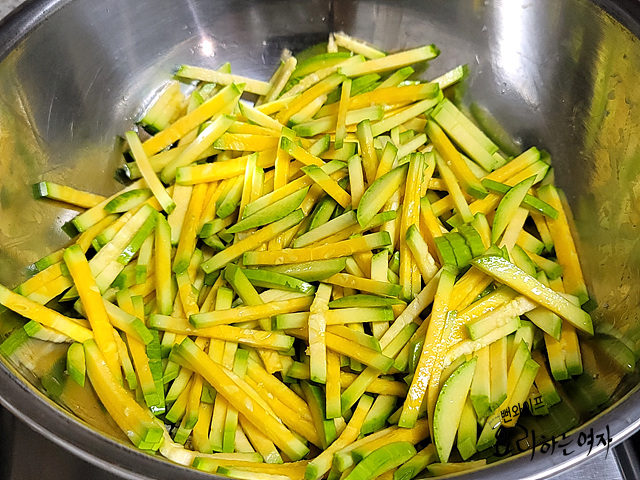
Julienne the Korean zucchini, making sure not to cut it too thin.
Because it will be salted and stir-fried, keeping it slightly thick helps preserve its crisp texture.
Toss the julienned zucchini with 1/2 tbsp of salt and let it sit for at least 10 minutes.
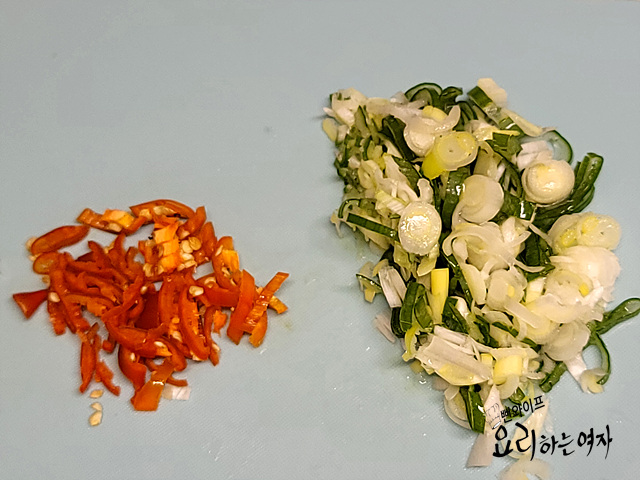
Finely mince 1 Cheongyang chili pepper, and finely chop enough large green onion to make about 3 tbsp for the scallion oil.
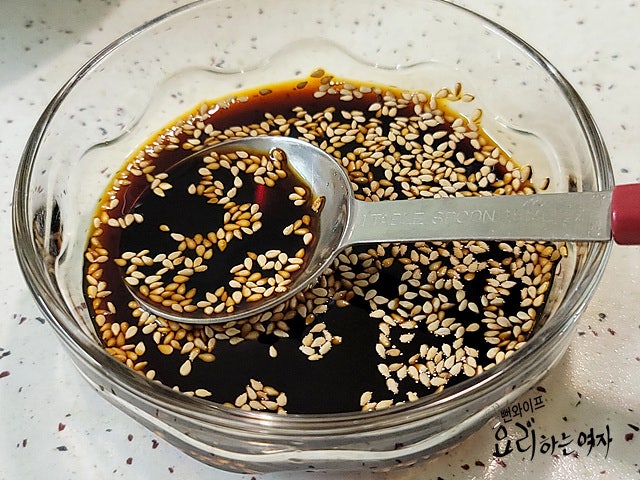
Combine all the sauce ingredients and stir until the sugar dissolves.
Salt the Korean zucchini
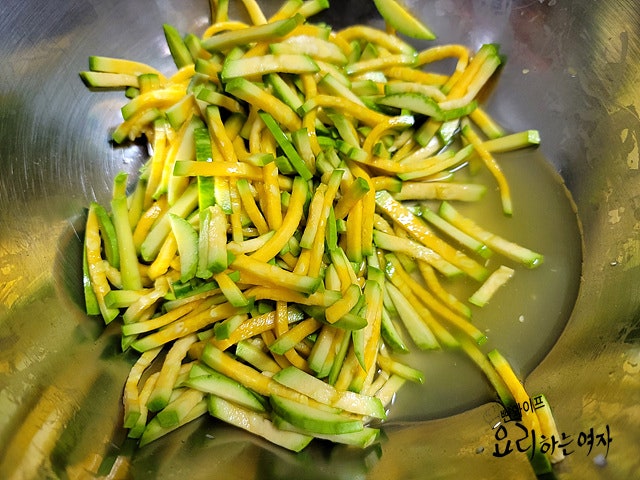
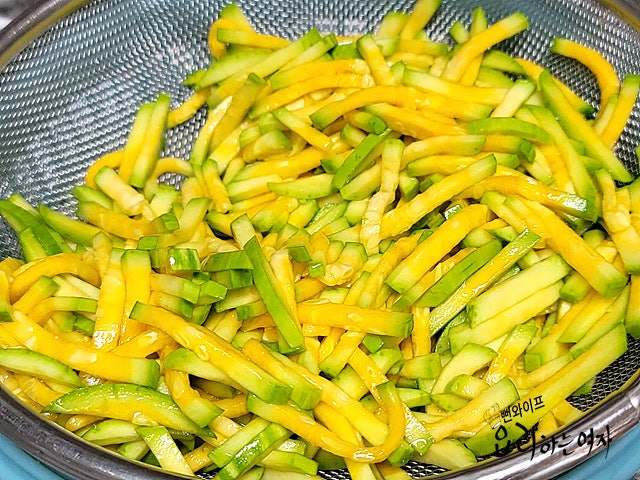
After at least 10 minutes, the Korean zucchini will soften and draw out quite a bit of moisture.
Drain it in a sieve, or gently squeeze out the liquid with your hands so you don't crush the pieces.
Stir-fry the Korean zucchini
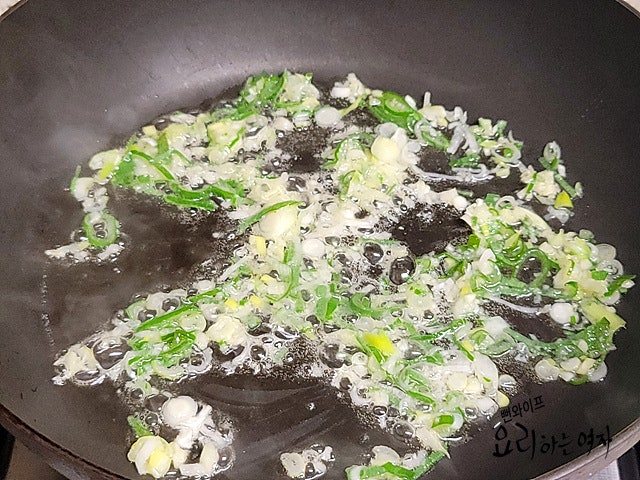
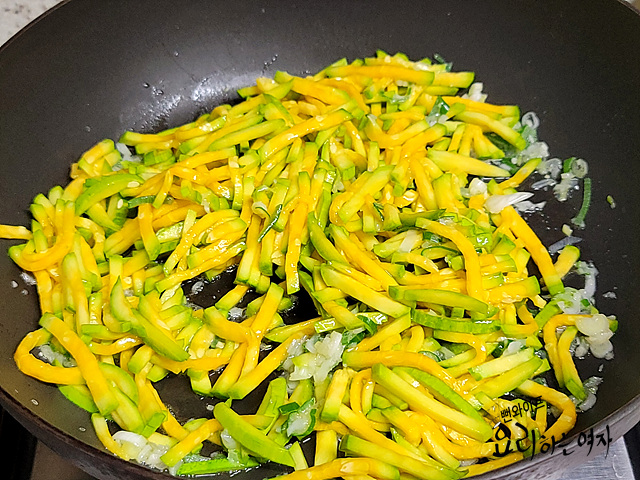
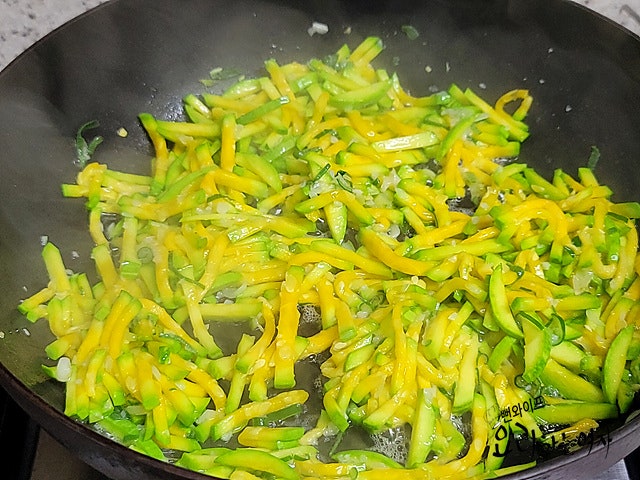
Heat a little oil in a pan, add 3 tbsp of minced green onion and 1/2 tbsp of minced garlic, and stir-fry until fragrant. Then add the Korean zucchini and stir-fry.
Cook for 1 to 2 minutes so it retains its crisp bite.
Since this is for mixed noodles, transfer it to a separate plate to cool so it does not wilt further from the residual heat.
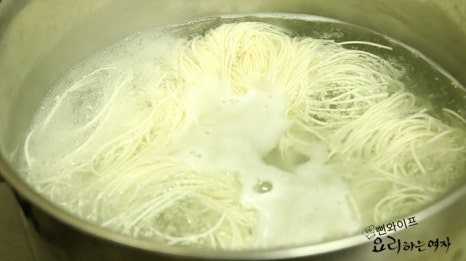
Boil the thin wheat noodles
Boil the thin wheat noodles according to the package instructions.
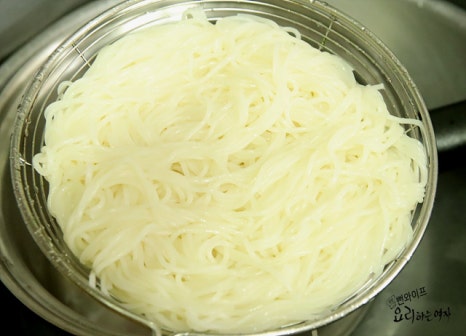
Cook in rolling boiling water for 3 minutes 30 seconds, rinse in cold water, and drain well in a colander.
Toss with the sauce
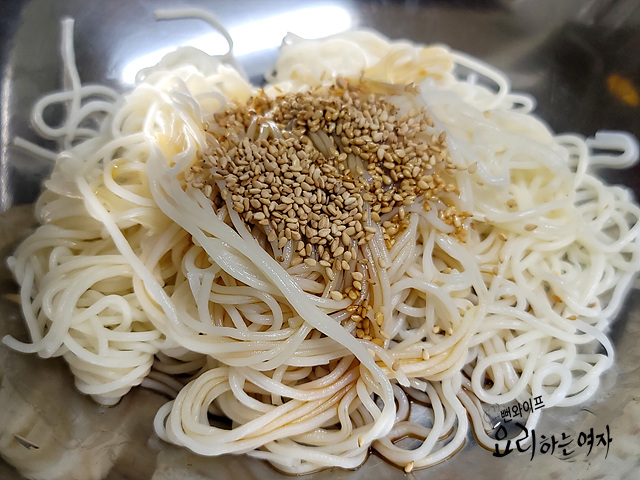
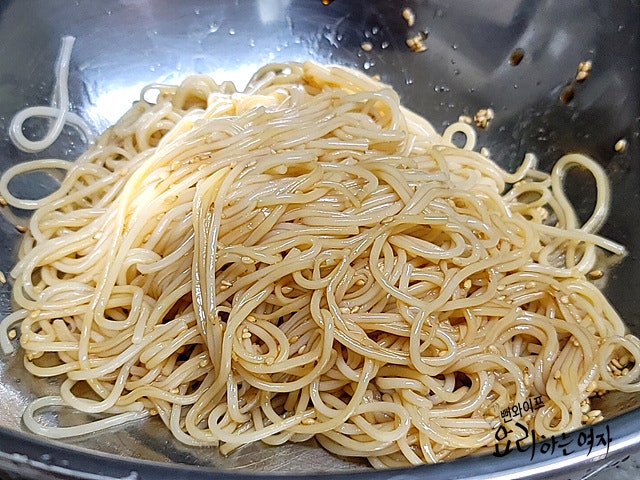
Pour the sauce over the noodles and mix thoroughly. Taste and adjust with more soy sauce or sugar if needed, then finish by adding the Korean zucchini and Cheongyang chili pepper.
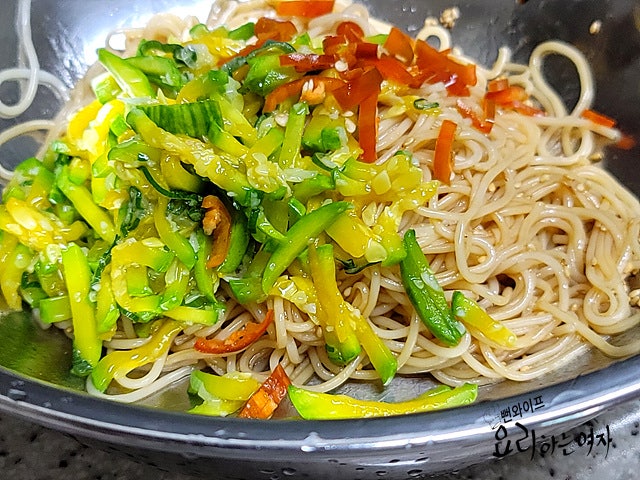
Finish the dish
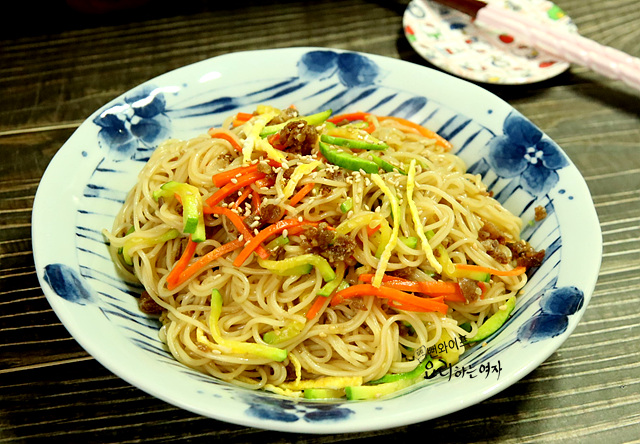
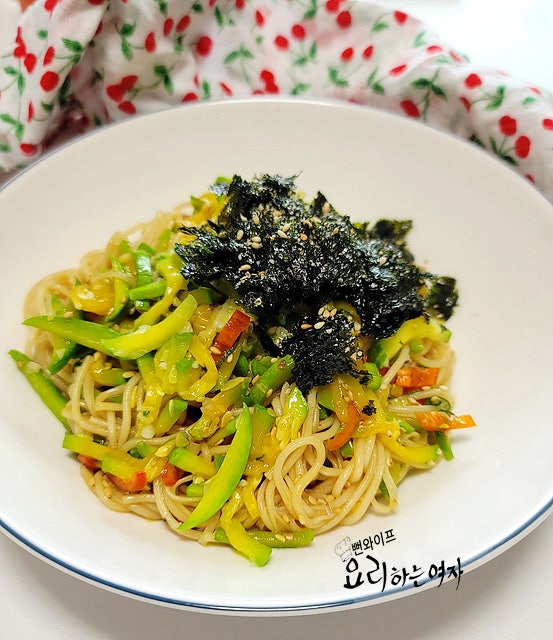
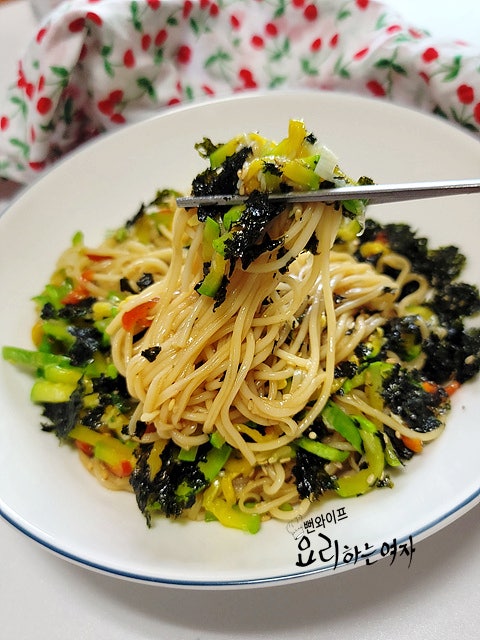
Transfer to a bowl and top with seaweed flakes or seasoned seaweed flakes to complete this Yum Jung-ah style aehobak ganjang guksu.
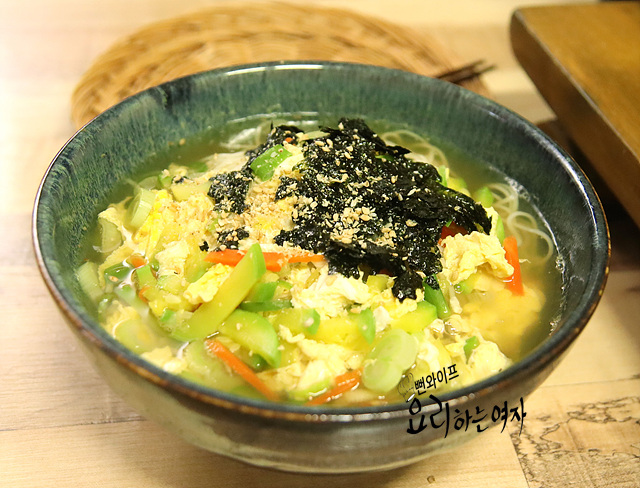
Pair it with a warm egg drop soup or fish cake soup for a truly satisfying meal.
 Ppunwife's tips
- Because it will be salted and stir-fried, keeping it slightly thick helps preserve its crisp texture.
- Since this is for mixed noodles, transfer it to a separate plate to cool so it does not wilt further from the residual heat.
FAQ
Why do you salt the Korean zucchini before stir-frying it?
Salting it first to draw out moisture keeps the Korean zucchini much crisper when stir-fried.
Why do you transfer the stir-fried Korean zucchini to a separate plate?
Spreading it onto another plate prevents the residual heat in the pan from making the zucchini soft and limp.
Can I use apple cider vinegar instead of lemon juice?
If you don't have lemon juice, you can substitute an equal amount of 2 tbsp apple cider vinegar.