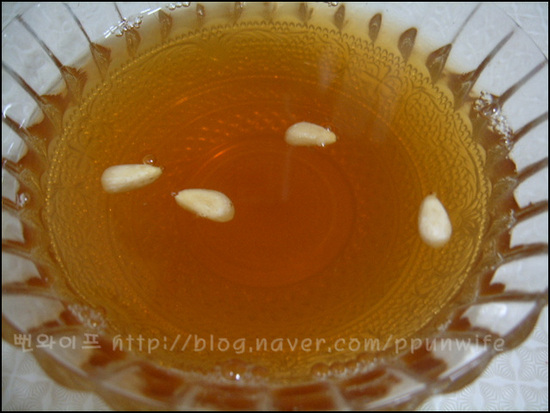
Homemade Saenggang Cheong (Ginger Syrup)
A homemade syrup made by letting fresh ginger juice settle, then gently simmering it with sugar until thickened.
Translated from Korean by AI and not yet checked by a native speaker. Amounts and numbers are taken directly from the original recipe. Read the Korean original →
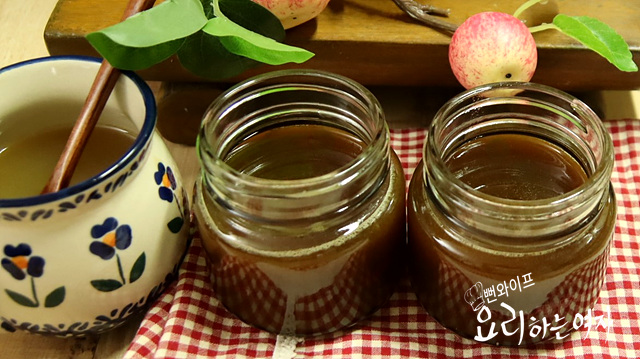
Finely blend seasonal fresh ginger, strain its juice, and simmer it with sugar to the right consistency. Letting the starch settle out leaves a clean, clear ginger juice that is wonderful for warm ginger tea or lattes during the colder months.
- Servings
- about 10–12 servings
- Difficulty
- Medium
- Spiciness
- Mildly spicy
Ingredients
- Fresh ginger1 kg
- Brown sugar3 cups
- Let the ginger juice sit undisturbed for at least 30 minutes to settle the starch, then discard the starch.
- For ginger syrup that simmers for a long time, the right consistency is what matters, so you do not need to worry too much about the exact amount of sugar. Adding more sugar shortens the simmering time, while using less lengthens it.
Steps
Prepare the ingredients
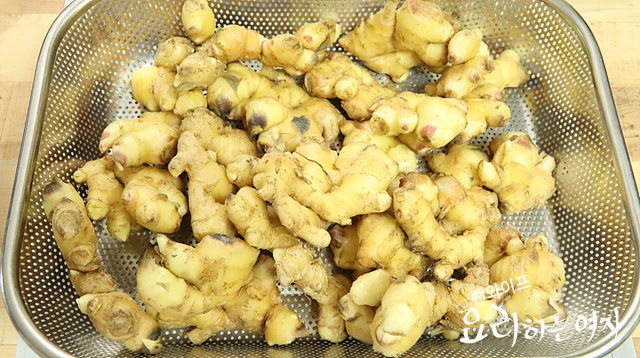
Prepare 1 kg of fresh ginger.
Clean and prep the ginger
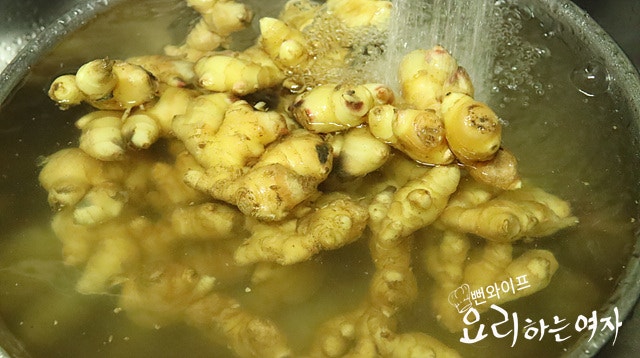
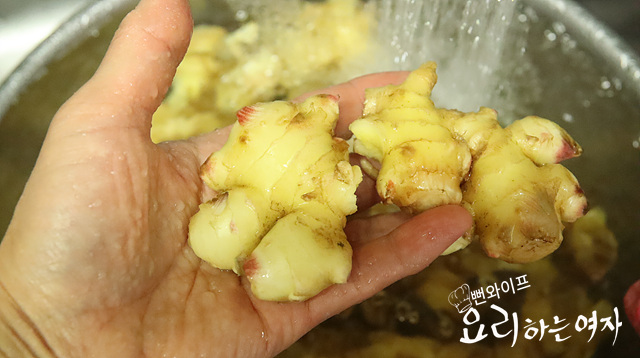
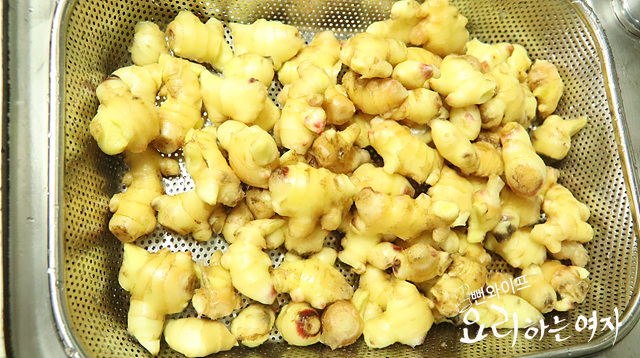
Soak the ginger in water so the clinging soil loosens.
Snap apart the ginger knobs as you wash thoroughly, rinsing away any dirt trapped in the crevices.
You will need to peel it, so lightly pat off any excess water.
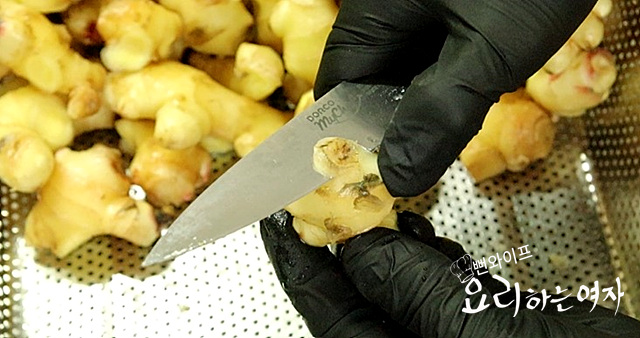
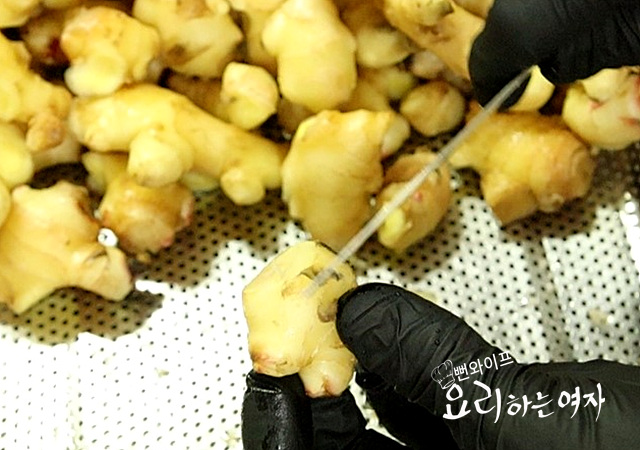
The ginger sprouts at the tips are easy to spot because their color differs from the yellow flesh inside. Cut those off and scrape away the skin with a knife.
The skin is thin, so it peels easily without much effort.
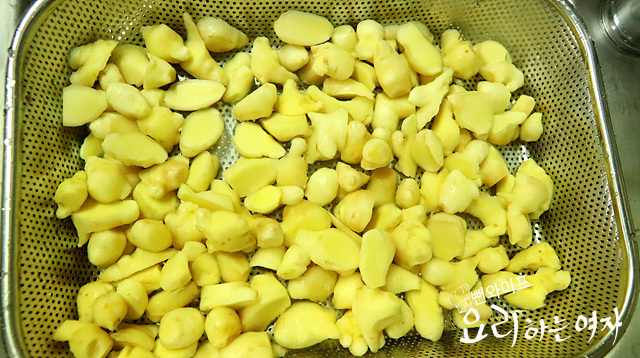
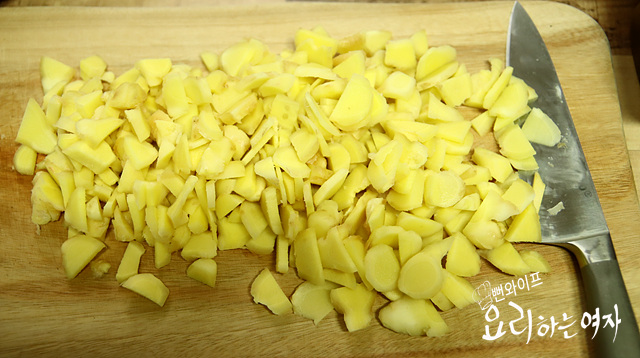
Once peeled, rinse the ginger one more time and chop it into small pieces so it blends easily.
Extract the ginger juice
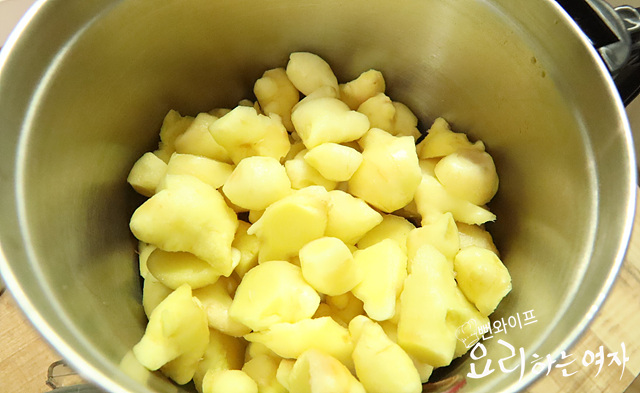
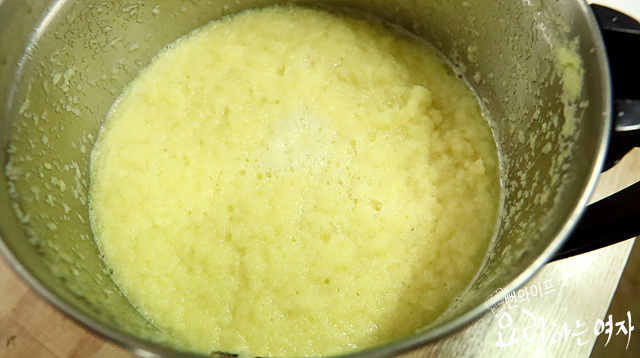
If you are not adding other fruit, add a little water and blend finely so the blades catch.
I added 1 cup of water and blended it.
Adding too much water means simmering for a long time to get pure ginger syrup, so blend with as little water as possible.
Another method is to blend a small amount of ginger first, then use that extracted juice to blend the rest in batches.
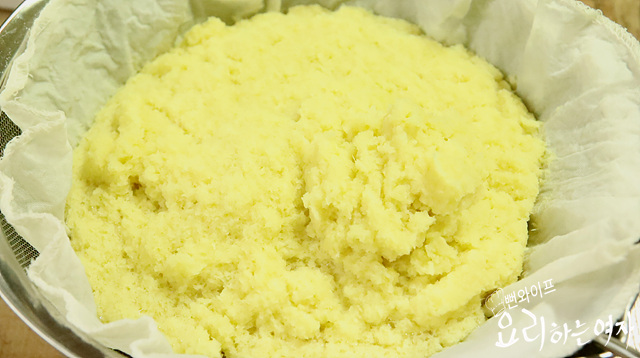
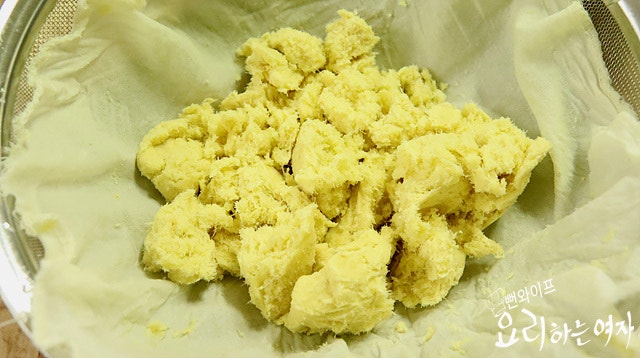
Transfer to a cotton cloth bag, let some juice drain out, and then twist firmly to squeeze out every drop.
Cover the leftover ginger pulp with cheongju (Korean rice wine), Chungha, or soju, store it in the refrigerator, and use it for braised meat or braised fish.
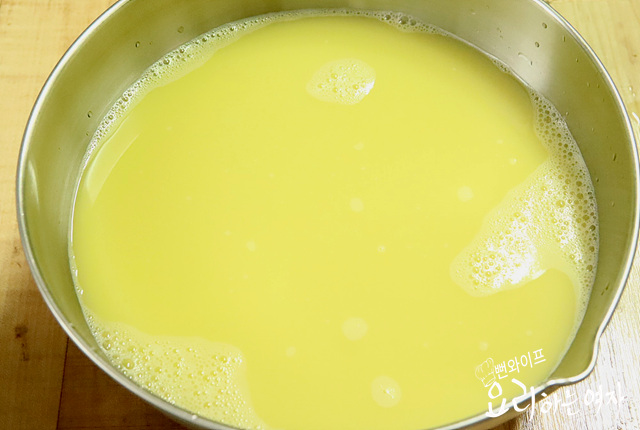
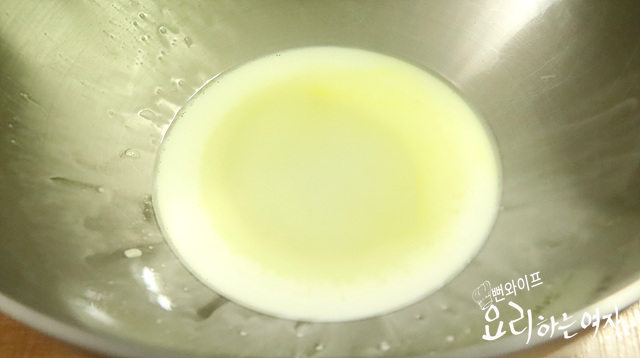
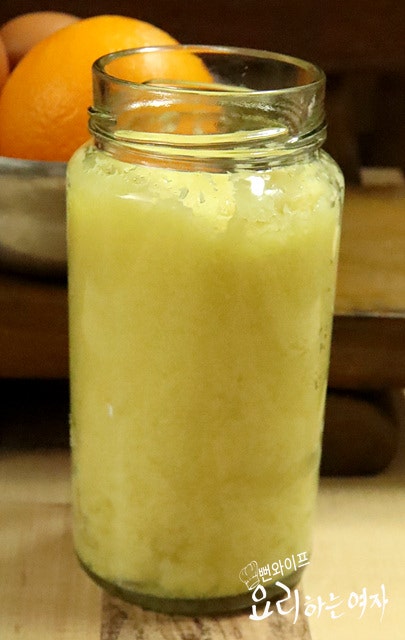
Let the ginger juice sit undisturbed for at least 30 minutes to settle the starch, then discard the starch.
I ended up with 6 cups of liquid, which equals 5 cups of pure ginger juice after subtracting the 1 cup of water added for blending.
Simmer
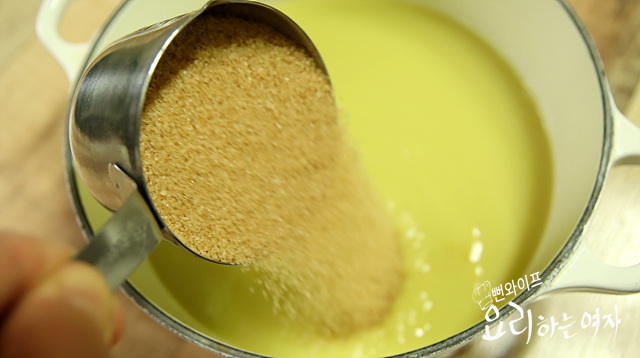
I added the ginger juice and a generous 3 cup (600 g) of sugar.
Usually, for green plum syrup (maesil-cheong) or uncooked ginger syrup, sugar is added in an equal 1:1 ratio to improve shelf life, but for ginger syrup that is simmered for a long time, the right consistency is what matters, so you do not need to worry too much about the sugar amount.
If you add more sugar, the simmering time will be shorter, and if you add less, the time will be longer.
Add the ginger juice and sugar to a pot and stir first so the sugar dissolves.
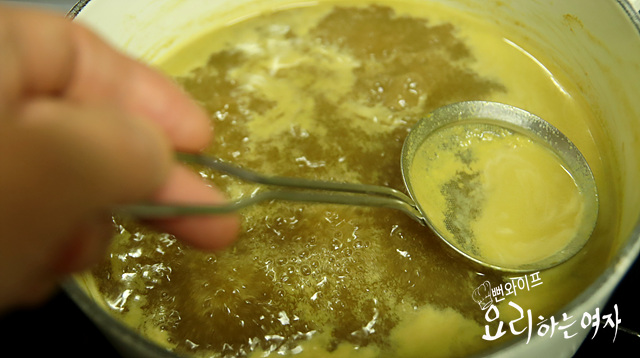
Once it comes to a rolling boil, a lot of foam will start to form and it may boil over, so reduce the heat to medium-low.
As it simmers gently and the foam stabilizes, skim it off cleanly.
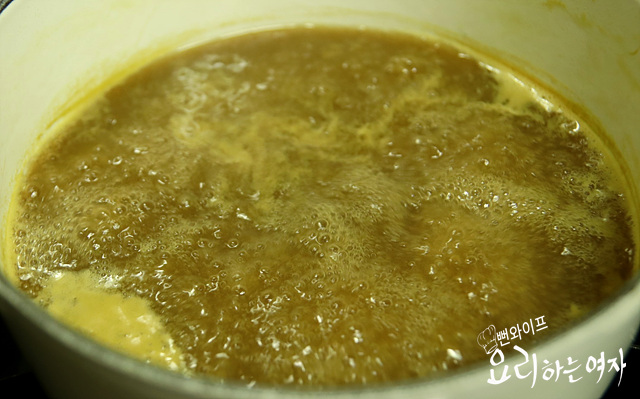
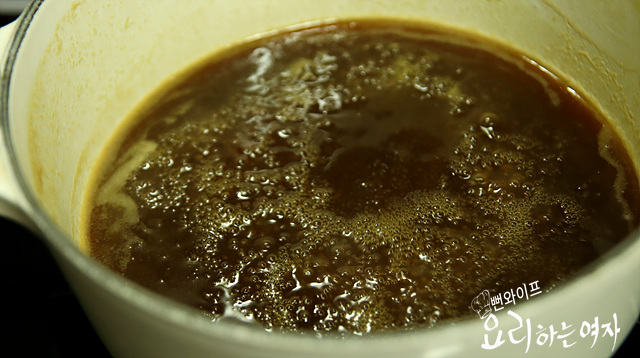
At first it is as thin as water, so just stir occasionally while watching that it does not boil over.
After simmering for more than 20 minutes, the volume will reduce by about 1/3 and the color will deepen.
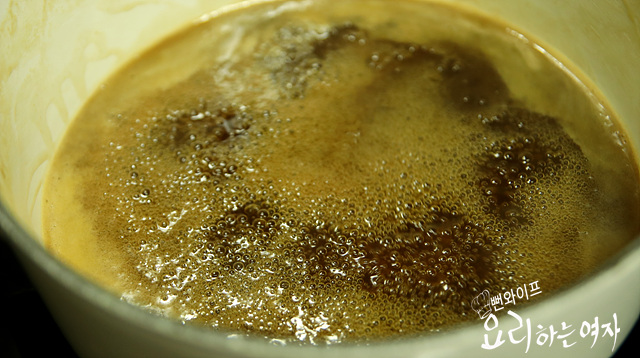
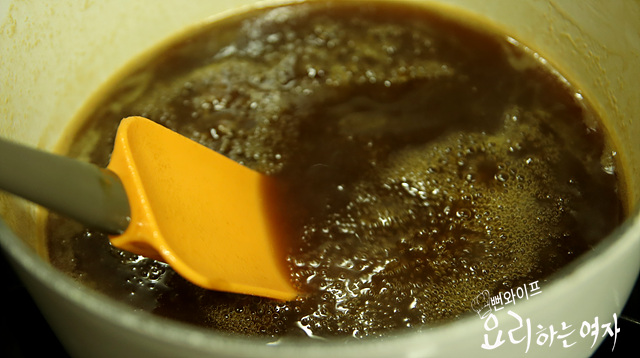
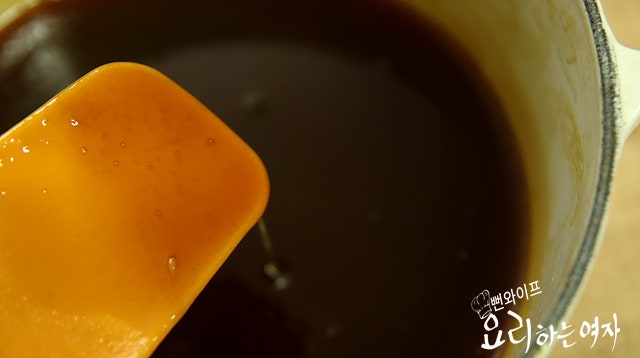
When the bubbles become smaller and the syrup develops a glossy sheen and thickness, stir frequently so the bottom does not scorch.
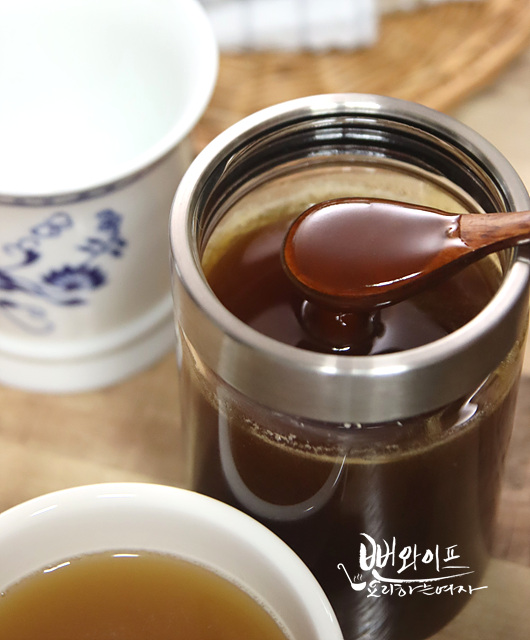
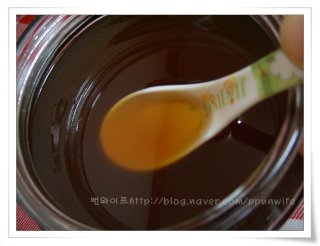
Finish simmering when a dropped spoonful flows with the consistency of toasted sesame oil.
Once cooled and placed in the refrigerator, it will thicken to the consistency of corn syrup (mulyeot).
Finish
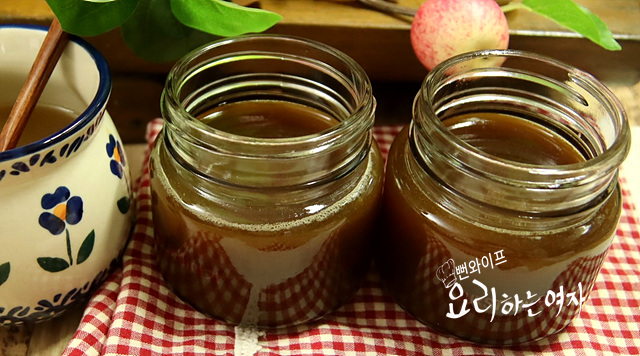
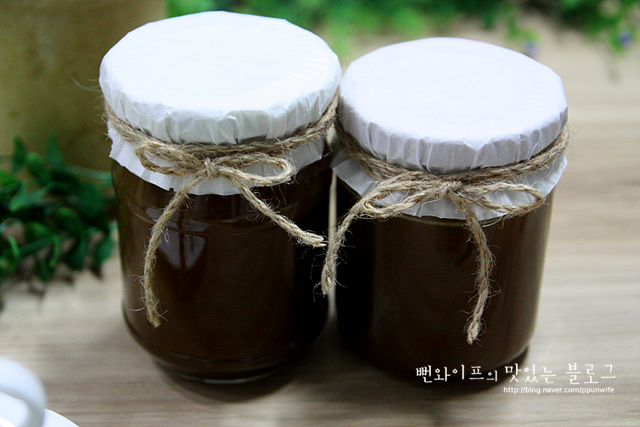
The color and thickness turned out just right.
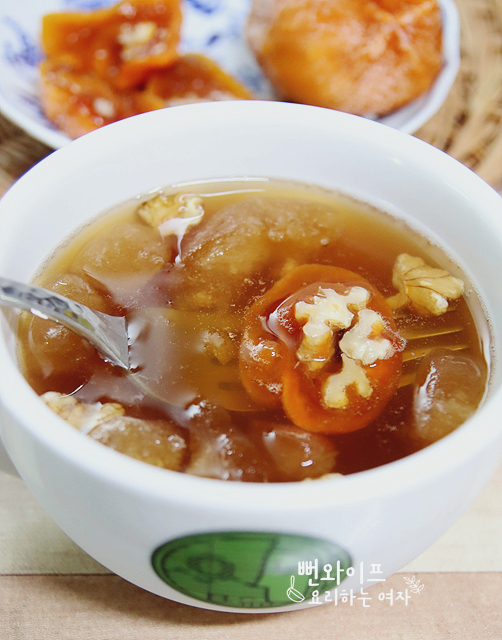
Make a big batch, keep it stocked in the refrigerator, and mix it with hot water whenever you like—your home becomes a cozy café.
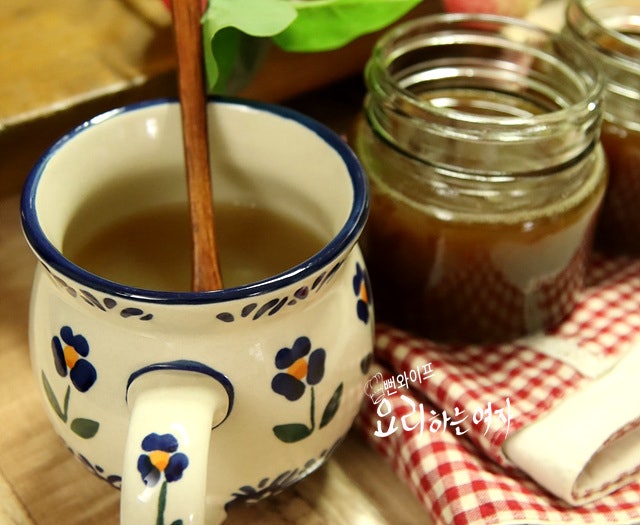
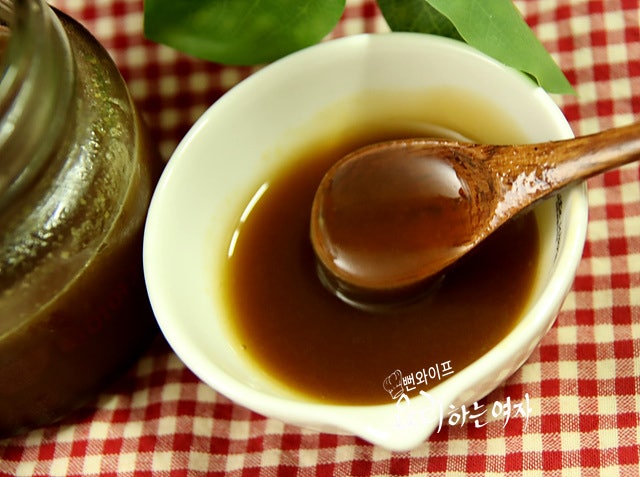
It is great stirred into milk for a latte, and wonderful added to sweet braised meat dishes as well.
Fresh ginger season is when the skin is soft, so prep plenty now to use for the upcoming gimjang season and to enjoy as homemade ginger syrup.
 Ppunwife's tips
- Adding too much water means simmering for a long time to get pure ginger syrup, so blend with as little water as possible.
- Another method is to blend a small amount of ginger first, then use that extracted juice to blend the rest in batches.
- Cover the leftover ginger pulp with cheongju (Korean rice wine), Chungha, or soju, store it in the refrigerator, and use it for braised meat or braised fish.
- Once it comes to a rolling boil, lots of bubbles will form and it may boil over, so reduce the heat to medium-low.
- Finish simmering when a dropped spoonful flows with the consistency of toasted sesame oil. Once cooled and placed in the refrigerator, it will thicken to the consistency of corn syrup (mulyeot).
FAQ
How can I use the leftover ginger pulp after blending?
Submerge it in alcohol such as cheongju or soju and store it in the refrigerator; you can use it to eliminate gamey or fishy odors in braised meat and fish dishes.
How should I manage the heat and check the final consistency when simmering ginger syrup?
Once it comes to a rolling boil, lower the heat to medium-low to prevent boiling over, and turn off the heat when a dropped spoonful flows like toasted sesame oil. Once chilled, it will thicken like corn syrup.
How can I use the finished ginger syrup besides making tea?
Beyond mixing it with hot water for ginger tea, you can stir it into milk for a ginger latte, or add it to braised meat dishes that call for sweetness.
Why do you settle out the starch after extracting the ginger juice?
If the starch remains, the syrup can turn cloudy or easily scorch at the bottom of the pot while simmering, so let it sit undisturbed for at least 30 minutes to settle out the starch, then simmer only the clear juice.