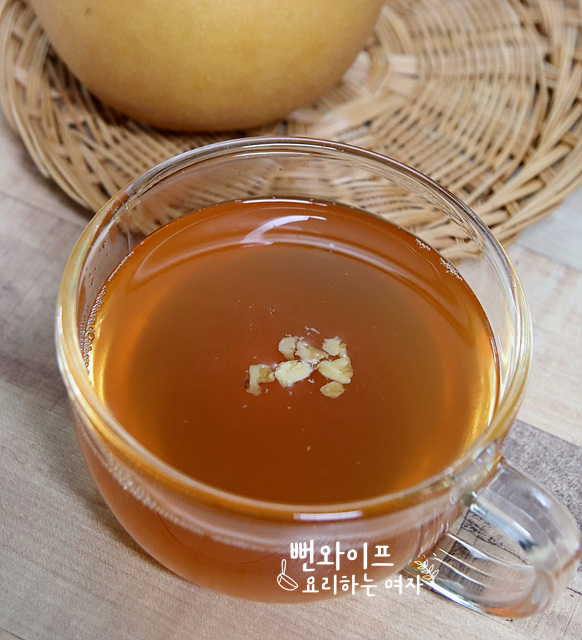
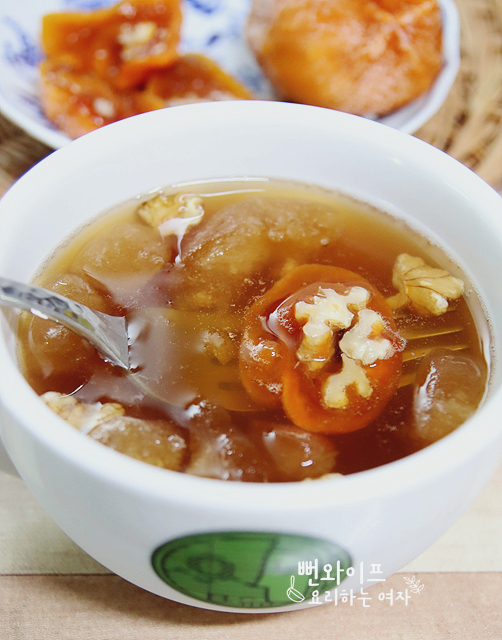
Clear and Rich Saenggang Cheong (Ginger Syrup)
A homemade ginger syrup simmered clear and rich without grittiness by letting the starch settle out of the ginger and Korean pear juice.
Translated from Korean by AI and not yet checked by a native speaker. Amounts and numbers are taken directly from the original recipe. Read the Korean original →
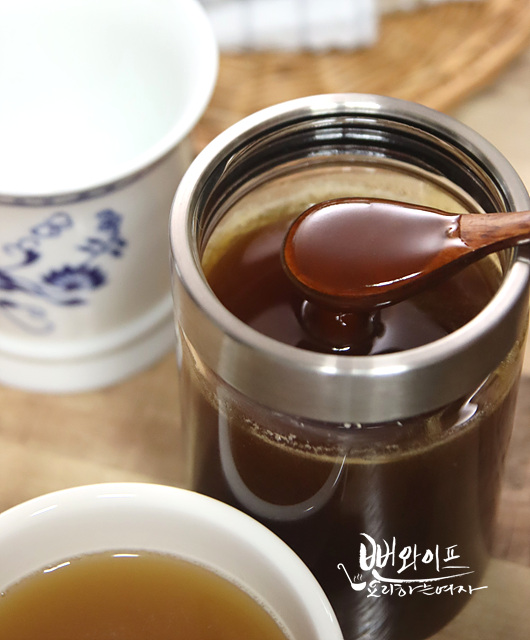
This homemade syrup is made by blending Korean pear and ginger together to extract their juice, then letting the starch settle for a clean, non-gritty flavor. Simmered slowly for about 80 minutes, it lets you enjoy both subtle sweetness and sharp, pungent ginger notes.
- Servings
- about 10–12 servings
- Cook time
- 80 minprep not included
- Difficulty
- Medium
- Spiciness
- Mildly spicy
Ingredients
- Ginger1 kg
- Korean pear1, 500 g
- Sugar3 cups (450 g)
- If you leave the ginger juice undisturbed for about 1 hour, the starch will settle to the bottom.
Steps
Prepare the ingredients
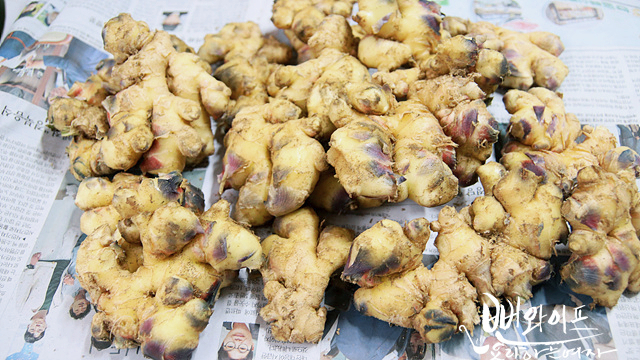
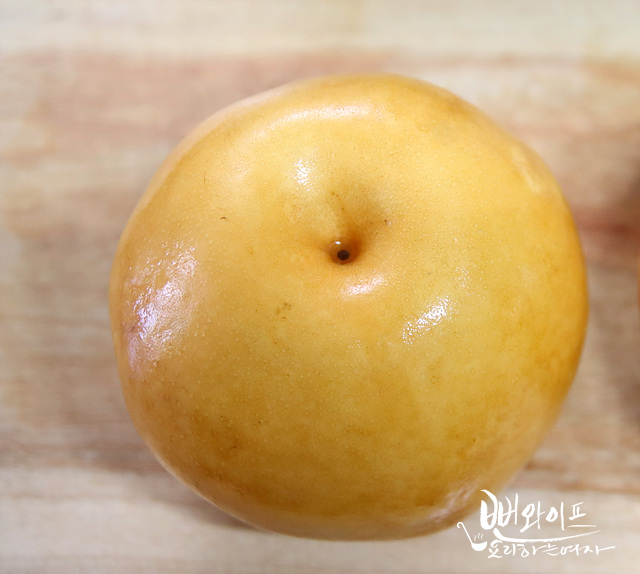
This is freshly harvested ginger. The Korean pear is also 1 medium, 500g.
The ginger is about 1100g.
Prepare the ginger
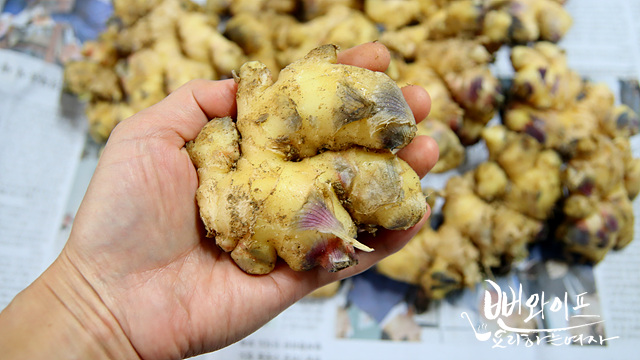
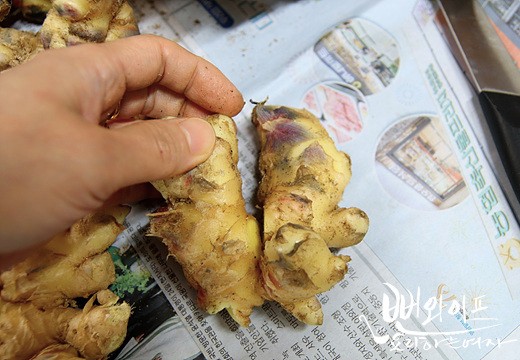
Separate the ginger by hand or with a knife.
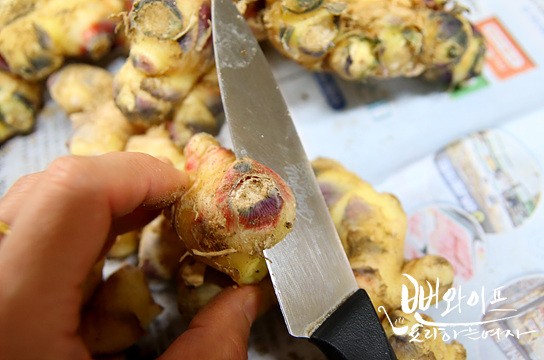
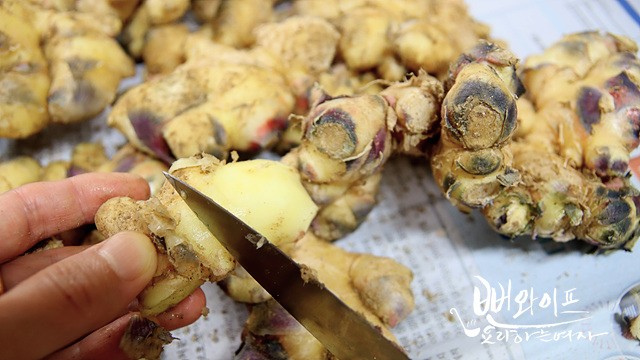
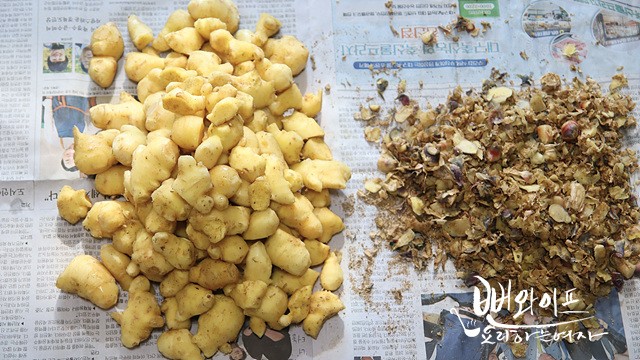
You can wash it once in water before cleaning it, but since it is relatively clean, I just work on it as is.
Cut off the sprout tips at the ends. The body has thin skin, so gently scraping it with the back of a knife makes it peel easily.
After trimming like this, you will have 1kg of ginger.
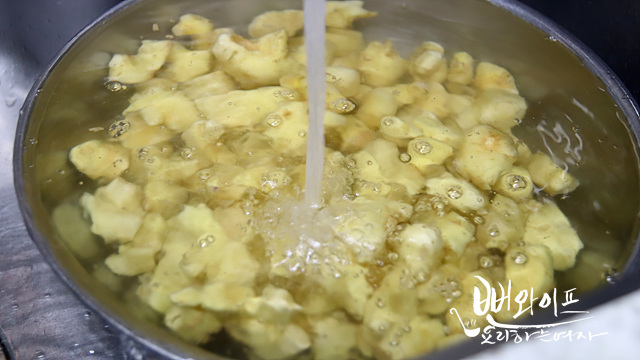
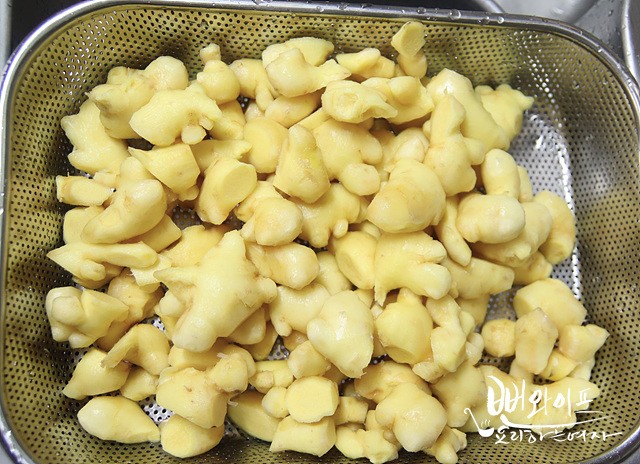
Rinse several times in water and drain in a strainer to remove excess moisture.
Extract the ginger juice
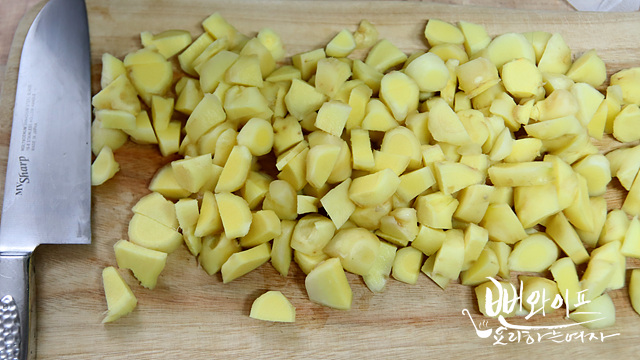
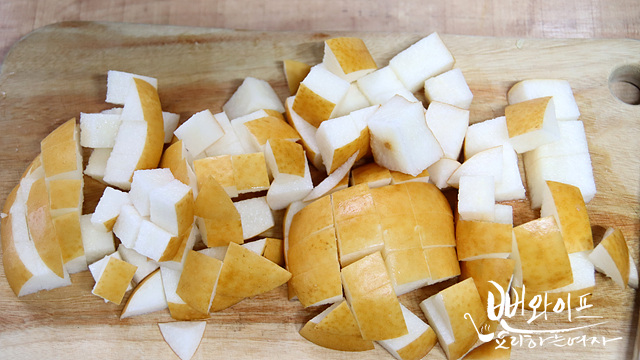
I cut the ginger and Korean pear into small pieces so they blend easily in a blender.
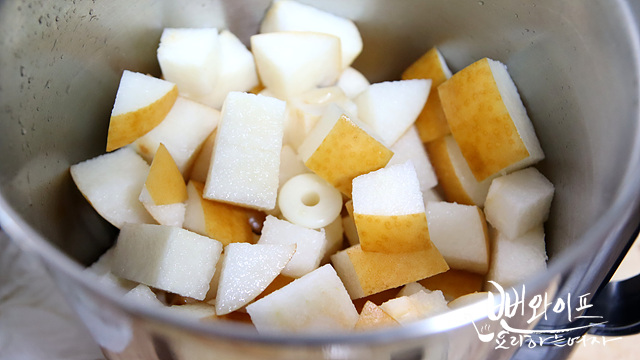
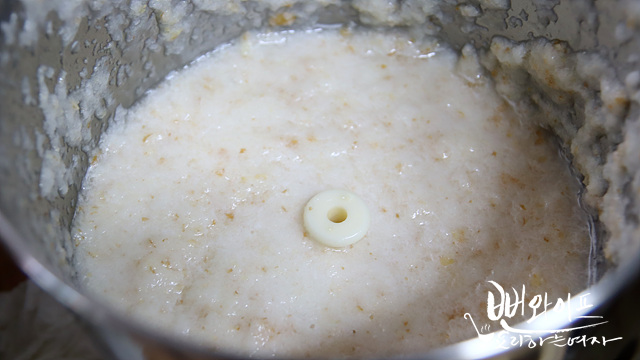
In the past, I used to blend the ginger with 1 cup of water without any pear.
Today, I blend 1 pear first, and then...
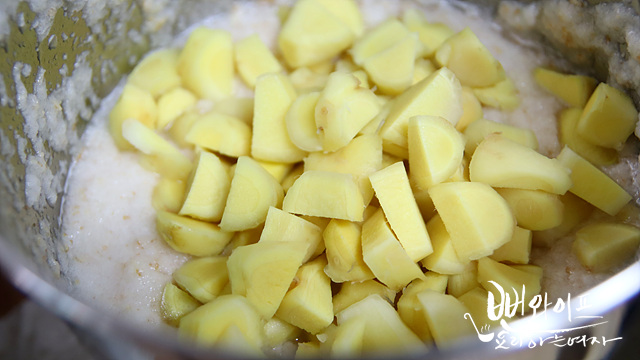
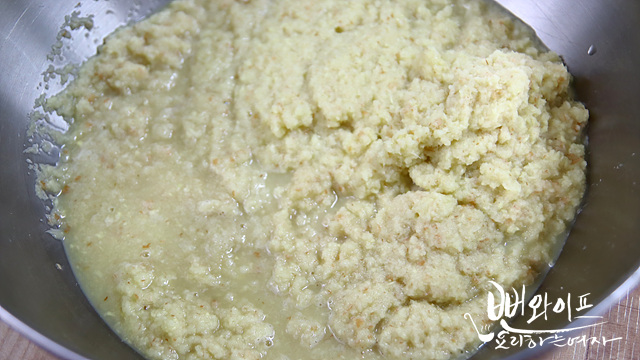
Add the ginger as well and blend; it will grind smoothly without any trouble.
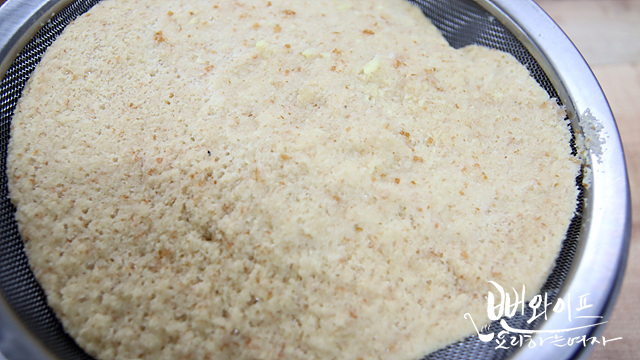
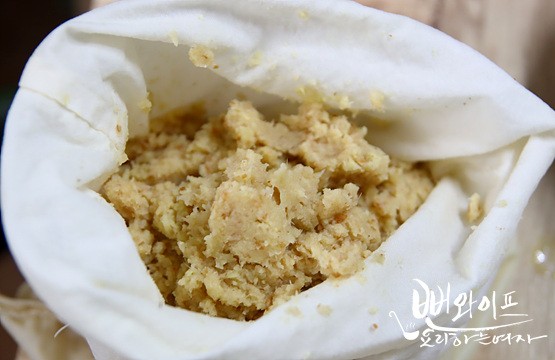
Set it in a strainer until some ginger juice drains out, then transfer the pulp to a cotton cloth and squeeze firmly to extract the remaining ginger juice.
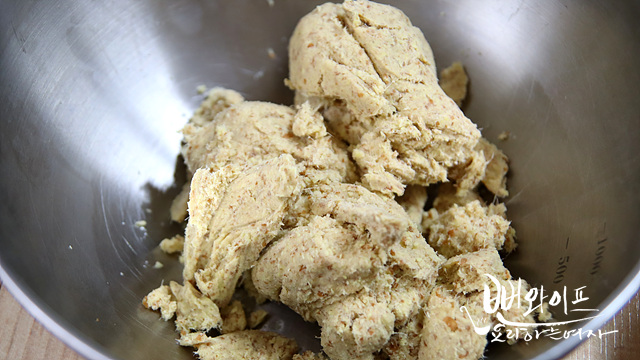
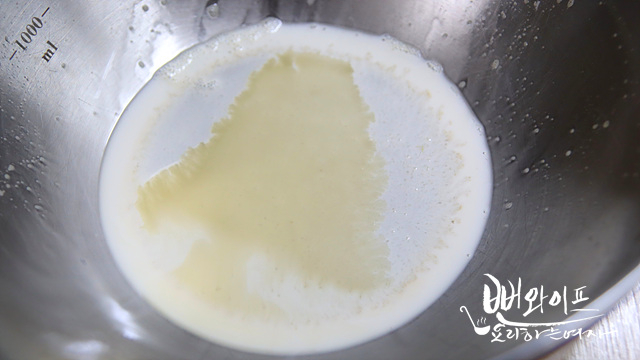
You can take the leftover ginger pulp, pour just enough soju to barely cover it, and use it in meat or fish dishes.
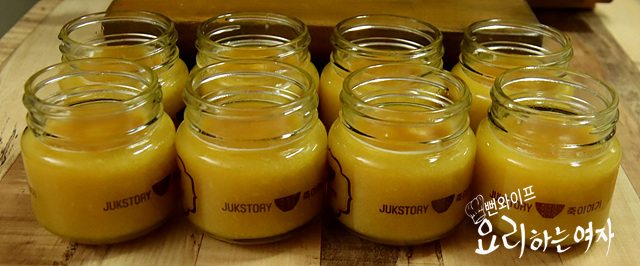
If you leave the ginger juice undisturbed for about 1 hour, the starch will settle to the bottom.
When making ginger syrup, if the starch gets in, the color turns cloudy and the taste becomes gritty, but if you let it settle like this, you can enjoy a clean ginger syrup.
Simmer down
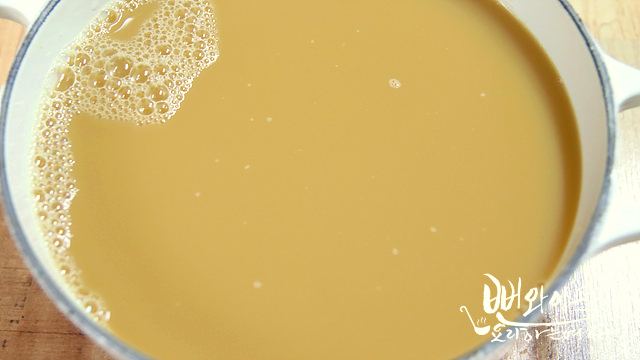
The extracted ginger juice comes out to 7 cups.
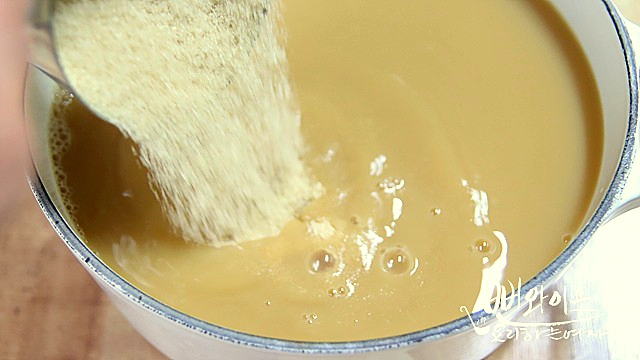
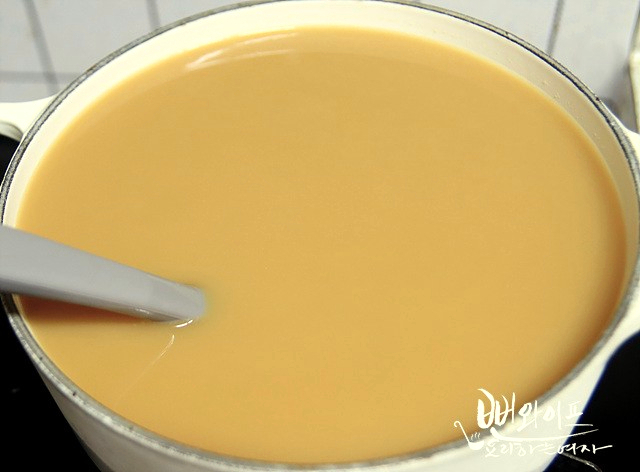
Now pour in 3 cups of sugar and set it over the heat, stirring well so the sugar dissolves completely.
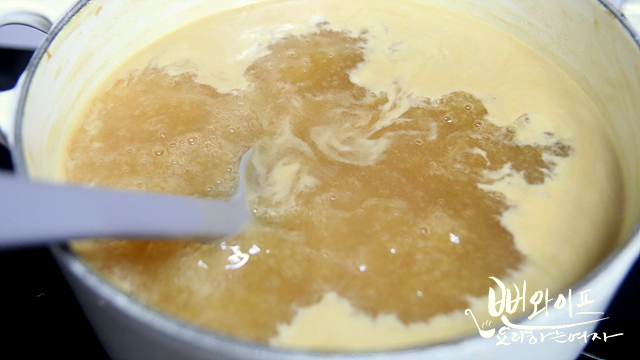
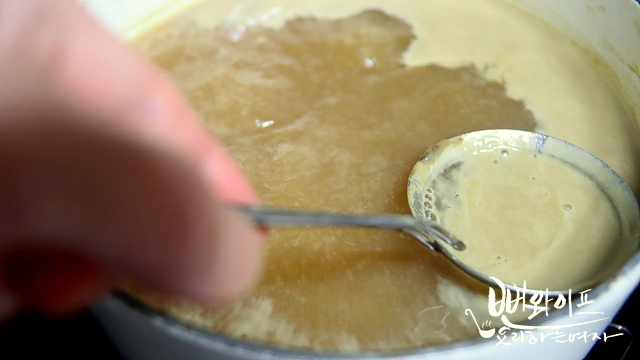
Once it begins to boil, it may froth up and boil over, so lower the heat to low, skim off the foam, and simmer it down.
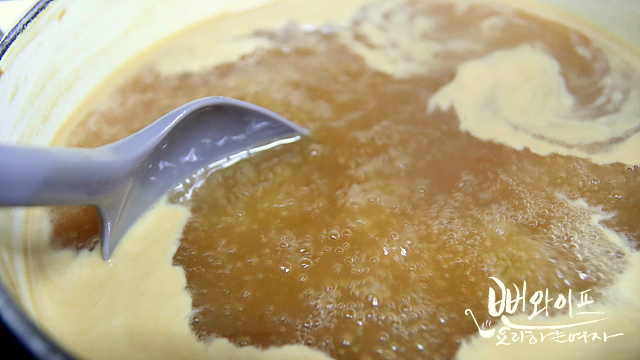
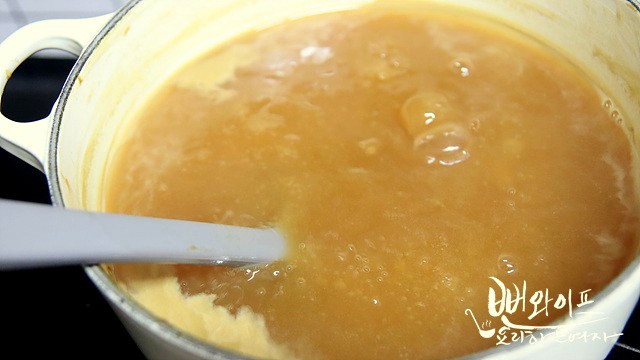
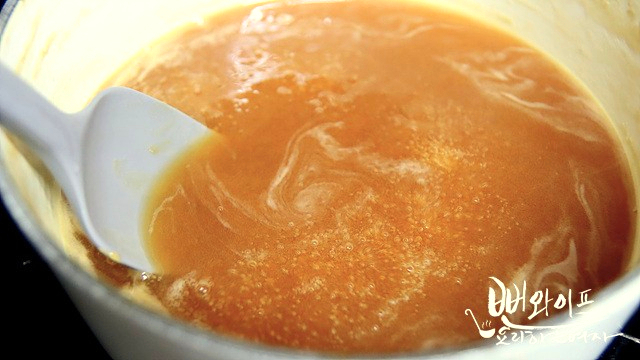
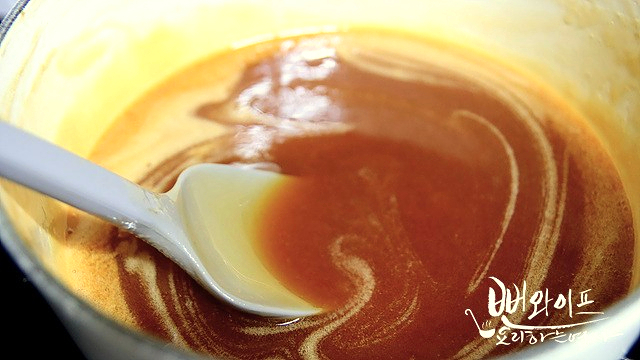
From here on, it is a test of patience.
With a mindset of practicing meditation, stir occasionally so the bottom does not scorch and skim off foam as you simmer; the volume will reduce and the color will deepen.
It will also start to develop a slight thickness.
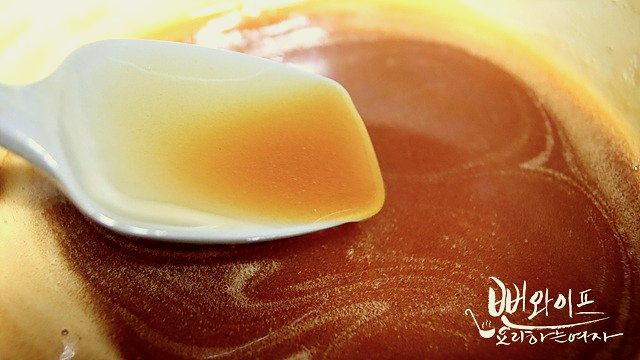
Because the Korean pear has a lot of moisture, simmering took about 1 hour 20 minutes.
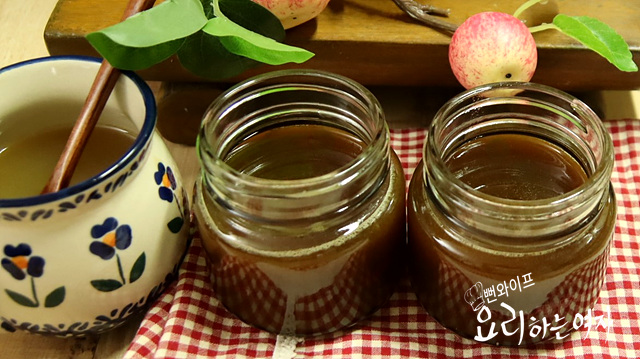
The color and thickness look just like toasted sesame oil.
If you aim for a slightly loose consistency like toasted sesame oil, it turns out just right like honey once fully cooled the next day.
Finish
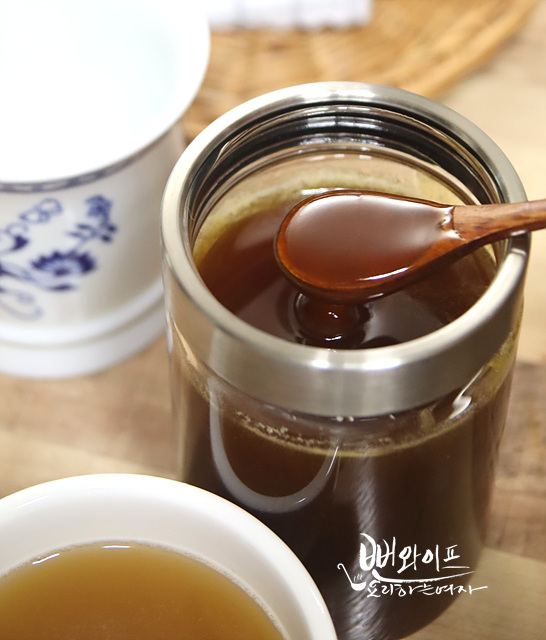
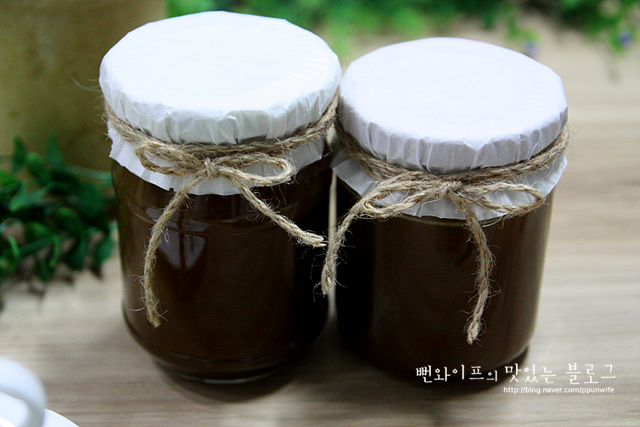
Every winter I simmer and make ginger syrup, and this year turned out wonderfully successful too.
One 600ml (3 cups) container is the ginger syrup yielded from 1kg of ginger and pear.
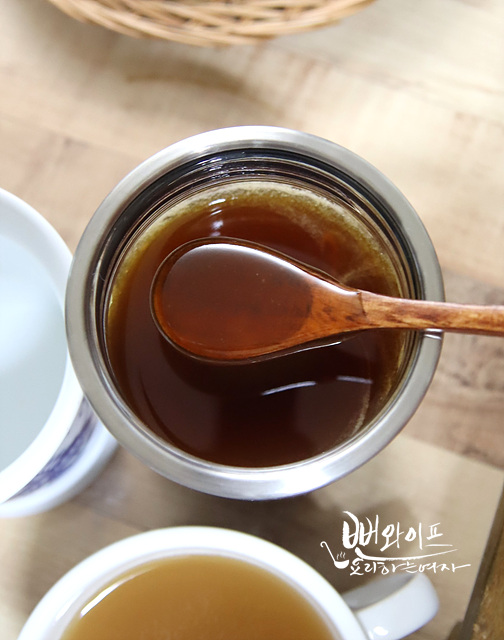
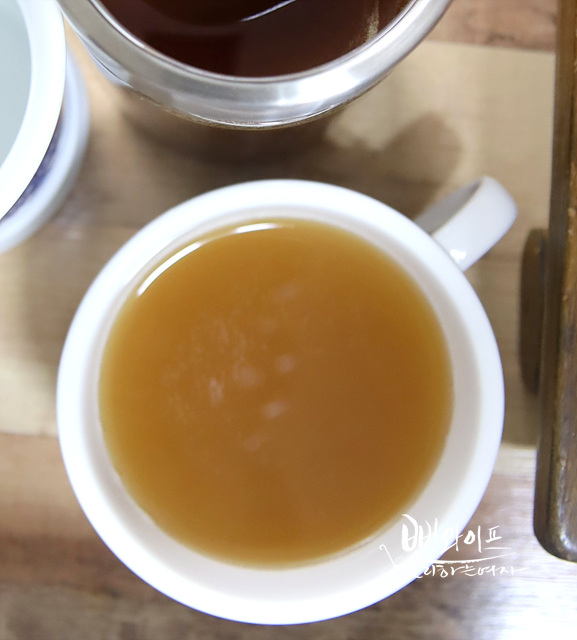
Because such a small amount of ginger syrup comes from so much trimming and long, dedicated effort, it feels even more precious.
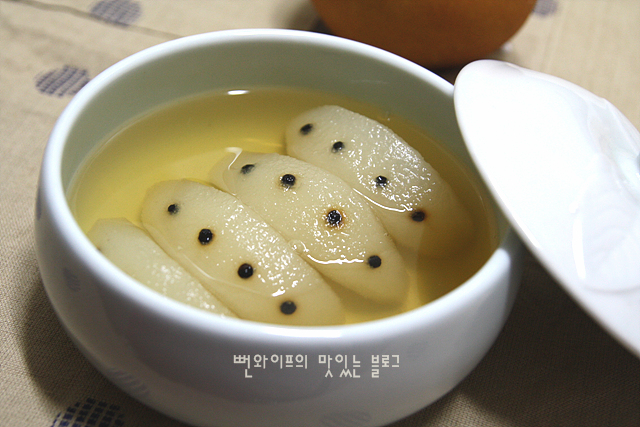
Stirring a spoonful into a warm cup to drink, all that devotion is melted into this ginger tea, making it even more delicious.
Anyone who receives ginger syrup as a gift is truly someone special and deeply cherished.
 Ppunwife's tips
- When making ginger syrup, if the starch gets in, the color turns cloudy and the taste becomes gritty, but if you let it settle like this, you can enjoy a clean ginger syrup.
- If you aim for a slightly loose consistency like toasted sesame oil, it turns out just right like honey once fully cooled the next day.
FAQ
Why do you leave the ginger juice undisturbed to let the starch settle?
If the starch gets in, the syrup turns cloudy and tastes gritty, so letting it settle for about 1 hour and using only the clear upper liquid keeps it clean.
How thick should you simmer it down?
Turn off the heat when it is slightly runny like toasted sesame oil; once it cools, it will thicken up just right, like honey.
How do you use the leftover ginger pulp after squeezing out the juice?
If you pour just enough soju to barely cover it, you can use it in meat or fish dishes as cooking alcohol to eliminate unwanted odors.
Can you blend it with water instead of Korean pear?
You can blend it with 1 cup of water without pear, but using Korean pear provides plenty of liquid for easy blending while adding a natural sweetness.