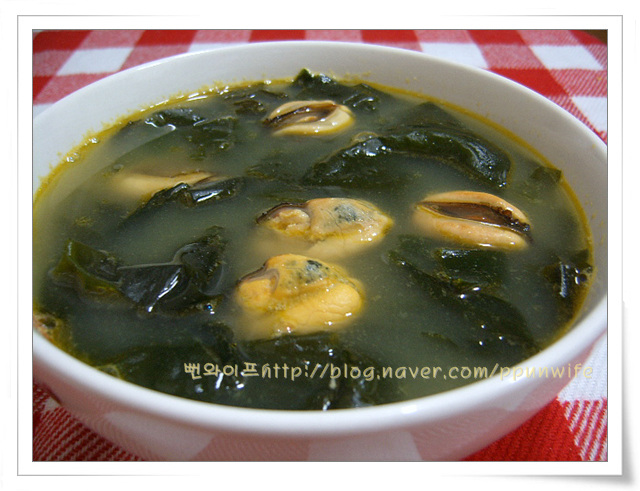
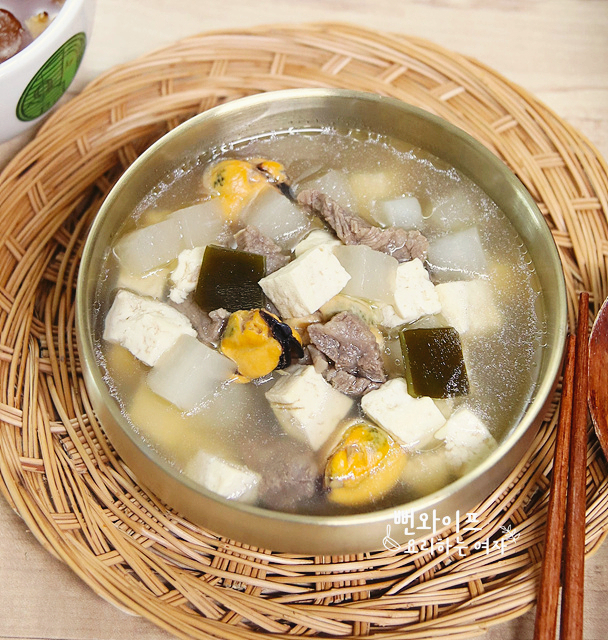
Refreshing Honghap Tang (Clear Mussel Soup)
A refreshing winter soup brewed cleanly to bring out the natural savory umami of mussels.
Translated from Korean by AI and not yet checked by a native speaker. Amounts and numbers are taken directly from the original recipe. Read the Korean original →
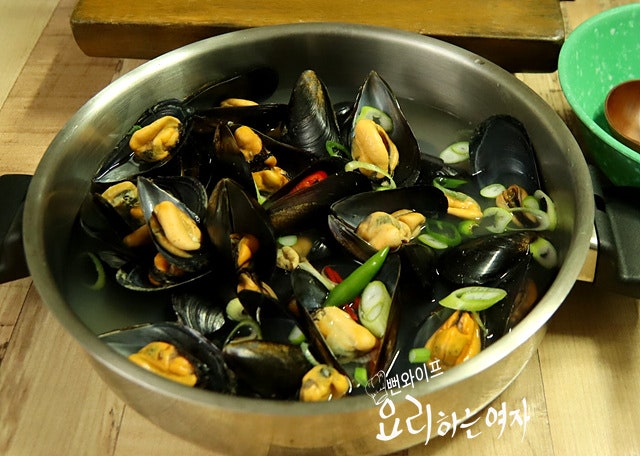
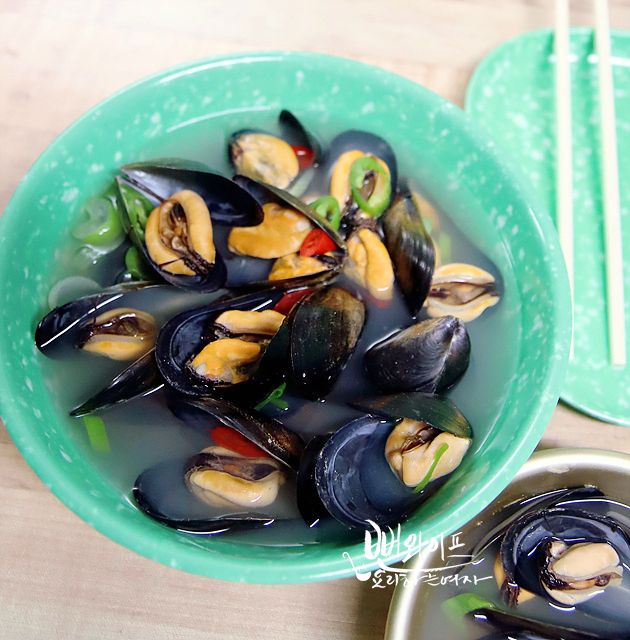
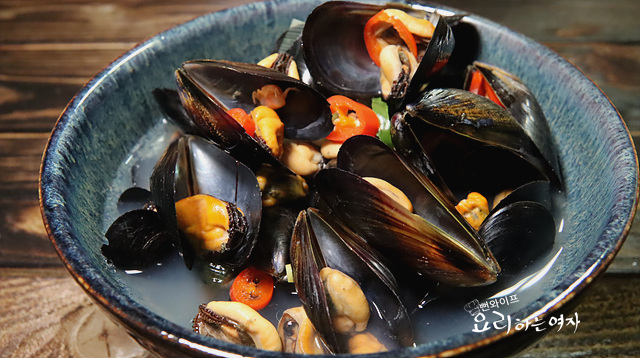
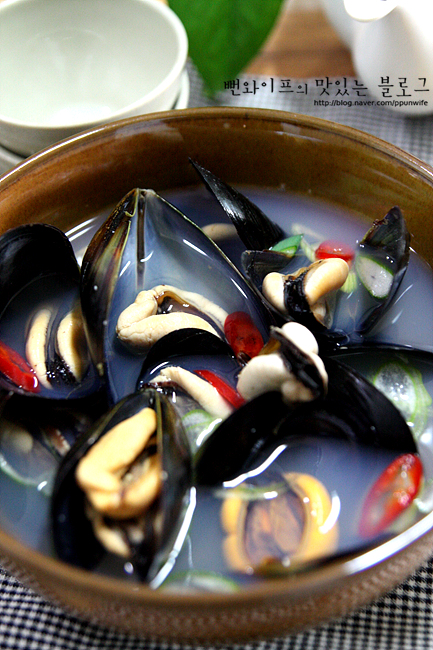
This is a clear soup dish simmered without heavy seasonings to highlight the natural, refreshing flavor of mussels. Add cleaned mussels to boiling water and cook them briefly to keep their plump texture, making it perfect as a drinking snack or a hangover cure.
- Difficulty
- Easy
- Spiciness
- Mildly spicy
Ingredients
- Mussels
- Large green onion (daepa)
- Cheongyang chili pepper (hot green chili)
- Salt
- Mussels with broken shells are dead, so you must throw them away. Mussels that are slightly open are fine, but any that are wide open and dried out are also dead and should be discarded.
- The beards poking out of the mussels are connected to the meat and unpleasant to eat, so pull them toward the rounded side to tear them off. Rub the shells together with both hands under running water to wash away debris, rinse multiple times, and drain.
Steps
Prepare the mussels
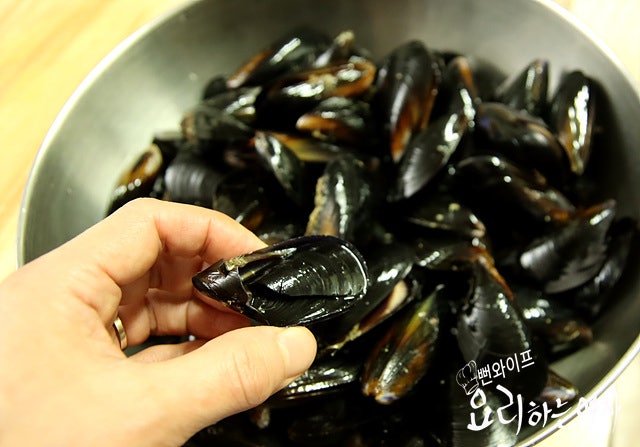
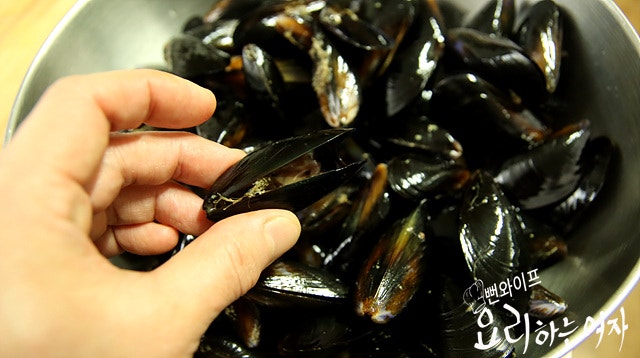
Mussels with broken shells are dead, so you must throw them away.
Mussels that are slightly open are fine, but any that are wide open and dried out are also dead, so you must discard these as well.
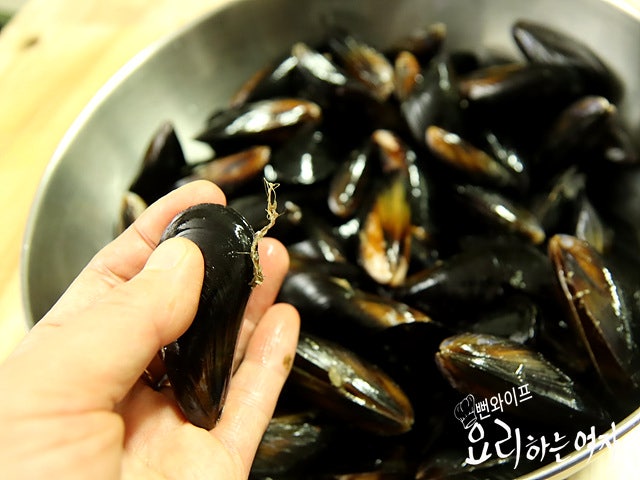
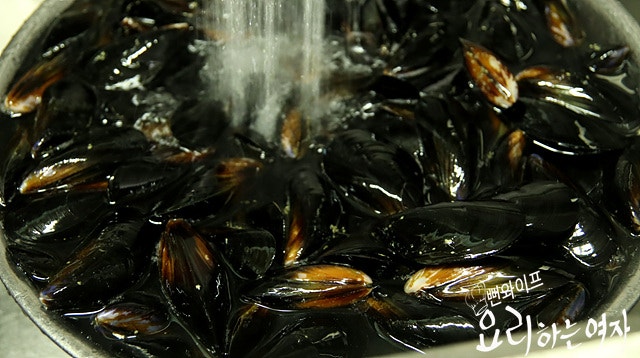
The beards poking out of the mussels are connected to the meat and unpleasant to eat, so pull them toward the rounded side to tear them off.
Rub them together with both hands to remove any debris, wash them multiple times under running water, and drain.
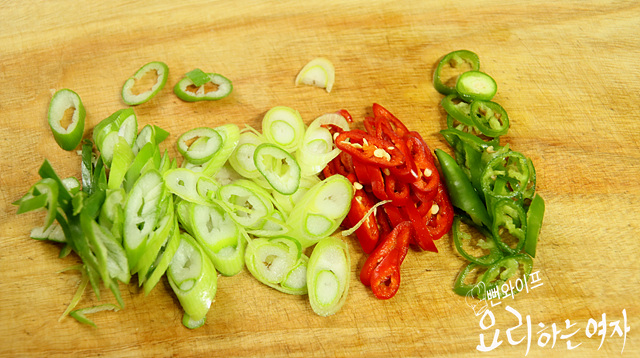
Slice the large green onion (daepa) and chili pepper diagonally.
Boil
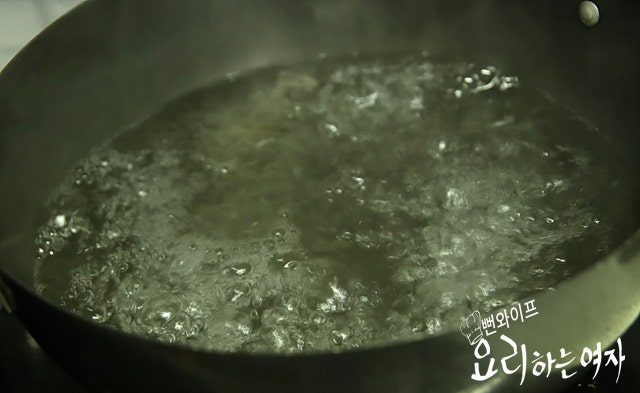
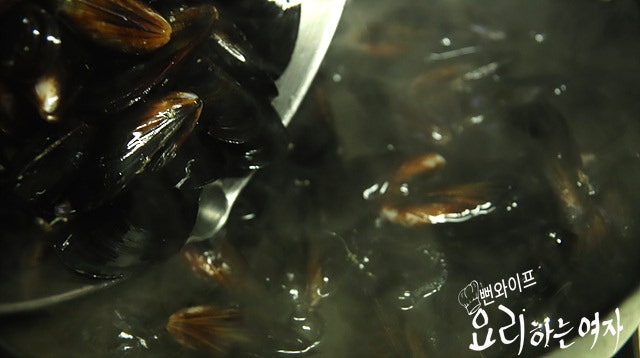
When measuring water to boil mussels, because mussels take up a lot of volume, add only about half the total volume of the mussels to keep the broth rich and flavorful.
Bring the water to a rolling boil first, then pour in the mussels.
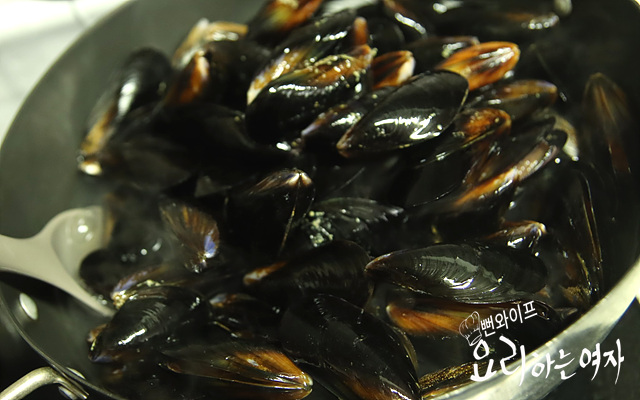
Stir everything thoroughly from bottom to top with a spatula until the water boils.
The mussels that hit the boiling water at the bottom of the pot first will open more than halfway.
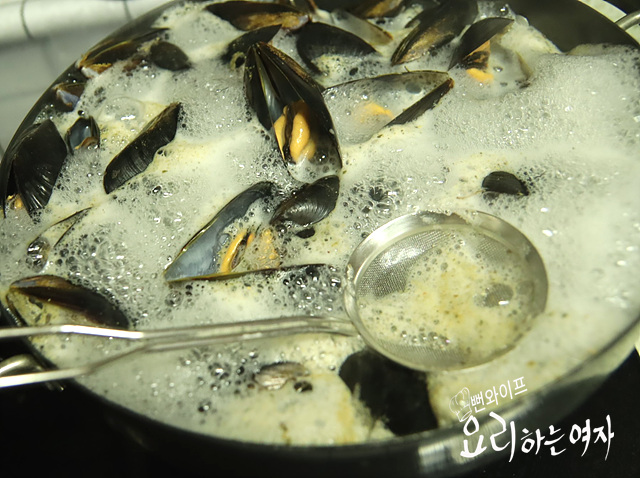
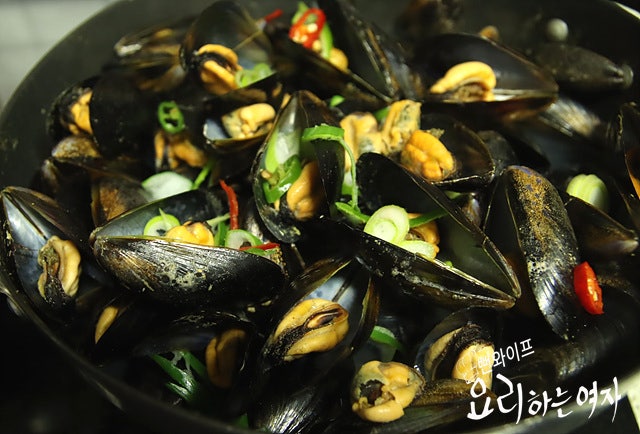
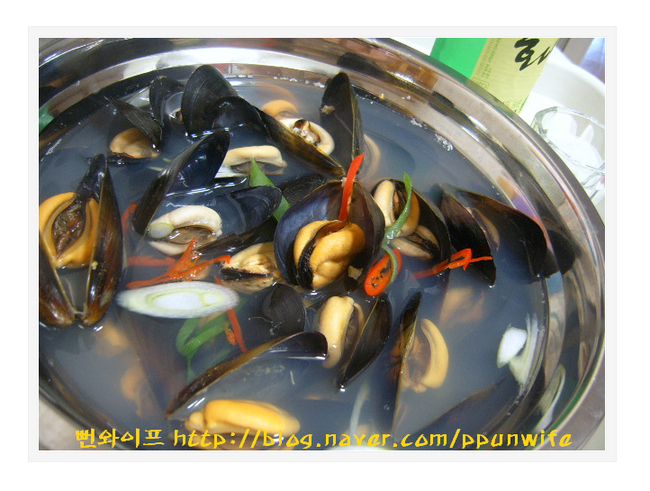
Skim off the foam that rises as it boils, and once all the mussels have opened, finish by adding a little salt, large green onion, and chili pepper, letting it simmer briefly.
Finish
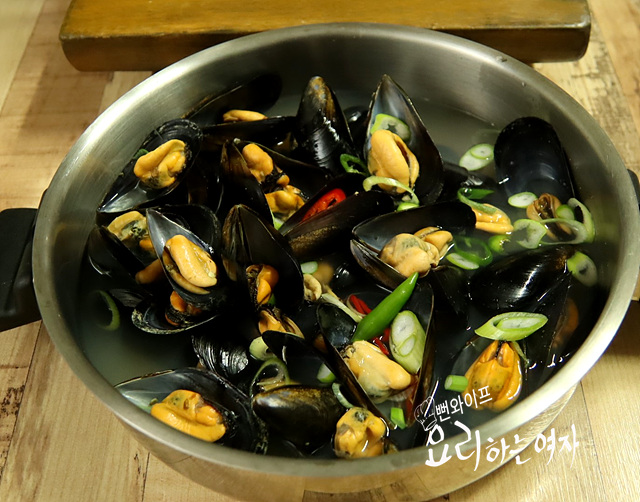
Mussels should not be boiled for long so the meat stays plump and tender.
The mussel meat contains natural salinity, so you must taste the broth first before adding salt.
Reduce the amount much more than you normally would for soups so it does not turn out salty.
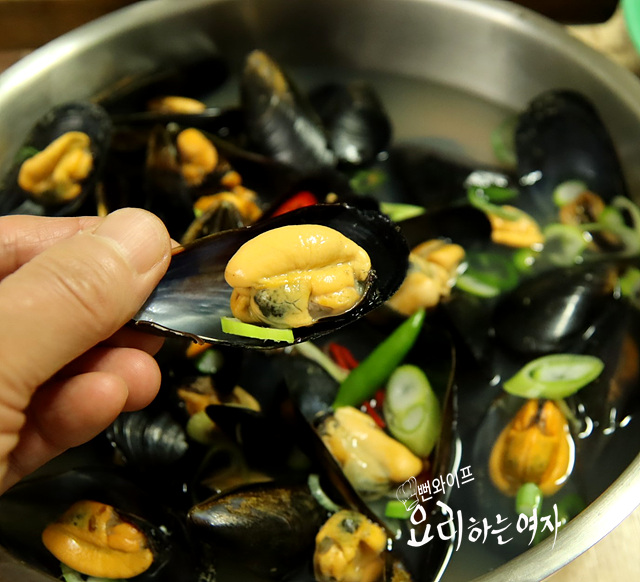
I have had mussels a few times this year, but today's mussels are the largest, plunpest, and most delicious.
It is so rewarding and fun to pluck out each piece of meat to eat.
Enjoy winter mussels deliciously before their season passes.
 Ppunwife's tips
- Honghap tang does not need garlic or pungent seasonings. The refreshing umami of the mussels brews out well on its own, so strong seasonings can actually overpower the broth's natural flavor.
- When measuring water to boil mussels, because mussels take up a lot of volume, use only about half the volume of the mussels to make the broth rich and tasty.
- Mussel meat has natural saltiness, so taste the broth before adding salt. You must use much less than in regular soup dishes to keep it from being salty.
FAQ
What is the standard for discarding mussels during prep?
Mussels that are cracked or wide open and dried out have spoiled, so they must be sorted out and thrown away.
How much water should I use to make the broth?
Because mussels take up a lot of volume, add only about half the volume of the mussels so the broth turns out deep and flavorful.
What should I keep in mind when seasoning?
Mussels naturally release saltiness, so check the broth first and use less salt than in ordinary soup recipes to prevent it from becoming too salty.