Nokdu Jeon (Mung Bean Pancake) with Pork
A clean, savory nokdu jeon pan-fried with pork and seasoned vegetables instead of kimchi.
Translated from Korean by AI and not yet checked by a native speaker. Amounts and numbers are taken directly from the original recipe. Read the Korean original →
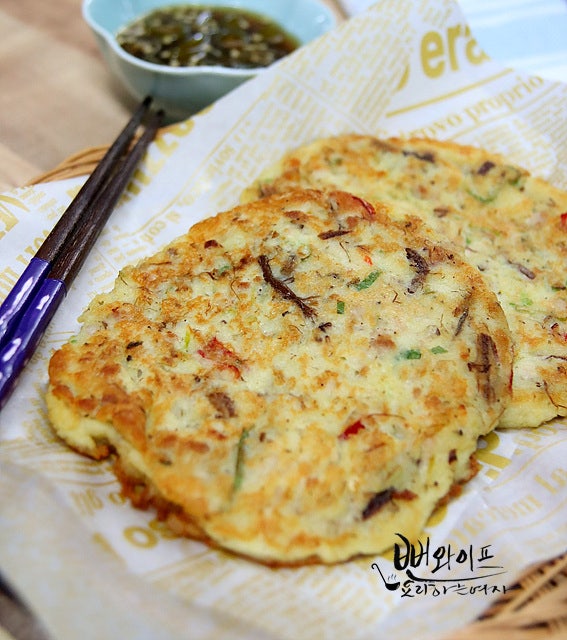
This nokdu jeon skips kimchi and is packed with pork, mung bean sprouts, and bracken fern for a clean, rich, and nutty flavor. Grinding the mung beans with as little water as possible creates a cohesive batter without needing any added flour. Covering the pan cooks the thick center all the way through, finishing with a crisp crust that makes it perfect for holidays or drinks.
- Servings
- about 4–5 servingsOriginal: 10 pancakes, 10 cm across
- Difficulty
- Medium
- Spiciness
- Mildly spicy
Ingredients
Ingredients
- Hulled mung beans400 g (2 1/2 cups)
- Pork150 g (ground)
- Mung bean sprouts200 g
- Boiled bracken fern (gosari)150 g
- Large green onion (daepa)1/2 stalk
- Red Cheongyang chili pepper3
Meat marinade
- Minced garlic1/2 tbsp
- Salt1/3 tsp
- Mirin (cooking rice wine)1 tbsp
- Ground black peppera little
Seasoning
- Salt1/2 tbsp
- Rinse the mung beans several times, then pour in about 3 times as much water as the beans and soak for at least 5 hours. Soaking them overnight makes them fully plump by the next day.
- Mung bean skins are hard to peel, so be sure to buy hulled mung beans.
- Because this nokdu jeon does not include kimchi, I prepared red Cheongyang chili peppers for some heat, but you can omit them.
Steps
Prepare the ingredients
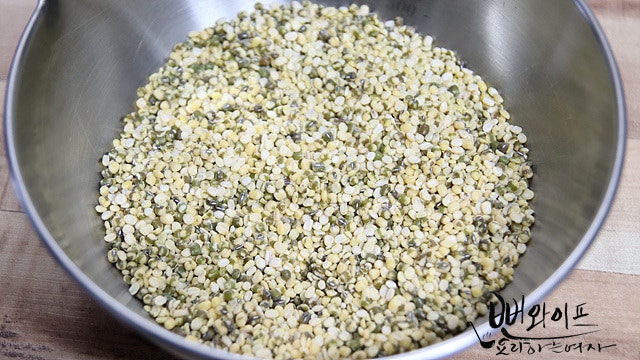
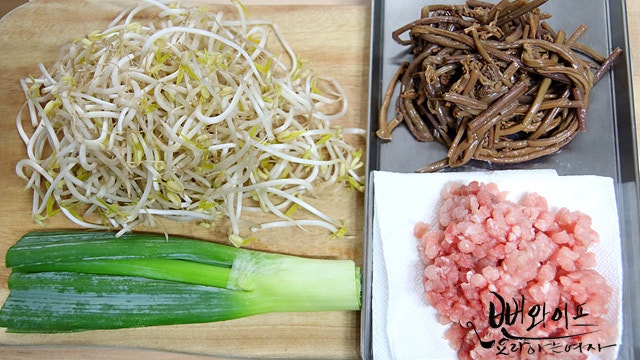
I prepared 400 g of mung beans, ground pork, mung bean sprouts, bracken fern, and large green onion. The 3 red Cheongyang chili peppers were left out of the photo.
Mung bean skins are hard to peel, so be sure to buy hulled mung beans.
As long as they are well soaked, any remaining skins will slip off on their own.
Soak the mung beans
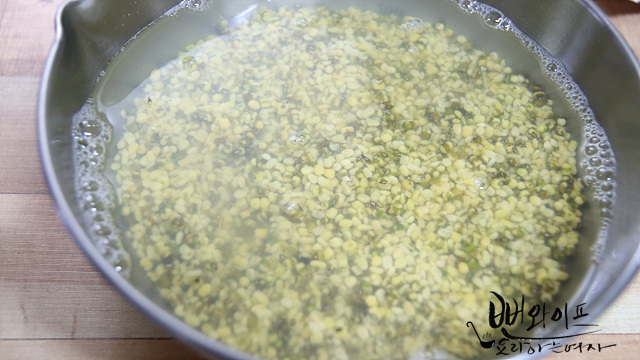
Rinse the mung beans several times, pour in about 3 times as much water as the beans, and soak for at least 5 hours.
Soaking them overnight makes them fully plump by the next day.
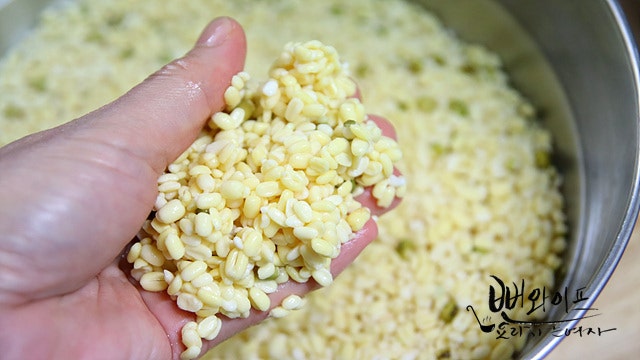
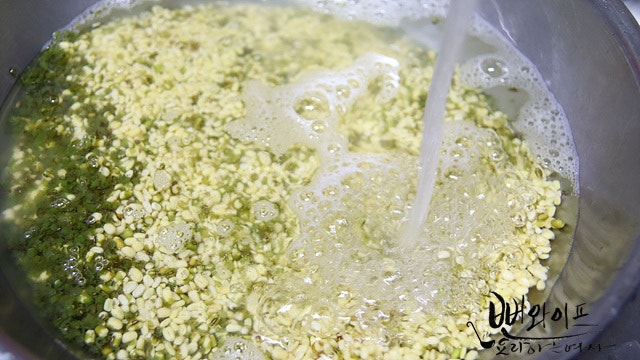
As the mung beans expand to about 3 times their volume, much of the attached skin comes off.
2 1/2 cups before soaking becomes 6 cups after soaking.
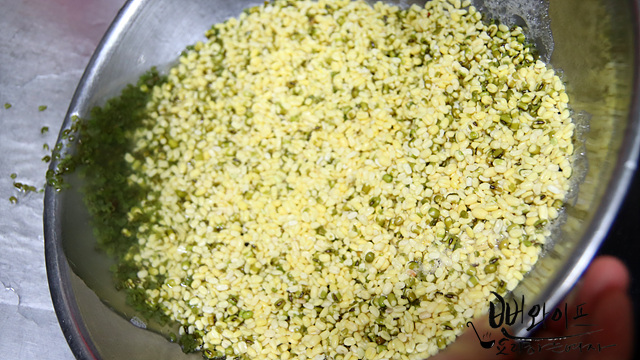
Fill a bowl generously with water and tilt it to skim off and discard the mung bean skins.
Season the pork
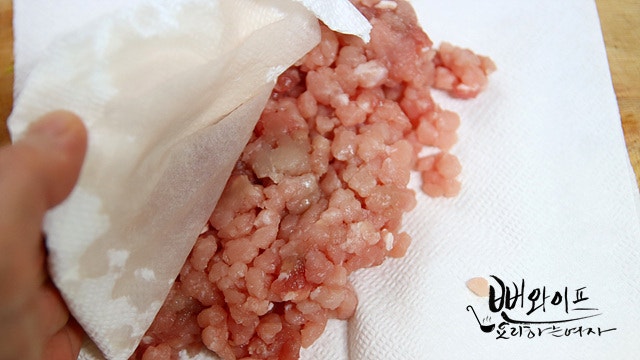
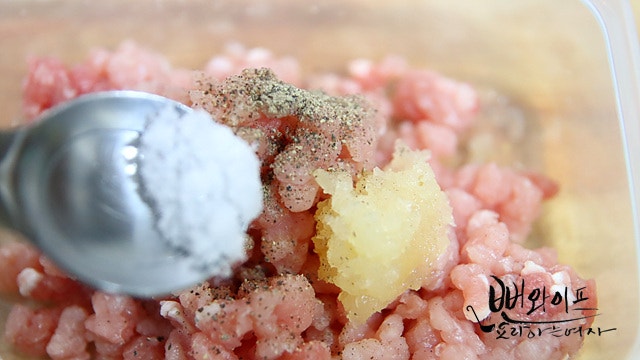
Pat the blood off the pork and season it with 1/2 tbsp minced garlic, 1/3 tsp salt, 1 tbsp mirin (cooking rice wine), and a little ground black pepper.
The vegetables do not need seasoning, but it is best to season the meat separately to remove any gamey odor.
Blanch the mung bean sprouts
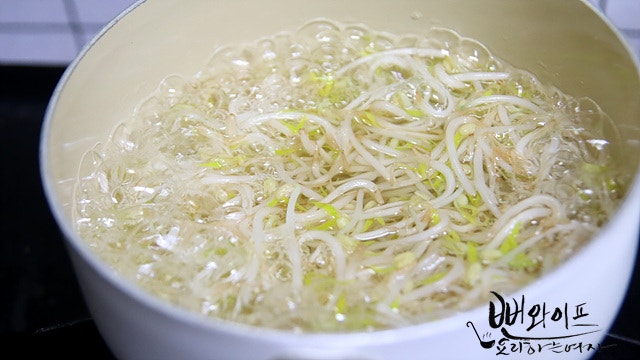
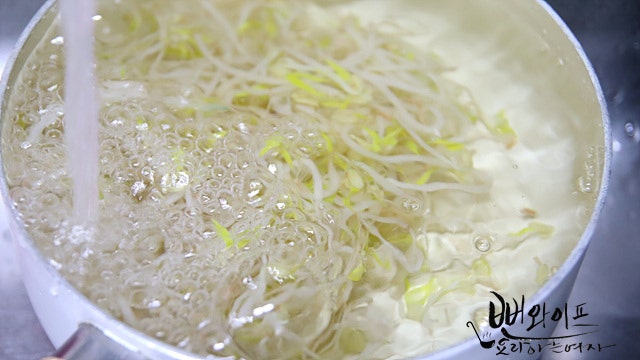
Blanch the mung bean sprouts in rolling boiling water for about 2 to 3 minutes until crisp-tender, then rinse in cold water.
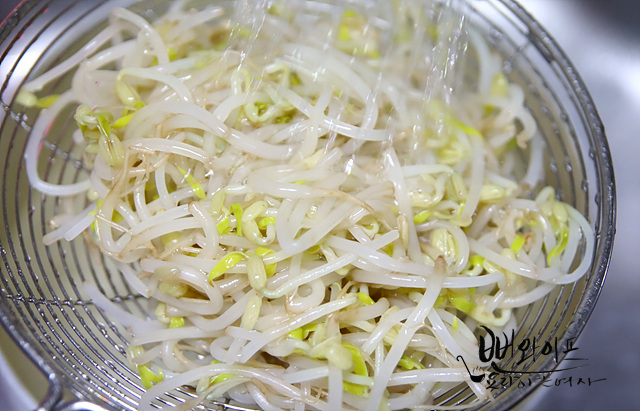
Squeeze out the moisture.
Chop the vegetables
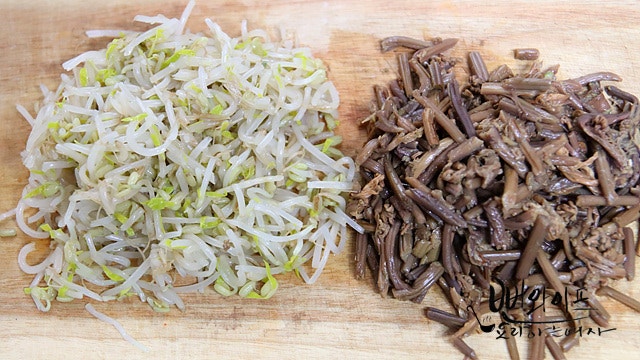
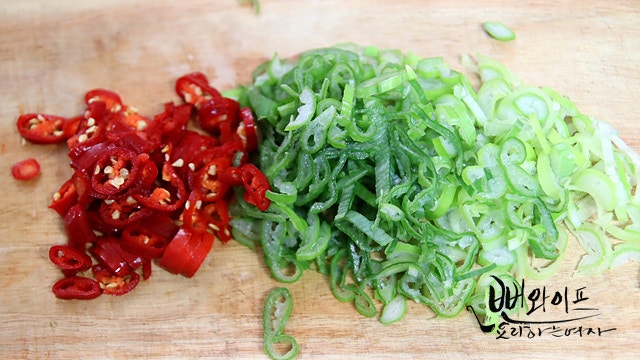
Cut the blanched mung bean sprouts and boiled bracken fern into manageable, not too long lengths, and thinly slice the large green onion and red chili pepper.
Because this nokdu jeon has no kimchi, I added red Cheongyang chili peppers for heat, but you can omit them.
Grind the mung beans
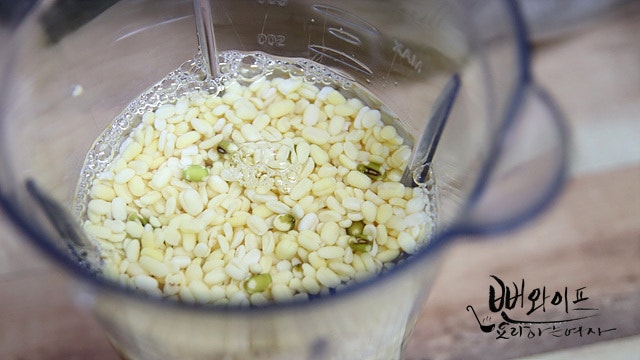
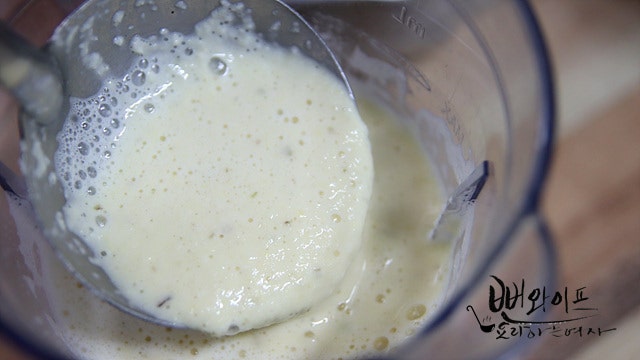
Put the soaked mung beans into a blender, pour in water just level with the beans or slightly less, and blend finely.
If you add too much water, you can mix in glutinous rice flour, but since it is best pan-fried with pure mung beans alone, keep the water amount as low as possible while blending.
Mix the batter
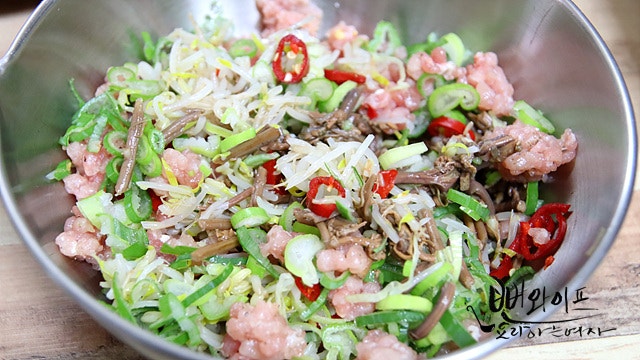
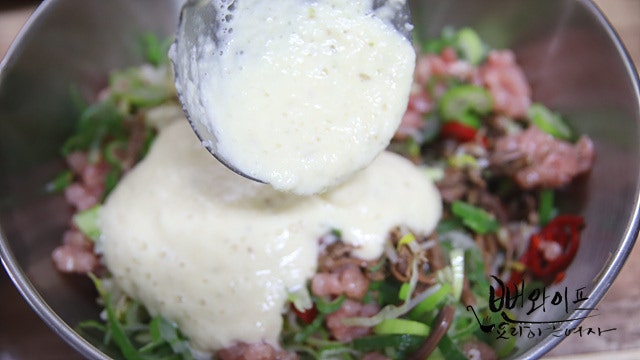
Place all the ingredients in a bowl and pour in the ground mung beans.
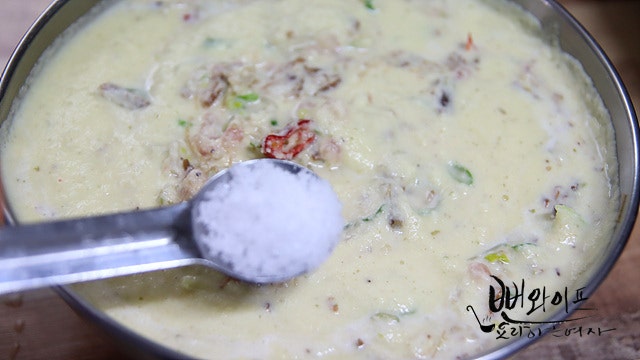
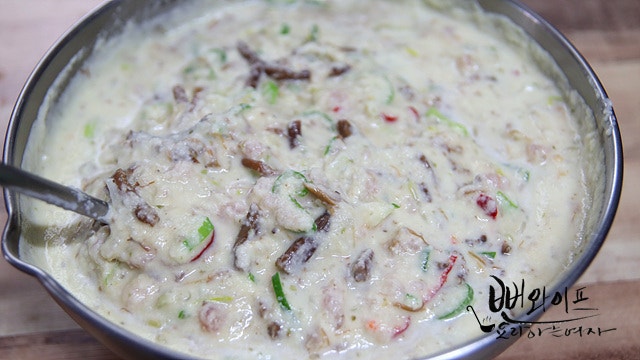
I stirred in 1 tsp salt first and tasted it, but it was slightly bland, so I added another 1/2 tsp.
You will dip it in vinegar soy sauce, but it still tastes best when seasoned just slightly light.
Pan-fry the pancakes
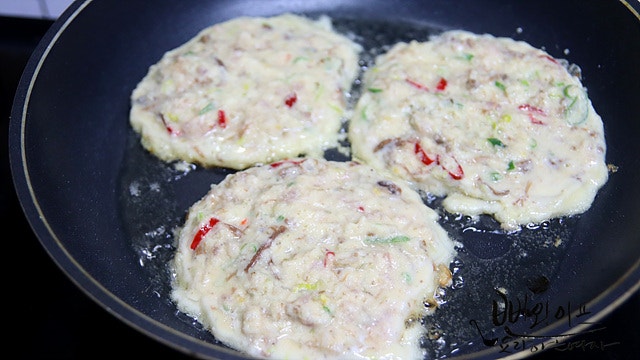
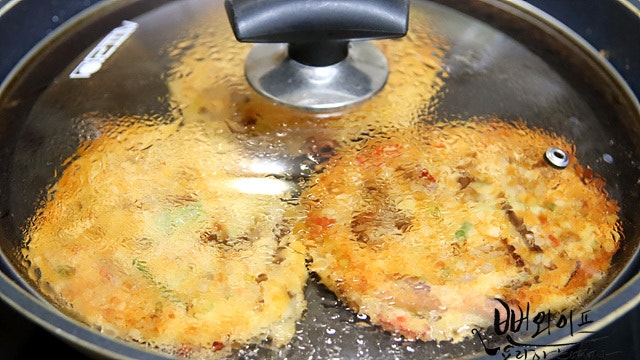
Heat the pan thoroughly, add a generous amount of cooking oil, ladle in a full scoop of batter, and gently pat the edges inward to shape it. Lower the heat to medium so the center cooks through, and flip when the bottom turns golden.
Because it contains meat that needs to cook through, cover with a lid as it cooks.
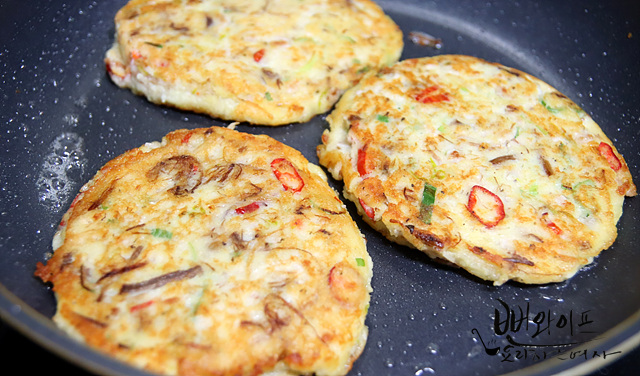
Remove the lid to let the steam evaporate, then pan-fry until crisp to finish.
Finish
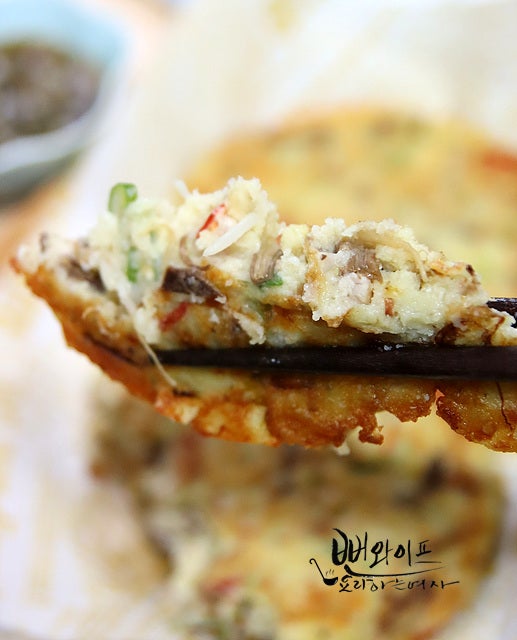
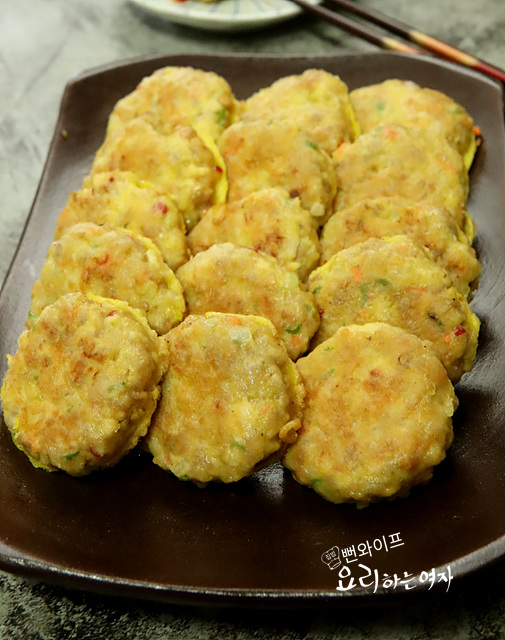
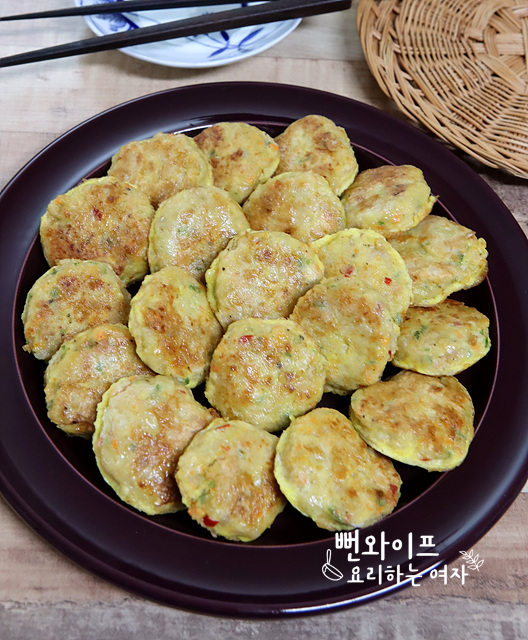
Crispy on the outside, and the thick center is moist and nutty.
Without any extra flour, the rich flavor of the mung beans themselves is wonderful.
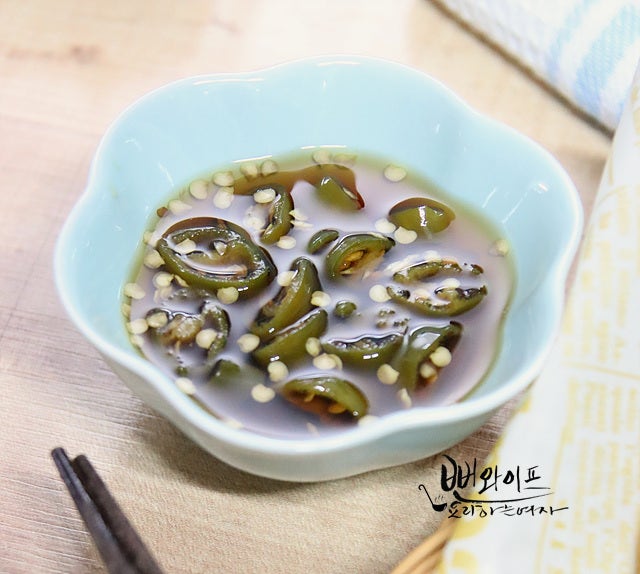
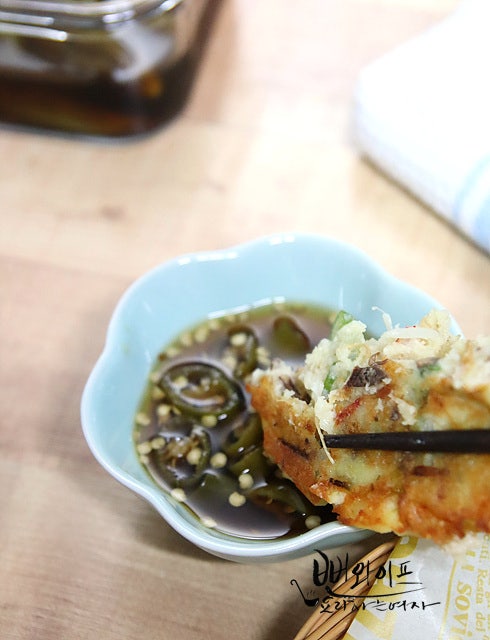
I had pickled chili peppers on hand, so dipping the pancake into the pickling liquid and topping it with a chili slice tasted amazing.
I devoured one pancake right after pan-frying; it was truly savory and delicious.
 Ppunwife's tips
- To taste the pure flavor of mung beans and give the batter good cohesion, grind them with minimal water.
- It is important to soak the mung beans thoroughly so they have a soft bite.
- The vegetables do not need seasoning, but it is good to season the meat separately to eliminate any gamey odor.
- You will dip it in vinegar soy sauce, but keeping the batter lightly seasoned makes it taste best.
- Cover with a lid while cooking so the thick center with meat cooks all the way through.
FAQ
How can I easily peel mung beans?
Buy pre-hulled mung beans from the start, soak them in plenty of water for at least 5 hours, then gently tilt the bowl under running water to let the loose skins float away.
What should I do if I add too much water while grinding the mung beans?
If too much water makes the batter watery, you can add glutinous rice flour to adjust the consistency.
How do I make sure the center of a thick pancake cooks through?
Add plenty of cooking oil, ladle in the batter, reduce the heat to medium, and cover with a lid to cook the inside. Finish by removing the lid to let moisture evaporate and crisp up the outside.
Why season the pork in advance?
Unlike the vegetables, the pork is seasoned beforehand with minced garlic and mirin to eliminate any gamey odor.