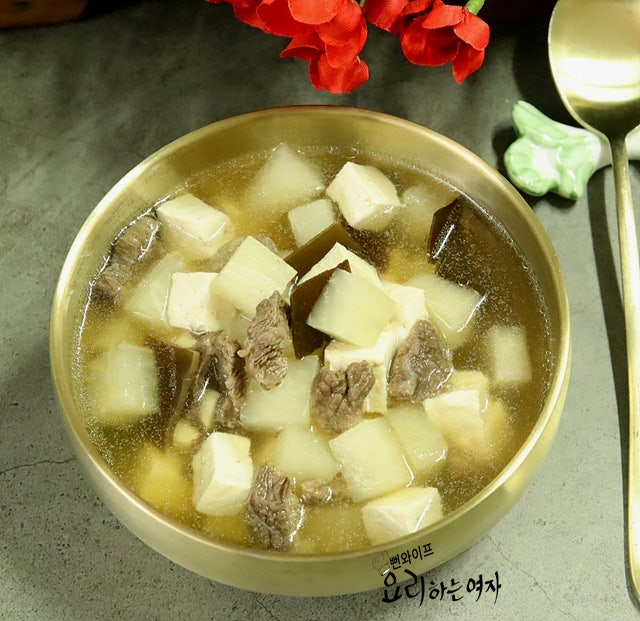
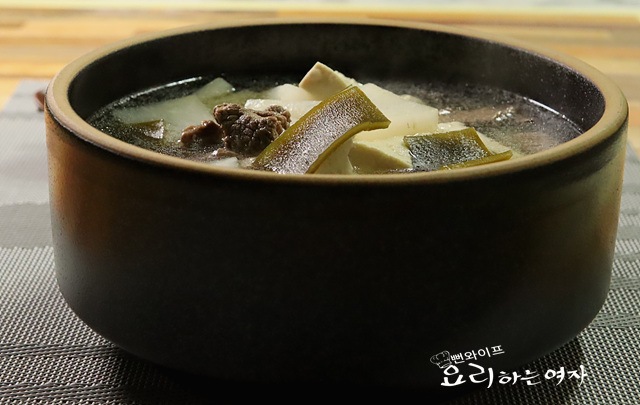
Tangguk (Beef and Radish Soup) with Mussels
A traditional Korean holiday and ancestral ritual soup made by simmering beef, mussels, and radish for a deep, refreshing broth.
Translated from Korean by AI and not yet checked by a native speaker. Amounts and numbers are taken directly from the original recipe. Read the Korean original →
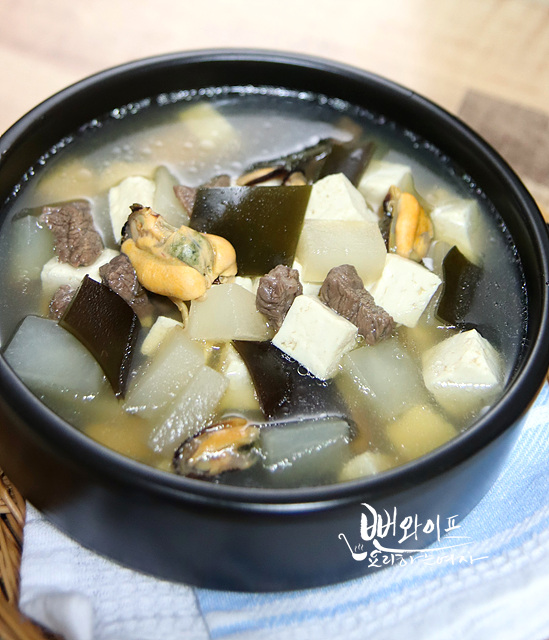
Beef is stir-fried with small splashes of water instead of oil, then simmered with refreshing Korean radish and mussel meat for a deep, savory umami. The kelp used to make the broth is sliced and added back as a garnish so nothing goes to waste. Mild and clean-tasting, it is wonderful to serve clear and hearty for holidays or ancestral ritual tables.
- Servings
- 5–6 servings
- Cook time
- 25 minprep not included
- Difficulty
- Easy
- Spiciness
- Not spicy
Ingredients
Ingredients
- Beef300 g
- Korean radish (mu)300 g
- Tofu300 g
- Mussel meat200 g
- Dried kelp (dasima)2 sheets (10 cm square)
- Water10 cups
Meat marinade
- Soup soy sauce (guk-ganjang)1 tbsp
- Mirin (cooking rice wine)1 tbsp
Seasoning
- Soup soy sauce (guk-ganjang)1 tbsp
- Tuna extract sauce (chamchi-aek)1 tbsp
- Salt1/2 tbsp
- Use beef cut for soup or stew.
- Pat the beef dry of any excess blood and cut it into bite-sized pieces.
- Rinse the dried kelp lightly under running water before using.
Steps
Prepare the ingredients
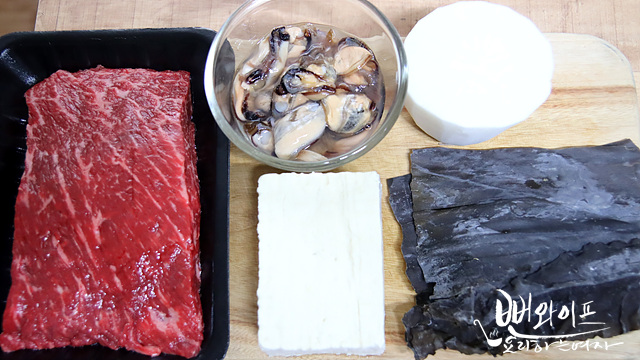
Beef is an essential ingredient in tangguk. You can buy stew meat cut for soup.
Adding mussels and dried kelp (dasima) gives it a refreshing taste and incredible umami that makes the broth truly amazing.
Prepare similar amounts of tofu and Korean radish (mu), and that is all you need for the ingredients.
Cut the ingredients
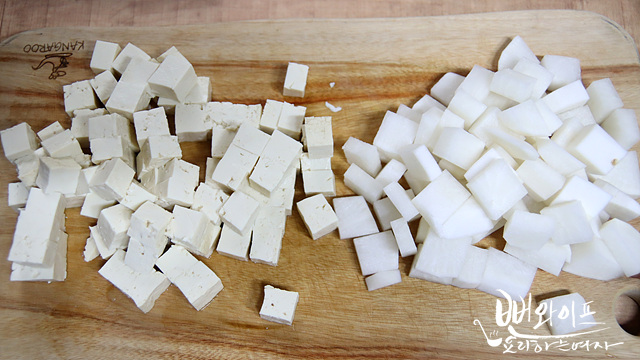
Cut the tofu and radish into similar sizes. Dice the tofu into cubes, and slice the radish into thick squares or dice it into cubes like the tofu.
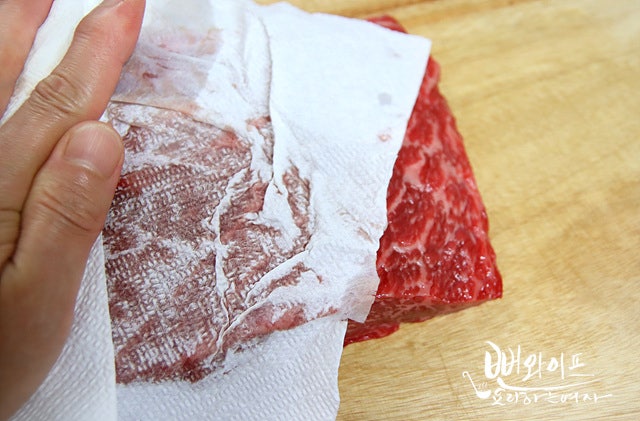
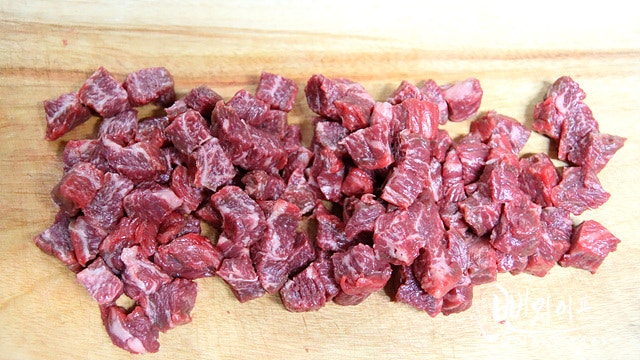
Pat the beef dry of any excess blood and cut it into bite-sized pieces.
Stir-fry the beef
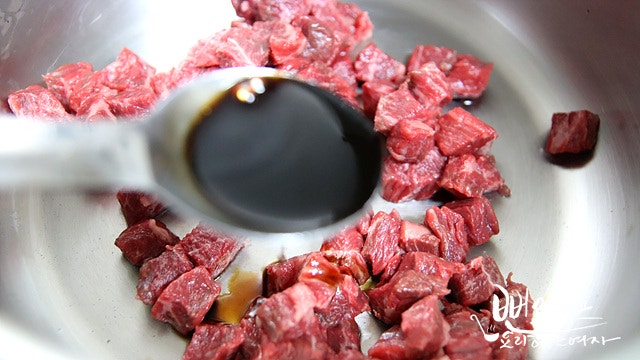
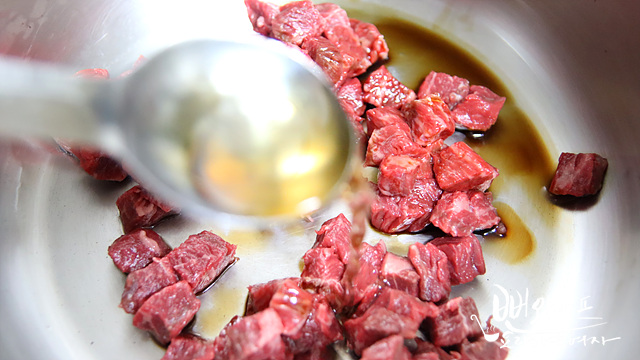
Place the beef in a pot and add 1 tbsp soup soy sauce (guk-ganjang) and 1 tbsp mirin (cooking rice wine)...
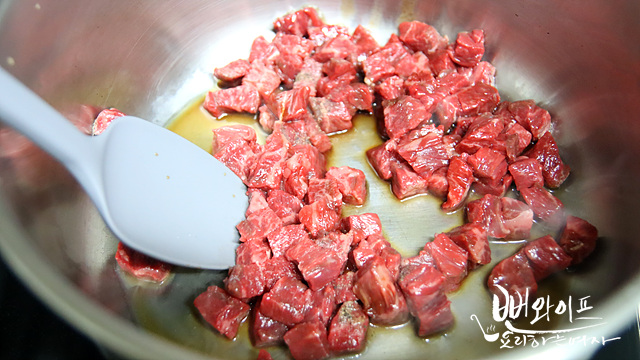
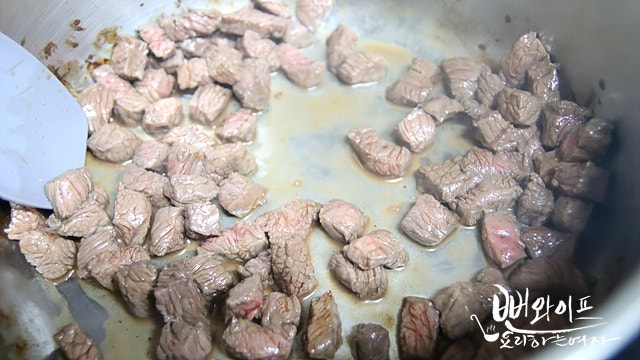
Stir-fry thoroughly so the beef juices release.
I do not like the scent of toasted sesame oil in tangguk, so I stir-fry it while adding small splashes of water instead.
Simmer the soup

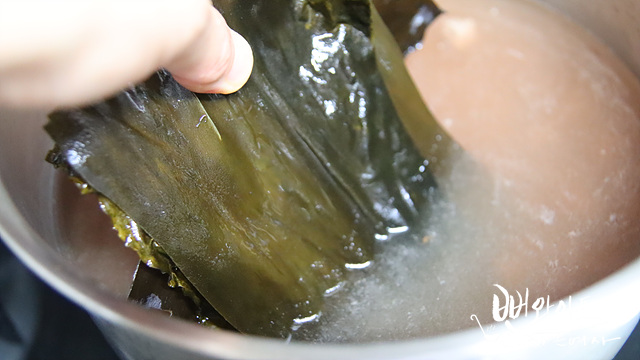
Pour in 10 cups of water and add 2 sheets of dried kelp (about 10 cm square).
I rinsed the dried kelp lightly under running water.
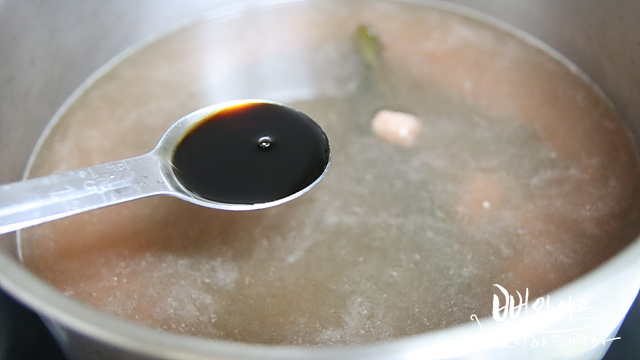
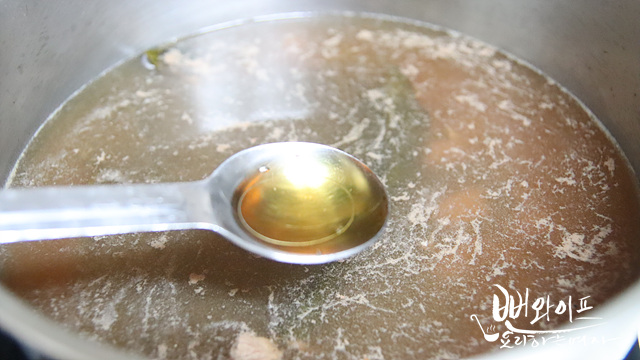
Add 1 tbsp soup soy sauce and 1 tbsp tuna extract sauce (chamchi-aek) to give the tangguk color and a base seasoning.
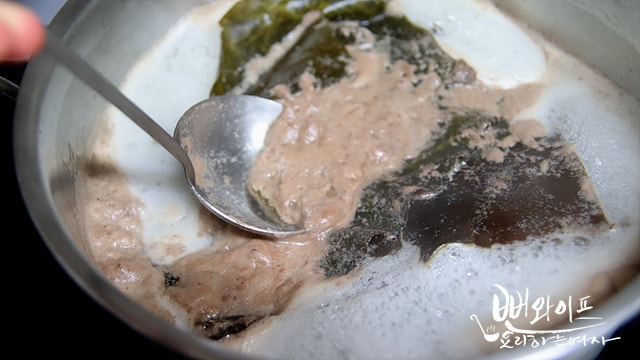
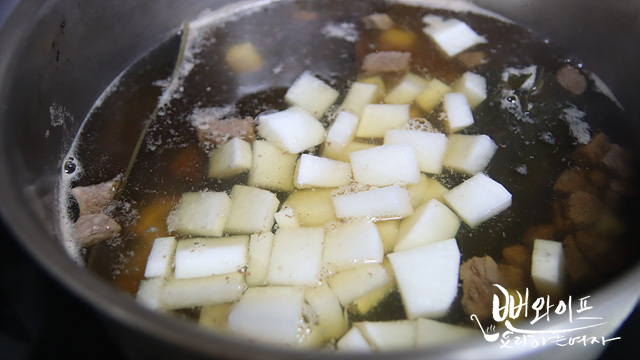
Once it comes to a rolling boil, skim off all the scum that rises to the top.
Add the radish, cover with a lid, and simmer gently over low heat for 20 minutes so the meat and radish cook thoroughly.
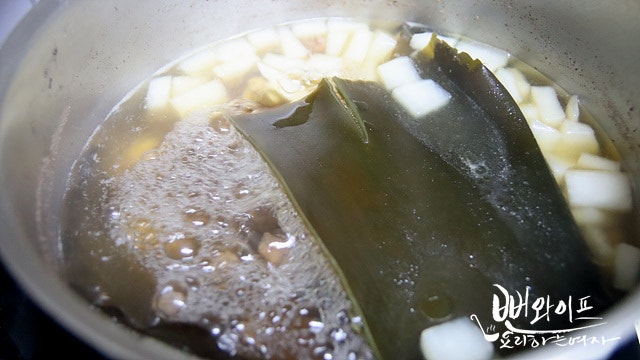
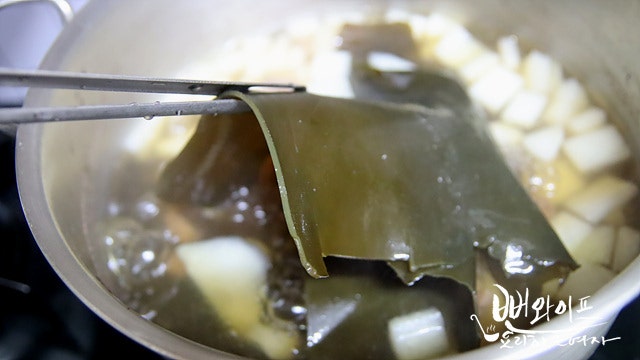
Once the radish and meat are tender and the broth has fully developed its flavor, remove the dried kelp and set it aside for a moment.
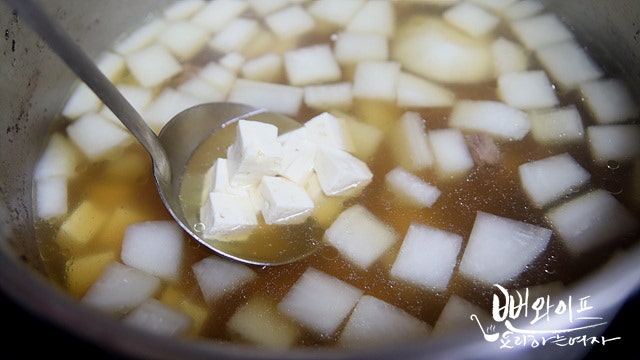
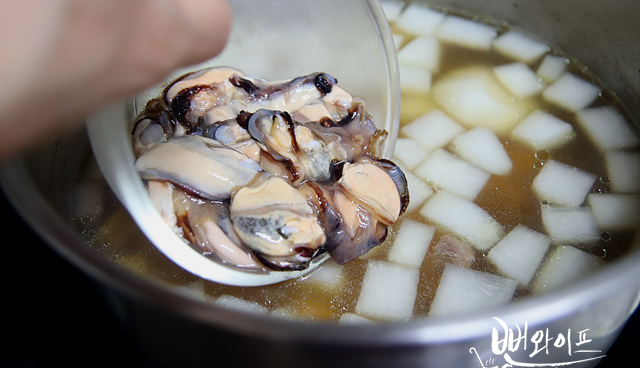
Add the tofu and mussel meat...
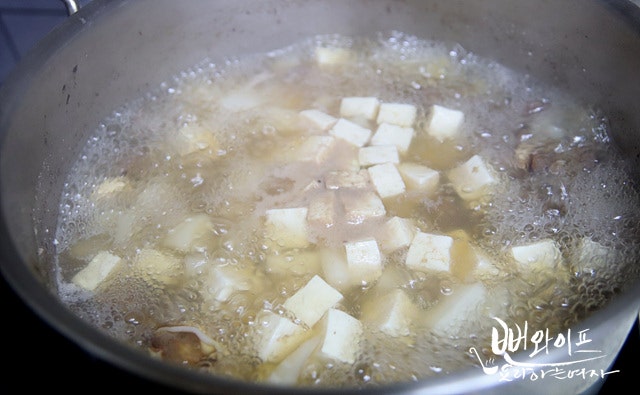
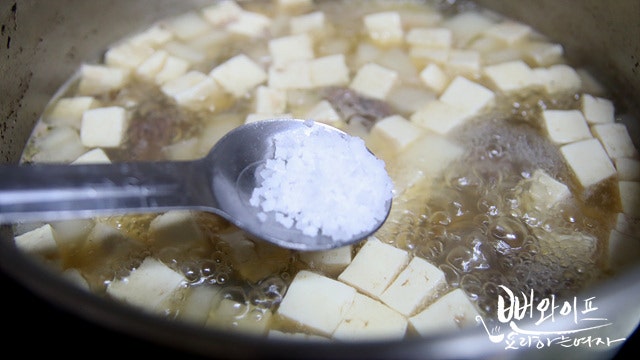
Simmer gently for about 5 minutes.
Since soup soy sauce darkens the broth, finish seasoning by adding 1/2 tbsp salt.
Check the ratio of solids to broth, and if it seems like there is not enough broth, just add a little more water and simmer further.
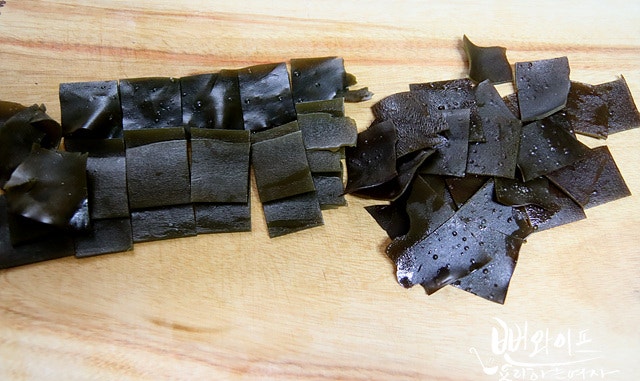
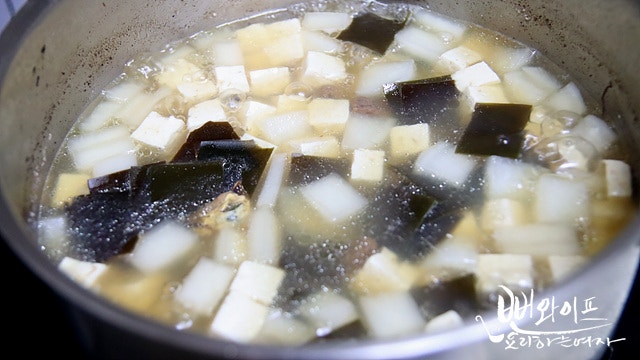
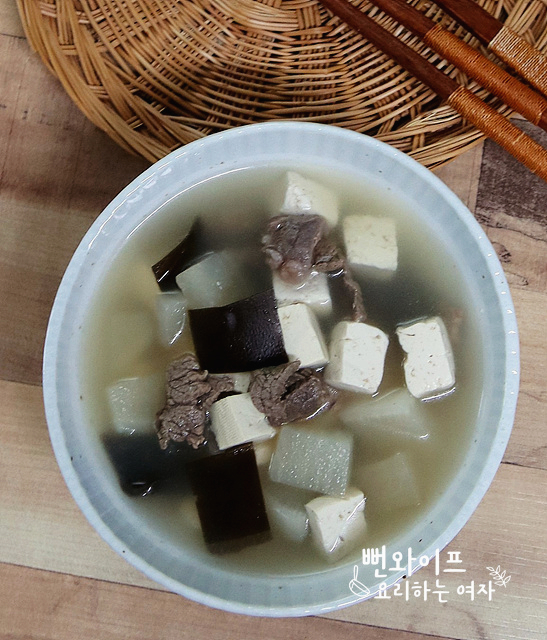
Slice the reserved dried kelp into pieces similar in size to the other ingredients, and add it at the very end to finish.
Serve
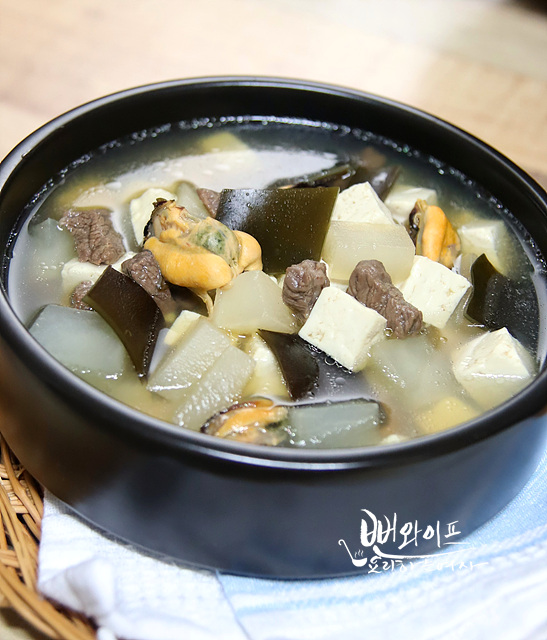
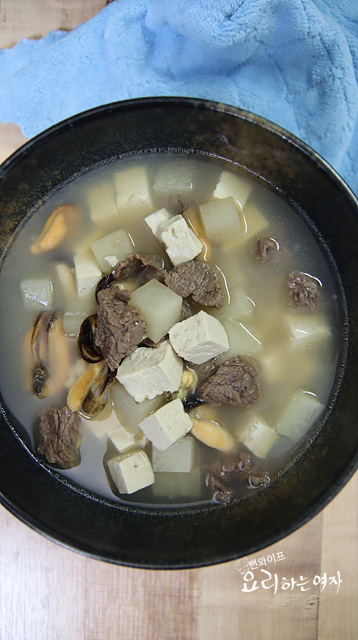
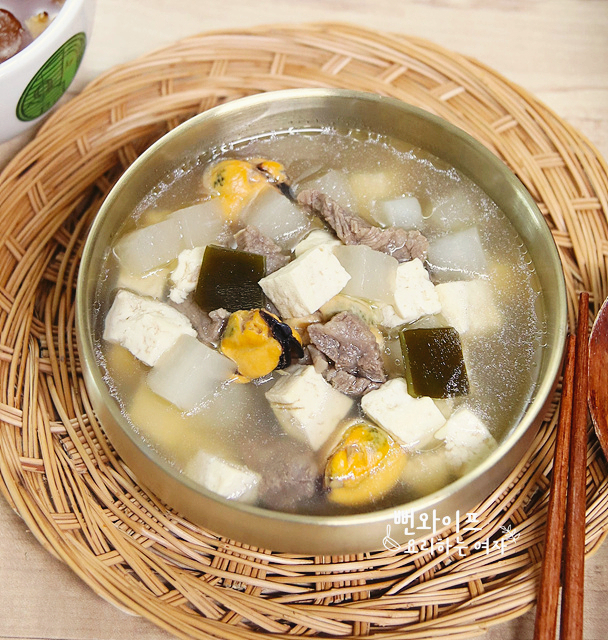
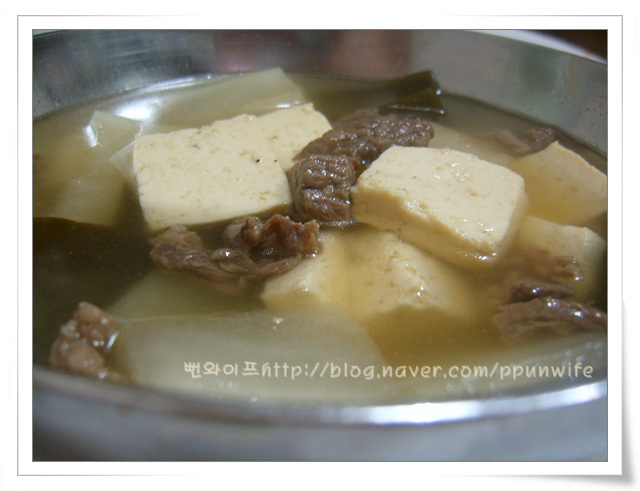
Tangguk tastes rich and truly authentic when cooked in large batches for a long time.
That is why holiday tangguk always tastes so good.
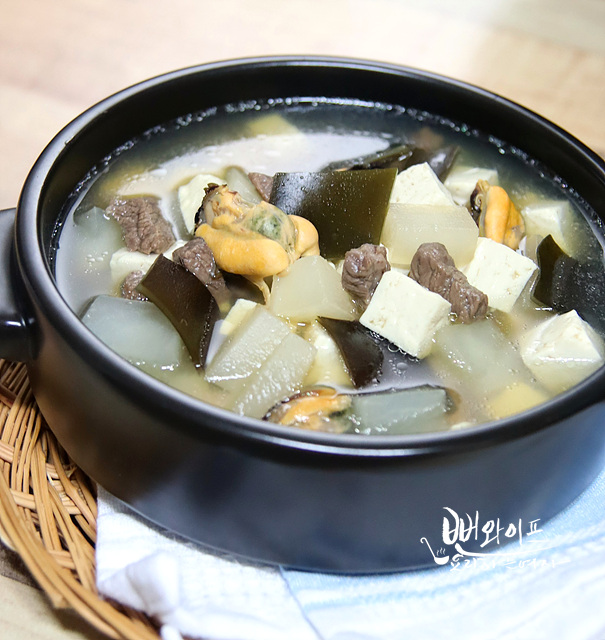
Even if you do not cook as large a pot as in the old days, adding mussels brings deep umami and a refreshing finish.
I made this tangguk ahead of time, and it turned out wonderfully light and delicious.
I plan to make it just like this for Chuseok as well.
 Ppunwife's tips
- Do not throw away the dried kelp used to flavor the broth; slicing and adding it back serves as a garnish and makes eating it fun.
- I do not like the scent of toasted sesame oil in tangguk, so I stir-fry the beef while adding small splashes of water instead.
- Because soup soy sauce makes the broth dark, adjust the final seasoning with 1/2 tbsp salt.
- Check the balance between solids and broth; if you feel there is not enough broth, simply add more water and simmer a bit more.
FAQ
Is there a reason you do not use toasted sesame oil to stir-fry the beef?
To prevent the sesame oil aroma from overpowering the clean broth, the beef is stir-fried cleanly with small splashes of water.
What should I keep in mind when seasoning the broth?
Adding too much soup soy sauce will darken the broth, so make up any remaining saltiness with salt at the end.
How do you use the dried kelp after simmering the broth?
Slice the removed kelp into pieces similar in size to the other ingredients and stir it in at the very end as a garnish.