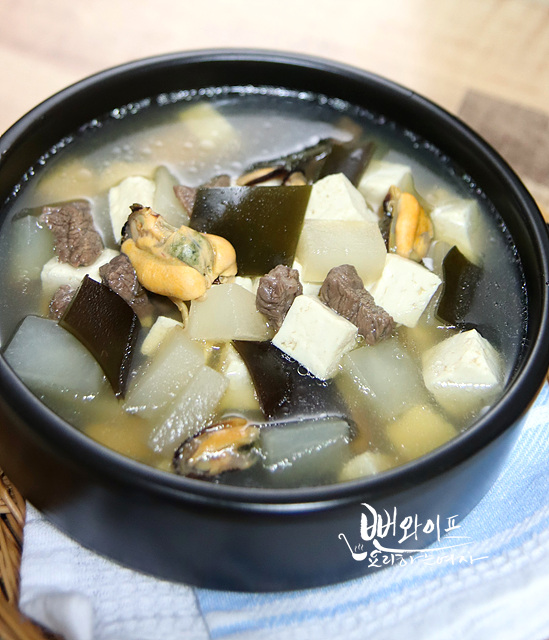
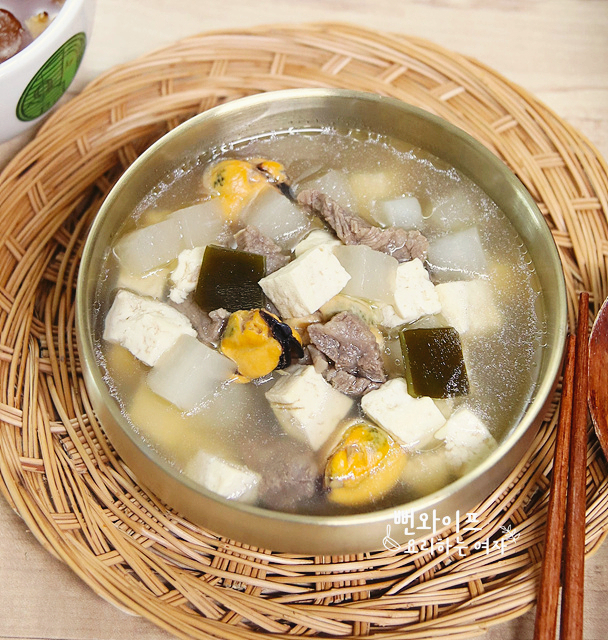
Clean and Mild Tangguk (Beef and Radish Soup)
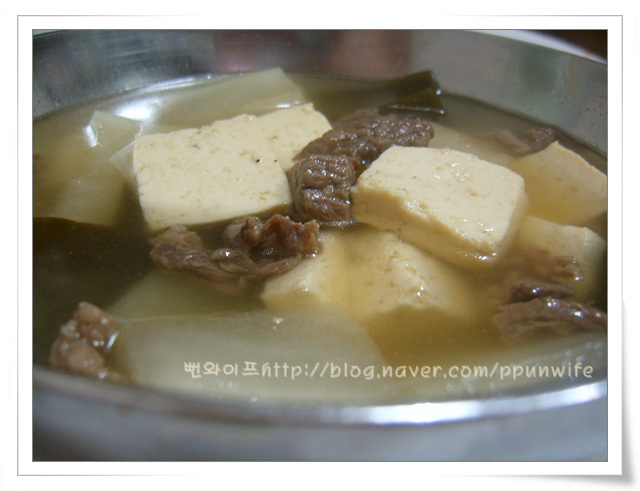
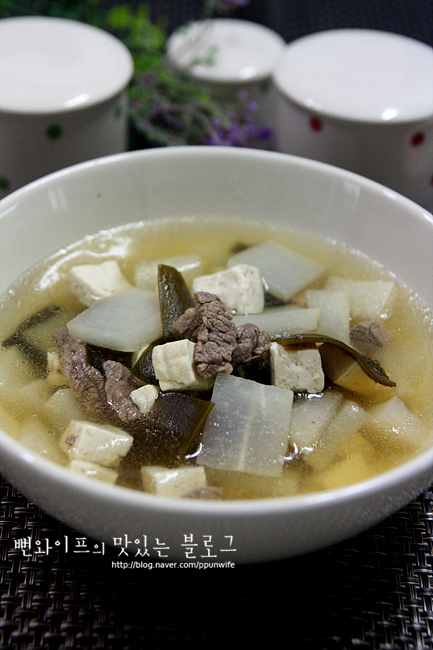
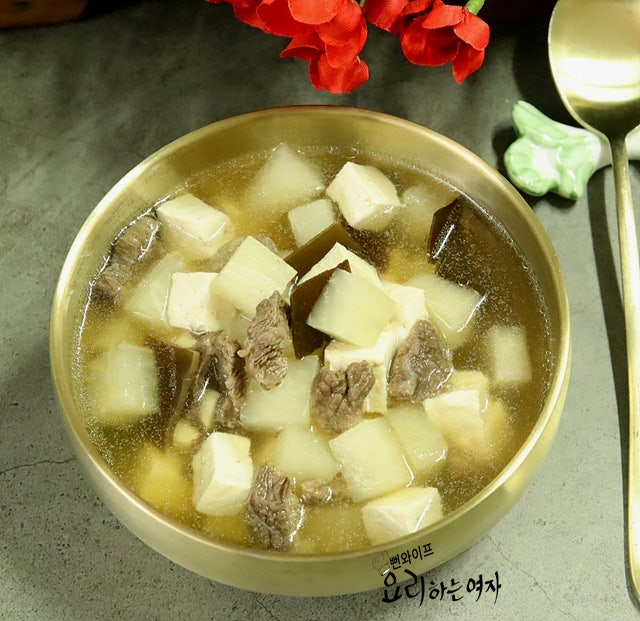
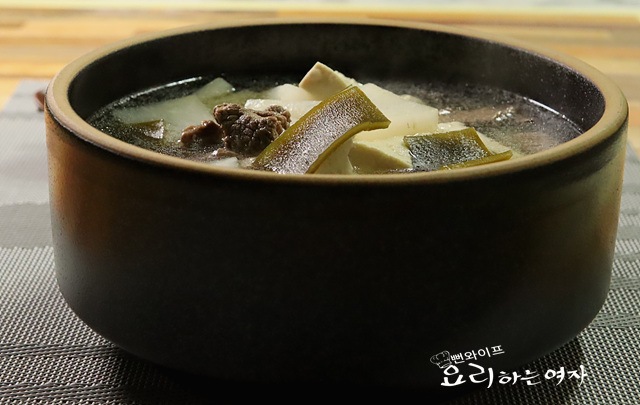
A mild tangguk made by sauteing beef and Korean radish without oil and simmering them gently in dried kelp broth.
Translated from Korean by AI and not yet checked by a native speaker. Amounts and numbers are taken directly from the original recipe. Read the Korean original →
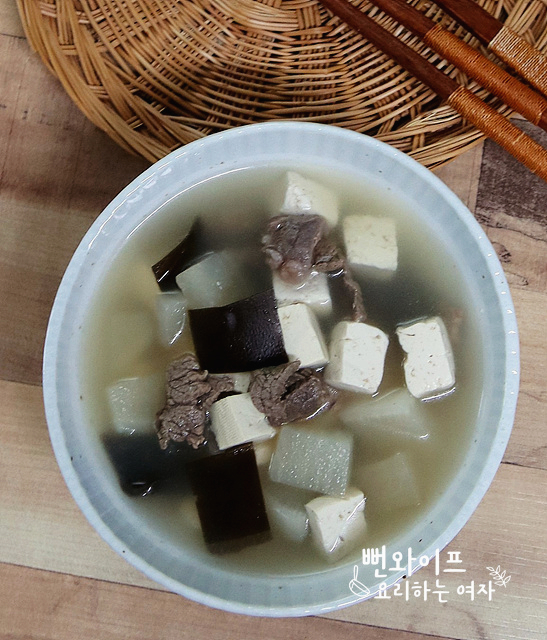
Sauteing the beef and Korean radish with a little water instead of oil gives this soup an exceptionally clean flavor. It is gently simmered for a long time to draw out the natural, deep richness of the dried kelp and beef. It is wonderful for ancestral memorial tables during traditional holidays, but equally comforting as an everyday soup.
- Servings
- 6 servings
- Cook time
- 30 minprep not included
- Difficulty
- Easy
- Spiciness
- Not spicy
Ingredients
Ingredients
- Beef300 g
- Korean radish (mu)300 g
- Tofu1 block, 300 g
- Dried kelp (dasima)2 sheets (10 cm square)
- Water10 cups (or more)
Broth seasoning
- Soup soy sauce (guk-ganjang)2 tbsp
- Salta little
- Adding seafood such as mussels or clam meat gives the broth a refreshing, rich flavor.
- To remove any unwanted smell, press the beef thoroughly with paper towels to absorb excess blood.
Steps
Prepare the ingredients
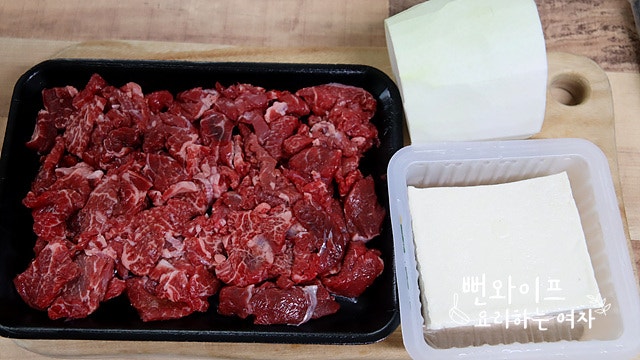
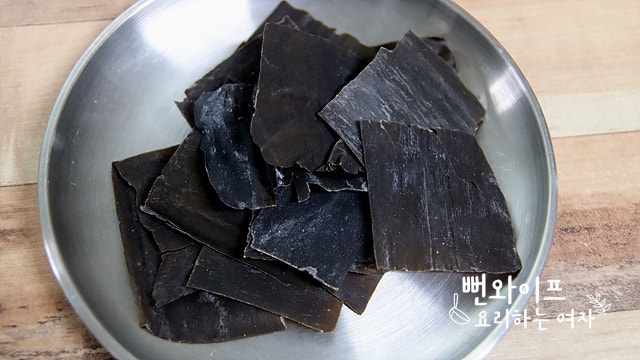
Here is 300 g of sliced soup-grade beef, Korean radish, and tofu.
Also prepare dried kelp to bring out umami in the broth.
Adding seafood such as mussels or clam meat makes the broth refreshing and rich.
Trim and cut the ingredients
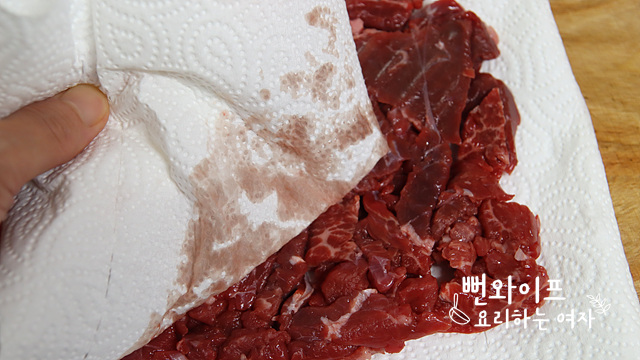
To remove any unwanted smell, press the beef thoroughly with paper towels to absorb excess blood.
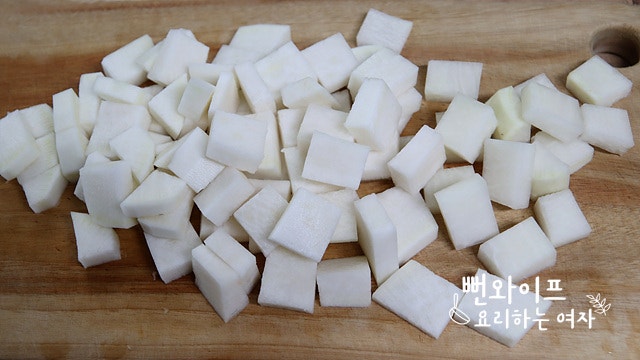
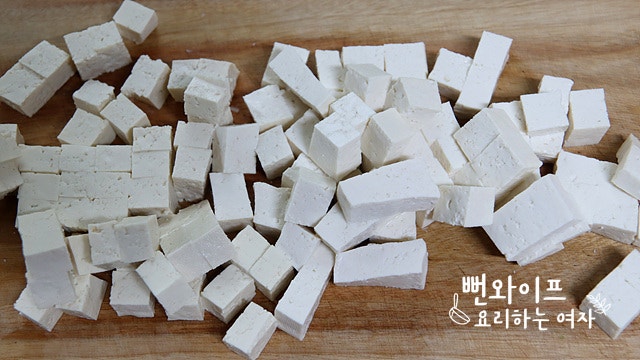
Because tangguk is simmered gently for a long time, it is best to cut the Korean radish into thick pieces.
Cut it into bite-sized thin squares or cubes, and slice the tofu into similar sizes as the radish.
Saute the beef and radish
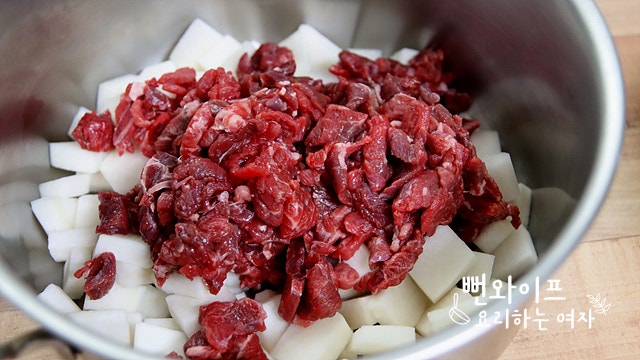
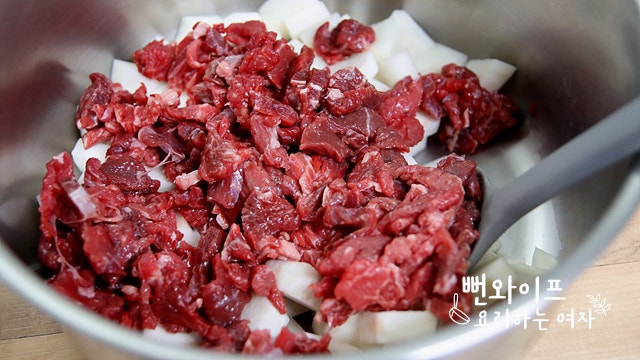
Saute the beef and Korean radish in a pot.
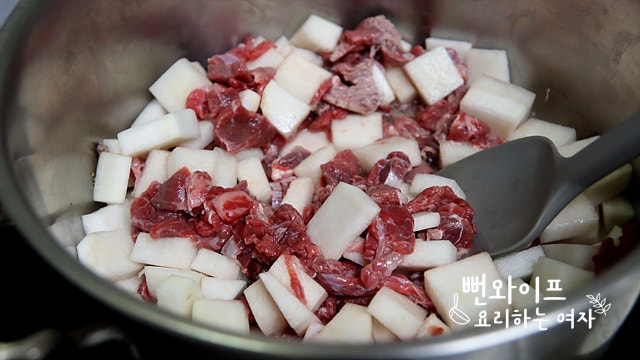
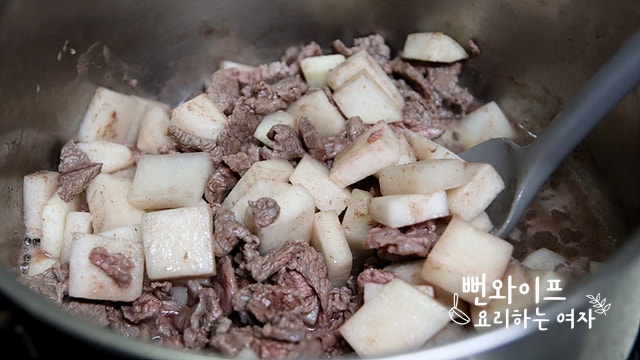
Without adding any oil, pour in about 1/2 cup of water, just enough for sauteing, and stir-fry while turning until the meat loses its red color.
To season the meat lightly, add 1 tbsp of soup soy sauce and 1 tbsp of mirin while sauteing.
Simmer
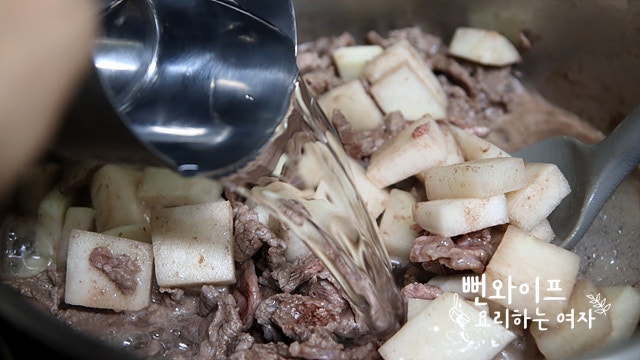
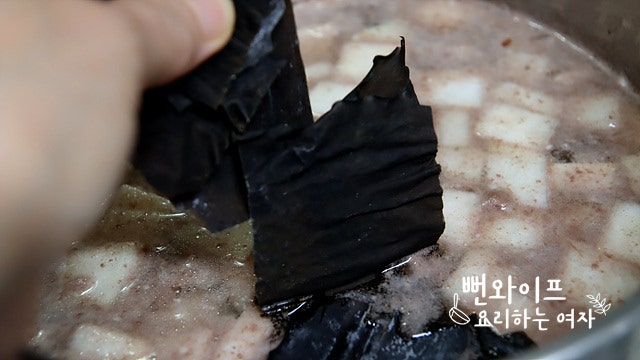
Pour in 10 cups of water first and add the dried kelp.
You will be adding tofu later, so make sure to pour in plenty of water.
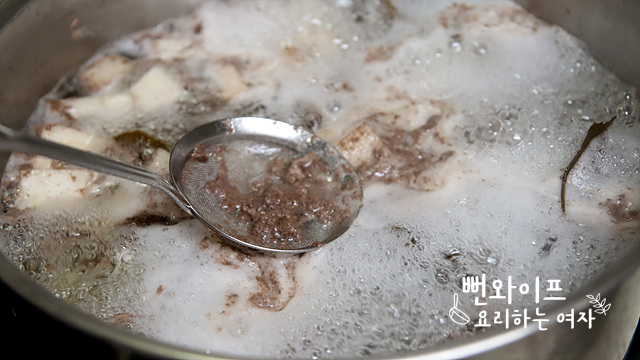
Once it comes to a rolling boil over high heat, neatly skim off any foam or fat.
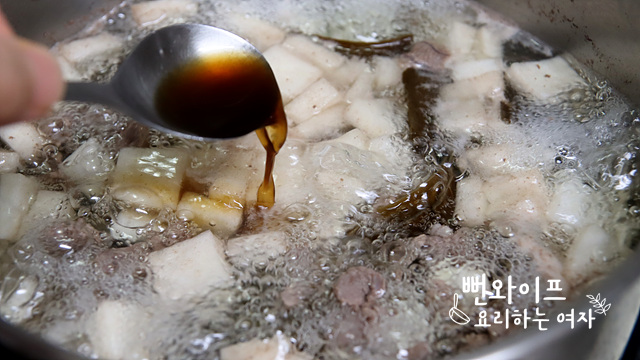
Now add an additional 2 tbsp of soup soy sauce to season the broth.
Cover with a lid and simmer gently for at least 20 minutes so the meat flavor fully infuses and the radish cooks until tender.
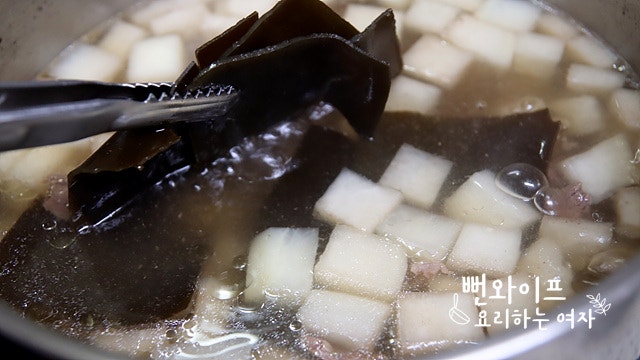
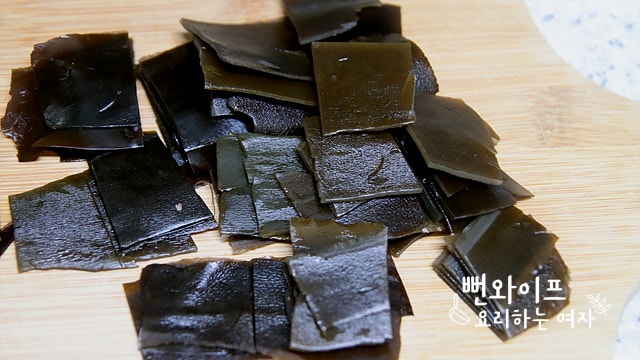
Take out the dried kelp since its flavor has been fully extracted into the broth...
Eating the kelp in tangguk is also quite enjoyable, so cut it into bite-sized pieces to add back at the very end.
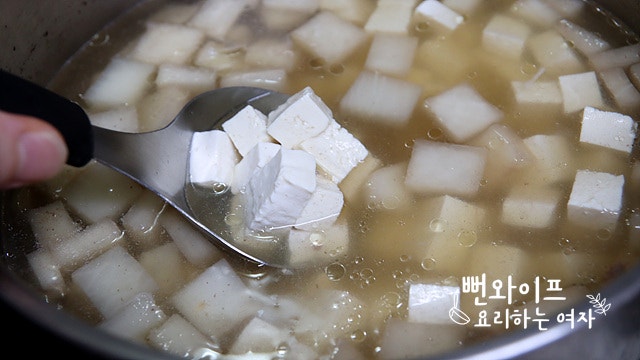
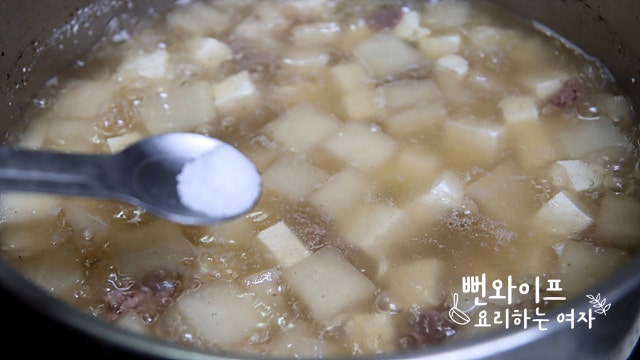
Add the tofu and simmer for about 10 minutes until tender, then adjust the final seasoning with a little salt.
If the broth has reduced too much while boiling, simply add more water and adjust the seasoning.
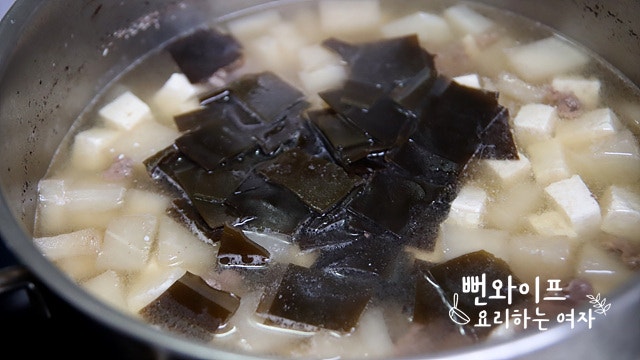
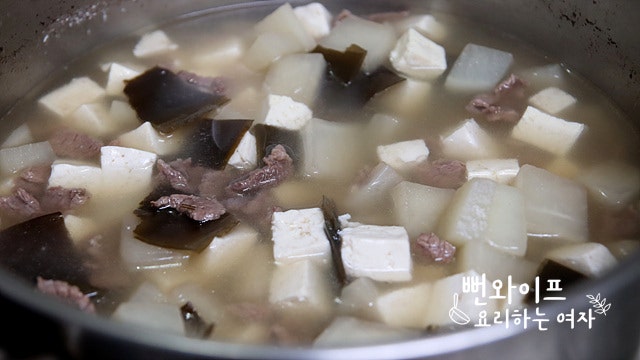
Finish by adding the dried kelp and stirring it in.
If you do not care for kelp, you can leave it out.
Finish
The ancestral memorial tangguk is complete.
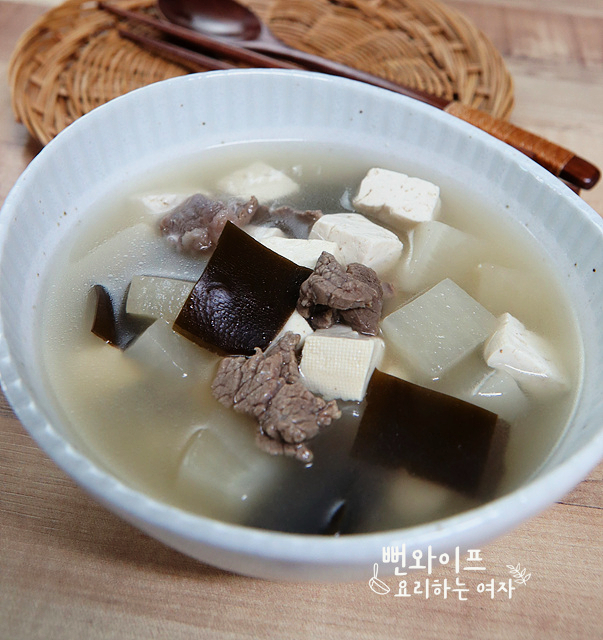
Even without seafood, using plenty of dried kelp makes the broth mild, savory, and delicious.
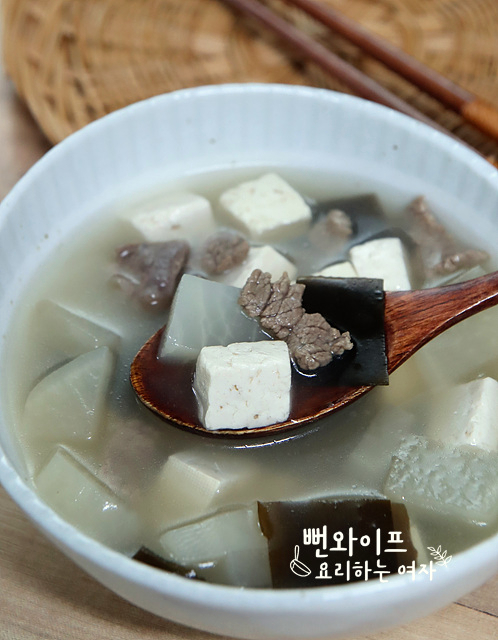
Simmering it gently for a long time makes the beef and Korean radish tender and pleasant to eat.
Even though this ancestral tangguk is cooked without the five pungent roots using only the natural flavors of the ingredients, it lacks nothing and tastes wonderful.
It must come down to the care of the cook and the time spent simmering.
 Ppunwife's tips
- Because tangguk is simmered gently for a long time, it is best to cut the Korean radish into thick pieces.
- Once it comes to a rolling boil over high heat, neatly skim off any foam or fat.
- If the broth has reduced too much while boiling, simply add more water and adjust the seasoning.
FAQ
How do I prep the beef to remove any gamey odor?
Before cooking, it is best to press the beef thoroughly with paper towels to wipe away excess blood.
How do you saute the beef and radish without oil?
Instead of cooking oil, pour in about half a cup of water and stir-fry until the red color disappears.
Are there ingredients that make the broth even more refreshing?
Adding seafood like mussels or clam meat will make the broth much more refreshing and rich.
Should I throw away the dried kelp after taking it out?
After extracting the broth, you can slice the removed kelp into bite-sized pieces and add it back to the soup at the very end to enjoy.