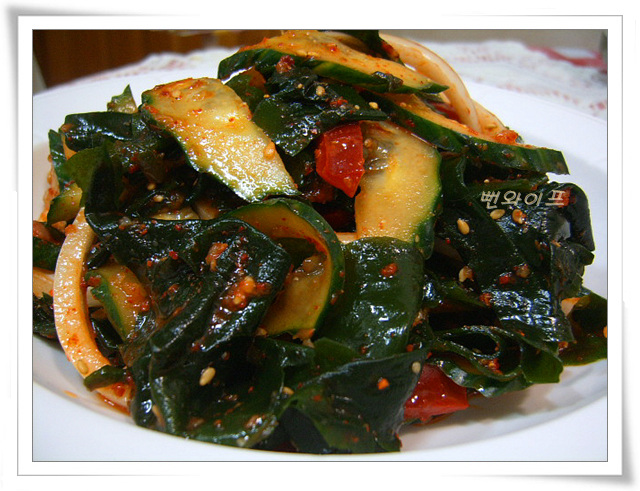
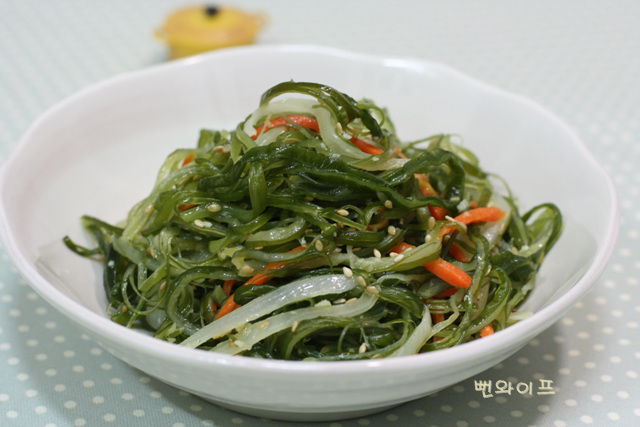
Crisp Mulmiyeok Muchim (Seasoned Fresh Seaweed)
A seasonal winter side dish of raw fresh seaweed tossed in a sweet and tangy gochujang dressing.
Translated from Korean by AI and not yet checked by a native speaker. Amounts and numbers are taken directly from the original recipe. Read the Korean original →
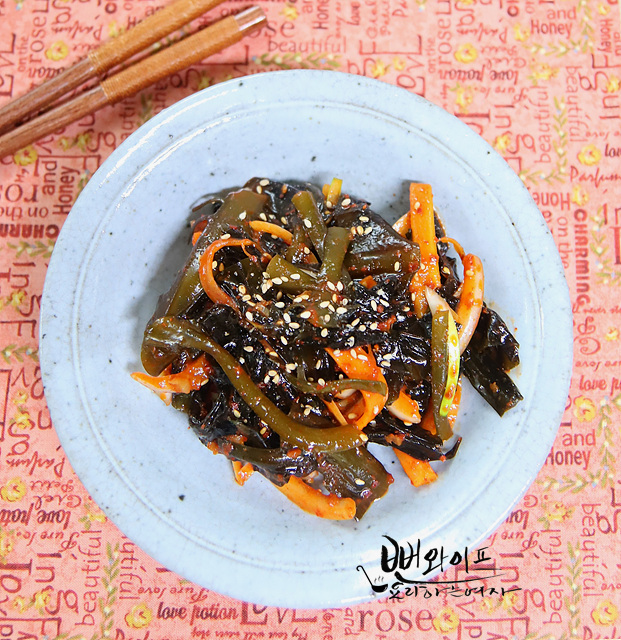
This side dish highlights the signature crunchy texture and fresh ocean aroma of winter fresh seaweed. Mixing fine gochugaru into the seasoning helps the dressing cling tightly to the seaweed without sliding off. It makes a refreshing, appetite-whetting side dish for rice that comes together easily.
- Servings
- about 2–3 servingsOriginal: 2 plates
- Difficulty
- Medium
- Spiciness
- Mildly spicy
Ingredients
Ingredients
- Fresh seaweed (mulmiyeok) (or fresh seaweed (miyeok))150 g (after cleaning)
- Onion1/2 (small)
- Carrot1/4
- Large green onion (daepa)a little
Seasoning
- Gochugaru (Korean chili flakes)2 tbsp (1 fine + 1 coarse)
- Gochujang (Korean red chili paste)1 tbsp
- Regular soy sauce (jin-ganjang) (or brewed soy sauce (yangjo-ganjang))1 tbsp
- Minced garlic1/2 tbsp
- Vinegar2 tbsp
- Corn syrup (mulyeot) (or oligosaccharide syrup (oligodang), green plum syrup (maesil-cheong))2 tbsp
- Toasted sesame oila little
- Toasted sesame seedsa little
Chojang
- Gochujang (Korean red chili paste)1 tbsp
- Soy sauce (or brewed soy sauce (yangjo-ganjang))1 tbsp
- Vinegar2–3 tbsp
- Corn syrup (mulyeot) (or green plum syrup (maesil-cheong))1 tbsp
- Sugar1/2 tbsp
- Minced garlic1/2 tbsp
- When I buy a bundle of fresh seaweed, I use the tender half to toss raw and blanch the rest to enjoy with sauce.
- You can also finely mince spicy Cheongyang chili pepper and add it.
Steps
Prepare the ingredients
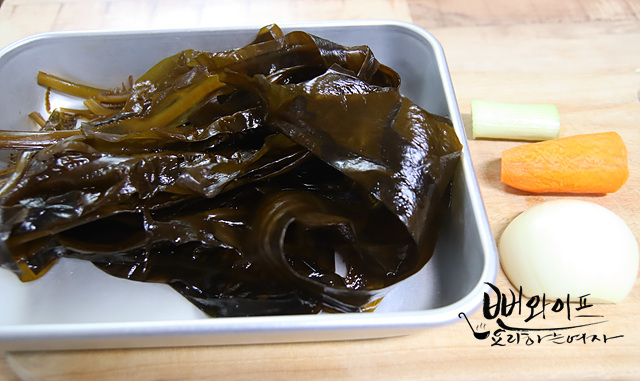
One bundle of fresh seaweed usually weighs around 350g.
I will toss 150g of cleaned fresh seaweed raw and blanch the rest to dip in chojang.
The secondary ingredients for the fresh seaweed salad are onion, carrot, and large green onion.
Clean the fresh seaweed
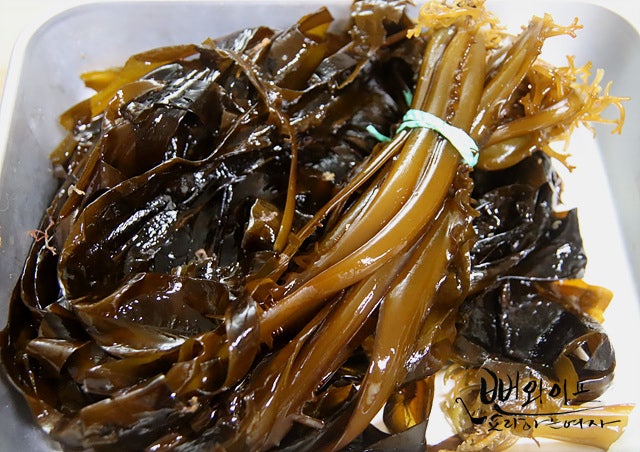
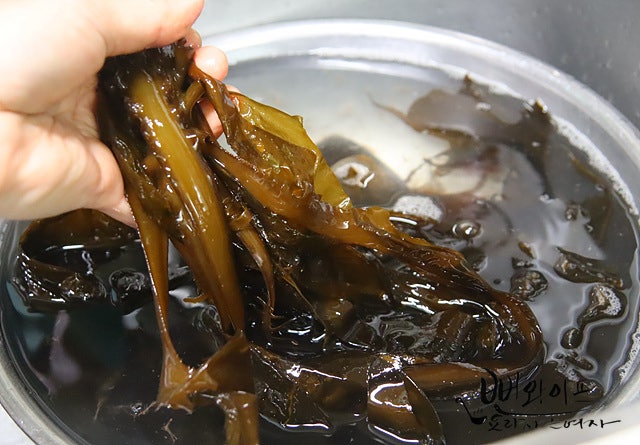
Fresh seaweed is sold tied in bundles like this.
It is much easier to wash if you keep it tied.
Debris can cling to the seaweed, so hold the bunch with one hand and wash it under running water while running your other hand down along it.
Cut the ingredients
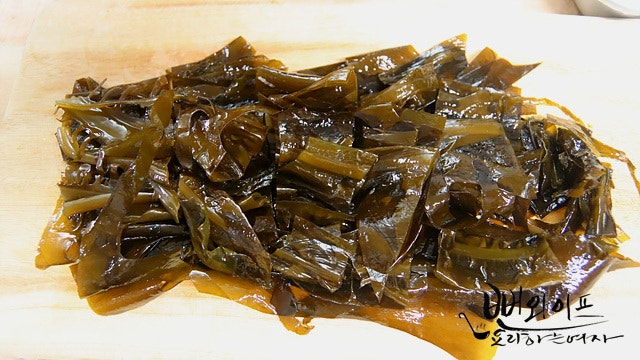
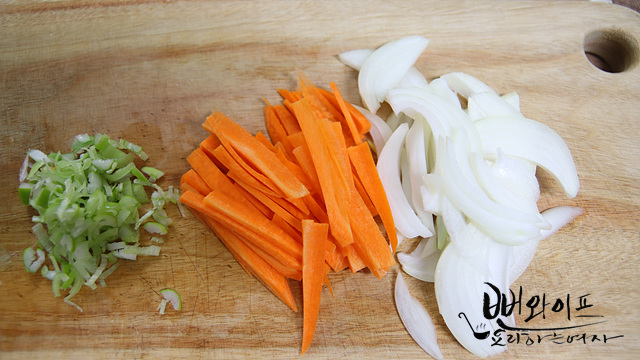
After washing, squeeze down the seaweed to remove excess water, trim off the hard stems, and cut into bite-sized lengths.
(You can blanch and eat the trimmed stems.)
Julienne the onion and carrot, and finely mince the large green onion. (You can also mince spicy Cheongyang chili pepper and add it.)
Make the dressing
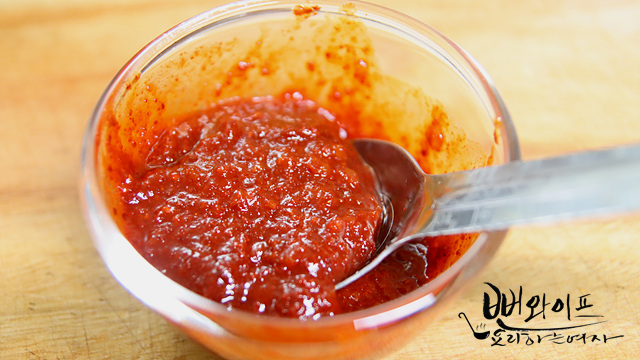
Add the dressing ingredients for mulmiyeok muchim: 2 tbsp gochugaru, 1 tbsp gochujang, 1 tbsp regular soy sauce, 1/2 tbsp minced garlic, 2 tbsp vinegar, and 2 tbsp corn syrup...
Mix them in advance so the flavors blend well together.
It is good to mix in fine gochugaru so the sauce clings well to the fresh seaweed.
Toss together
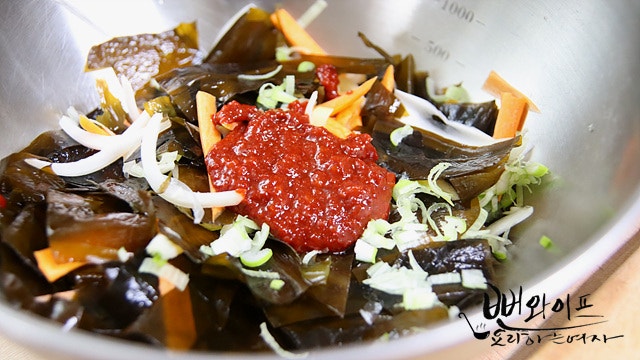
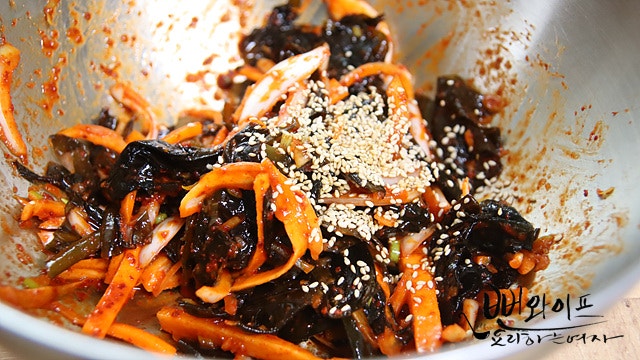
Add the fresh seaweed, onion, carrot, minced green onion, and all the seasoning, toss everything together, then taste and adjust the sweet and sour notes to your liking.
Finish by adding a little toasted sesame oil and toasted sesame seeds.
Blanch the fresh seaweed
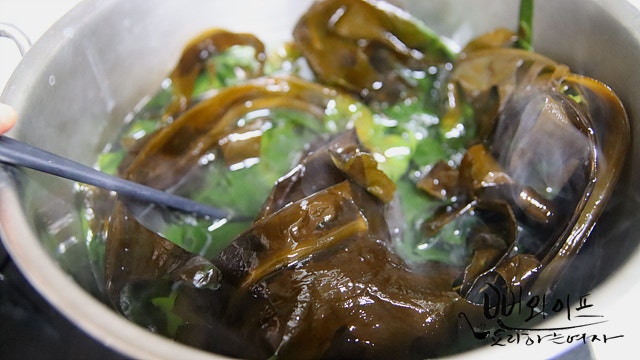
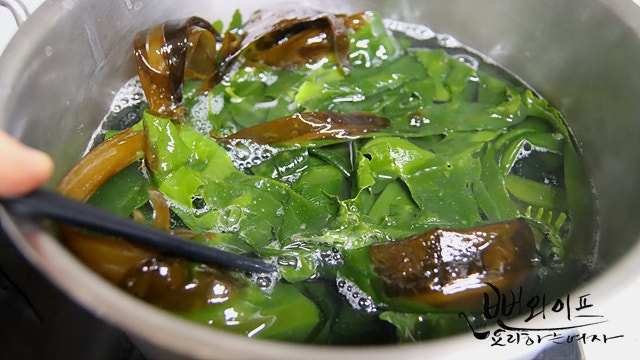
Add the fresh seaweed to rolling boiling water, give it a quick stir, and as soon as it turns completely green, rinse it immediately in cold water.
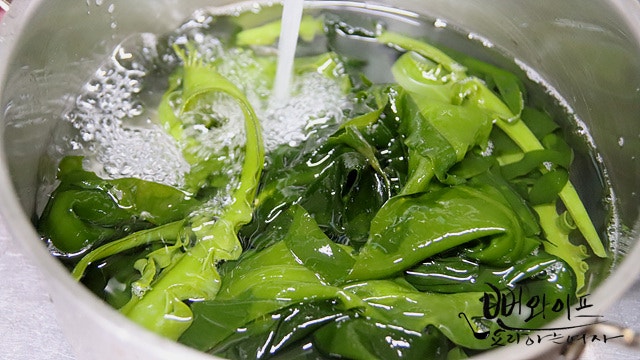
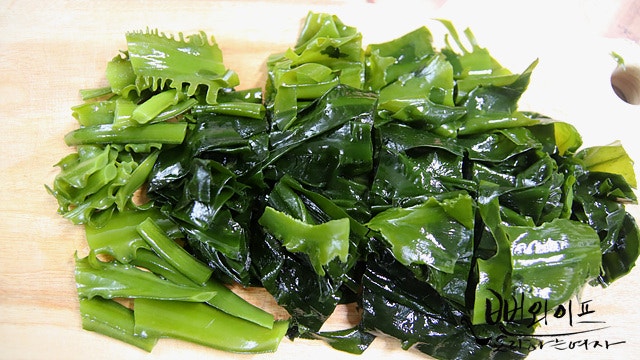
Rinse in cold water until the heat is completely gone.
The seaweed that felt stiff when raw becomes tender once blanched. Drain the water thoroughly and cut into bite-sized lengths.
Finish
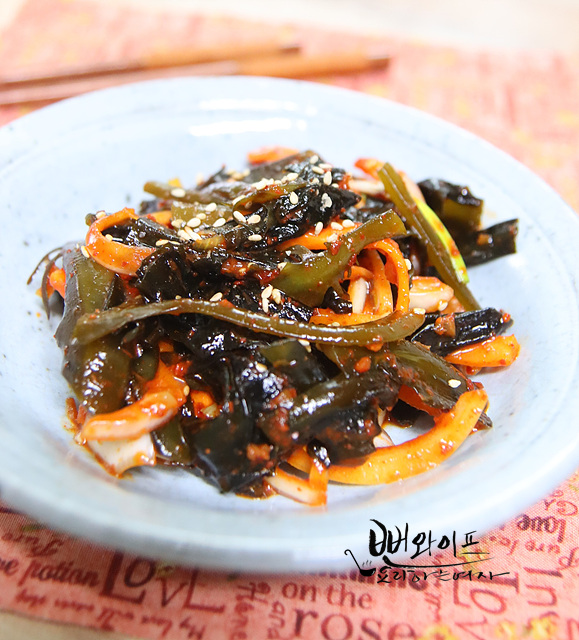
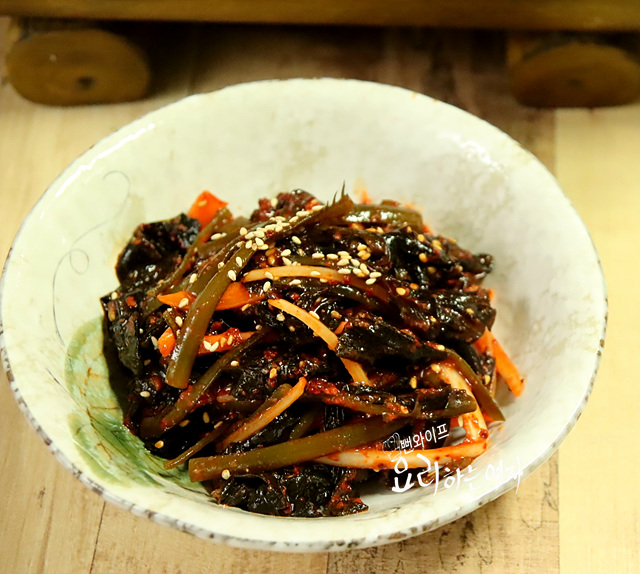
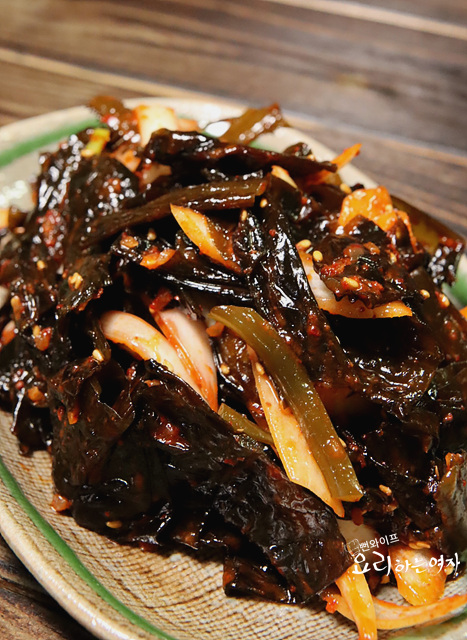
Here is the finished fresh seaweed salad.
When I buy a bundle of fresh seaweed, I pick the tender half to toss raw like this, and blanch the rest to dip in chojang.
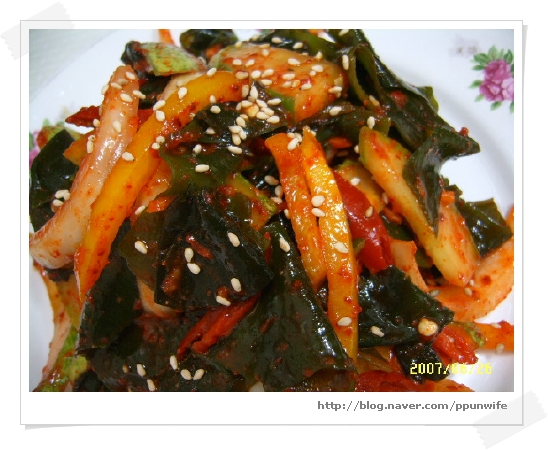
You can also blanch it and toss it with the same dressing.
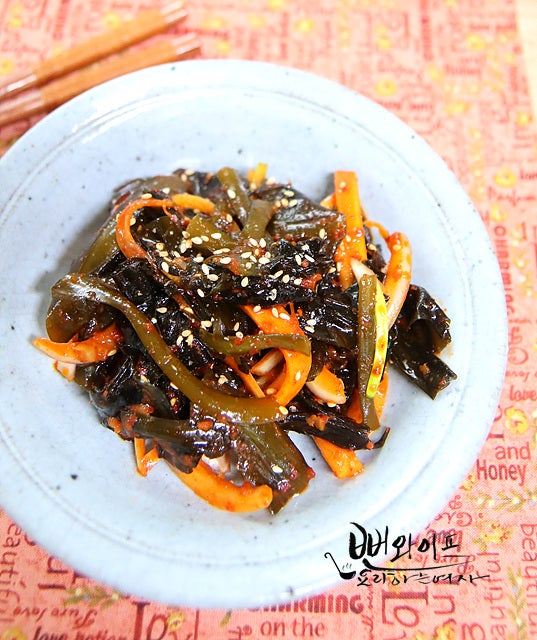
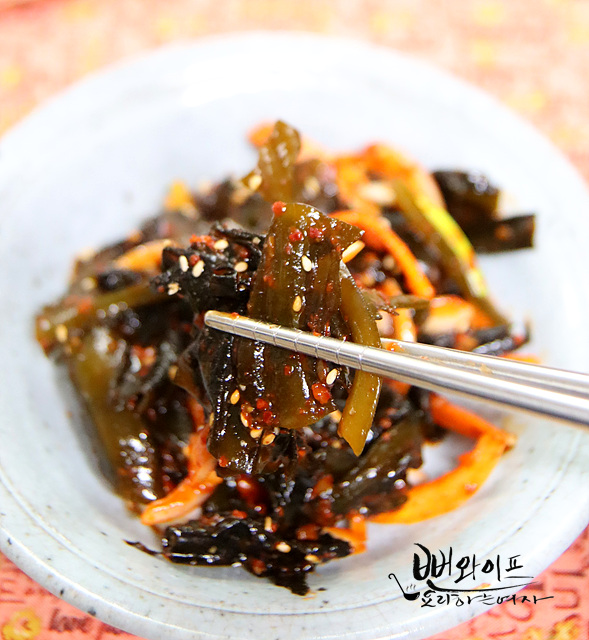
The crunchy texture and ocean aroma of raw seaweed are truly wonderful.
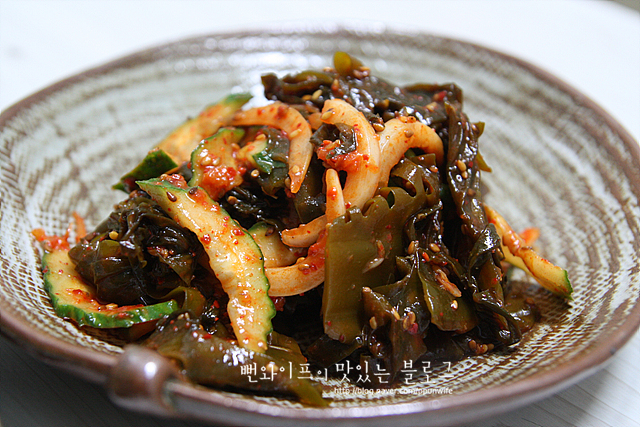
You can enjoy it as a side dish for rice, or toss it together with parboiled squid for a fantastic special dish.
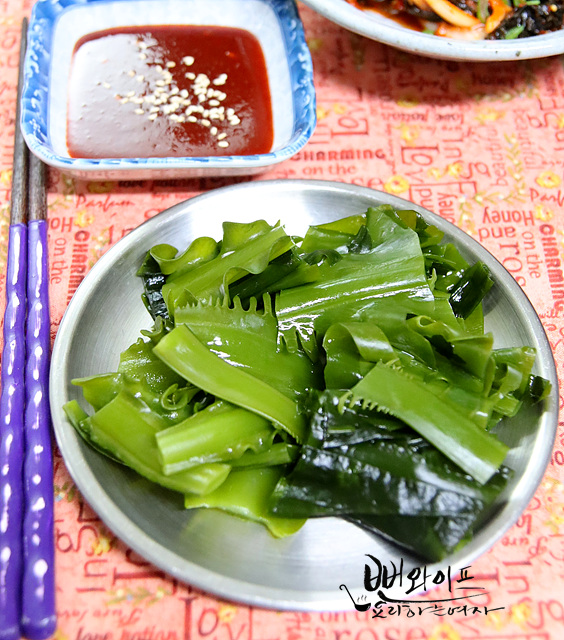
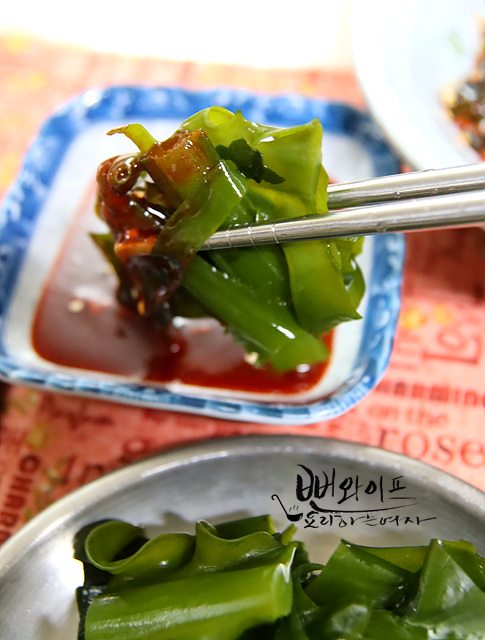
Dip the blanched fresh seaweed lightly in chojang to enjoy its tender texture.
Even the stems that seem too hard to eat turn tender yet pleasantly crunchy once blanched.
 Ppunwife's tips
- It is much easier to wash if you keep it tied.
- It is good to mix in fine gochugaru so the sauce clings well to the fresh seaweed.
- Add the fresh seaweed to rolling boiling water, give it a quick stir, and as soon as it turns completely green, rinse it immediately in cold water.
FAQ
How can I prepare it if eating it raw feels unappealing?
Briefly submerge it in boiling water, rinse immediately in cold water as soon as it turns completely green, and either toss it in the same seasoning or dip it in chojang.
Can I eat the hard stem parts of fresh seaweed too?
The stems trimmed off before tossing can be blanched in boiling water to enjoy a texture that is tender yet pleasantly crunchy.
Why do you mix in fine gochugaru when making the seasoning?
Using fine-particle gochugaru together with coarse flakes helps the seasoning cling securely to the surface of the seaweed instead of sliding off.
What ingredient can I add to make it spicier?
When preparing the vegetables, you can finely mince a Cheongyang chili pepper and toss it in with the seasoning to add spicy heat.