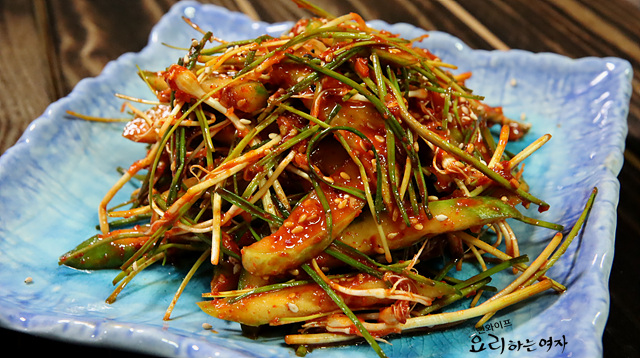
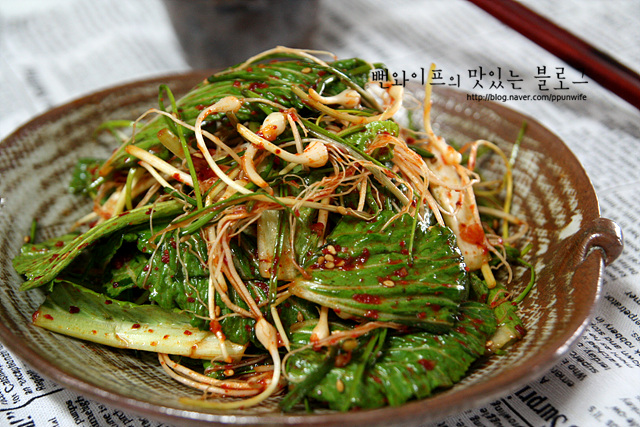
Fragrant Dallae Muchim (Seasoned Wild Chives) with Anchovies
A special side dish combining the savory crunch of toasted tiny dried anchovies with the pungent aroma of wild chives.
Translated from Korean by AI and not yet checked by a native speaker. Amounts and numbers are taken directly from the original recipe. Read the Korean original →
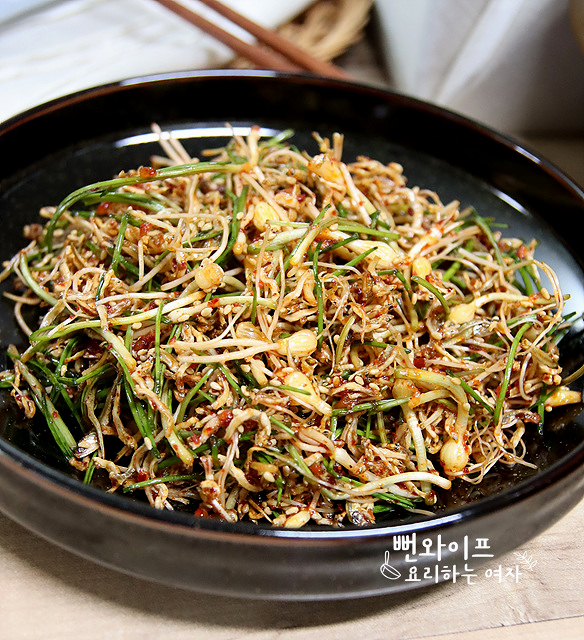
This special side dish combines fragrant wild chives with tiny dried anchovies toasted in a dry pan until crisp to remove any fishiness. Tossed in a sweet and tangy soy seasoning, it makes a wonderful side dish for rice as well as an accompaniment for drinks. Because the anchovies can turn soggy over time, it is best to toss just enough to enjoy in a single meal.
- Servings
- about 2–3 servingsOriginal: 2 plates
- Difficulty
- Medium
- Spiciness
- Mildly spicy
Ingredients
Ingredients
- Dallae (wild garlic)100 g
- Tiny dried anchovies80 g
Dallae muchim seasoning
- Gochugaru (Korean chili flakes)1 tbsp
- Regular soy sauce (jin-ganjang) (or brewed soy sauce (yangjo-ganjang))1 tbsp
- Tuna extract sauce (chamchi-aek)1 tsp
- Corn syrup (mulyeot) (or oligosaccharide syrup (oligodang))1 tbsp
- Green plum syrup (maesil-cheong)1 tbsp
- Sugar1/2 tbsp
- Vinegar1/2 tbsp
- Minced garlic1/2 tsp
- Toasted sesame oil (or perilla oil)1 tbsp
- Toasted sesame seeds1 tbsp
- Scrape off any hard foreign bits stuck to the bulb of the wild chives, and neatly peel away any wilted or yellowed outer skin.
- Since they are tossed with toasted anchovies, drain the wild chives as thoroughly as possible.
Steps
Prepare the ingredients
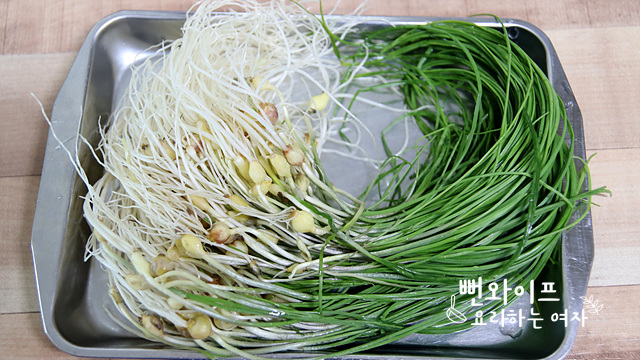
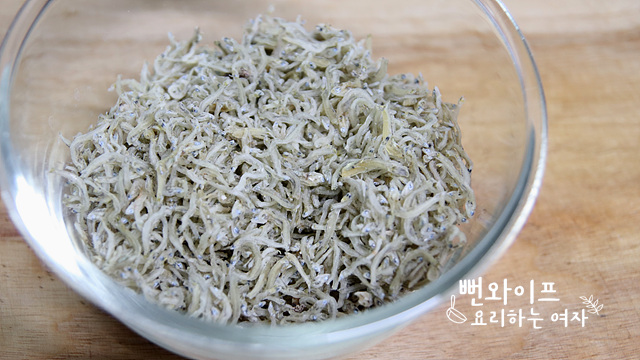
Here is one bunch of wild chives, 100 g. And 80 g of tiny dried anchovies, about 1 1/2 cups.
Trim the wild chives
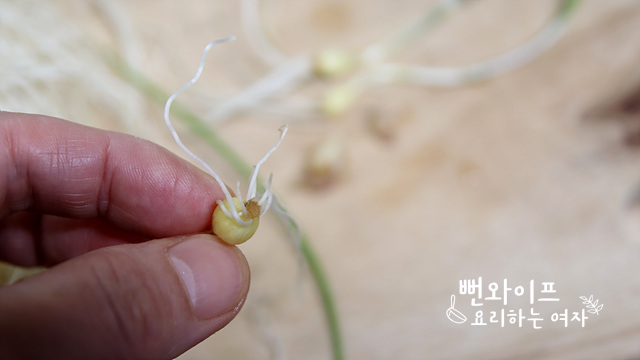
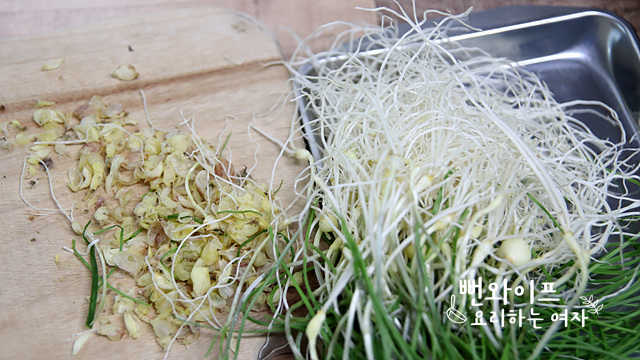
The bulbs of wild chives often have hard bits stuck to them, so scrape those off.
Also neatly peel away any wilted or yellowed skins.
Wash
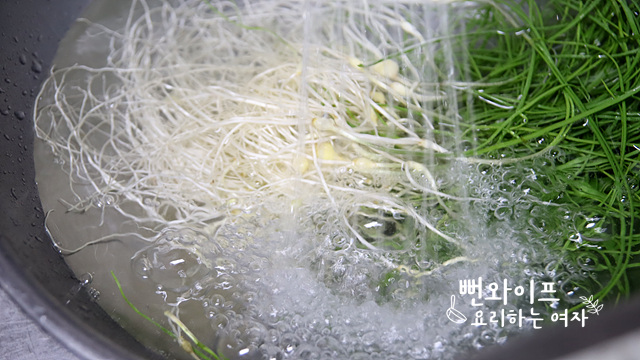
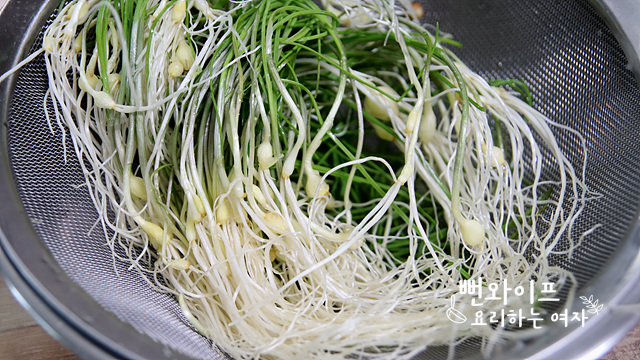
Soak them in water so any clinging soil loosens, then wash them several times while shaking them gently.
Drain in a colander. Since they will be tossed with toasted anchovies, remove as much moisture as possible.
Toast the anchovies
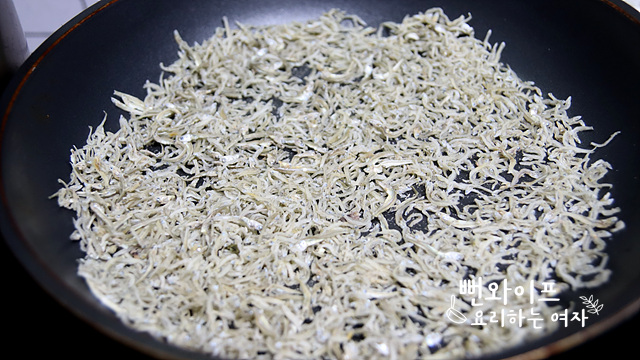
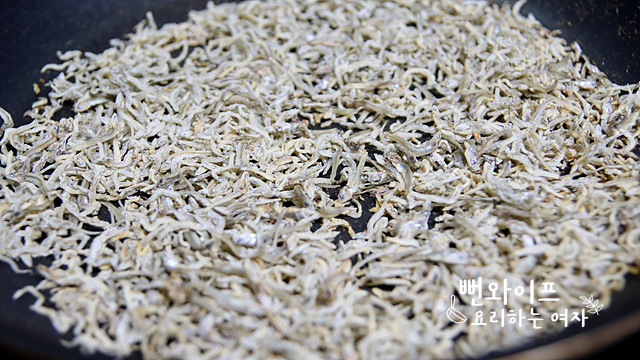
Add the anchovies to an ungreased pan and stir-fry them thoroughly.
If you take your time and toast them until golden all over, the fishy smell disappears.
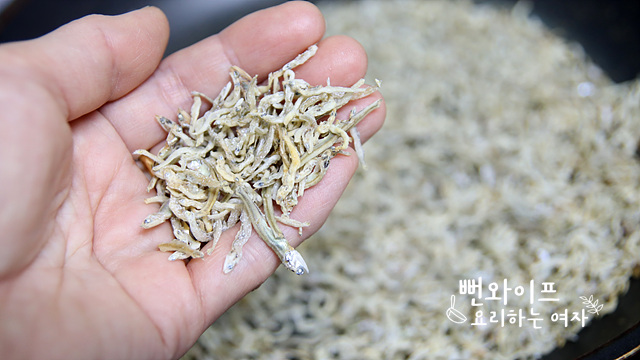
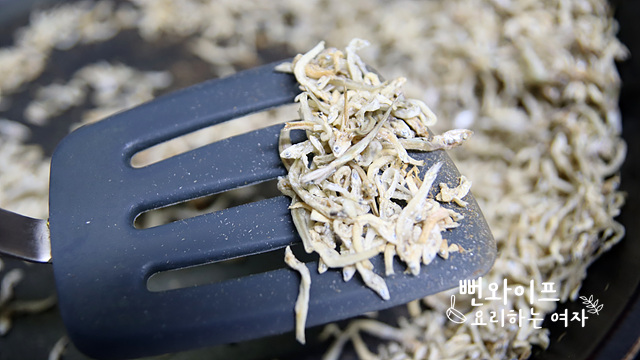
Once well toasted, they will not be hard when chewed, but crispy and savory.
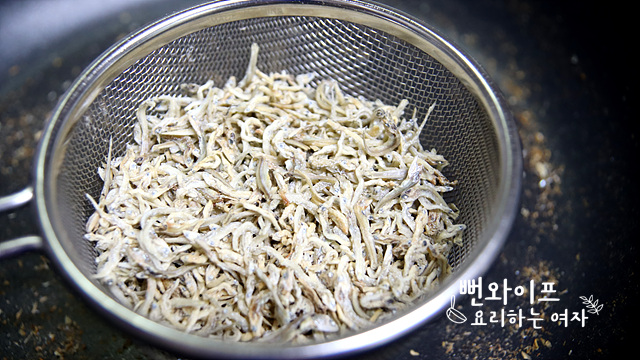
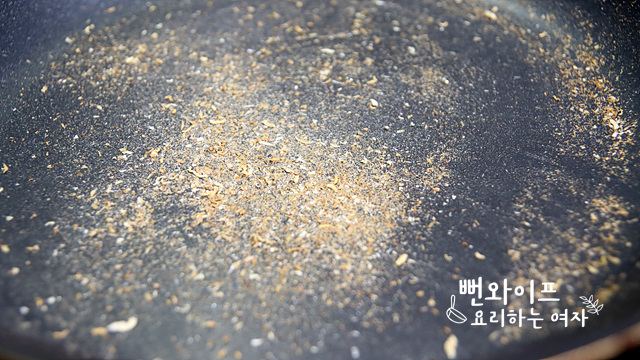
Strain through a sieve to sift out small crumbs.
You can save the crumbs and use them in doenjang soup or jjigae instead of throwing them away.
You can also bake them in an oven preheated to 170 °C for 4 to 5 minutes.
Cut the wild chives and make the seasoning
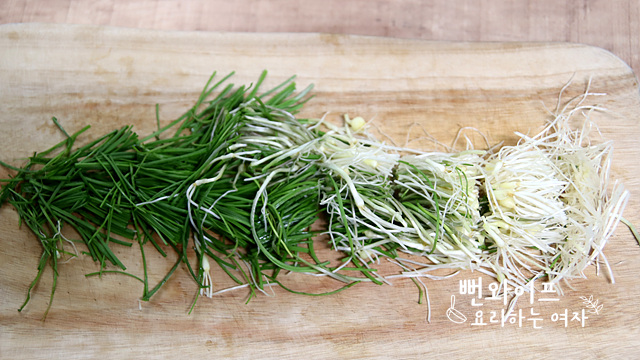
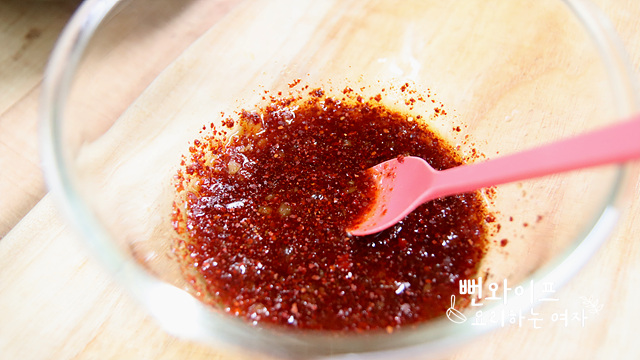
Cut the wild chives into 3 to 4 cm lengths...
Combine all the seasoning ingredients except the toasted sesame oil and toasted sesame seeds, and mix well.
Toss
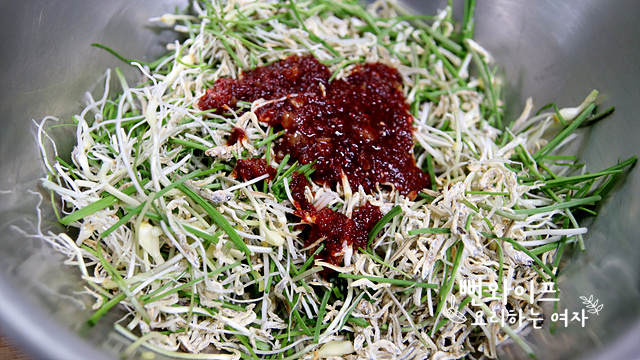
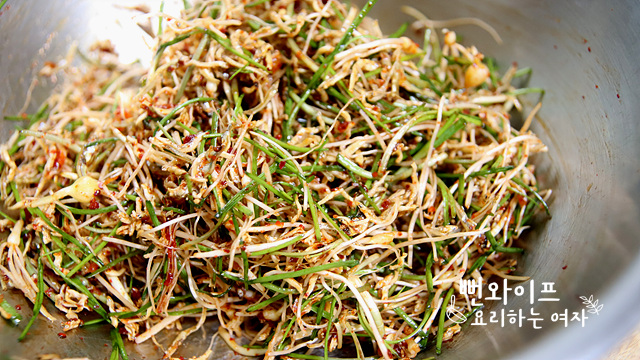
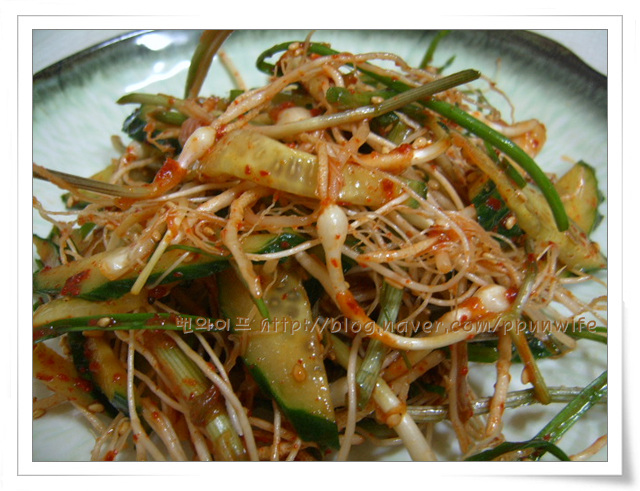
Toss the wild chives and anchovies together once, then add the seasoning and gently toss.
Taste and add any extra seasoning to your liking.
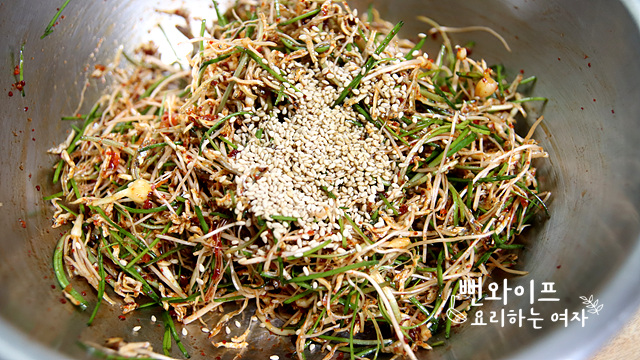
Finish by adding 1 tbsp of toasted sesame oil (or perilla oil) and 1 tbsp of toasted sesame seeds.
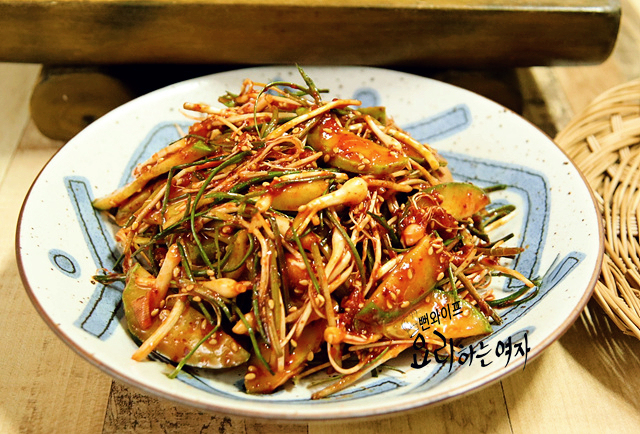
Complete
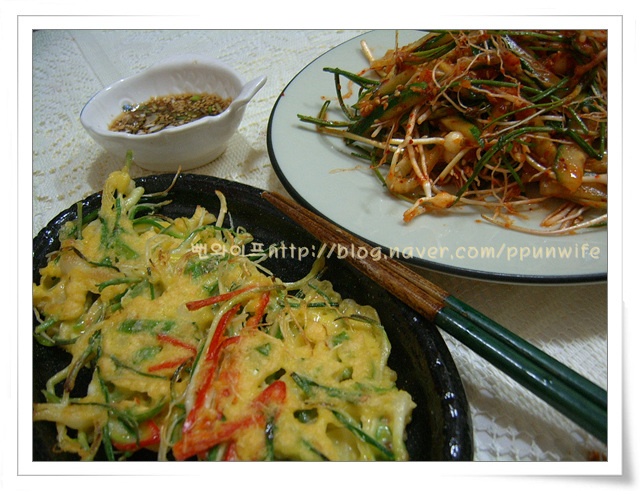
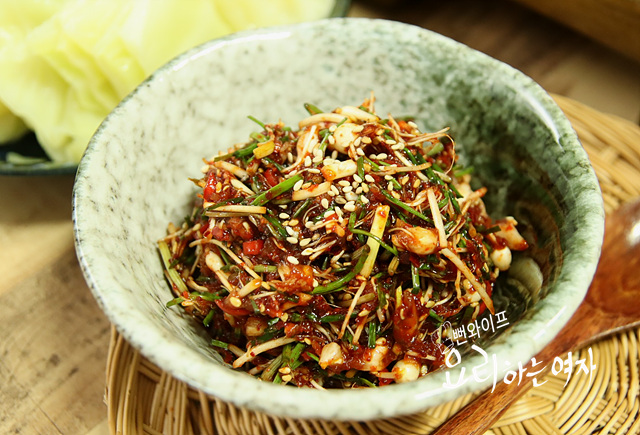
The moment you take a bite, you will understand why Teacher Myeongnam strongly recommended this as a rice side dish.
When eaten right after tossing, the crispiness and savory flavor of the anchovies are truly wonderful.
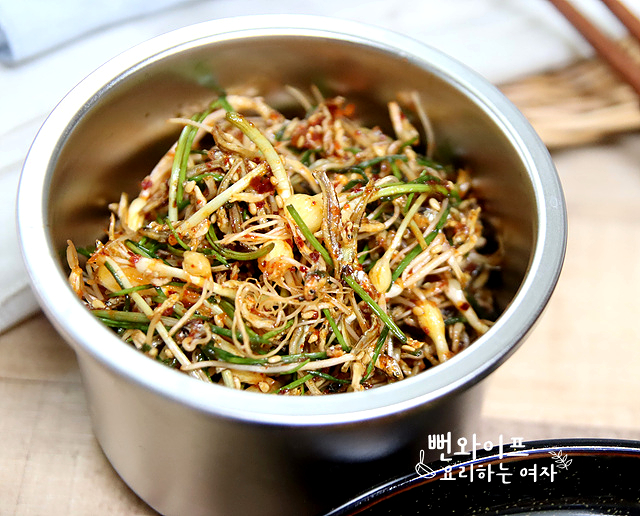
Just like dallae jang, after a day the wild chives lose their volume and thin out, and the anchovies can turn soggy.
It is best to make only as much dallae muchim as you can enjoy in one meal.
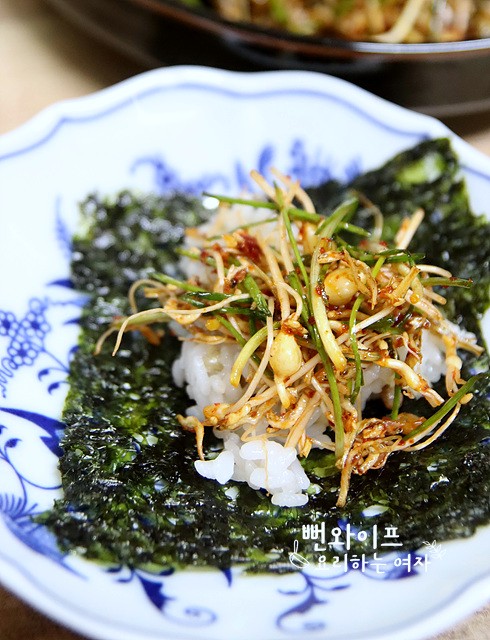
Still, as you eat, it pushes all other side dishes aside—a true rice thief where you end up eating two meals' worth in one sitting.
If you wrap it in dried seaweed sheets with a little rice and plenty of dallae muchim, it tastes far more luxurious than ordinary dallae muchim.
 Ppunwife's tips
- If you take your time and stir-fry the anchovies in an ungreased pan until golden all over, the fishy odor will disappear.
- After a day, the wild chives wilt and thin out, and the anchovies can become soggy, so it is best to make only enough dallae muchim to enjoy in one meal.
FAQ
How do you remove the fishy smell from the anchovies?
Stir-frying them thoroughly in an ungreased pan until lightly golden removes the fishy smell and makes them crispy. You can also bake them in a preheated 170 °C oven for about 4 to 5 minutes.
How can I use the leftover anchovy crumbs after toasting?
Instead of throwing them away, you can use the small crumbs sifted through the sieve to flavor the broth for doenjang soup or jjigae.
Can I make this in large batches ahead of time?
After a day, the wild chives lose their volume and the anchovies tend to turn soggy, so it is recommended to toss only enough to enjoy in a single meal.