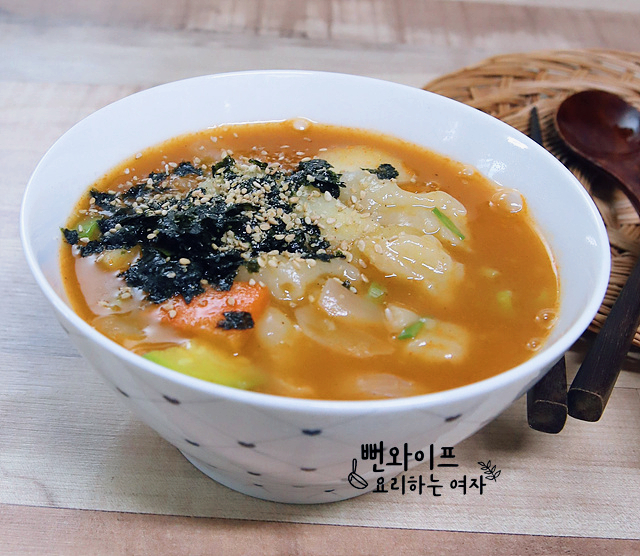
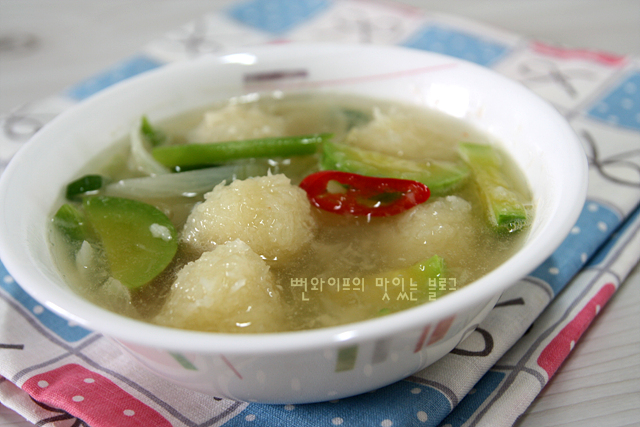
Chewy Potato Starch Sujebi (Hand-Torn Noodle Soup)
A one-bowl meal of chewy hand-torn noodles in anchovy broth made with potato starch so they stay firm without getting soggy.
Translated from Korean by AI and not yet checked by a native speaker. Amounts and numbers are taken directly from the original recipe. Read the Korean original →
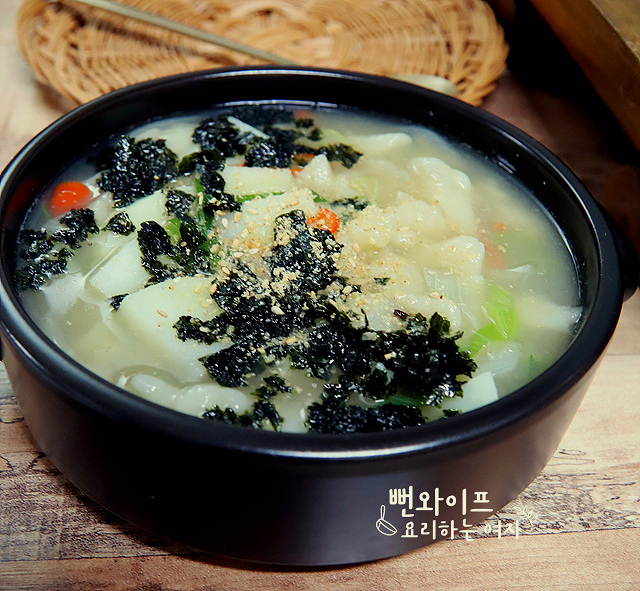
Adding potato starch to flour creates a loose dough that rests in the refrigerator for a chewy texture that stays firm over time. Served with fresh potatoes and vegetables in anchovy broth, it makes a comforting one-bowl meal.
- Servings
- 2 servings
- Difficulty
- Medium
- Spiciness
- Mildly spicy
Ingredients
Ingredients
- Potato1 (medium)
- Onion1/2
- Large green onion (daepa)1/2 stalk
- Cheongyang chili pepper (hot green chili) (or red chili pepper)1
- Seaweed flakesa little
- Anchovy broth6 cups
Sujebi Dough
- Flour2 cups
- Potato starch1/2 cup
- Water1 cup
- Salt1/2 tsp
Seasoning
- Soup soy sauce (guk-ganjang)1 tbsp
- Minced garlic1/2 tbsp
- Salt1/2 tsp
- Ground black peppera little
- Rest the dough in the refrigerator for at least 30 minutes to 1 hour before using; resting it longer makes it even chewier.
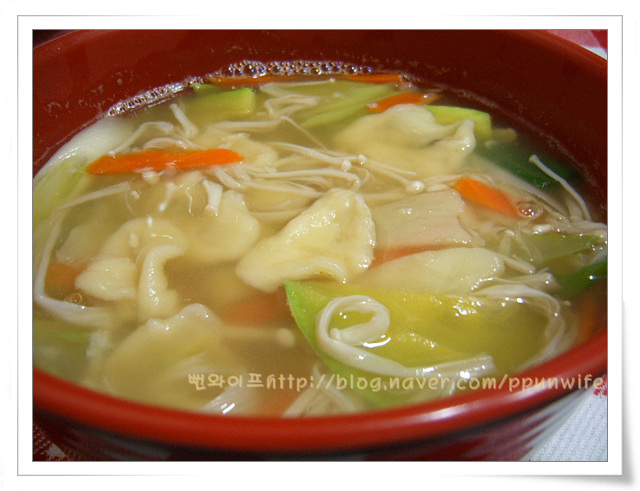
- Besides potato, onion, green onion, and chili pepper, you can also add zucchini, mushrooms, or carrots.
- Instead of anchovy broth, you can use 2 broth tablets dissolved in 6 cups of water.
Steps
Slice the vegetables
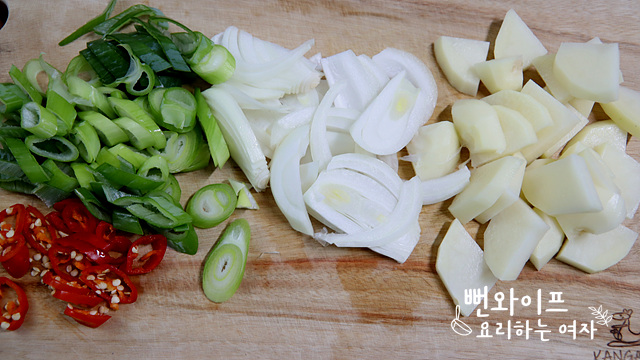
Cut the potato into small, thick slices, thinly slice the onion, and diagonally slice the green onion and chili pepper.
Make the sujebi dough
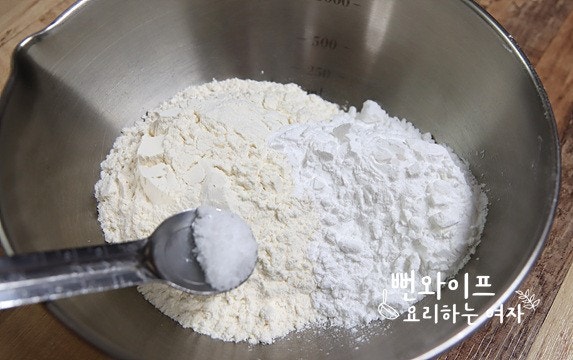
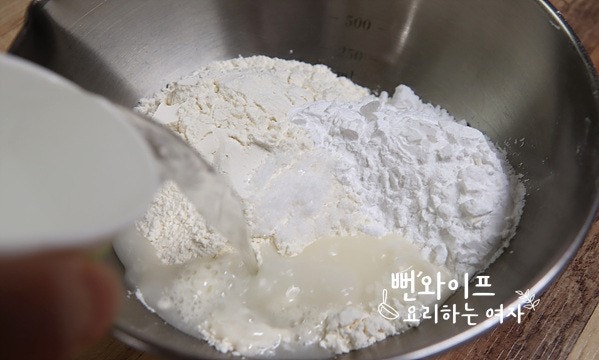
Add 2 cups flour, 1/2 cup potato starch, and 1/2 tsp salt...
Pour in 1 cup water as well.
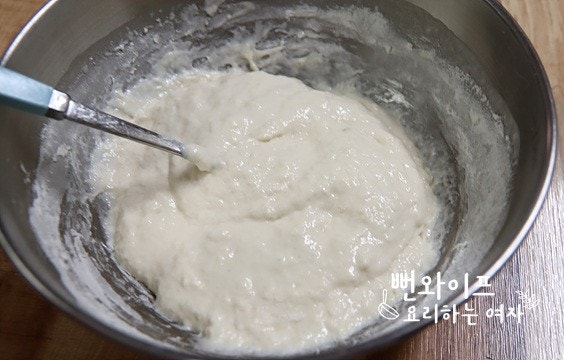
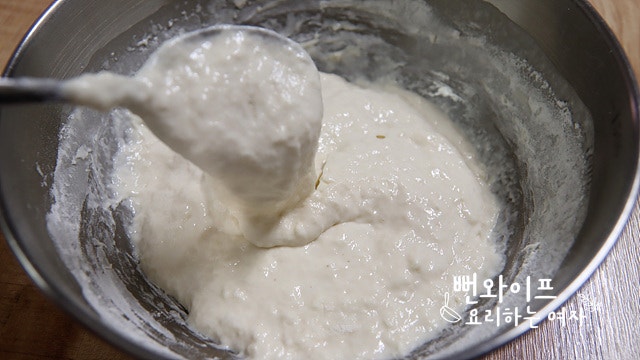
Mix well so there is no visible flour and no lumps.
It is much thinner than standard sujebi dough and thicker than pancake batter.
It does not run smoothly, but drops slowly from the spatula in thick clumps.
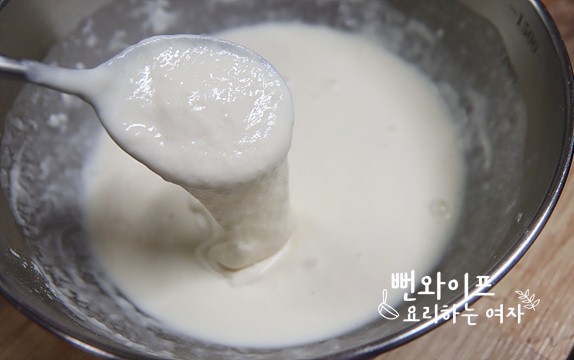
Rest it in the refrigerator for at least 30 minutes to 1 hour before using.
I made the dough the night before, covered it with plastic wrap, and rested it in the refrigerator for a day; the dough turned out smooth with incredible elasticity.
The longer it rests, the chewier it gets and the less it gets soggy or falls apart when boiled, so it is best to take your time and rest it longer.
Boil
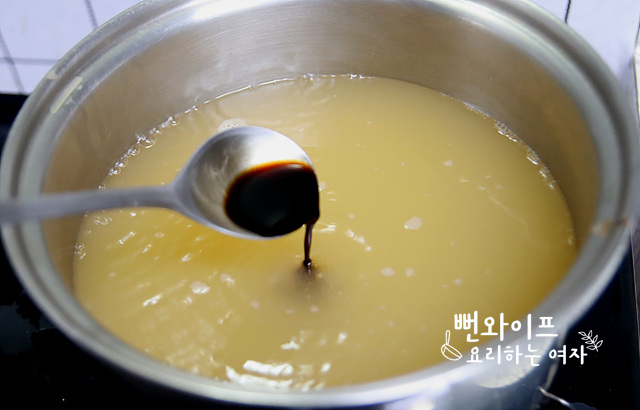
Season 6 cups anchovy broth by adding 1 tbsp soup soy sauce (guk-ganjang).
You can also use 6 cups water with 2 broth tablets added.
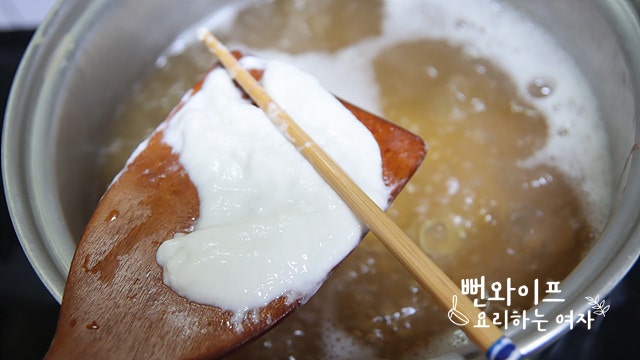
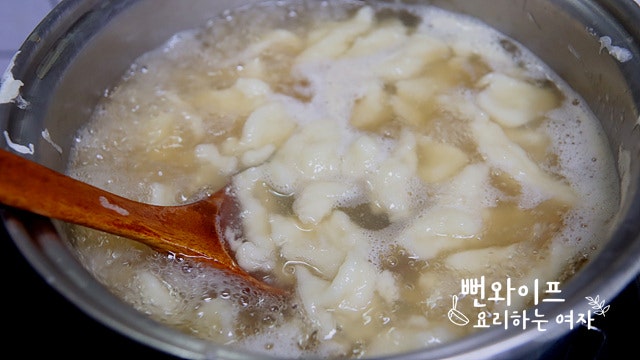
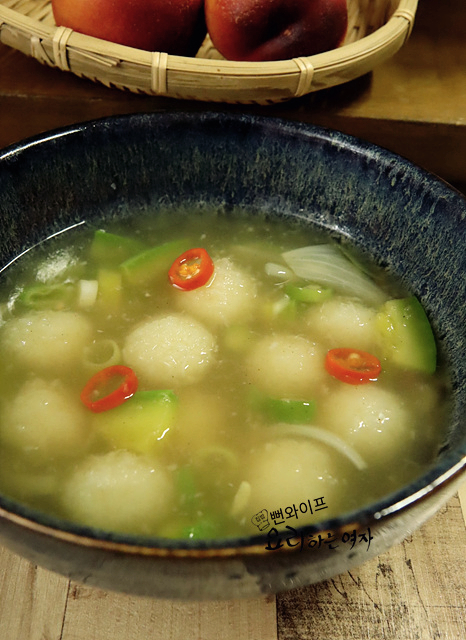
Scoop the dough with a spatula and pinch off pieces with chopsticks as you drop them in.
Moisten the utensils with broth as you drop the sujebi so the dough does not stick.
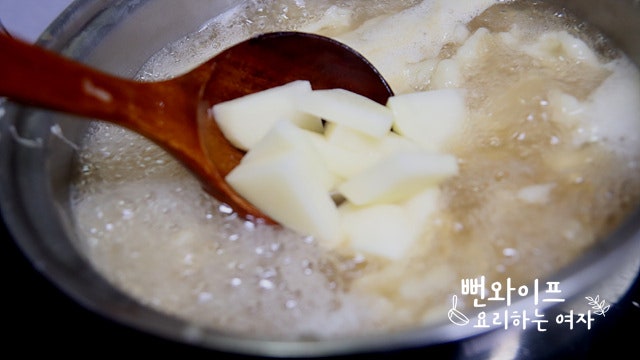
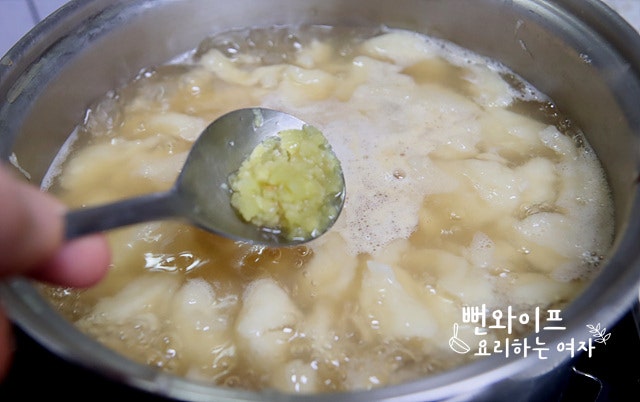
Add the potato right away along with 1/2 tbsp minced garlic.
Once the potato and sujebi are fully cooked... (when the sujebi floats to the top, it is cooked through).
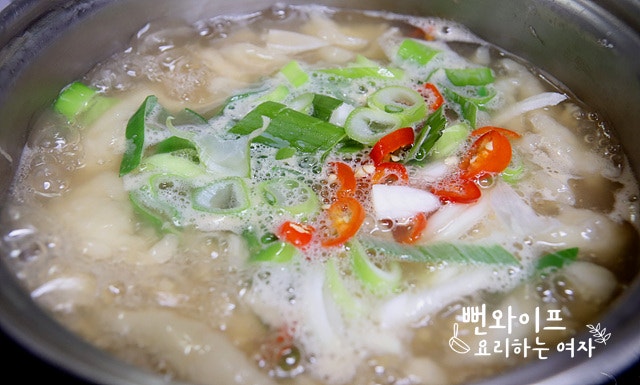
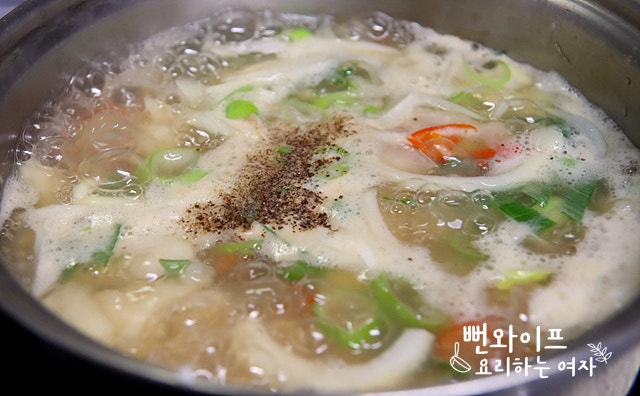
Taste and adjust the seasoning with about 1/2 tsp salt, then add the green onion, chili pepper, and a little ground black pepper.
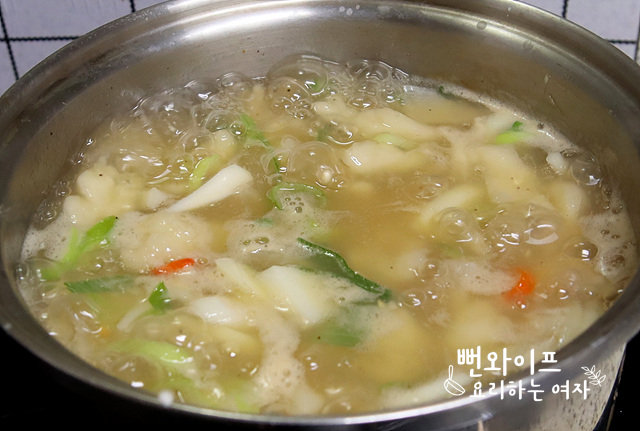
Give it a quick boil to finish.
Finish
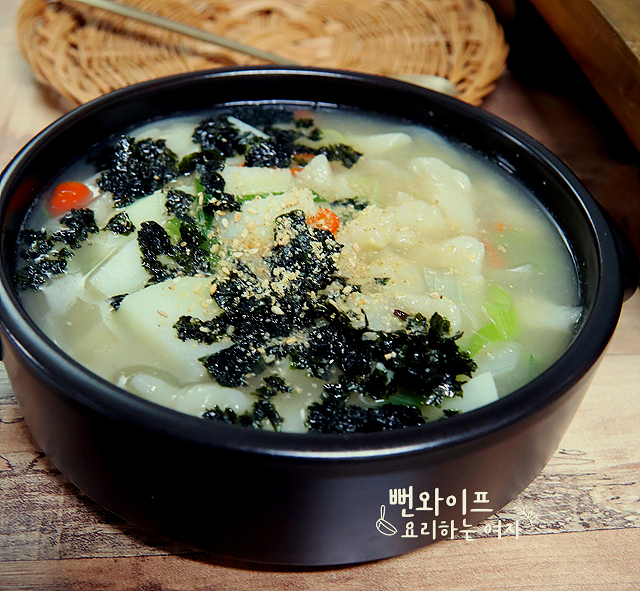
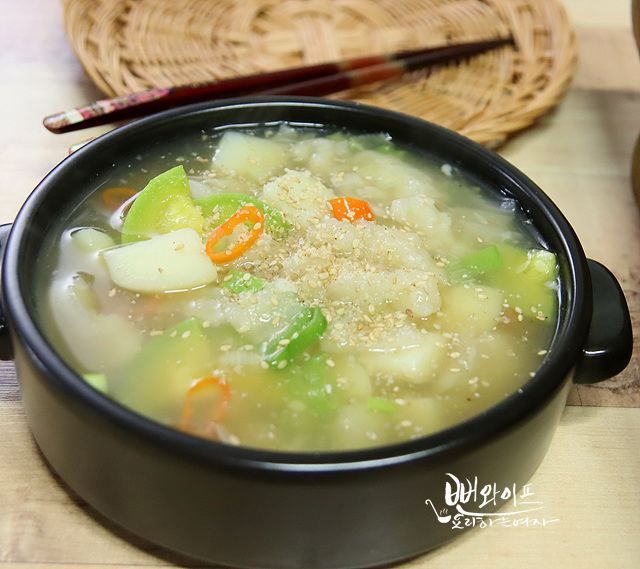
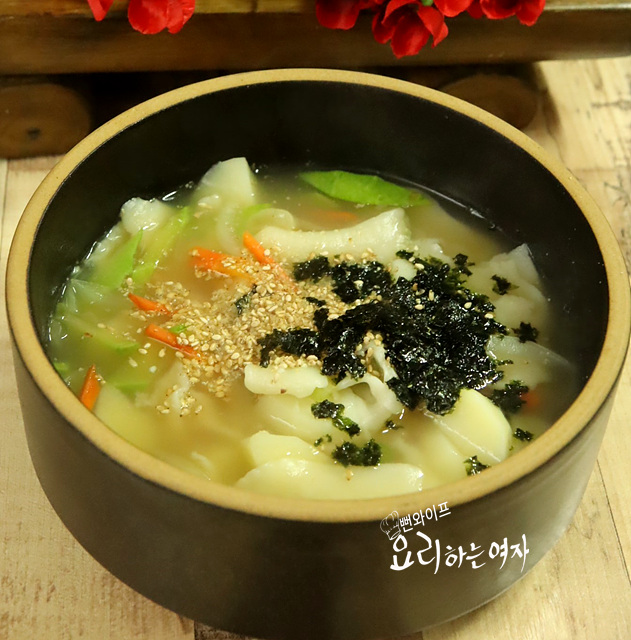
Ladle into a bowl and finish by topping with seaweed flakes and a light sprinkle of ground toasted sesame seeds.
This was the chewiest sujebi dough I have ever had.
After resting for a full day, the texture is truly an art.
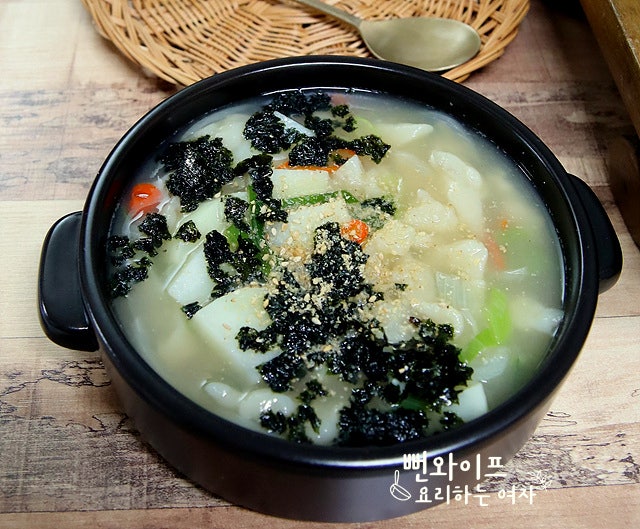
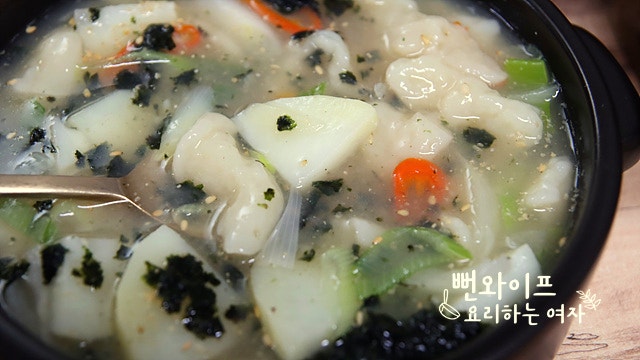
Even after some time passed while taking photos and setting the table as it cooked, it did not get soggy at all and kept its shape.
It was not too hot outside, making it the perfect day to enjoy sujebi.
 Ppunwife's tips
- The longer it rests, the chewier it gets and the less it gets soggy or falls apart when boiled, so it is best to take your time and rest it longer.
- Moisten the utensils with broth as you drop the sujebi so the dough does not stick.
- When the sujebi floats to the top, it is cooked through.
FAQ
What is the right consistency for the dough?
It should be thinner than standard sujebi dough but thicker than pancake batter, dropping slowly from a spatula in thick dollops.
How long should the dough be rested?
Rest it in the refrigerator for at least 30 minutes to 1 hour; making it the night before and letting it rest for a full day makes it even more elastic and chewy.
Is there a trick to dropping the loose dough into the pot without sticking?
Scoop the dough with a spatula and moisten your chopsticks with broth as you pinch off pieces so the dough does not stick and drops easily into the pot.
Can I use store-bought broth tablets instead of anchovy broth?
Yes, you can easily make the broth by dissolving 2 broth tablets in 6 cups of water.