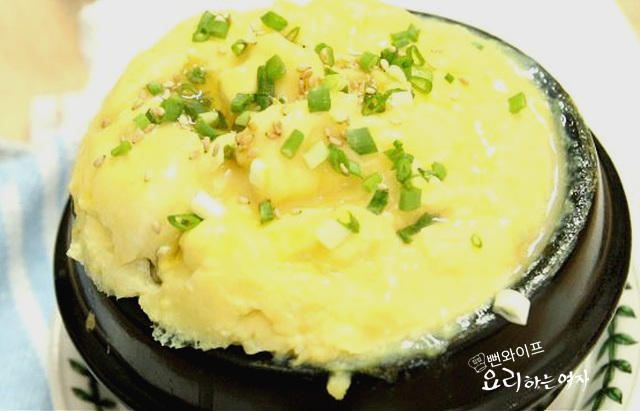
Silken Microwave Gyeran Jjim (Steamed Eggs)
A soft, moist egg side dish cooked gently in the microwave using hot water.
Translated from Korean by AI and not yet checked by a native speaker. Amounts and numbers are taken directly from the original recipe. Read the Korean original →
This gyeran jjim mixes in hot water to shorten the cooking time and create a smooth, bubble-free texture. Microwaving in intervals cooks it evenly and moistly from the edges to the center. Made without turning on the stove in about 10 minutes, it is easy to whip up anytime.
- Servings
- 2 servings
- Cook time
- 4 minprep not included
- Difficulty
- Easy
- Spiciness
- Not spicy
Ingredients
- Egg3, 175 g
- Hot water1 cup (200 ml)
- Tuna extract sauce (chamchi-aek) (or salt 1/2 tsp)1 tbsp
- Mirin (cooking rice wine)1 tbsp
- The cooking time takes within 10 minutes, including prepping the ingredients and running the microwave.
- When making soft steamed eggs, an egg-to-water ratio of about 1: 1.25 to 1.5 works best.
Steps
Prepare the ingredients
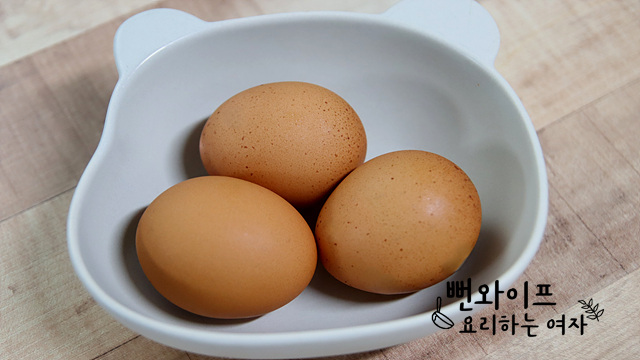
Prepare 3 jumbo eggs.
Make the egg mixture
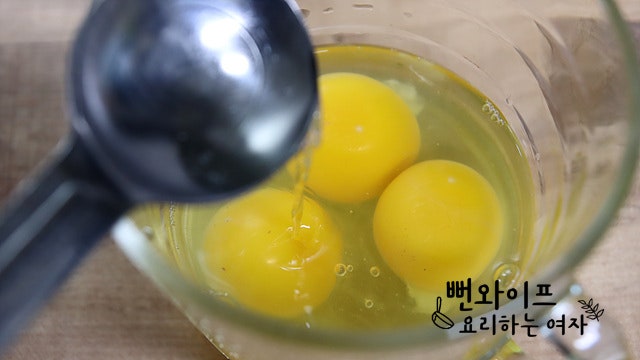
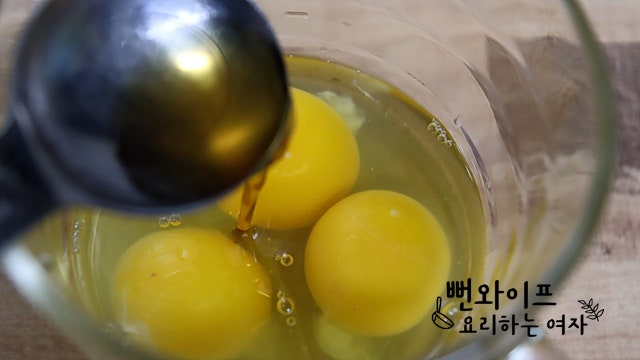
Add 3 eggs, 1 tbsp mirin (cooking rice wine), and 1 tbsp tuna extract sauce (chamchi-aek).
You can use 1/2 tsp salt instead of tuna extract sauce.
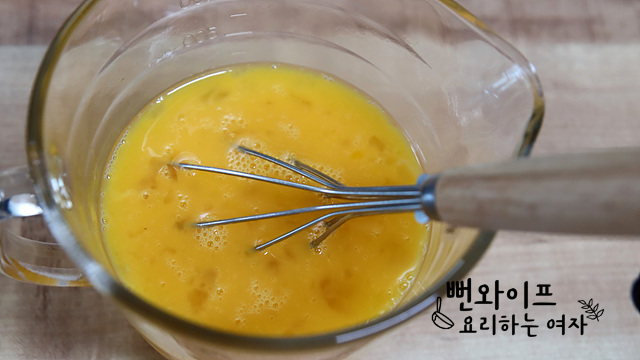
Beat thoroughly until no lumps remain.
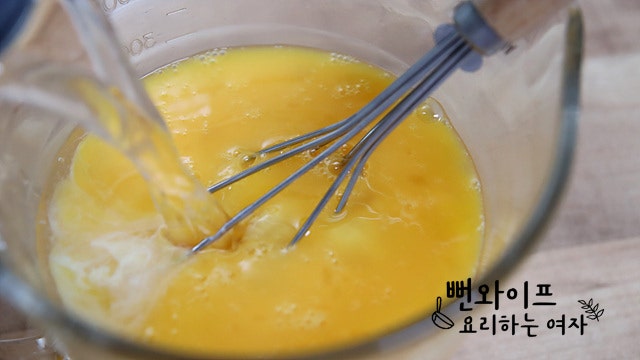
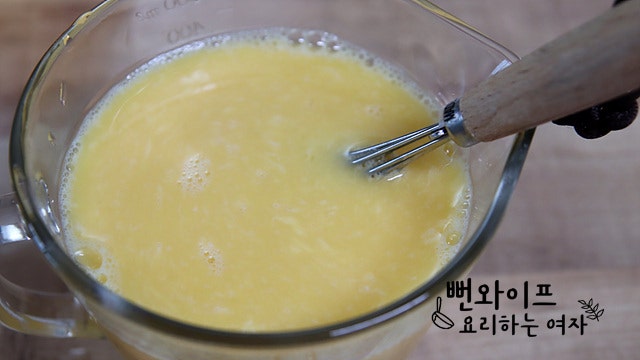
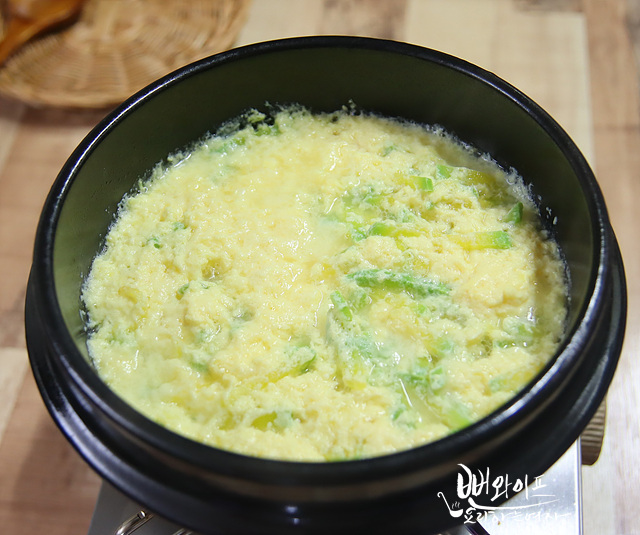
Pour in 1 cup of hot water boiled in an electric kettle and mix well; it is fine if the egg cooks slightly.
The longer eggs cook in the microwave, the harder it is to achieve an evenly soft texture.
Pouring in hot water beforehand raises the temperature slightly, shaving about 1 minute off the cooking time and giving the steamed eggs a dense, soft texture without air bubbles.
The ratio of water is also important for soft steamed eggs.
A ratio of about 1: 1.25 to 1.5, with slightly more water than egg, is ideal.
Pour the egg mixture
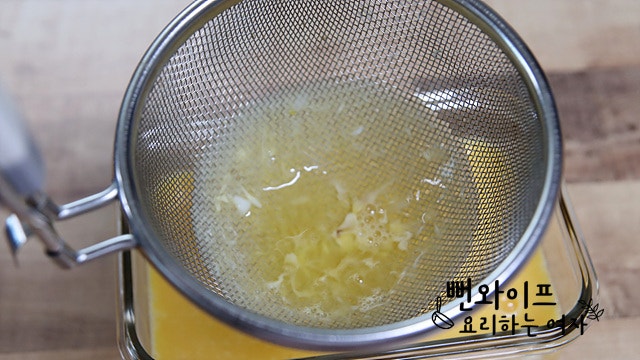
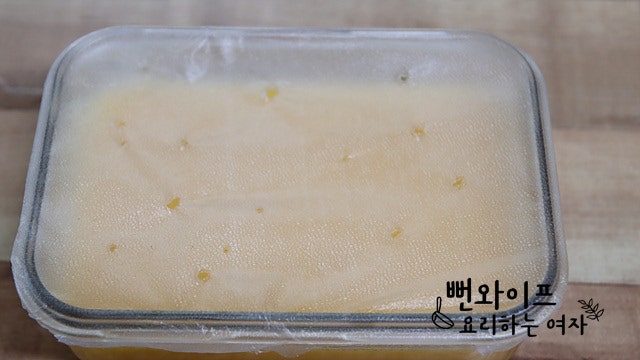
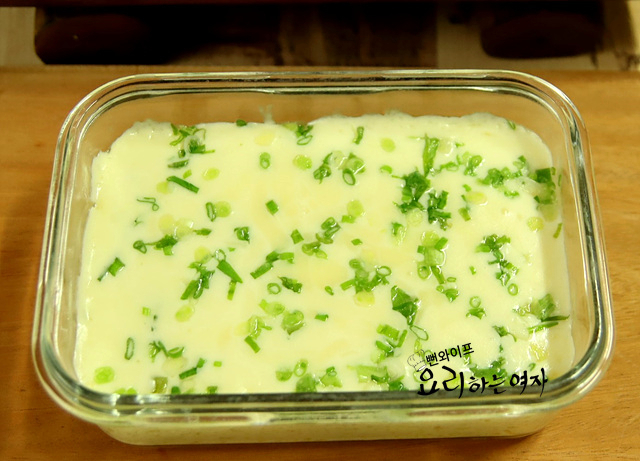
Pour the prepared egg mixture into a microwave-safe container.
Pouring it through a fine strainer removes the chalazae and any unmelted bits, letting you enjoy a much softer texture.
Cover loosely with a lid or plastic wrap, and poke several holes.
Microwave
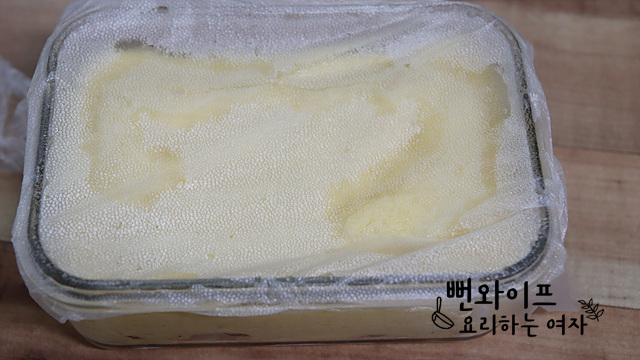
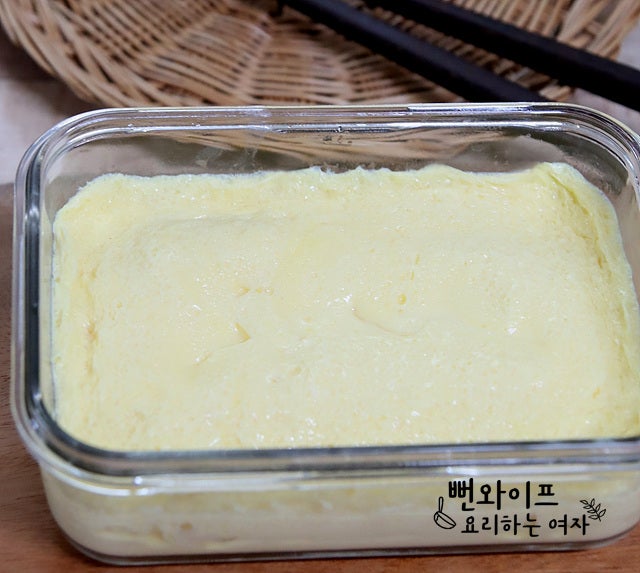
Microwave for about 3 minutes to 3 minutes 30 seconds.
Microwave for 1 minute 30 seconds to 2 minutes first, scrape and stir the surface and edges that have started to cook, and then cook for the remaining 1 minute 30 seconds.
If you run it continuously for 3 minutes, the surface puffs up high and then deflates into wrinkles, preventing it from cooking evenly and softly. Dividing the cooking time into two or three intervals yields evenly soft steamed eggs.
Finish
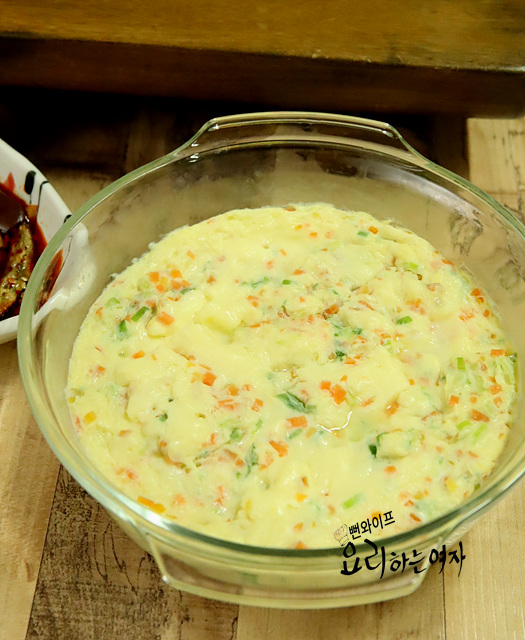
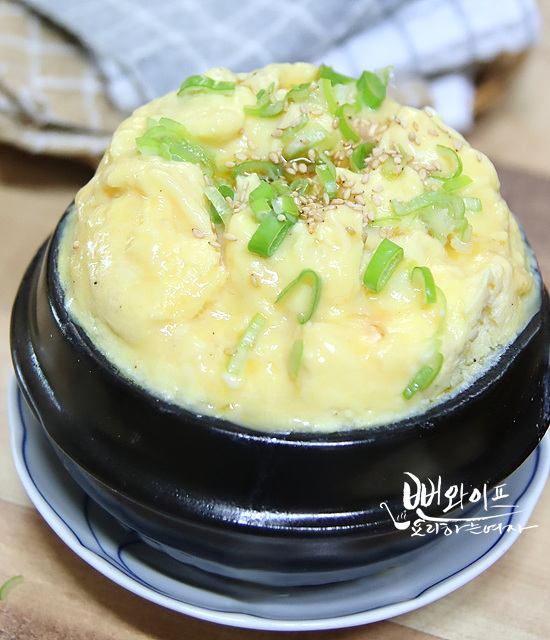
Ta-da, the microwave gyeran jjim is complete.
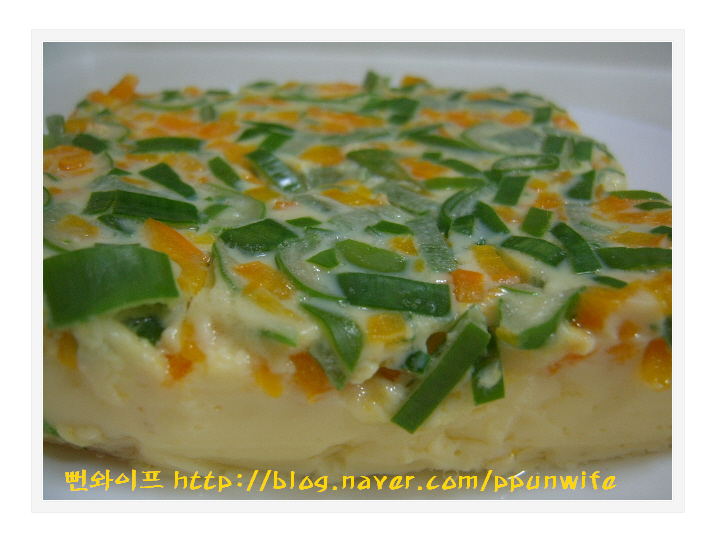
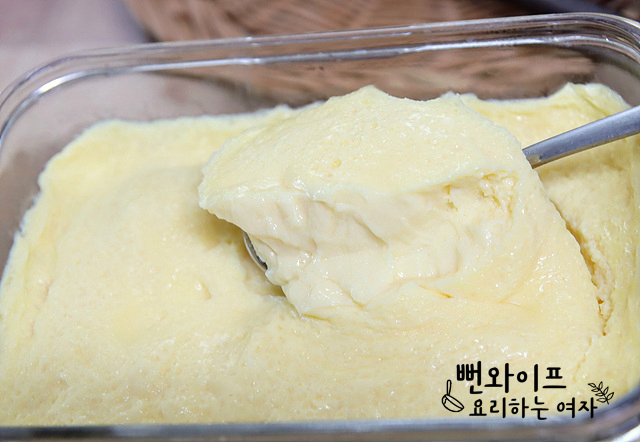
The surface did not sink much, so it looks no different from the inside; scooping deep inside, it is just like silken tofu or pudding.
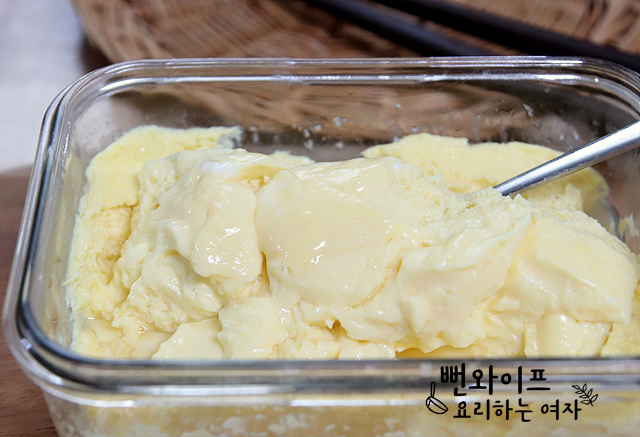
Even when stirred around, the texture stays uniform, bouncy, and soft.
The result is just as good as eggs steamed in a water bath, so follow along and enjoy making it with ease.
 Ppunwife's tips
- Pouring in hot water beforehand raises the temperature slightly, shaving about 1 minute off the cooking time and giving the steamed eggs a dense, soft texture without air bubbles.
- Pouring it through a fine strainer removes the chalazae and any unmelted bits, letting you enjoy a much softer texture.
- If you run it continuously for 3 minutes, the surface puffs up high and then deflates into wrinkles, preventing it from cooking evenly and softly. Dividing the cooking time into two or three intervals yields evenly soft steamed eggs.
FAQ
Can I use another seasoning instead of tuna extract sauce?
You can season it with 1/2 tsp salt instead of tuna extract sauce.
Why add hot water to the egg mixture?
It raises the temperature in advance to shorten the microwave time, reducing air bubbles and creating a denser, softer texture.
Is there a reason to microwave in intervals?
Microwaving all at once can cause only the outside to puff up and deflate or turn rough. Stirring the cooked portions halfway through ensures the whole dish cooks uniformly and softly.