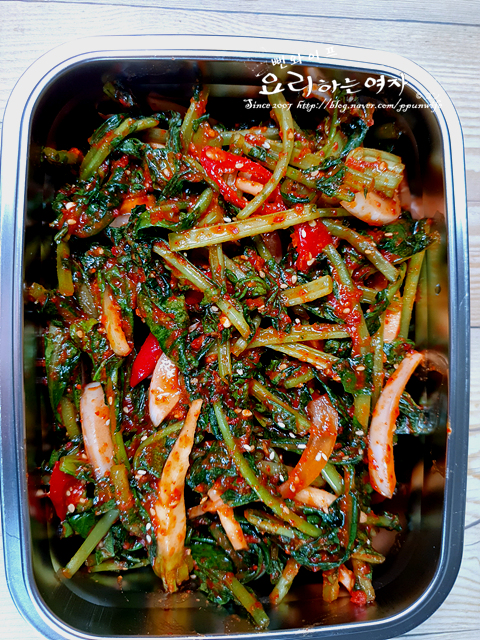
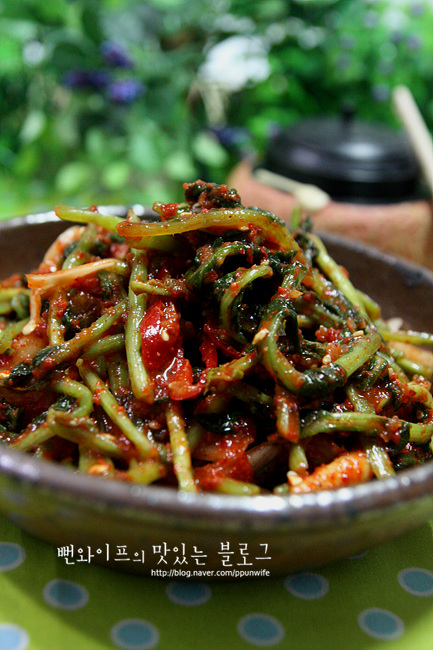
Crisp, Tangy Yeolmu Mulkimchi (Young Summer Radish Water Kimchi)
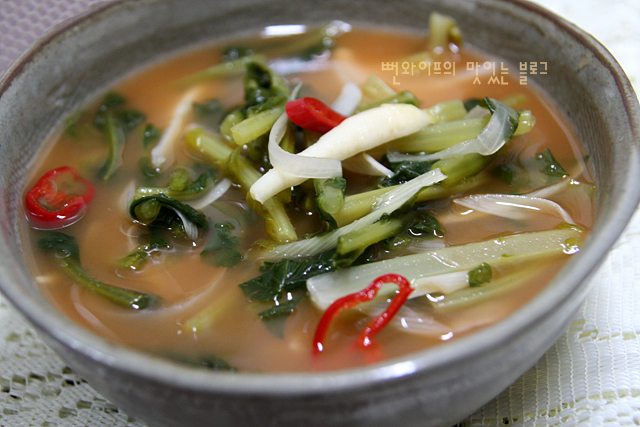
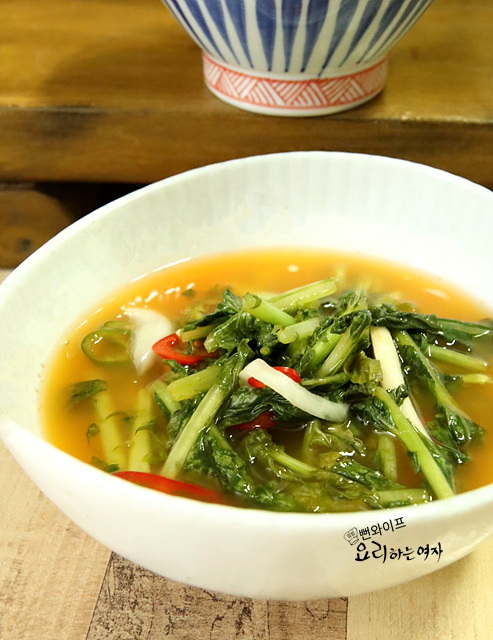
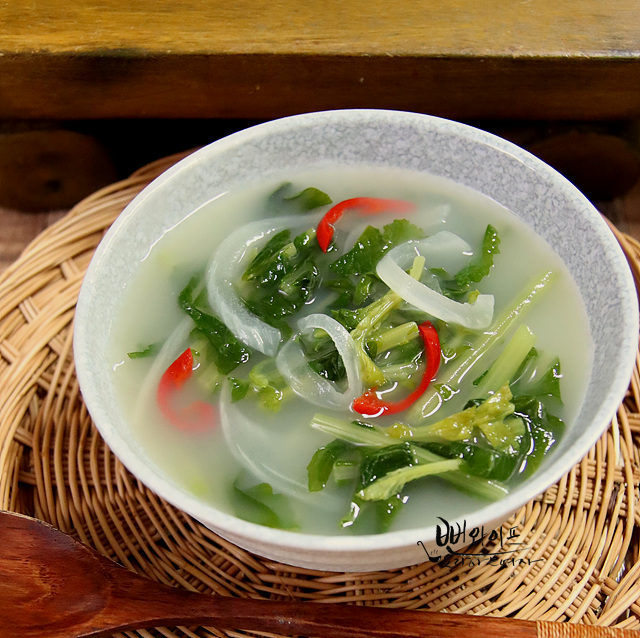
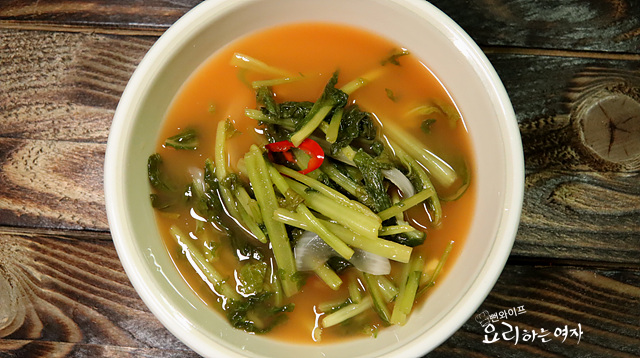
A crisp young summer radish water kimchi with a clean, deep broth made from anchovy broth and red chili peppers.
Translated from Korean by AI and not yet checked by a native speaker. Amounts and numbers are taken directly from the original recipe. Read the Korean original →
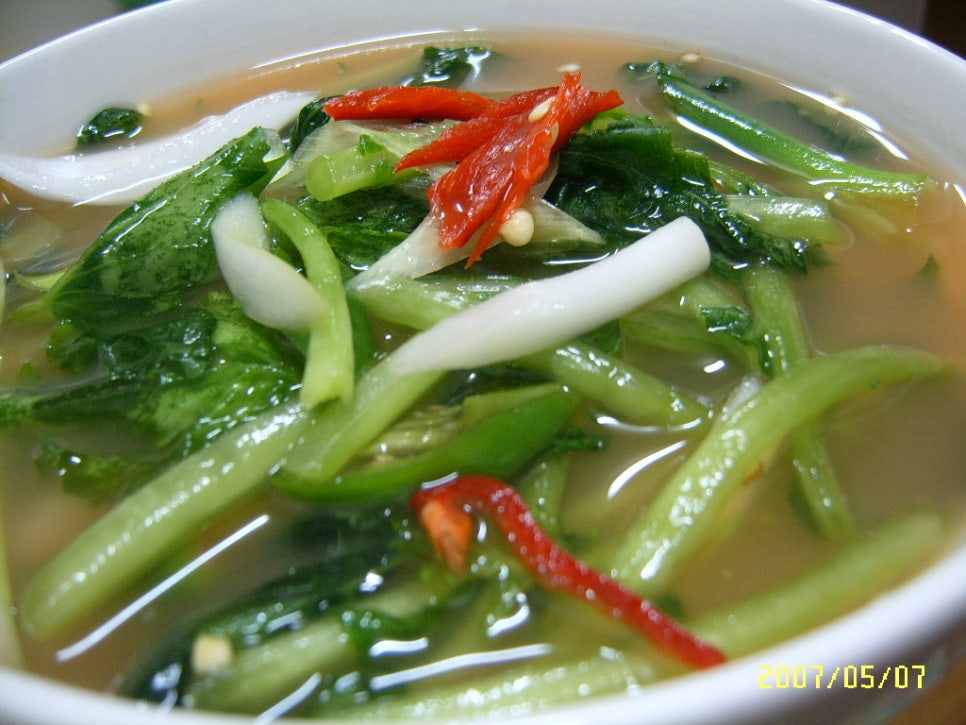
This kimchi features a clean, deep, and pleasantly sharp broth made by blending red chili pepper into anchovy broth rather than using heavy seasonings. Handle the young summer radish gently and rinse it lightly so it does not turn grass-tasting and keeps its crisp bite. The finished kimchi is wonderful served over cold noodles or mixed into bibimbap.
- Difficulty
- Medium
- Spiciness
- Mildly spicy
Steps
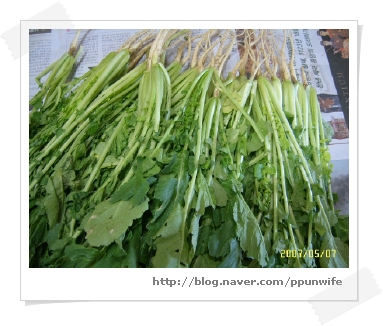
Perhaps because it is still spring, the young summer radish is tender and soft.
There is almost nothing to throw away. Just trim off a few outer leaves, cut off the root tip, cut it into 3-4 cm lengths, and wash it clean and very gently.
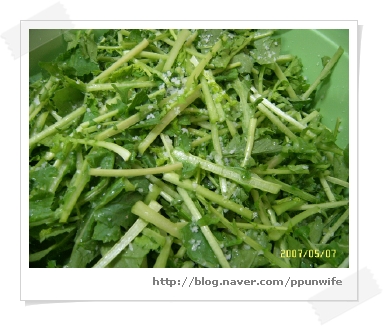
Layer the young summer radish, sprinkling a handful of coarse sea salt between each layer, and let it salt.
The salting time is around 2 hours, and I salted it with 1 cup of salt for 2 hours.
Turn it over about twice midway through. Turn it very gently so it does not develop a grassy smell.
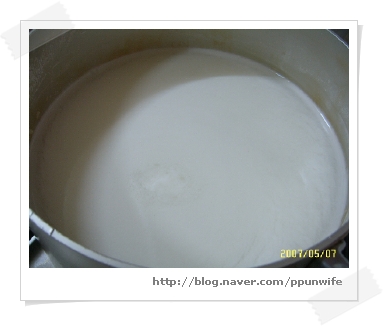
While the young summer radish is salting, make the flour paste.
Some people make a thick paste and pour plain cold water over it, but I do not do it that way.
Add 12-3 cups of water to 10 tbsp of all-purpose flour; be sure to use cold water.
Dissolve the flour through a sieve into the water so no lumps form, and stir until the water boils. Within 5 minutes of boiling, remove it from the heat and cool it down in a cold water bath.
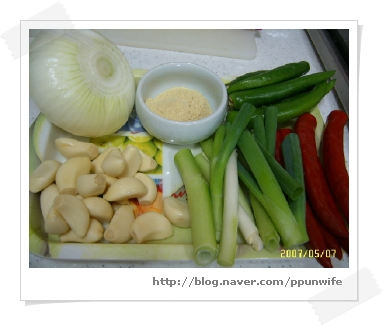
While the young summer radish salts and the flour paste cools, prepare the seasonings with the ingredients above.
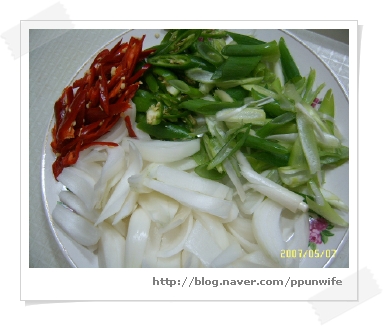
Thinly slice the onion, and julienne the green chili pepper. Out of 7 red chili peppers, julienne 3 of them and save the other 4 for the blended seasoning. Julienne the white stalk portion of the large green onion. It is best not to use the green leaves because they produce a lot of sticky sap.
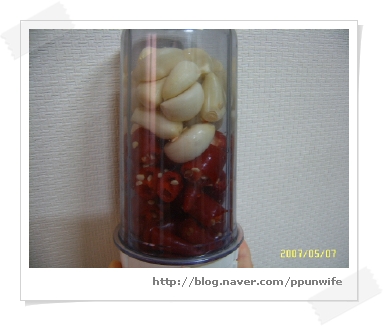
Add the garlic and the remaining red chili peppers to a blender.
Pour in a little broth to blend them together.
If you always keep anchovy broth on hand, it adds great flavor to soups and stews, and using it in water kimchi adds a deep, savory taste so you do not need any artificial seasoning.
Using fresh red chili pepper instead of chili flakes makes water kimchi taste cleaner and delightfully sharp.
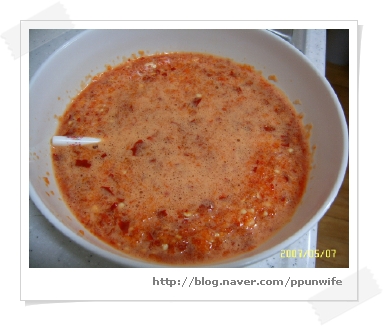
Here is the blended garlic and chili mixture.
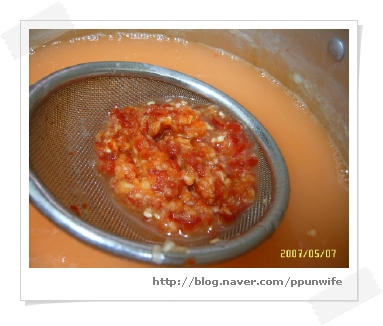
Strain the blended garlic and red chili pepper through a sieve into the cooled flour paste to tint the liquid with color.
Season it at this point with 4 tbsp of fine salt and add the ginger powder.
I also poured in the broth I had prepared in advance.
If you make a large batch of broth ahead of time and store it in the refrigerator, it is so convenient to use for soups, stews, and water kimchi.
When you do not have broth, you can substitute plain water, or dissolve some Dasida or anchovy powder into water and use that.
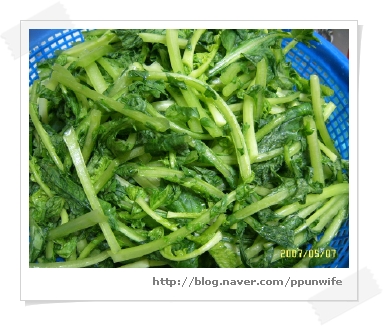
Rinse the salted young summer radish and drain the water.
If you rinse it too much, it will turn stiff again and develop a grassy smell. Rinsing it 1-2 times should be enough.
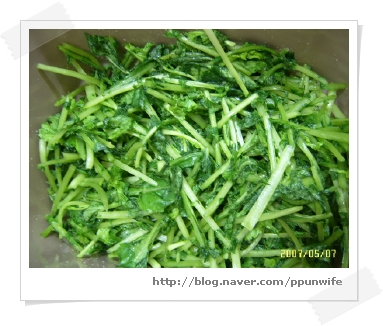
Place the salted young summer radish into a kimchi container.
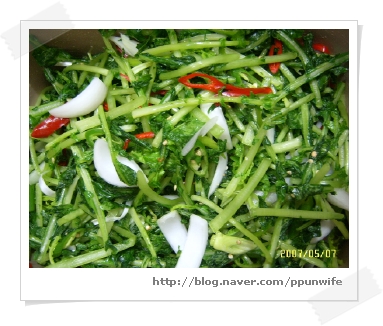
Add the sliced vegetables—onion, red chili pepper, green chili pepper, and large green onion—and toss everything together evenly. Be very gentle.
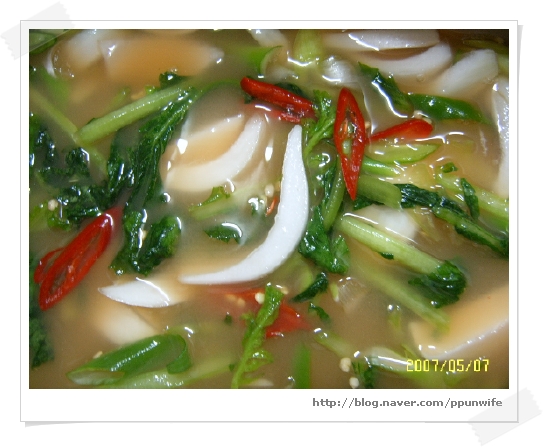
Gently pour in the prepared kimchi liquid.
The color turned out quite lovely.
Now, just leave it at room temperature for one day and it will ferment deliciously.
 Ppunwife's tips
- Using fresh red chili pepper instead of chili flakes makes water kimchi taste cleaner and delightfully sharp.
FAQ
How can I prevent a grassy smell when salting and washing young summer radish?
Handle it very gently whenever you turn it during salting and when tossing it with seasonings. In addition, rinsing salted young summer radish too many times can make it stiff and bring out a grassy odor, so rinsing it lightly 1 to 2 times is best.
What should I do if I do not have anchovy broth prepared?
When you do not have broth, you can substitute water, or dissolve anchovy powder or Dasida into water and use that.
Is there anything to keep in mind when prepping the large green onion?
The green leaf parts of the large green onion release a lot of slimy sap, so it is best to avoid them and use mostly the white stalk portion cut into thin strips.
How long should the finished yeolmu mulkimchi ferment?
Letting it sit at room temperature for about one day will ferment it to a delicious tang.