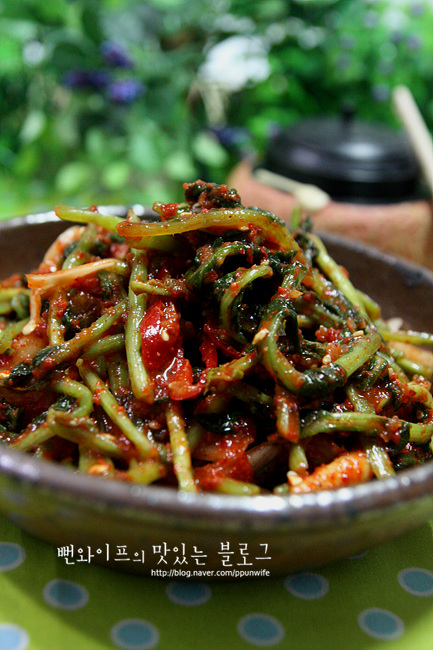
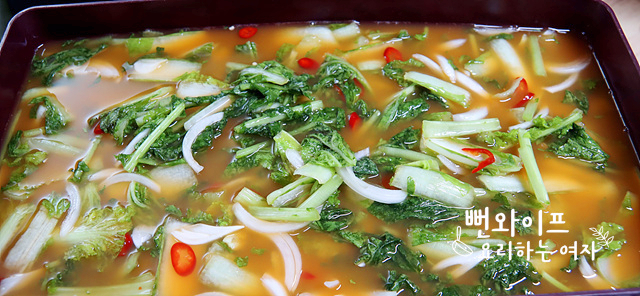
Refreshing Yeolmu Mulkimchi (Young Summer Radish Water Kimchi)
A clear, refreshing yeolmu mulkimchi made without gochugaru to enjoy cool in the summer.
Translated from Korean by AI and not yet checked by a native speaker. Amounts and numbers are taken directly from the original recipe. Read the Korean original →
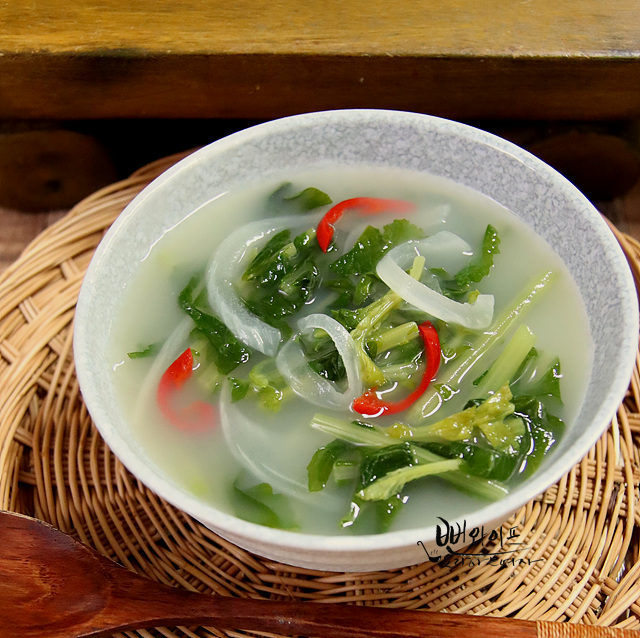
This summer yeolmu mulkimchi is made without blending red chili peppers, keeping the broth clear, mild, and non-spicy. Cold cooked rice, garlic, and salted fermented shrimp are finely blended into anchovy broth to build deep savory umami. The broth is also wonderful lightly slush-frozen to serve over thin wheat noodles or cold naengmyeon noodles.
- Servings
- about 10–12 servings
- Difficulty
- Medium
- Spiciness
- Not spicy
Ingredients
Ingredients
- Young summer radish (yeolmu)4 bunches, 3 kg (after cleaning)
- Onion2 (large)
- Red chili pepper6
- Coarse sea salt1 1/2 cups
Kimchi Broth
- Anchovy broth15 cups
- Bottled water15 cups
- Cold cooked rice1 1/2 bowls (2 cups)
- Peeled garlic25 cloves
- Ginger2 knobs (thumb-sized)
- Salted fermented shrimp (saeujeot)4 tbsp
- Coarse sea salt2–3 tbsp
- Sugar (or 5-6 tbsp green plum syrup (maesil-cheong))3 tbsp
- The roots of young summer radish (yeolmu) are spicy, so I cut them all off, removed the tough yellowish outer leaves, and cut the stems into lengths of about 4 cm. The tender leaf tips at the very end were gathered separately to use in soup.
- Layer the young summer radish with the salt throughout, and let it salt for about 1 hour. In hot summer weather salt it within 1 hour, and in winter salt it for a longer time.
Steps
Prepare the ingredients
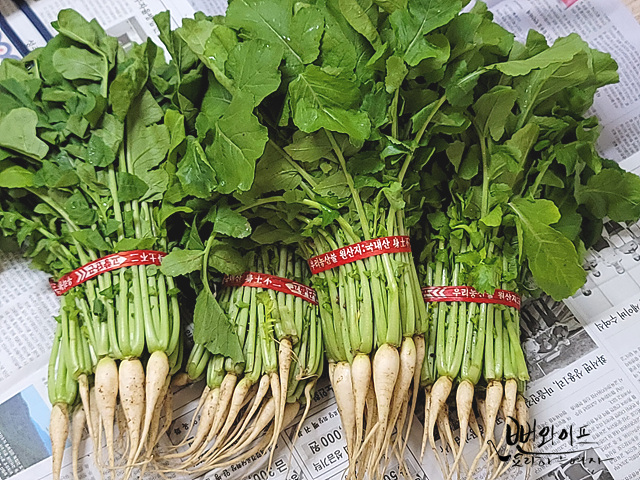
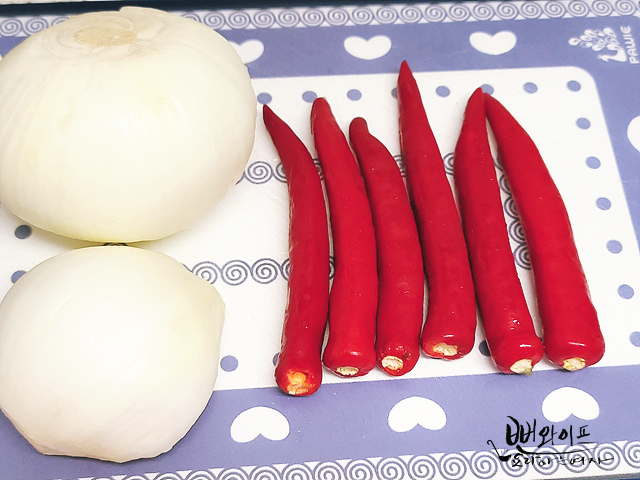
Here are 4 bunches of young summer radish (yeolmu). The bunches are a bit small, about 850 g each.
For the garnish, prepare 2 large onions and 6 red chili peppers.
Slice the ingredients
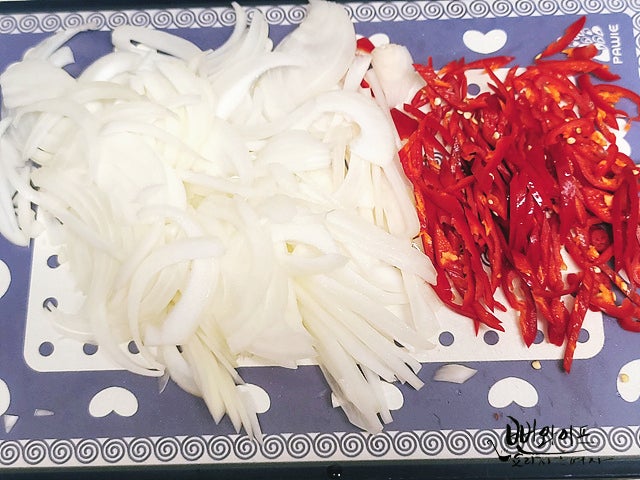
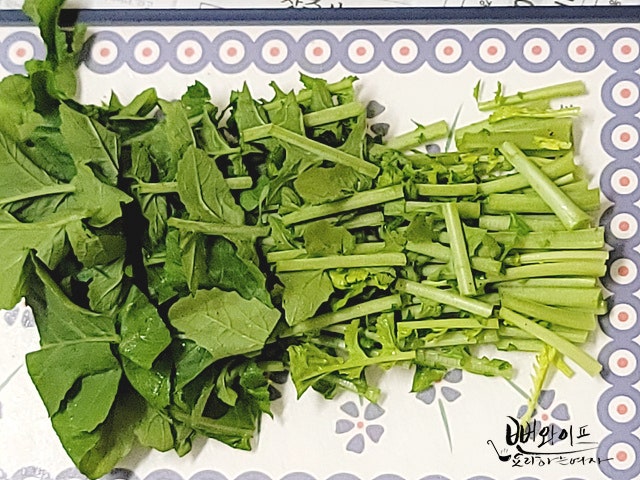
Thinly julienne the onions, and deseed the red chili peppers and slice them into thin strips.
The roots of young summer radish (yeolmu) are spicy, so I cut them all off, removed the tough yellowish outer leaves, and cut the stems into lengths of about 4 cm.
The tender leaf tips at the very end were gathered separately to use in soup.
After cleaning, the radish weighs 3 kg.
Salt the young summer radish
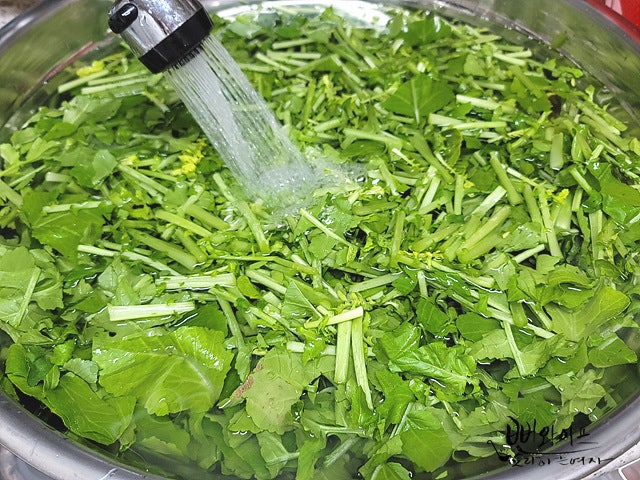
There is a lot of dirt on the young summer radish, so soak it in water for a little while and wash it thoroughly several times.
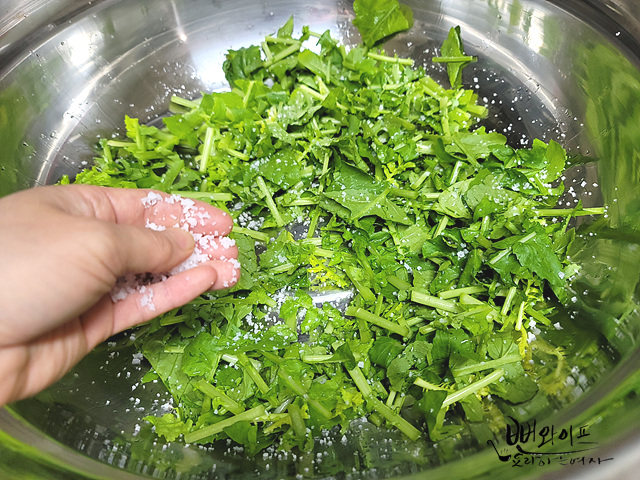
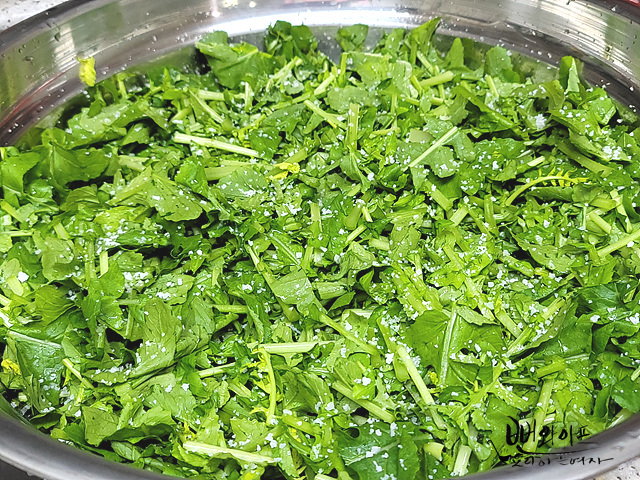
Instead of draining the young summer radish in a colander, I lifted it straight out during the final rinse into another bowl and sprinkled on the salt.
Having plenty of moisture helps it salt well, so doing it this way is convenient.
Layer the young summer radish with the salt throughout, and let it salt for about 1 hour. Turn it over once or twice halfway through.
In hot summer weather salt it within 1 hour, and in winter salt it for a longer time.
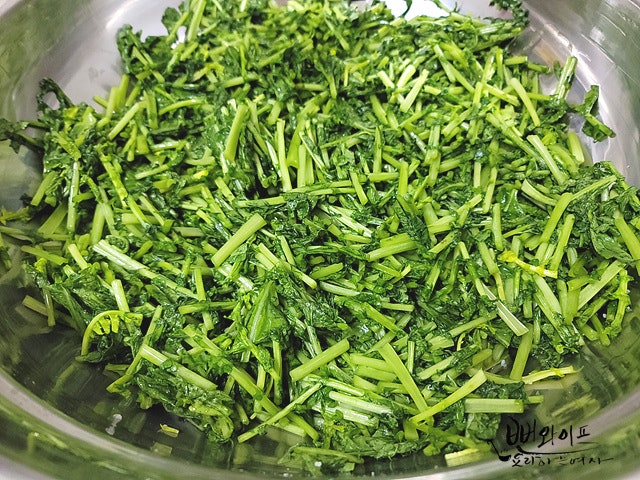
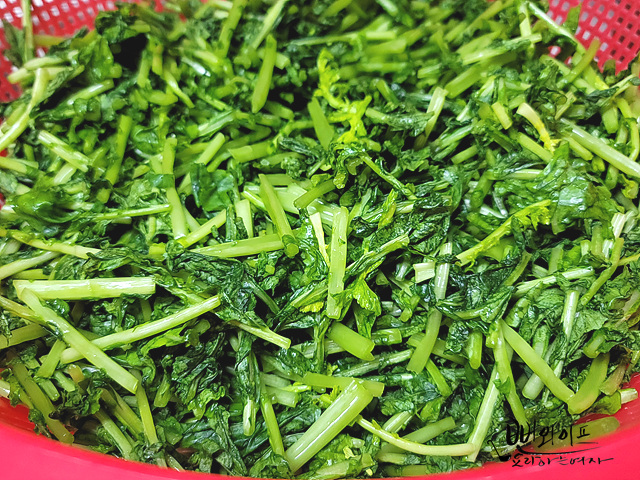
Once the young summer radish is well salted and tender, rinse it once and drain.
Make the kimchi broth
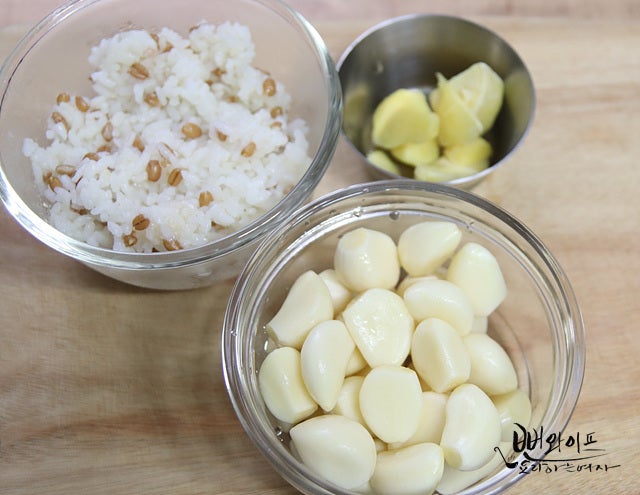
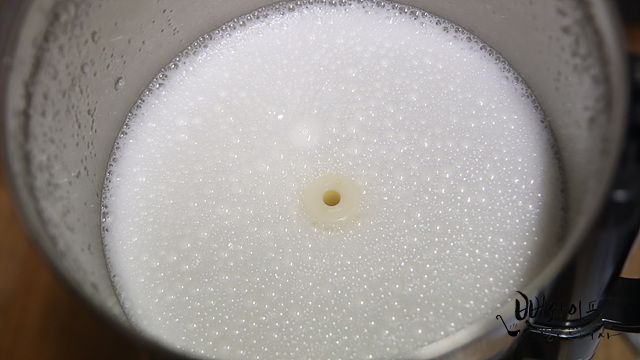
Blend the peeled garlic, ginger, and cold cooked rice finely with some of the bottled water from the kimchi broth ingredients.
Blend in the chunky salted fermented shrimp (saeujeot) together at this time as well.
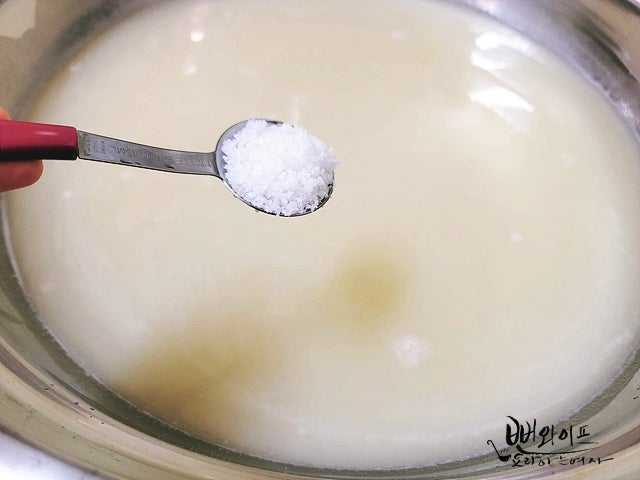
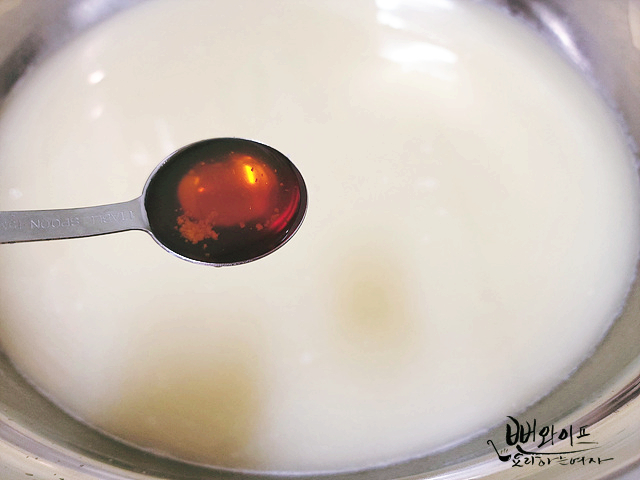
In a large bowl, pour in the blended mixture, anchovy broth, and all the bottled water, then season with coarse sea salt and green plum syrup (maesil-cheong) (or sugar).
When no extra fruit is added, using green plum syrup for sweetness makes the kimchi broth refreshingly delicious.
Mix the ingredients into the broth
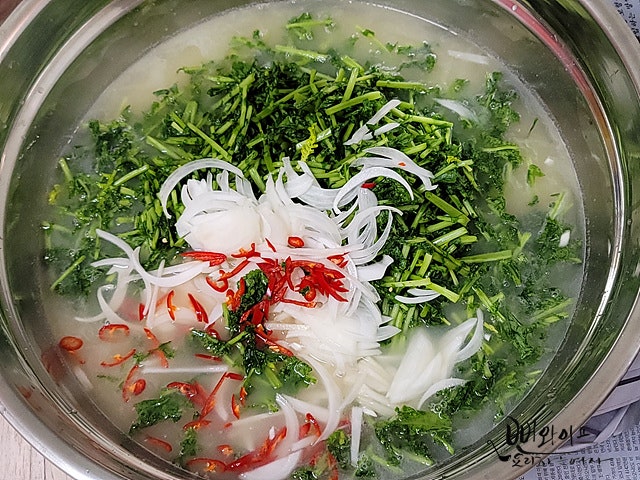
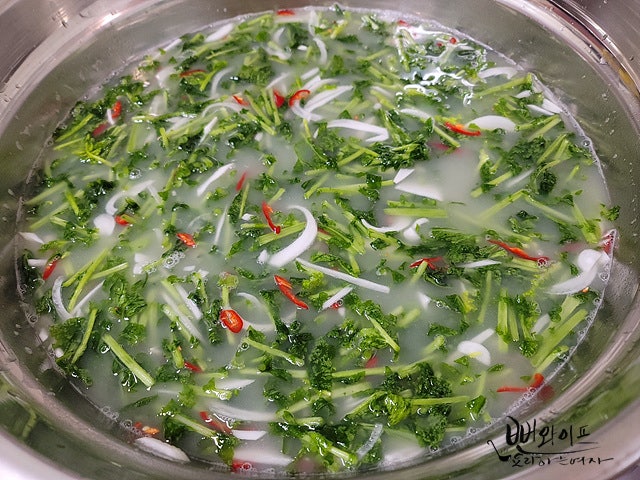
Add the salted young summer radish, sliced onion, and red chili peppers into the broth, mix evenly, and check the seasoning once more.
If the seasoning is too bland, the broth will draw out the salt from the radish and make it tough, so make sure it is not under-seasoned.
In hot summer weather like these days, ferment at room temperature overnight or for about a day, and once it reaches the taste you like, put it in the refrigerator and enjoy it cold after one or two days.
Finish
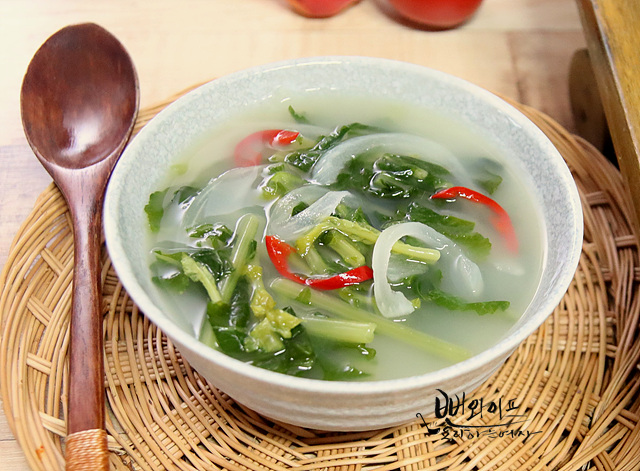
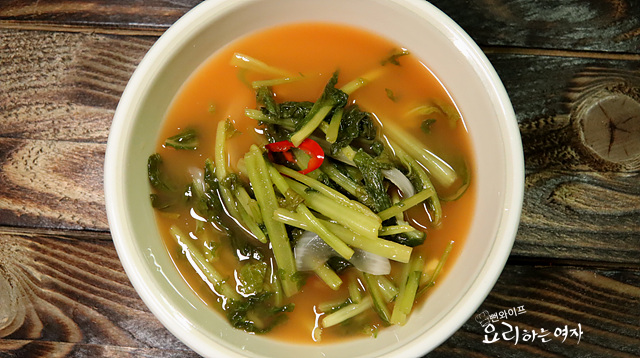
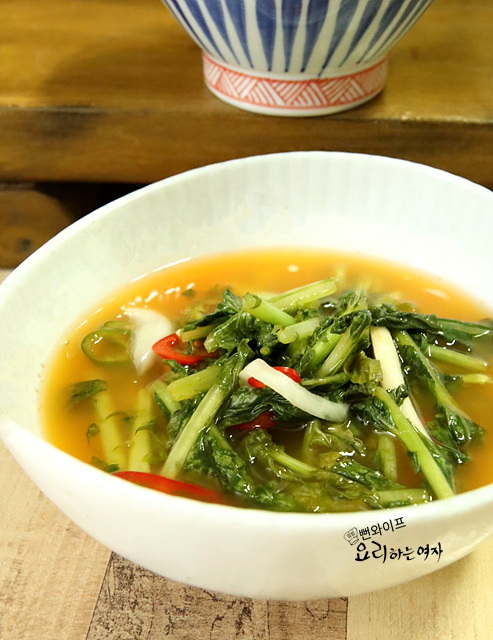
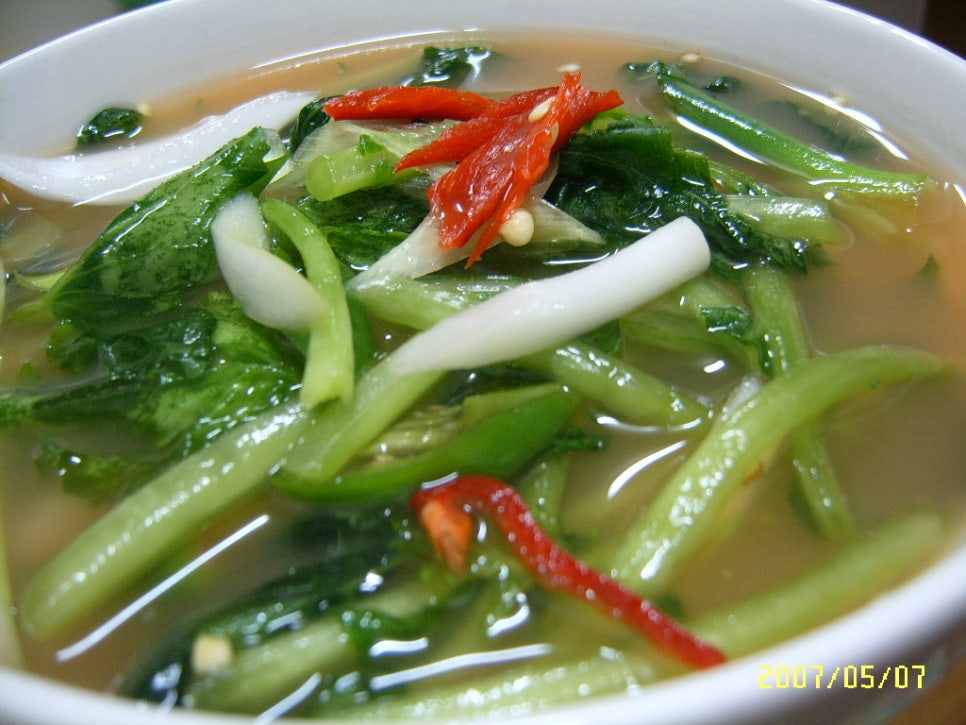
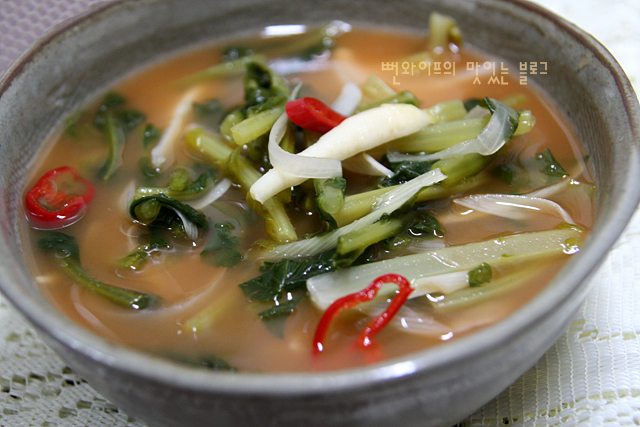
Yeolmu mulkimchi truly tastes best in the summer.
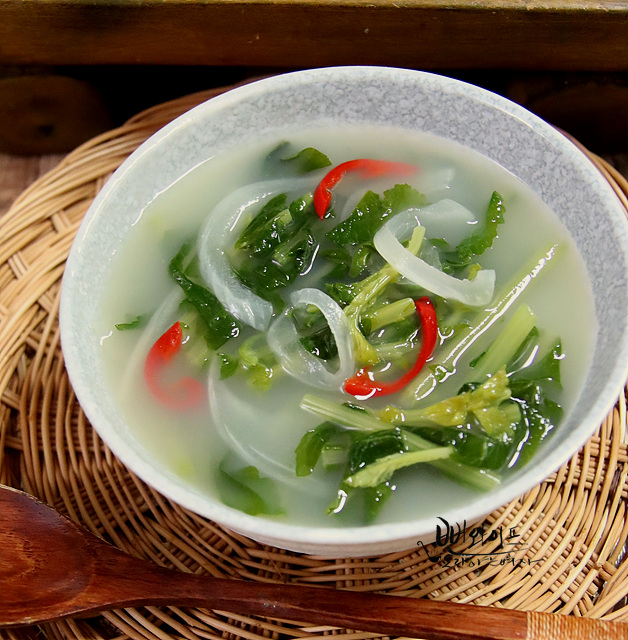
This time, I made it white without blending in red chili peppers.
The broth is not spicy, making it great for young children too.
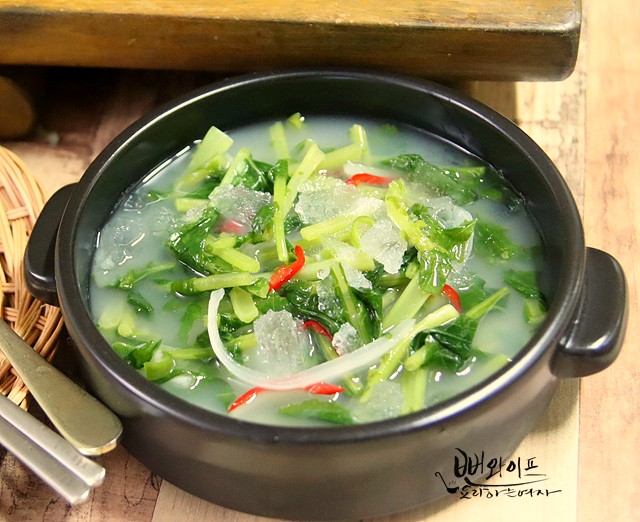
Since it is hot these days, I eat this cool water kimchi often.
You can freeze the broth into a slush on its own and boil some thin wheat noodles (somyeon) or naengmyeon noodles to enjoy a refreshing meal.
The longer the rainy season and heat wave last, the more yeolmu mulkimchi will shine on your dining table.
 Ppunwife's tips
- Having plenty of moisture helps it salt well, so doing it this way is convenient.
- When no extra fruit is added, using green plum syrup for sweetness makes the kimchi broth refreshingly delicious.
- If the seasoning is too bland, the broth will draw out the salt from the radish and make it tough, so make sure it is not under-seasoned.
FAQ
Do I need to completely drain the water before salting the young summer radish?
Salting it in layers while it still carries plenty of surface moisture after the final rinse makes the salting process much easier, rather than shaking off all the water.
Is there anything to keep in mind when seasoning the broth?
If the broth is overly bland, it will leach the salt out of the radish, causing the greens to turn tough and stiff, so make sure to salt it sufficiently.
How long should it ferment after making it?
In the hot summer, ripen it at room temperature for half a day to about a day, then transfer it to the refrigerator to chill for 1 to 2 days before eating.
Can I use something other than sugar to sweeten it?
Using green plum syrup instead of sugar gives a clean, refreshing sweetness without needing to blend in fresh fruit.