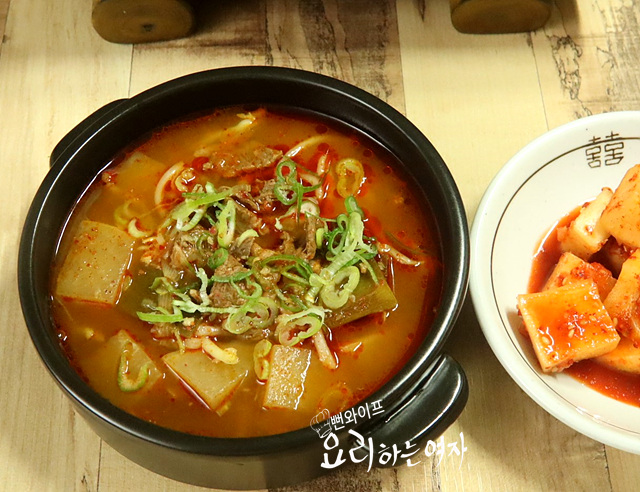
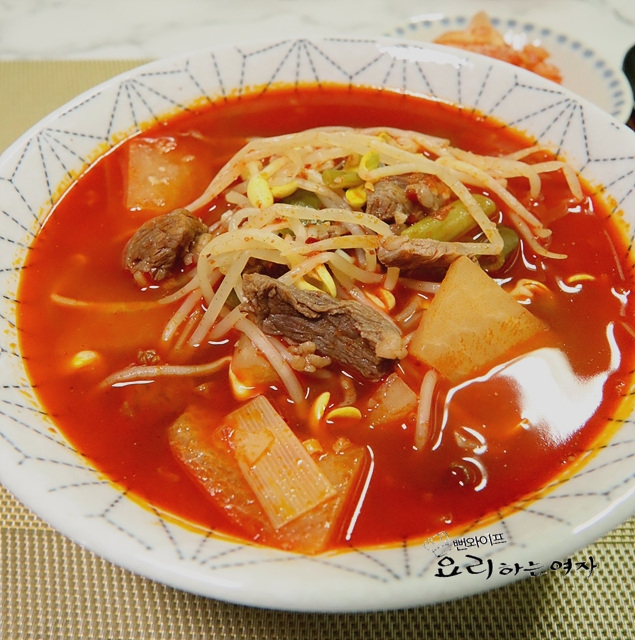
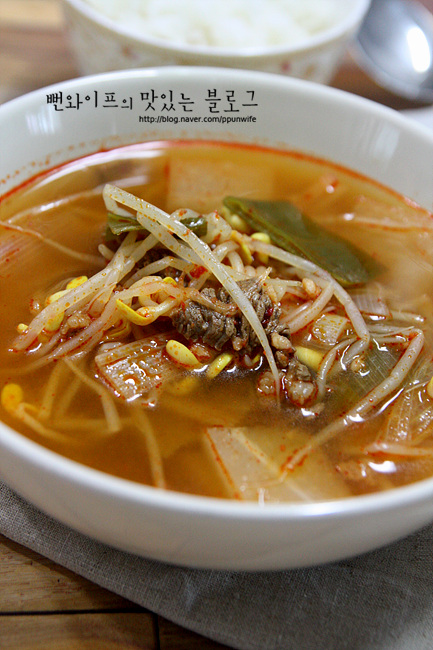
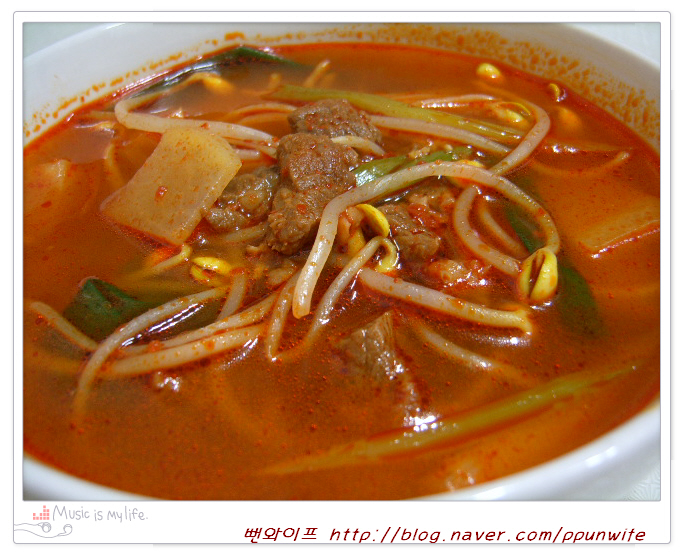
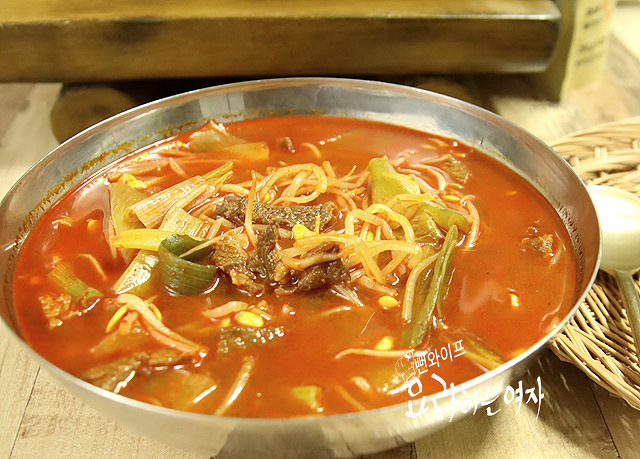
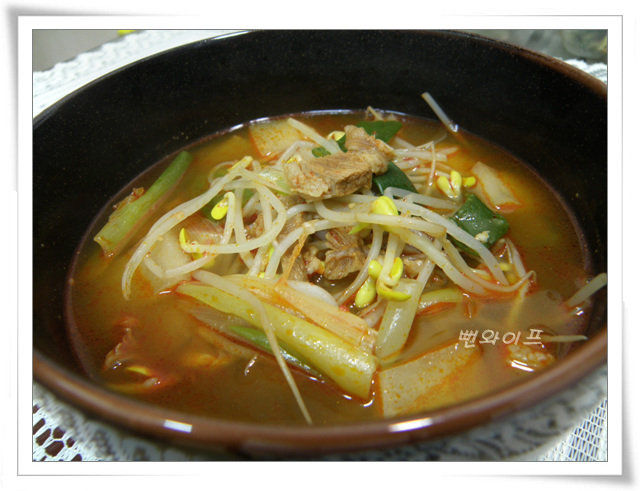
Spicy and Refreshing Soegogi Gukbap (Beef Soup with Rice)
A spicy and refreshing soup with rice made by simmering beef, Korean radish, and soybean sprouts with gochugaru.
Translated from Korean by AI and not yet checked by a native speaker. Amounts and numbers are taken directly from the original recipe. Read the Korean original →
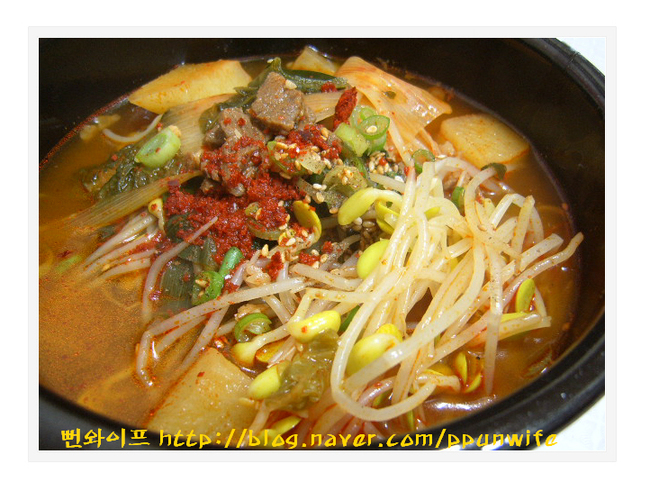
Seasoned beef, Korean radish, and dried cabbage leaves are simmered thoroughly in kelp broth for a deep, rich flavor. Blanching the soybean sprouts beforehand and adding them at the end keeps their crisp texture. Spicy and comforting, this makes a hearty meal or a wonderful hangover soup.
- Servings
- 2 servings
- Difficulty
- Hard
- Spiciness
- Spicy
Ingredients
Ingredients
- Beef150 g
- Korean radish (mu)2 chunks
- Large green onion (daepa)1 stalk
- Soybean sprouts2 handfuls
- Dried cabbage leaves (ugeoji)2 leaves (cabbage leaves, portion)
Kelp broth
- Dried kelp (dasima)4 pieces (5 cm square)
- Water7 cups
Beef marinade
- Soup soy sauce (guk-ganjang)0.5 tbsp
- Minced garlic0 tsp
- Mirin (cooking rice wine)1 tbsp
Soup seasoning
- Soup soy sauce (guk-ganjang)2 tbsp
- Minced garlic0.5 tbsp
- Gochugaru (Korean chili flakes)2 tbsp
- Salta little of each
- Ground black peppera little of each
- First, soak the dried kelp in cold water to infuse for about 1 hour.
- I like a lot of soybean sprouts, so I added plenty.
- Submerge the beef in water to draw out the blood, then squeeze out the moisture...
Steps
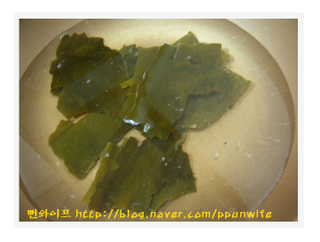
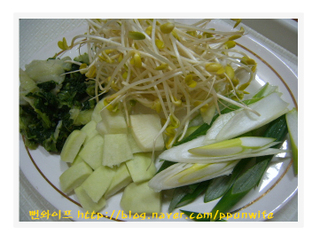
1. First, steep the dried kelp in cold water for about 1 hour.
This makes enough for 4 servings if served simply as beef soup, or 2 generous servings if enjoyed as gukbap (soup with rice).
2. Cut the ingredients into large pieces. I like a lot of soybean sprouts, so I added plenty.
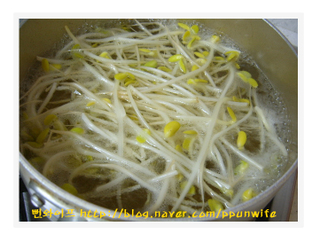
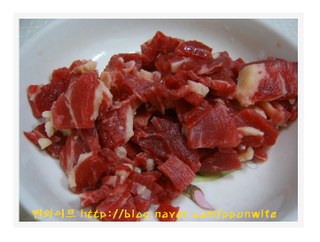
3. Add the soybean sprouts to the steeped kelp water, blanch them briefly, then rinse in cold water and set aside.
4. Submerge the beef in water to draw out the blood, then squeeze out the moisture...
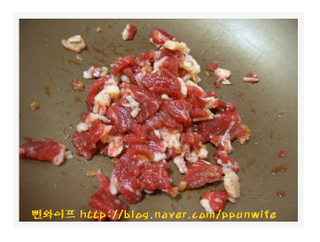
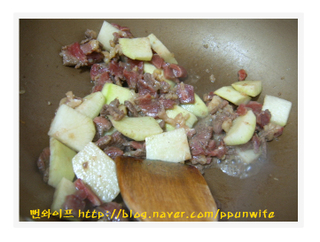
5. Season the beef.
6. Add the Korean radish and beef, and stir-fry them. Once moisture begins to release from the beef and radish...
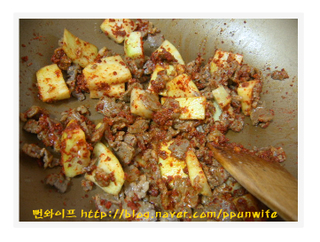
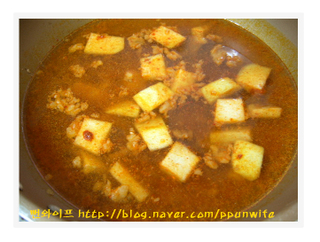
7. Add the gochugaru and stir-fry together. Once the beef is fully cooked...
8. Pour in the water used to blanch the soybean sprouts and bring to a boil over high heat.
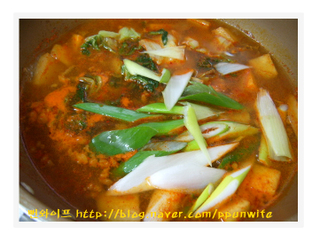
10
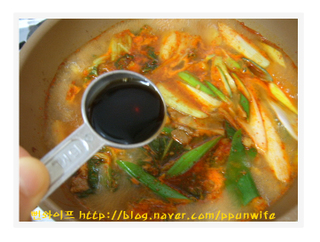
9. Once the broth boils again, add the large green onion and dried cabbage leaves...
10. Season with soup soy sauce, gochugaru, minced garlic, and ground black pepper. If it tastes bland, adjust the seasoning with salt.
Simmer over low heat until all the ingredients become soft and tender, then...
11
12
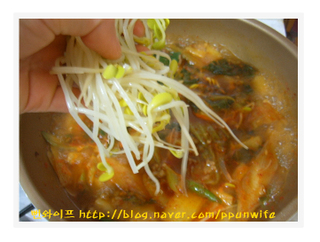
11. Finally, add the blanched soybean sprouts and simmer briefly before serving.
You can cook the soybean sprouts together with the green onion and cabbage leaves, but I blanched them separately to keep them crisp.
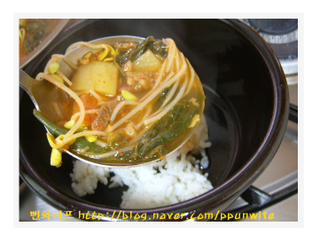
12. Serve the hot rice and soup in an earthenware pot (ttukbaegi) and bring it to a boil once more before serving.
 Ppunwife's tips
- You can add the soybean sprouts along with the green onion and cabbage leaves, but I blanched them separately to preserve their crisp texture.
- If you add taro or bracken fern (gosari) and simmer, it turns into proper yukgaejang.
FAQ
Is there a reason for blanching the soybean sprouts separately rather than cooking them with the other vegetables?
While you can cook them alongside the green onion and cabbage leaves, blanching them briefly beforehand and adding them at the end is recommended to preserve their crisp texture.
How many servings does this recipe make?
It yields about 2 generous servings when enjoyed as gukbap with rice, or about 4 servings if served solely as beef soup without rice.
Can I add ingredients like bracken fern (gosari) or taro?
Yes, adding taro or bracken fern allows you to enjoy it as a hearty, yukgaejang-style soup.