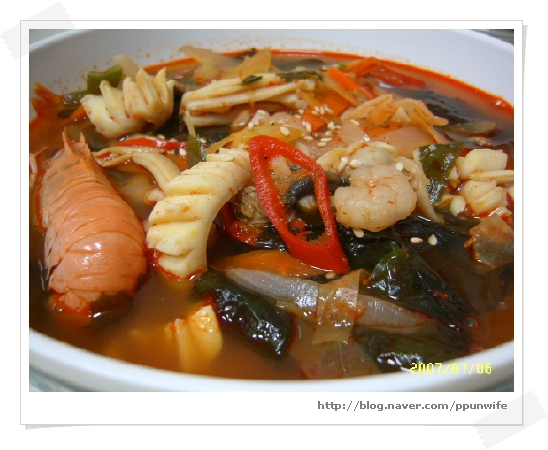
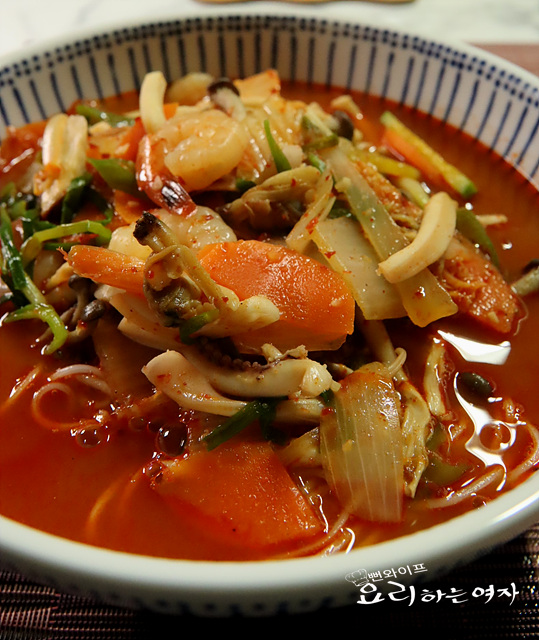
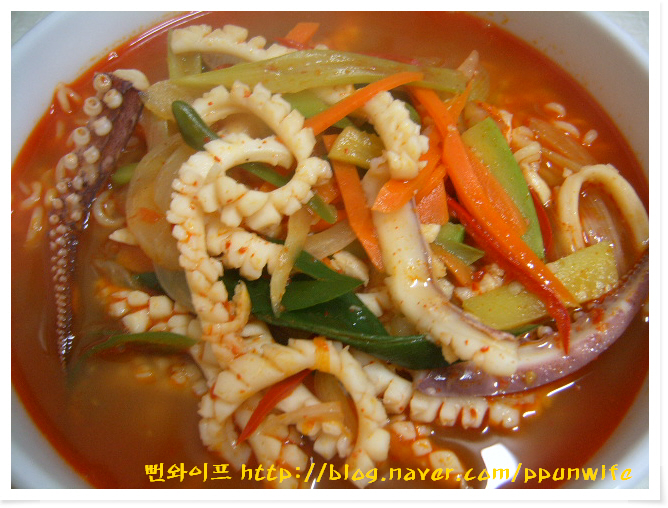
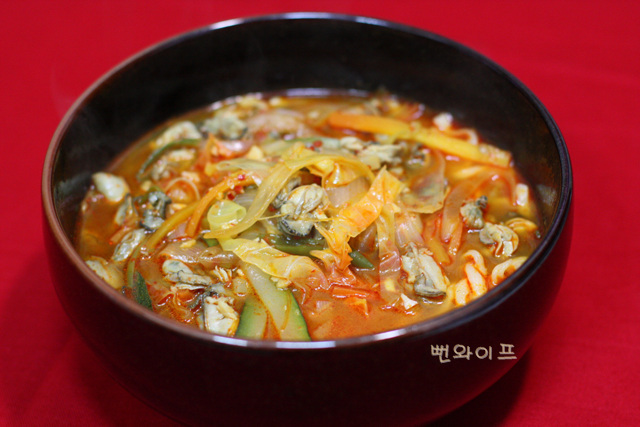
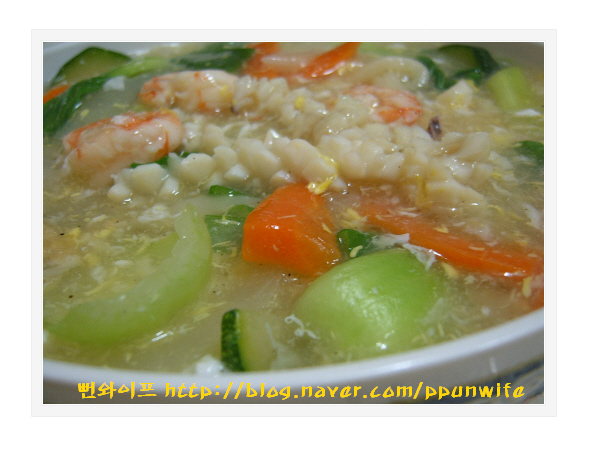
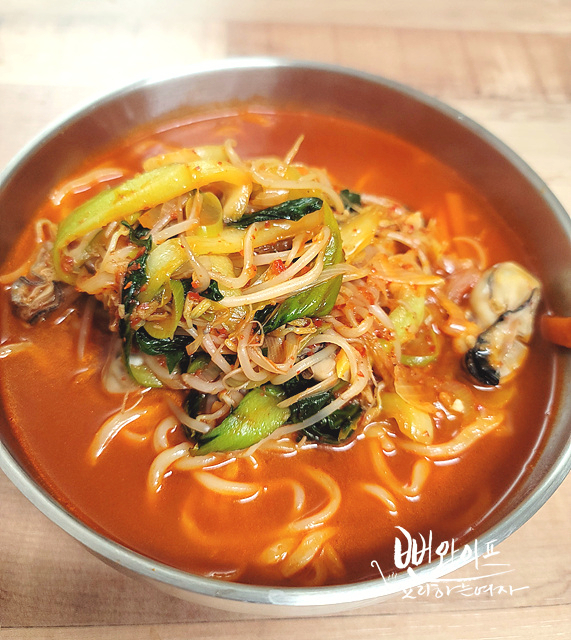
Spicy and Refreshing Haemul Jjamppong (Spicy Seafood Noodle Soup)
A Chinese Korean spicy seafood noodle soup made by stir-frying squid, clam meat, and shrimp into a rich, refreshingly spicy broth.
Translated from Korean by AI and not yet checked by a native speaker. Amounts and numbers are taken directly from the original recipe. Read the Korean original →
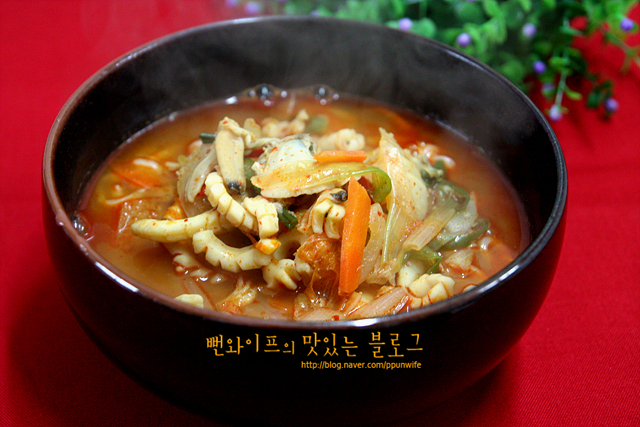
This 2-serving seafood jjamppong features squid, manila clam meat, and shrimp stir-fried in chili oil to make a deeply refreshing and spicy broth. Sauté garlic and large green onion first to build aroma, then add seafood and vegetables in turn to bring out rich savory flavors. It is a satisfying bowl to make at home whenever you crave a spicy soup.
- Servings
- 2 servings
- Difficulty
- Hard
- Spiciness
- Spicy
Ingredients
Ingredients
- Squid1 (body)
- Manila clam meat50 g
- Shrimp meat50 g
- Onion1/2
- Carrot1/3
- Inner napa cabbage leaves2 leaves
- Large green onion (daepa)1/2 stalk
- Red chili pepper1
- Cheongyang chili pepper (hot green chili)1
- Chicken broth (or anchovy broth)3 cups
- Fresh noodles2 servings, 200 g
Seasoning
- Chili oil2 tbsp
- Minced garlic1 tbsp
- Gochugaru (Korean chili flakes)2 tbsp
- Oyster sauce1 tbsp
- Cheongju (Korean rice wine) (or mirin (cooking rice wine))1 tbsp
- Salt1/2 tbsp
- Ground black pepper1/2 tsp
- I used just the squid body. Clean it, split it lengthwise, and cut it into bite-sized pieces.
- I used sweet, tender inner napa cabbage leaves, but you can substitute regular cabbage.
Steps
I used just the squid body. Clean it, split it lengthwise, and cut it into bite-sized pieces.
Prepare 1/2 cup each of manila clam meat and shrimp meat.
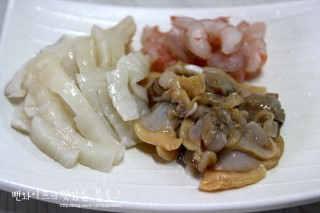
I used sweet, tender inner napa cabbage leaves, but you can substitute regular cabbage.
Chop the vegetables to a suitable size.
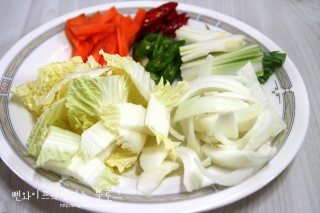
Heat a pan, add chili oil, and add minced garlic and large green onion (daepa).
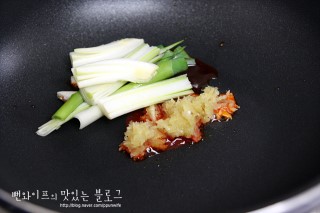
Stir-fry without burning until the garlic and green onion become fragrant.
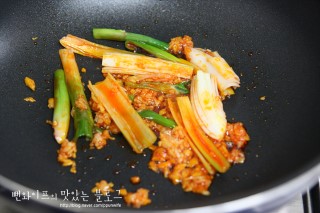
Add the squid, shrimp, and clam meat...
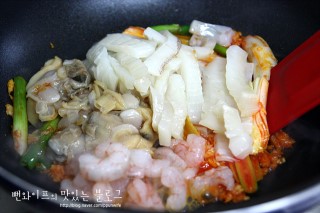
Stir-fry until halfway cooked.
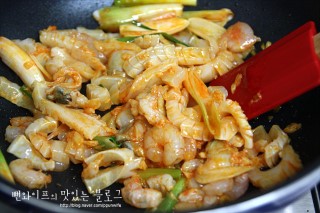
Add all the vegetables (onion, carrot, inner napa cabbage leaves, red chili pepper, Cheongyang chili pepper)...
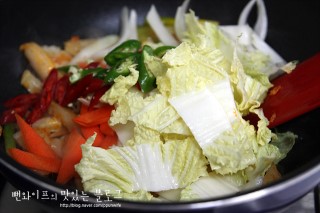
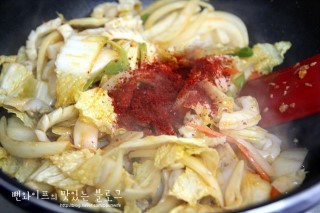
Add gochugaru (Korean chili flakes), oyster sauce, and cheongju (Korean rice wine) (or mirin), then stir-fry to mix thoroughly with the ingredients.
Pour in the broth...
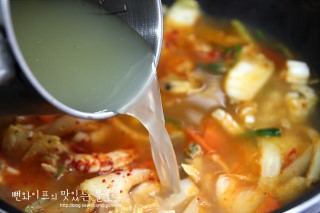
Boil so the flavors of the ingredients infuse into the broth.
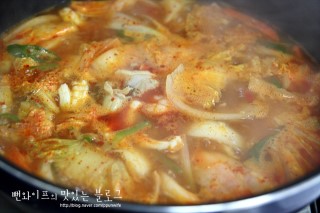
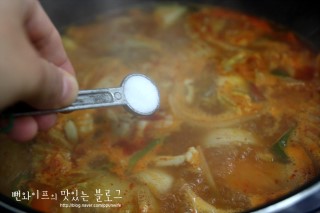
Finish by seasoning with salt and ground black pepper to taste.
Boil fresh noodles in boiling water for 2 to 3 minutes...
Drain through a sieve to remove excess water.
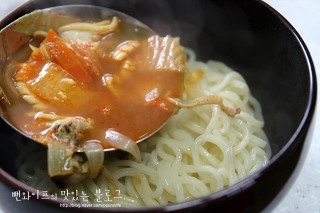
Place the noodles in a bowl and ladle the broth over them to finish.
 Ppunwife's tips
- Stir-fry without burning until the garlic and green onion become fragrant.
FAQ
Can I use other vegetables instead of inner napa cabbage leaves?
You can slice regular cabbage and use it instead of inner napa cabbage leaves.
What kind of broth should I use?
Chicken broth is the standard choice, but if you do not have any, you can substitute anchovy broth.
How long should I boil the fresh noodles in boiling water?
Boil them in boiling water for 2 to 3 minutes, then drain through a sieve.
Can I use Chinese noodles or udon noodles instead of fresh noodles? AI-generated
Commercially available Chinese-style noodles, kalguksu knife-cut noodles, or udon noodles also work well boiled and served with this dish.