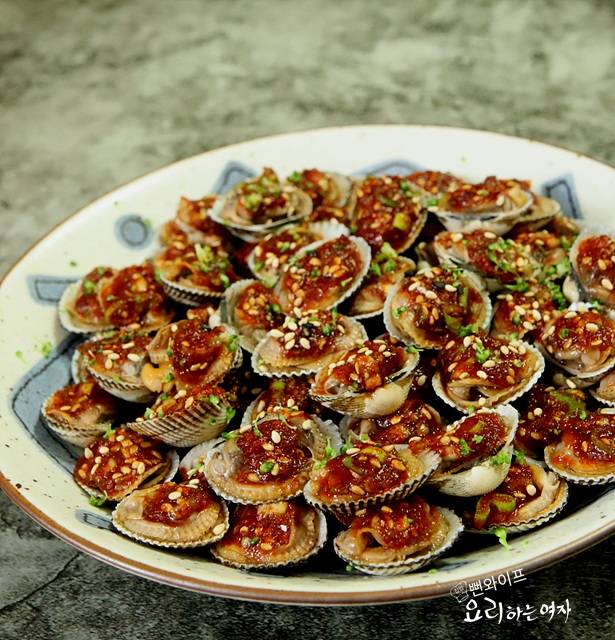
Chewy and Savory Kkomak Jjim (Steamed Cockles)
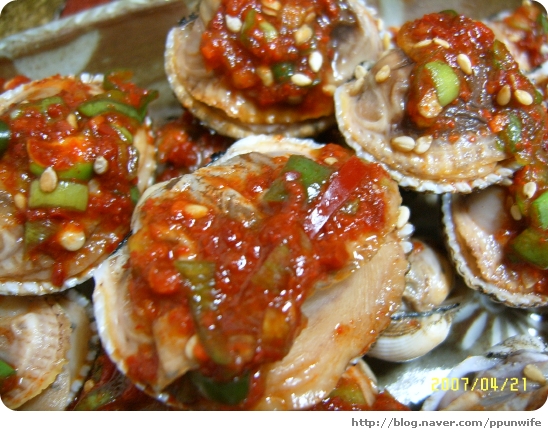
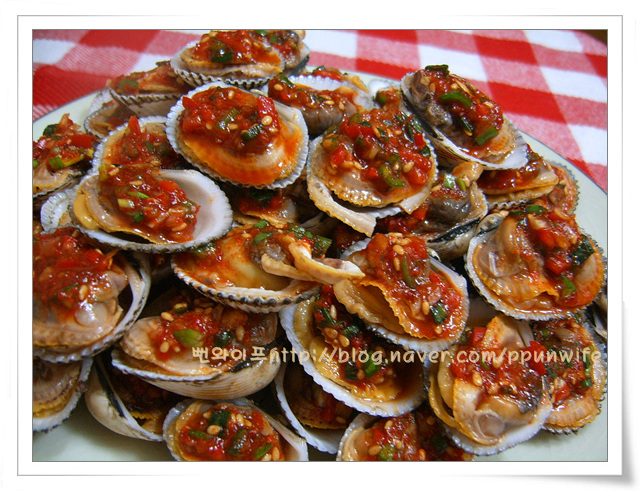
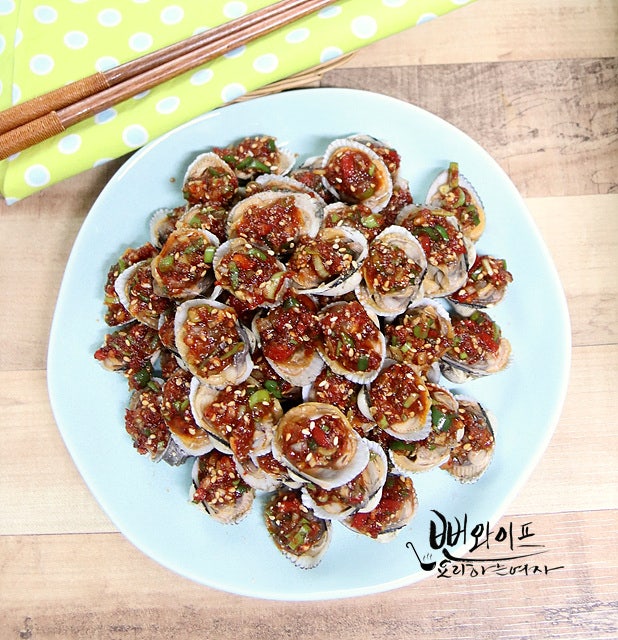
A seafood side dish made by topping blanched blood cockles with a spicy, sweet soy sauce dressing.
Translated from Korean by AI and not yet checked by a native speaker. Amounts and numbers are taken directly from the original recipe. Read the Korean original →
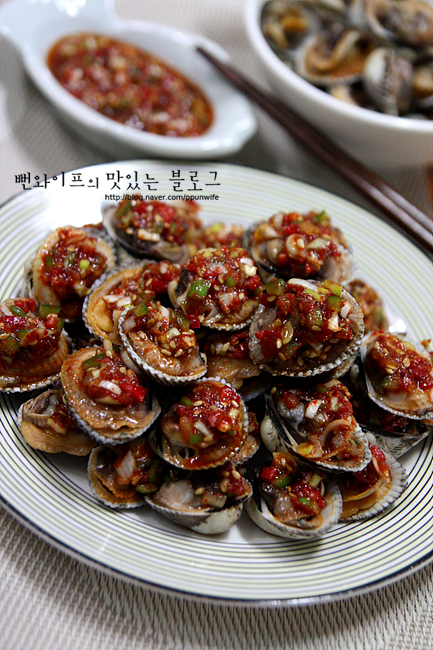
The key is blanching the blood cockles briefly to preserve their juices and tender texture. Adding the settled clear cooking liquid from the boiled cockles to the soy sauce seasoning gives it a much deeper savory flavor. It makes a wonderful side dish for rice as well as a clean-tasting drinking snack.
- Servings
- about 2–3 servings
- Cook time
- 1 minprep not included
- Difficulty
- Medium
- Spiciness
- Mildly spicy
Ingredients
Ingredients
- Blood cockles1 kg
Seasoning
- Regular soy sauce (jin-ganjang)2 tbsp
- Soup soy sauce (guk-ganjang) (or soup soy sauce (guk-ganjang))1 tbsp
- Gochugaru (Korean chili flakes)1 tbsp
- Minced garlic1/2 tbsp
- Minced green onion2 tbsp
- Minced red chili pepper1 tbsp
- Minced green chili pepper (or cheongyang chili pepper (hot green chili))1 tbsp
- Mirin (cooking rice wine)1 tbsp
- Sugar1/2 tsp
- Clear cooking liquid from boiled cockles (or water)2 tbsp
- Toasted sesame oila little
- Toasted sesame seedsa little
- Dissolve 3 tbsp of coarse sea salt in 5 cups of water, add the blood cockles, and purge them for 3 to 4 hours covered in a cool, dark place.
- Discard any blood cockles with broken shells as they may be spoiled; after purging, take a handful in each hand and rub them together to remove surface debris, then rinse until the water runs clear.
Steps
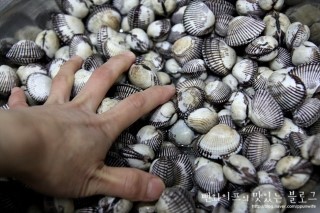
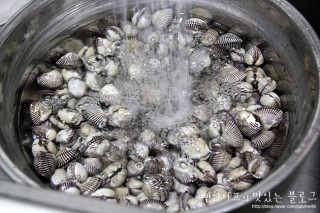
1. Be sure to discard any blood cockles with broken shells.
They are dead and can spread bacteria that cause food poisoning to the other cockles.
Rinse lightly in water once, then purge them.
Clams and cockles dug from tidal mudflats must be purged to remove sand and grit.
To purge them, recreate an environment similar to the beach where the shellfish live, and they will breathe and spit out the grit.
For 5 cups of water, stir in 3 tbsp of coarse sea salt until dissolved, then add the clams.
The saltwater just needs to be enough to submerge the cockles or clams. Cover with a lid and leave in a cool, dark place for 3 to 4 hours.
In the hot summer, keep them in the refrigerator.
After purging, drain the saltwater; the cockles will have mud and debris on their shells, so clean them thoroughly.
Grab a handful of cockles in each hand and rub or scrub them vigorously against each other to remove any debris sticking to the surface.
2. Pour in water, rinse the cockles, drain, and repeat rubbing and rinsing until the water runs clear.
Drain roughly in a strainer, and then...
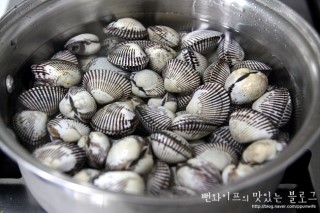
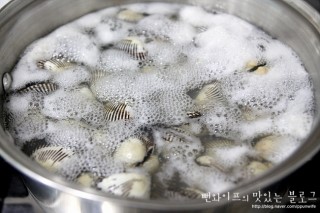
3. Place the blood cockles in a pot and pour in just enough water so they are barely submerged.
4. Start boiling over high heat, and skim off the foam first as it forms.
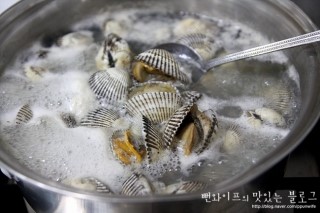
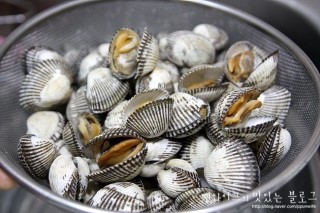
5. As the water comes to a boil and the cockles begin to open, stir gently with a spoon and boil for only about 1 minute.
Even if all the cockles have not opened, the inside is fully cooked.
If you boil them too long, the meat becomes tough and tasteless, and all the juices escape into the broth.
You can also steam them in a steamer to prevent juice loss and preserve texture, but I prefer this method because pouring a little water and quickly blanching them is much simpler.
6. Drain through a strainer and catch the broth;
let the broth settle for a moment and use 2 to 3 tbsp of the clear top liquid in the seasoning for a rich, savory taste that makes it much more delicious.
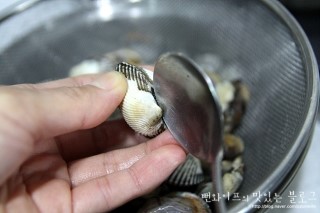
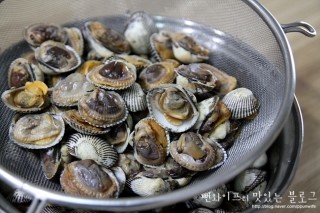
7. Cockles that have opened are easy to shuck, but for cockles that stay closed,
place a spoon into the indentation at the hinge in the back and twist clockwise to pop them open easily.
8. Remove only one half of the shell; if there is any mud or sand on the cockle meat or inside the shell,
gently wipe it away under running water with your fingers.
10
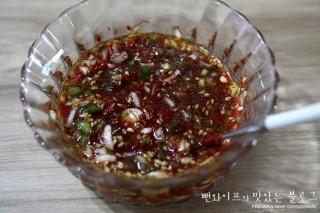
9. Add all the seasoning ingredients in the specified amounts and mix well.
The seasoning was a bit too thick, so I added a little of the top cooking liquid from the cockles, but plain water works too.
This seasoning is not overly salty, so if you prefer a saltier taste, dip a cockle into the sauce to taste, and add more regular soy sauce (jin-ganjang) or soup soy sauce (guk-ganjang).
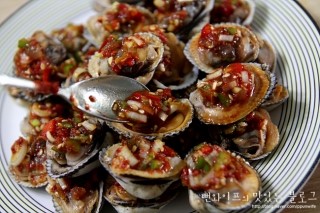
10. Arrange the cockles neatly in a container or on a plate, then spoon an appropriate amount of seasoning sauce over each.
 Ppunwife's tips
- Even if the cockle shells have not all opened, the meat inside is fully cooked; boiling them too long makes the meat tough and flavorless and drains all the juices into the broth.
- For cockles that stay closed, place a spoon into the indentation on the back hinge and twist clockwise to pop them open easily.
- Let the cockle cooking liquid settle for a moment and use 2 to 3 tbsp of the clear top liquid in the seasoning sauce for a much richer, savory flavor.
FAQ
Do I need to boil the cockles until they all open?
Even if they haven't all opened, the inside is already cooked. Boiling them too long makes the meat tough and causes the flavorful juices to leak out, so once they begin opening, stir for about 1 minute and remove them.
How do I open cockles that have not popped open?
Place a spoon into the small indentation on the back hinge of the cockle and give it a gentle twist clockwise to pry it open easily.
How do I purge blood cockles?
Dissolve 3 tbsp of coarse sea salt in 5 cups of water, add the cockles, and keep them covered in a cool, dark place for 3 to 4 hours to let them spit out sand and grit.
How can I use leftover cockle meat and cooking broth?
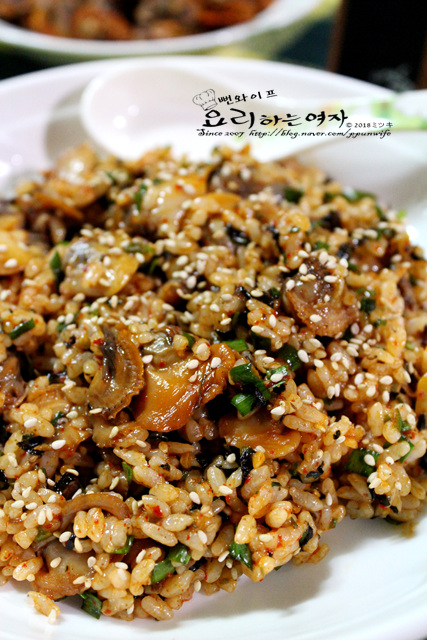
Remove the meat from the shells, let it cool, and store it in the freezer to add to doenjang jjigae, salads, or savory pancakes. The settled clear broth can also replace water in stews or pancake batter for deep umami flavor.