Chewy and Savory Seasonal Kkomak Muchim (Seasoned Cockles)
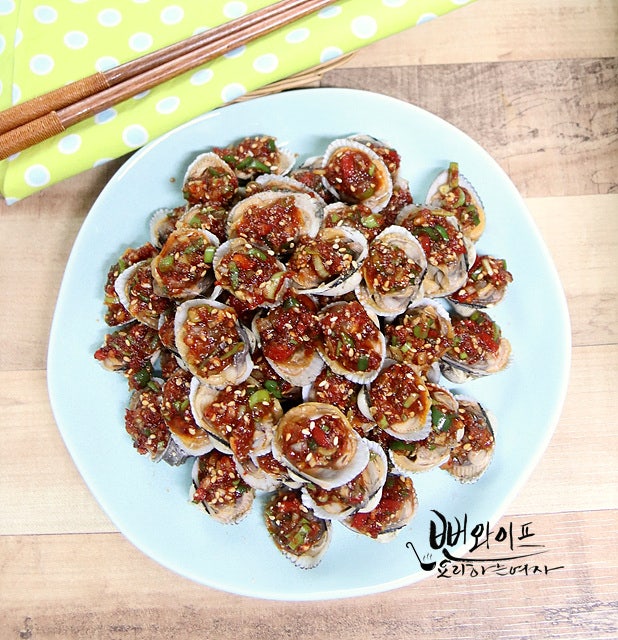
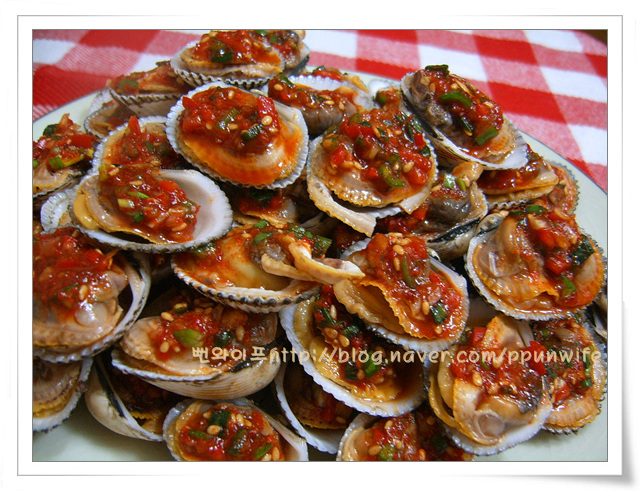
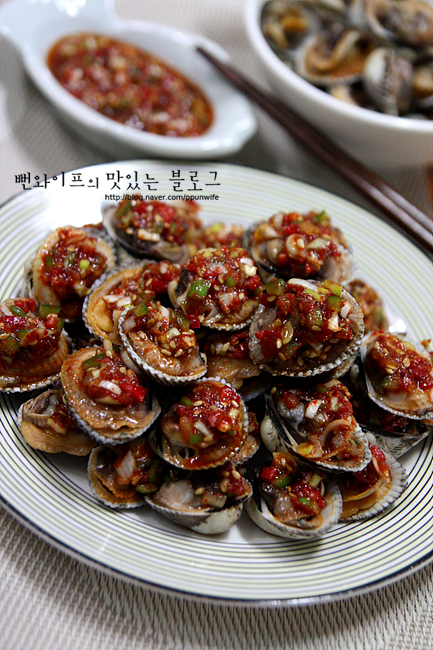
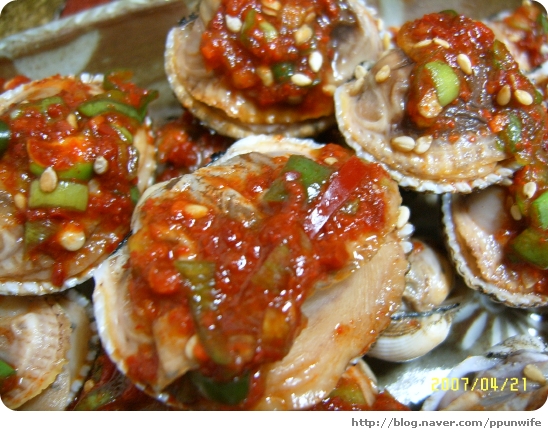
Seasonal kkomak muchim featuring purged and properly boiled blood cockles topped with a special soy seasoning sauce.
Translated from Korean by AI and not yet checked by a native speaker. Amounts and numbers are taken directly from the original recipe. Read the Korean original →
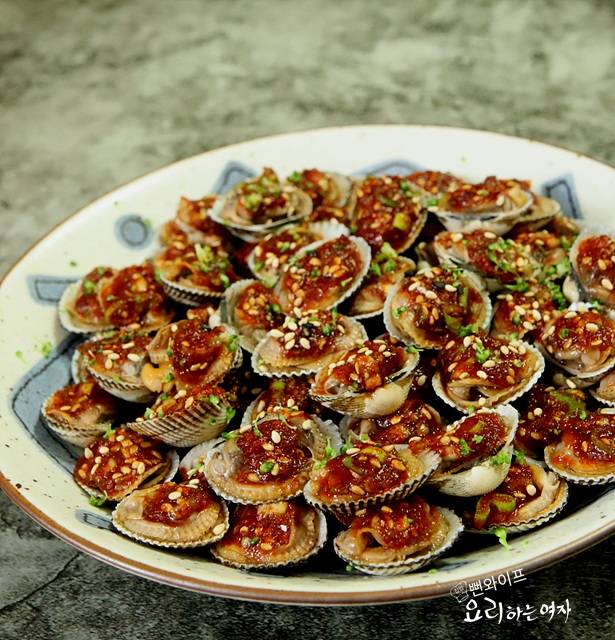
A flavor-packed seasonal winter side dish made with tenderly boiled blood cockles topped with a special soy seasoning sauce. Rinsing the shelled cockles in their own cooking broth preserves rich flavor, and any leftover meat is delicious tossed with water dropwort in bibimbap.
- Servings
- 7–8 servings
- Difficulty
- Medium
- Spiciness
- Mildly spicy
Ingredients
Ingredients
- Blood cockles2 kg
- Water dropwort (minari) (or garlic chives (buchu), scallions (jjokpa))a little
- Seaweed flakes
- Cooked rice4 bowls
Purging blood cockles
- Coarse sea salt1/2 cup
- Water10 cups
Seasoning
- Regular soy sauce (jin-ganjang) (or brewed soy sauce (yangjo-ganjang))6 tbsp
- Soup soy sauce (guk-ganjang)3 tbsp
- Gochugaru (Korean chili flakes)6 tbsp
- Minced garlic3 tbsp
- Minced green onion1/2 cup
- Mirin (cooking rice wine)3 tbsp
- Corn syrup (mulyeot)3 tbsp
- Broth from boiling blood cockles4 tbsp
- Toasted sesame oil (or perilla oil)3 tbsp
- Toasted sesame seeds3 tbsp
- Leave in a cool spot for about 2 hours to let them purge.
- As you pour out the cockles, pick out and discard any broken shells. Also discard any that are open and do not move.
- If you have garlic chives or scallions, try using them instead of water dropwort.
Steps
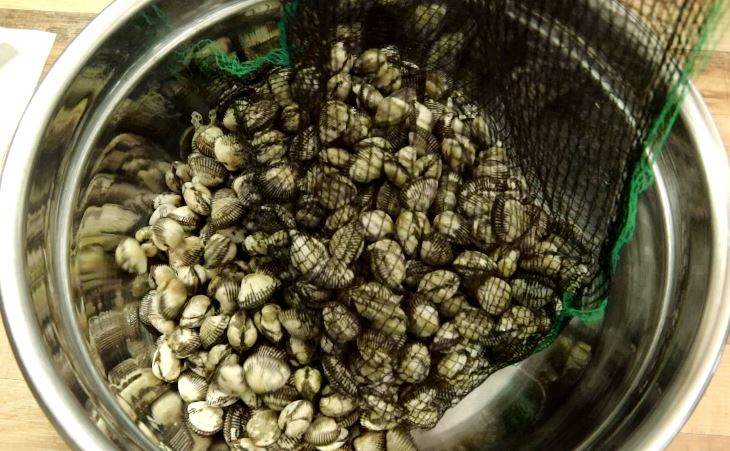
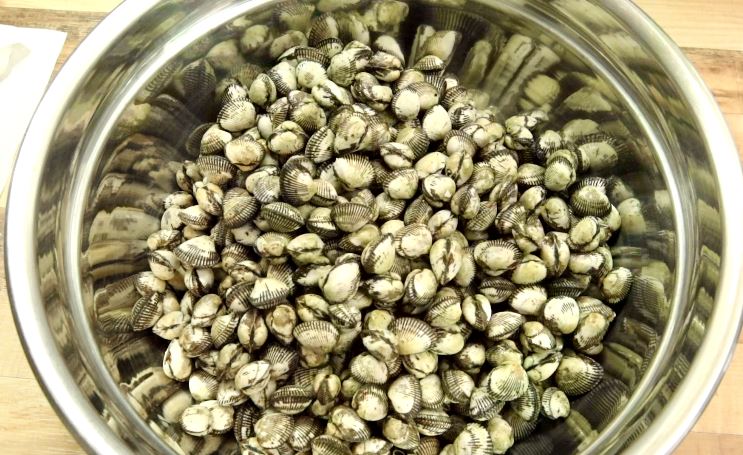
I boldly went to the traditional market and bought a whole 4 kg mesh bag of cockles.
I will write this recipe for cleaning cockles and making the sauce based on 2 kg.
As you pour out the cockles, pick out and discard any broken shells.
In all the commotion of pouring them out, they should normally clamp shut tightly, so discard any that are open and do not move.
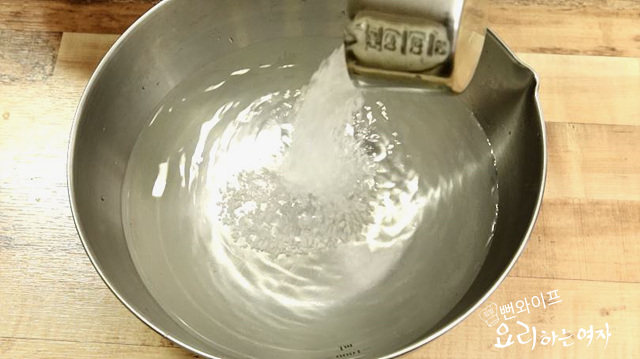
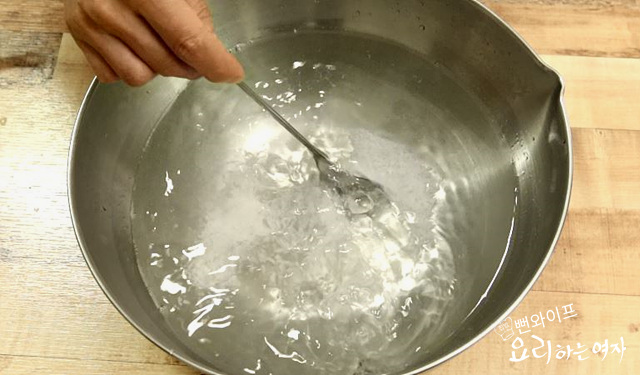
Because cockles live in mud flats, you need to let them spit out the dirty debris and mud they hold so you can eat them cleanly without any grit.
First, prepare a saltwater solution similar in salinity to seawater by dissolving 1/2 cup coarse sea salt into 10 cups water.
You need enough saltwater to submerge the cockles completely, so if it is not enough, make more using this same ratio.
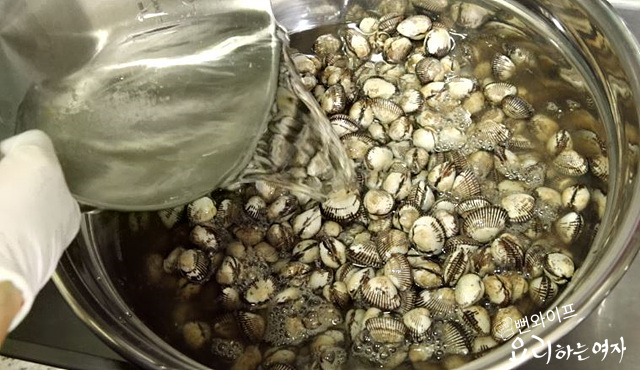
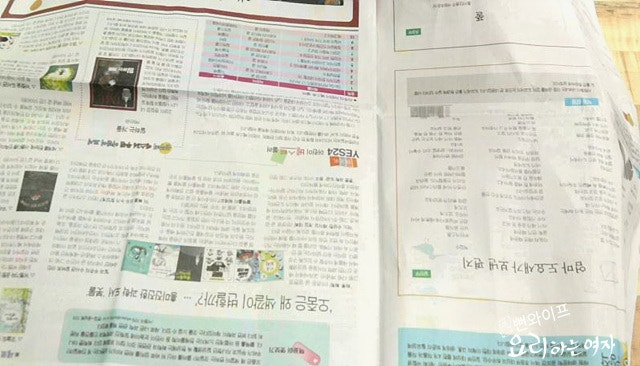
Pour the saltwater over the cockles and cover with a black plastic bag or newspaper to keep it dark.
Leave in a cool spot for about 2 hours to let them purge.
If you are not using a stainless steel basin, adding a metal spoon is said to help with purging.
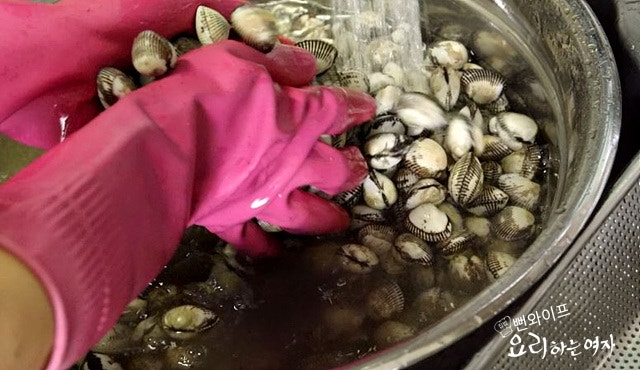
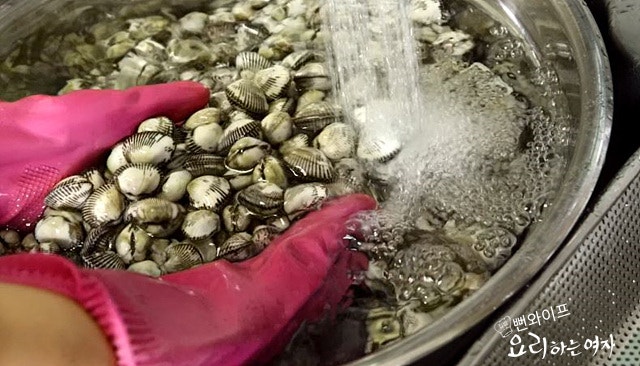
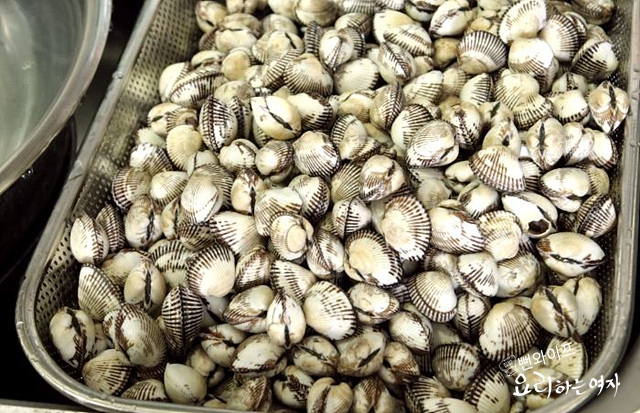
Grab cockles in small handfuls with both hands and rub them together under running water so the debris stuck to the shells comes off. Keep rubbing and rinsing until the water runs clear. I rinsed them about 10 times. Drain loosely in a colander.
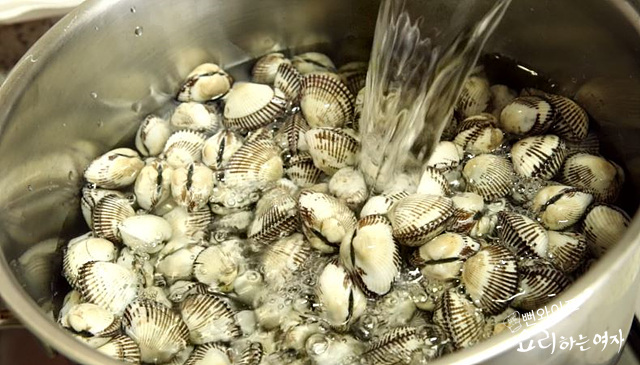
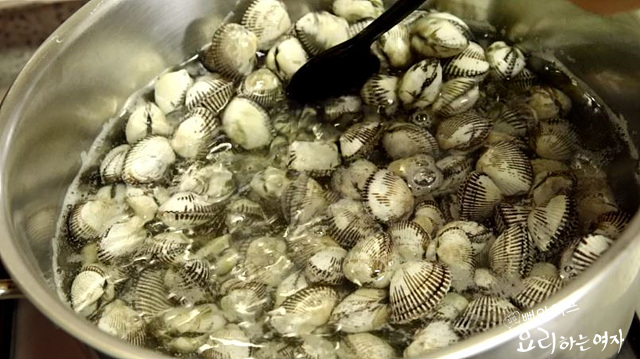
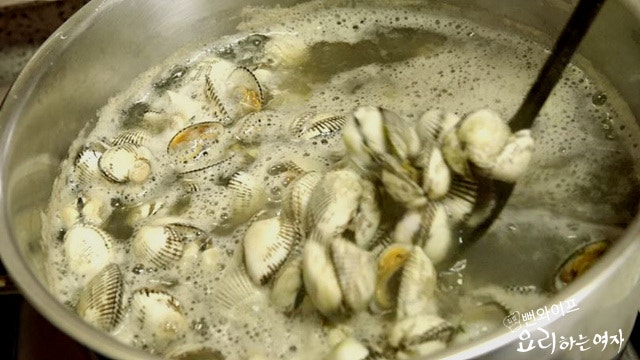
There are two ways to boil cockles, so I split an equal amount and boiled them both ways to see the difference.
First, pour cockles into a pot, add enough cold water to cover them, add a tablespoon of salt, and place over high heat.
When the water starts to boil and foam appears, stir repeatedly in one direction with a spoon. Once cockles start opening one or two at a time, boil quickly for about 1 minute so the bottom and top cockles mix evenly, then turn off the heat.
The cockles will not all be wide open, but they are fully cooked. If you boil them longer, the juices escape, making them tough and flavorless.
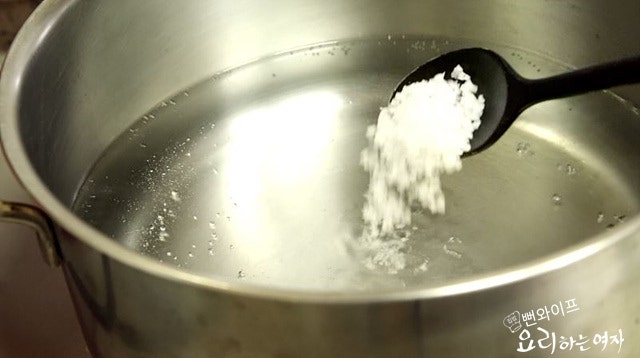
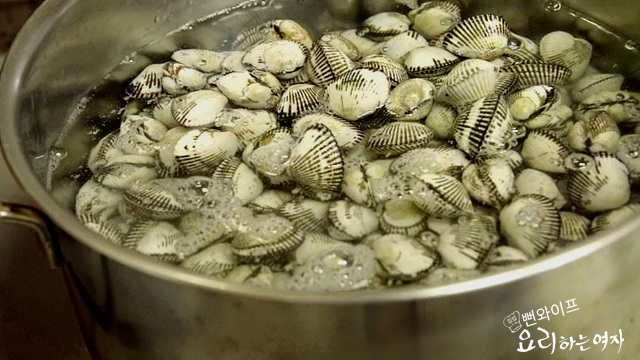
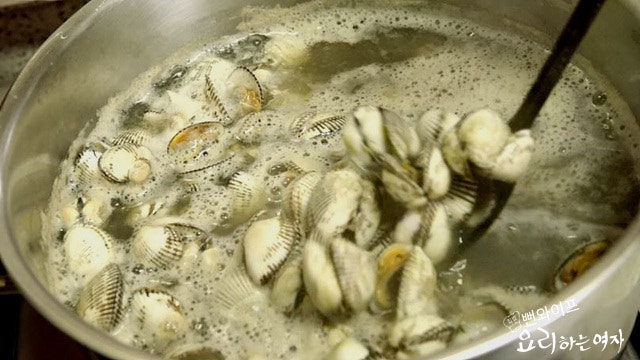
Here is the second method. Add a tablespoon of salt to boiling water and add the cockles. After a moment, once the water begins boiling again and foam forms, stir in one direction with a spoon, and as they start opening, boil for 1 minute while stirring so the cockles at the bottom come up and mix evenly.
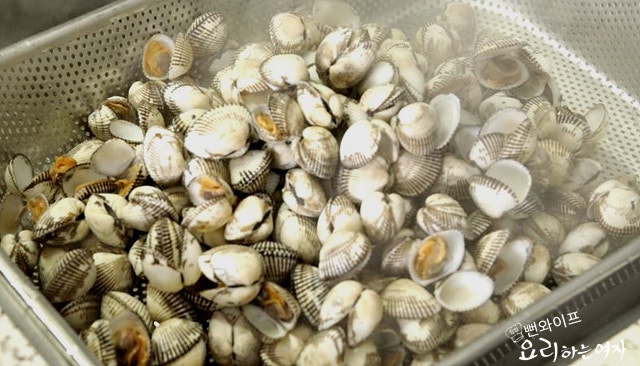
I boiled them both ways and compared, but I could not notice a big difference, though the cockles added to boiling water seemed to open slightly more.
Both were boiled for the same amount of time, about 1 minute after boiling began, and I did not notice much difference in taste or texture between starting in cold water versus boiling water.
The conclusion is that either method makes little difference, so just do whichever is convenient.
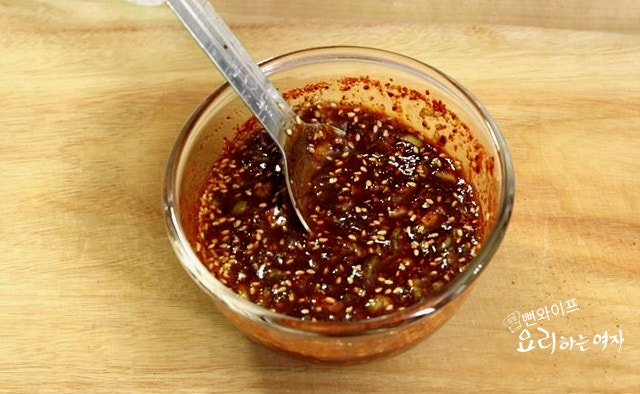
For the seasoning sauce, combine 6 tbsp regular soy sauce (jin-ganjang) (or brewed soy sauce), 3 tbsp soup soy sauce (guk-ganjang), 6 tbsp gochugaru (Korean chili flakes), 3 tbsp minced garlic, 1/2 cup minced green onion, 3 tbsp mirin (cooking rice wine), 3 tbsp corn syrup (mulyeot), 4 tbsp cockle broth, 3 tbsp toasted sesame oil (or perilla oil), and 3 tbsp toasted sesame seeds, mixing thoroughly so the seasonings blend together.
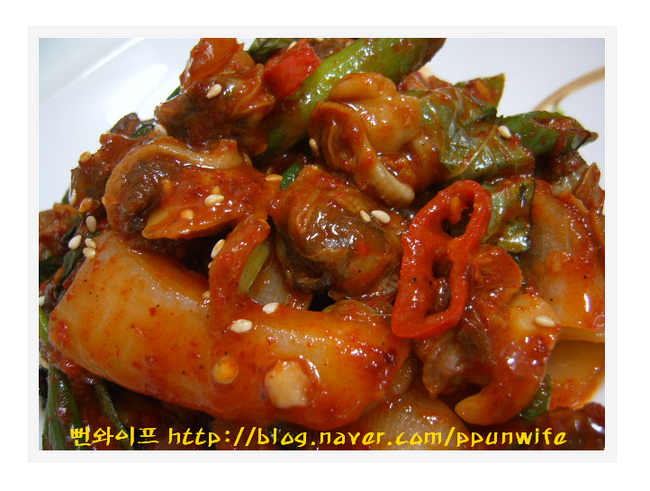
To your taste, you may also finely mince and add spicy Cheongyang chili peppers, red chili peppers, or onions.
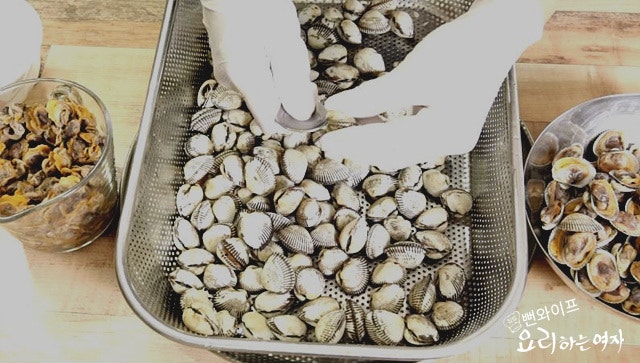
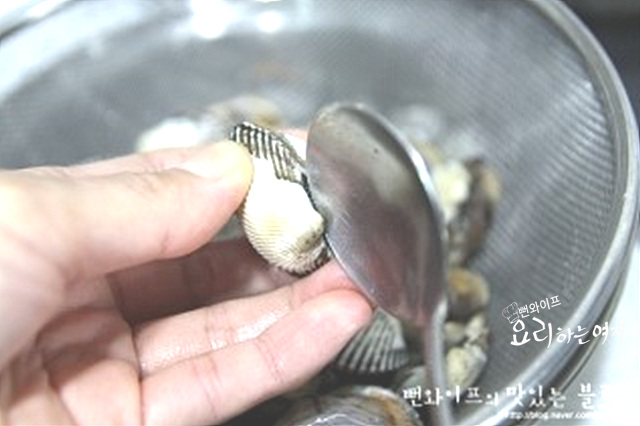
For shells that have not opened, place a spoon into the indentation at the back hinge and twist, and they will pop open easily.
For eating as steamed cockles, remove just one half of the shell, and for eating in bibimbap, use only the meat.
I separated smaller meats for bibimbap and larger ones with half shells for a side dish.
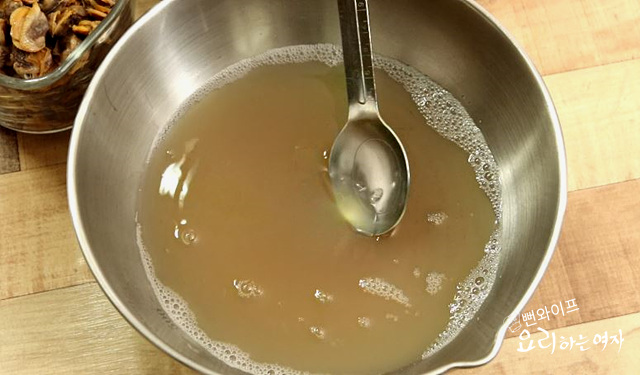
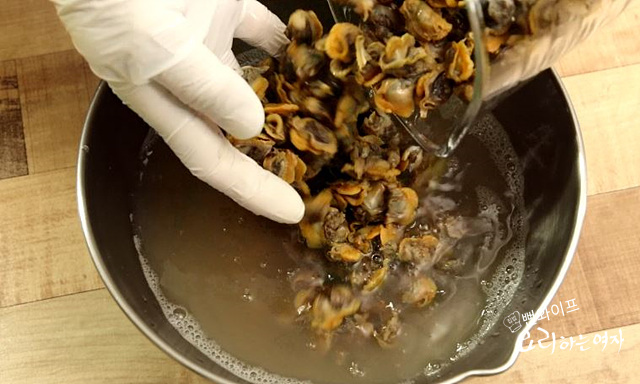
I let the cockle cooking water settle about three times and scooped only the clear upper broth, so it is clean without sediment. It brewed deeply and the broth tastes wonderful.
Do not throw it away; you can use it in doenjang jjigae or doenjang soup.
Place the shelled cockle meat into this broth and gently swirl to cleanly remove any shell fragments or remaining mud left over from shelling.
This is great because it preserves the cockle flavor far better than washing in plain water.
Try rinsing away any mud or fragments on the cockles prepped for muchim in this broth. They turn out much cleaner and tastier.
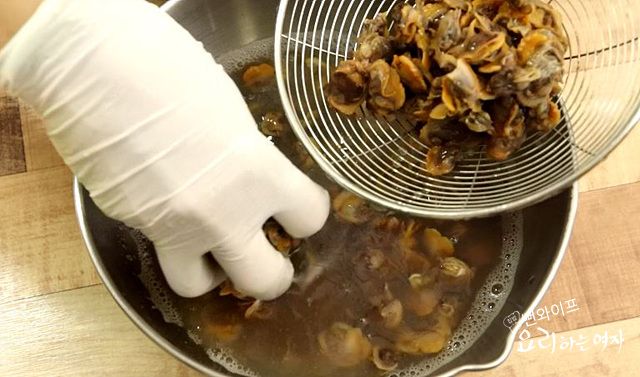
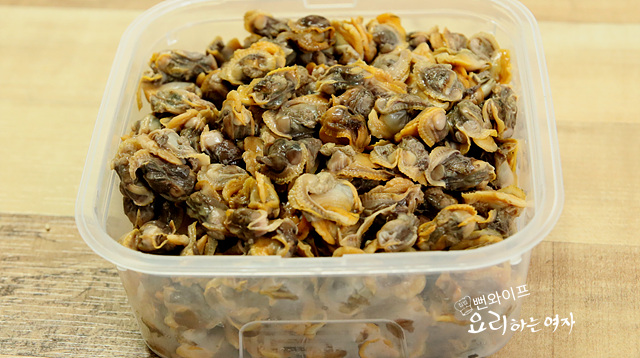
Drain them in a colander to remove moisture, then pack them into airtight containers to feel wealthy with cockles.
Two full side dish containers are enough to make bibimbap ten times.
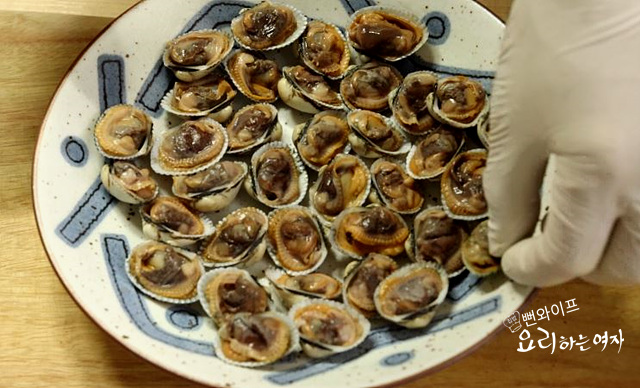
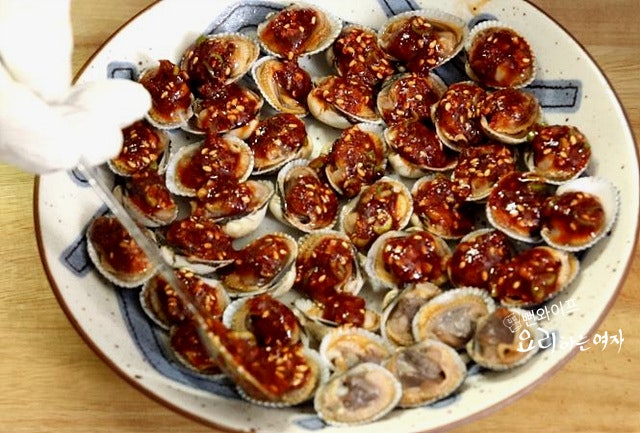
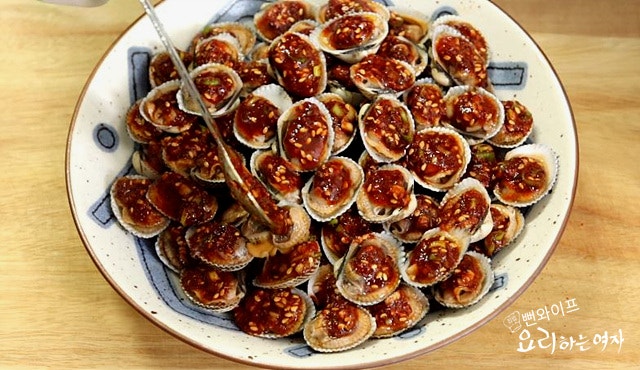
For the cockles to serve as a side dish, arrange them in a single layer on a plate and spoon a little seasoning sauce over each; you will be done in no time.
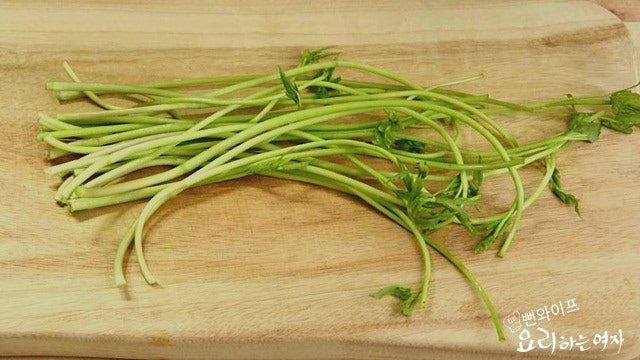
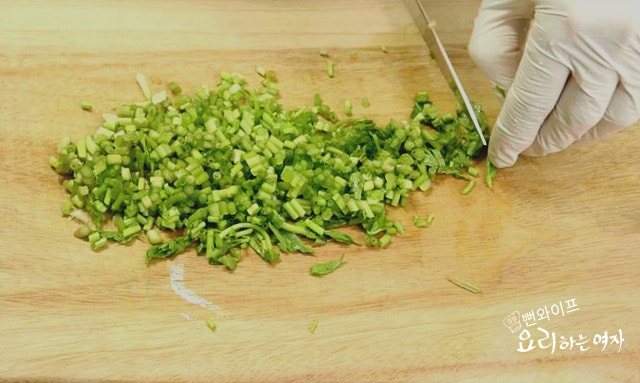
For the water dropwort (minari) to go into the cockle bibimbap, chop it finely. If you have garlic chives or scallions, try using them instead of water dropwort.
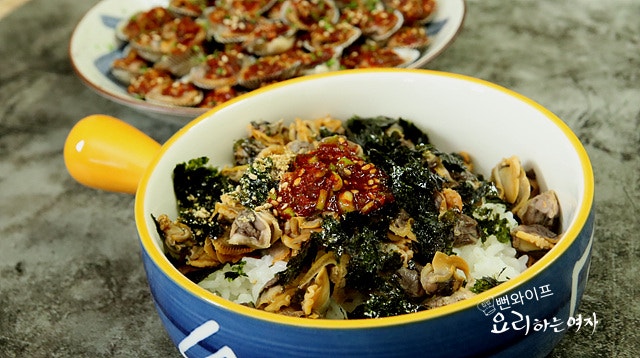
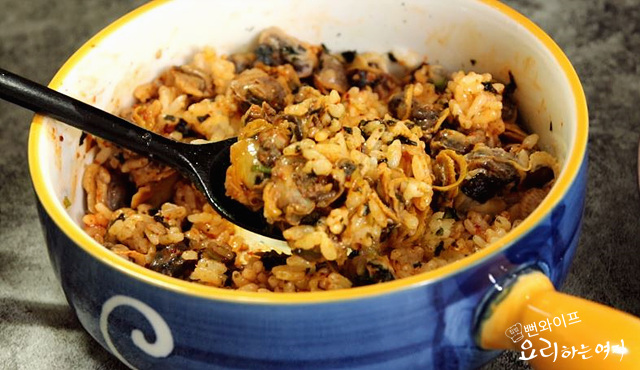
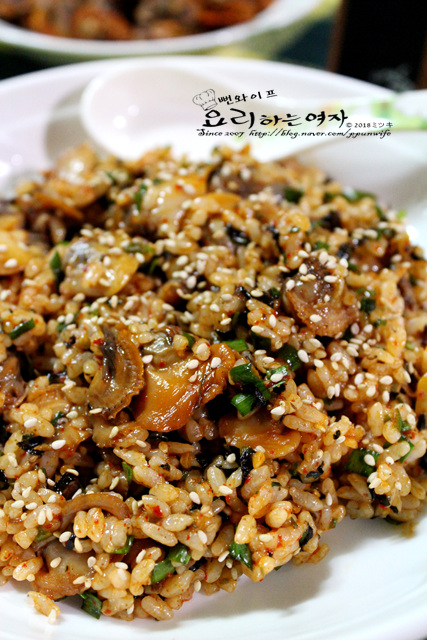
On this day I had no water dropwort, so I just tossed the cockle meat with seaweed flakes, and it was so delicious.
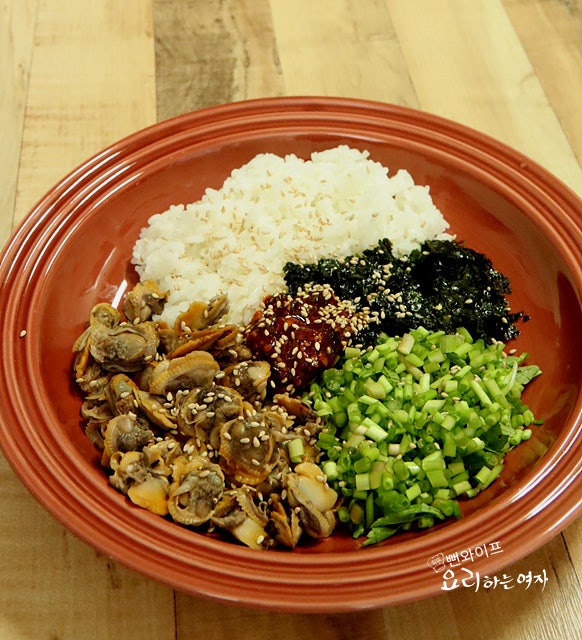
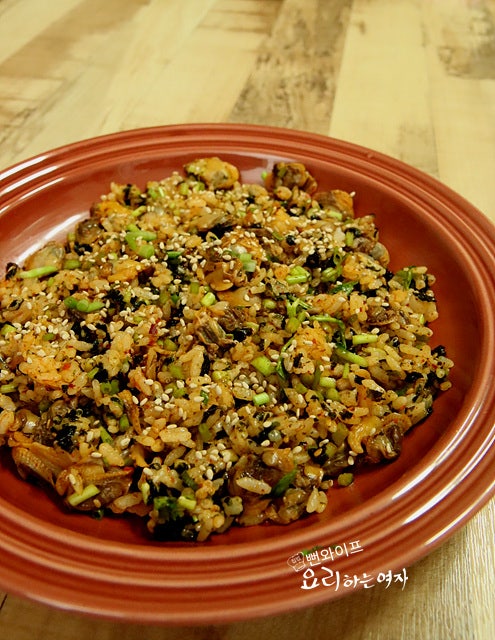
Adding fragrant water dropwort to bibimbap makes a meal you could not wish to improve.
Adding a bowl of cooked rice and about the same amount of cockle meat makes a single bowl feel like 2 servings.
 Ppunwife's tips
- When the water starts to boil and foam appears, stir repeatedly in one direction with a spoon. If you boil them longer, the juices escape, making them tough and flavorless.
- For shells that have not opened, place a spoon into the indentation at the back hinge and twist, and they will pop open easily.
- Rinsing the cockle meat in the settled cockle cooking broth preserves the cockle flavor far better than washing in plain water.
FAQ
How do you open cockles that did not open during boiling?
Place a spoon into the recessed hinge at the back of the cockle and give it a gentle twist to pop the shell open easily.
How can I use the cockle boiling liquid?
After letting it settle and pouring off the clear broth, you can use it to rinse grit from shelled cockle meat or as a soup base for doenjang jjigae or doenjang soup.
Is there a vegetable I can substitute for water dropwort in bibimbap?
When you do not have water dropwort, finely chopped garlic chives or scallions also work well.
Is it better to start cockles in cold water or boiling water?
Starting in cold water or adding to boiling water makes little difference in taste or texture, so you can choose whichever method is most convenient.