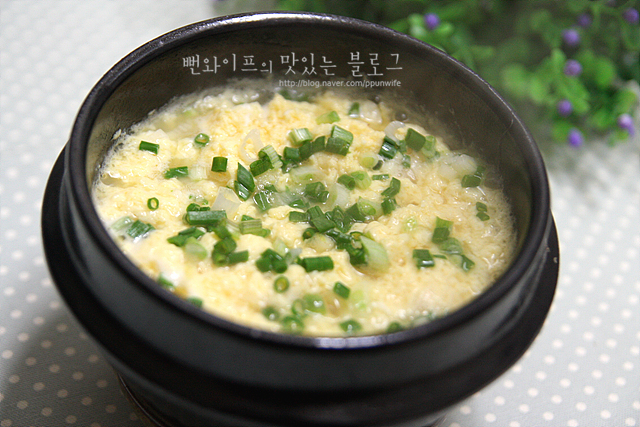
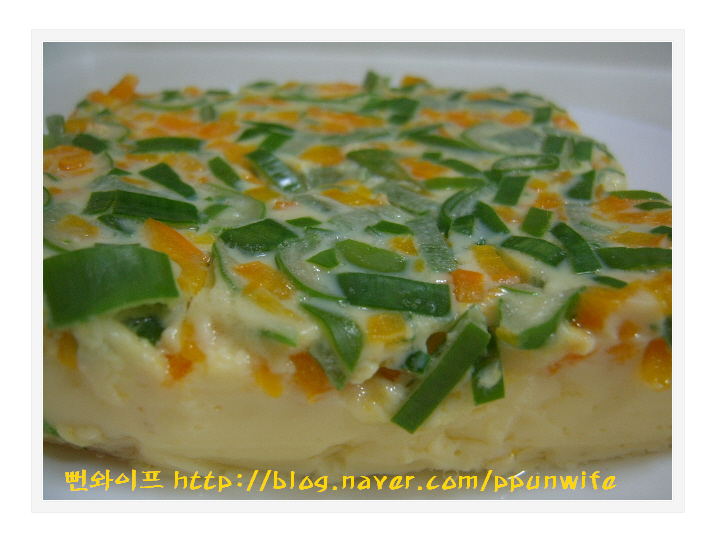
Savory Ttukbaegi Gyeran Jjim (Earthenware Steamed Eggs)
A 2-serving steamed egg dish flavored with kelp broth and salted fermented shrimp, cooked until soft and fluffy in an earthenware pot.
Translated from Korean by AI and not yet checked by a native speaker. Amounts and numbers are taken directly from the original recipe. Read the Korean original →
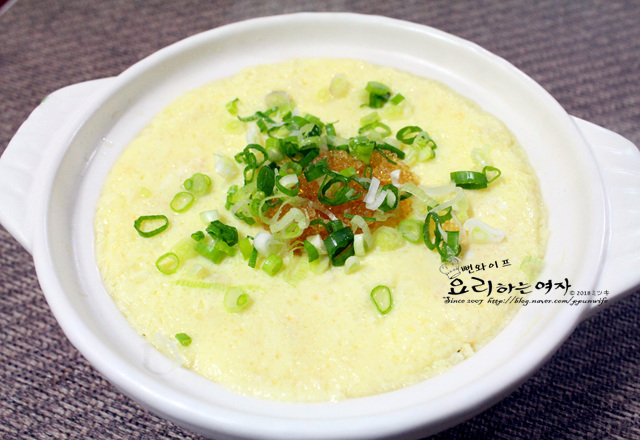
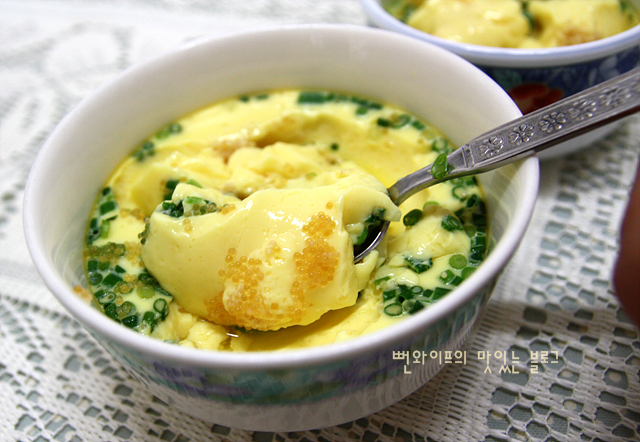
This egg dish uses kelp broth seasoned with salted fermented shrimp, with flying fish roe added for deep savoriness and a popping texture. Once the egg mixture begins to curdle like soft tofu, reduce the heat to low and let it steam so it stays warm and tender to the very end. It makes a wonderful side dish for rice as well as an accompaniment for drinks.
- Servings
- 2 servings
- Cook time
- 5 minprep not included
- Difficulty
- Medium
- Spiciness
- Not spicy
Ingredients
Ingredients
- Egg3 (small)
- Flying fish roe2 tbsp (optional)
- Minced scallions (jjokpa)2 tbsp
- Kelp broth1 cup
- Toasted sesame oilas needed
Seasoning
- Salted fermented shrimp (saeujeot)1 tsp
- Salt1/3 tsp
- Cheongju (Korean rice wine) (or mirin (cooking rice wine))1 tbsp
- Steep a 5 cm square piece of dried kelp in 1 cup of cold water for 1 hour.
- Soak the flying fish roe in lemon juice or cheongju to remove any fishiness, then drain through a sieve.
- I used 3 small eggs; if using extra-large eggs, 2 are enough.
- You can also peel the skin off pollack roe and use it instead of flying fish roe, but season a bit more lightly.
Steps
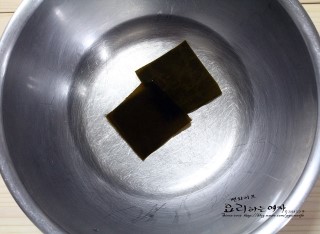
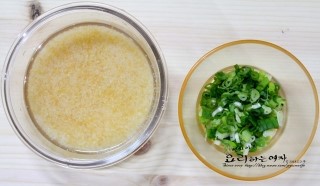
1. First, steep a 5 cm square piece of dried kelp in 1 cup of cold water for 1 hour.
2. Soak the flying fish roe in lemon juice or cheongju to remove any fishiness, then drain through a sieve.
Prepare 2 tbsp of finely chopped scallions or large green onion.
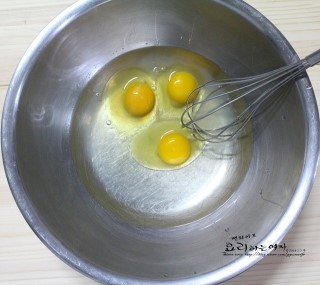
3. Add 3 eggs to 1 cup of kelp broth and beat well, then mix in 1 tsp salted fermented shrimp, 1/3 tsp salt, 1 tbsp cheongju (or mirin), and 1 tbsp flying fish roe.
I beat the eggs first and added the rest later. You may also add everything all at once and mix.
I used 3 small eggs; if using extra-large eggs, 2 are enough.
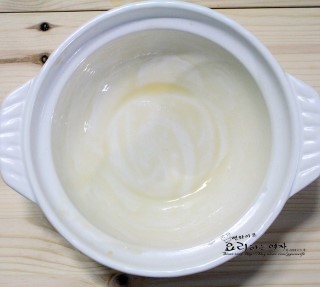
4. Coat the bottom and sides of the ttukbaegi evenly with toasted sesame oil.
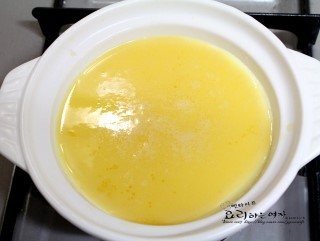
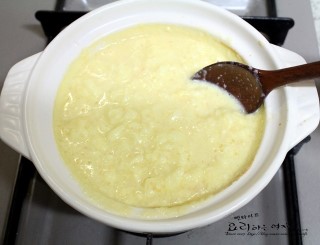
5. Set over heat (between medium and low), and once the ttukbaegi gets hot, pour in the egg mixture.
6. As the edges begin to cook, stir well from the bottom and sides. Once it starts to form soft curds like soft tofu, reduce the heat to low...
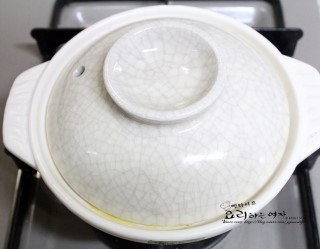

7. Cover with a lid and let it steam for about 4 to 5 minutes.
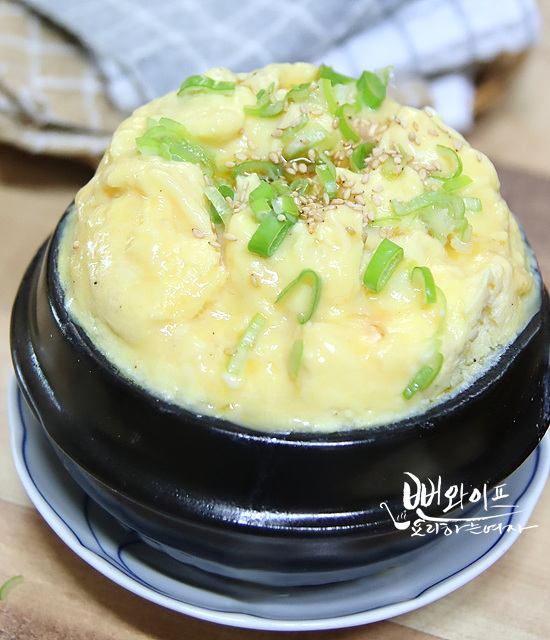
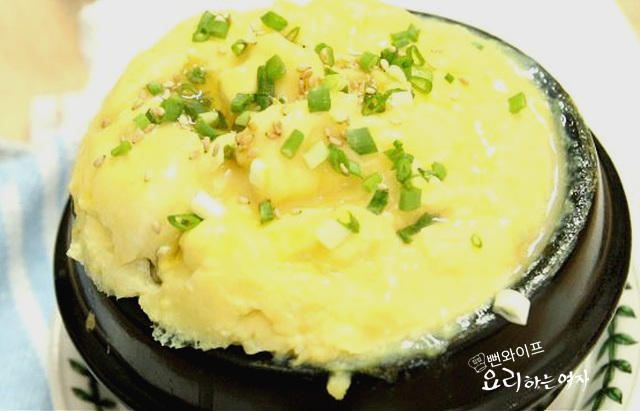
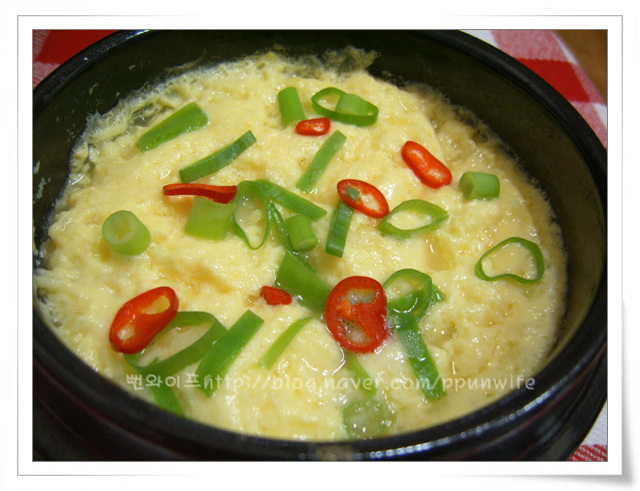
8. Finish by topping with the remaining 1 tbsp flying fish roe and scallions.
 Ppunwife's tips
- Coat the bottom and sides of the ttukbaegi evenly with toasted sesame oil.
- The ttukbaegi is very hot, so if you stir right before eating, the flying fish roe will cook quickly.
FAQ
How do I remove the fishy smell from flying fish roe?
Before cooking, soak the flying fish roe briefly in lemon juice or cheongju and drain through a sieve to reduce any fishiness.
Can I substitute other ingredients for flying fish roe?
You can use peeled pollack roe instead. However, since pollack roe is naturally salty, you should season the base more lightly than usual.
How do I adjust the number of eggs based on their size?
Use 3 if using small eggs, or reduce to 2 if using extra-large eggs.
How do I keep the eggs from sticking too much to the bottom of the ttukbaegi?
Spreading toasted sesame oil evenly over the bottom and inner sides of the ttukbaegi before pouring in the egg mixture helps prevent burning and sticking.