Crisp Kongnamul Muchim (Seasoned Soybean Sprouts) in 10 Minutes
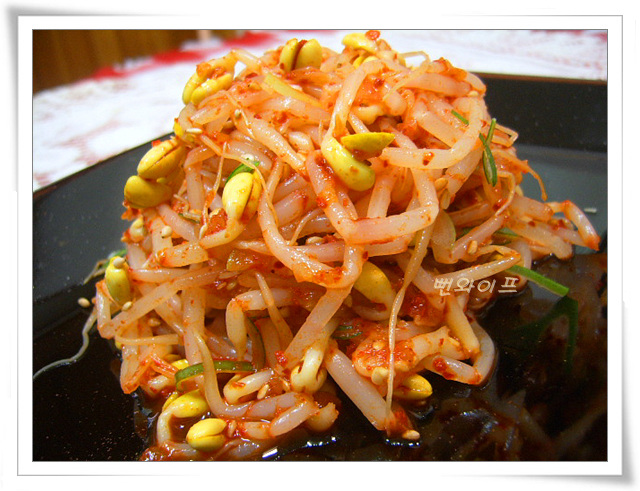
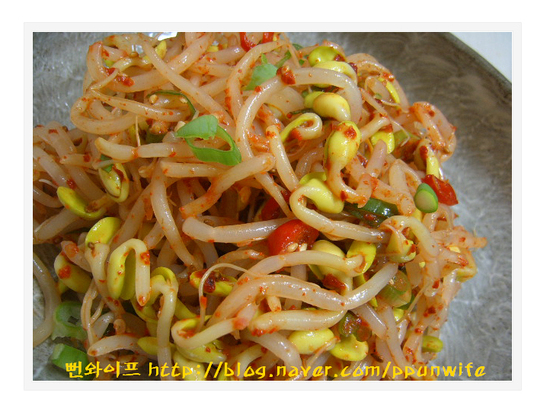
A spicy kongnamul muchim side dish steamed with minimal water to preserve its crunchy texture.
Translated from Korean by AI and not yet checked by a native speaker. Amounts and numbers are taken directly from the original recipe. Read the Korean original →
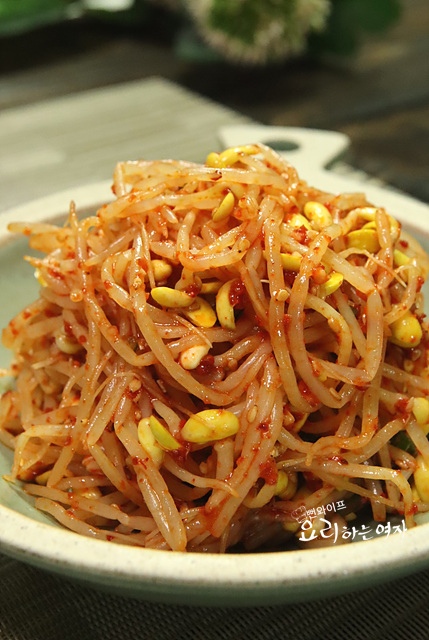
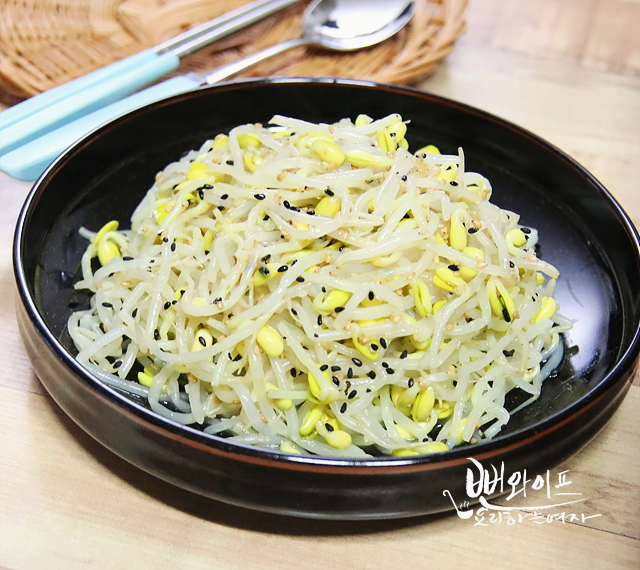
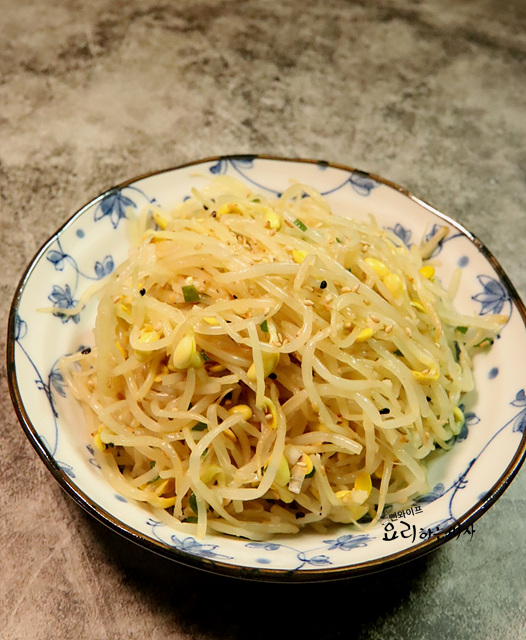
This side dish maximizes crispiness by steaming the soybean sprouts rather than fully submerging them in water. The key secret to preventing any raw bean smell is never opening and closing the lid halfway through boiling. Tossing them in the seasoning while they are still slightly warm allows the flavors to absorb evenly.
- Servings
- about 3–4 servings
- Cook time
- 10 minprep not included
- Difficulty
- Easy
- Spiciness
- Mildly spicy
Ingredients
Ingredients
- Soybean sprouts300 g
- Coarse sea salt1 tbsp
- Water3 cups
Seasoning
- Soup soy sauce (guk-ganjang)1 tsp
- Salt1/2 tsp
- Gochugaru (Korean chili flakes)1 1/2 tbsp
- Minced garlic1/2 tbsp
- Toasted sesame oil1 tbsp
- Toasted sesame seeds1 tbsp
Steps
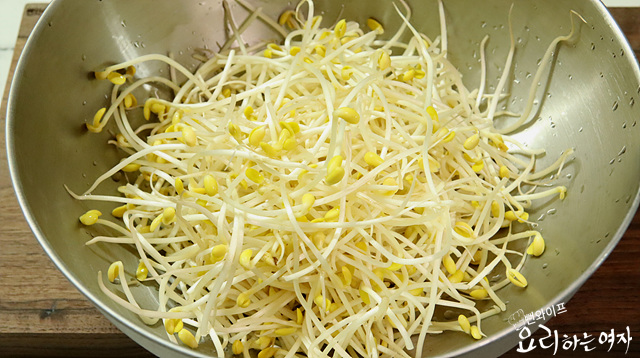
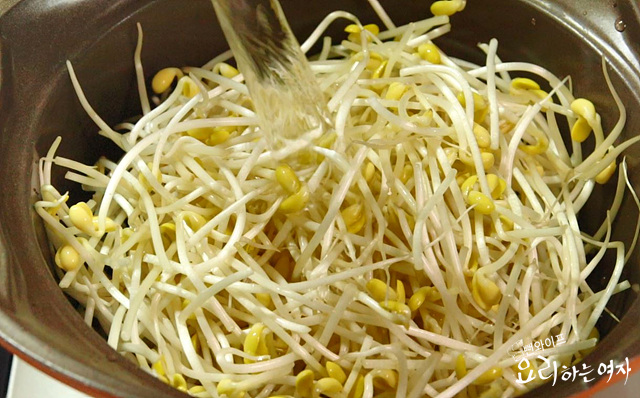
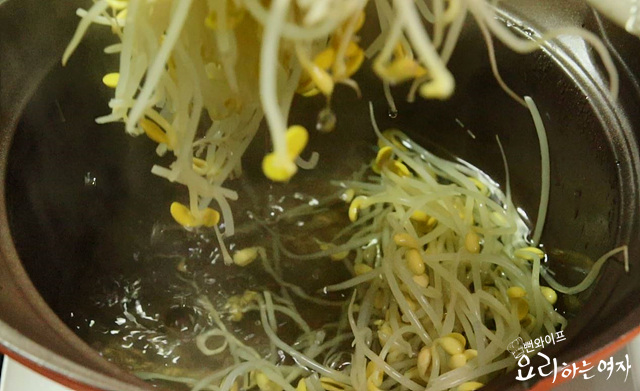
Rinse the soybean sprouts and place them in a pot. Pour in 3 cups of
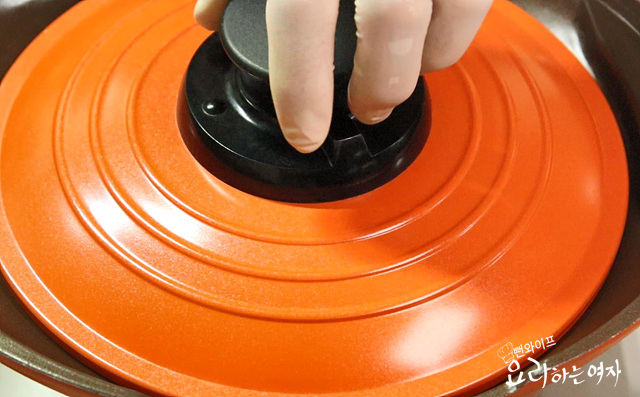
water so that the sprouts are only half submerged, sprinkle the salt on top, and cover with the lid.
Turn the heat to maximum; after about 4 to 5 minutes, steam will rise and it will begin to boil.
Once it boils for about 2 minutes and the raw smell turns into a savory aroma,
turn off the heat and let it steam-rest for about 2 to 3 minutes.
If you open the lid midway before the soybean sprouts are cooked, they will develop a raw bean smell.
If you boil them with the lid closed like I do, follow these steps...
If boiling with the lid open, add salt to briskly boiling water, add the soybean sprouts, and once the water boils again,
just let it boil for 2 to 3 minutes.
Whether you boil them with the lid open or closed, just be careful not to open and close it midway, and boiling soybean sprouts is easy.
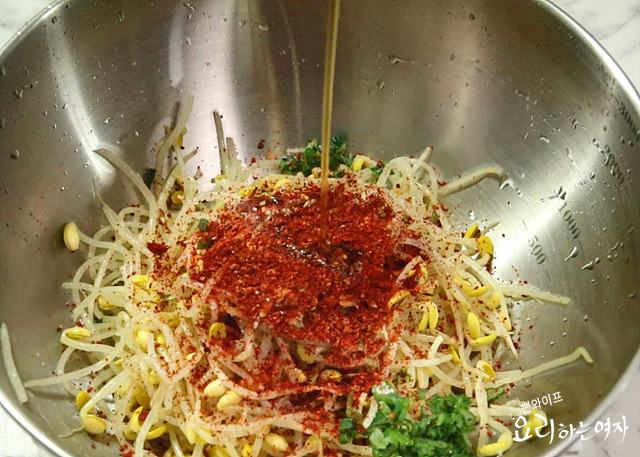
Transfer the drained soybean sprouts to a bowl, let them cool slightly,
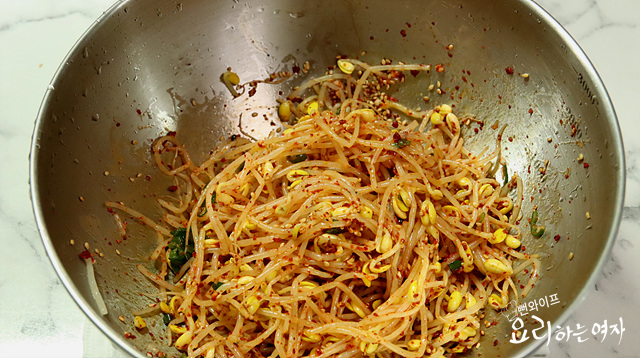
add all the seasoning ingredients, and toss evenly to coat.
(If you want it spicier, it is also great to add 1 minced Cheongyang chili pepper.)
Tossing them while they are comfortably warm helps the seasoning absorb better, making it more delicious.
When using them as a topping for cold salads, bibim guksu, or jjolmyeon, immediately rinse them in cold water to cool the heat quickly.
 Ppunwife's tips
- If you open the lid midway before the soybean sprouts are cooked, they will develop a raw bean smell.
- If boiling with the lid open, add salt to briskly boiling water, add the soybean sprouts, and once the water boils again, just let it boil for 2 to 3 minutes.
- Tossing them while they are comfortably warm helps the seasoning absorb better, making it more delicious.
- When using them as a topping for cold salads, bibim guksu, or jjolmyeon, immediately rinse them in cold water to cool the heat quickly.
- When you steam-boil the soybean sprouts like I do here, they will not wilt too much and will stay crispy and delicious.
FAQ
How do I prevent the raw bean smell when boiling soybean sprouts?
Opening the lid midway before they are cooked causes a raw smell, so you must either boil them with the lid closed from start to finish or cook them entirely uncovered.
What can I add if I want to make kongnamul muchim spicier?
If you want a spicier kick, try adding 1 minced Cheongyang chili pepper (hot green chili).
How should I handle the boiled soybean sprouts when using them as a topping for bibim guksu or cold salads?
Rinse them in cold water immediately after cooking to quickly remove any remaining heat.