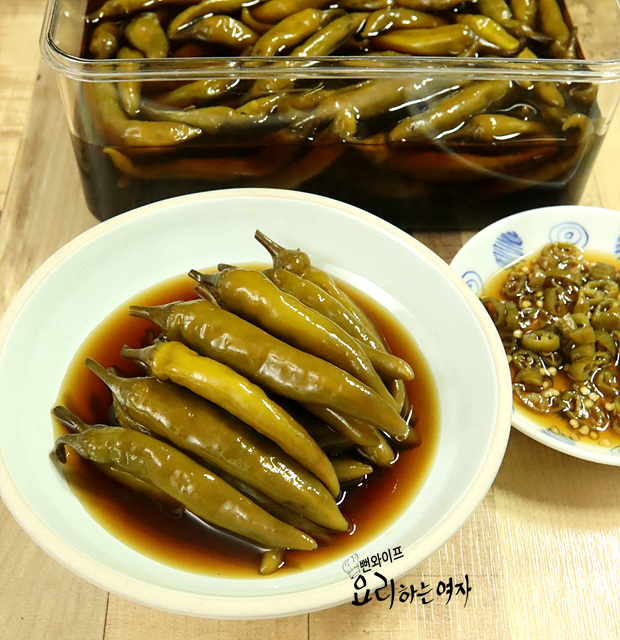
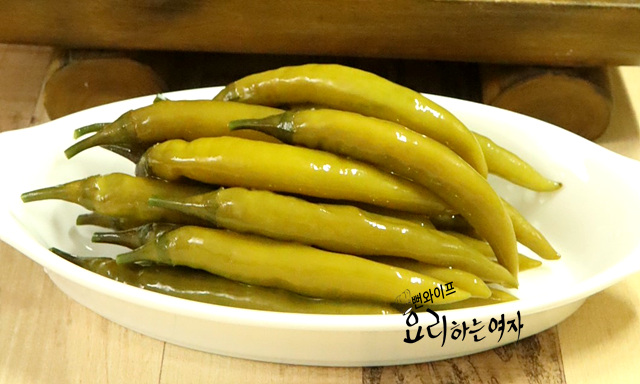
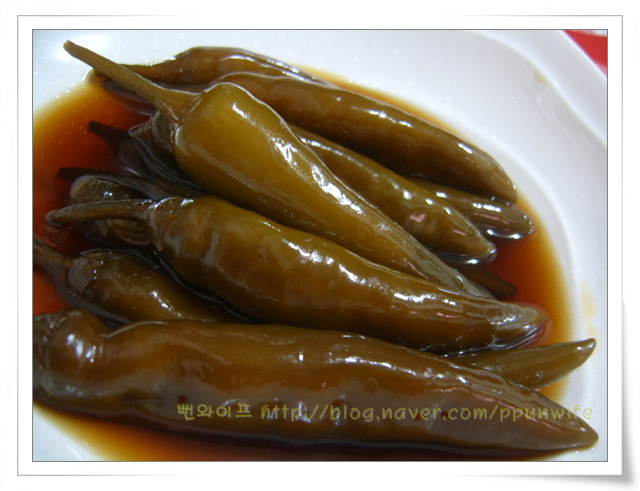
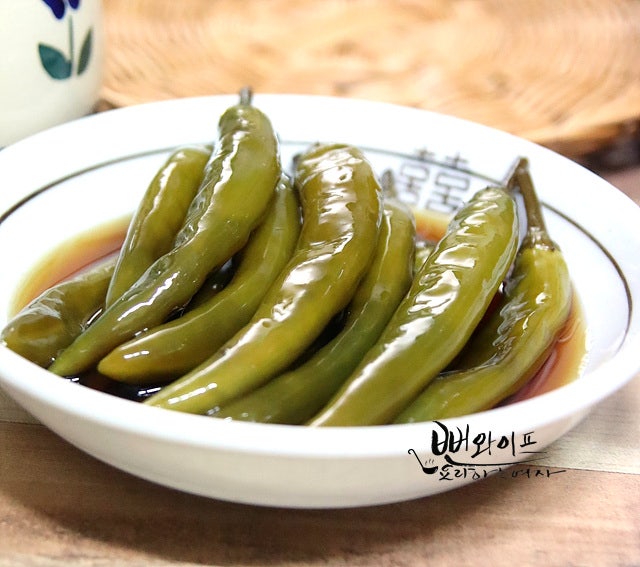
Gochuji (Pickled Chili Peppers) in Boiled Brine
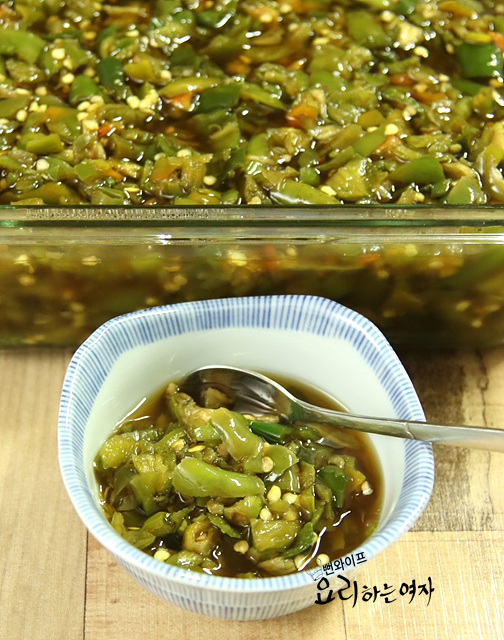
A traditional side dish made by pouring hot boiled brine over chili peppers to ferment them, perfect for dongchimi broth or seasoned banchan.
Translated from Korean by AI and not yet checked by a native speaker. Amounts and numbers are taken directly from the original recipe. Read the Korean original →
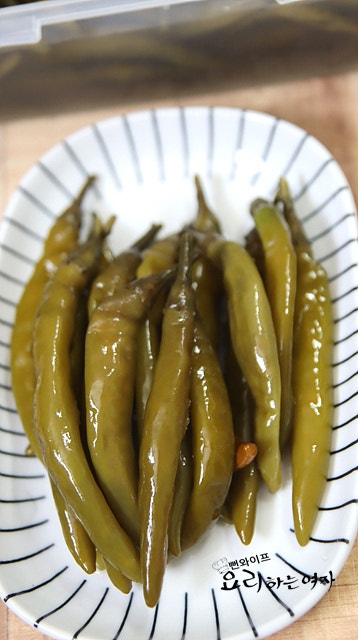
This preserved food is made by pickling end-of-season chili peppers in boiled salt water at a 1:10 ratio of salt to water. After fermenting at room temperature for a little over ten days, they can be used in dongchimi (radish water kimchi) broth or seasoned as a versatile side dish.
- Servings
- about 10–12 servings
- Cook time
- 1 minprep not included
- Difficulty
- Medium
- Spiciness
- Spicy
Ingredients
- Cheongyang chili pepper (hot green chili) (or green chili pepper)1 kg
- Vinegar1/2 cup
- Coarse sea salt2 cups (coarse sea salt)
- Water20 cups
- Sort out any insect-damaged or soft peppers, soak in water, and add vinegar for about 10 minutes to disinfect.
- If you cannot eat spicy food, green chili peppers work well instead of Cheongyang chili peppers.
- You can also use baking soda instead of vinegar to wash and disinfect.
Steps
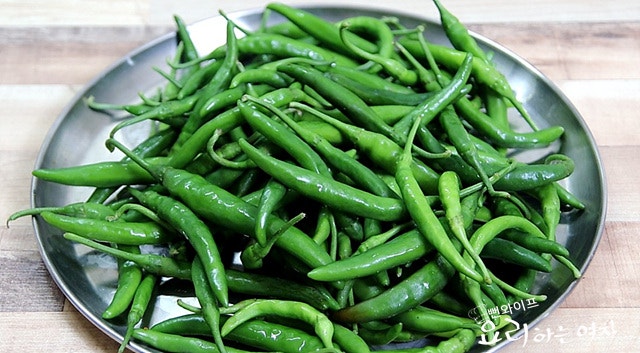
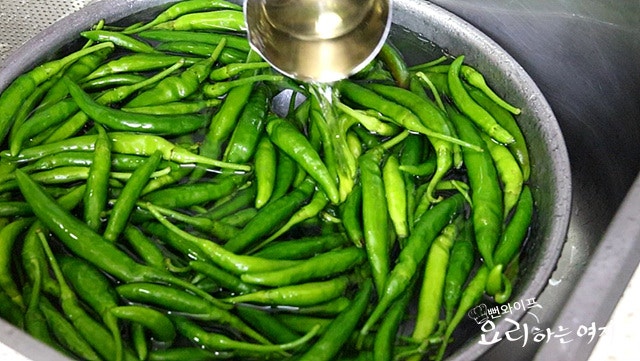
I prepared Cheongyang chili peppers for pickling, but if you cannot eat spicy food, green chili peppers work well too. Sort out any insect-damaged or soft ones, soak them in water, and pour in vinegar for about 10 minutes to disinfect. You can also use baking soda instead of vinegar.
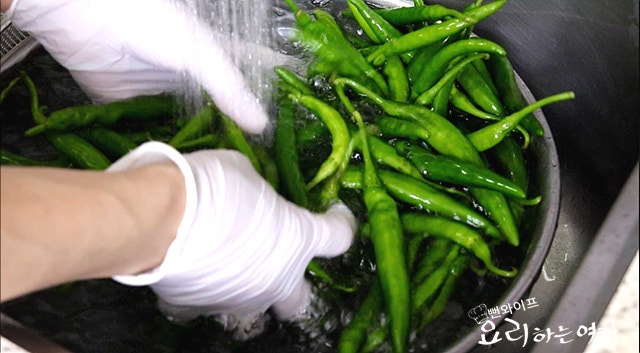
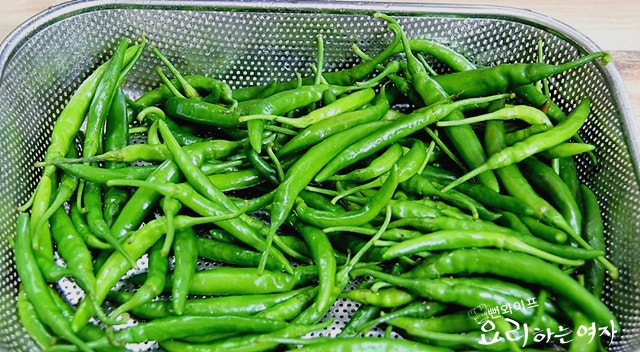
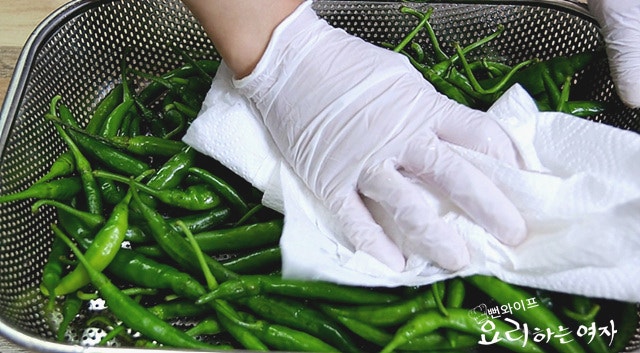
Rinse several times under running water, drain in a colander, and press with paper towels to remove the remaining moisture. Because they need to ferment at room temperature for more than 10 days or so, it is best to remove as much moisture as possible to prevent white film from forming.
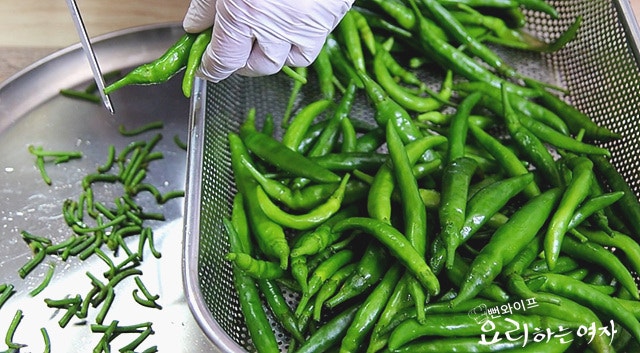
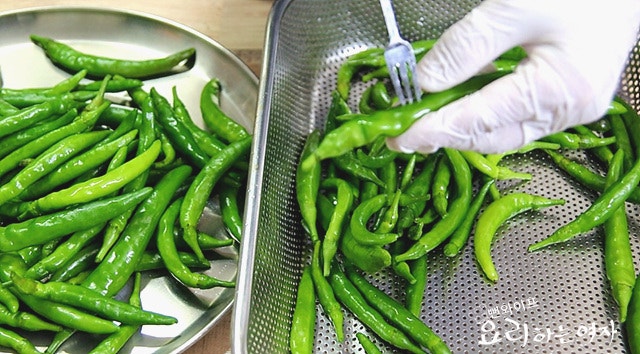
Trim the stems, leaving about 2 cm, then prick the peppers with a fork or a sharp tool so the brine penetrates well inside and they ferment quickly.
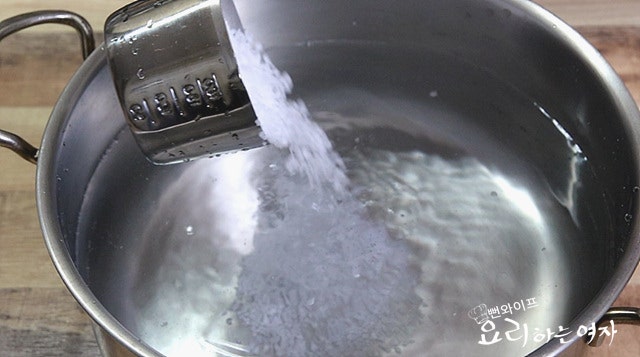
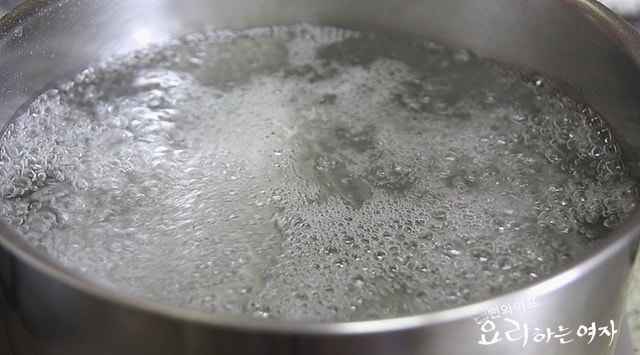
Pour 2 cups of coarse sea salt and 20 cups of water into a pot and bring to a rolling boil. Let it boil vigorously for about 1 minute, then turn off the heat. Usually, when making oeiji (cucumber pickles) or fermenting chili peppers, a 1:10 ratio of salt to water works well.
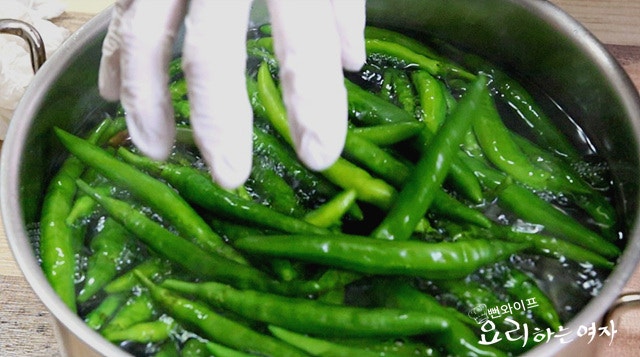
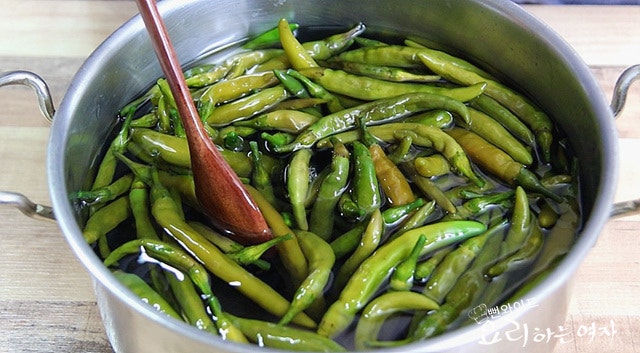
You can pour the hot brine directly over the peppers in their container without cooling it. If your container is not stainless steel, you can instead put the peppers into the pot with the hot brine, stir so the peppers are evenly coated, and let them sit until the heat dissipates.
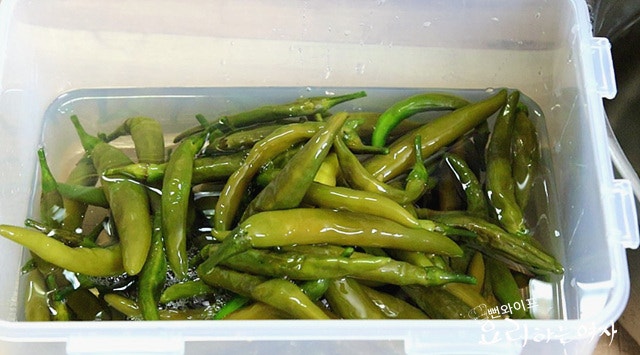
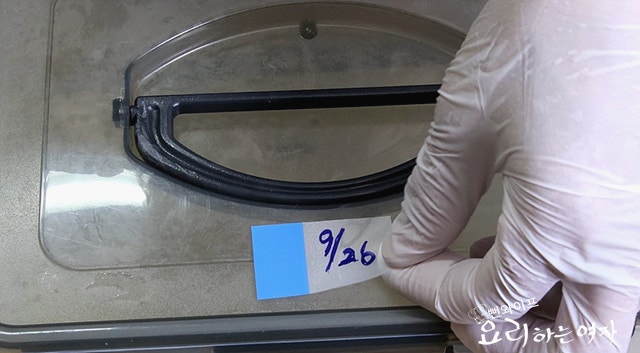
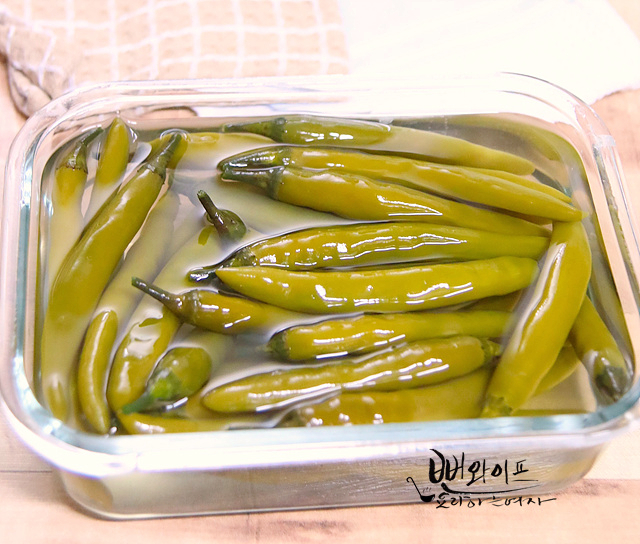
After 1 to 2 hours, the heat has dissipated and more than half the peppers have turned yellowish.
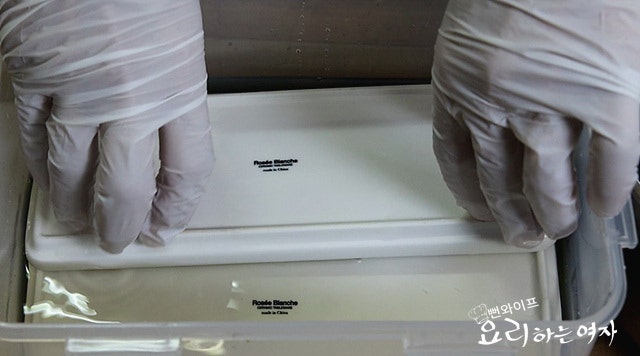
Transfer them to a plastic container and press down with a plate or a pickling stone so the peppers do not float. If the peppers float above the brine, white film will form, spoiling the liquid and making the peppers turn mushy, which ruins the entire batch, so pressing them down well is very important.
Keep the container in a cool, shaded spot and occasionally open the lid to check that the peppers are not floating.
All vegetables, whether in brine or soy sauce pickling liquid, need to ferment at room temperature. This includes oeiji, perilla leaves, chili peppers, godeulppaegi, Korean radish, and more. Once fermented, store them in the refrigerator.
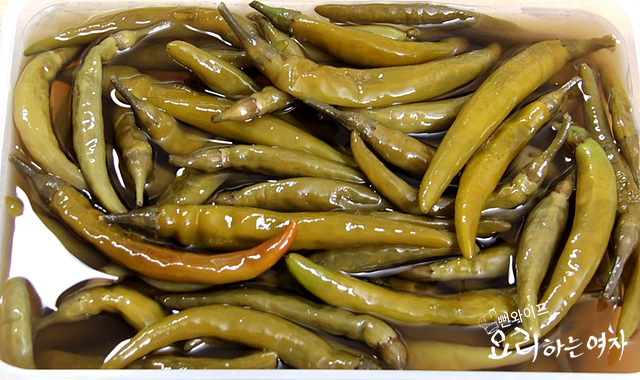
Here is how they look after 10 days.
Depending on the temperature, it can take half a month or longer, but in typical weather like these days, they fermented beautifully in just 10 days.
They have that characteristic delicious smell of fermented chili peppers and have fermented well without any white film (golmaji).
Keep them in the refrigerator submerged in the salt water and take them out whenever you need them.
 Ppunwife's tips
- Because they need to ferment at room temperature for more than 10 days or so, it is best to remove as much moisture as possible to prevent white film from forming.
- Usually, when making oeiji (cucumber pickles) or fermenting chili peppers, a 1:10 ratio of salt to water works well.
- If the peppers float above the brine, white film will form, spoiling the liquid and making the peppers turn mushy, which ruins the entire batch, so pressing them down well is very important.
- All vegetables, whether in brine or soy sauce pickling liquid, need to ferment at room temperature. This includes oeiji, perilla leaves, chili peppers, godeulppaegi, Korean radish, and more. Once fermented, store them in the refrigerator.
FAQ
Which chili peppers should I use if I cannot eat spicy food?
If you find the heat overwhelming, you can make this using regular green chili peppers instead of Cheongyang chili peppers.
How can I prevent white film from forming when pickling chili peppers in brine?
Wipe off all moisture as thoroughly as possible after washing, and press the peppers down firmly in the storage container with a plate or pickling stone so they do not float above the brine.
Where should I store the pickled chili peppers once they are fully fermented?
After fermenting them thoroughly at room temperature, keep them stored in the brine in the refrigerator and take them out whenever you need them.
Why do you pierce the chili peppers with a fork or sharp tool?
It helps the brine penetrate deep into the peppers so they ferment faster and more evenly.