Abalone Sotbap (Pot Rice with Abalone)
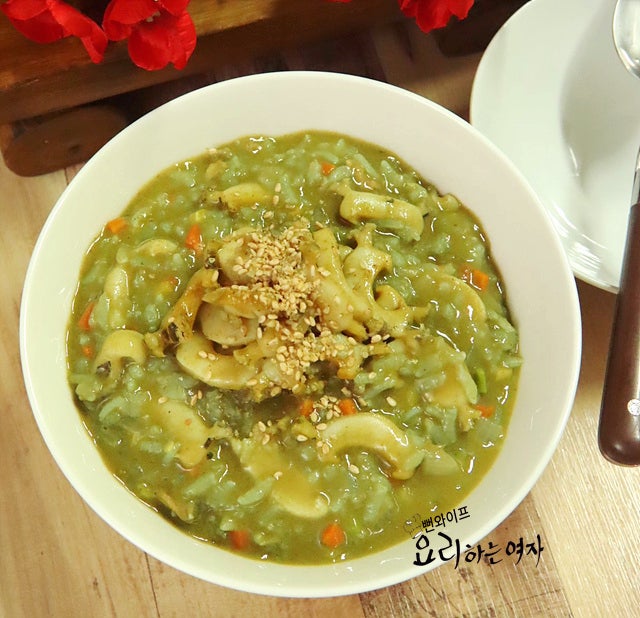
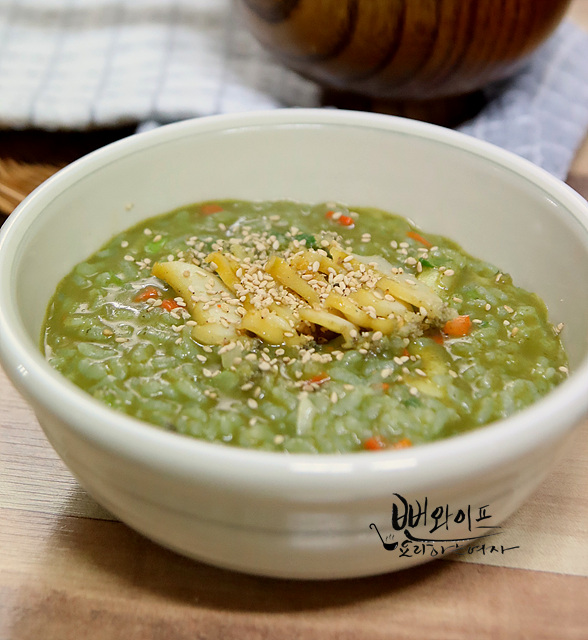
A nourishing pot rice cooked in water infused with mashed abalone viscera and topped with tender abalone meat while steaming.
Translated from Korean by AI and not yet checked by a native speaker. Amounts and numbers are taken directly from the original recipe. Read the Korean original →
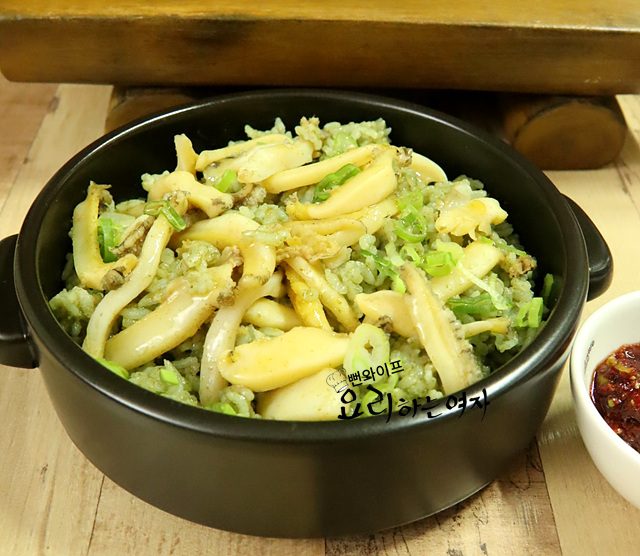
This nourishing pot rice is cooked in water infused with mashed abalone viscera for a deep, savory flavor. The abalone meat is placed on top during steaming to keep it tender and chewy, and served with a sweet and spicy sauce for a hearty one-bowl meal.
- Servings
- 3 servings
- Difficulty
- Medium
- Spiciness
- Mildly spicy
Ingredients
Ingredients
- Live abalone4, 420 g (large)
- White rice2 cups
- Water infused with abalone viscera2 1/2 cups
Seasoning sauce
- Minced green onion4 tbsp
- Red chili pepper1 (minced)
- Gochugaru (Korean chili flakes)1 tbsp
- Regular soy sauce (jin-ganjang)3 tbsp
- Soup soy sauce (guk-ganjang)1 tbsp
- Minced garlic1/2 tbsp
- Sugar1 tsp
- Mirin (cooking rice wine)1 tbsp
- Toasted sesame oil1 tbsp
- Toasted sesame seeds1 tbsp
- Rinse the rice, cover with water, and soak thoroughly for about 1 hour.
- Scrub the body and edges with a brush or toothbrush to remove debris, though you do not need to scrub off the natural black markings. Separate from the shell, snip the viscera off with kitchen shears without puncturing them, and remove the teeth.
- You can also add finely minced Cheongyang chili pepper (hot green chili) to the sauce.
- Mushrooms, scallions (jjokpa), or garlic chives (buchu) can be added as garnish for an even heartier meal.
Steps
Prepare the ingredients
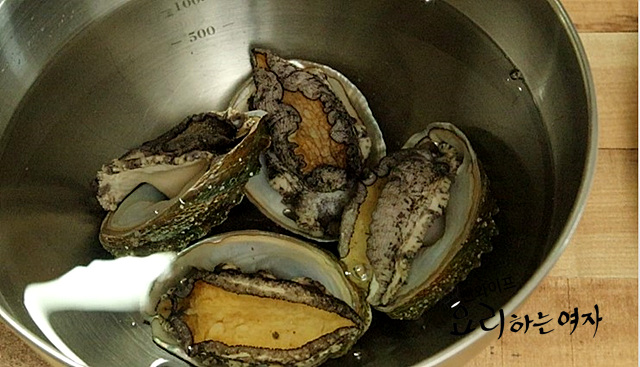
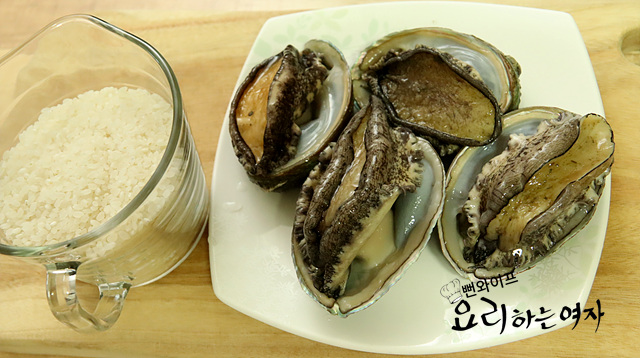
Here are 4 large live abalone.
Each one is large and heavy at around 100 g.
I also prepared 2 cups of white rice.
Soak the rice
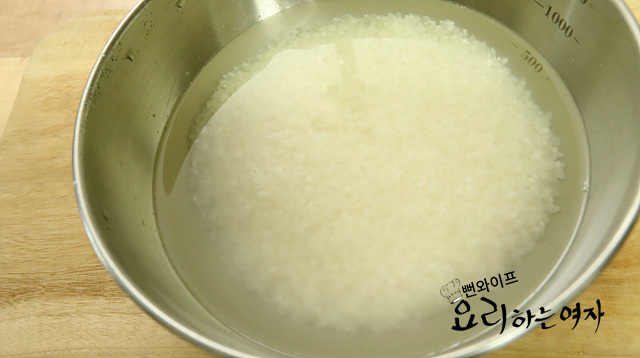
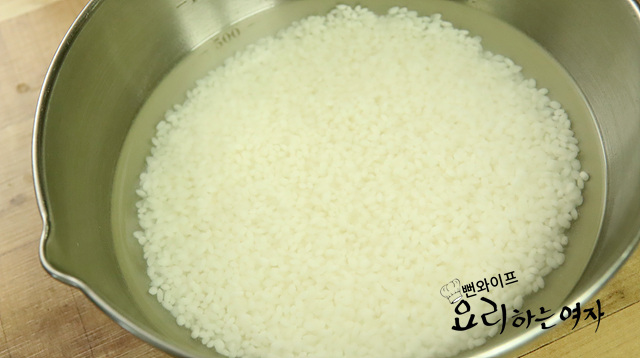
Rinse the rice, add water, and soak thoroughly for about 1 hour.
While the rice is soaking, you can clean the abalone and prepare the sauce.
Clean the abalone
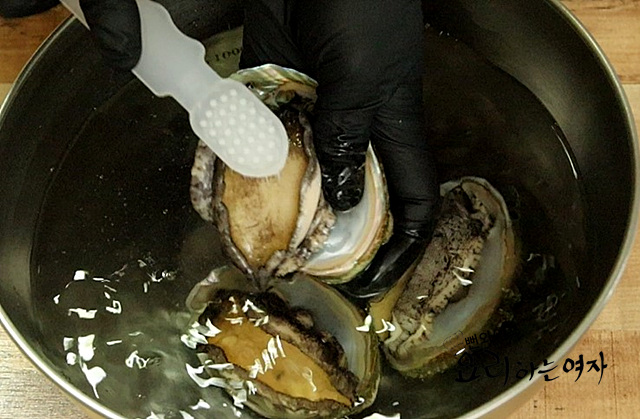
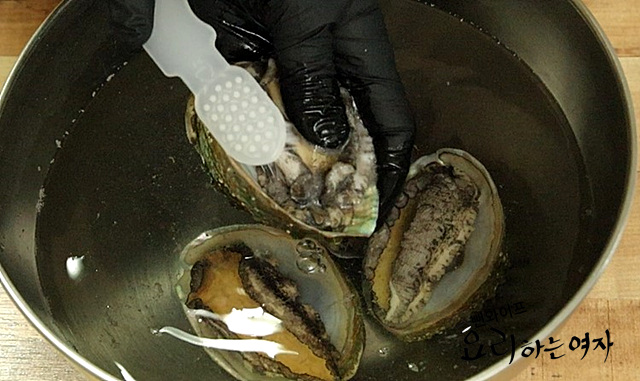
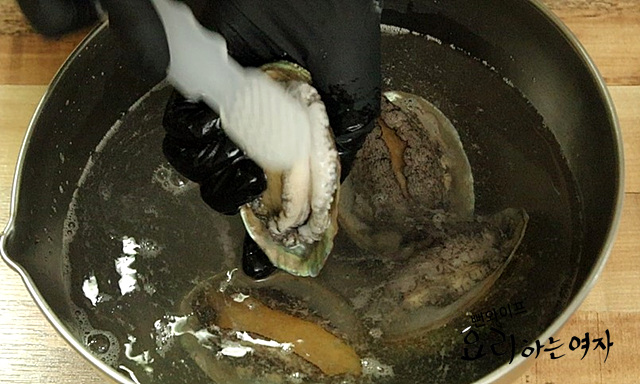
Because abalone live in seawater for several years, scale and debris cling to them.
Scrub the body and edges with a brush or toothbrush to remove them.
You do not need to scrub away the abalone's natural black markings.
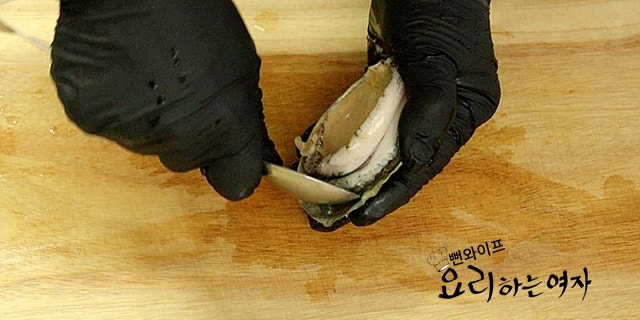
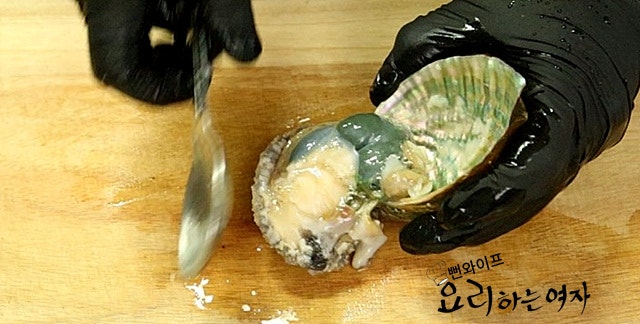
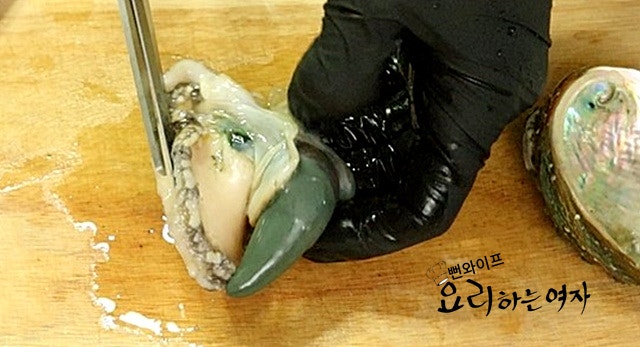
First, you need to separate the abalone from the shell, and a spoon is easiest.
The adductor muscle is firmly attached to the middle part of the abalone shell. Because they are alive, they are a bit tougher to prep.
The meat is tightly stuck to the shell so it is hard to find where to slip the spoon in, but if you lift the meat slightly, you will see an area where the flesh separates slightly from the shell.
This is where the teeth are. Insert the spoon, apply force, and gradually push it along the shell surface to scrape and detach the adductor muscle.
Once the muscle detaches, flip it over and pull it off with your hand.
The green part is the abalone viscera.
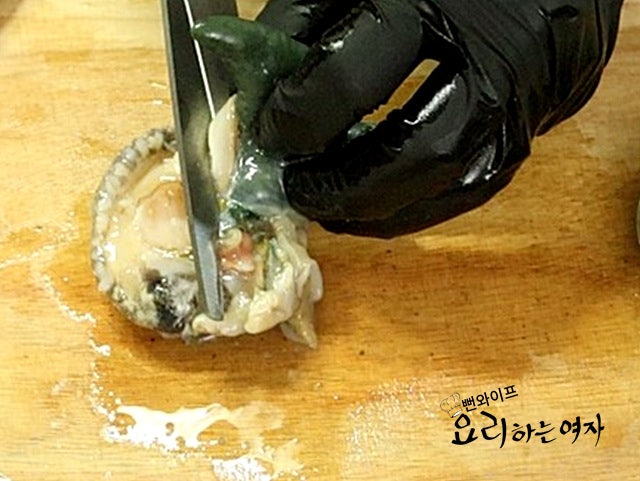
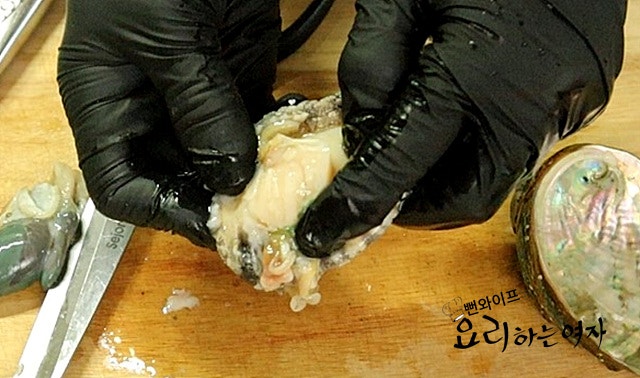
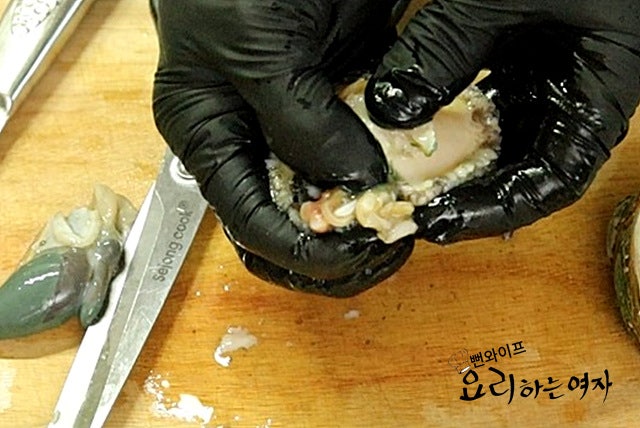
Snip the viscera off with kitchen shears without puncturing them, then push the reddish mouth area with your hand to pop the teeth right out.
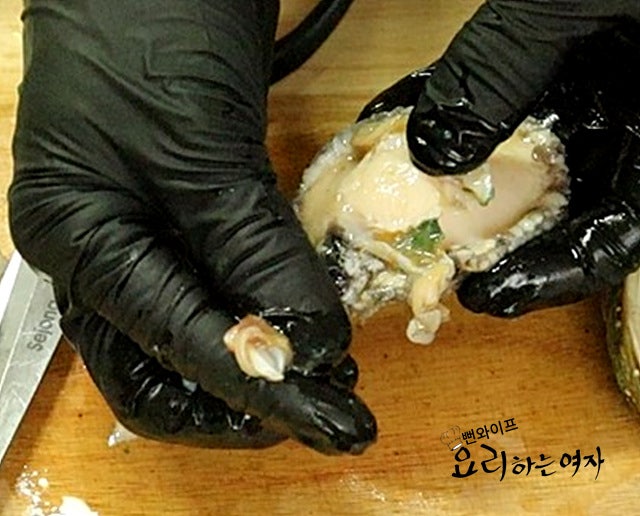
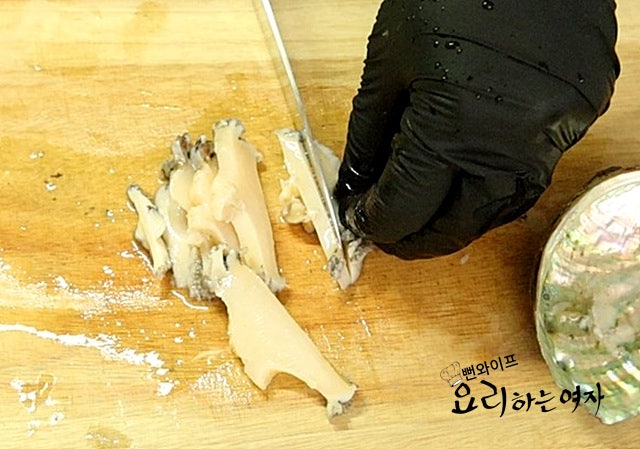
The sharp white teeth are attached to the red flesh and must be removed.
Slice the separated abalone meat into bite-sized thicknesses.
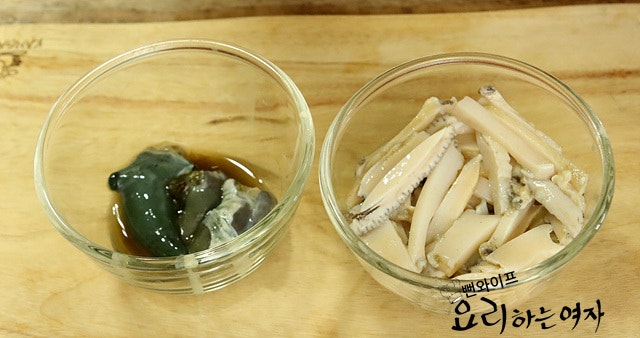
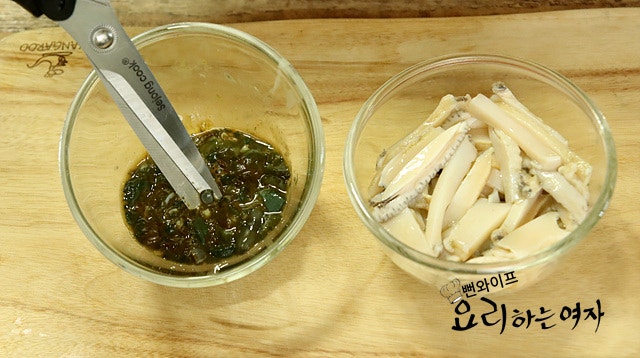
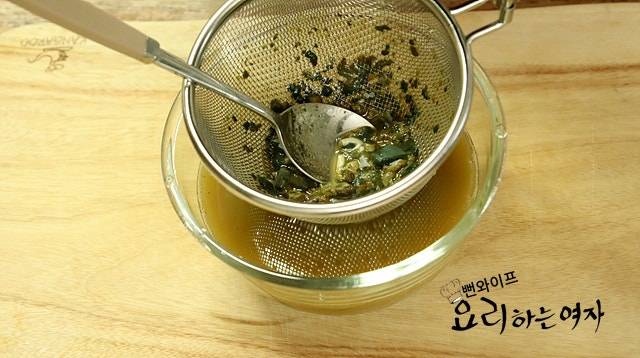
Place the viscera and meat into separate bowls, and snip the viscera finely with kitchen shears.
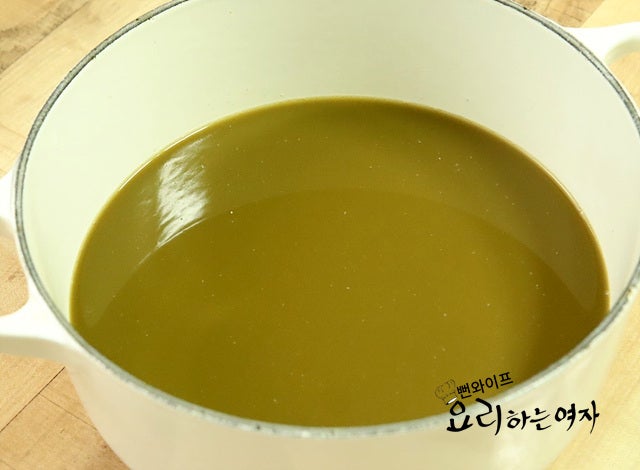
Add the abalone viscera to the 2 1/2 cups of water needed for cooking the rice, mashing it to infuse the water.
Make the sauce
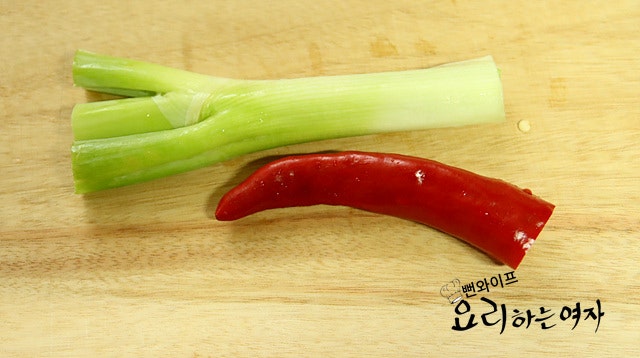
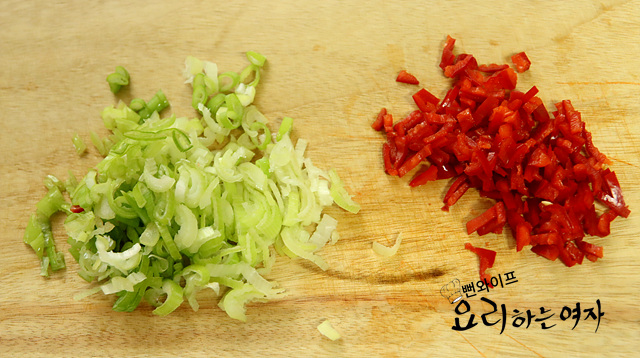
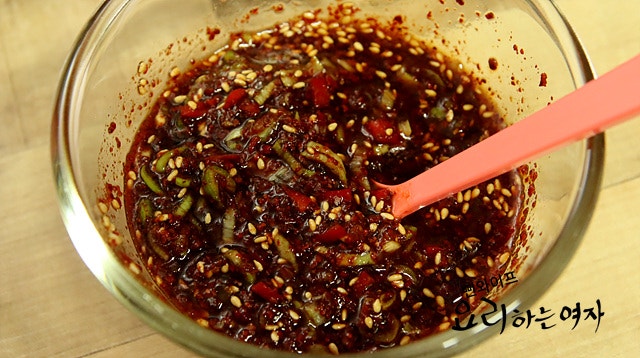
Finely chop the large green onion (daepa) and red chili pepper for the sauce, then mix together all the sauce ingredients.
You can also add minced Cheongyang chili pepper (hot green chili).
Cook the abalone rice
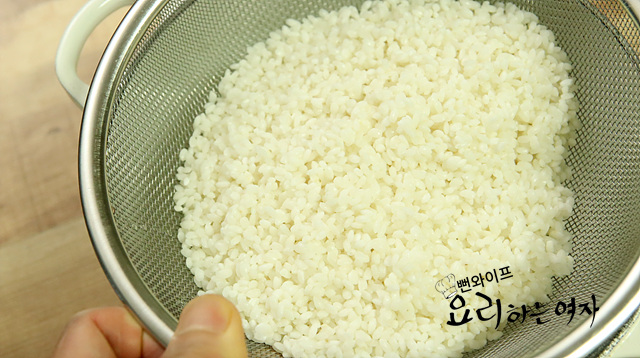
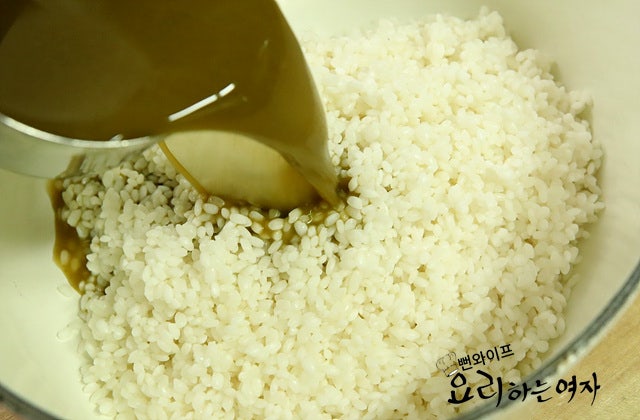
Drain the soaked rice through a sieve and pour it into the pot.
Pour in 2 1/2 cups of water infused with abalone viscera.
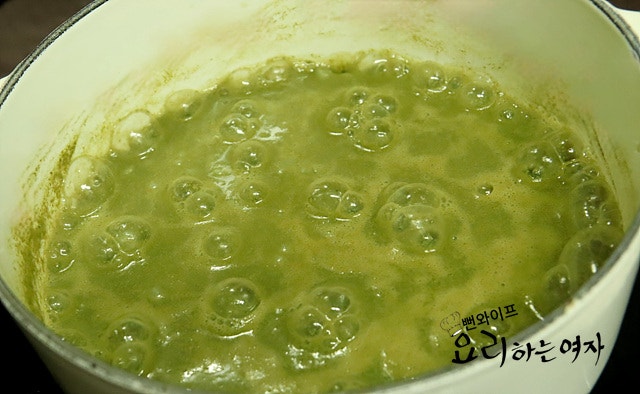
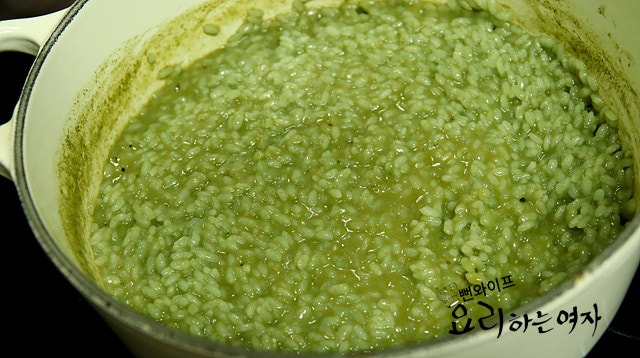
Bring to a boil over high heat, then lower the heat to low once it begins to boil and simmer until the liquid is absorbed.
Stir thoroughly every now and then so the bottom does not scorch.
Steam
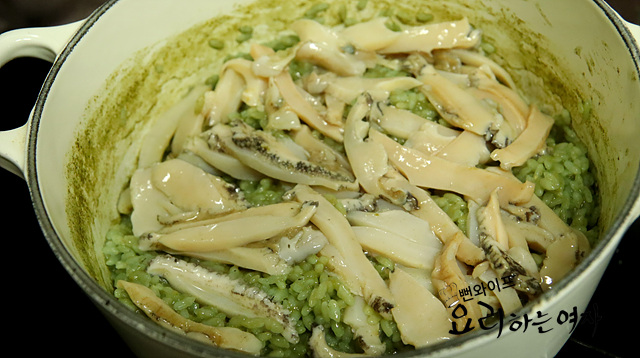
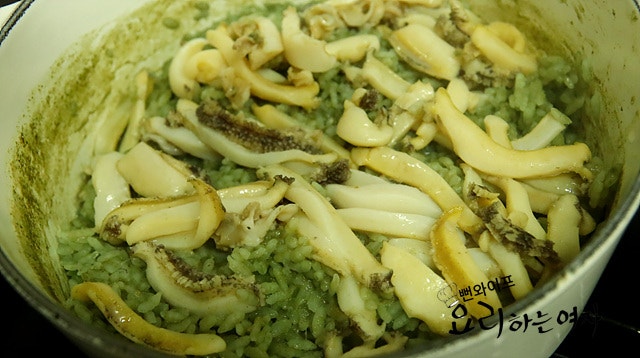
Turn the heat down as low as possible, cover with the lid, and let steam for at least 5 minutes. Halfway through steaming, arrange the abalone meat on top to cook through.
Finish
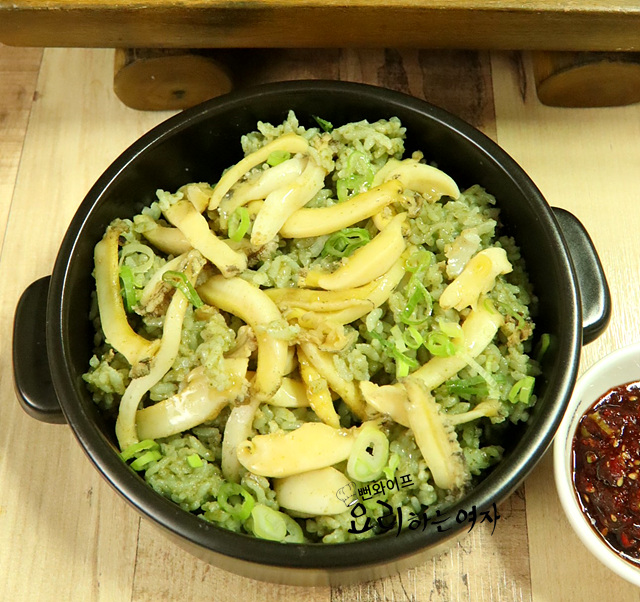
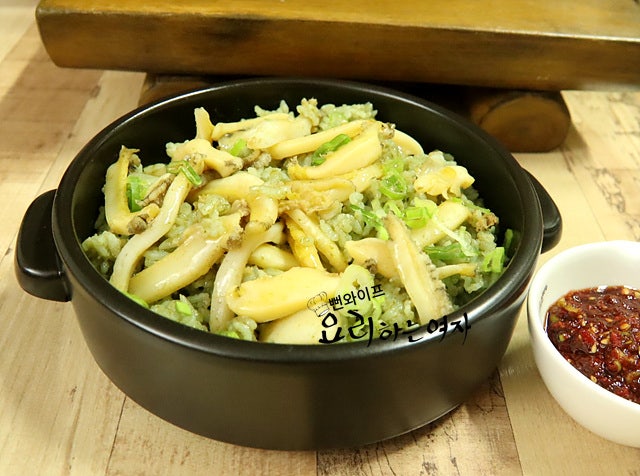
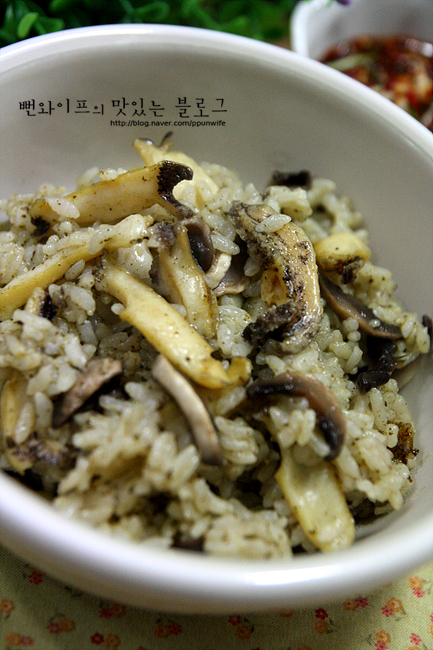
Using 4 large abalone makes this single bowl feel like an absolute feast.
You truly do not need any other side dishes.
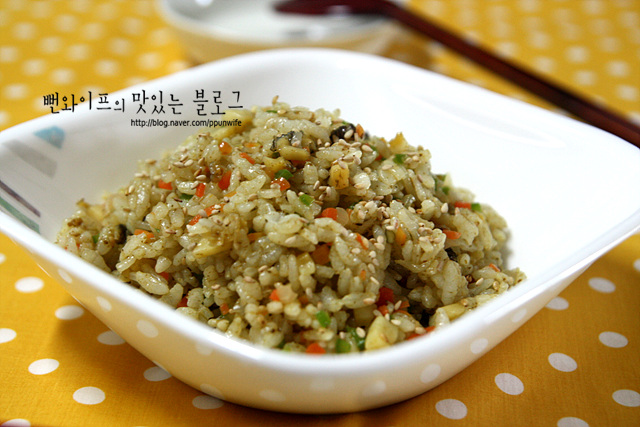
Just add the sauce and mix it in, and you are done.
You can also top it with mushrooms, scallions (jjokpa), or garlic chives (buchu) as garnish for an even richer dish.
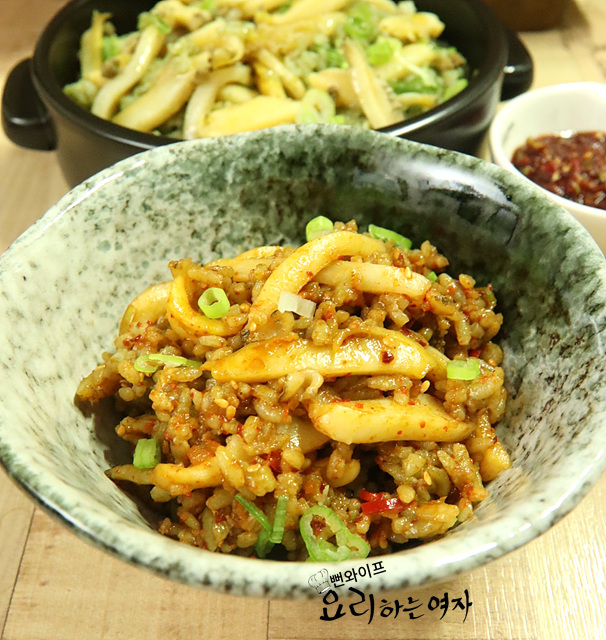
Eating other side dishes feels like it would take away from the flavor of the abalone rice, so it is best to savor every bite on its own.
With abalone, the teeth are the only thing you throw away, making this a nutritious rice dish where you enjoy all of its rich flavor and nutrition intact.
 Ppunwife's tips
- You do not need to scrub away all the natural black markings on the abalone.
- The sharp white teeth attached to the red flesh must be removed.
- Stir thoroughly from time to time so the bottom does not scorch.
FAQ
Do I have to remove the abalone teeth?
The abalone teeth are hard and sharp, so you must remove them by pressing and pushing on the reddish flesh.
Do I cook the abalone meat together with the rice from the beginning?
The abalone meat is not added at the beginning; instead, place it on top of the rice halfway through the 5 or more minutes of low-heat steaming after the liquid has absorbed.
How can I make the sauce spicier?
When mixing the sauce ingredients, you can add finely minced Cheongyang chili pepper (hot green chili) along with the large green onion and red chili pepper for a sharper, spicy kick.
What garnishes go well with the finished pot rice?
Depending on your preference, adding mushrooms, chopped scallions (jjokpa), or garlic chives (buchu) as garnish makes the dish even more flavorful and hearty.