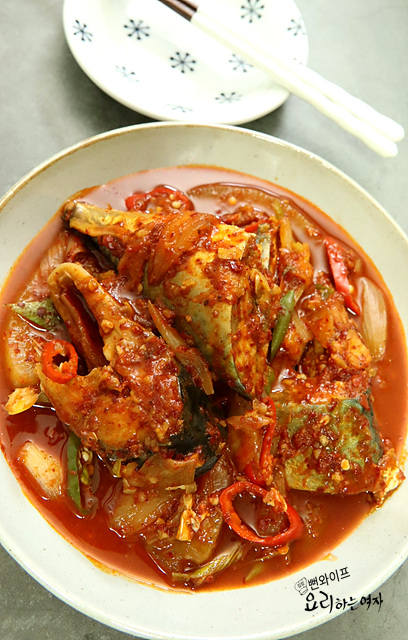
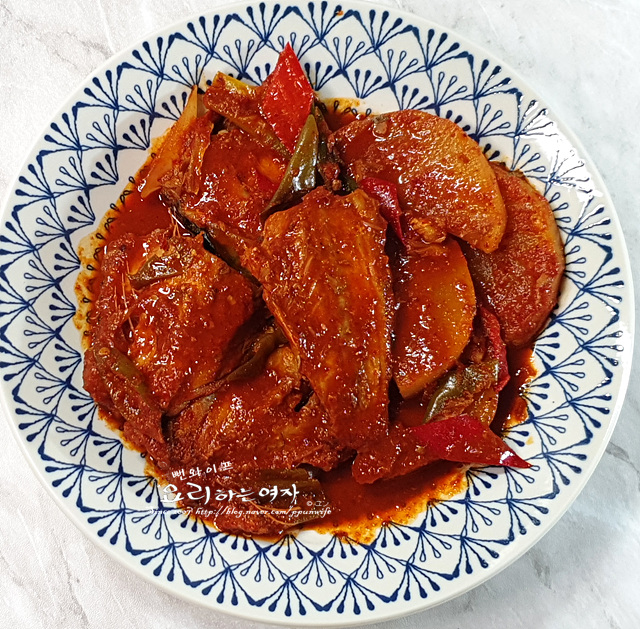
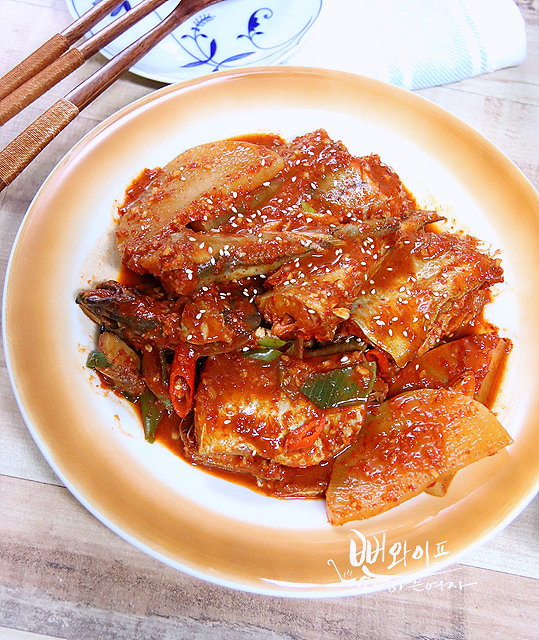
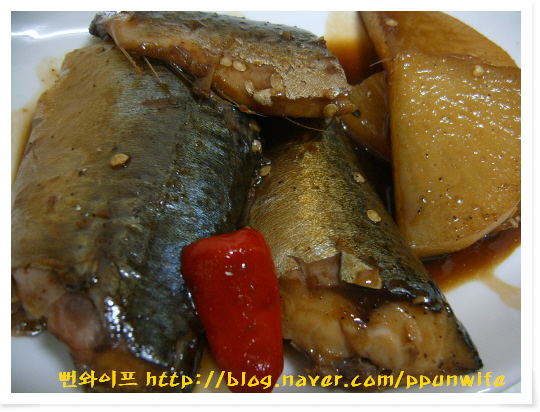
Spicy Godeungeo Jorim (Braised Mackerel)
Braised fish made by simmering thickly sliced Korean radish in sauce first, then adding mackerel to braise thoroughly.
Translated from Korean by AI and not yet checked by a native speaker. Amounts and numbers are taken directly from the original recipe. Read the Korean original →
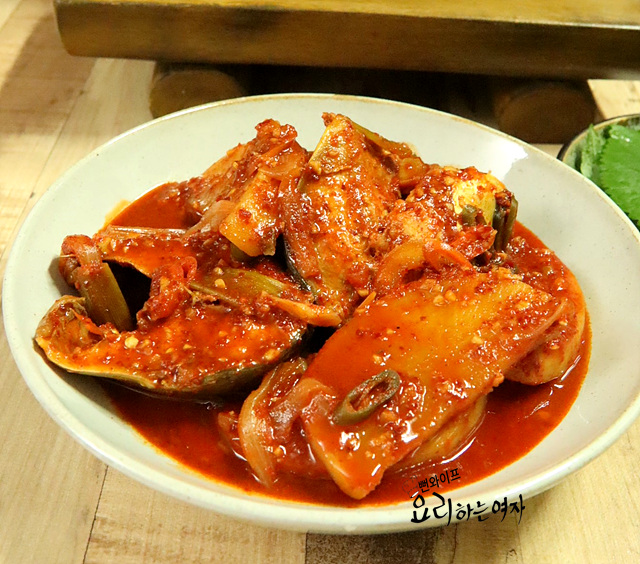
A spicy side dish for rice made with in-season autumn mackerel and thickly sliced Korean radish. Cooking the radish first with part of the sauce and rice water softens it so the flavors absorb evenly throughout. Thoroughly washing away blood clots and adding ginger are the key steps to eliminating any fishy smell.
- Servings
- 3 servings
- Difficulty
- Medium
- Spiciness
- Spicy
Ingredients
Ingredients
- Fresh mackerel550 g
- Korean radish (mu)400 g
- Onion1/2
- Large green onion (daepa)1/2 stalk
- Cheongyang chili pepper (hot green chili)2
- Water from washing rice5 cups
Seasoning
- Gochugaru (Korean chili flakes)4 tbsp
- Gochujang (Korean red chili paste)1 tbsp
- Regular soy sauce (jin-ganjang) (or brewed soy sauce (yangjo-ganjang))4 tbsp
- Tuna extract sauce (chamchi-aek)1 tbsp
- Minced garlic2 tbsp
- Minced ginger1/2 tbsp
- Mirin (cooking rice wine)3 tbsp
- Sugar2 tbsp
- Ground black peppera little
- This uses 1 large fresh mackerel with the head removed, which is about the same amount as 2 medium-sized ones.
- Adding plenty of Korean radish makes braised fish taste refreshing and delicious, so prepare a generous amount.
- If using salted mackerel, soak it in water from washing rice to remove excess salt and fishy odor before cooking.
Steps
Prepare the ingredients
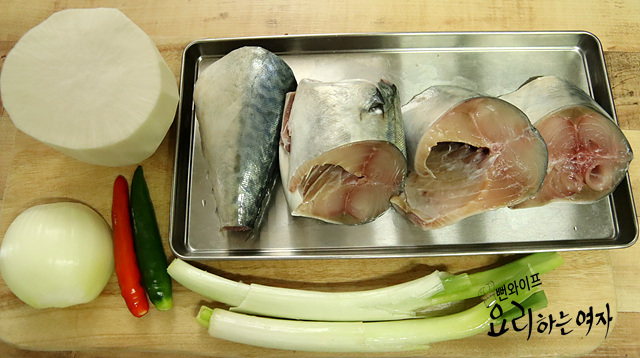
This is 1 large fresh mackerel with the head removed. It is about the same amount as 2 medium mackerel.
Braised fish tastes refreshing and delicious when you use plenty of Korean radish, so prepare a generous amount, along with the onion, large green onion, and Cheongyang chili peppers.
Clean the mackerel and make the seasoning
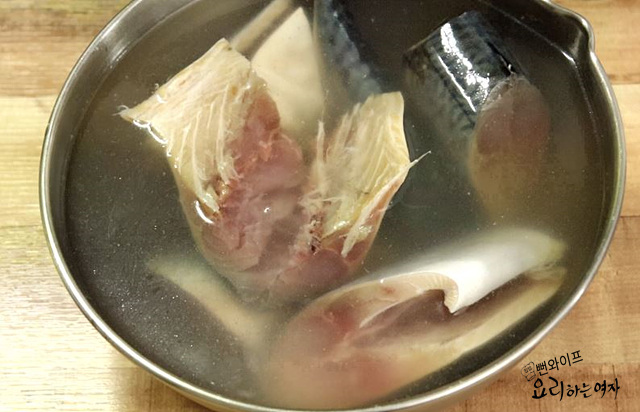
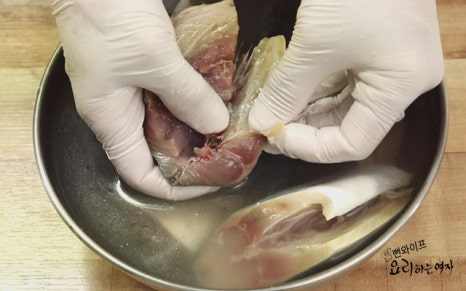
Cut the fresh mackerel into bite-sized pieces and run your fingers along the spine to scrape away the blood clots so it will not smell fishy.
Rinse under running water.
If using salted mackerel, soak it in water from washing rice to remove salt and fishy odor before cooking.
I prepared water from washing rice instead of broth.
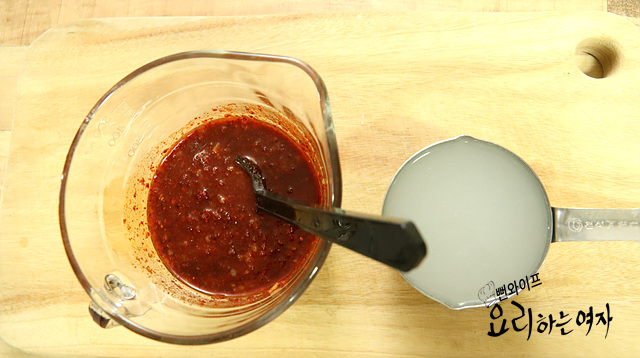
Collect 5 cups of water from washing rice separately. Combine all seasoning ingredients in advance.
Ginger is essential for removing fishy or gamey odors in braised fish and meat dishes. Be sure to add it when making the seasoning.
Slice the ingredients
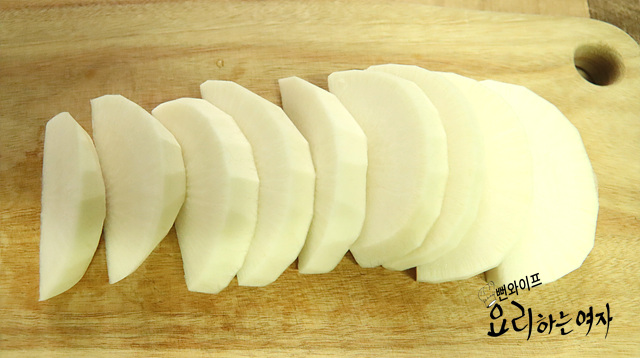
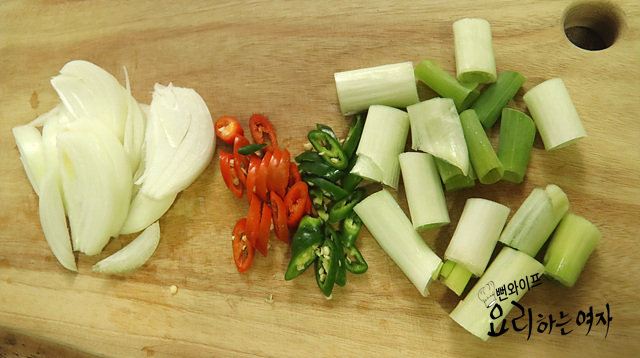
Cut the Korean radish thickly, over 1 cm thick, so it keeps a pleasant bite when cooked.
Cut the onion and large green onion into large pieces, and slice the Cheongyang chili peppers into rounds.
Braise the mackerel
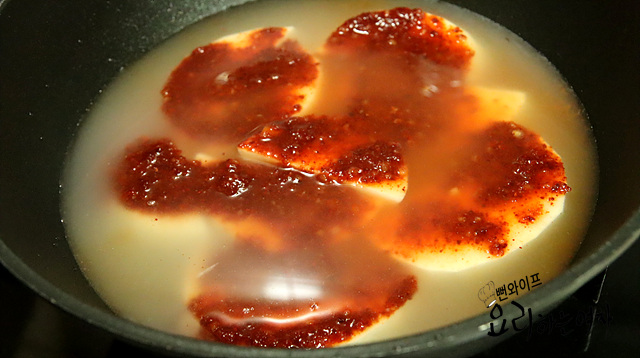
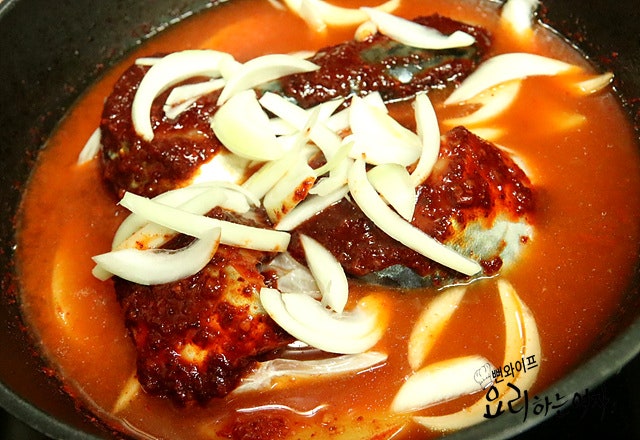
When making a braise that includes Korean radish, cooking the radish in the sauce first makes it tender and allows the flavors to soak in properly.
Arrange all the radish slices on the bottom of the pot, spread half of the rice water and half of the sauce over them, and bring to a boil.
When the radish is about half cooked, add the mackerel and onion along with the rest of the rice water and sauce.
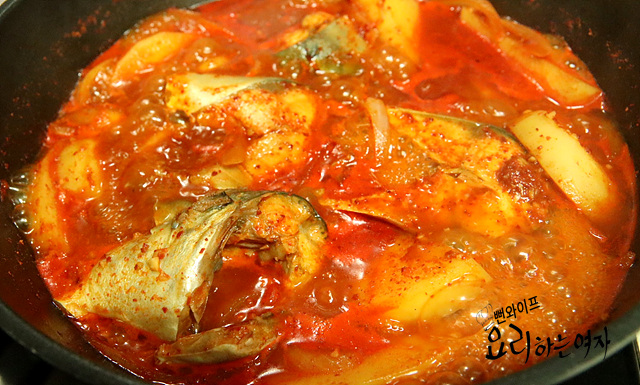
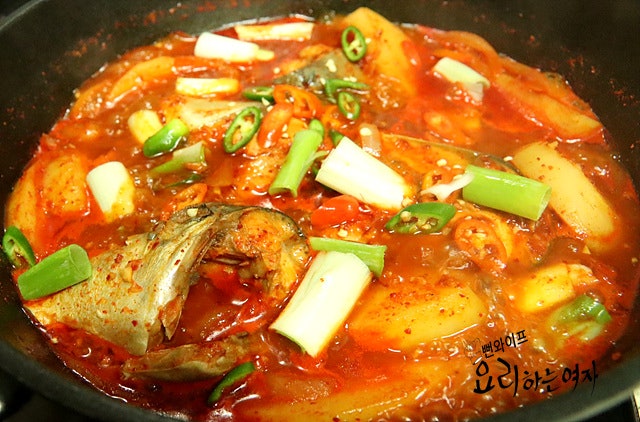
Simmer over gentle heat so the radish and mackerel cook completely, then finally add the large green onion and Cheongyang chili peppers and boil over high heat until the liquid reduces.
Finish
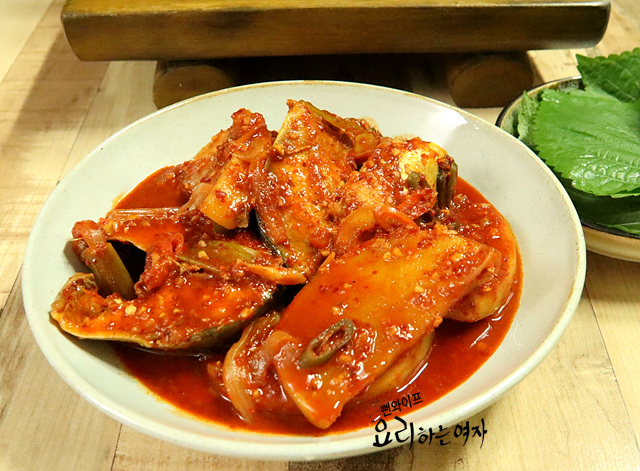
I did not crave it much during the hot summer, but now that autumn is here, spicy braised mackerel tastes truly delicious.
Because it is in season, the rich savory flavor really comes through; fish always tastes best in season.
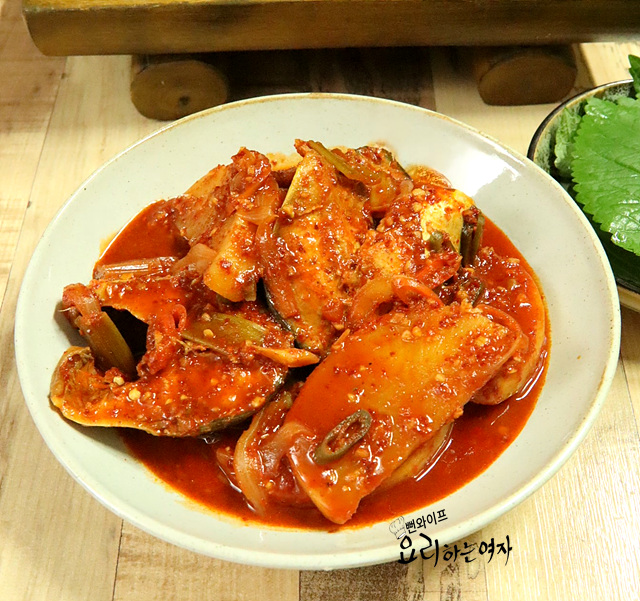
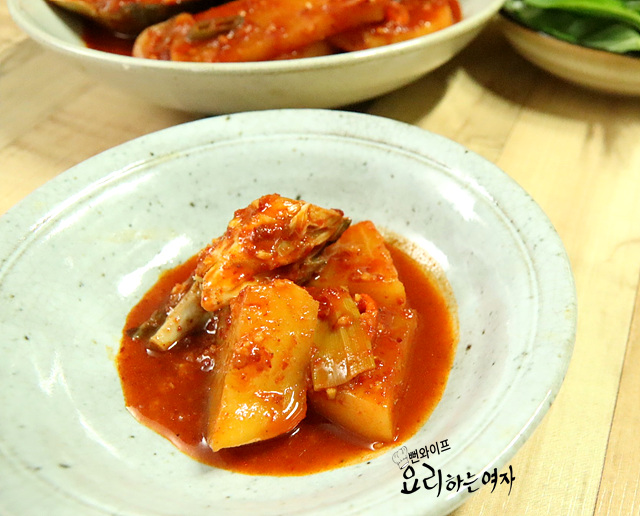
This braised mackerel is a true rice thief that makes you scrape up every bit of sauce to mix with your rice.
I recommend this for dinner on these chilly days.
Have a wonderful day.
 Ppunwife's tips
- Scraping away the blood clots under the spine with your fingers helps keep fresh mackerel from smelling fishy.
- Ginger is essential for eliminating fishy or gamey odors in braised fish and meat dishes.
- When making a braise that includes Korean radish, cooking the radish in the sauce first makes it tender and allows the seasoning to penetrate deeply.
FAQ
Can I use salted mackerel instead of fresh mackerel?
If using salted mackerel, soak it in water from washing rice to sufficiently draw out excess saltiness and fishy odor before cooking.
How can I reduce the distinctive fishy smell of mackerel?
Rinse away the blood clots along the spine thoroughly under running water, and be sure to include minced ginger in the sauce.
Why is the Korean radish braised before the mackerel?
Cooking the thickly sliced Korean radish first with half the sauce and rice water ensures that it softens all the way through and absorbs the flavors evenly by the time the dish is done.