Nutty and Crisp Eolgari Baechu Muchim
A quick fresh vegetable side dish made in 5 minutes by lightly tossing tender inner leaves of young cabbage in a fish sauce seasoning.
Translated from Korean by AI and not yet checked by a native speaker. Amounts and numbers are taken directly from the original recipe. Read the Korean original →
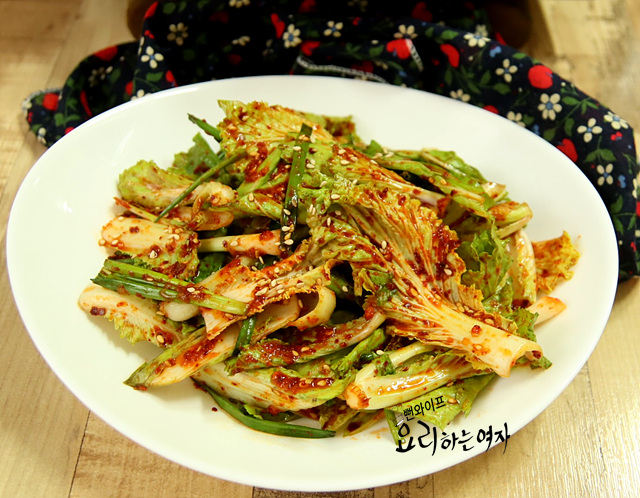
This fresh geotjeori-style side dish uses the tender, nutty inner leaves of eolgari cabbage and comes together in just 5 minutes. The secret is spreading the seasoning directly over the vegetables rather than premixing it, then adding a splash of water so everything coats evenly and stays moist. It pairs wonderfully with meat dishes or mixed into rice with doenjang.
- Servings
- about 2–3 servingsOriginal: 2 plates
- Cook time
- 5 minprep not included
- Difficulty
- Easy
- Spiciness
- Mildly spicy
Ingredients
Ingredients
- Eolgari cabbage (or baby napa cabbage)200 g (inner leaves)
- Scallions (jjokpa)5
Seasoning
- Gochugaru (Korean chili flakes)2 tbsp
- Minced garlic1 tbsp
- Sand lance fish sauce (or dried anchovies)1 1/2 tbsp
- Salta little
- Corn syrup (mulyeot) (or green plum syrup (maesil-cheong))1 tbsp
- Ginger syrup (saenggang-cheong) (or 1 tsp sugar + 1/2 tsp minced ginger)1 tsp
- Water2 tbsp
- Toasted sesame seeds1/2 tbsp
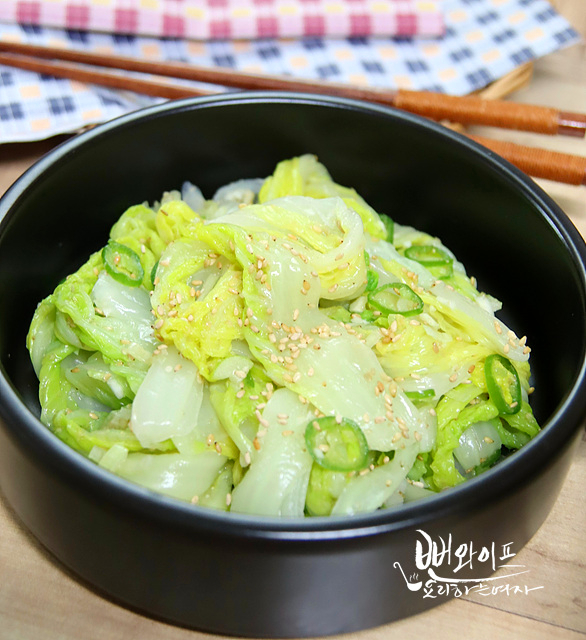
- I used the tender, nutty inner leaves of eolgari cabbage.
- I prepared 5 scallions, but you can also use the white part of large green onion.
Steps
Prepare the ingredients
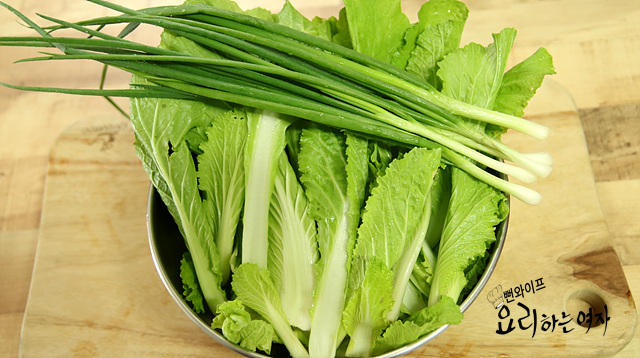
I used the tender, nutty inner leaves of eolgari cabbage.
I prepared 5 scallions, but you can also use the white part of large green onion.
Cut the ingredients
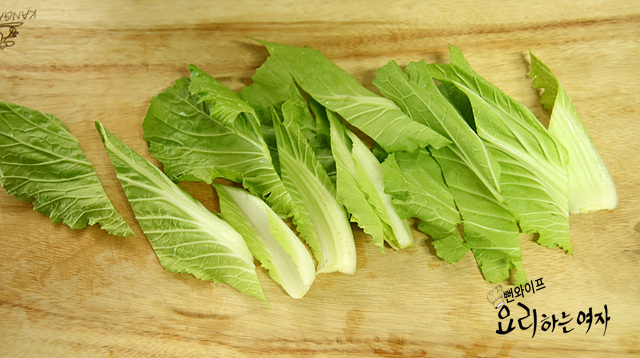
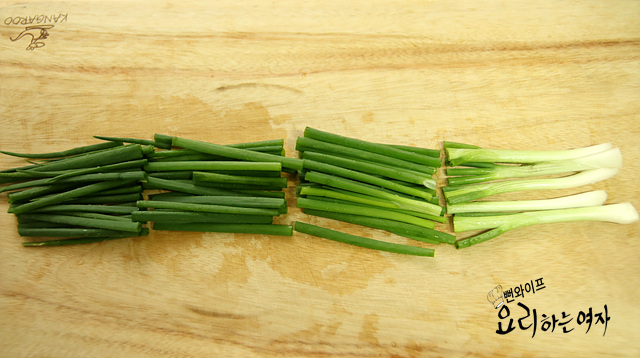
Cut the eolgari cabbage diagonally into bite-sized pieces in 2 to 3 cuts, just like making fresh geotjeori, and cut the scallions to a similar length as the cabbage.
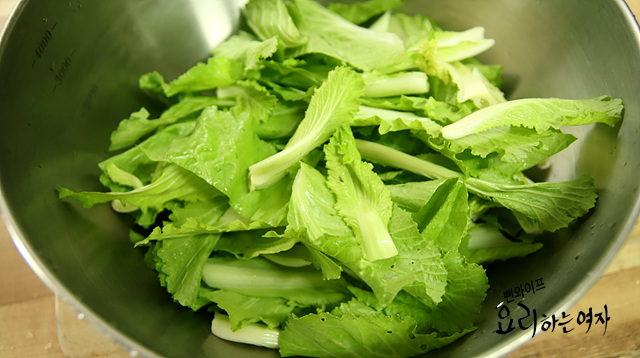
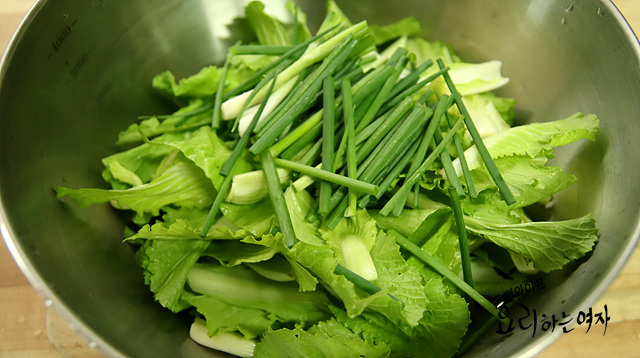
Add the cabbage and scallions to a bowl and mix them together evenly.
Toss with seasonings
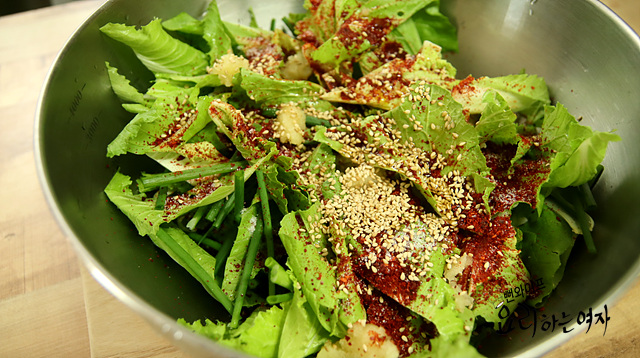
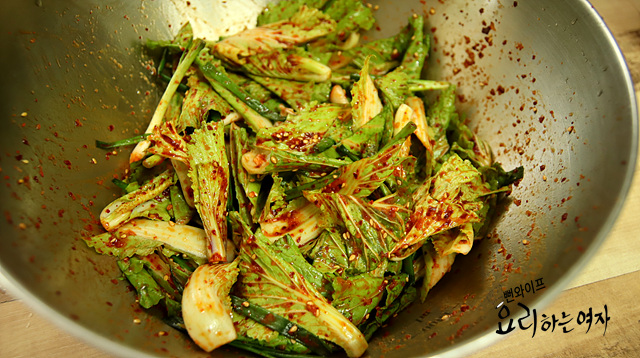
Spread the seasoning ingredients evenly over the vegetables to make tossing easier (if you premix the seasoning, it clumps up and is harder to coat evenly).
Add 2 tbsp gochugaru, 1 tbsp minced garlic, 1 1/2 tbsp sand lance fish sauce, 1 tbsp corn syrup, 1 tsp ginger syrup, and 1/2 tbsp toasted sesame seeds, then gently toss so the flavors absorb evenly. (If you don't have ginger syrup, you can use 1/2 tsp minced ginger and a little sugar.)
Because there wasn't much moisture, I mixed it moistly while adding about 2 tbsp water.
Taste it and adjust with salt if it tastes bland.
Depending on your preference, you can also toss in a little toasted sesame oil or perilla oil.
Serve
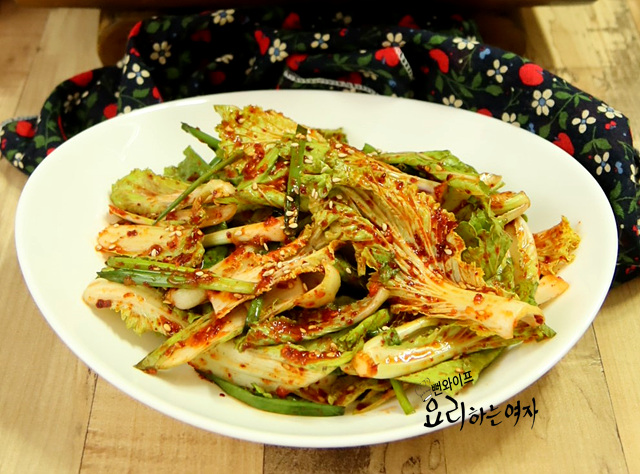
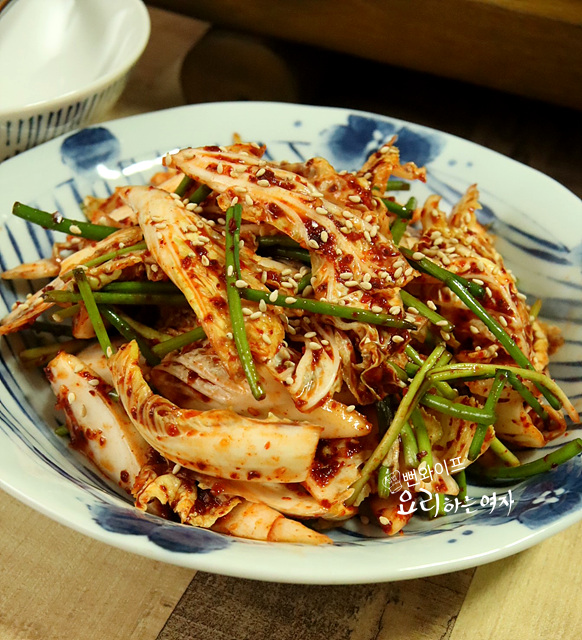
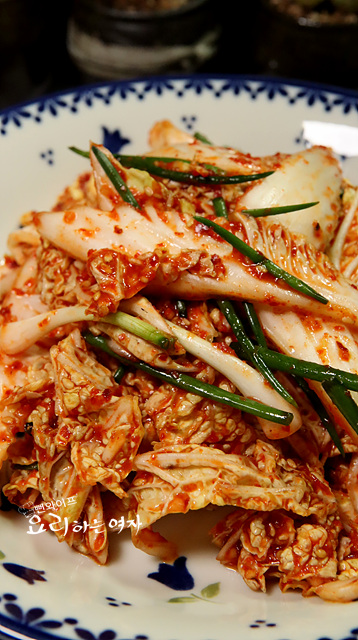
It is truly simple with nothing fancy, yet so nutty and delicious that it keeps you reaching for more.
Use the outer leaves of the eolgari cabbage for doenjang soup, and toss the inner leaves like this for a wonderful side dish for rice.
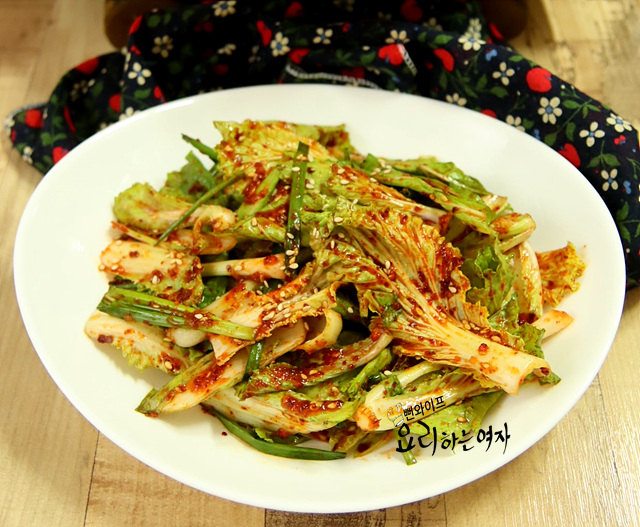
It goes great alongside meat dishes, and it tastes amazing mixed into rice with doenjang.
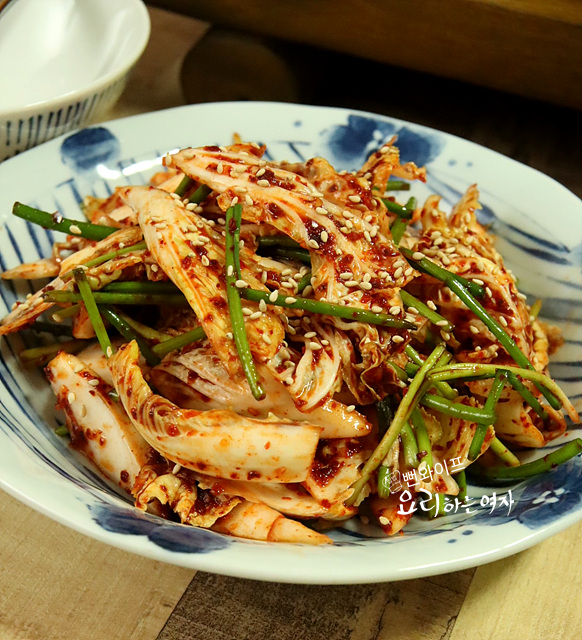
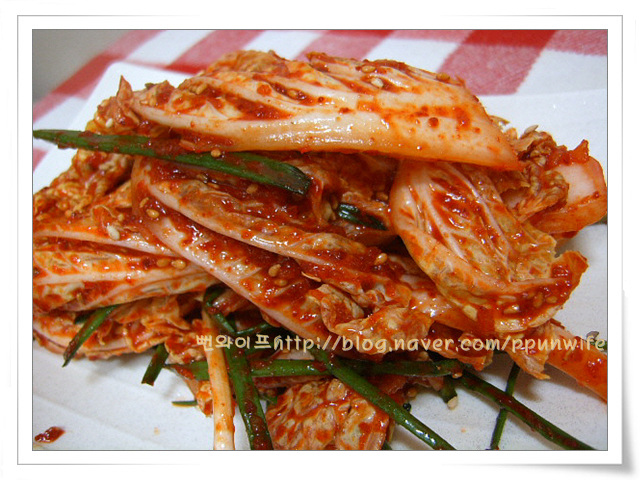
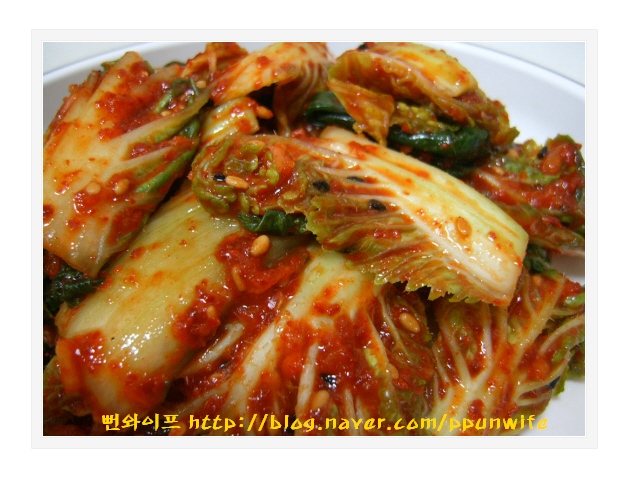
This is the same dish made with baby napa cabbage.
Cabbage grown in the crisp chilly breeze these days is nutty and sweet, so toss some up simply and bring it to your table.
So today, I leave you with this quick cabbage muchim you can make with your eyes closed.
Have a wonderful evening.
 Ppunwife's tips
- Spread the seasoning ingredients evenly over the vegetables to make tossing easier (if you premix the seasoning, it clumps up and is harder to coat evenly).
- Because there wasn't much moisture, I mixed it moistly while adding about 2 tbsp water.
- Depending on your preference, you can also toss in a little toasted sesame oil or perilla oil.
- Use the outer leaves of the eolgari cabbage for doenjang soup, and toss the inner leaves like this for a wonderful side dish for rice.
FAQ
Can I use a different cabbage instead of eolgari cabbage?
You can replace it with baby napa cabbage and prepare it the exact same way.
What should I do if I don't have ginger syrup?
You can substitute a little sugar and 1/2 tsp minced ginger to season it instead.
What can I substitute if I don't have scallions?
You can slice and use the white part of large green onion instead of scallions.
Is there a reason for adding the seasonings directly over the vegetables instead of premixing the sauce?
If you premix the sauce, it becomes thick and clumped, making it difficult to coat the vegetables evenly.