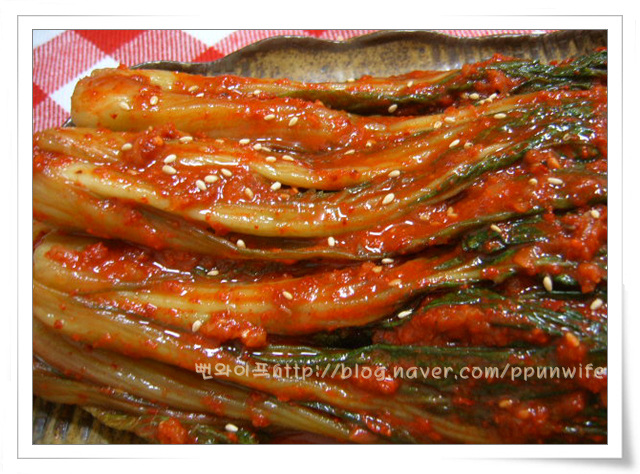
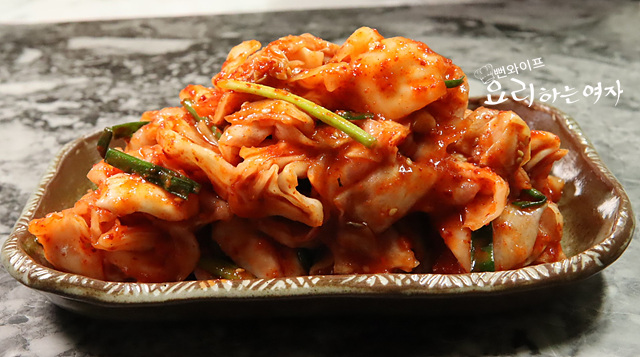
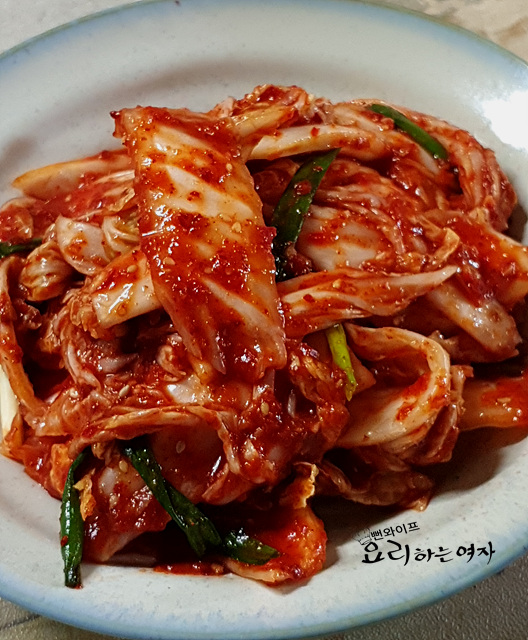
Eolgari Baechu Geotjeori (Fresh Winter Cabbage Kimchi)
A fresh geotjeori side dish made by salting moist eolgari cabbage and tossing it in a glutinous rice paste seasoning.
Translated from Korean by AI and not yet checked by a native speaker. Amounts and numbers are taken directly from the original recipe. Read the Korean original →
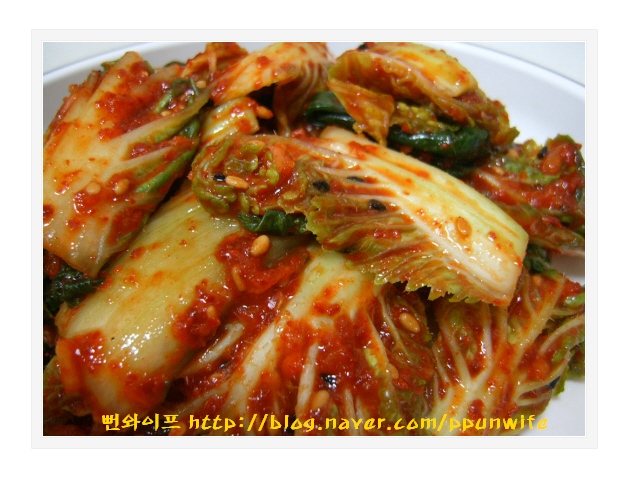
A simple, easy geotjeori made with affordable eolgari cabbage. Leaving the cabbage wet after washing helps it salt evenly, and letting the glutinous rice paste seasoning sit beforehand brings out a vibrant color. You can also add garlic chives or scallions if you like.
- Servings
- about 5–6 servings
- Difficulty
- Easy
- Spiciness
- Spicy
Ingredients
Ingredients
- Eolgari cabbage1 bunch
- Coarse sea salt5 tbsp
Seasoning
- Glutinous rice paste1 cup
- Gochugaru (Korean chili flakes)1 cup
- Minced garlic2 tbsp
- Anchovy fish sauce3 tbsp
- Salted fermented shrimp (saeujeot)1 tbsp
- Sugar1 tsp
- Ginger powder1 tsp
- Toasted sesame seeds
Glutinous rice paste
- Water1 cup
- Glutinous rice flour1 tbsp
- Salt the eolgari cabbage for about 2 hours.
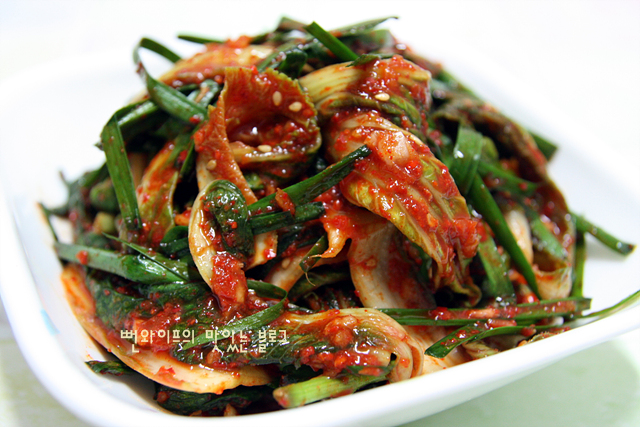
- You can also make it with garlic chives or scallions added in.
Steps
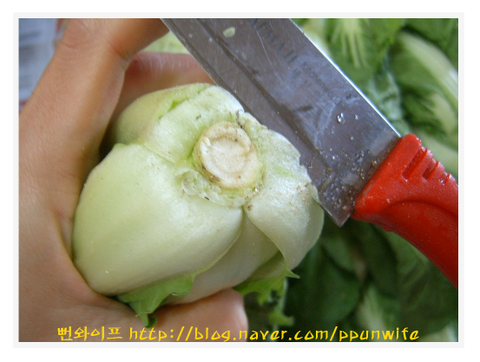
Trim off about this much of the root end, and remove any worm-eaten outer leaves or wilted leaves.
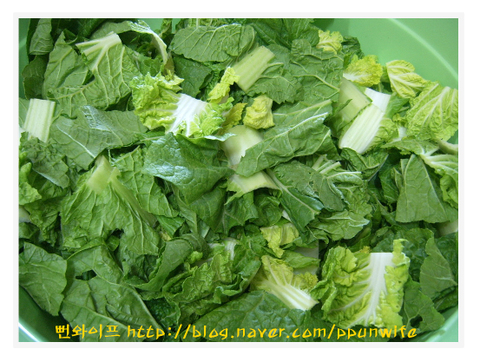
Cut into pieces 3-4 cm long.
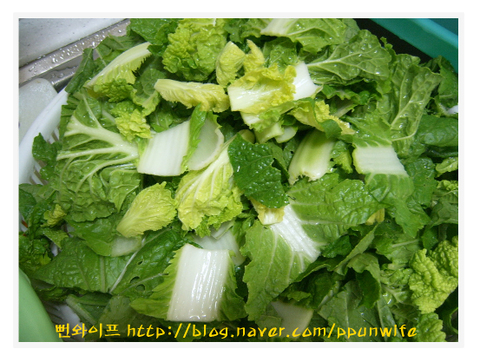
Wash thoroughly and salt right away without draining the water.
A little water is needed for it to salt well.
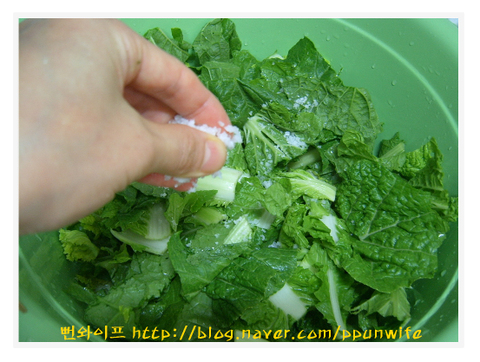
Place a layer of cabbage in a container and sprinkle with 1 tbsp of salt.
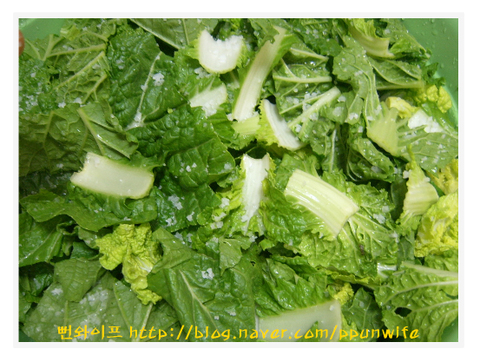
Repeat by layering cabbage and sprinkling salt like this.
Toss the top and bottom once or twice midway through salting.
I salted it for about 2 hours.
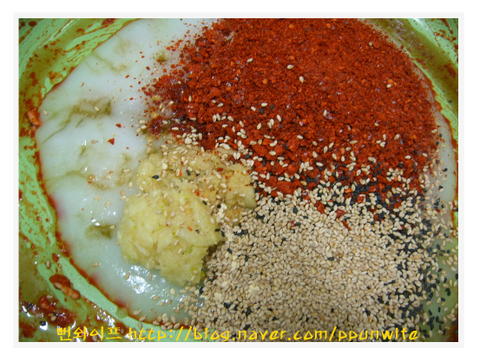
While the cabbage is salting, make the glutinous rice paste, let it cool, and mix in all the measured seasoning ingredients.
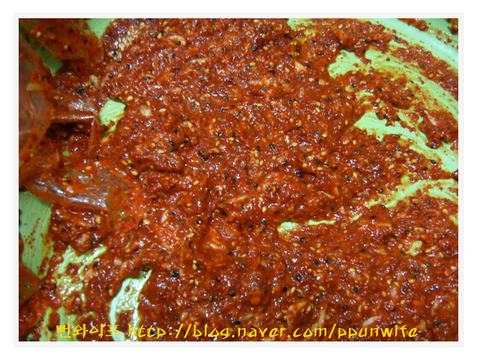
If you let it sit for at least 30 minutes, the seasoning develops a lovely color.
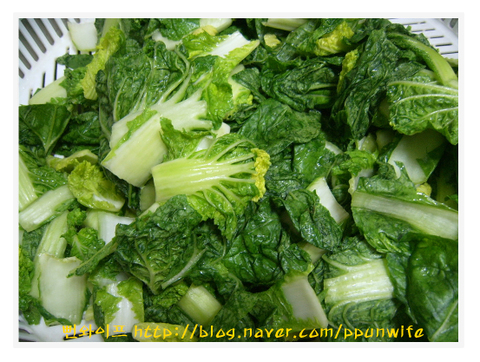
After salting for about 2 hours, it stays fresh while wilting just enough.
Rinse in water only once or twice, then drain the water.
Toss gently with the prepared seasoning.
It is also delicious if you mix in garlic chives or scallions.
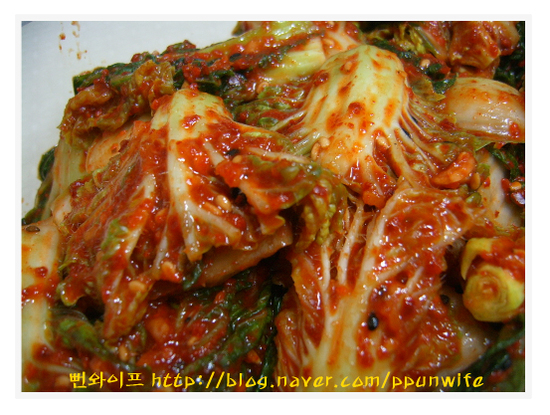
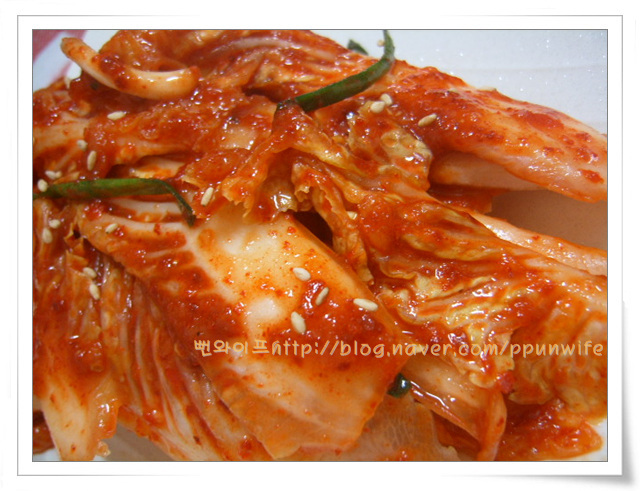
Isn't it really simple? Put it in an airtight container, and in weather like these days, it ripens nicely in two days.
The seasoning turned out delicious today. Looking forward to nicely ripened kimchi after two days.
 Ppunwife's tips
- For wilted leaves or worm-eaten outer leaves, cut away only the bad parts, wash thoroughly, blanch, and add them to siraegi doenjang soup or dakgaejang, or toss them gently with doenjang to enjoy as a side dish.
- Wash thoroughly and salt right away without draining the water. A little water is needed for it to salt well.
- If you let it sit for at least 30 minutes, the seasoning develops a lovely color.
FAQ
Should I completely dry the eolgari cabbage when salting it?
After washing thoroughly, do not shake off the water; sprinkle salt and brine right away so it salts evenly without the moisture separating.
Can I toss it immediately after mixing the seasoning?
If you let the seasoning sit for at least 30 minutes after mixing all the ingredients, the gochugaru blooms and the seasoning develops a vibrant, lovely color.
Are there any vegetables that are good to add besides eolgari cabbage?
It tastes even better if you add scallions or garlic chives when tossing with the seasoning.
How can I use the trimmed outer leaves of the eolgari cabbage?
Trim away only the badly damaged parts of the worm-eaten or wilted outer leaves, blanch them, and add them to siraegi doenjang soup or dakgaejang, or season them with doenjang as a side dish.