Maesaengi Gul Guk (Seaweed and Oyster Soup)
A refreshing, clean winter soup bursting with ocean aroma by briefly simmering maesaengi and oysters at the very end.
Translated from Korean by AI and not yet checked by a native speaker. Amounts and numbers are taken directly from the original recipe. Read the Korean original →
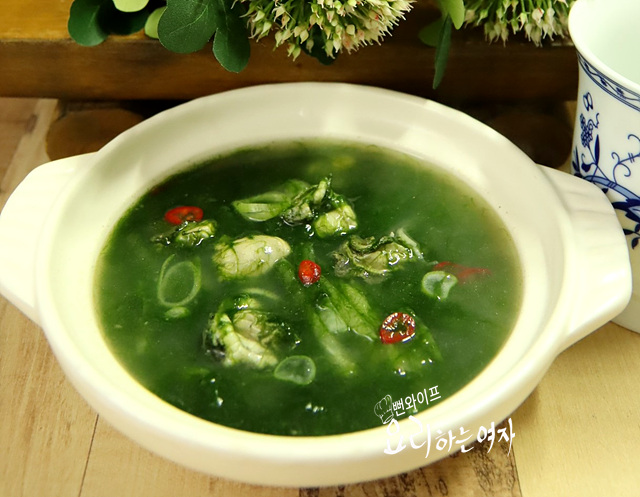
A refreshing and clean soup with a rich ocean aroma. The secret to preserving the delicate fragrance is sauteing radish in toasted sesame oil, simmering it in anchovy broth, and then adding the maesaengi and oysters right at the end to cook briefly for about 2 minutes. It is wonderful served with rice stirred in and kkakdugi on the side.
- Servings
- 2–3 servings
- Difficulty
- Medium
- Spiciness
- Not spicy
Ingredients
Ingredients
- Maesaengi (seaweed fulvescens)1/2 block, 200 g
- Oysters150 g
- Korean radish (mu)150 g
- Large green onion (daepa)a little
- Red chili pepperoptional
- Anchovy broth4 cups
- Toasted sesame oil1 tbsp
- Water2 tbsp
Seasoning
- Soup soy sauce (guk-ganjang)1 tbsp
- Minced garlic1 tsp
- Salta little
- Tofu or baby napa cabbage also pair nicely as ingredients.
- Dissolve about 1 to 2 tbsp of salt in water, add the oysters, and gently swish them around while removing any shell fragments stuck to them. Drain in a strainer, rinse lightly in water, and drain well.
- Pour plenty of water over the maesaengi and wash it by grabbing small amounts with your hand and shaking it gently; you will find sand grains or debris settling at the bottom. Repeat washing until no more debris remains. Drain the washed maesaengi in a strainer, and snip it loosely with kitchen shears so it is easy to eat since it clumps together.
Steps
Prepare the ingredients
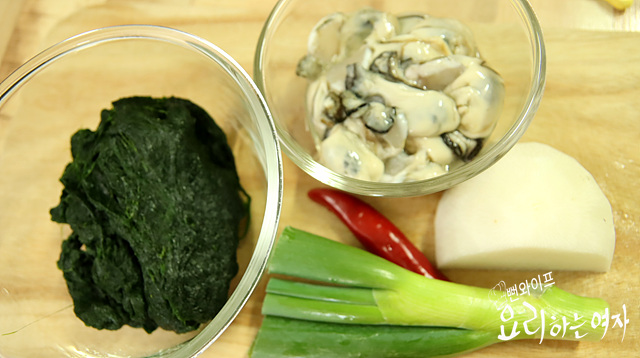
One block of maesaengi is quite large, so I prepared about 1/2 of it, 200g.
About 1 cup of oysters, 150g. For a refreshing broth, a little radish is needed to make it taste good, so I prepared 100g.
About 1/4 stalk of large green onion and some red chili pepper.
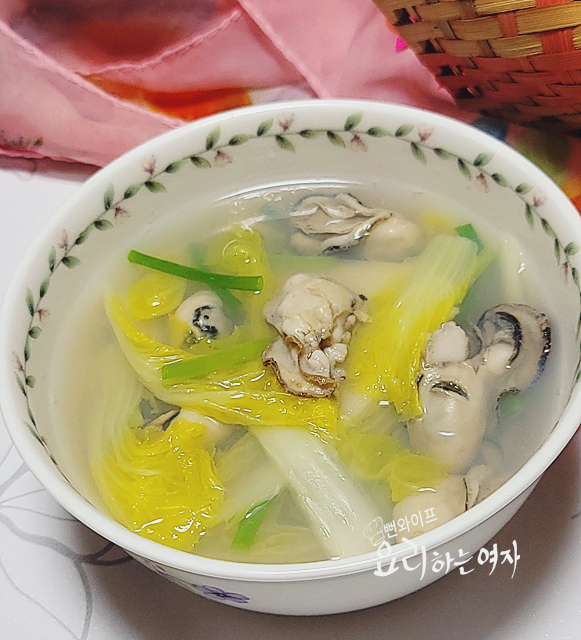
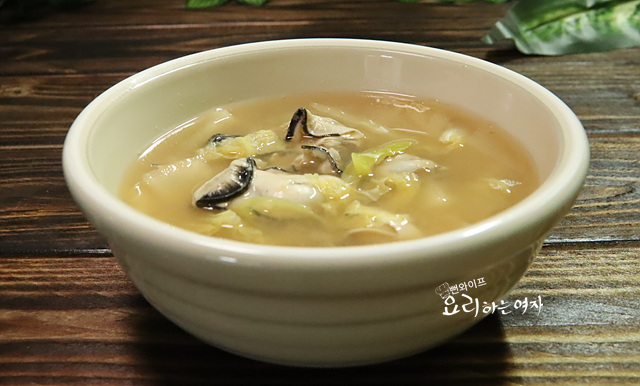
Tofu or baby napa cabbage also pair nicely as ingredients.
Cut the ingredients
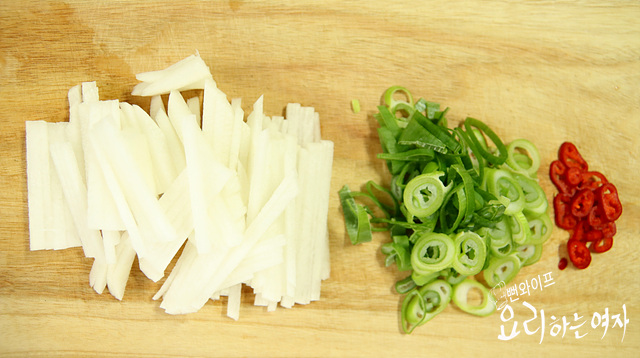
Julienne the Korean radish as you would for radish salad, and thinly slice the large green onion and red chili pepper.
I prepared a little red chili pepper just for color, so you can omit it.
Wash the oysters
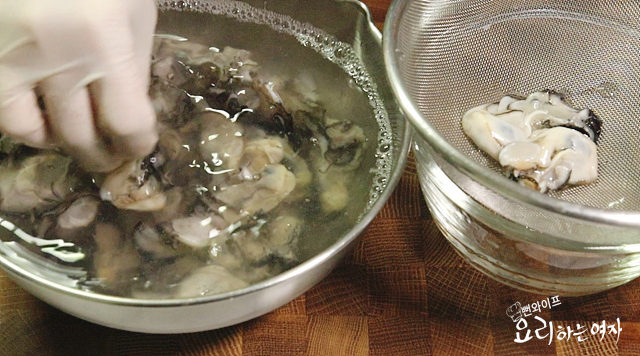
Dissolve about 1 to 2 tbsp of salt in water, add the oysters, and wash them by gently swishing them around while removing any shell fragments stuck to them.
Drain in a strainer, rinse lightly in water, and drain well.
How to wash maesaengi
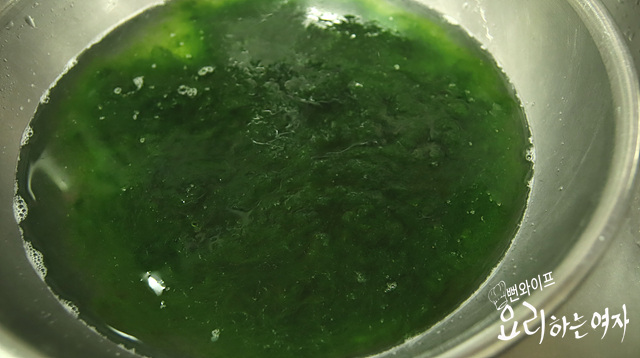
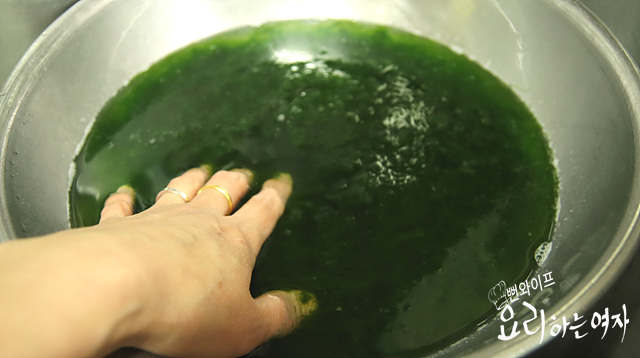
Pour plenty of water over the maesaengi and wash it by taking small handfuls and shaking them gently; sand grains or debris will settle at the bottom.
Repeat washing until no debris remains.
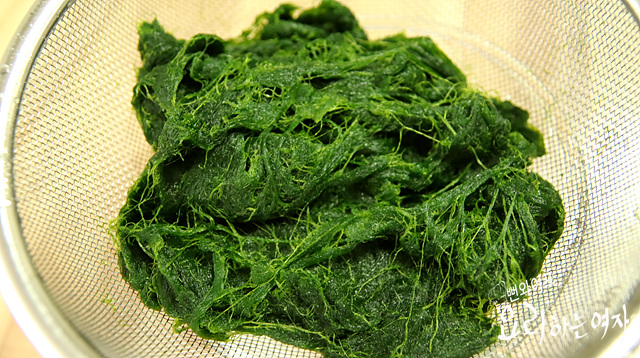
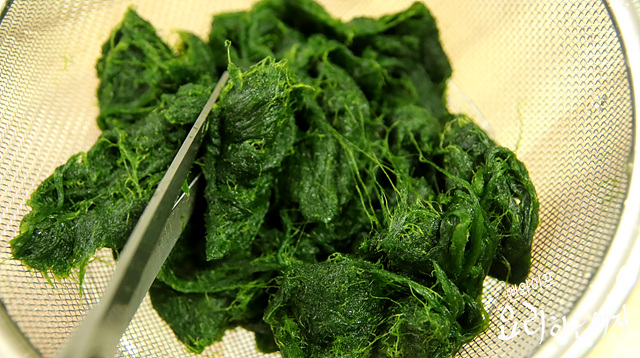
Drain the washed maesaengi in a strainer, and since it clumps together, snip it loosely with kitchen shears to make it easier to eat.
Boil the radish
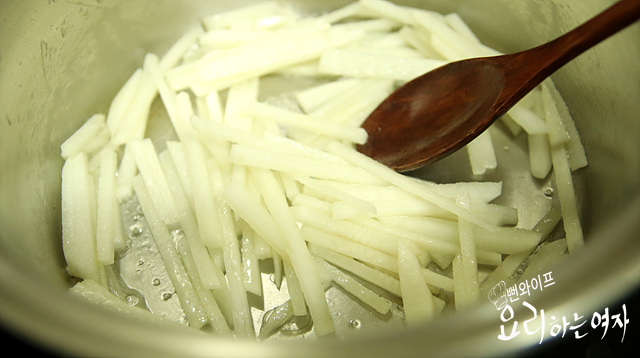
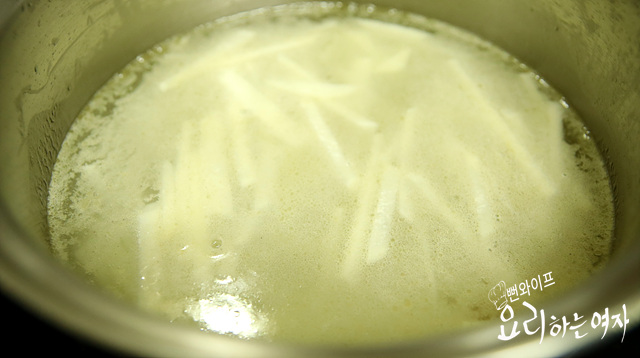
Add 1 tbsp of toasted sesame oil and 2 tbsp of water to a pot and saute the radish.
Once sauteed until the surface turns translucent, pour in 4 cups of anchovy broth.
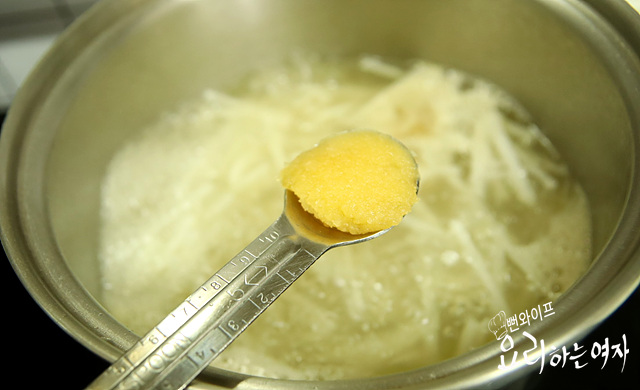
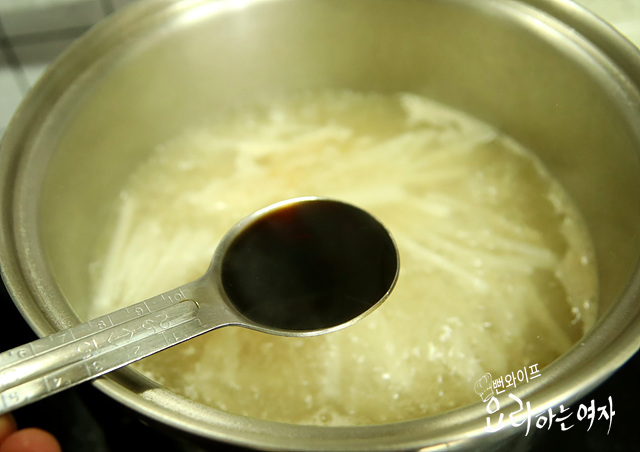
Add 1 tsp of minced garlic and 1 tbsp of soup soy sauce, and boil until the radish is cooked through.
Use less minced garlic than you would for other soups so you do not overpower the aroma of the maesaengi and oysters.
Add maesaengi and oysters and boil
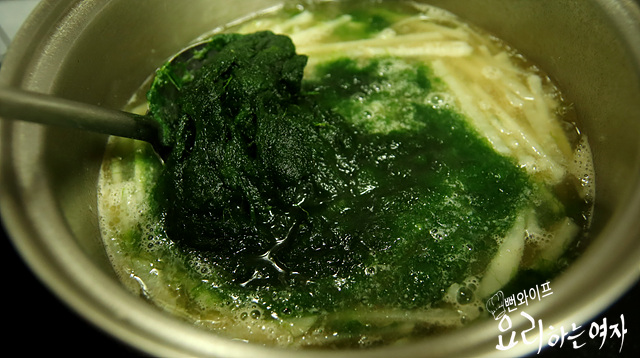
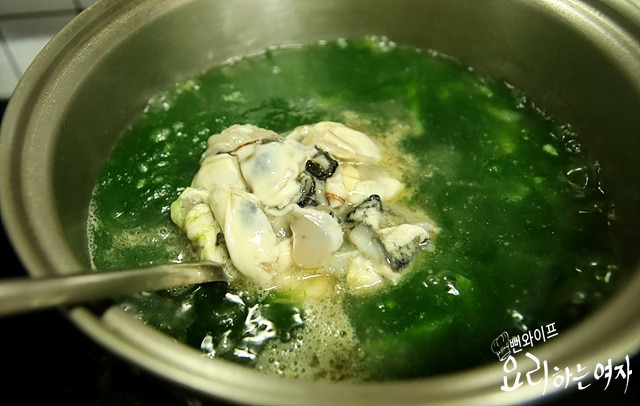
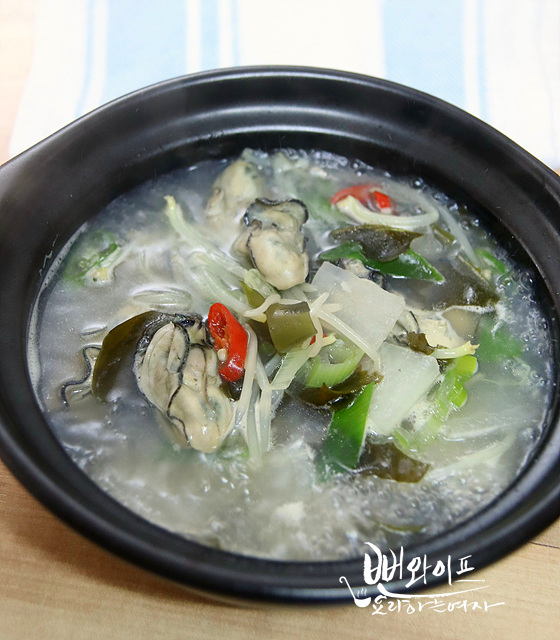
Add the maesaengi and oysters...
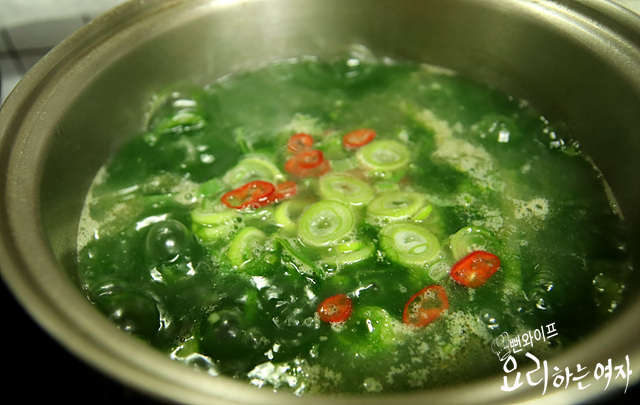
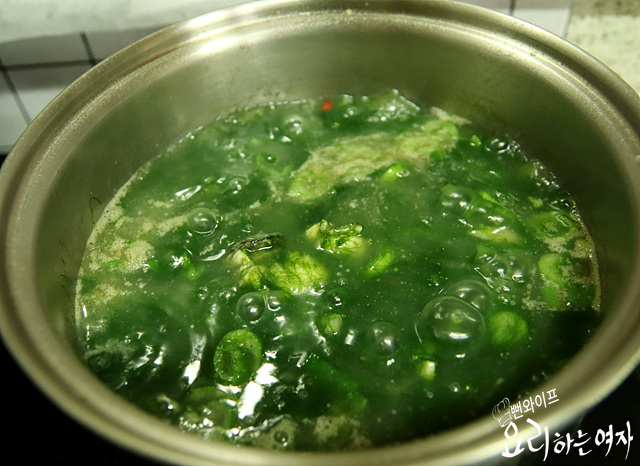
Add the large green onion and red chili pepper, and boil for just about 2 minutes.
Maesaengi and oysters do not need long cooking, so just simmer them briefly at the end to bring out their aroma.
It tasted slightly bland, so I adjusted the seasoning with salt.
Finish
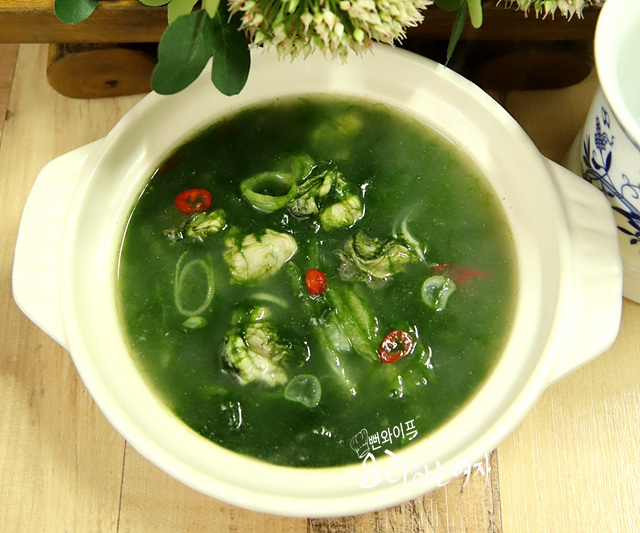
Steam keeps rising even after ladling it into a bowl and eating.
If you stir rice into this, it becomes maesaengi gukbap; if you add rice cakes and boil, it turns into maesaengi tteokguk.
An old saying goes that it is served to an unloved son-in-law because it retains heat and does not cool down easily, but something this delicious and healthy should be enjoyed with a beloved son-in-law and good company.
 Ppunwife's tips
- The key to making maesaengi gul guk is adding the maesaengi and oysters at the very end and simmering them only briefly.
- Use less minced garlic than for other soups so you do not overpower the fragrance of the maesaengi and oysters.
- Maesaengi and oysters do not need long cooking, so just simmer them briefly at the end to release their aroma.
FAQ
When should I add the maesaengi and oysters, and how long should they boil?
Add them at the final stage once the radish is fully cooked, and simmer gently for only about 2 minutes. Avoiding overcooking allows you to fully enjoy their distinctive aroma.
How should I wash maesaengi to remove debris thoroughly?
Pour in plenty of water, grab small amounts with your hands, and shake them gently in the water. Repeat rinsing until no sand or debris settles at the bottom, then drain.
Are there other complementary ingredients besides the main ones?
Adding tofu or baby napa cabbage also goes very well with the broth.
Why do you use less minced garlic than in other soups?
Too much garlic can mask the natural ocean aroma of the maesaengi and oysters, so only a small amount is added.