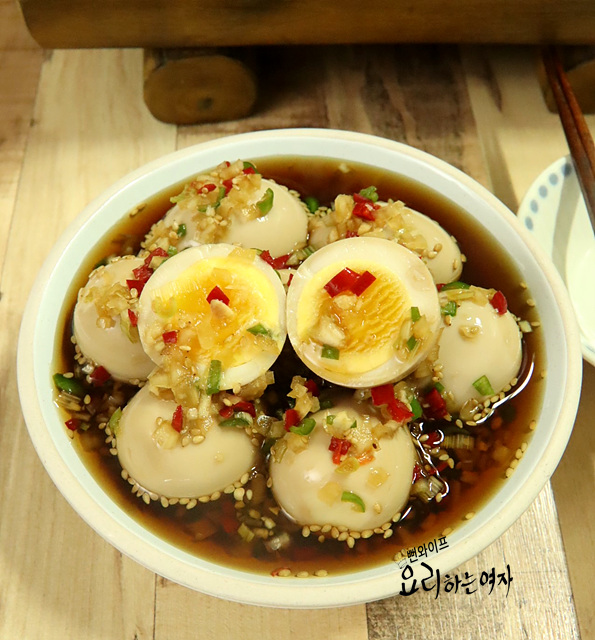
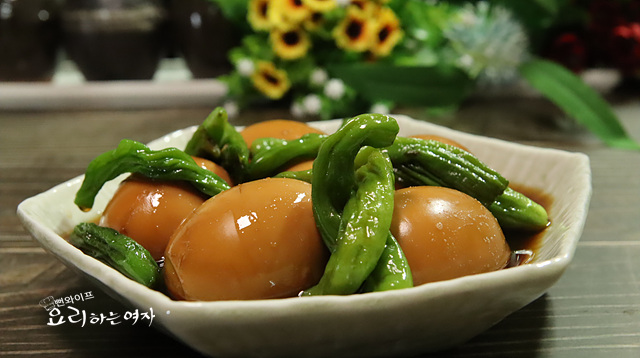
Soft-Boiled Gyeran Jang (Soy Sauce Marinated Eggs)
A simple side dish made by marinating soft-boiled eggs with vegetables in seasoned soy sauce overnight.
Translated from Korean by AI and not yet checked by a native speaker. Amounts and numbers are taken directly from the original recipe. Read the Korean original →
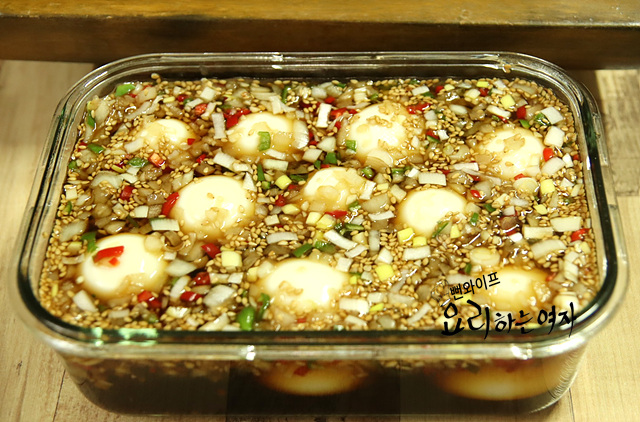
This marinated side dish requires no cooking for the sauce: simply soak boiled eggs in seasoned soy sauce and let them sit for a day. Keeping the yolks intact ensures the broth stays clear and fresh. After aging in the refrigerator for 2 to 3 days, the yolks become delightfully jammy and perfect for mixing with rice.
- Servings
- about 5–6 servings
- Difficulty
- Medium
- Spiciness
- Mildly spicy
- Keeps
- 3 days
Ingredients
Ingredients
- Boiled egg10
- Onion1/2
- White part of large green onion (daepa)
- Cheongyang chili pepper (hot green chili)2
- Red chili pepper1
- Salt
- Vinegar
Gyeran jang marinade
- Anchovy broth1 1/2 cups
- Regular soy sauce (jin-ganjang) (or brewed soy sauce (yangjo-ganjang))2/3 cup
- Tuna extract sauce (chamchi-aek)2 tbsp
- Minced garlic1 tbsp
- Mirin (cooking rice wine)2 tbsp
- Corn syrup (mulyeot)2 tbsp
- Sugar2 tbsp
- Toasted sesame seeds1 tbsp
- Leave cold eggs taken from the refrigerator at room temperature for at least 1 hour to remove the chill. Soaking them in lukewarm water is also a great method.
Steps
Boil the eggs to a soft-boiled stage
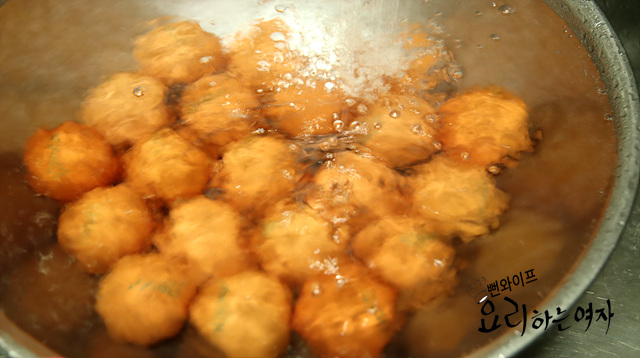
I am boiling a generous batch of 20 eggs.
I will only be using 10 for the soy sauce marinated eggs.
First, let the eggs taken from the refrigerator sit at room temperature for at least 1 hour so the chill is gone.
Soaking them in lukewarm water is also a great method.
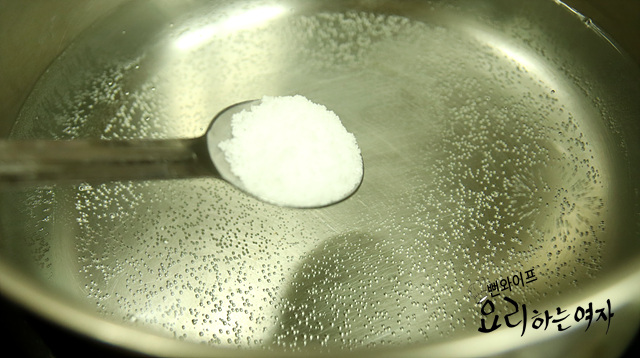
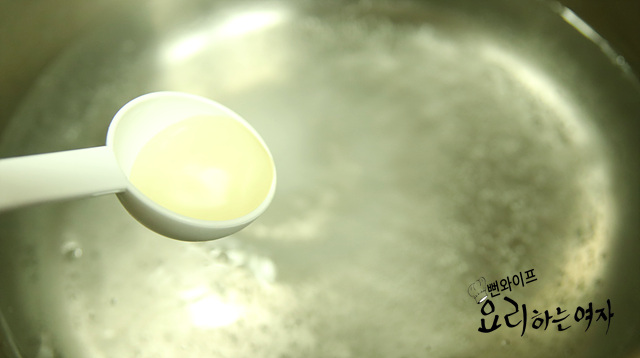
Pour enough water into a pot to fully submerge the eggs, then add 1 tbsp salt and 2 tbsp vinegar.
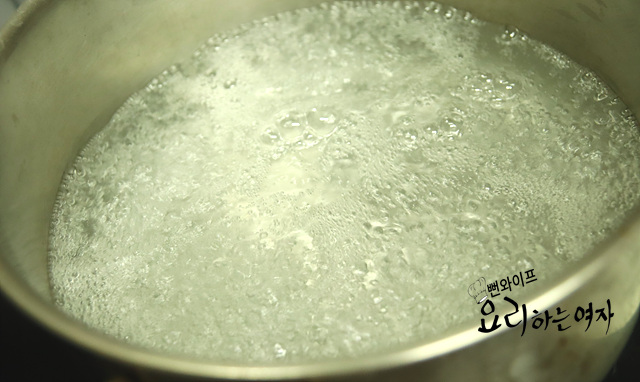
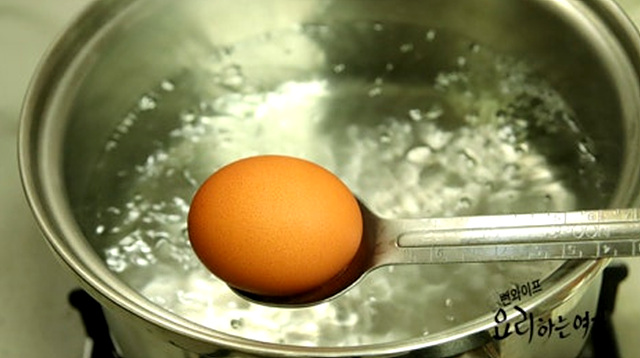
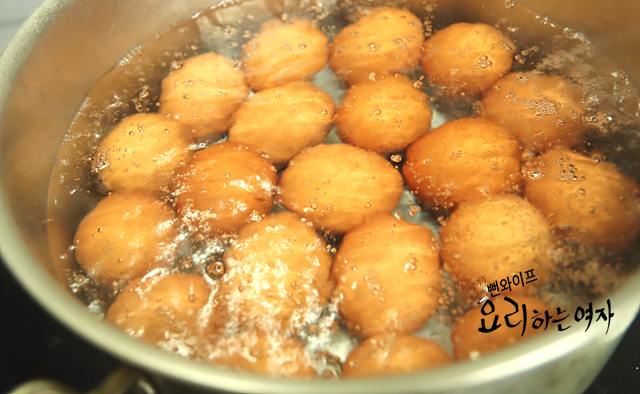
Once the water comes to a rolling boil, use a spoon or ladle to gently lower the eggs into the pot near the edge.
Turn the heat to high, and as the water begins to boil again, set a timer for 6 minutes 30 seconds and boil over medium heat.
For a runny soft-boiled yolk, cook for 6 minutes 30 seconds.
For a firmer soft-boiled yolk, cook for 8 minutes. At 12 minutes, they become hard-boiled.
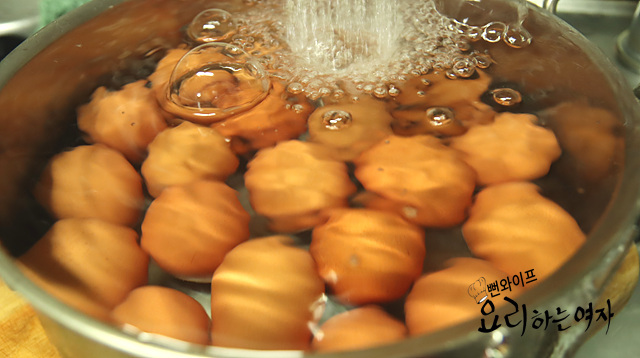
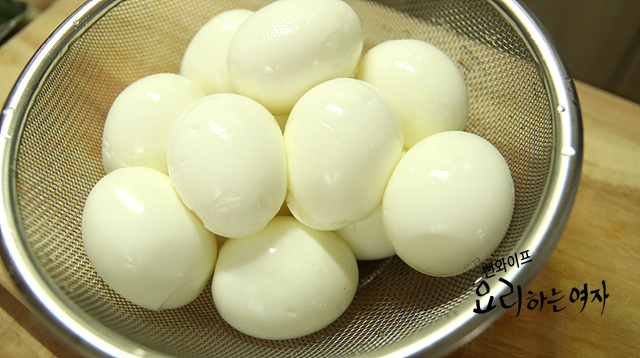
Cool them down quickly by changing out cold water so they do not continue cooking from residual heat.
Once the heat has dissipated, peel the eggs.
Be sure to use eggs whose yolks have not burst, so the flavor and broth do not spoil.
Make the marinade
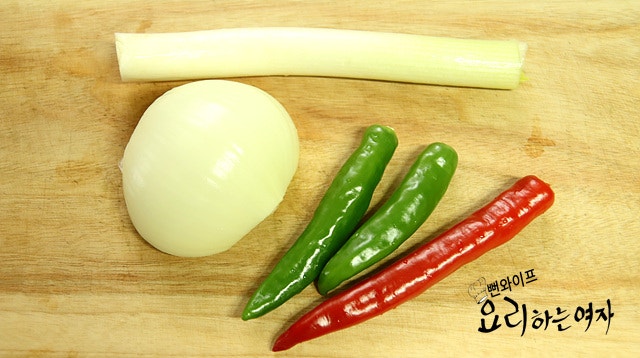
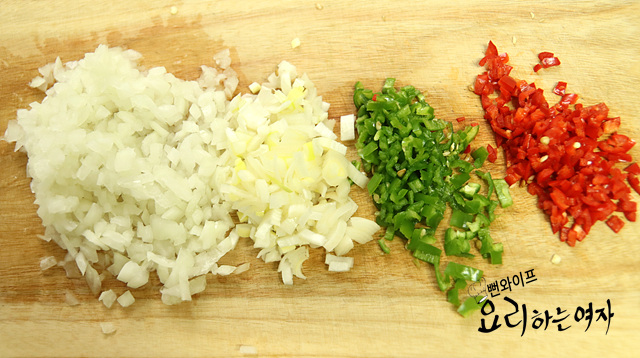
Finely chopping aromatic vegetables for the egg marinade enriches the flavor of the broth and adds a pleasant texture.
Finely chop the onion, white part of the large green onion (daepa), Cheongyang chili pepper (hot green chili), and red chili pepper.
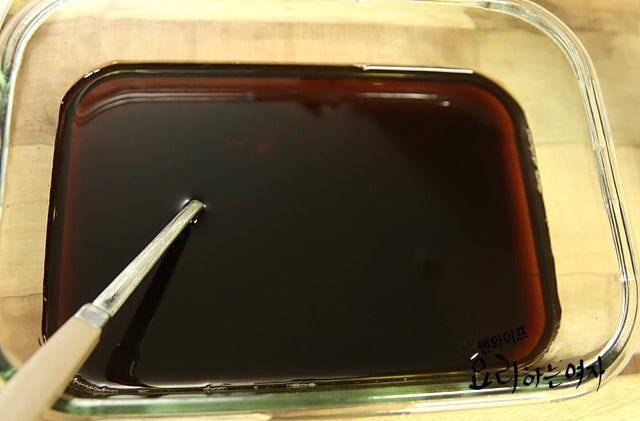
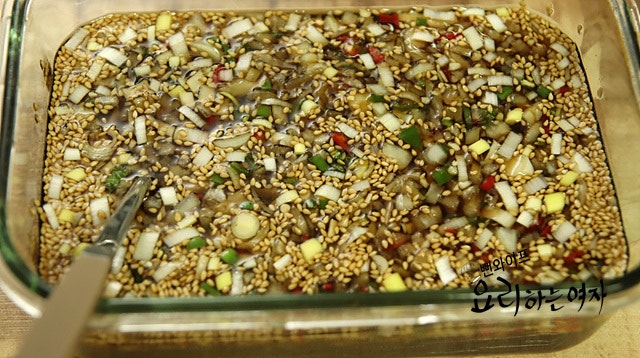
In a container, combine 1 1/2 cups anchovy broth, 2/3 cup regular soy sauce (jin-ganjang), 2 tbsp tuna extract sauce (chamchi-aek), 1 tbsp minced garlic, 2 tbsp mirin (cooking rice wine), 2 tbsp corn syrup (mulyeot), and 2 tbsp sugar, then taste the seasoning.
Season it so it is slightly salty rather than bland, so that once it blends with the moisture drawn from the vegetables, the flavor will be just right.
You can also adjust the sweetness to your liking.
Add all the chopped vegetables and 1 tbsp toasted sesame seeds, and the marinade is ready.
Finish the dish
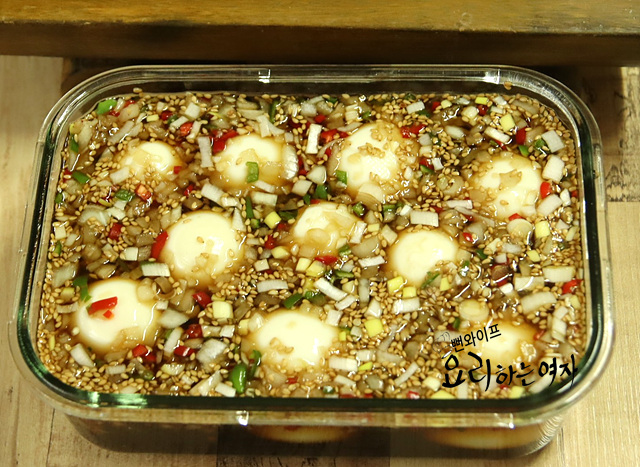
Adding 10 boiled eggs fills the container to just the right level.
Let them marinate in the refrigerator for about a day, and the seasoning will soak in nicely.
While they marinate, turn over any parts of the eggs sticking out of the liquid so they season evenly.
 Ppunwife's tips
- Be sure to use eggs whose yolks have not burst, so the flavor and broth do not spoil.
- Season it so it is slightly salty rather than bland, so that once it blends with the moisture drawn from the vegetables, the flavor will be just right.
- While they marinate, turn over any parts of the eggs sticking out of the liquid so they season evenly.
- If you have a lot of broth left over after eating the eggs, strain out all the solids, bring it to a rolling boil, let it cool, and reuse it for another batch of marinated eggs or use it in braised or stir-fried dishes.
FAQ
How do I control the boiling time for soft-boiled eggs?
Add the eggs to boiling water, set a timer when the water begins to boil again, and cook over medium heat. It takes 6 minutes 30 seconds for a runny soft-boiled yolk, 8 minutes for a firmer soft-boiled yolk, and 12 minutes for hard-boiled.
Why do the eggs need to sit at room temperature before boiling?
To take the cold chill off from the refrigerator, it is best to leave them at room temperature for at least 1 hour or soak them in lukewarm water.
How can I use leftover soy sauce marinade broth?
Strain out all the solid bits, bring the broth to a rolling boil, and let it cool; you can then reuse it for a new batch of marinated eggs or add it to braised or stir-fried dishes.