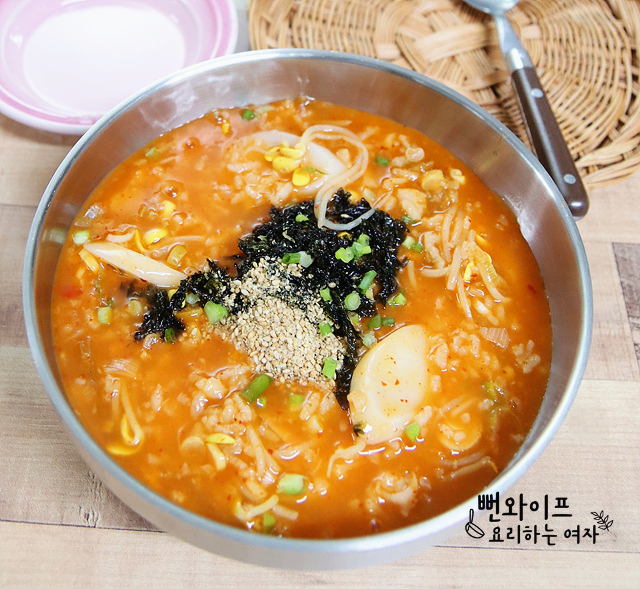
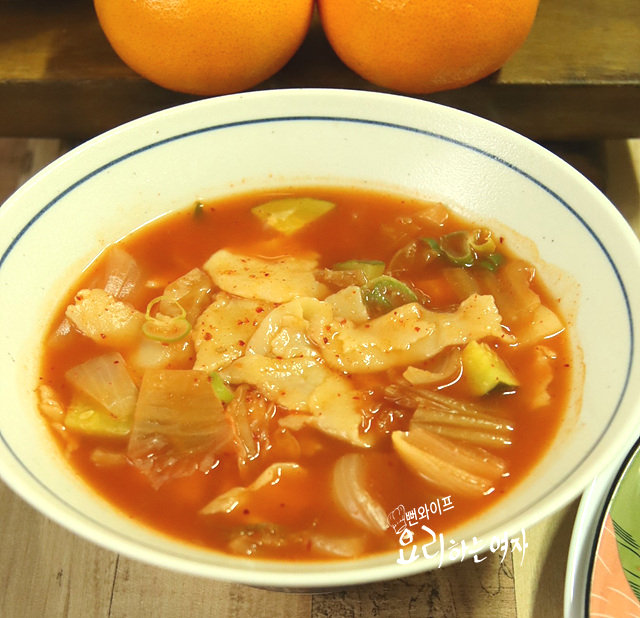
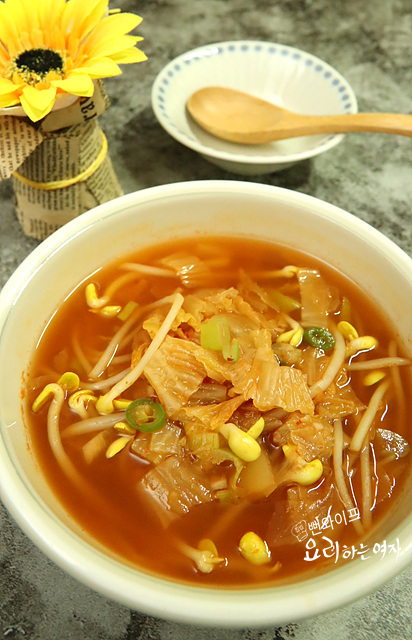
Refreshing Gaengsigi Juk (Kimchi and Rice Porridge)
A hearty, refreshing one-bowl porridge made by simmering aged sour kimchi, soybean sprouts, cooked rice, and sujebi dough flakes together.
Translated from Korean by AI and not yet checked by a native speaker. Amounts and numbers are taken directly from the original recipe. Read the Korean original →
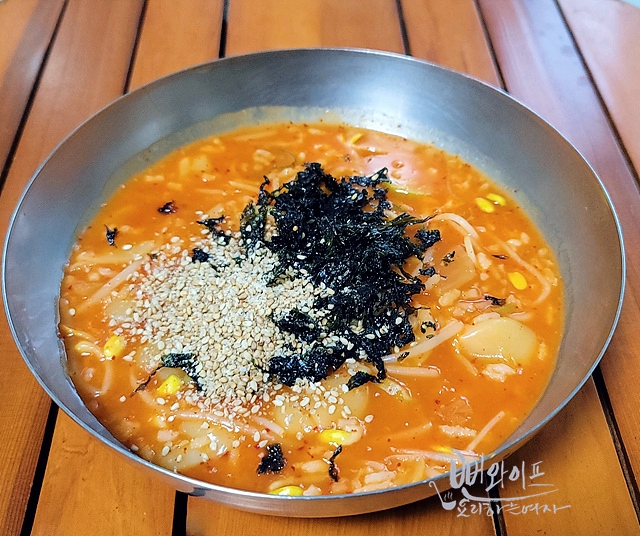
A refreshing and spicy porridge packed with generous amounts of aged sour kimchi and soybean sprouts. Cooked rice, kimchi, and sujebi are simmered together in anchovy broth, then finished with nutty toasted sesame oil and seaweed flakes. It digests easily, making it perfect for a soothing hangover meal or a gentle, comforting dish.
- Servings
- 3–4 servings
- Difficulty
- Easy
- Spiciness
- Spicy
Ingredients
- Aged sour kimchi200 g
- Soybean sprouts200 g
- Cooked rice1 bowl
- Sujebi (hand-pulled pasta dough)200 g
- Large green onion (daepa)1/3 stalk
- Anchovy broth6 cups
- Kimchi brine1/2 cup
- Sand lance fish sauce (or tuna extract sauce (chamchi-aek), soup soy sauce (guk-ganjang))1 tbsp
- Toasted sesame oil
- Seaweed flakes
- Ground toasted sesame seeds
- Use kimchi that is sour and fully fermented or well-aged mugeonji for gaengsigi juk.
- Instead of sujebi, you can use sliced rice cakes (tteokguk-tteok), ramyeon noodles, or thin wheat noodles (somyeon).
Steps
Prepare ingredients
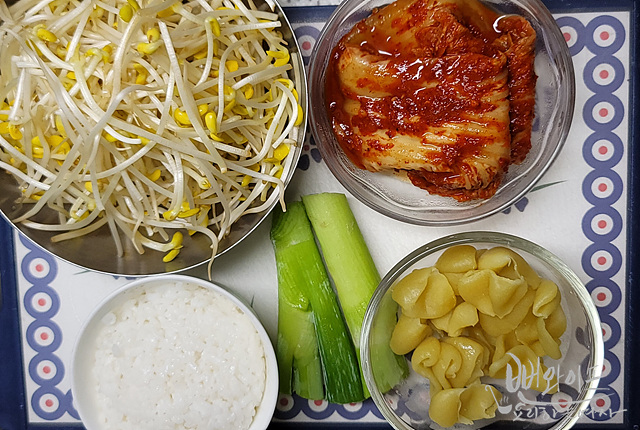
Use kimchi that is sour and fully fermented or well-aged mugeonji for gaengsigi juk.
Here are the soybean sprouts, cooked rice, sujebi (hand-pulled pasta dough), and large green onion (daepa).
Instead of sujebi, sliced rice cakes (tteokguk-tteok), ramyeon, or noodles work well too.
Slice ingredients
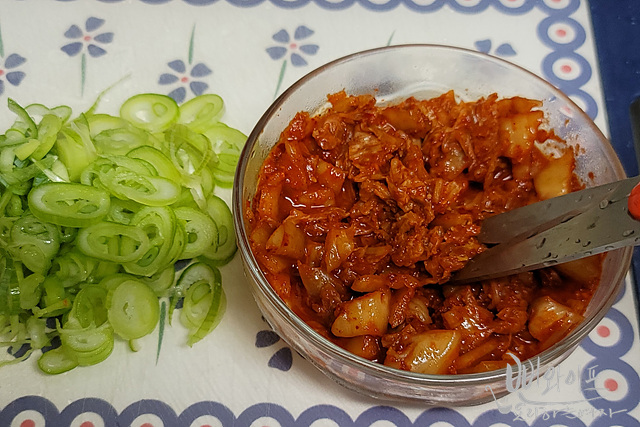
Finely chop the kimchi into bite-size pieces and thinly slice the green onion.
Simmer
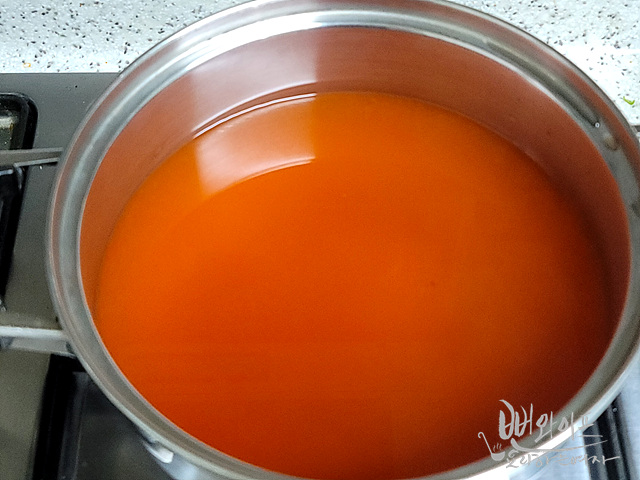
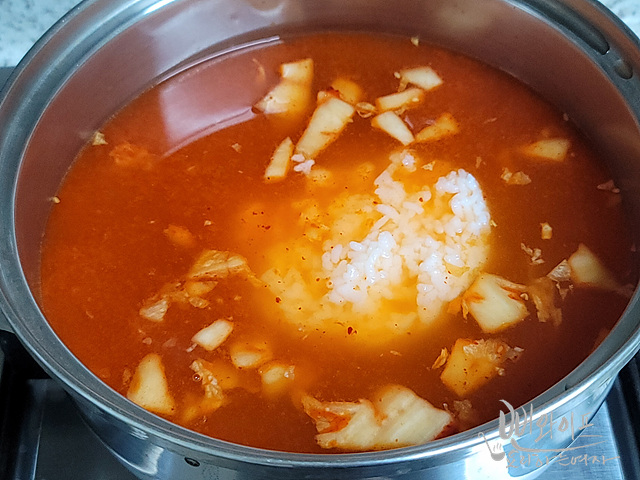
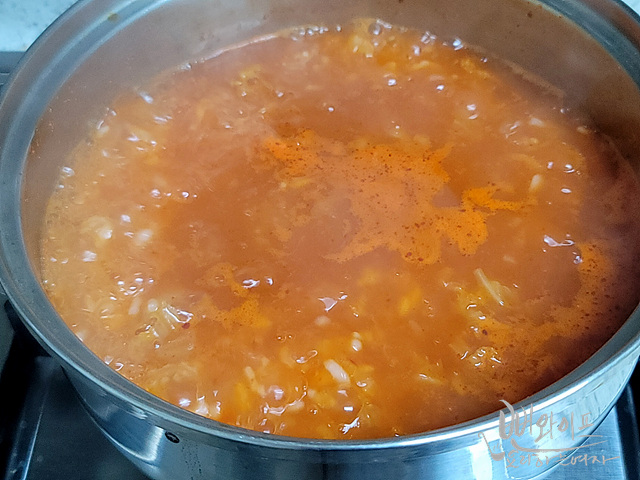
In a pot, pour in 6 cups of anchovy broth and 1/2 cup of kimchi brine, then add the rice and kimchi. Simmer until the kimchi softens and the rice expands.
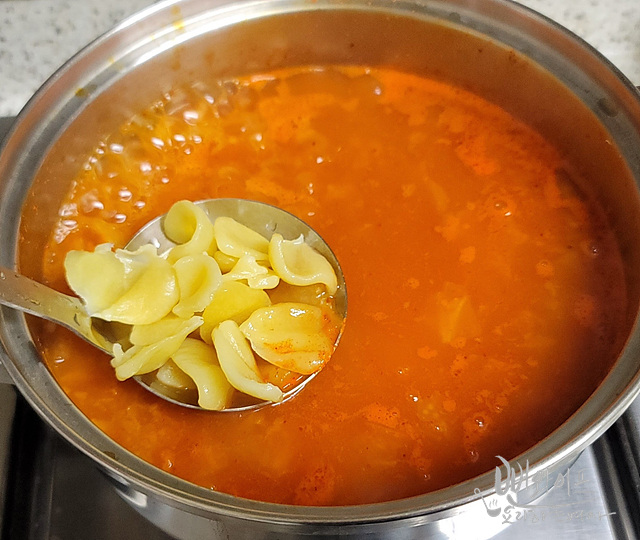
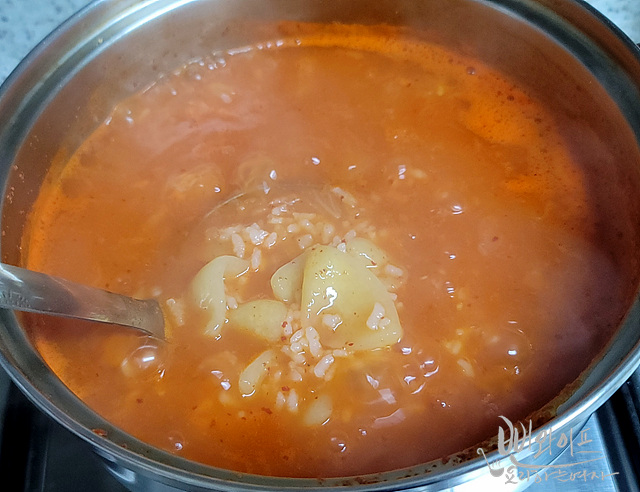
Add the sujebi and cook until chewy and tender.
I used potato sujebi so I added it first, but if using wheat flour sujebi, you can add it together with the soybean sprouts.
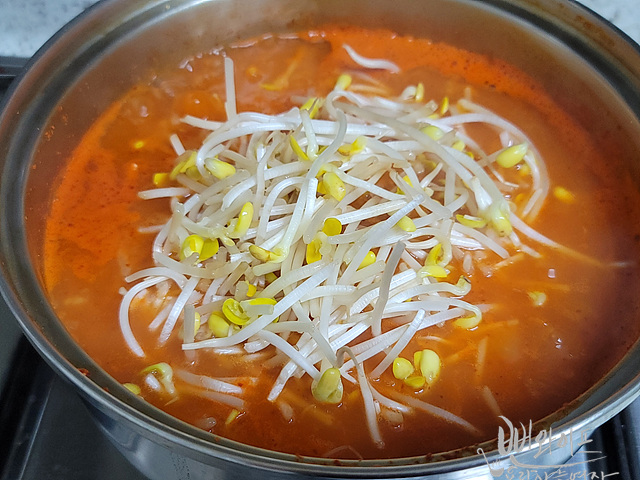
Add the soybean sprouts and cook so there is no fishy sprout smell...
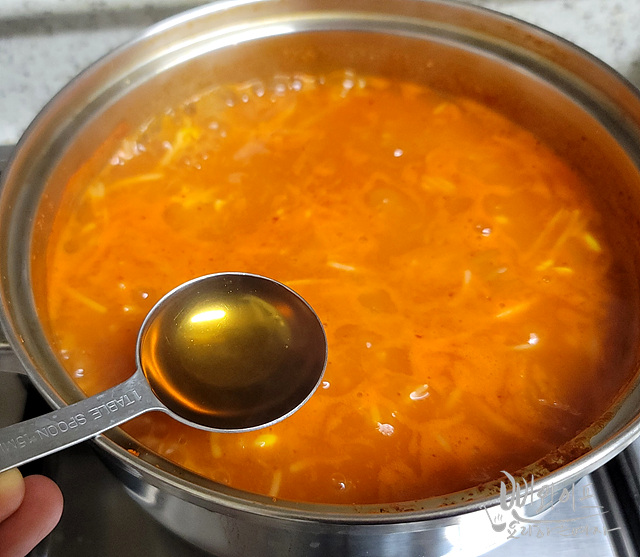
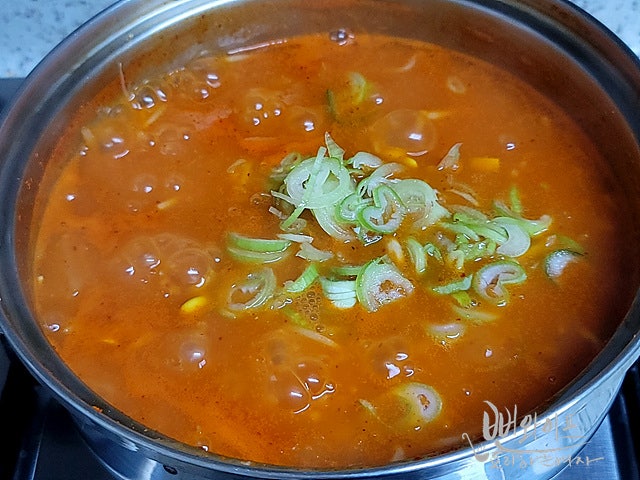
Season to taste with fish sauce, tuna extract sauce (chamchi-aek), or soup soy sauce (guk-ganjang).
Finally, add the green onion and simmer briefly so its aroma infuses before finishing.
Finish
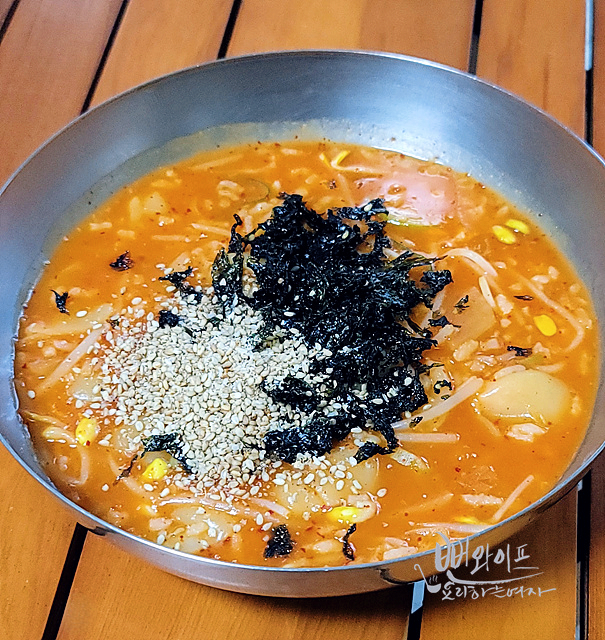
Ladle into a bowl, then top with seaweed flakes, ground toasted sesame seeds, and a drizzle of toasted sesame oil to finish.
Adding plenty of soybean sprouts makes the broth refreshing and clean.
 Ppunwife's tips
- I used potato sujebi so I added it first, but if using wheat flour sujebi, you can add it together with the soybean sprouts.
FAQ
Can I use other noodle or carb additions instead of sujebi?
Yes, you can substitute sliced rice cakes (tteokguk-tteok), ramyeon noodles, or thin wheat noodles (somyeon) to your liking instead of sujebi.
Does the cooking order differ depending on the type of sujebi?
Potato sujebi should be added before the soybean sprouts to soften properly, while wheat flour sujebi can be added right alongside the soybean sprouts.
Are there seasoning substitutes for fish sauce?
You can season the broth using tuna extract sauce (chamchi-aek) or soup soy sauce (guk-ganjang) instead of sand lance fish sauce.