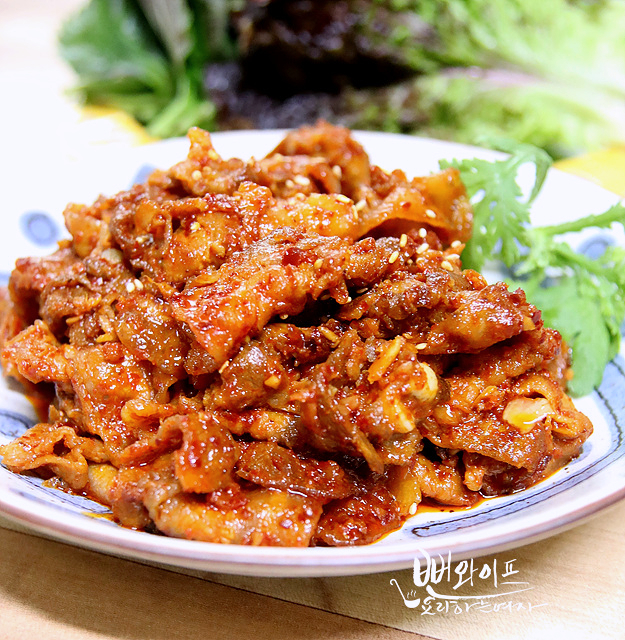
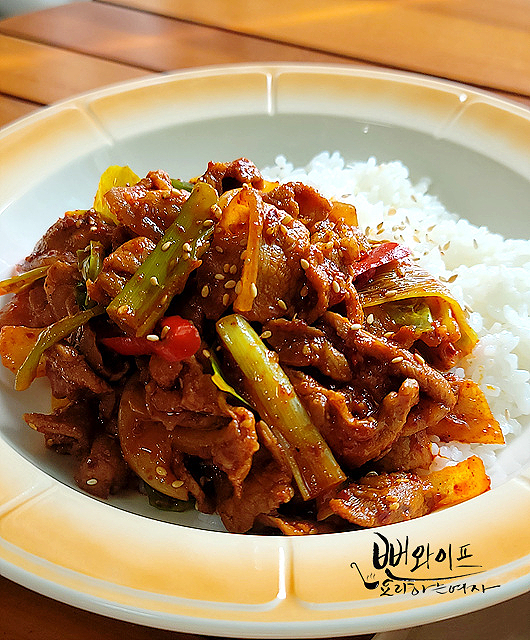
Spicy Kimchi Jeyuk Bokkeum (Stir Fried Pork with Kimchi)
A spicy side dish made by stir-frying thinly sliced pork belly in green onion oil, then tossing it with aged sour kimchi.
Translated from Korean by AI and not yet checked by a native speaker. Amounts and numbers are taken directly from the original recipe. Read the Korean original →
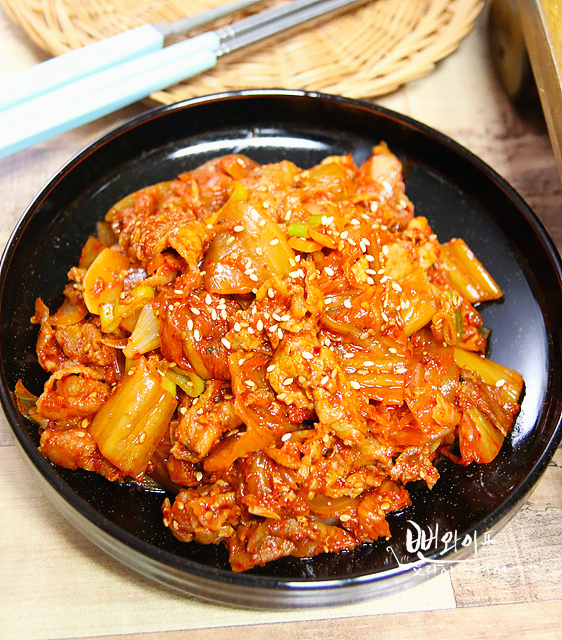
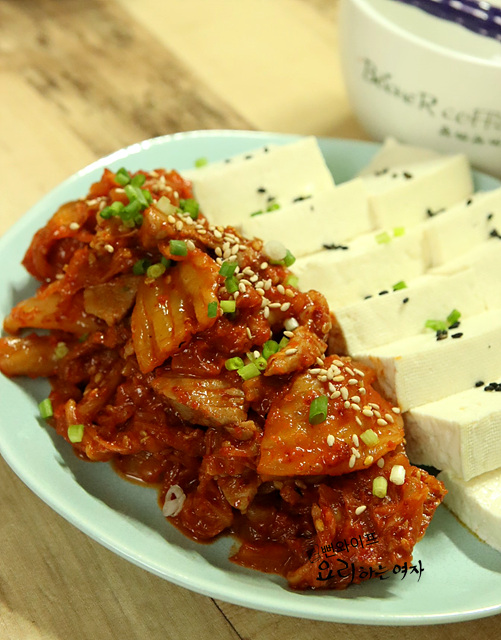
This kimchi jeyuk bokkeum is made by stir-frying thinly sliced pork belly in scallion oil first to eliminate gamey odors and enhance flavor. The tangy ripe kimchi blends with the savory pork fat to create a spicy, savory umami taste. It is great as a side dish for rice and also makes a wonderful bar snack served alongside tofu.
- Servings
- about 2–3 servings
- Difficulty
- Easy
- Spiciness
- Spicy
Ingredients
Ingredients
- Thinly sliced pork belly200 g
- Regular soy sauce (jin-ganjang)1 tbsp
- Ground black peppera little
- Aged sour kimchi300 g
- Onion1/2
- White part of large green onion (daepa)
Seasoning
- Sugar1/2 tbsp
- Mirin (cooking rice wine)2 tbsp
- Gochugaru (Korean chili flakes)1 tbsp
- Perilla oil (or toasted sesame oil)1 tbsp
- Toasted sesame seeds1/2 tbsp
- You can use 300g (1/2 quarter-head) of aged sour kimchi or well-aged mugeonji.
Steps
Prepare the ingredients
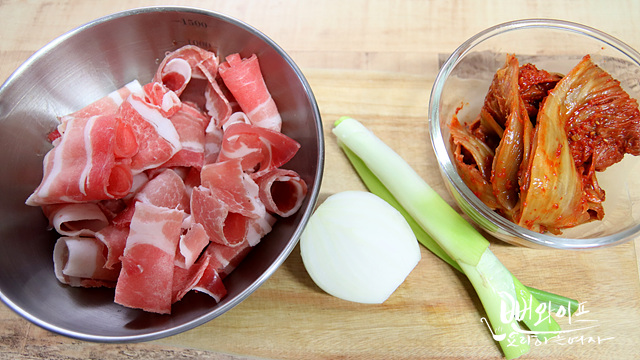
I prepared frozen thinly sliced pork belly.
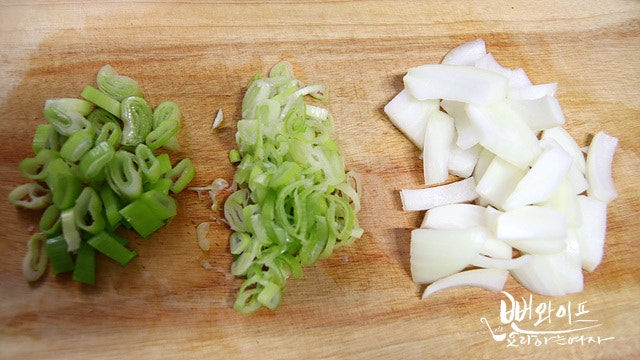
You will need 300g (1/2 quarter-head) of aged sour kimchi or well-aged kimchi, 1/2 onion, and the white part of large green onion (daepa).
Slice the ingredients
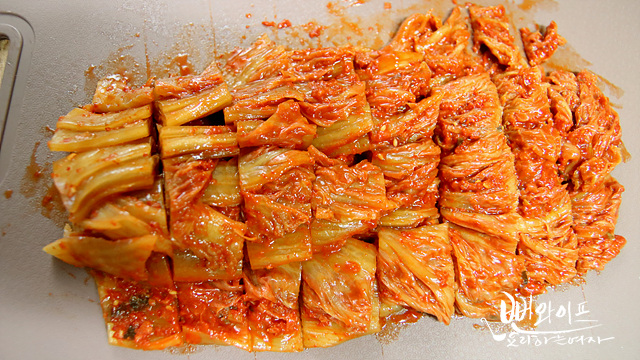
Shake off the seasonings inside the kimchi and cut it into bite-sized pieces.
Halve and thinly slice the onion, and finely chop the large green onion; we will use half of the green onion for scallion oil and add the other half at the very end.
Stir-fry the meat in scallion oil
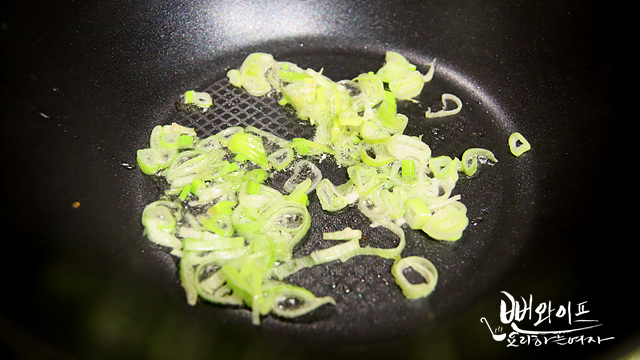
Drizzle cooking oil into a pan, add about half of the sliced large green onion, and stir-fry briskly to release its fragrance.
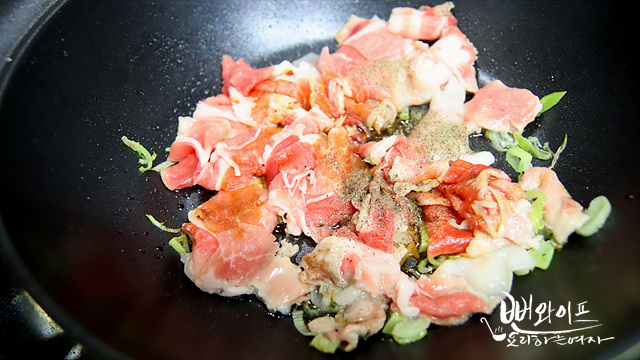
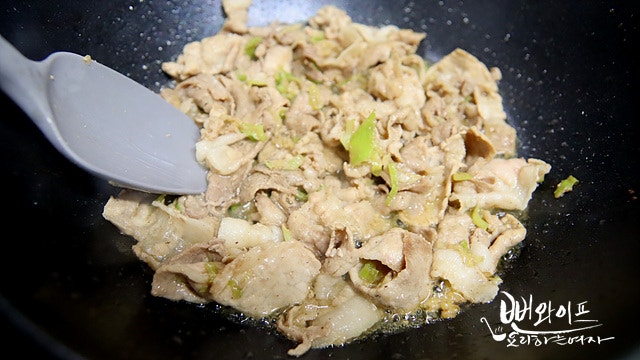
Add the pork, 1 tbsp regular soy sauce (jin-ganjang), and a bit of ground black pepper, then stir-fry so the meat absorbs the seasoning.
Add kimchi and stir-fry
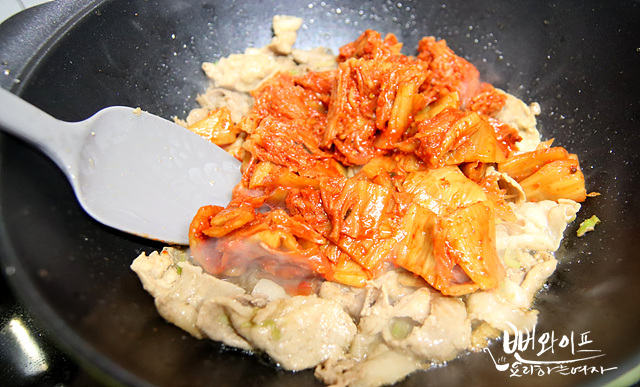
Once the meat is fully cooked, add the kimchi...
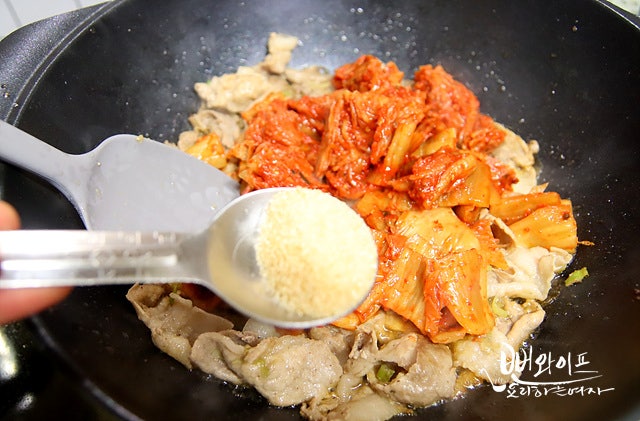
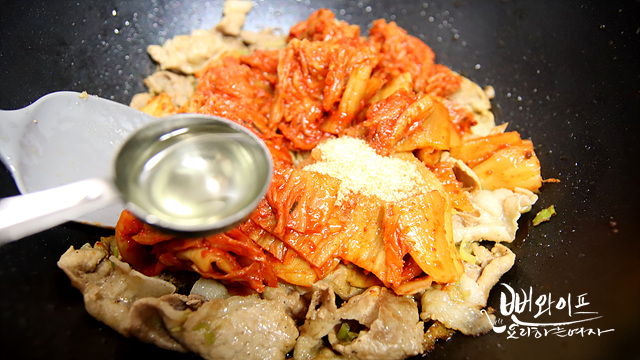
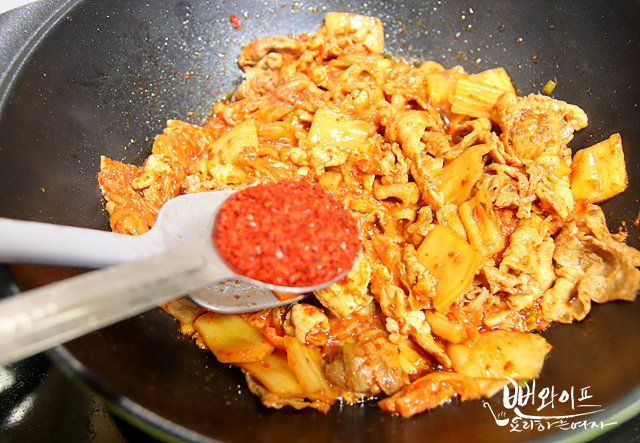
Add 1/2 tbsp sugar, 2 tbsp mirin (cooking rice wine), and 1 tbsp gochugaru (Korean chili flakes), then stir-fry until the kimchi softens and the seasoning is well blended.
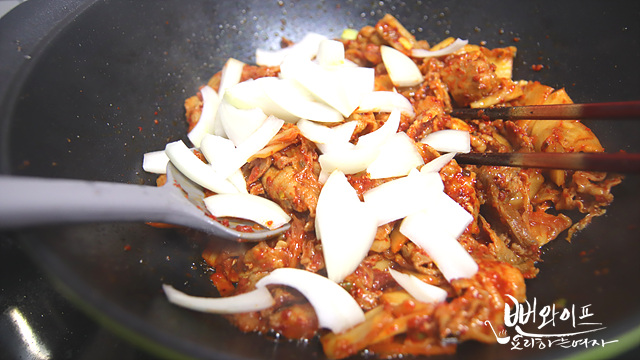
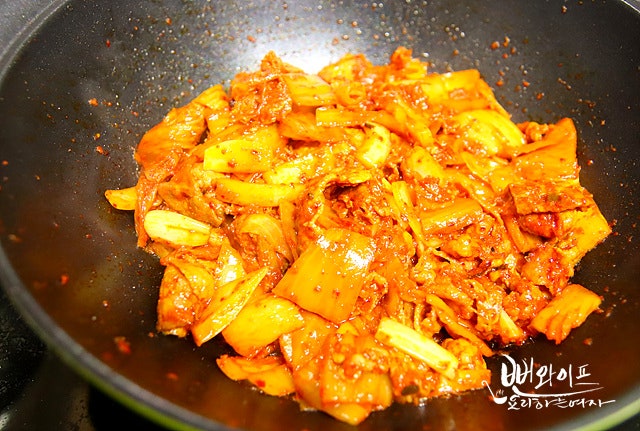
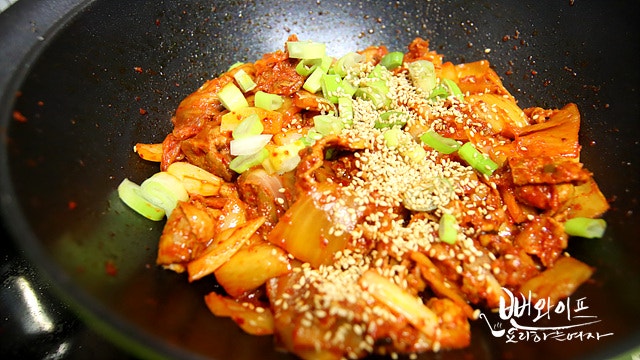
Add the onion and stir-fry briefly until slightly softened, then turn off the heat and finish by mixing in the remaining large green onion, perilla oil, and toasted sesame seeds.
Complete
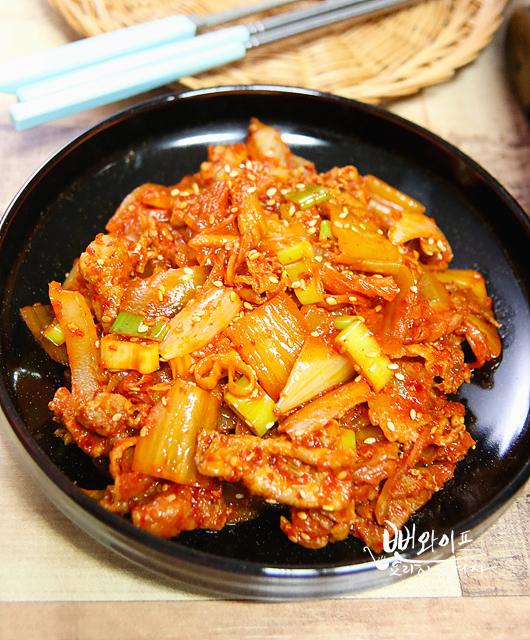
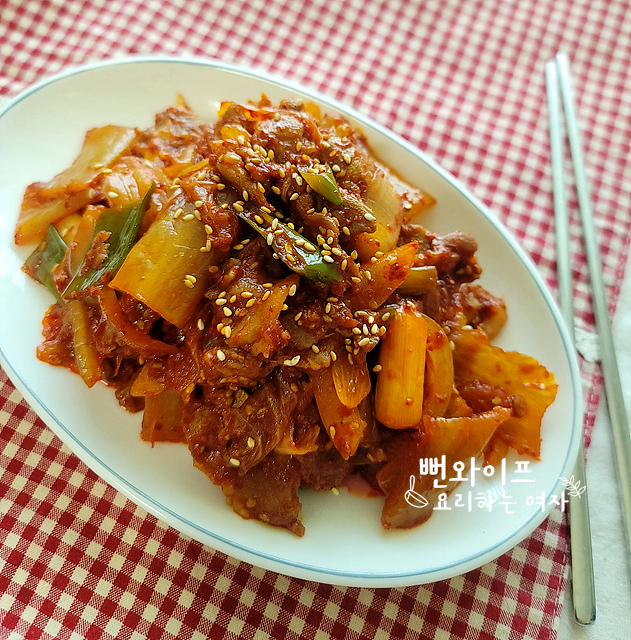
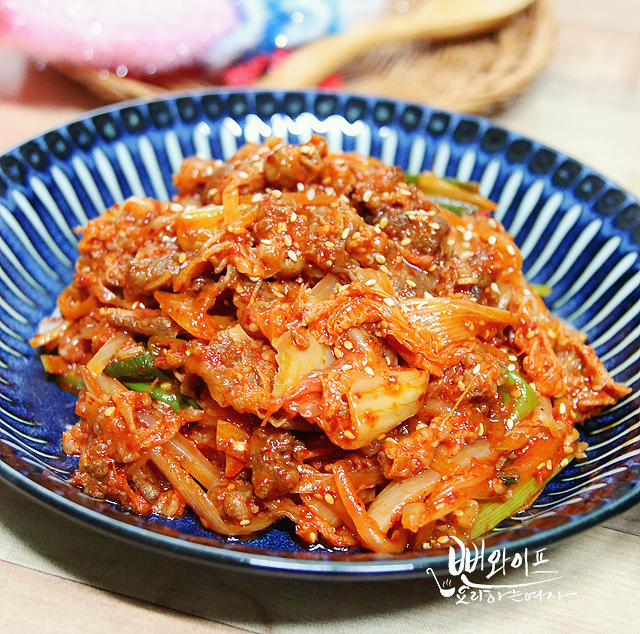
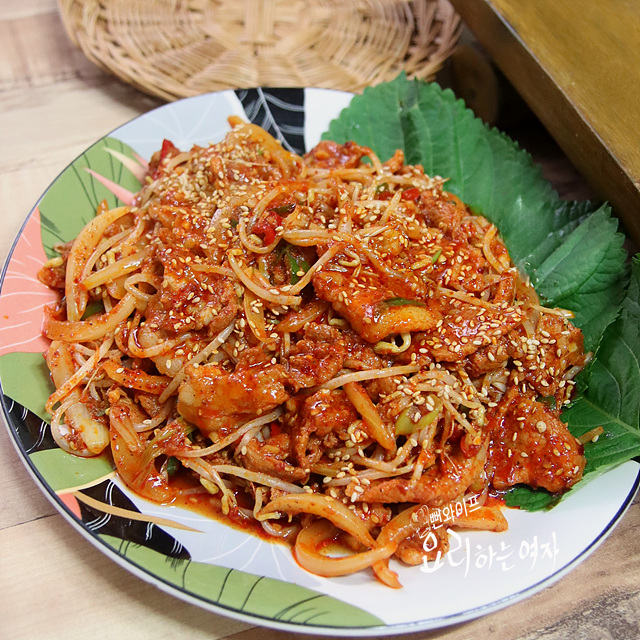
Jeyuk bokkeum made with tangy sour kimchi is a true rice thief.
Stir-frying the meat first in fragrant scallion oil removes any gamey odor and infuses the meat with scallion aroma, making it so much tastier.
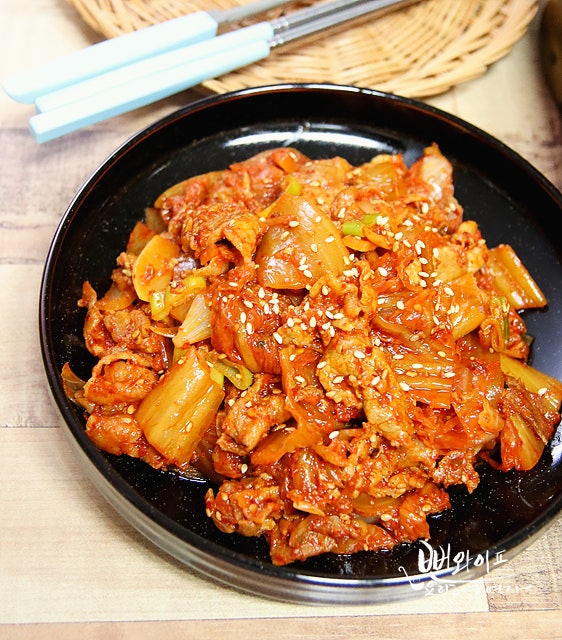
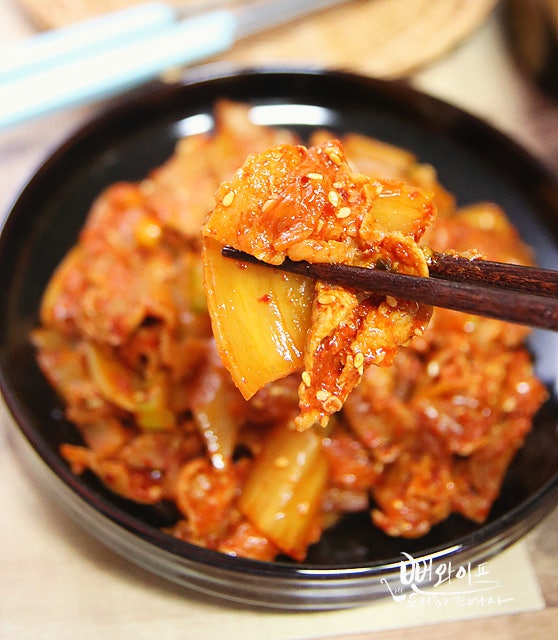
The harmony of tangy kimchi and savory pork fat delivers abundant umami.
It is wonderful enjoyed with tofu as a bar snack for makgeolli, and mixing it with warm rice and wrapping it in gopchang seaweed sheets is absolute bliss.
 Ppunwife's tips
- Stir-frying the meat first in fragrant scallion oil removes gamey odors and infuses the pork with scallion aroma, making it much more flavorful.
FAQ
Can I use toasted sesame oil instead of perilla oil?
Yes, toasted sesame oil is noted in the ingredients as a suitable substitute for perilla oil.
When is the green onion added during cooking?
Half of the finely chopped green onion goes in early to make scallion oil, and the remaining half is mixed in at the very end after turning off the heat.
Can I use other pork cuts instead of thinly sliced pork belly? AI-generated
Generally, you can also use other thinly sliced cuts of pork, such as pork shoulder (front leg) or regular pork belly.