Fluffy Boiled Chestnuts Steamed with Salt
A fall seasonal snack of boiled chestnuts, brought to peak sweetness with salt and gently steamed off the heat until soft and fluffy.
Translated from Korean by AI and not yet checked by a native speaker. Amounts and numbers are taken directly from the original recipe. Read the Korean original →
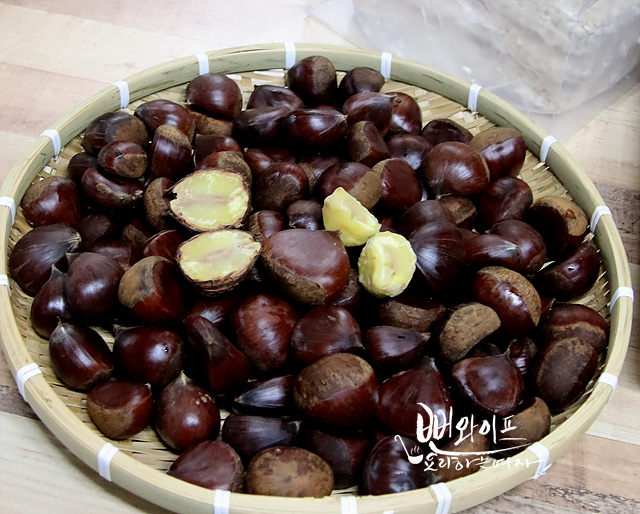
This snack is made by aging freshly harvested in-season chestnuts for 10 days to maximize their sweetness and nuttiness before boiling them. Salt is added to boiling water, the chestnuts simmer over low heat and steam off the heat, and then they are rinsed in cold water so they peel easily.
- Servings
- about 4–5 servings
- Cook time
- 30 minprep not included
- Difficulty
- Easy
- Spiciness
- Not spicy
Ingredients
- Chestnuts1 kg
- Coarse sea salt1 tbsp
- Dry the sorted chestnuts thoroughly, place them in a ziplock bag, and store them in the kimchi refrigerator. After about 10 days of aging, their sweetness and nuttiness will increase.
- Pour in plenty of water, and discard any chestnuts that float instead of sinking to the bottom, as they are worm-eaten.
Steps
Prepare the ingredients
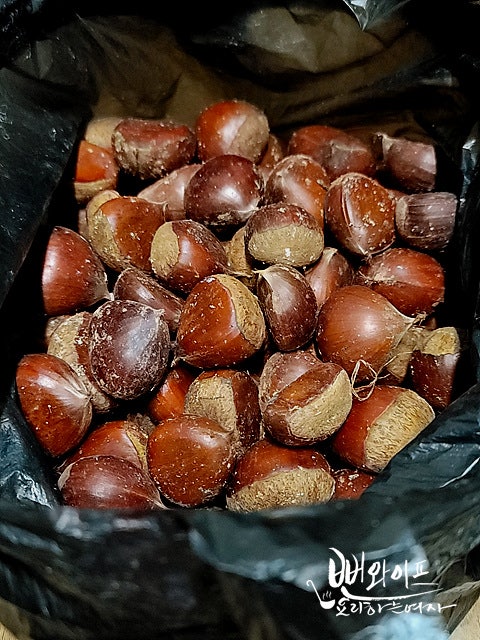
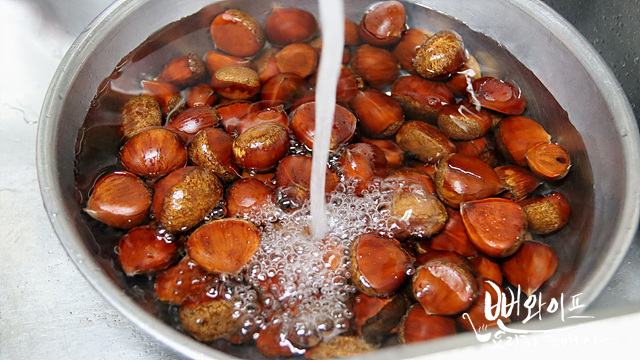
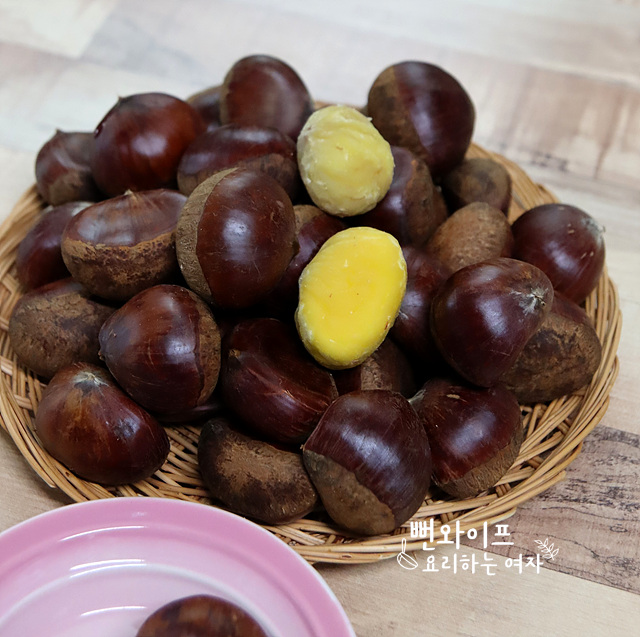
These fresh chestnuts were brought straight in after picking and removing the burs, so they have a lot of dirt on them.
Wash them thoroughly in water several times.
Sort and age the chestnuts
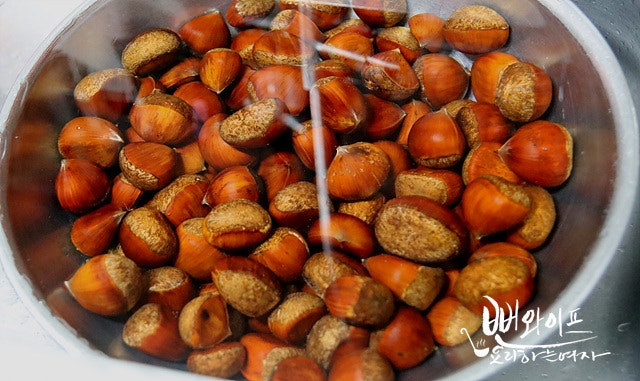
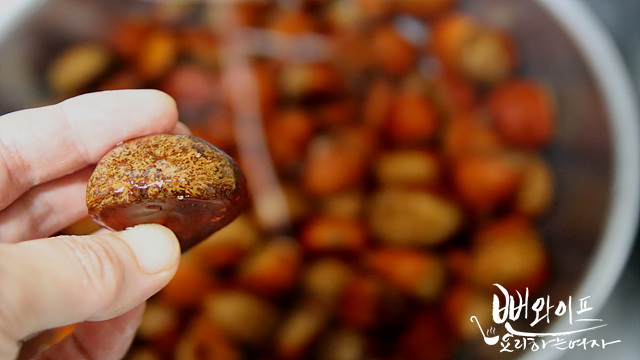
Pour in plenty of water; any chestnut that floats instead of sinking to the bottom will almost certainly have a hole in it.
Discard them, as they are worm-eaten.
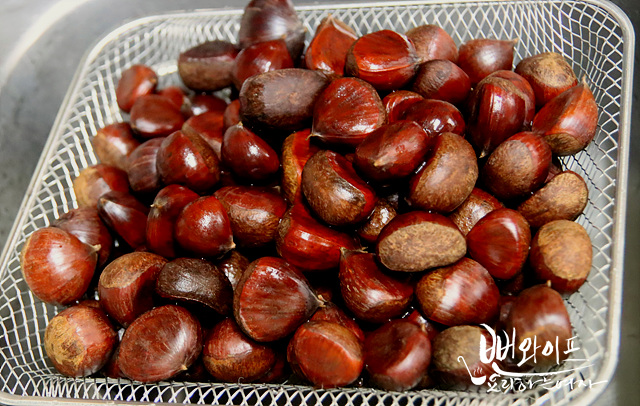
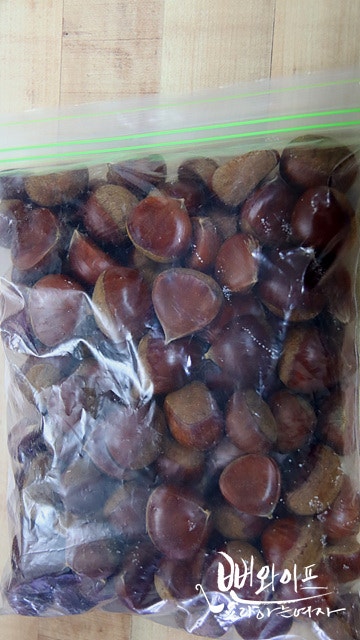
Thoroughly dry the sorted chestnuts, place them in a ziplock bag, and store them in the kimchi refrigerator.
Chestnuts that tasted bland will develop rich sweetness and nuttiness after aging for about 10 days.
Boil the chestnuts
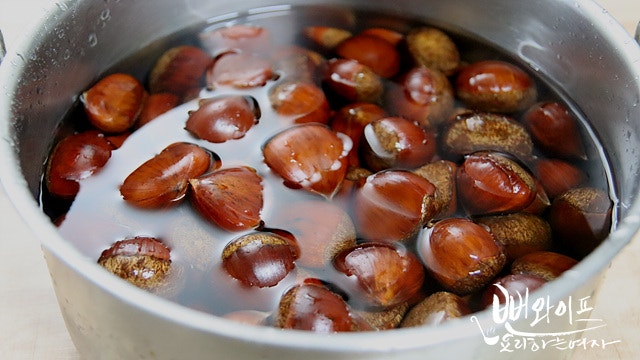
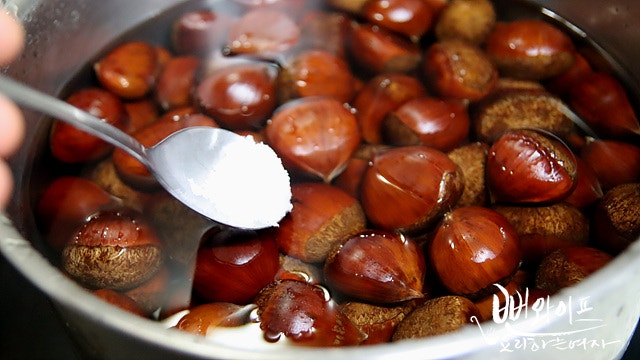
Place the chestnuts and water in a pot—pour just enough water to reach the height of the chestnuts or slightly less—and add 1 tbsp coarse sea salt.
Adding salt helps bring out the natural sweetness of the chestnuts.
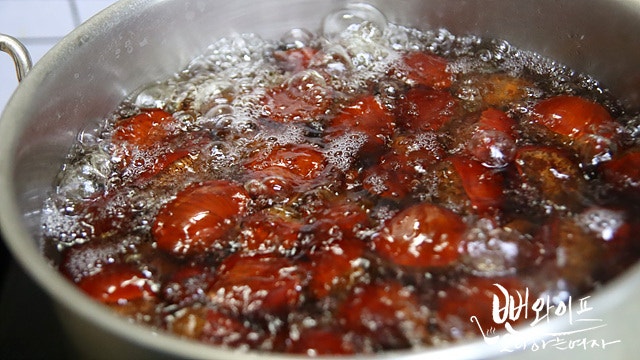
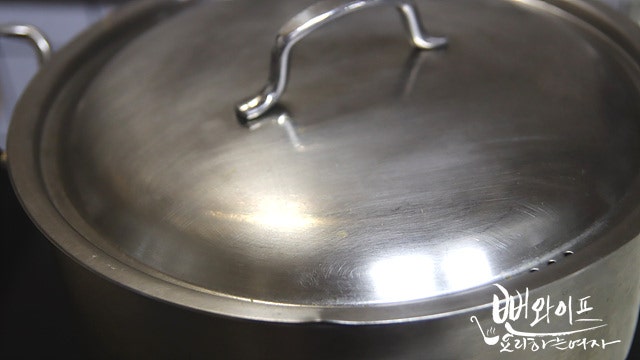
Once the water comes to a rolling boil, cover with the lid, reduce the heat to low, and boil for 20 minutes.
Adjust the boiling time depending on the size of the chestnuts. Cut one open, and once it is cooked just right, let them steam off the heat for 10 minutes.
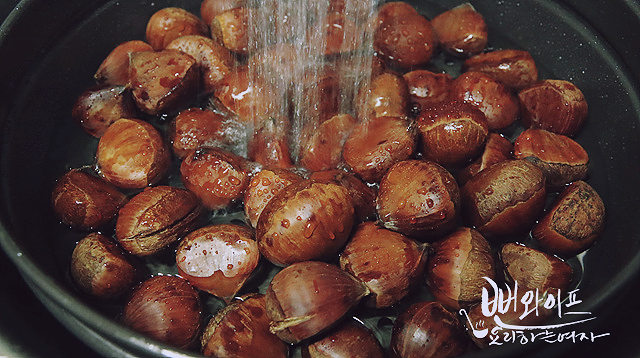
Rinse the fully cooked chestnuts in cold water to cool them down and drain them.
Finish
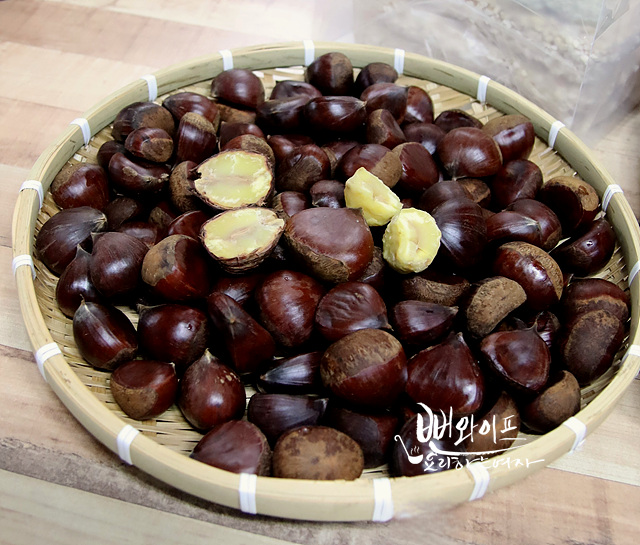
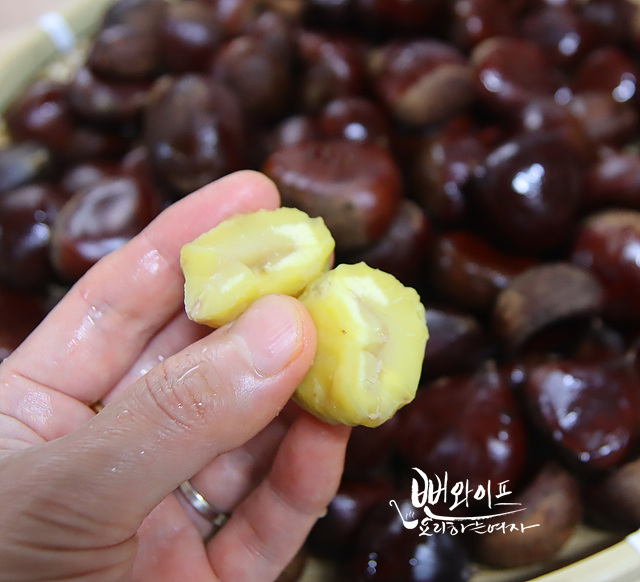
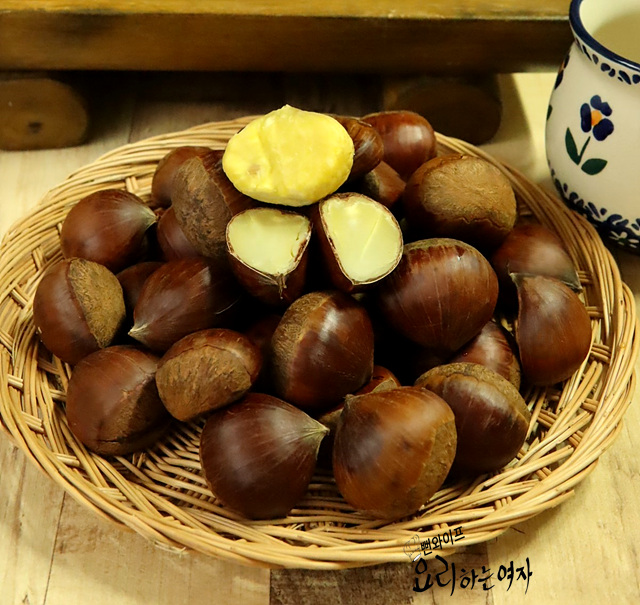
Freshly boiled chestnuts peel easily thanks to the fine gap that forms between the inner skin and the flesh.
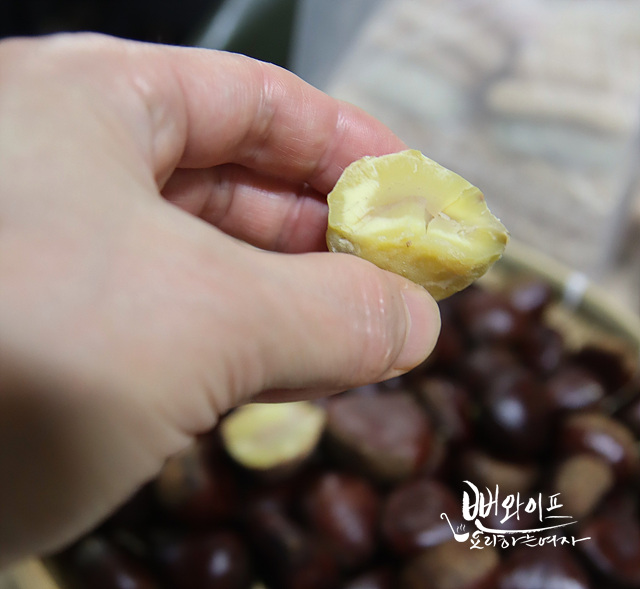
Once they are completely cool, or a day or two later, cut them in half and scoop them out with a spoon.
You know how it goes once you boil chestnuts and eat the first one: it is a delicious wellness snack that keeps you eating until they are all gone.
 Ppunwife's tips
- Adding salt helps bring out the natural sweetness of the chestnuts.
- Adjust the boiling time depending on the size of the chestnuts. Cut one open, and once it is cooked just right, let them steam off the heat for 10 minutes.
- Rinse the fully cooked chestnuts in cold water to cool them down and drain them.
FAQ
Why should freshly harvested chestnuts be aged instead of boiled right away?
Freshly picked chestnuts have less sweetness, so aging them in a kimchi refrigerator for about 10 days enriches their sweetness and nutty flavor.
Why is salt added when boiling chestnuts?
Boiling them with coarse sea salt further enhances the chestnuts' natural sweetness.
How do you pick out bad or worm-eaten chestnuts?
When you add plenty of water, any chestnuts that float to the top instead of sinking to the bottom are hollow or worm-eaten, so scoop them out and discard them.
Is there a trick to peeling them more easily after boiling?
Rinsing the cooked chestnuts in cold water to cool them down creates a gap between the inner skin and the flesh, making them much easier to peel.