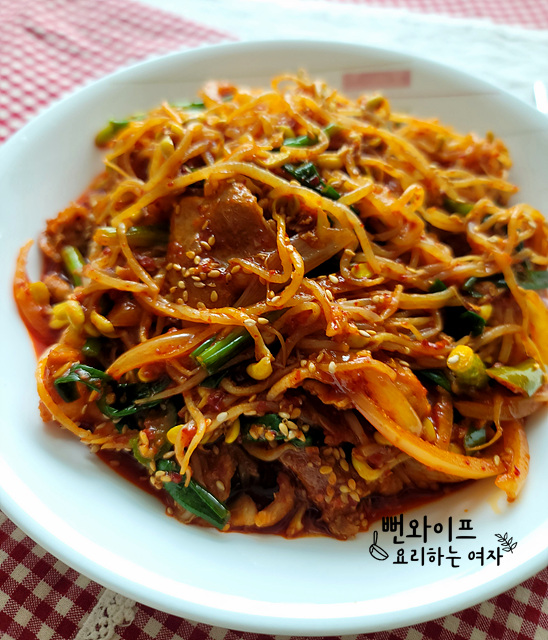
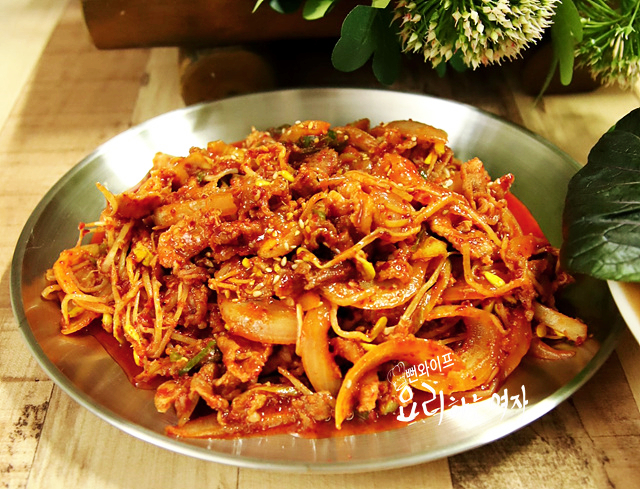
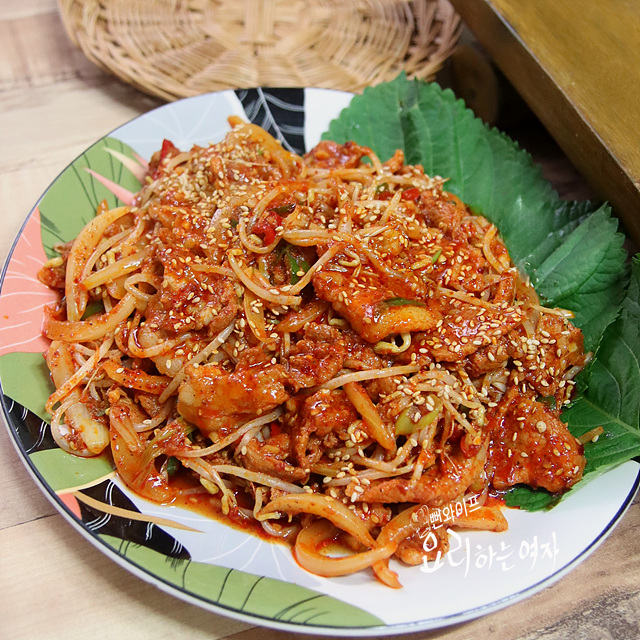
Yakisoba with Plenty of Thinly Sliced Pork Belly
A Japanese stir-fried noodle dish made by stir-frying thinly sliced pork belly, fresh vegetables, and noodles together in a savory sauce.
Translated from Korean by AI and not yet checked by a native speaker. Amounts and numbers are taken directly from the original recipe. Read the Korean original →
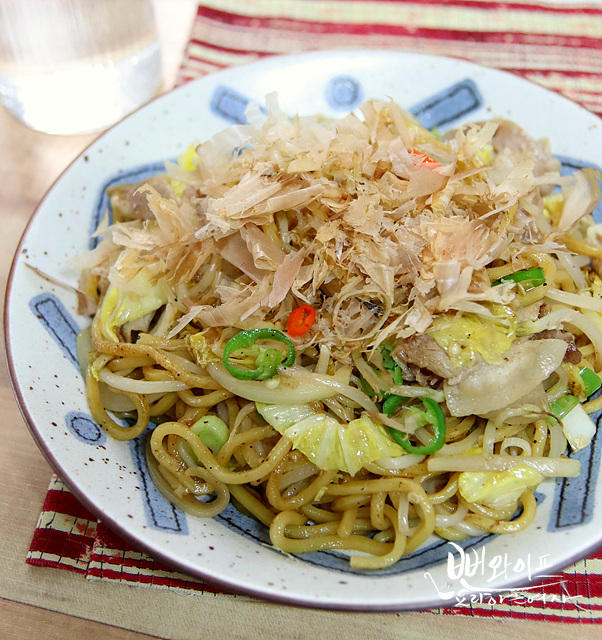
This Japanese noodle dish quickly stir-fries thinly sliced pork belly, cabbage, and mung bean sprouts with a savory sauce. Microwaving the noodles briefly before searing them in the pan gives them great texture, while large green onion and chili peppers add a clean, spicy kick. It makes a satisfying one-bowl meal or a great snack with beer.
- Servings
- 2 servings
- Difficulty
- Medium
- Spiciness
- Mildly spicy
Ingredients
Ingredients
- Yakisoba noodles (or chinese-style noodles, udon noodles, ramen noodles)2 servings
- Thinly sliced pork belly (or bacon)100 g
- Baby napa cabbage100 g (or green cabbage)
- Mung bean sprouts100 g
- Large green onion (daepa)a little
- Red Cheongyang chili pepper1 each (optional)
- Bonito flakes (katsuobushi)optional
Seasoning
- Worcestershire sauce2 tbsp
- Oyster sauce1 tbsp
- Regular soy sauce (jin-ganjang) (or brewed soy sauce (yangjo-ganjang))1/2–1 tbsp
- Cheongju (Korean rice wine) (or mirin (cooking rice wine))1 tbsp
- Salta little
- Ground black peppera little
- Instead of meat, you can also add seafood such as shrimp or squid.
- Green cabbage works great instead of baby napa cabbage, and it is also delicious made with just onion and cabbage.
- If you do not have Worcestershire sauce, you can make it using tonkatsu sauce with a little vinegar added.
- Instead of bonito flakes, it is also delicious to toss in a little hondashi.
Steps
Prepare the ingredients
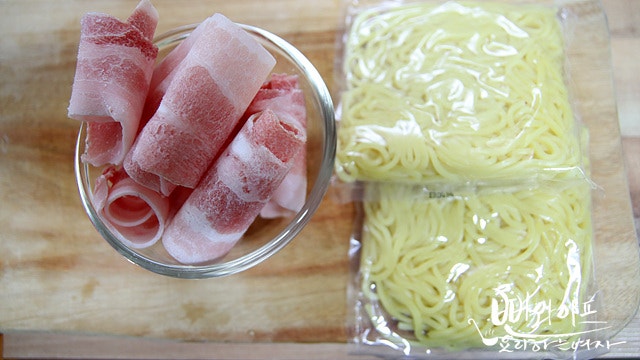
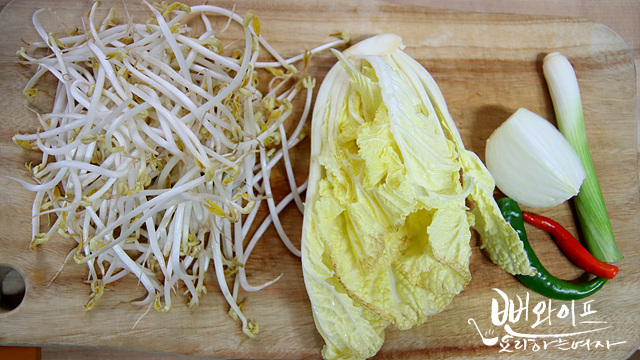
For the meat, I prepared thinly sliced pork belly. Instead of meat, you can also add seafood such as shrimp or squid.
These are yakisoba noodles, but thin Chinese-style wheat noodles also work well.
Here are the yellow inner baby napa cabbage leaves, mung bean sprouts, onion, large green onion, and chili peppers. Green cabbage works great instead of baby napa cabbage, and it is also delicious made with just onion and cabbage.
Cut the ingredients
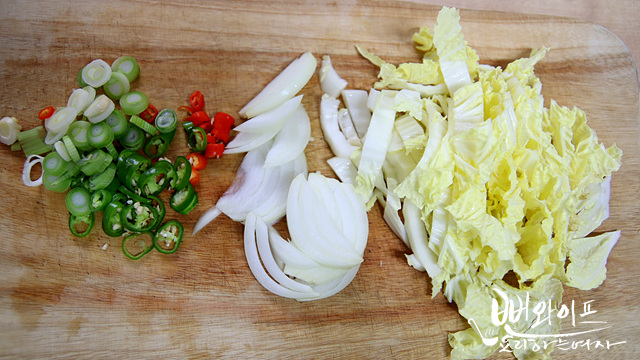
Thickly shred the cabbage and slice the onion not too thinly, to about 0.5 cm.
Thinly slice the large green onion and chili peppers into rounds.
Make the yakisoba sauce
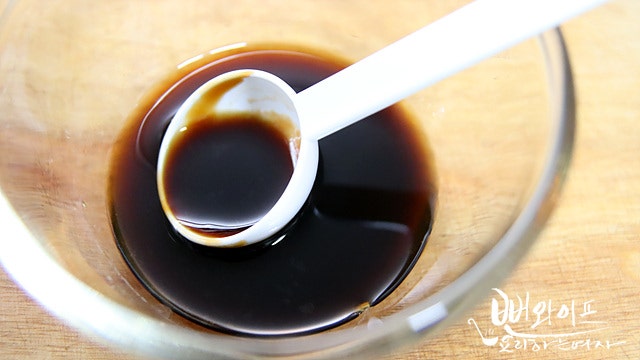
Mix 2 tbsp Worcestershire sauce, 1 tbsp oyster sauce, 1/2 to 1 tbsp regular soy sauce, and 1 tbsp mirin ahead of time to make the yakisoba sauce.
If you do not have Worcestershire sauce, you can make it using tonkatsu sauce with a little vinegar added.
Stir-fry the meat and vegetables
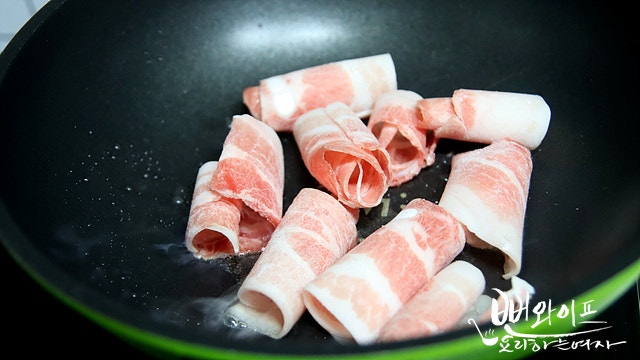
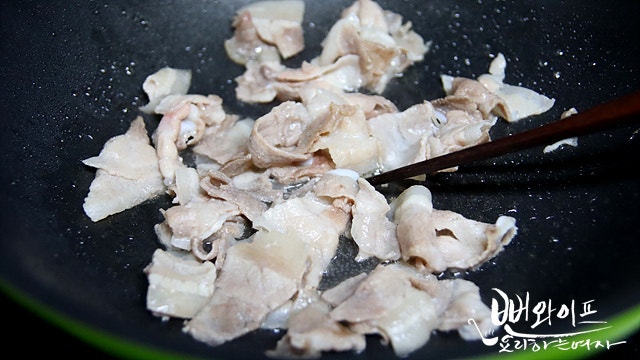
Cut the thinly sliced pork belly into bite-sized pieces as you stir-fry it.
Once the pink color has completely faded...
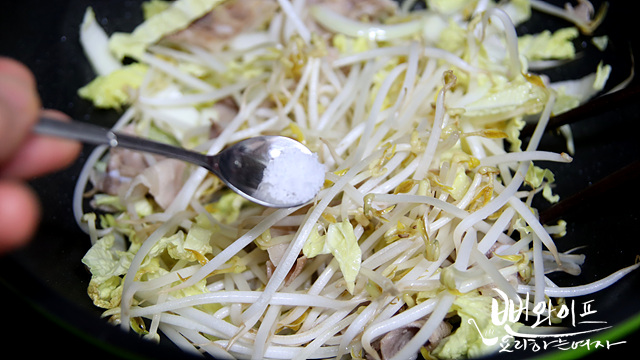
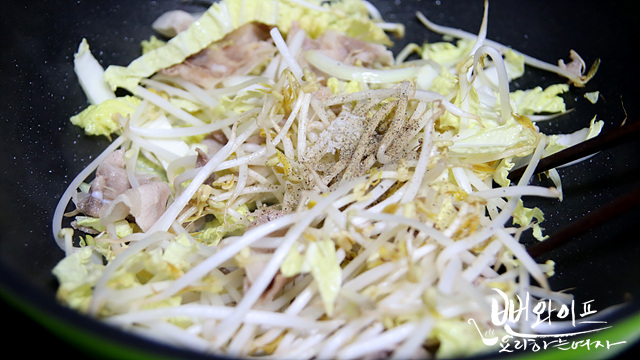
Add the mung bean sprouts, cabbage, and onion, along with 1/4 tsp salt and a little ground black pepper, and stir-fry briefly to season.
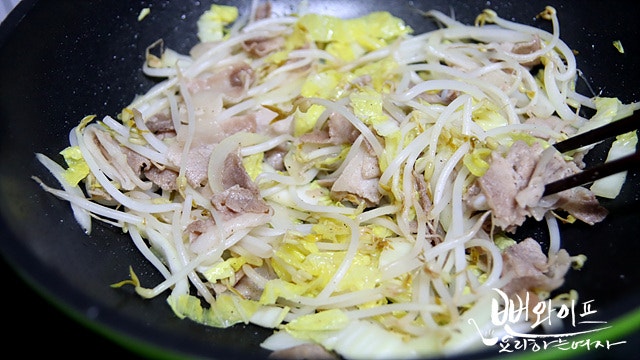
Since they will be stir-fried more with the noodles, do not cook them too long; transfer them to a separate plate.
Stir-fry the noodles
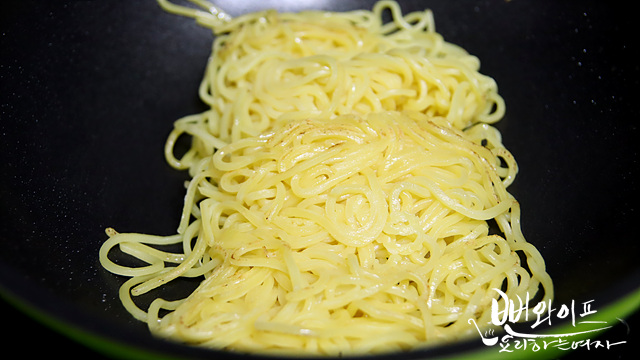
Yakisoba noodles do not need to be boiled separately, and because they are coated in oil, they separate easily without sticking.
First, microwave them for 1 minute per package, and the stiff noodles will soften.
Lightly swirl oil in the pan, add the noodles directly, and give them a light pan-seared color.
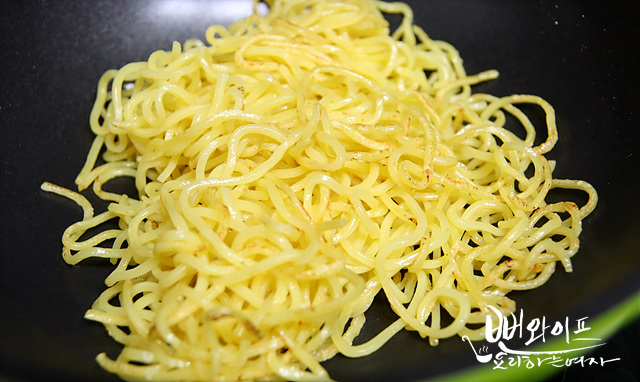
Flip them over to brown the other side the same way; think of this as a step to get the texture and flavor of traditional yakisoba.
Stir-fry so the noodles loosen gently and brown evenly...
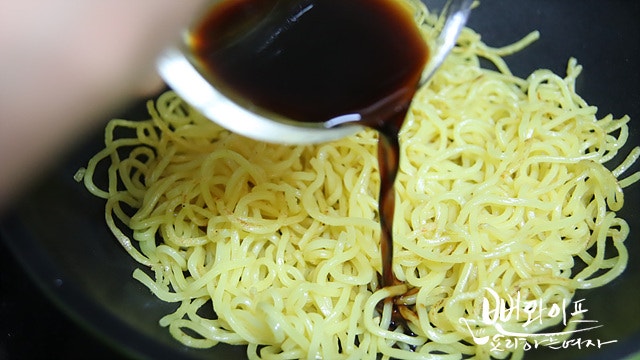
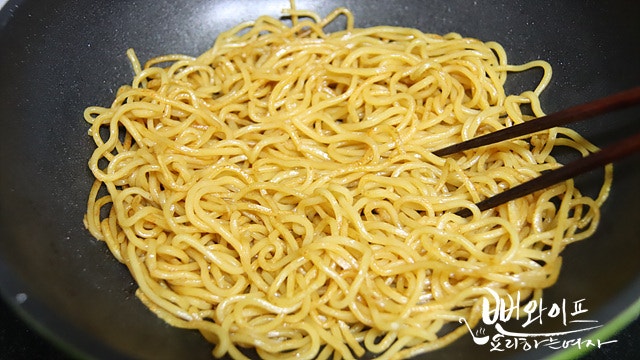
Add the prepared sauce and stir-fry so it coats the noodles evenly.
Add meat and vegetables to finish
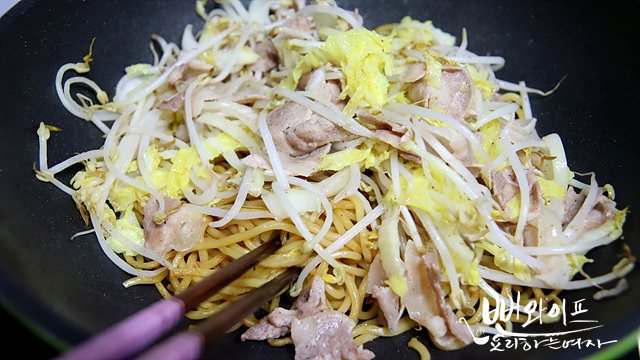
Now add the stir-fried meat and vegetables and stir-fry briefly...
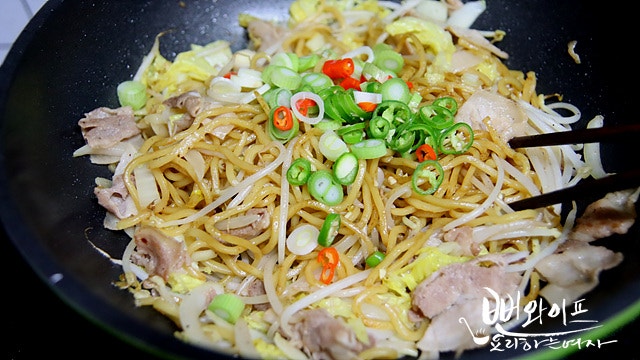
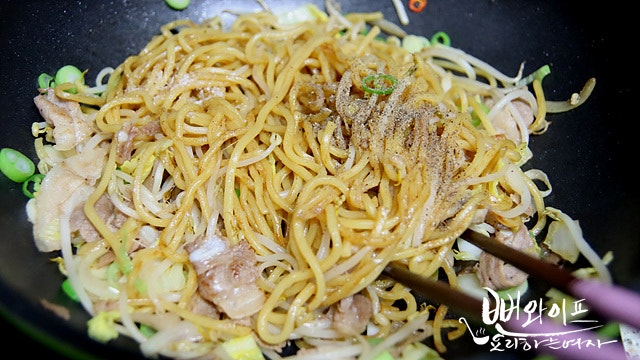
Add the large green onion and chili peppers to infuse their aroma, then turn off the heat and finish with a little ground black pepper at the very end.
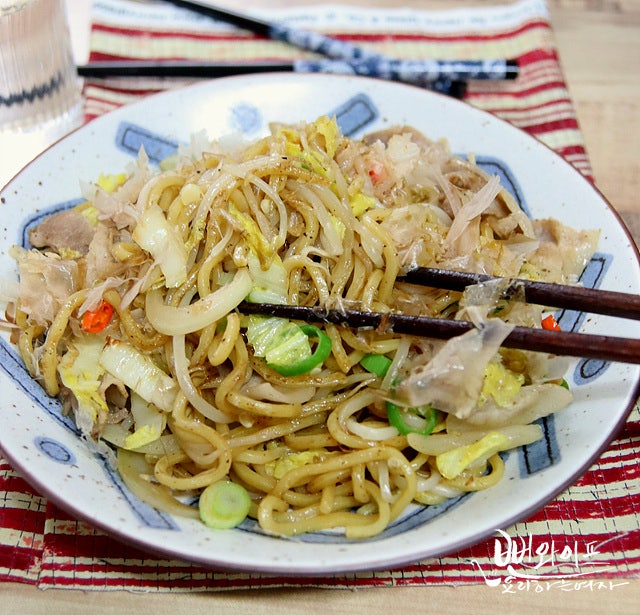
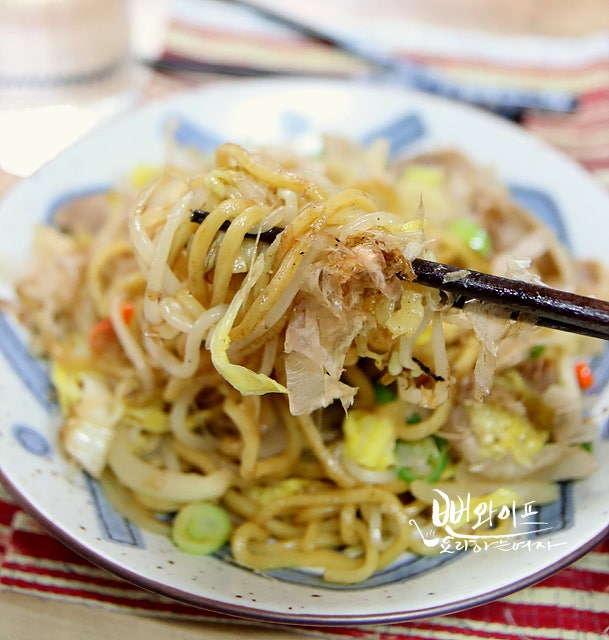
Complete
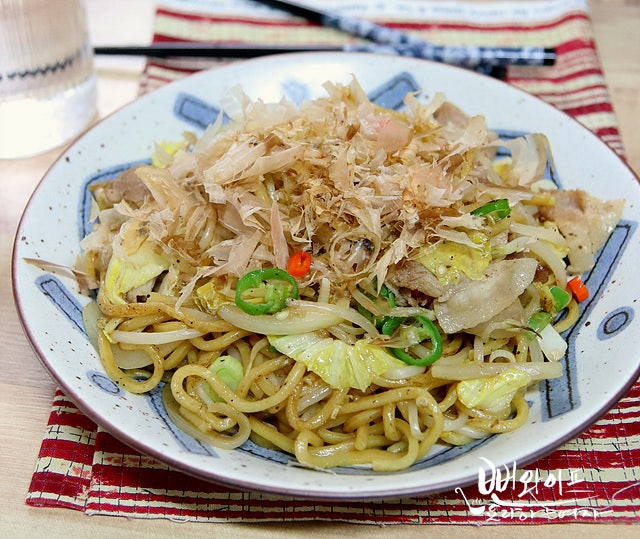
I had some bonito flakes, so I placed a little on top.
Instead of this, it is also delicious to toss in a little hondashi.
 Ppunwife's tips
- Since they will be stir-fried more with the noodles, do not cook them too long; transfer them to a separate plate.
- Yakisoba noodles do not need to be boiled separately, and because they are coated in oil, they separate easily without sticking. First, microwave them for 1 minute per package, and the stiff noodles will soften.
- Lightly swirl oil in the pan, add the noodles directly, and give them a light pan-seared color. Flip them over to brown the other side the same way; think of this as a step to get the texture and flavor of traditional yakisoba.
FAQ
What noodles can I use instead of yakisoba noodles?
You can substitute Chinese-style noodles, udon noodles, or ramen noodles.
How can I substitute Worcestershire sauce if I do not have it?
You can use tonkatsu sauce mixed with a little vinegar.
Why do you microwave the yakisoba noodles before stir-frying?
Microwaving the stiff, packed noodles for about 1 minute per package softens them so they loosen easily, making them much easier to cook.
Can I use seafood instead of pork?
Seafood such as shrimp or squid works very well in place of thinly sliced pork belly.